
Gross motor skills are the physical abilities your child uses to move their large muscle groups for big actions like running, jumping, and throwing. These skills form the foundation for a healthy, active childhood and provide the stamina needed for daily life. While these movements look like simple fun, they’re actually complex brain and body tasks that require regular practice. Understanding how to support these stages of child development helps your child move through the world with joy and ease.
Key Takeaways – Gross Motor Skills Through Play
- Gross motor skills use big muscles. These include the arms, legs, and torso for movements like walking and climbing.
- Play is the most effective teacher. Natural exploration helps build strength, balance, and coordination without the pressure of strict drills.
- Big movements lead to small ones. Developing strong gross motor skills makes it easier for children to master fine motor skills later.
- Consistency is the secret. Repetition helps the brain and muscles work together to make movements more efficient.
What are Gross Motor Skills?
Gross motor skills involve the large muscles in the arms, legs, and torso. You see these skills in action when your child runs across a playground or kicks a ball. They differ from fine motor skills, which use smaller muscles in the hands and fingers for tasks like writing or buttoning a shirt. Put simply, gross motor skills are for the big movements that move the whole body.
To see the specific physical milestones your child should be reaching right now, explore our stages of child development guide.
Designed for families with children up to 5 years old.

Why Gross Motor Play is Essential
Developing these skills early on has a positive effect on both physical health and mental confidence. Here’s why focusing on these big movements matters.
- Physical Health. Regular movement gets the heart rate up and builds muscle strength. It helps your child stay healthy and energetic.
- Daily Stamina. Good motor control helps your child handle a full day of school and play without getting tired. This is vital for maintaining focus in the classroom.
- Balance and Coordination. These skills help children understand where their body is in space. This makes it easier for them to navigate stairs or uneven ground safely.
- Social Confidence. Being able to join in games like tag or soccer helps children make friends and builds their self-esteem.
To learn more about how your child senses balance and movement in their environment, explore our sensory play for babies guide.
Age-Appropriate Activities to Build Strength
Every child develops at their own pace, but we can offer specific types of play to support their current milestones.
For Infants (6 to 12 Months)
At this stage, babies are focusing on rolling over, sitting, and eventually standing.
- Tummy Time. Spending longer periods on their tummy builds neck and upper body strength.
- Sit-to-Stand. Gently assisting your baby to stand from a sitting position improves leg strength and balance.
- Rolling Games. Encouraging your baby to roll over for a favourite toy makes them more comfortable with movement.
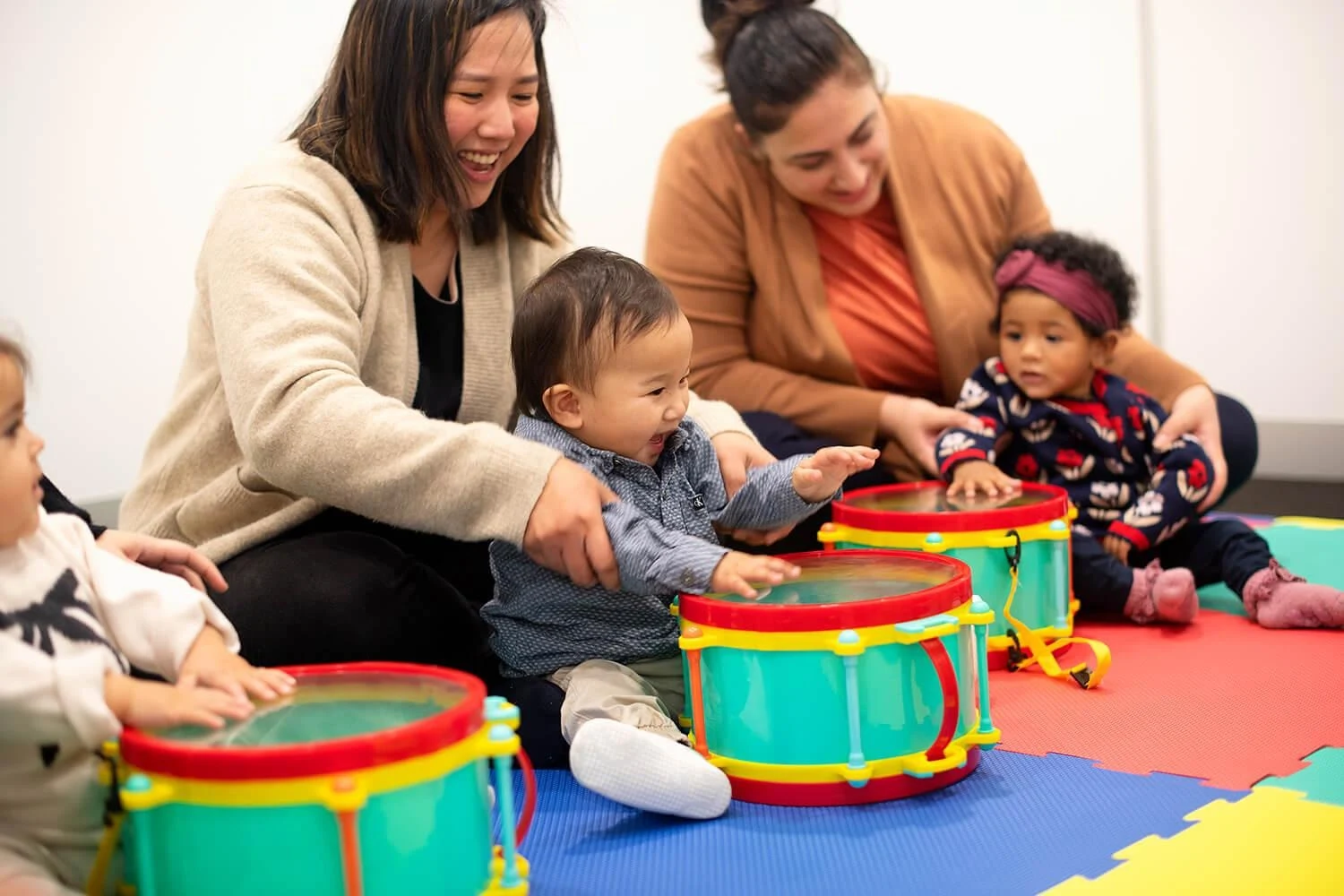
Image by Shichida Australia: Babies enjoying rhythm and song during a Shichida Baby Class.
For Toddlers (18 Months to 2 Years)
Toddlers are refining their walking and beginning to explore heights and speeds.
- Simple Obstacle Courses. Use pillows and soft mats to create a path for them to navigate. This improves their walking and balancing.
- Ball Kicking. Simply kicking a soft ball introduces the concept of cause and effect and builds leg coordination.
- Tippy Toe Challenges. Encourage your toddler to reach for items on a safe, slightly higher surface to strengthen calf muscles.
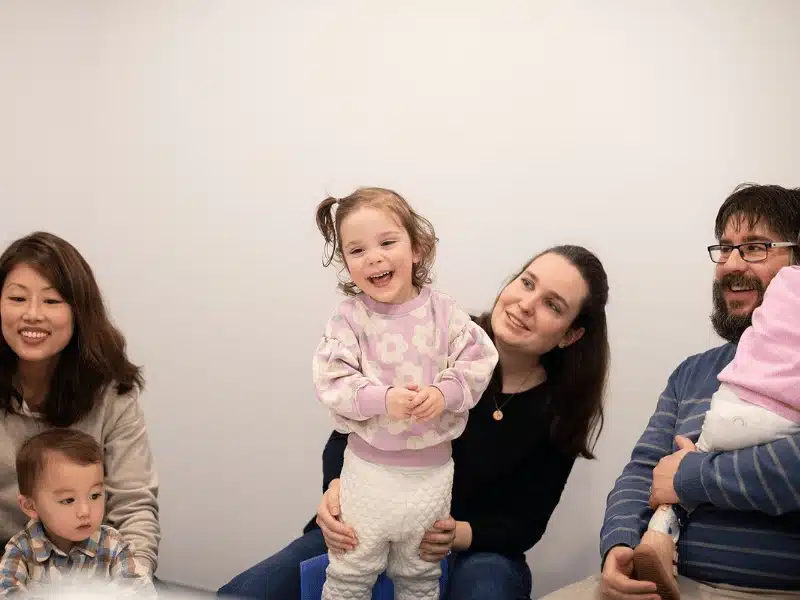
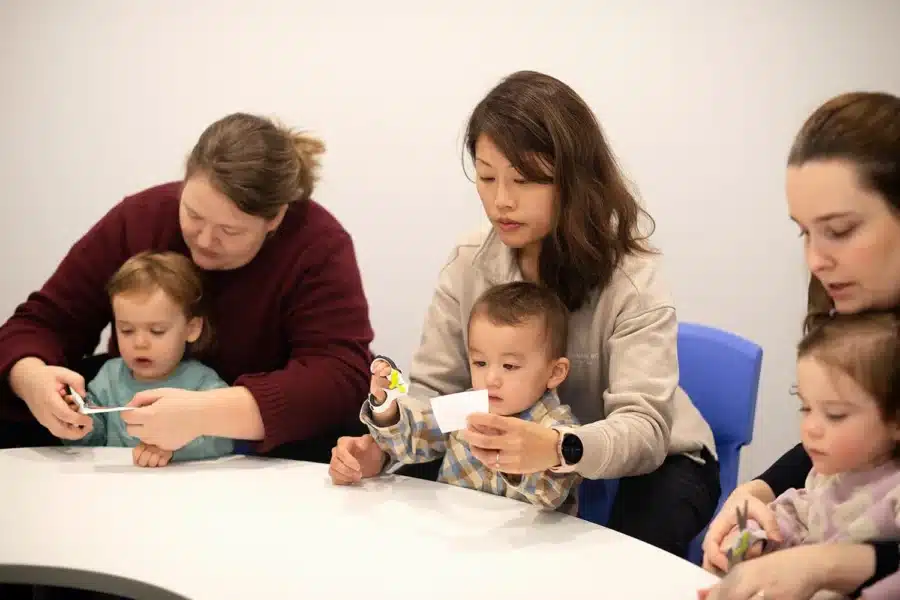
Image by Shichida Australia: Toddlers and parents learning together, enjoying meaningful quality time during a Shichida toddler class.
For Preschoolers (3 to 5 Years)
These large motor skill activities for preschoolers can help them become more agile and test their limits with hopping and running.
- Hopscotch. This classic game improves precision and balance.
- Tag and Chase. These games enhance running skills and agility as they learn to change direction quickly.
- Beginner Gymnastics. Simple somersaults on a soft mat help strengthen the core and back muscles.
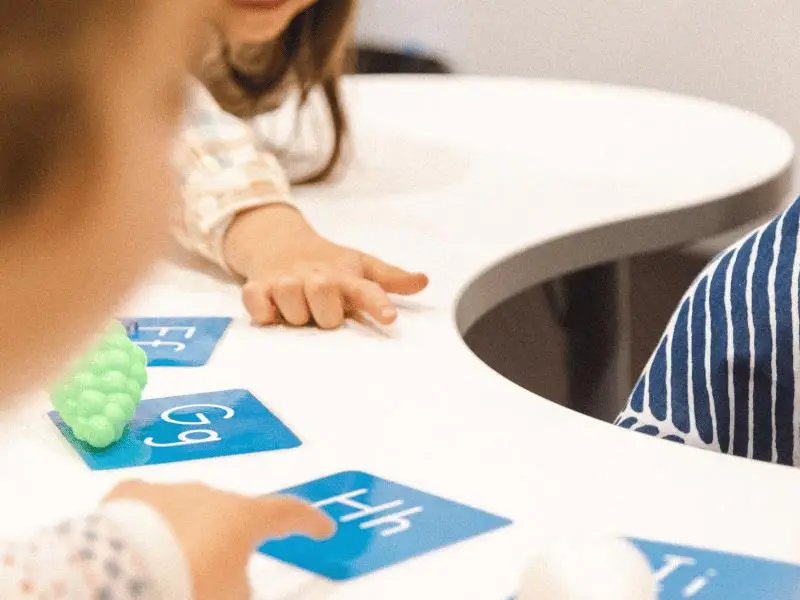
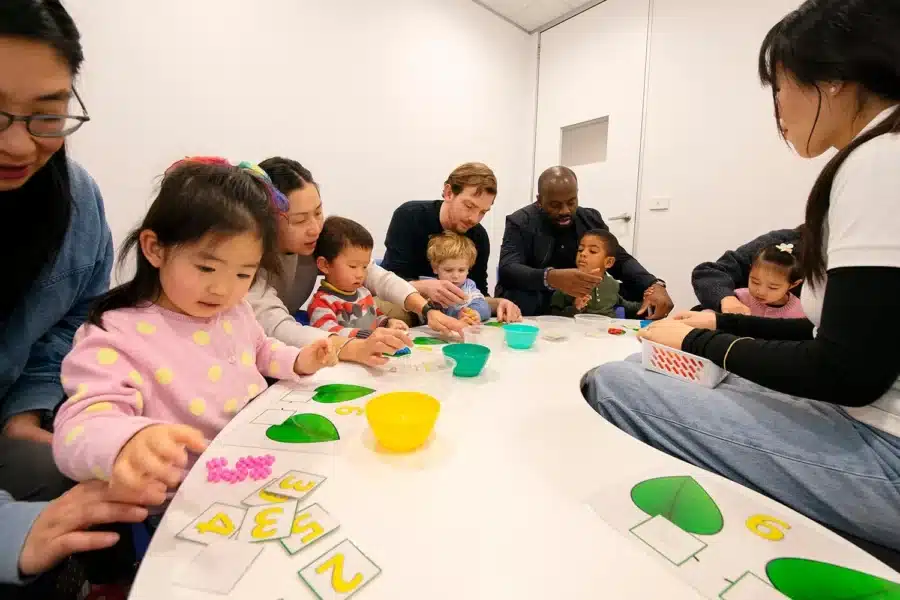
Image by Shichida Australia: Preschoolers enjoying hands-on-games and activities during a Shichida Kinder Class – here they are playing a phonics matching game.
For School-Aged Kids (5 to 7 Years)
At this stage, early primary school aged children are ready for more complex tasks like skipping and riding a bike.
- Jump Rope. This is a fun way to improve coordination and build cardiovascular health.
- One-Footed Balance. Create games where they have to stand on one foot. This helps with sports that require body control.
- Learning to Ride a Bike. This major milestone combines balance, strength, and coordination all at once.
To see how these physical skills fit into the wider social world of your child, explore our play development stages guide.
Recognising Challenges in Motor Development
Sometimes children find physical tasks difficult. You might notice your child avoids active play or acts silly when faced with a challenge. Some children might even become bossy, directing others on how to play while they stay on the sidelines. These are often ways to hide their own discomfort with the activity or movements.

If you’re concerned about your child’s progress, it’s always a good idea to speak with a professional.
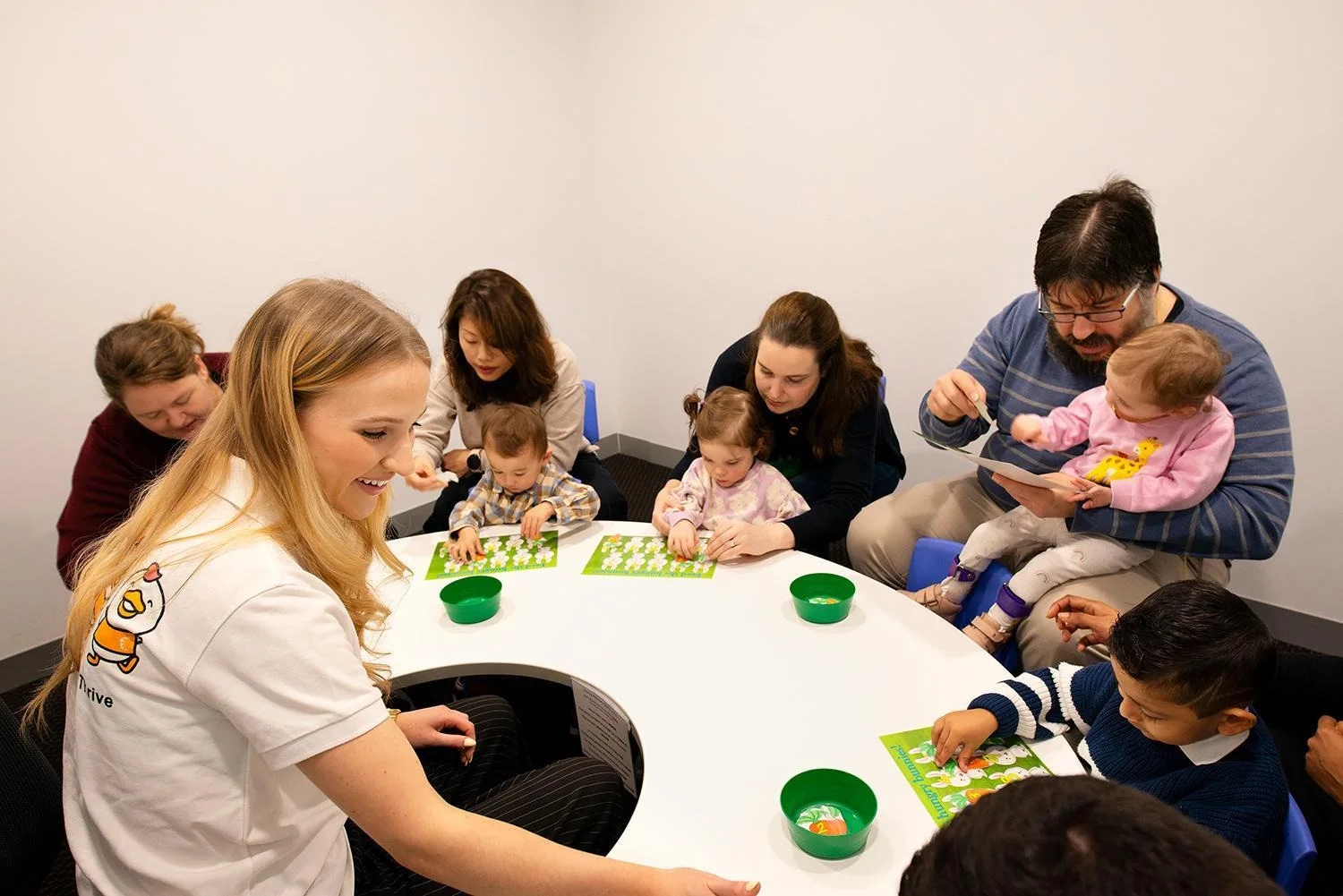
Image by Shichida Australia: Parents and children learning together during a Shichida class. Our 50-minute weekly sessions are loved by both parents and kids. With small class sizes limited to 6 children, each class covers 20–25 activities focusing on fine motor control, maths, literacy, memory, and more.
Ready to Give Your Child the Best Start?
While gross motor skills are an important part of early development, the Shichida program focuses on activities that build concentration, coordination, and control – supporting the fine motor skills that underpin many everyday tasks.
We also guide parents with age-appropriate ideas they can practise at home, including ways to support both fine and gross motor development through play.
Book a Shichida Trial Class today to see our holistic approach in action.
Frequently Asked Questions: Gross Motor Skills Through Play for Kids
Gross motor skills include big movements like running, jumping, climbing, and throwing a ball. These actions use the core, legs, and arms to help children navigate their environment safely. Encouraging these activities builds the physical confidence needed for future sports and school.
It’s important because it builds the physical strength and coordination needed for daily life. Active play also helps children develop spatial awareness, which means they can judge distances and move safely. Plus, it improves their stamina for long days of learning.
Development starts from birth as babies learn to lift their heads and roll over. By six months, most infants are working on sitting and crawling. Early movements like tummy time are the foundation for more complex skills like walking and running later.
You can help by creating simple obstacle courses using household items like pillows and boxes. Encouraging them to kick a ball or walk on different textures also builds leg strength. Short, daily sessions of active play are the best way to see progress.
Yes, activities that require balance and timing, like catching a ball or hopping, are excellent for coordination. These tasks force the brain and muscles to communicate more effectively. Regular practice makes these movements feel more natural and fluid over time.
Strong motor control helps children sit upright in a chair and focus for longer periods. When the body is strong and stable, the brain can dedicate more energy to cognitive tasks like reading and writing. This physical foundation is a key part of school readiness.
Yes, you can use many household items for fine motor tasks. Try letting them “paint” with water on dark construction paper or sort dry pasta shapes into different bowls. These simple games are highly effective for building concentration and hand control indoors.