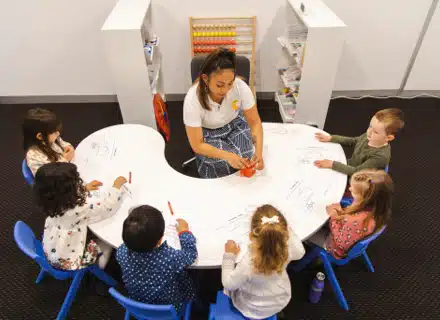

Learning Through Play: Main Stages of Play Development
Finding it a bit tough to get the kids to play together? Understanding the stages of play development makes those park visits and playdates so much easier to handle. You’ll see how your child moves from playing alone to actually teaming up with their friends. We’ve got the lowdown on the different types of play to help you support their big social milestones.
Key Takeaways
- Play is the primary way children learn. It builds the foundation for logic, social skills, and motor control.
- Social play moves in six stages. Children usually start by playing alone before they learn to play alongside or with others.
- Sensorimotor play is vital for infants. Early physical exploration helps babies understand cause and effect.
- Support comes from variety. Providing different materials and safe spaces allows your child to lead their own discovery.
Sensory play can help nurture resilience and development. Download a free sensory play guide here.
If your child enjoys these types of activities, a Shichida trial class is a great way to see how structured play can support coordination, focus, memory and early learning confidence.
Book a trial class or contact us to find your nearest centre.
The 6 Stages of Social Play Development
As your child grows, their play becomes more social and complex. Most children move through these six stages as they develop the confidence to interact with peers. These stages of play development help you track their progress from solo time to group teamwork.
1. Unoccupied Play (Birth to 3 Months)
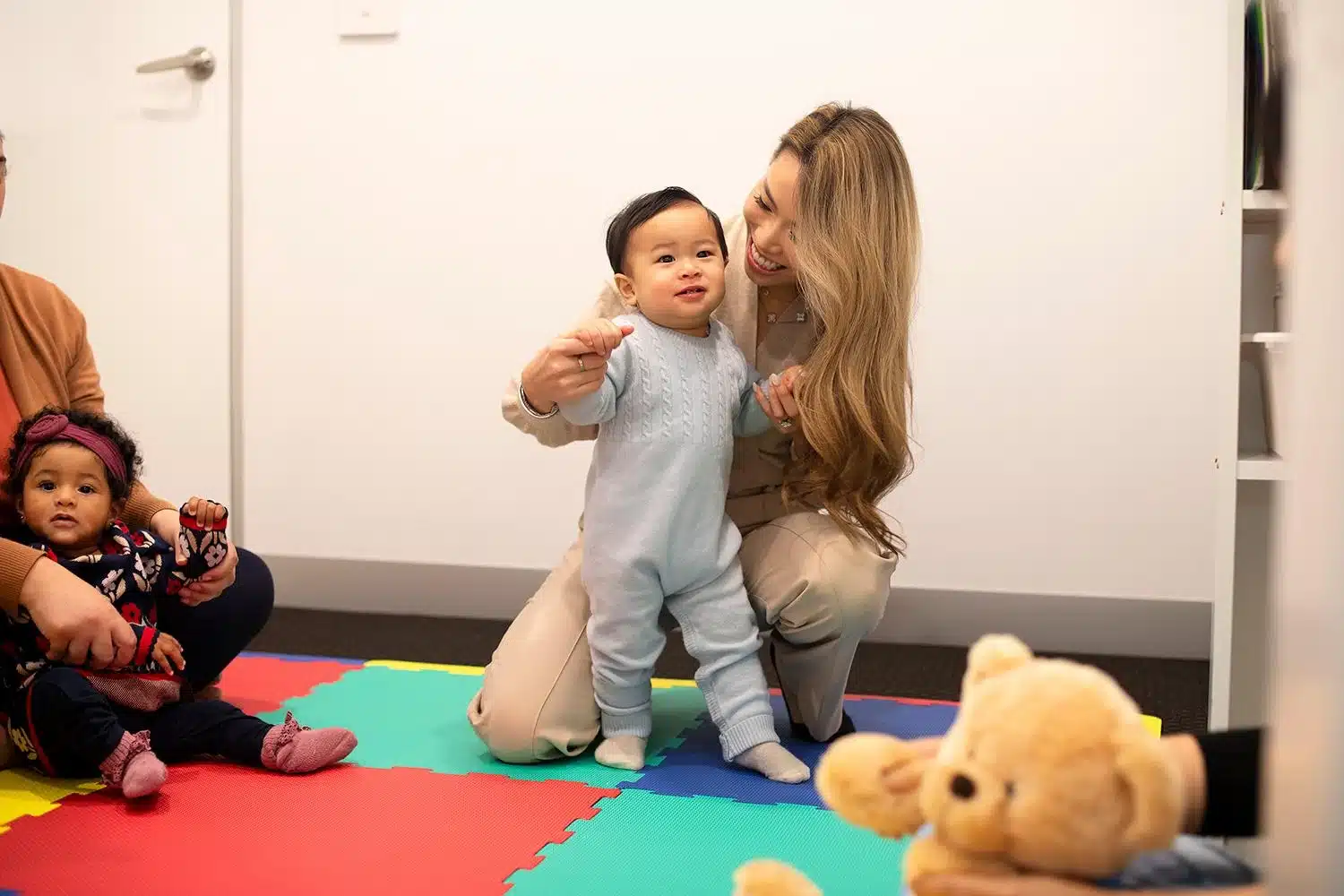
In the first few months, play looks like simple, random movements. Your baby is exploring their own body by kicking their legs or waving their arms. This stage lays the groundwork for sensory awareness. They’re learning how their limbs move and how their body feels in space.
2. Solitary Play (3 Months to 2 Years)
During this stage, your child will focus on a toy or activity all by themselves. They aren’t interested in what others are doing yet. This is a great time for building concentration and independence. Solitary play lets them immerse themselves in their own imagination without outside influence.
3. Spectator Play (Around 2 Years)
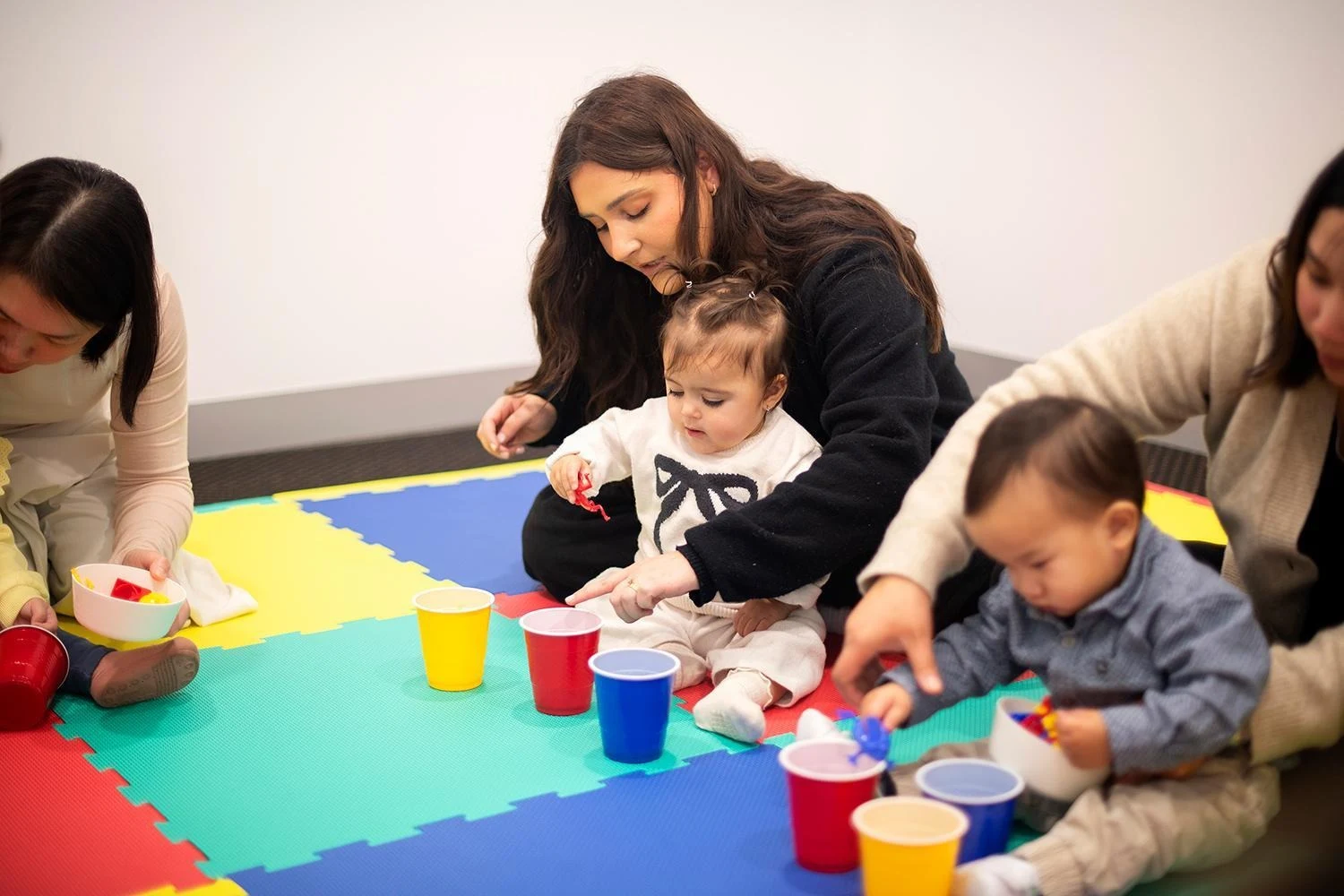
You might notice your child watching other children play without joining in. This is a vital learning step. They are observing social cues and taking in how others share or take turns. Watching others helps them build the confidence they need to participate later. You can help by taking them to playgrounds where they can observe safely.
4. Parallel Play (2+ Years)
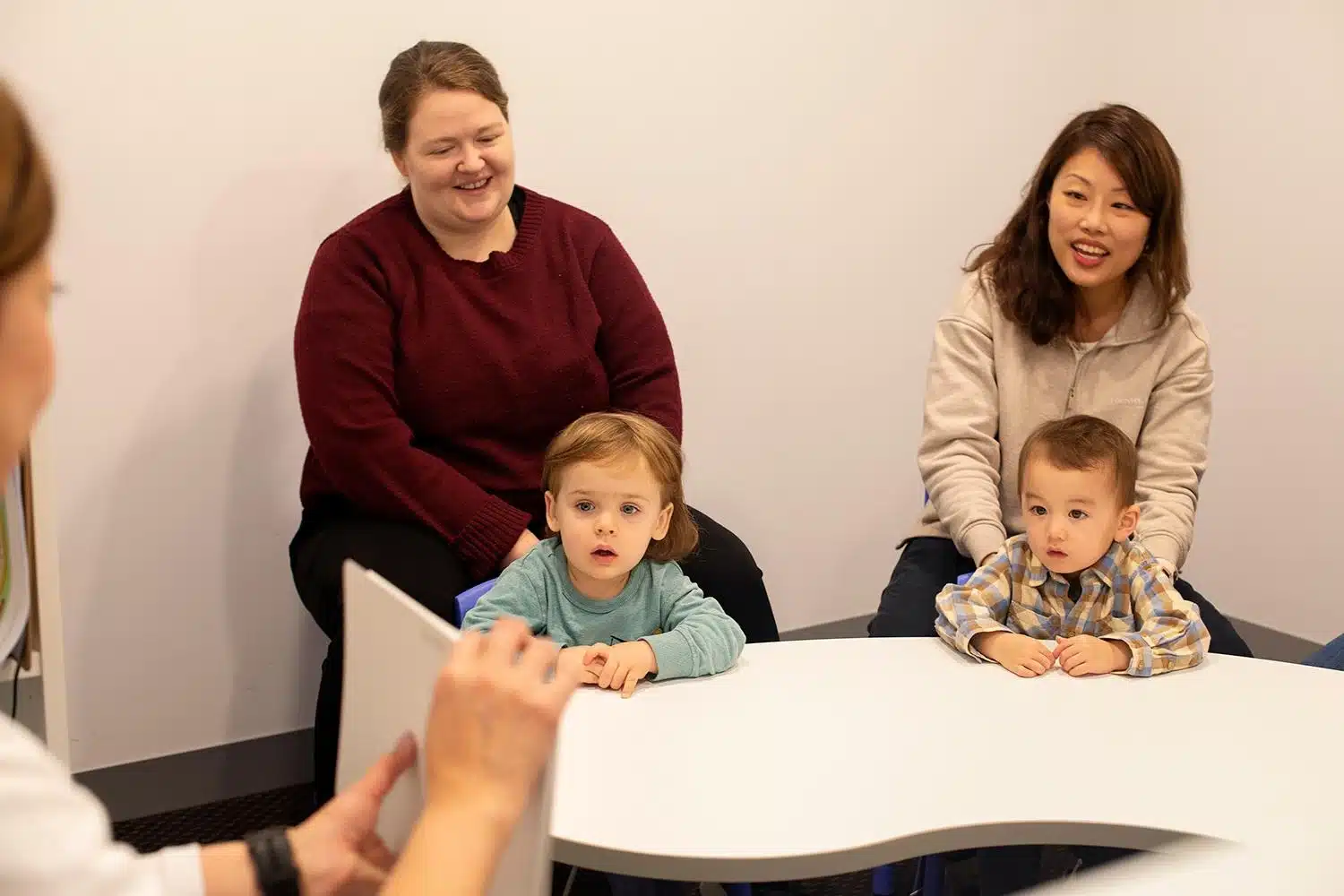
This is when children play alongside others with similar toys but don’t interact directly. Even though they aren’t playing together, they are aware of each other. Parallel play is a bridge to more interactive social habits. It shows they’re becoming more comfortable in group settings.
5. Associative Play (3 to 4 Years)
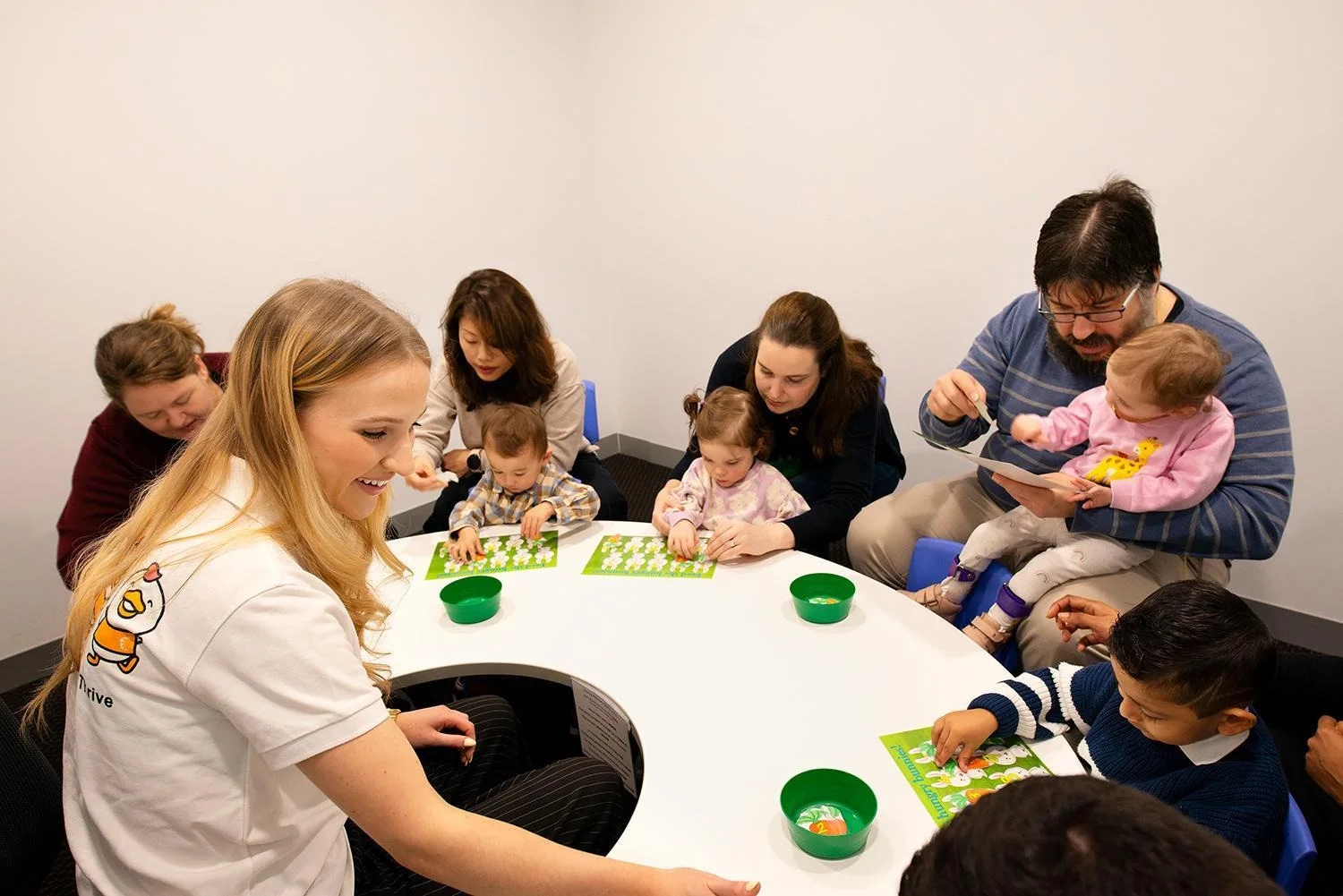
In this stage, children start to interact more. They might swap toys or chat while they do their own thing. This is one of the types of play in early childhood where social interaction flourishes. They aren’t yet working toward a common goal, but they’re learning the basics of communication and friendship.
6. Cooperative Play (4+ Years)
Finally, children begin to play together for a shared purpose. They might work as a team to build a block tower or play a group game with specific roles. Cooperative play teaches teamwork and how to follow rules. It prepares them for the social structures they’ll find at school.
To see how these milestones fit into your child’s wider growth, explore our stages of child development guide.

4 Types of Play in Child Development
Beyond the social stages, children engage in specific forms of play that target different areas of brain growth. Understanding these kinds of play helps you support their learning.
- Sensorimotor Play: This involves exploring the world through physical actions and the senses. Babies use sensory motor play when they touch, taste, or shake objects to see what happens. It helps them develop motor skills and a sense of their environment.
- Pretend Play: Also known as imaginative play, this involves creating scenarios and taking on roles. Children use their creativity to express emotions and solve problems. This is essential for social and emotional development.
- Social Play: This is about interacting with peers and learning to navigate relationships. Children build empathy and communication skills through group activities. It creates a sense of belonging.
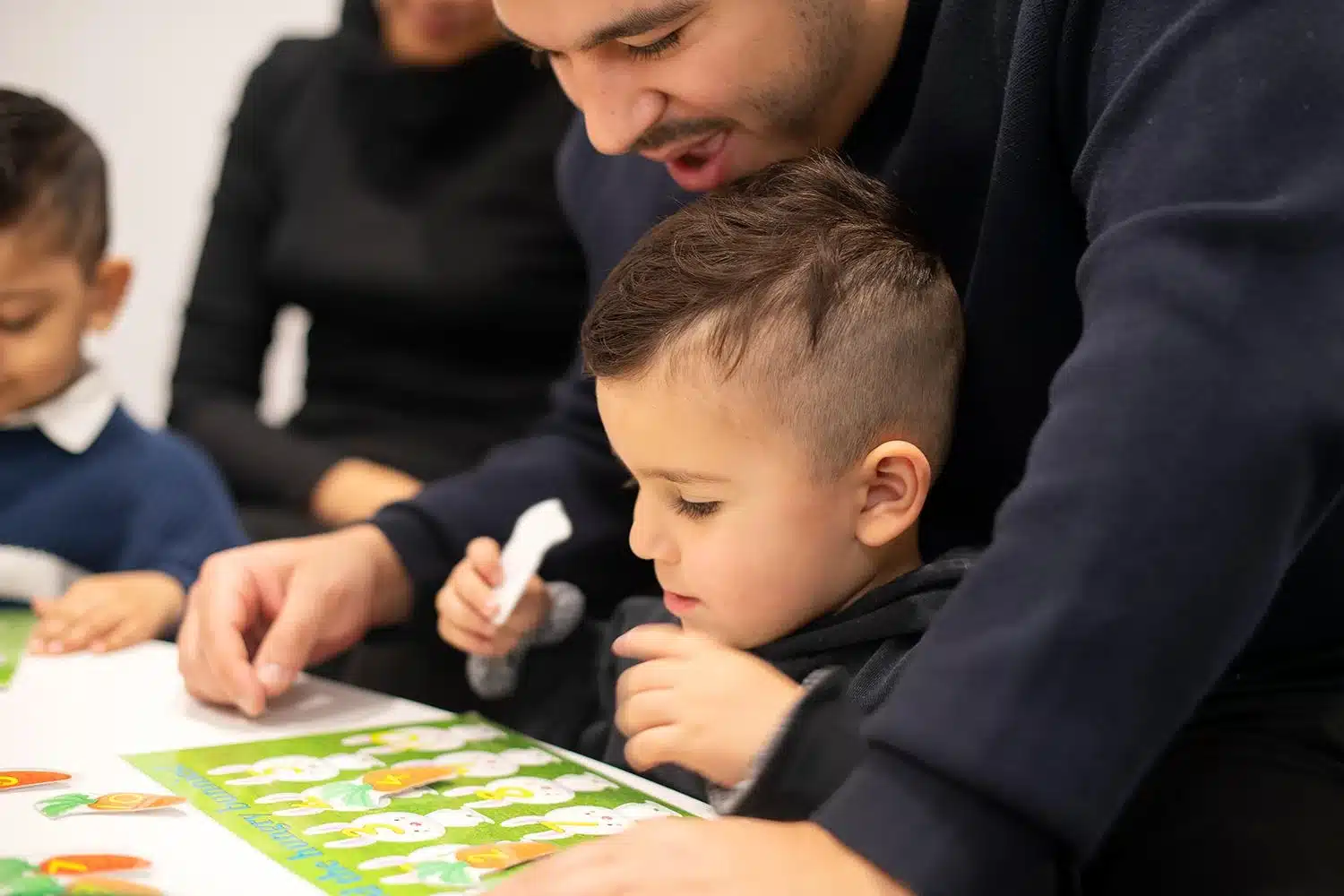
- Constructive Play: This involves building things with blocks or other materials. It helps children develop spatial awareness and fine motor control. It also encourages them to think logically about how things fit together.
For more hands-on ideas to build physical skills, check out our list of 50 fun fine motor activities. You can try these ideas at home – or experience it guided in class – this is exactly what we focus on in Shichida Australia classes – book a trial class here and experience the Shichida Method!
How to Support Play Developmental Milestones
You can help your child move through these play development stages by providing the right environment.
- Provide variety: Offer different toys that match their current stage. Use soft rattles for solitary play and building sets for cooperative tasks.
- Create safe spaces: Ensure your home has areas where your child feels free to explore. A cosy corner for reading or a safe outdoor area for running helps them feel secure.
- Join the fun: Sometimes the best support is just getting down on the floor. Playing together strengthens your bond and shows your child that their play is valuable.
- Encourage free play: While structured classes are helpful for development, children also need time to lead their own play. This balance allows them to make their own decisions and solve problems independently.
Understanding types of play according to age is the best way to nurture your child’s natural curiosity and build their social confidence.

Nurture Your Child’s Potential with Shichida
With the right support early on, children can build confidence, strengthen focus, grow socially and expand their thinking. Reaching milestones feels easier when learning is fun, engaging and matched to their needs.
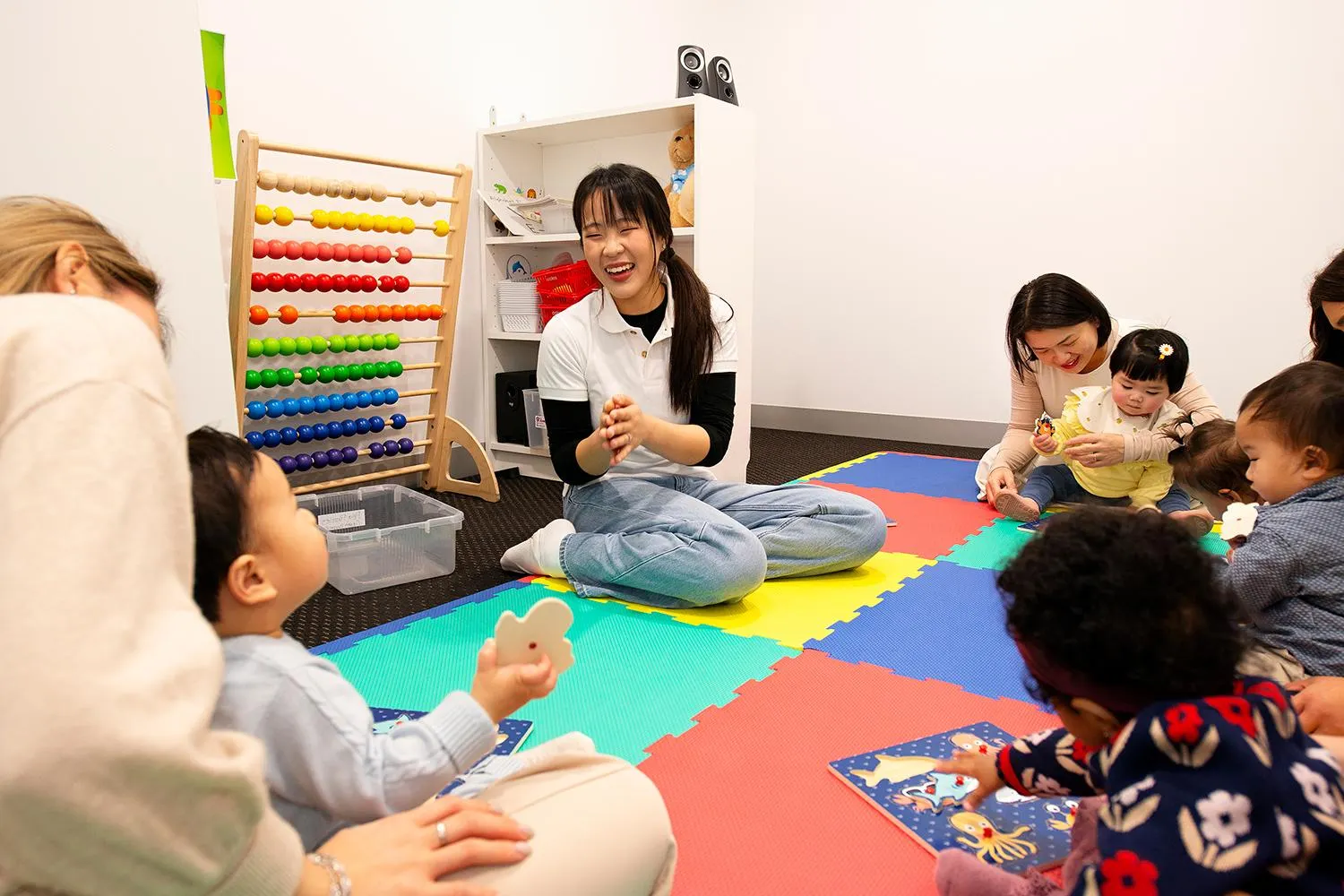
At Shichida, we weave a variety of play-based activities into every session to keep children interested, involved and learning with joy. If you’d like to see how we help children build these important skills, join us for a session. We cater for kids aged 6 months to 5 years old and we have centers in Melbourne and Sydney – come say hi!
Book a Shichida Trial Class today and see your child thrive through play!
Frequently Asked Questions: Types of Play - Kids and Early Development
Play development moves through six social stages. These include unoccupied, solitary, spectator, parallel, associative, and cooperative play. Each stage reflects your child’s growing social confidence and ability to work with others.
Sensorimotor play is the first way babies learn about cause and effect. By touching and tasting objects, they build the neural pathways needed for logic and motor control. It is a foundational step for all future learning.
There are many different types of play, including physical, constructive, and imaginative play. These types of play in children ensure your child is learning across all areas of their life. Every form of play builds a different part of their brain.
Most children begin cooperative play around age four. This is when they have the social skills to work toward a common goal with other children. They start to understand roles, rules, and teamwork.
While there are six social stages, many parents focus on the four stages of play defined by Jean Piaget. These include functional play, constructive play, symbolic play, and games with rules. All these stages overlap as your child grows.
The play stages of development follow a sequence where children first play alone and then gradually learn to play with others. This process is vital for building emotional intelligence and communication skills. It is a key part of play and development.
Parallel play is when children play next to each other without interacting. Associative play happens when they start to swap toys or talk while they play. The main change is the increase in direct social communication.
Imaginative play builds emotional intelligence and problem-solving skills. By pretending to be someone else, children learn empathy and practice how to handle different social situations. It is a powerful tool for creative thinking.