Problem Solving and Cognitive Skills

IQ score ranges for children

IQ Score Ranges for Children: What Each Score Means

IQ score ranges for children show how a child performed on a standardised set of cognitive tasks compared with other children of the same age. Read more to find out what they can and cannot measure.
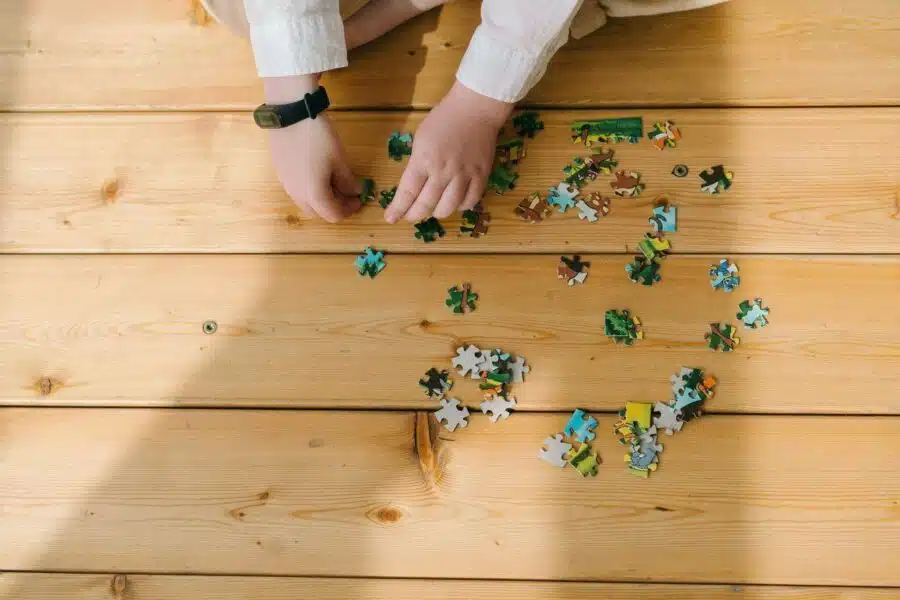
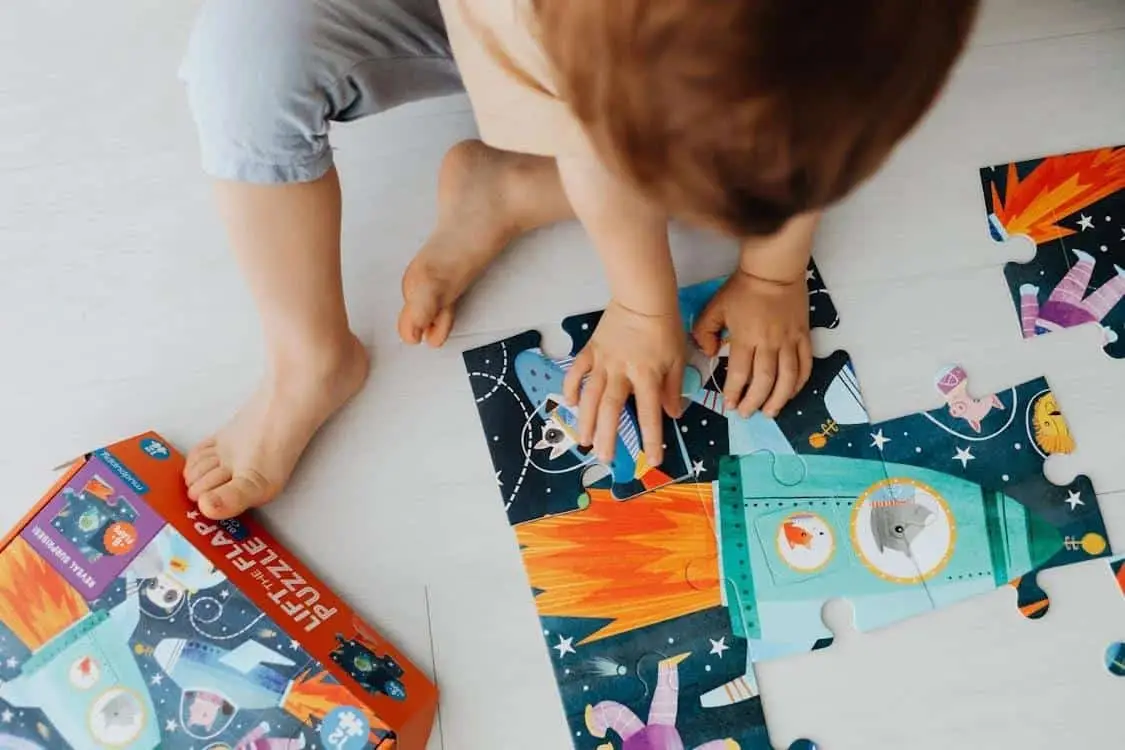
A child sits on a wooden floor, focused on assembling colorful puzzle pieces scattered around them. Puzzles are great for neuroplasticity exercises.

Brain Activation Exercises for Kids: By Age, What the Science Says

Discover simple, science-backed neuroplasticity exercises to enhance your child's brain development. Practical tips and engaging activities for early learners.
Open Ended Questions for Preschoolers: Get Kids Talking

Open Ended Questions for Preschoolers: Get Kids Talking

Open ended questions for preschoolers invite young children to think, reflect, and express ideas in their own words. Open ended questions are one of the most accessible and powerful cognitive enrichment tools for parents. Regular use of these types of questions builds cognitive flexibility, language development, and independent thinking. Read more now!
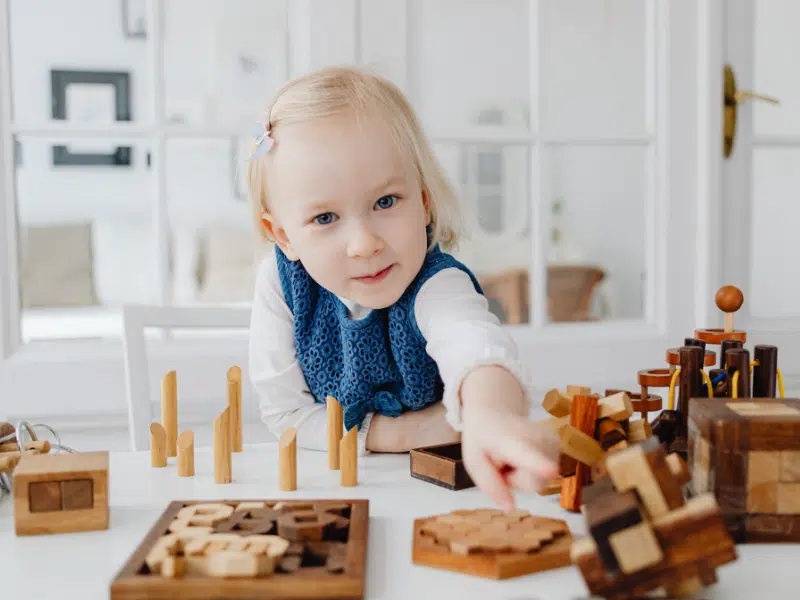
Cognitive Development in early childhood, here a toddler is building a puzzle

Cognitive Development in Early Childhood

Discover how children’s cognitive abilities evolve during the early years. Learn key milestones, play-based learning tips, and how to support your child's early brain development.
Brain Development in Early Childhood

Brain Development in Early Childhood: Stages & Milestones

Brain development in early childhood is the process of building and strengthening the brain’s connections and systems that support learning, language, movement, memory, attention, and emotional regulation.
memory training toddlers, photographic memory tests for kids

Can Kids Really Have a Photographic Memory

Child has an amazing memory? While true, lifelong recall is rare, what your child possesses is likely strong visual memory: a powerful, trainable skill built on a temporary ability called eidetic memory.
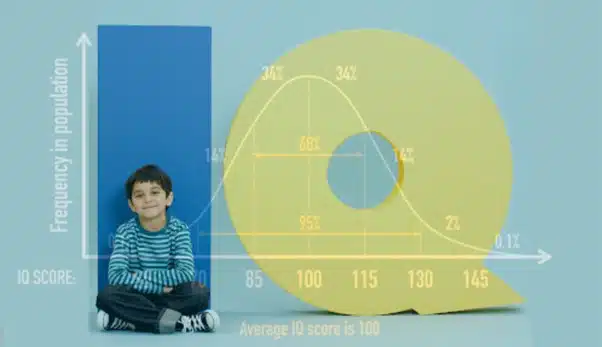
A child sitting in front of large letters spelling IQ with an overlaying IQ bell curve diagram for an article on the IQ test for kids

IQ Test for Kids: What Parents Need to Know

IQ tests for kids typically cover areas such as verbal reasoning, nonverbal reasoning, spatial reasoning, and working memory.
brain training for early learning

Brain Training for Early Learning: Fun Activities

Brain development does not begin with pressure or performance. It grows through back-and-forth conversation, imaginative play, physical movement and touch, problem-solving, and shared discovery. Each repeated experience helps strengthen connections between brain cells, supporting attention, memory, language, and emotional regulation over time.
Average IQ for kids - A young girl lying on a rug, thoughtfully holding a pencil with music sheets spread around her and a cello resting on the floor nearby.

Average IQ for Kids by Age: A Helpful Guide for Parents

It’s important to remember that IQ scores can fluctuate, especially in younger children. A toddler’s score may shift by a few points within a year. This is completely normal and can reflect changes in their environment and learning opportunities.
Creative problem solving for kids begins in everyday moments

Creative Problem Solving for Kids: Fun & Imaginative Activities

Discover fun and imaginative creative problem-solving activities for children aged 0-9. Learn how play, creativity and imagination build lifelong thinking skills.