Can Kids Really Have a Photographic Memory
Ever feel like your child has a “built-in camera” for a brain? It’s amazing when they remember a tiny detail from a book you haven’t read in weeks. What many kids actually have is eidetic memory, which is a vivid but temporary way of seeing images in their mind. We can help them turn that natural spark into a permanent, powerful visual memory through simple play.
Key Takeaways
- Focus on trainable skills. Develop your child’s visual memory instead of chasing the myth of perfect photographic recall.
- Target the early window. Ages 0 to 6 is the peak time to train the right brain to maximise vivid recall.
- Use speed to your advantage. Showing images quickly encourages the brain to take a “mental snapshot” rather than over-analysing.
- Play should be pressure-free. Memory games work best when they feel like fun, social interactions rather than strict tests.
If you’re looking for simple photographic memory tests for kids, this article shares 12 easy ideas you can try at home to both test and develop your child’s memory.
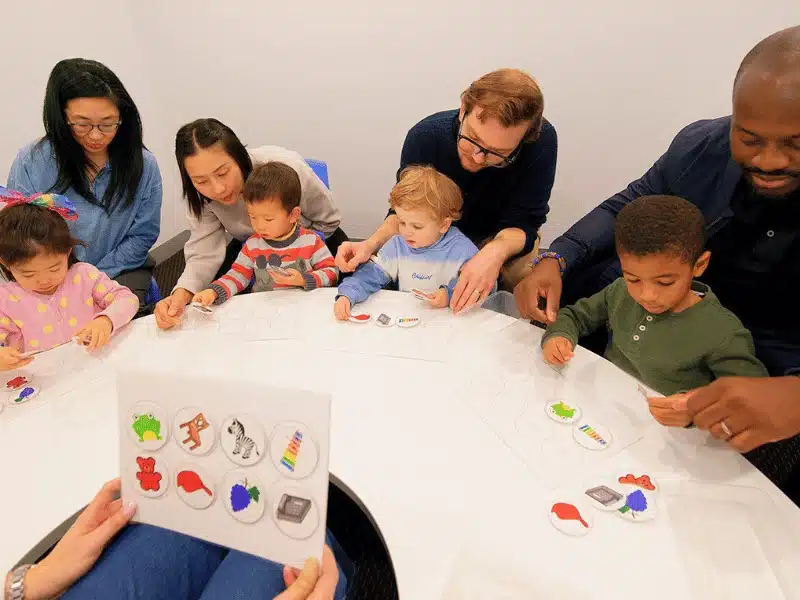
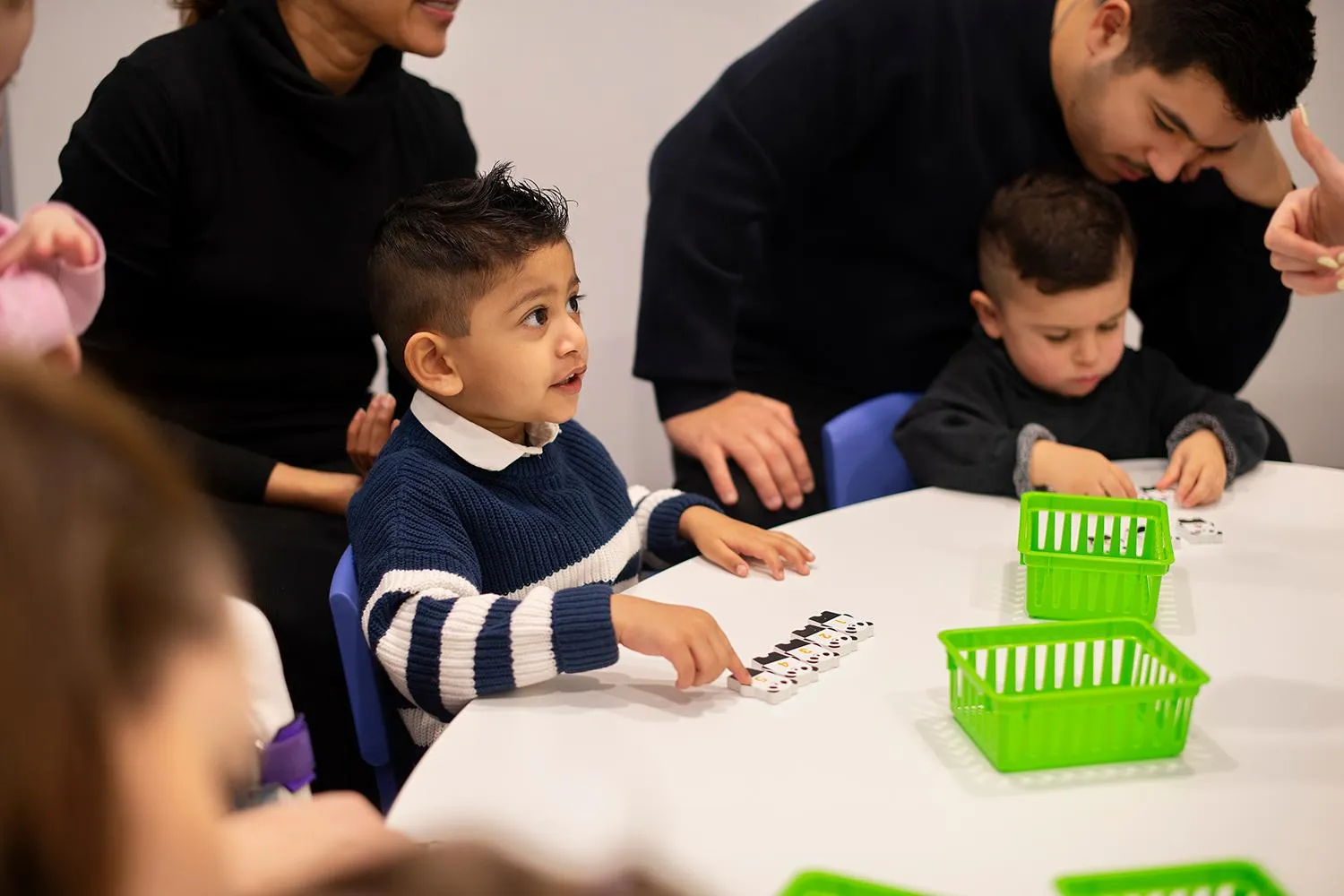
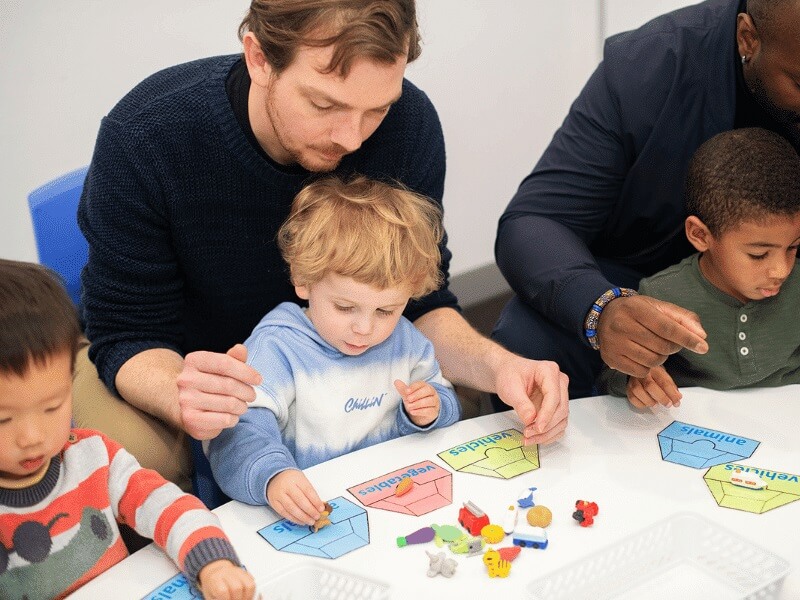
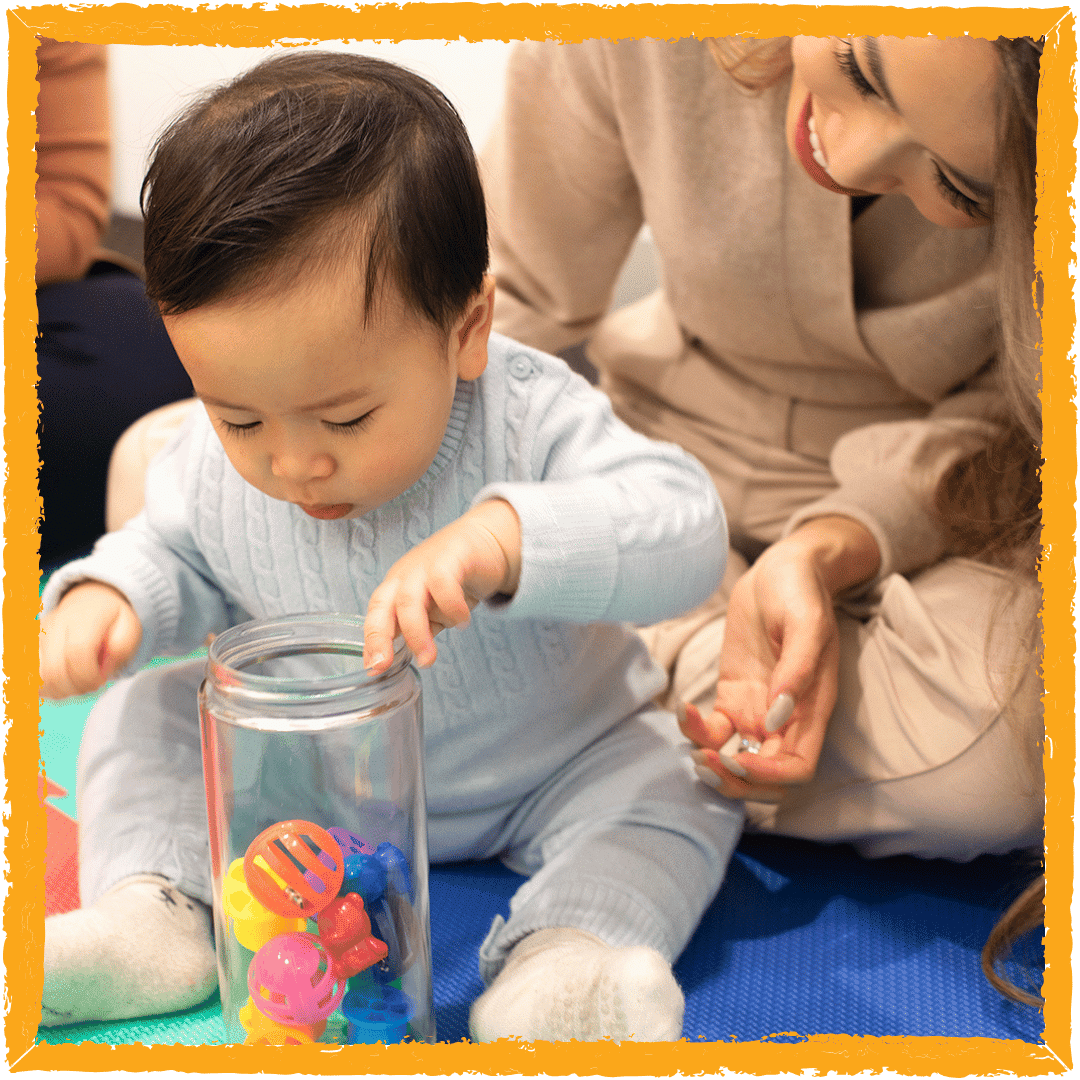
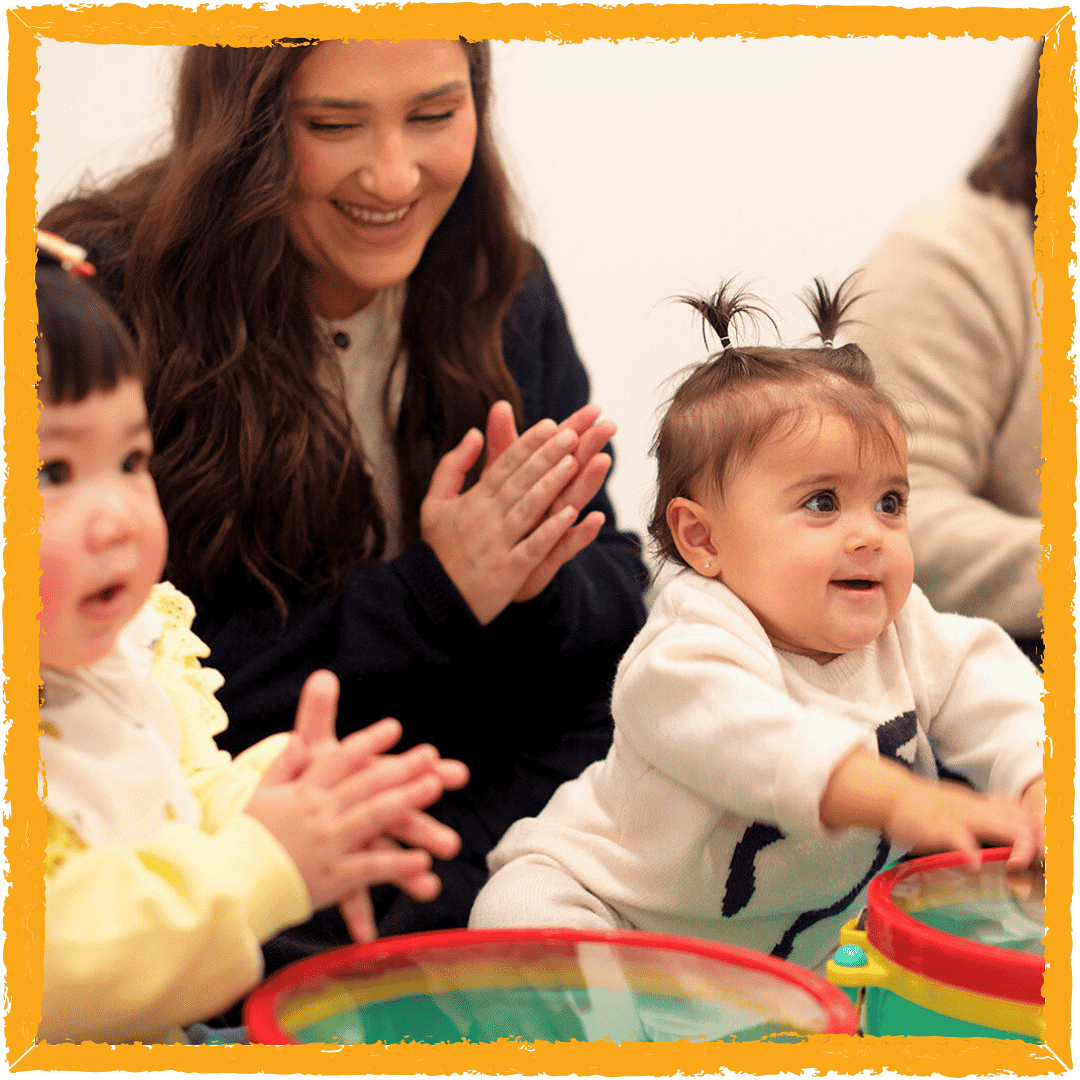
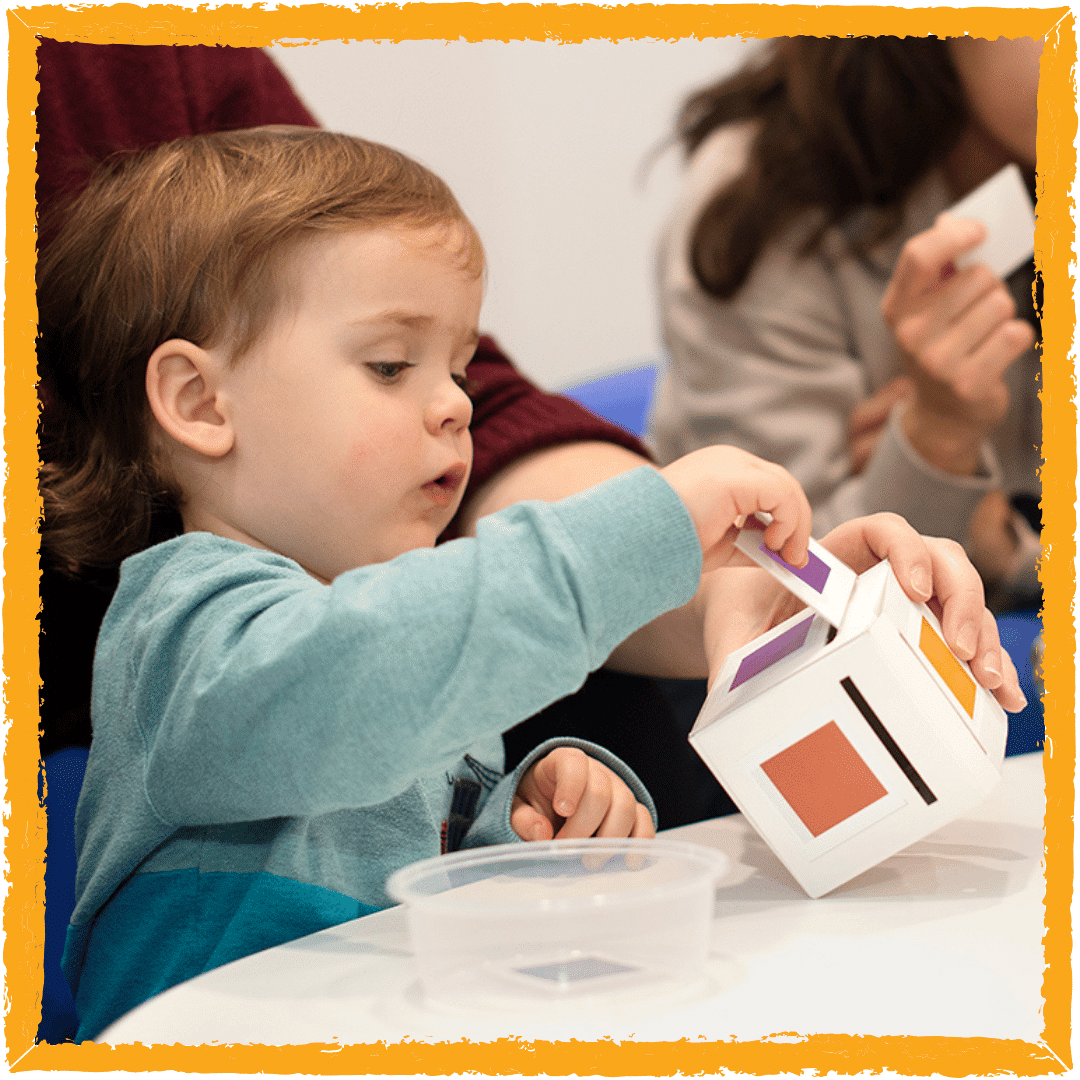
Image by Shichida Australia: Children play a fun memory training game during a Shichida class.
Nurturing Visual Potential
It is exciting to think your child might have a photographic memory. However, true “lifelong” photographic recall is rare. What parents usually see is eidetic memory. Research by Ralph Haber in the 1960s and 70s found that roughly 2 to 10% of children aged 6 to 12 could briefly hold vivid, snapshot-like images in their minds, often referred to as eidetic memory.
Many parents ask, how do you get a photographic memory, or worry their child might lose this natural gift. This ability is a temporary gift that often declines as children start to use words to categorise what they see. Instead of letting this skill fade, we can focus on building a strong, long-term visual memory. This is a highly trainable cognitive tool.
You can find more detail in our complete guide to understanding photographic memory in children.
Take a FREE Shichida Quiz
Designed for families with children up to 5 years old.

How to Tell if Your Child Has an “Image-Based” Mind
Every child processes information differently, but some show early signs of a dominant visual memory. You might notice your child:
- Remembers exactly where a tiny toy is hidden under a pile of blocks.
- Recognises a specific page in a book they haven’t seen for weeks.
- Notices the smallest change in a room, like a moved picture frame.
- Can recreate complex Lego builds or drawings after only seeing them once.
If you see these signs, your child is likely using their right brain to take mental snapshots. This is the perfect time to introduce memory games for kids to reinforce these pathways.
Can kids have a photographic memory? While true natural photographic memory is rare, children can build powerful memory skills with the right training – programs like Shichida classes, one of Australia’s most renowned methods, are designed to do exactly that. Experience the Shichida Method in action – book a trial class.
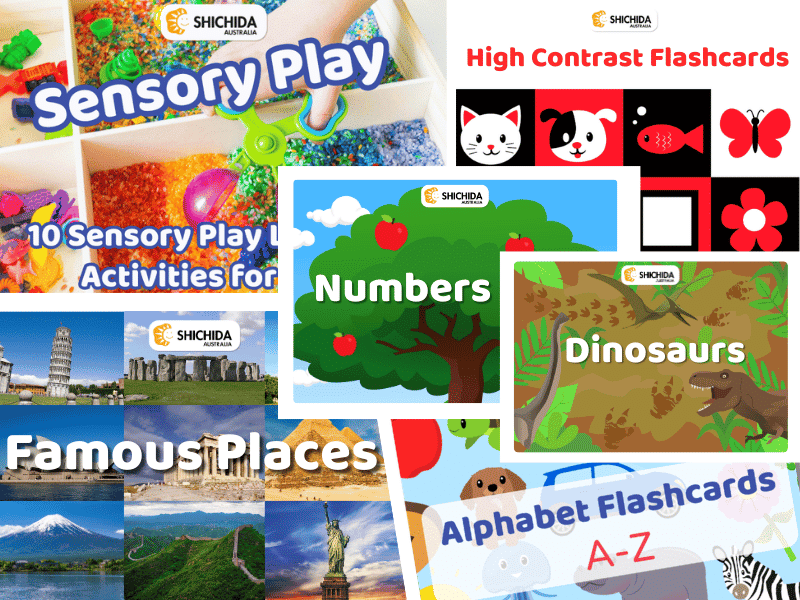
12 Fun Photographic Memory Tests for Kids
These games are designed to be enjoyable ways to observe and enhance your child’s visual recall and attention.
Babies and Toddlers (Ages 0 to 3)
- Black-and-White Visual Test. Use high-contrast cards. Briefly show the card, then hide it and ask your child where the shape went. This is a simple form of tracking and testing visual memory.
- Quick Picture Recall. Use high-contrast picture books. Point out an image, turn the page quickly, then ask your child to point to that image on a later page.
- Simple Matching Challenge. Start with two identical cards. Mix them up and ask your child to find the pair. This builds foundational pattern recognition.
- The Missing Object Game. Line up three simple toys. Cover them with a cloth and secretly remove one. Ask your child to identify which friend is missing.

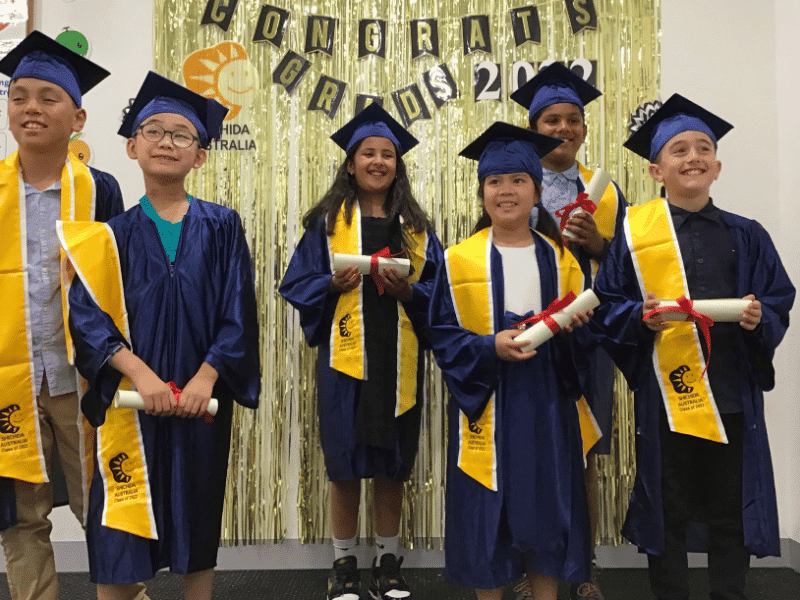
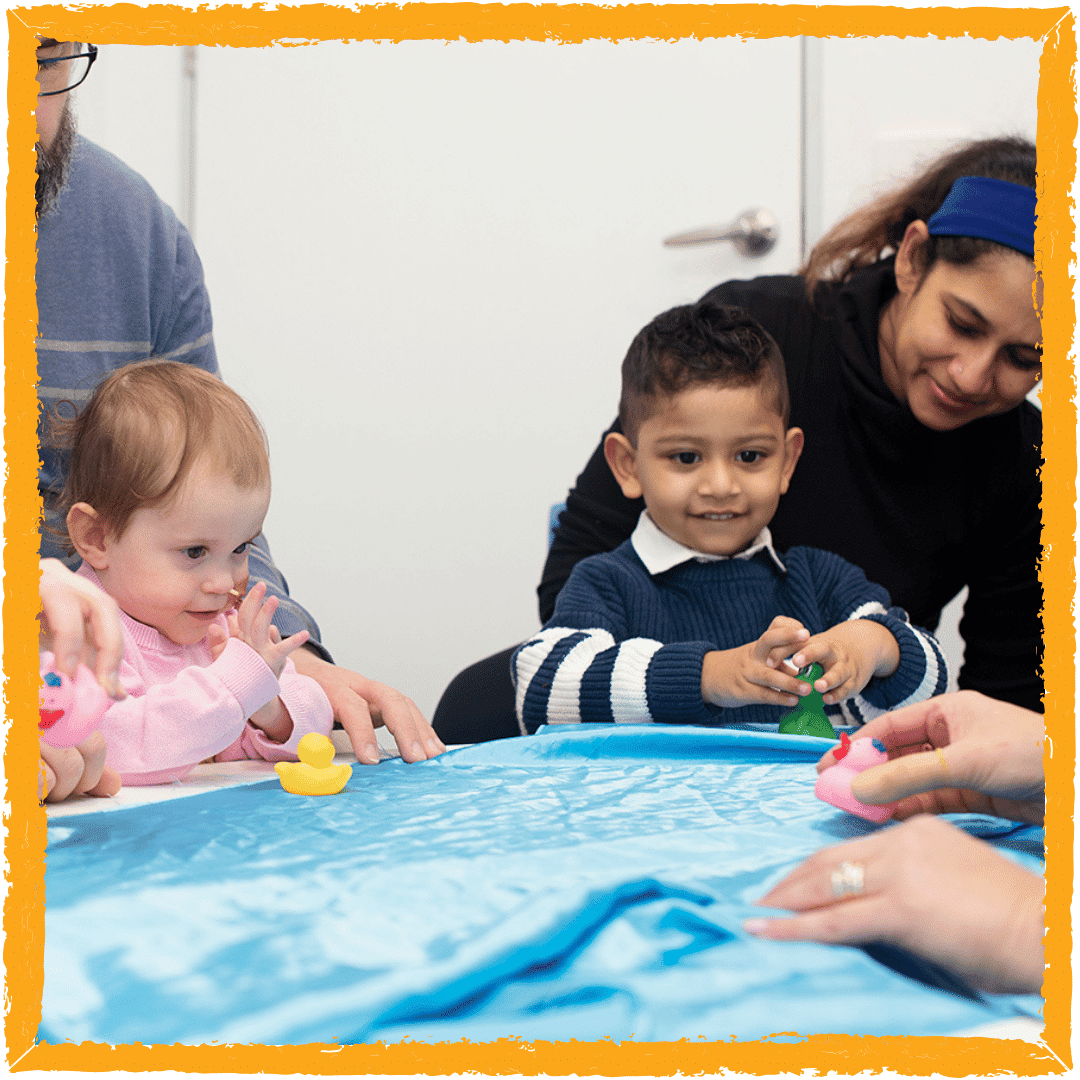
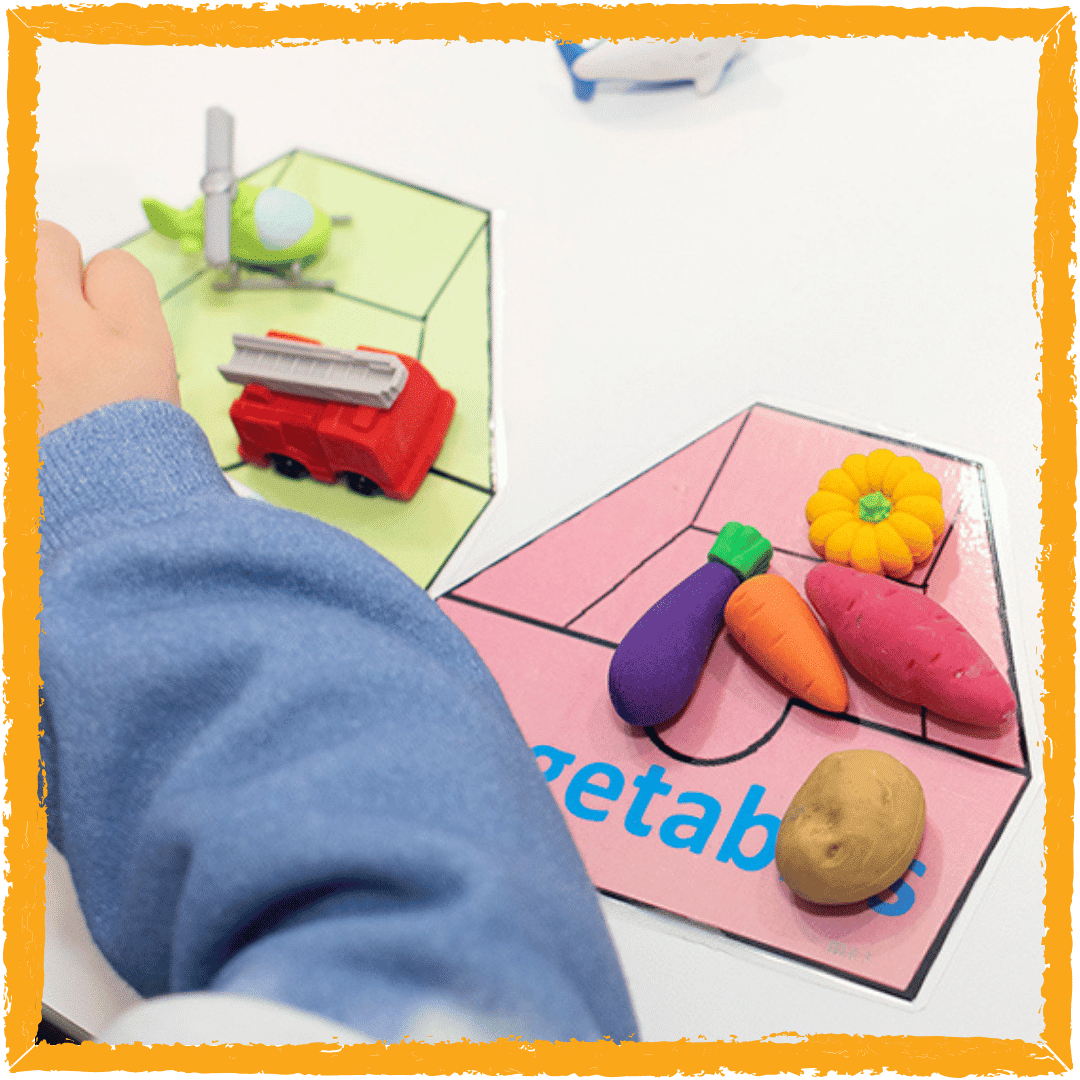
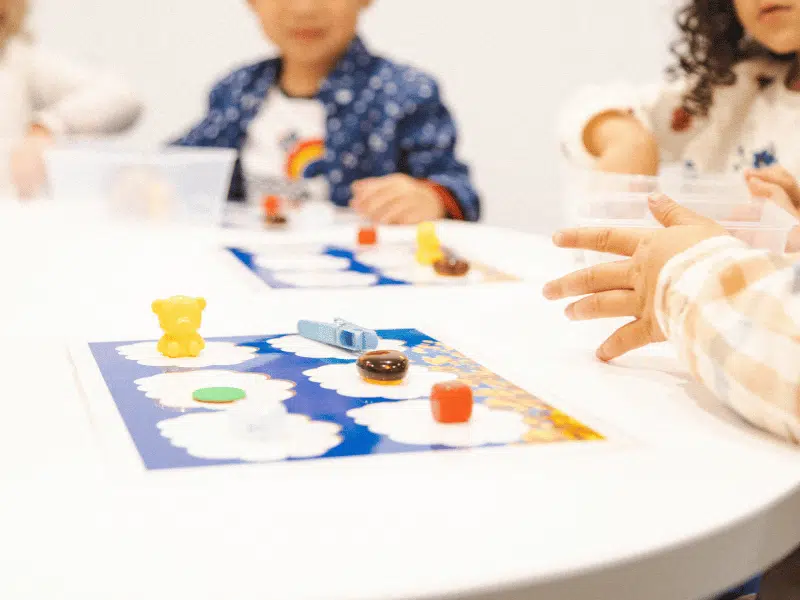
Image by Shichida: Preschoolers learning up to 500 digits of Pi through engaging activities like flashcards, songs and rhythm, reading sheets, and more – including our popular Pi rap that kids love.
Preschoolers (Ages 3 to 5)
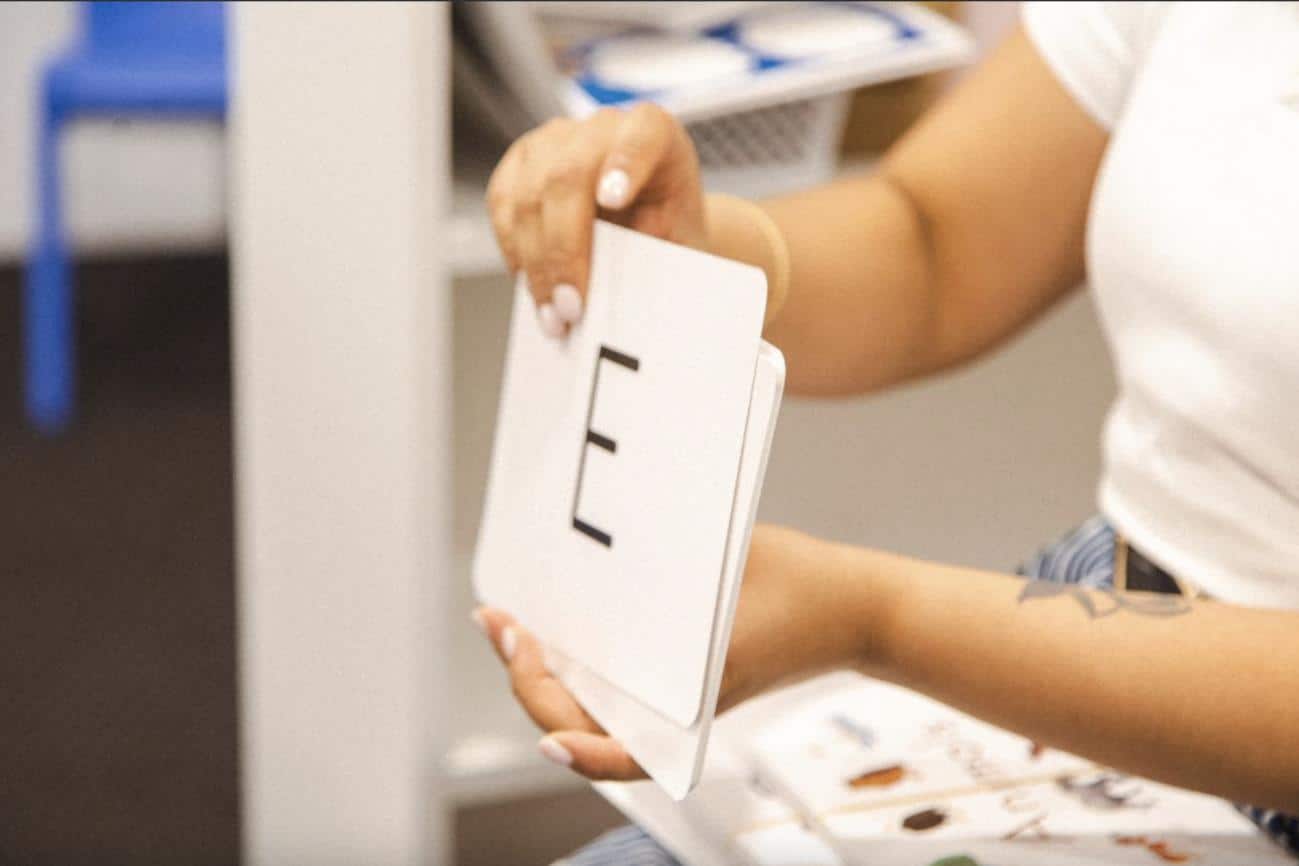
- Speed Flashcard Eidetic Test. Show flashcards of animals or letters for only one or two seconds. Ask your child to name the sequence of images they just saw.
- Memory Matching Game. Use classic cards face down. Start with three pairs and slowly increase the difficulty as their concentration grows.
- Picture Sequence Test. Show three to five story images in order. Mix them up and ask your child to put them back into the correct story sequence.
- Tray Recall Picture Memory Test. Place five different objects on a tray. Let your child study them for 30 seconds. Cover the tray and ask them to list everything they remember.
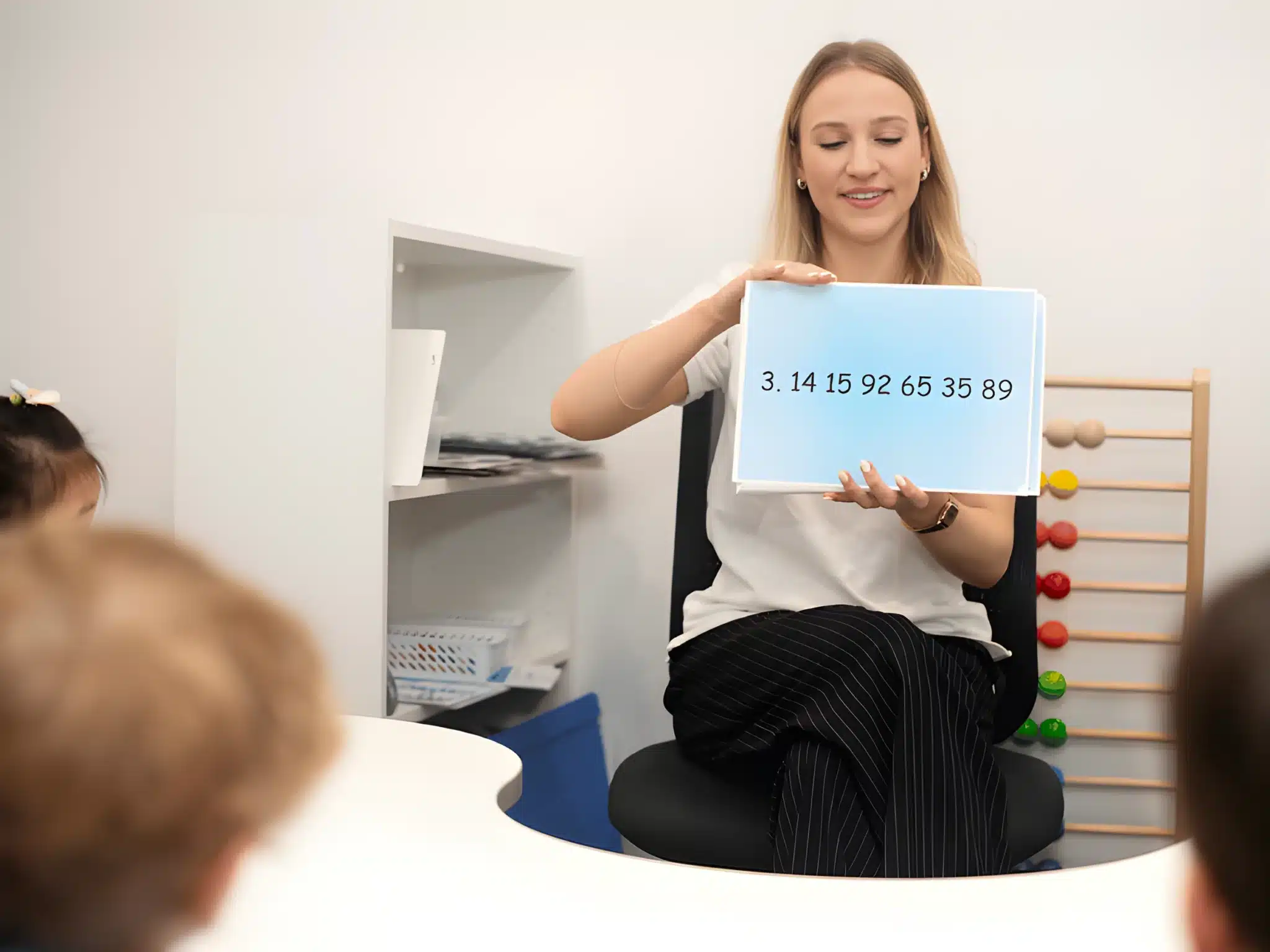
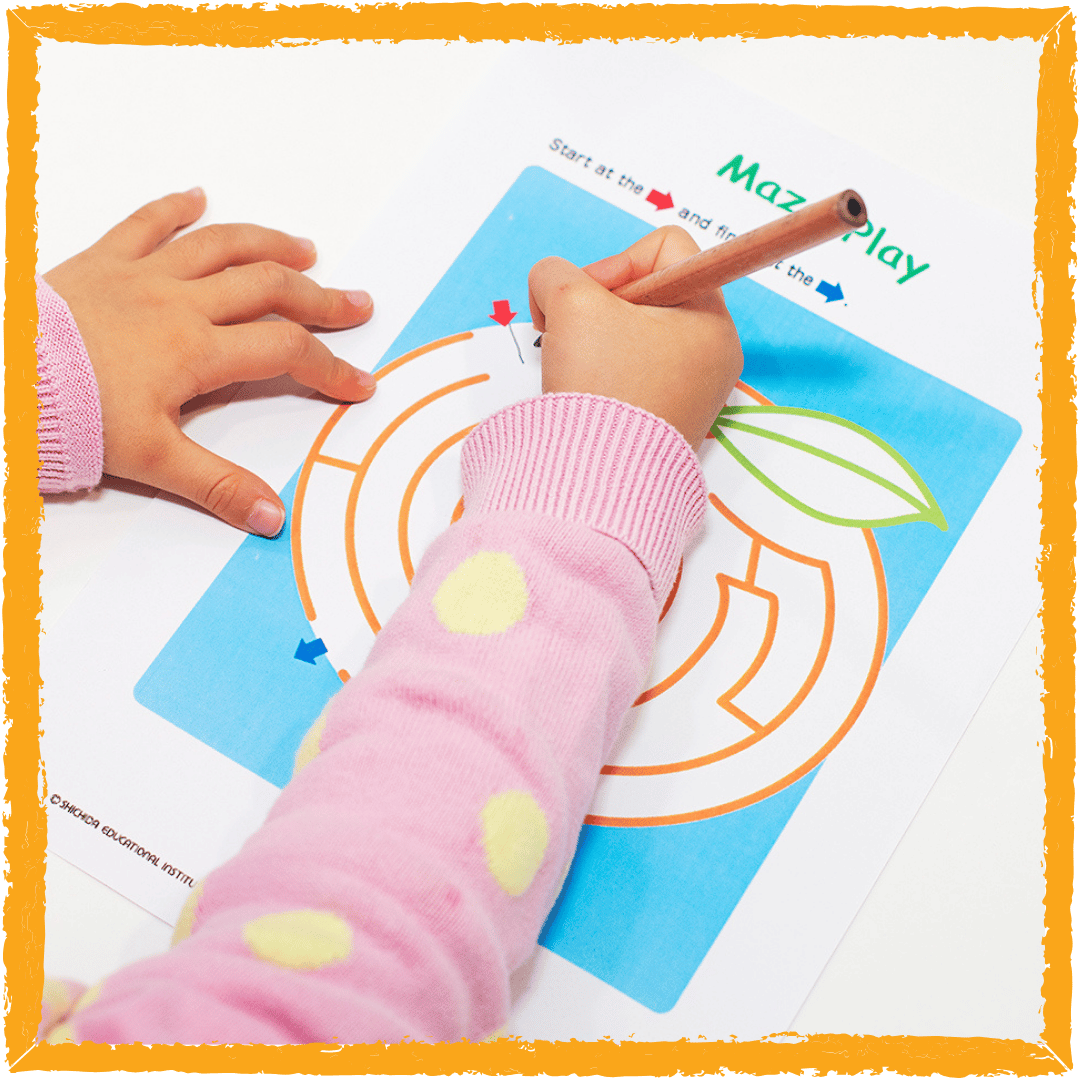
Image by Shichida: Preschoolers learning up to 500 digits of Pi through engaging activities like flashcards, songs and rhythm, reading sheets, and more – including our popular Pi rap that kids love.
Early Primary (Ages 6 to 10)
- Visual Grid Challenge. Show a pattern of coloured squares on a 3×3 grid for ten seconds. Ask your child to recreate it on a blank grid. This eidetic memory test develops precision.
- Detailed Image Test. Show a busy scene for 30 seconds. Ask hyper-specific questions, like “What colour was the cat’s collar?”.
- Memory Palace Game. Place five objects in specific spots around a room. Take your child out and ask them to recall the exact location of each item.
- The Observation Spot. Have your child look at a specific shelf for ten seconds. Ask them to turn away and describe the order of the books or objects. This acts as a light photographic memory test for older kids.
Setting the Stage for Memory Success
To get the best results from a picture memory test, the environment needs to be right. A clear picture for memory training requires focus and limited distractions.
- Eliminate background noise: Turn off the TV or loud music so your child can focus their full attention on the visual input.
- Use natural light. Good lighting helps the eyes capture details more clearly without strain.
- Keep it fast: The right brain processes information at high speeds. If you show a card for too long, the logical left brain takes over and starts to “label” the image instead of “photographing” it.
- Stay positive: Praise the effort rather than the result. If they get it wrong, just say, “Let’s try again!” and keep the mood light.
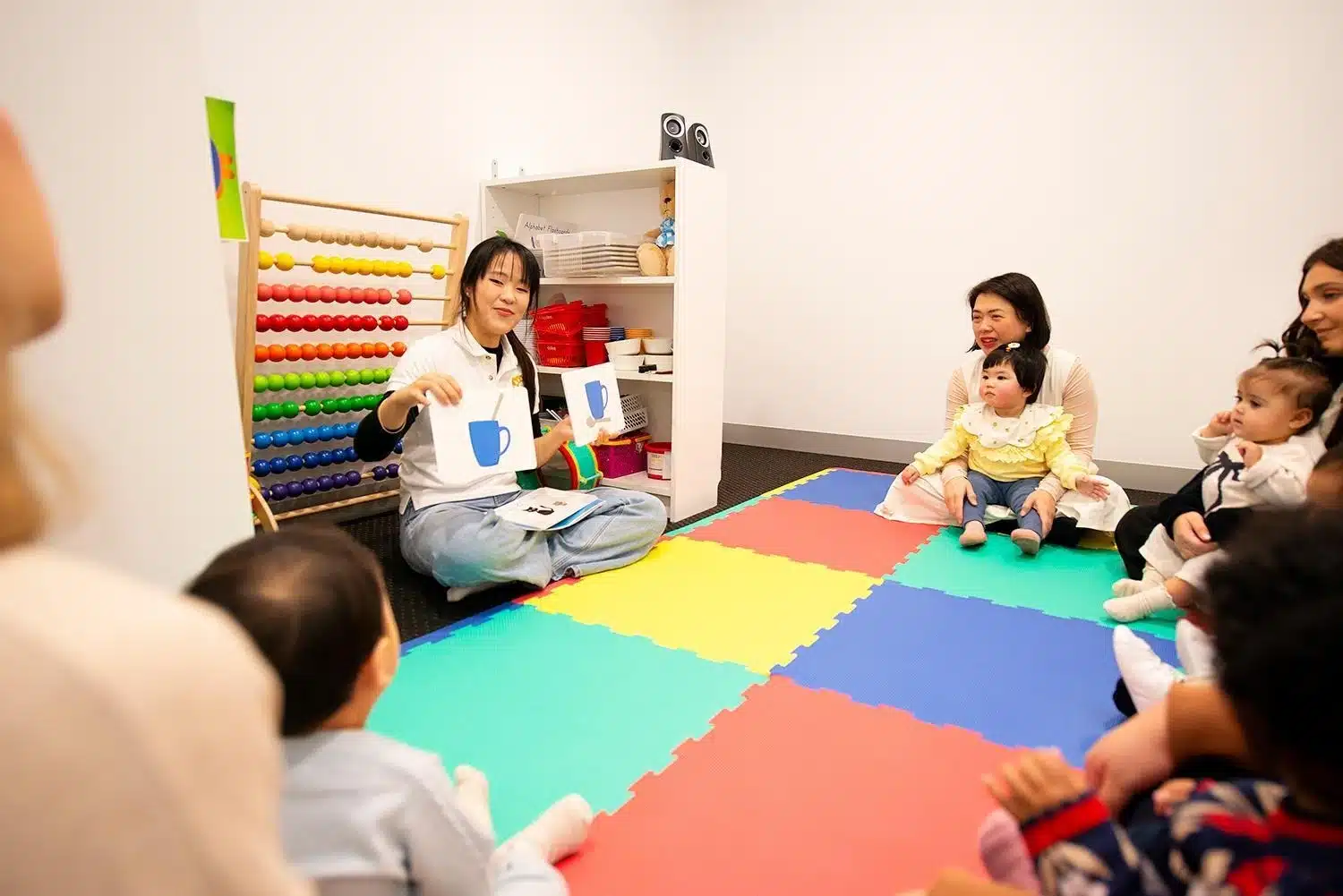
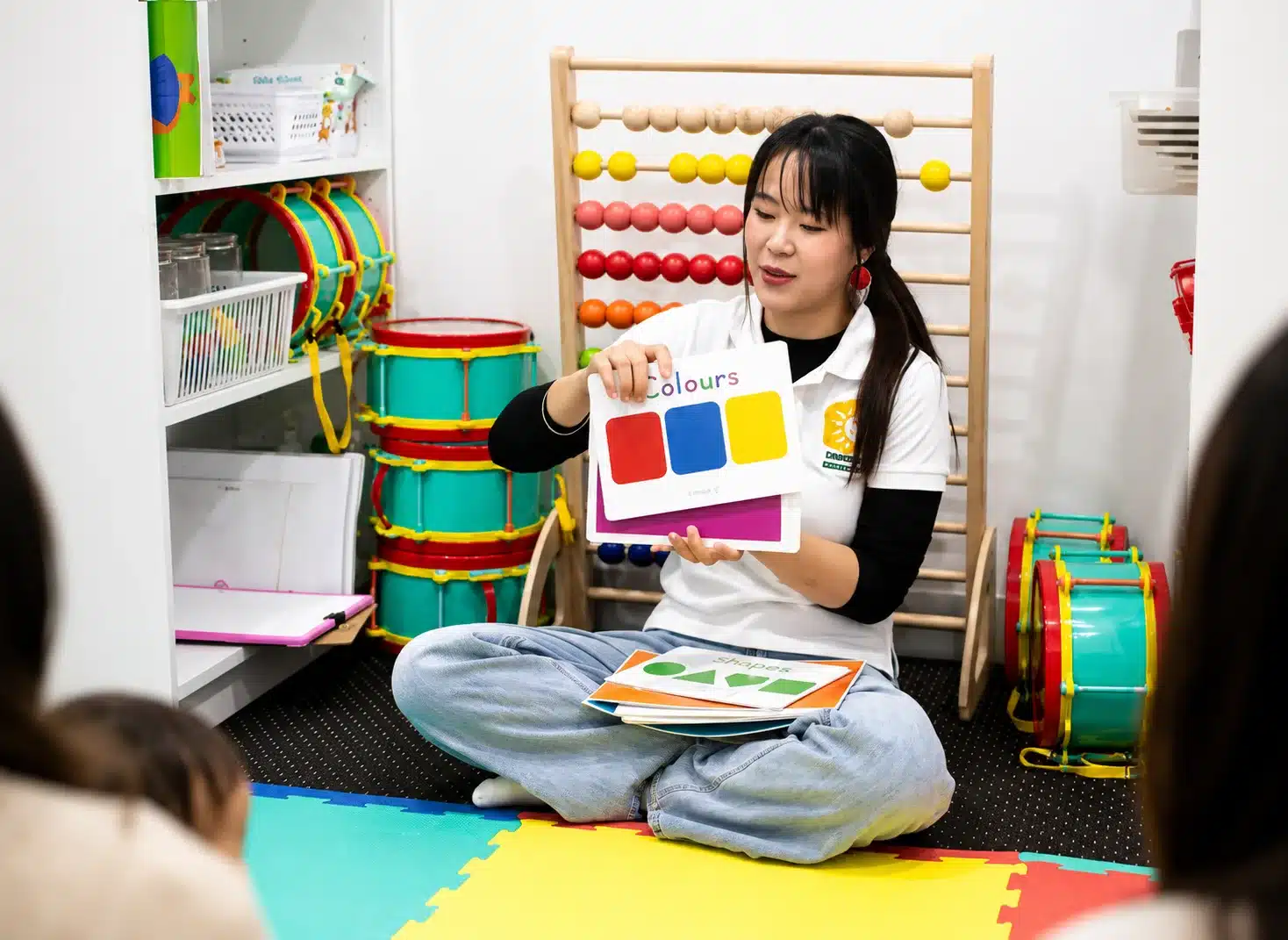
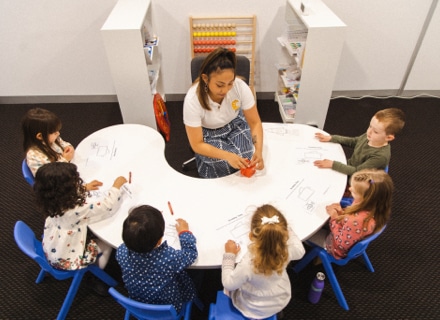
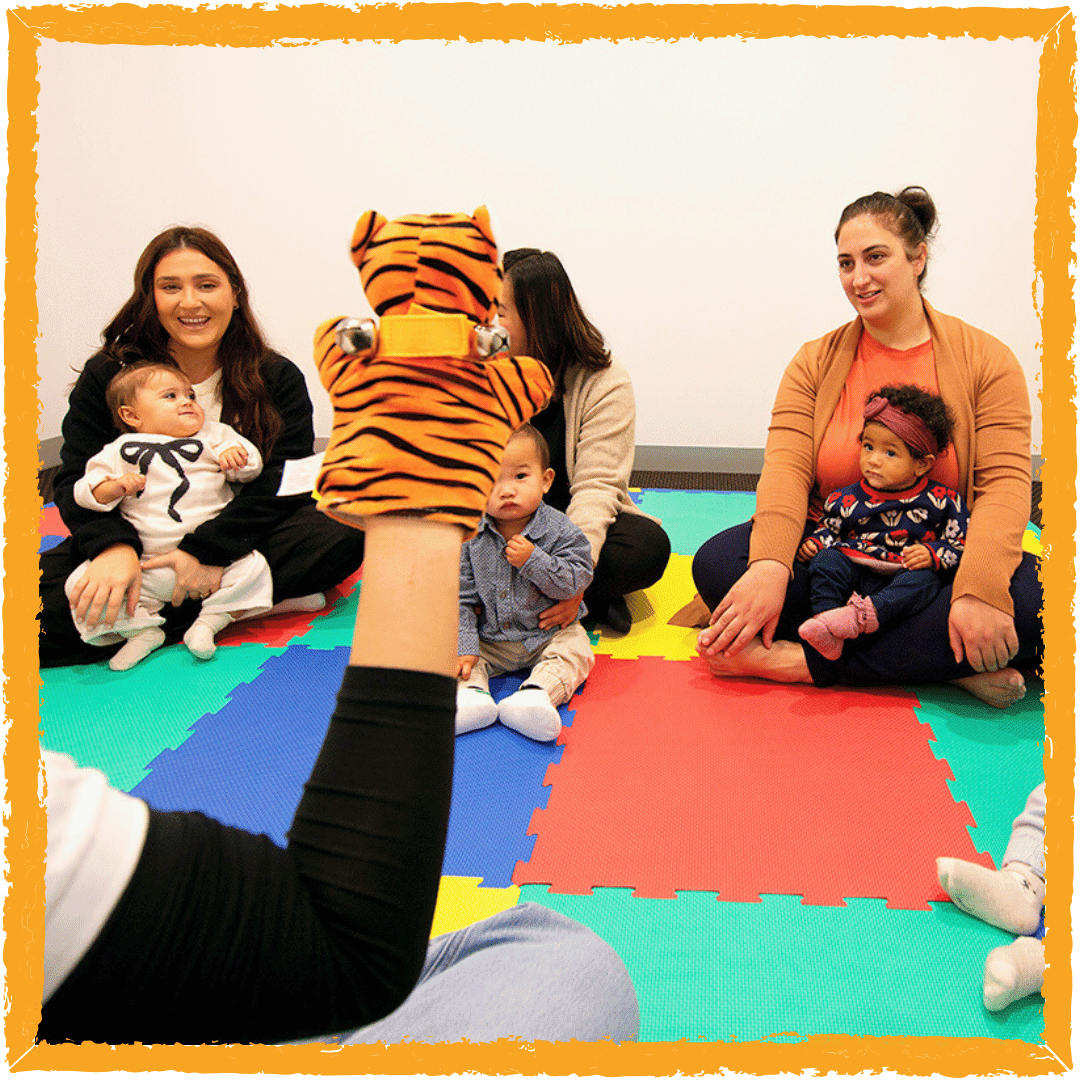
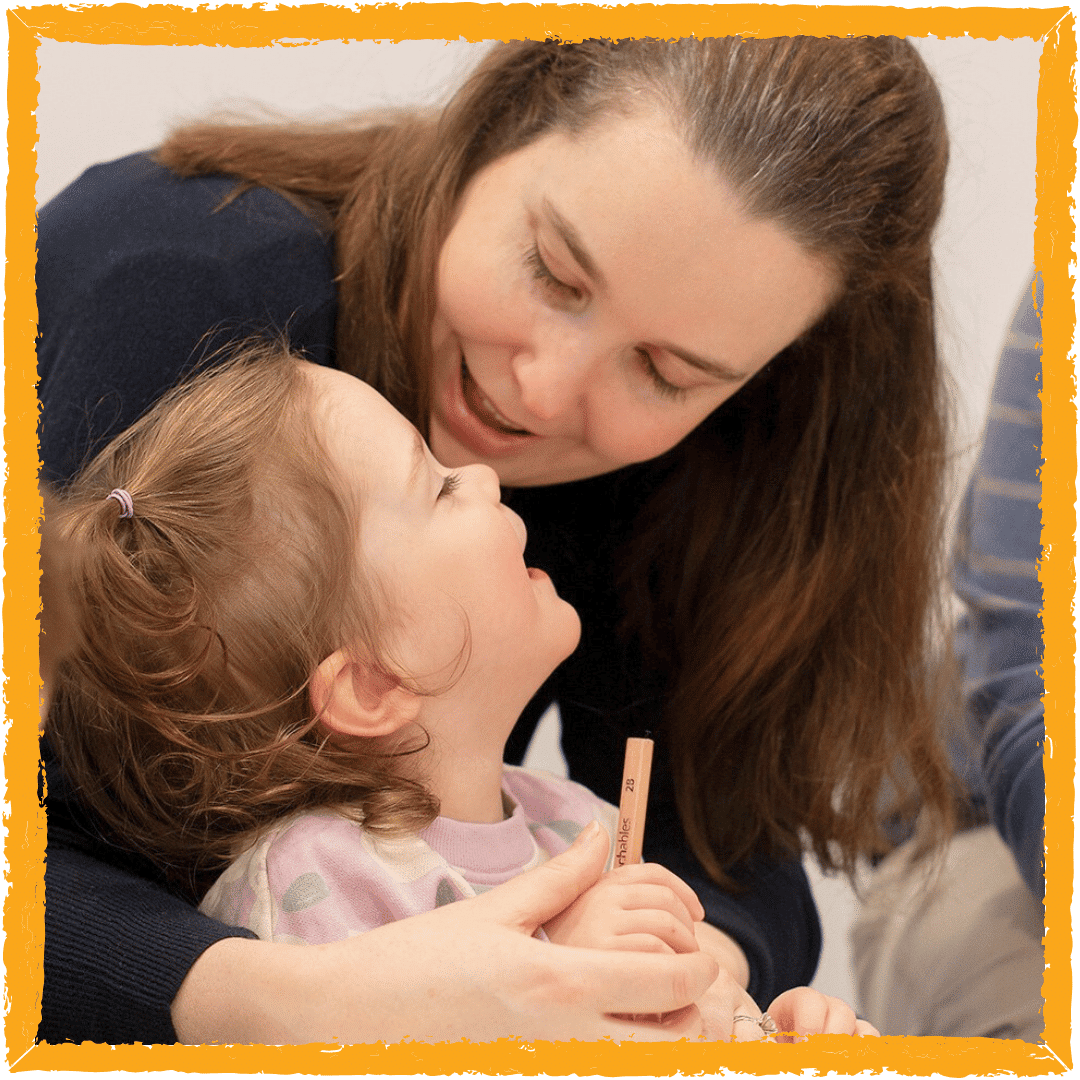
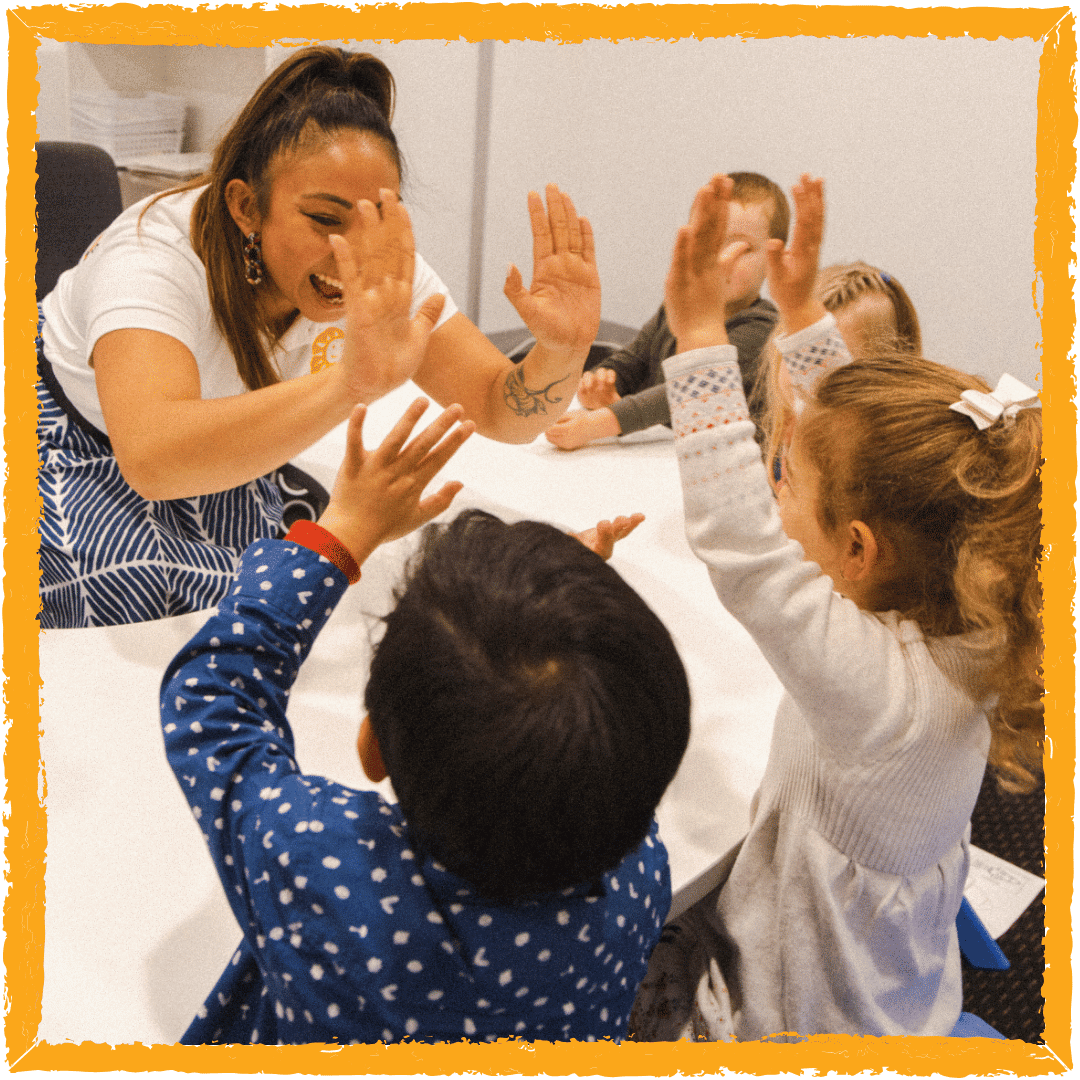
Image by Shichida: Shichida classes run once a week for 50 minutes for children aged 6 months to 5 years – fun, engaging sessions that both parents and kids look forward to each week.
Nurture Your Child’s Potential with Shichida
It’s pretty incredible when you see that “lightbulb” moment as they recall something perfectly, isn’t it? While those early mental snapshots are a great start, the real magic happens when we help them turn those quick images into a skill they can use for life. We’ve spent years perfecting the right-brain techniques that make this possible through games and connection. If you want to see how it works, we’d love to have you. Book a Shichida Trial Class today and let’s explore your child’s potential together.
FAQs: Photographic Memory Tests for Kids
Most children possess what is known as eidetic memory, which is a vivid but temporary visual recall. While it’s rare for this to last a lifetime, you can use memory training for kids to turn this into a permanent, high-functioning visual memory.
Informal games are far more effective than strict tests for young children. Try using a tray recall or speed flashcards to observe how they track and remember details. These gentle methods measure visual recall and focus without causing any stress or pressure.
You cannot simply “get” a photographic memory as an adult, but you can significantly improve your visual recall through consistent training. For children, the process is much easier because their brains are naturally wired for image-based learning. Starting early is the best way to build these skills.
Almost all young children have a level of eidetic ability. To maintain and strengthen it, you need to provide regular visual stimulation. High-speed flashcards and visualisation exercises help the brain keep these neural pathways open as the child grows.
You can start encouraging visual memory from birth using high-contrast images. By age two or three, children are ready for more interactive games like matching or “missing object” tasks. Early stimulation during the first six years is vital for right-brain development.
Use daily routines to ask observation questions, like asking what colour shirt a friend was wearing. Playing with flashcards at a high speed is also a proven way to encourage the brain to take mental snapshots. Consistency is key to building these neural pathways.
Eidetic memory is the ability to see an image in the mind’s eye for a few minutes after it is gone. Photographic memory is the mythical ability to recall pages of text or images for years. While the latter is unproven, the former is a real, trainable skill in children.
While true photographic memory is rare, children can be trained to significantly improve their memory skills through the right techniques and consistent practice. Programs like Shichida classes are known as one of Australia’s most renowned memory training methods for kids, using structured activities such as visualisation, flashcards, and recall exercises to strengthen memory, focus, and retention from a young age.