
Key Takeaways
- The best way to make learning English fun for kids is to use games, songs, stories, movement, and everyday conversations.
- Children learn English more naturally when lessons feel like play instead of pressure.
- Songs and music help children remember new English words through rhythm, repetition, and actions.
- Language games such as “I Spy,” charades, treasure hunts, flashcard races, and role play help children practise vocabulary in a fun, low-pressure way.
- Everyday moments like cooking, shopping, tidying up, and travelling can become simple English-learning opportunities.
- Hands-on activities help children build confidence, curiosity, listening skills, pronunciation, and vocabulary.
- Shichida Australia and SHICHIDA at Home support playful language exposure through songs, flashcards, games, memory activities, and interactive learning.
If your child groans the moment you say, “Let’s practise English,” you’re not alone.
For many kids, language learning starts to feel boring the moment it feels like a lesson. But English doesn’t have to be taught through pressure, repetition, or table-time battles.
Children learn best when they are laughing, moving, singing, playing, and using words in real moments. So if you’re wondering how to make learning English fun for kids, start by making it feel less like study and more like play.
Designed for families with children up to 5 years old.

Why Making Learning Fun Is Important for Child Development
Children naturally learn through exploration, play, and interaction. When learning feels enjoyable rather than forced, they become more open to trying new words, making mistakes, and practicing language without fear.
Research consistently shows that interactive learning for children improves both understanding and retention. Activities like games, music, storytelling, and hands-on play create relaxed environments where children feel safe to experiment with language.
When you focus on how to make learning fun and engaging, you’re not just teaching English. You’re helping your child build confidence and curiosity.
Key benefits include:
- Increased motivation to participate
- Reduced anxiety around speaking
- Improved vocabulary retention
- Greater confidence in communication
Most importantly, curiosity-driven learning helps children develop a lifelong love for learning. And that’s something that goes far beyond language skills.
Shichida Australia classes improve vocabulary through play. Try a fun learning-through-play class for kids aged 6 months to 5 years old. Join a class and see how much fun learning can be!
How Fun Improves Memory and Motivation
When activities feel like games, children stay focused longer and are more willing to try new words.
This is why fun learning activities for kids are so effective. They tap into natural curiosity, making learning feel exciting rather than like a task.
The Role of Play in Language Development
Play is one of the most powerful tools for language development. Through play-based activities, children naturally build:
- vocabulary
- listening comprehension
- conversational confidence
Simple activities like pretend play, storytelling games, or role-playing everyday situations allow children to practice English in meaningful ways.

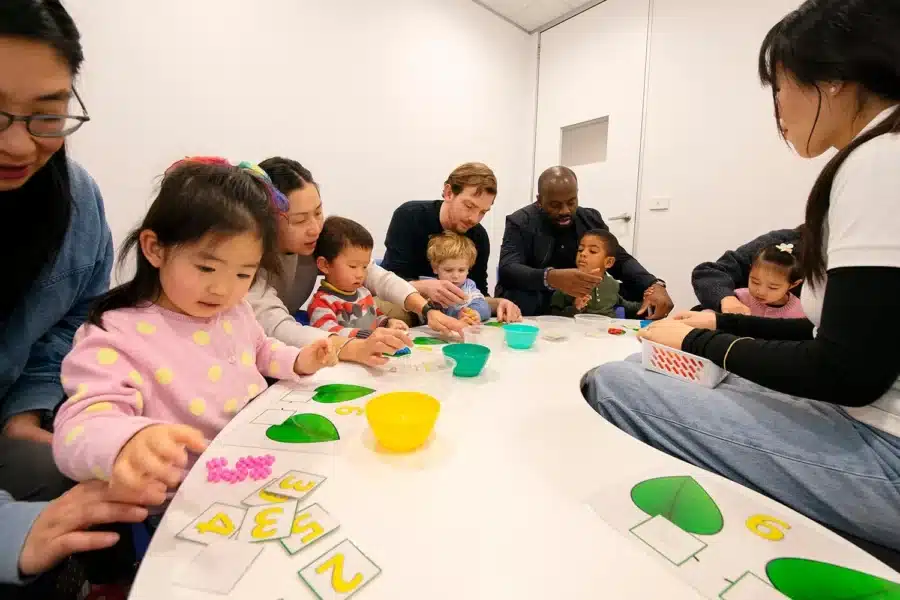
Image by Shichida Australia: Category sorting may look like simple play, but it helps preschoolers build vocabulary, focus, memory, and early thinking skills.
Simple Strategies to Make Learning English Fun
You don’t need to create formal lessons to teach English. In fact, some of the best learning happens in everyday moments.
If you’re exploring how to make language learning fun for kids, start by shifting your mindset. Think less about teaching and more about engaging.
Focus on:
- curiosity-driven learning
- exploration
- following your child’s interests
Daily routines like cooking, shopping, or even tidying up can become opportunities to introduce new vocabulary and practice conversation.
Turn Lessons Into Games
Gamification is one of the easiest ways to boost engagement. You can turn almost any activity into a game by adding:
- points and sticker rewards
- time challenges
- friendly competitions
- treasure hunts
Even simple tasks like naming objects can become exciting with a playful twist.
Follow Your Child’s Interests
Children learn faster when they care about the topic. If your child loves animals, focus on animal vocabulary. If they enjoy music or cartoons, use those as learning tools.
This approach makes creative English learning ideas feel natural rather than forced.
Use Everyday Activities as Learning Moments
Real-life experiences are full of language opportunities:
- Cooking together introduces food and action words
- Grocery shopping builds vocabulary around items and categories
- Describing objects at home improves observation skills
- Talking during travel encourages conversation
These small, consistent interactions are powerful for long-term learning.

Image from Shichida Australia: Hands-on games and interactive play help demonstrate how to make learning English fun for kids, turning vocabulary practice into an exciting and engaging experience.
Language Games That Make Learning English Exciting
Games are one of the best ways to practise English without pressure. They create a relaxed environment where children learn naturally.
If you’re looking for English learning games for kids, start simple and keep it playful.
Vocabulary and Word Games
These games help build vocabulary in a fun and engaging way:
- Word Bingo
- Charades
- “I Spy”
- Flashcard races
- Word association games
They encourage children to think quickly and use language actively.
Treasure Hunts and Puzzle Games
Treasure hunts are perfect for combining movement and learning. You can create clues that require your child to read, listen, and respond in English.
For example, “Find something red in the kitchen” or “Look under the table.” These activities support both comprehension and speaking skills.
Role-Playing Games
Role-playing allows children to practice real-life conversations in a safe environment.
Try scenarios like:
- ordering food in a restaurant
- introducing themselves
- asking for directions
- pretend shopping
These activities build confidence and prepare children for real-world communication.

Image by Shichida Australia: How to make learning English fun for kids? Music, songs and nursery rhymes is one of the easiest ways to make language learning feel fun and natural for babies and toddlers!
Using Songs and Music to Teach English
Music is one of the most effective ways to support language learning. It combines rhythm, repetition, and sound, making it easier for children to remember words and phrases.
If you’re exploring how to make learning English fun for kids, songs should be part of your routine.
Nursery Rhymes and Action Songs
Songs with actions are especially powerful for younger children. Movement helps reinforce meaning and keeps them engaged.
Clapping, jumping, and dancing while singing makes learning memorable and fun.
Learning Vocabulary Through Music
Repetition in songs helps children absorb vocabulary naturally. Hearing the same words again and again strengthens pronunciation and understanding.
That’s why English songs for kids are such a valuable tool.
Dance and Movement Activities
Not all children learn best sitting still. Adding movement keeps energetic kids engaged while learning language.
Simple dance routines paired with songs can turn learning into an exciting activity.

Image by Shichida Australia: As children match colours, names objects, and groups things together, they are building vocabulary, focus, observation skills, and confidence.
Creative Activities That Make Learning English Fun
Hands-on activities allow children to express themselves while practicing language naturally.
These language activities for kids combine creativity with learning, making them both effective and enjoyable.
Storytelling and Story Creation
Encourage your child to create stories using:
- pictures
- toys
- drawings
Ask questions like “What happens next?” or “Who is this character?” to prompt conversation and vocabulary use.
Arts and Crafts With Language Learning
Creative activities can easily include language practice:
- Label drawings in English – you can label some items in the home as well using large bold labels
- Describe colours and shapes – then play a matching game
- Talk about what they are making
This helps reinforce vocabulary in a meaningful context.
Cooking and Kitchen Learning
Cooking is full of learning opportunities. It introduces:
- food vocabulary
- measurement language
- sequencing words like first, next, and last
Plus, it’s a great bonding activity!

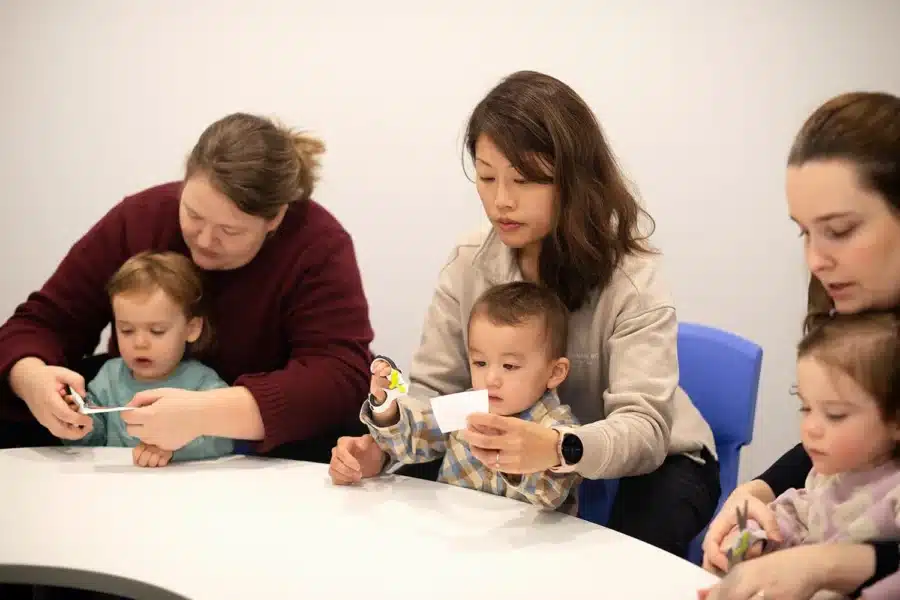
Image by Shichida Australia: Flashcards are a fun way to introduce new words quickly and keep young children engaged. As your child watches, listens, and connects pictures with words, they are building vocabulary, memory, focus, and sound awareness.
Age-Based Ideas for Making Learning Fun
Every child learns differently depending on their age and development stage. Tailoring activities ensures they stay engaged and confident.
Activities for Toddlers
Keep it simple and sensory-based:
- songs and rhymes
- picture books
- simple naming games
At this stage, repetition and exposure are key.
Activities for Preschoolers
Children in this age group are ready for more structured play:
- treasure hunts
- beginner reading games
- storytelling activities
These help build early literacy and confidence.
Activities for Older Kids
Older children benefit from more challenging tasks:
- journaling
- role-playing scenarios
- word puzzles
- interactive challenges
These activities support deeper language use and independence.

Image by Shichida Australia: Shichida classes are suitable for ages 6 months to 5 years old.
Technology and Digital Tools for Fun Learning
Digital tools can be helpful when used in balance with real-world experiences.
Many platforms offer educational games for kids that combine visuals, sound, and interactive challenges to support learning.
Educational Apps and Games
Apps often include gamified vocabulary practice, making learning feel like play. Look for options that encourage speaking, listening, and interaction rather than passive watching.
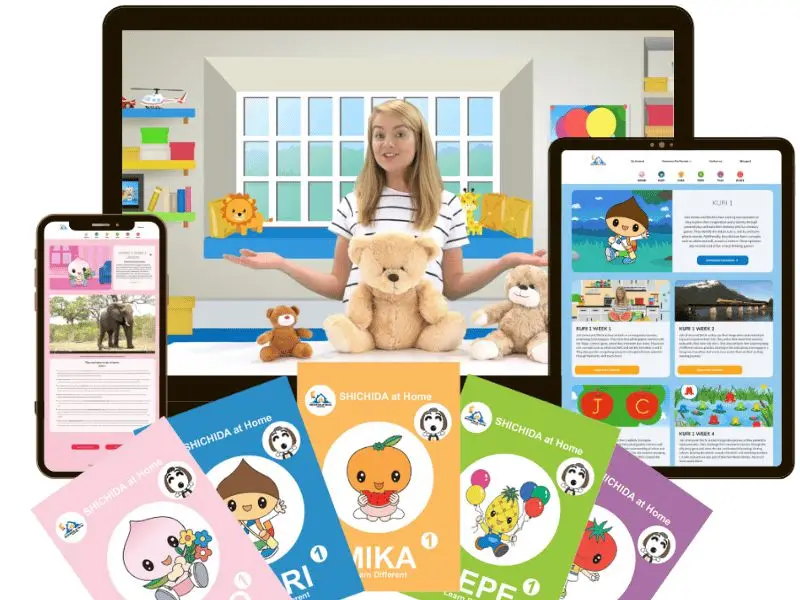
SHICHIDA at Home offers a digital educational platform that includes interactive videos, songs, games, flashcards and more. Suitable for ages 1 to 5 – this would be a great way to learn English for kids while learning through play.
Cartoons and Videos for Language Learning
Cartoons are a great way to introduce natural language patterns. Visual storytelling helps children understand meaning even if they don’t know every word.
Watching together and discussing the story can make this even more effective.
Tips for Keeping Kids Motivated to Learn English
Keeping your child motivated doesn’t require pressure. It’s about creating positive, enjoyable experiences.
Celebrate Small Wins
Praise effort, not perfection. Whether your child learns one new word or completes a short sentence, celebrate it.
This builds confidence and encourages continued learning.
Create a Fun Learning Environment
Set up a space that inspires learning:
- a cosy book corner
- word posters
- educational toys
A welcoming environment makes children more eager to engage.
Make Learning Part of Everyday Life
The most effective learning happens naturally. Talk to your child throughout the day, ask questions, and encourage them to respond in English.
Consistency matters more than long study sessions.

Image by Shichida Australia: Every Shichida class covers 20 to 25 fun and engaging activities per lesson.
Make English Learning Feel Natural With Shichida
Are you looking for a fun, engaging way to help your child build confidence with English?
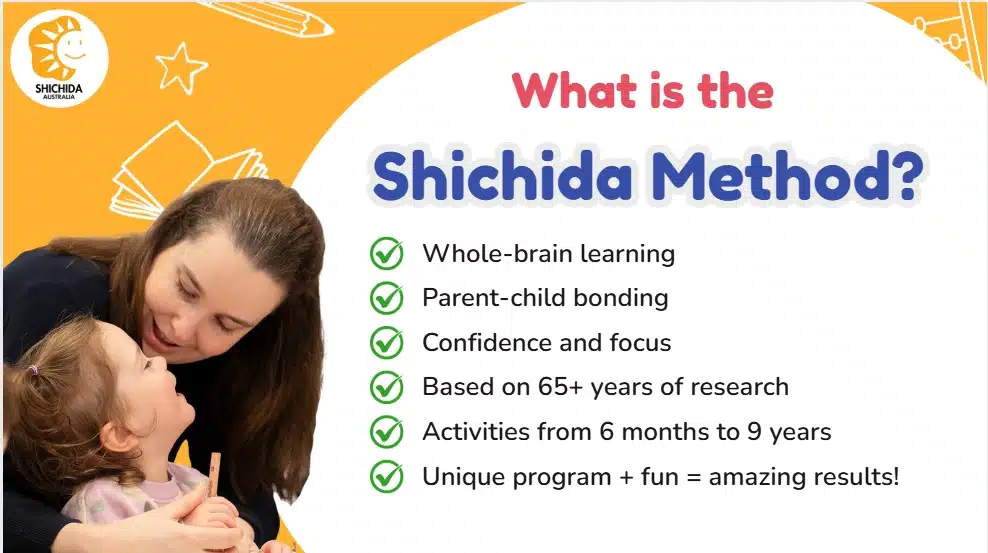
Shichida Australia is not an English language school. Instead, our classes are play-based early learning sessions designed to support whole-brain development through songs, flashcards, memory games, movement, storytelling, and interactive activities.
For many families where English is a second language, Shichida classes can be a valuable way to expose children to new vocabulary, listening practice, classroom routines, and social communication in a supportive environment. Children take part in a wide range of quick, engaging activities that help them stay curious, involved, and excited to learn.
This means your child is not just practising English words. They are also building focus, memory, confidence, problem-solving skills, and a positive attitude towards learning.
Ready to help your child enjoy learning through play?
Book a trial class with Shichida Australia today and see how our play-based approach can make learning feel natural, fun, and meaningful.
FAQ’s: How To Make Learning English Fun For Kids
You can make learning English fun for kids by using games, songs, stories, pretend play, flashcards, and everyday conversations. Keep activities short, playful, and connected to your child’s interests so learning feels natural rather than forced.
Simple games like “I Spy,” charades, word bingo, treasure hunts, flashcard races, matching games, and role-playing activities can help children practise English in an active way. These games encourage children to listen, speak, remember words, and use vocabulary in real situations.
Yes. Songs are one of the most effective ways to help children remember English words because they use rhythm, repetition, actions, and melody. Nursery rhymes, action songs, and simple sing-along activities can help children improve vocabulary, pronunciation, and listening skills.
Children can begin learning English from the toddler years through songs, picture books, simple words, and regular exposure. At this age, learning should feel playful and natural, not like a formal lesson.
Focus on fun, confidence, and small wins. Praise your child’s effort, use topics they already enjoy, and include English in daily routines. The more relaxed and playful the experience feels, the more likely your child is to stay engaged.
Toddlers learn English well through songs, rhymes, naming games, picture books, flashcards, sensory play, pretend play, and simple movement activities. Repetition is important, so it helps to use the same words and phrases often in fun, familiar situations.
Children aged 3 to 5 often enjoy treasure hunts, storytelling games, role play, beginner reading games, memory games, and creative activities. You can also ask them to describe pictures, tell short stories, or act out everyday situations in English.
Educational apps can be helpful when they are interactive and used in moderation. The best digital tools encourage children to listen, speak, respond, sing, or play along. They should be balanced with real-world conversation, hands-on play, and parent-child interaction.
Yes, Shichida can support English vocabulary development through playful exposure, especially for young children and families where English is a second language. Shichida Australia classes include songs, flashcards, memory games, movement, and interactive activities that help children hear and use language in a fun learning environment.
No. Shichida Australia is not an English language school. It is a play-based early learning program focused on whole-brain development. However, because classes include songs, flashcards, stories, games, and teacher-led interaction, children are naturally exposed to English vocabulary, listening practice, and communication skills.
SHICHIDA at Home is a digital learning platform with interactive videos, songs, games, flashcards, and activities for young children. It can be a helpful option for families who want to support playful learning and English exposure at home.