Key Points
- The parent-child approach focuses on connection, responsiveness, and emotional support in everyday interactions.
- Positive parenting strategies within the parent-child approach support healthy behaviour, social skills, and emotional resilience.
- Communication techniques like active listening and reflective statements strengthen trust, security, and attachment.
- Understanding parenting styles helps guide effective interactions and long-term child wellbeing.
- Daily routines, play, and emotional guidance strengthen the parent-child bond over time.
Will I be patient enough? How do I discipline without damaging our bond? How do I raise a confident, emotionally secure child in a world that feels overwhelming?
These are the questions most parents quietly carry.
Whether you are expecting your first baby or parenting growing children with very different personalities, you want more than surface-level parenting techniques. You want a strong parent-child relationship built on trust, respect, and real emotional connection.
That is where the parent-child approach changes everything. Instead of focusing only on behaviour, it focuses on connection first. It combines responsive parenting, clear guidance, and positive parenting strategies to support healthy child development from infancy through the teen years.
When you understand how secure attachment and everyday interactions shape your child’s brain, emotions, and behaviour, you gain confidence, clarity, and a deeper parent-child bond that lasts well beyond childhood.

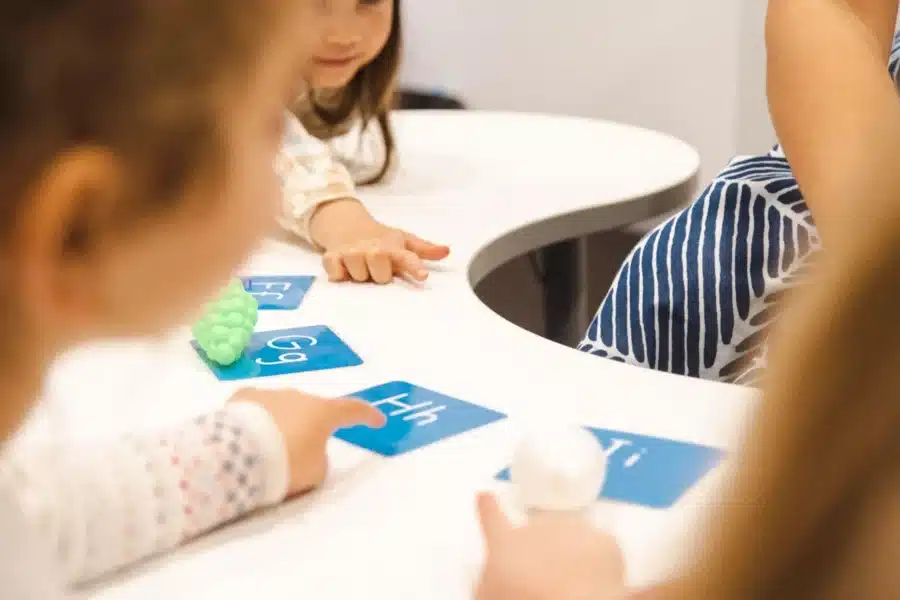
Image by Shichida Australia: parents and children, spending time together with purpose, during a Shichida method toddler class.
What Is the Parent-Child Approach?
The parent-child approach is a holistic framework for raising children through emotional attunement, responsiveness, and consistent guidance. It recognises that healthy development happens within safe, nurturing relationships.
Grounded in developmental science and attachment research, this approach focuses on creating secure attachment through warm, reliable interactions. When children feel emotionally safe, their brains are better able to learn, regulate emotions, and build healthy relationships.
At its core, the parent-child approach balances three elements.
- Connection
- Guidance
- Emotional support
You respond to your child’s needs while also setting clear expectations. You nurture their individuality while providing structure. Over time, this supportive parenting style builds long-term wellbeing, confidence, and resilience.
This is exactly what we focus on in a Shichida class — spending quality time together while strengthening the parent-child bond through fun, engaging learning and play. See it in action — book a Shichida trial class.
Core Principles of the Approach
This approach rests on attuned communication, empathy, and consistency. You aim to understand your child’s inner world, not just manage behaviour. Respect for your child’s individuality matters. Each child has unique temperament, strengths, and sensitivities. When you combine warmth with clear boundaries, you create a secure base from which your child can explore and grow.
Responsive Parenting Explained
In a nutshell:
- Responsive parenting means noticing your child’s cues and responding appropriately.
- A crying baby needs comfort.
- Frustrated toddlers need calm guidance.
- Your withdrawn pre-teen needs patient non-judgmental listening.
- When your responses are predictable and caring, your child develops trust.
- They learn that their feelings matter and that you are a safe place to return to.
Sensory play can help nurture resilience and development. Download a free sensory play guide here.
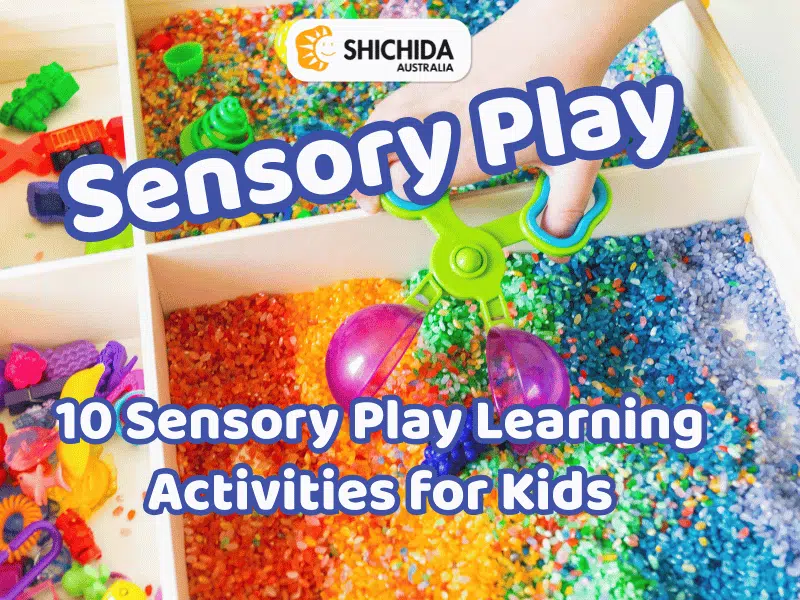
If your child enjoys these types of activities, a Shichida trial class is a great way to see how structured play can support coordination, focus, memory and early learning confidence.
Book a trial class or contact us to find your nearest centre.
Why the Parent-Child Approach Matters
You might wonder whether focusing on connection really influences behaviour and learning? The answer from decades of research is yes!
Strong parent-child relationships are linked to better emotional regulation, stronger social skills, and improved cognitive outcomes. Children with secure attachment are more likely to manage stress effectively, show empathy, and perform well academically. They also experience fewer behavioural difficulties.
When you use positive parenting strategies within a connected relationship, your child feels understood rather than controlled. This reduces power struggles and increases cooperation. Trust becomes the foundation of behaviour guidance.
As an expectant parent, this means that the bond you start building in infancy shapes long-term development. As an experienced parent, it reassures you that it is never too late to strengthen your emotional connection and shift your parenting style toward more responsive, supportive interactions.
Emotional Development and Security
Responsive, supportive interactions teach children how to regulate emotions. When you validate feelings and help name them, you model emotional literacy. Over time, your child internalises these skills. They become more resilient and better able to cope with frustration, disappointment, and stress.
Behavior and Social Skills
Consistent, respectful behaviour guidance supports cooperation and empathy. Children who experience supportive parenting are more likely to develop healthy peer relationships. They understand boundaries because they have experienced them within a caring, predictable environment.
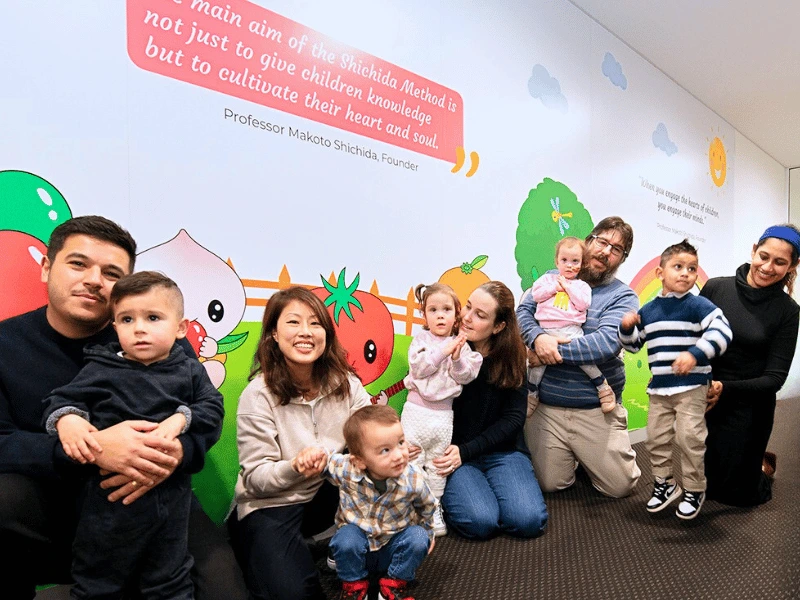
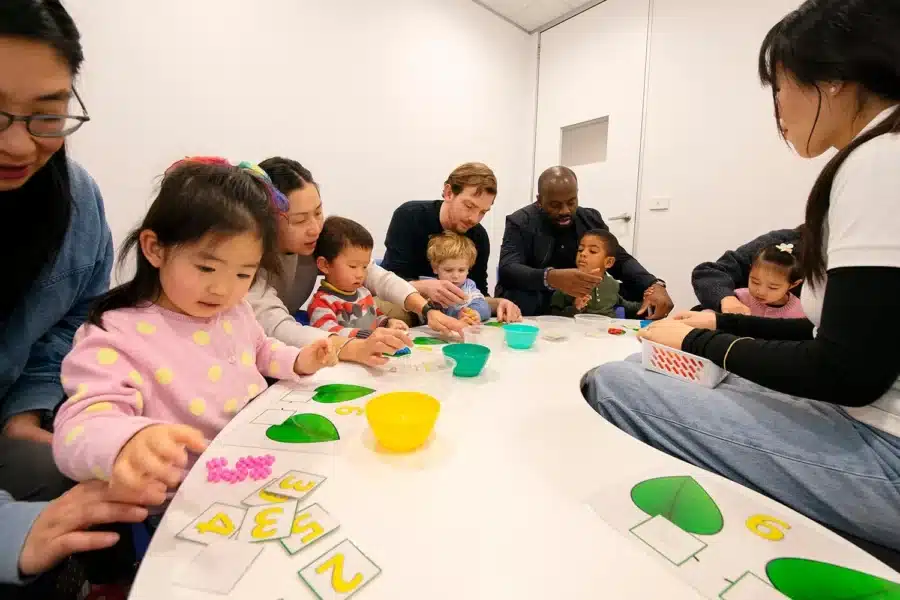
Image by Shichida Australia: Weekly Shichida classes are a treat for both parents and young children!
Positive Parenting Strategies in the Parent-Child Approach
The parent-child approach does not rely on harsh punishment. Instead, it uses evidence-based parenting techniques that shape behaviour while preserving connection.
You reinforce effort. You teach skills. You set limits with empathy. Rather than asking, “How do I stop this behaviour?” you ask, “What is my child learning here, and how can I guide them?”
These positive parenting strategies help your child feel capable and supported, even during challenges.
Encouragement vs. Praise
Encouragement focuses on effort, persistence, and progress. Instead of saying, “You’re so smart,” you might say, “You kept trying even when it was hard.” This builds intrinsic motivation and resilience. It teaches your child that growth comes from effort, not labels.
Setting Clear, Consistent Limits
Children feel safer when expectations are predictable. Clear rules delivered calmly and consistently create security. Limits are not about control. They are about teaching responsibility within a respectful relationship.
Emotion Coaching and Validation
Emotion coaching involves naming and validating feelings before guiding behaviour. “I see you’re angry because your toy broke.” When children feel understood, they are more open to problem-solving. This strengthens self-awareness and coping skills.
Communication Techniques That Strengthen the Parent-Child Bond
Communication is the heartbeat of the parent-child approach. The way you listen and respond shapes how safe your child feels sharing thoughts and emotions.
Strong communication reduces conflict because children who feel heard are less likely to escalate behaviour. It also builds lifelong trust.
Active Listening
Active listening means giving your full attention. You put aside distractions and focus on your child’s words and body language. Nodding, maintaining eye contact, and responding thoughtfully communicates respect. This simple practice deepens emotional connection.
Reflective Statements
Reflective statements mirror what your child is expressing. “It sounds like you felt left out at school today.” This validates their experience and reassures them that their feelings make sense. It strengthens secure attachment.
Age-Appropriate Conversations
With toddlers, use simple language and short explanations. With school-aged children, encourage discussion and questions. With pre-teens, invite opinions and collaborative problem solving. Adapting communication to developmental stages supports healthy child development and mutual respect.
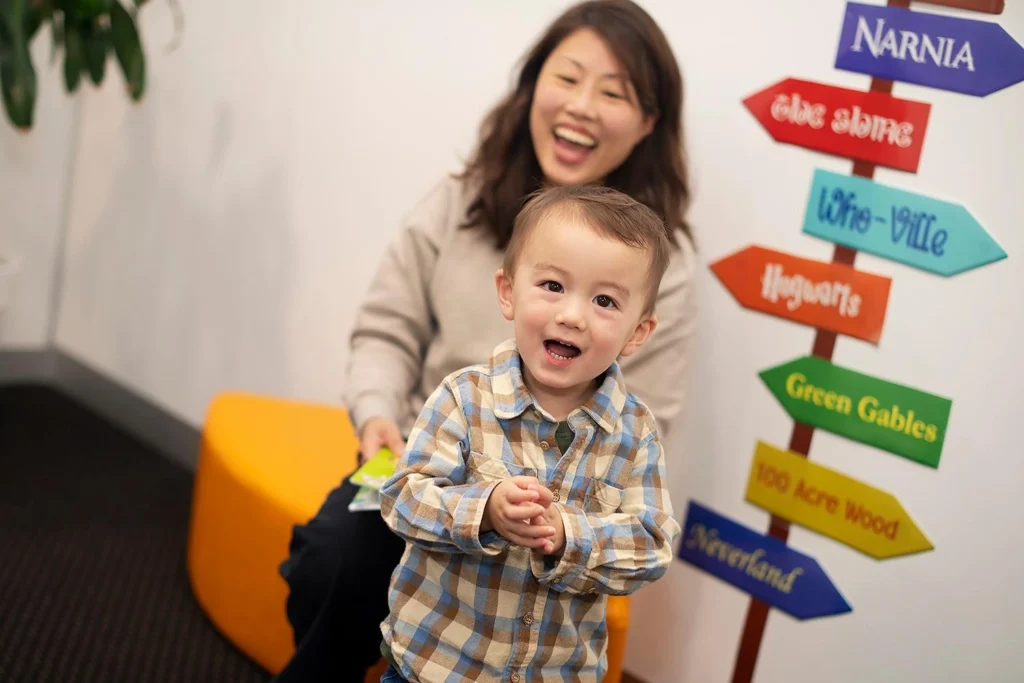
Image by Shichida Australia: Parent-child bonding is central to the Shichida Method philosophy. When children learn alongside their parents, they begin to associate learning with connection, enjoyment, and confidence.
Common Parenting Styles and Their Effects
Understanding different parenting styles can help you reflect on your own patterns.
Research commonly identifies four styles.
- Authoritative
- Authoritarian
- Permissive
- Uninvolved
Each has different effects on attachment and behaviour.
The parent-child approach aligns most closely with authoritative parenting, which combines warmth with structure.
Authoritative Parenting
Authoritative parents are nurturing but set clear expectations. They explain rules and listen to their child’s perspective. This balance supports independence, emotional security, and strong social skills. It is widely associated with positive developmental outcomes.
Authoritarian vs. Permissive
Authoritarian parenting is strict and control-focused, often with limited emotional responsiveness. Permissive parenting is warm but lacks consistent boundaries. Both can create challenges. Excessive strictness may affect emotional security. Too few limits may impact self-regulation. Balanced supportive parenting provides both connection and guidance.
Everyday Routines to Support Connection

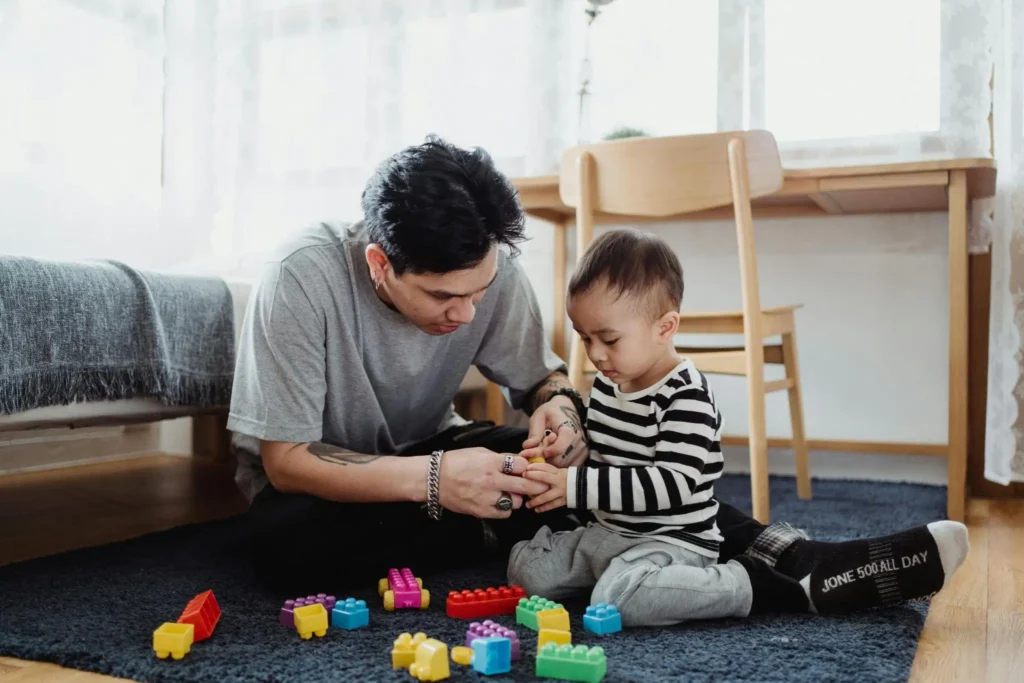
Photo from Pexels: Everyday routines become meaningful bonding opportunities when guided by a parent-child approach focused on communication, respect, and trust.
Connection is not built through grand gestures. It grows in small, repeated moments.
Daily parenting routines create predictable opportunities for bonding. These rituals communicate stability and care.
Mealtime Conversations
Shared meals invite conversation. Ask open-ended questions about your child’s day. Listen without rushing. Mealtime becomes a space for active listening and emotional connection.
Playful Interactions
Play is a powerful tool for building trust. Follow your child’s lead. Laugh together. Through play, children process emotions and practise social skills. You strengthen the parent-child bond while supporting development.
Bedtime Rituals
Consistent bedtime routines provide security. Reading a story, gentle conversation, or a brief reflection on the day helps your child wind down emotionally. Predictable rituals reinforce a sense of safety and attachment.
Navigating Challenging Behaviors with a Parent-Child Approach
Tantrums, defiance, and emotional outbursts are part of development. The parent-child approach views these moments as opportunities for teaching rather than punishment.
Instead of reacting with anger, you pause. You regulate yourself first. Then you guide.
De-Escalation Techniques
Lower your voice. Slow your breathing. Offer simple choices. Adjust the environment if overstimulation is contributing to the behaviour. Your calm presence models emotional regulation and helps your child settle.
Setting Natural Consequences
Natural or logical consequences teach responsibility while maintaining connection. If a toy is thrown, it is put away temporarily. The message is clear and respectful. Behaviour has outcomes, but the relationship remains secure.
Resources & Support for Parents
Parenting is complex! Seeking support is a strength, not a weakness.
Evidence-based programs and professional guidance can deepen your skills in responsive parenting and emotion coaching.
You might consider speaking with a child psychologist, counsellor, or paediatric professional if challenges feel overwhelming. Community parenting groups and online forums also provide peer support. Ongoing learning reinforces positive parenting strategies and strengthens your parent-child relationship over time.
Spend meaningful Time Together With Shichida
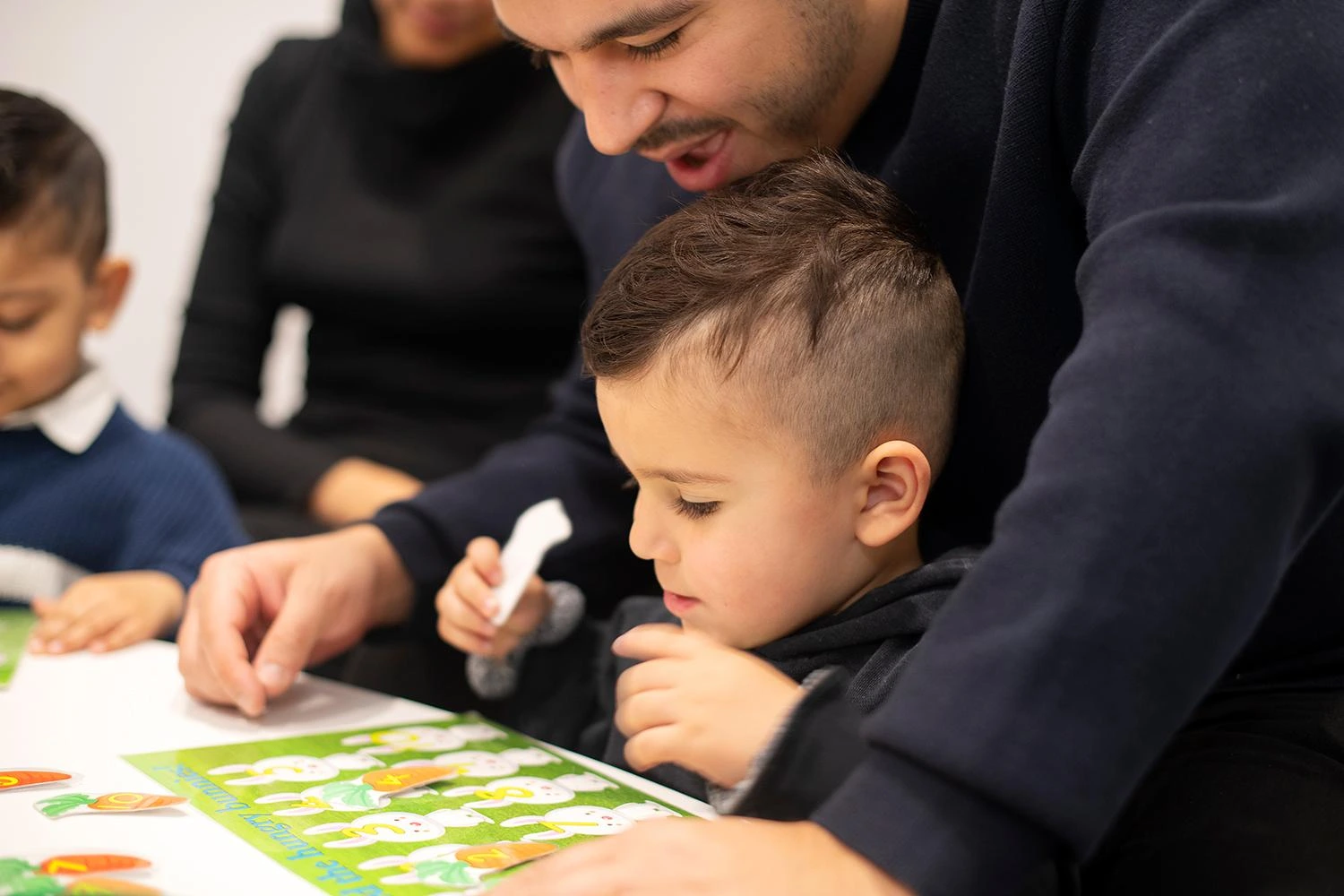
You want to raise a confident, emotionally secure child without relying on guesswork. Shichida offers a structured, evidence-informed program that equips parents and caregivers with practical tools to build connection, resilience, and lifelong learning skills.
Book a trial class and see how these strategies come to life!
Frequently Asked Questions: Parent‑Child Approach
It is a relationship-centred parenting framework that prioritises connection, responsiveness, and consistent guidance to support healthy emotional, social, and cognitive development.
The parent-child approach focuses on teaching, connection, and emotional guidance rather than punishment or control, helping children understand behaviour instead of simply correcting it.
Yes. Teenagers still benefit from secure attachment, open communication, and clear boundaries, which support independence while maintaining trust.
Responsive parenting helps build secure attachment, emotional regulation, and trust, which are all linked to better learning, behaviour, and relationships.
Strong parent-child relationships are linked to better emotional resilience, social skills, academic performance, and reduced behavioural challenges.
Practise active listening, use reflective statements, and create regular opportunities for conversation, such as during meals or bedtime routines.
A common mistake is confusing responsiveness with permissiveness, or not setting clear boundaries alongside emotional support.
By setting clear, consistent boundaries while validating emotions and maintaining respect, parents can guide behaviour without damaging the relationship.
Shared meals, playtime, and consistent bedtime routines help build connection, trust, and emotional security over time.