
Key Takeaways
- Australian guidelines recommend no screen time under 2 years (except video calls)
- Children aged 2–5 years should have no more than 1 hour of recreational screen time per day
- Older children benefit from around 2 hours of recreational screen time, with balance across sleep, activity, and social interaction
- The focus should be on balance, not complete restriction of technology
- Excessive screen time can impact sleep, attention, behaviour, and physical activity
- Creating screen-free routines, spaces, and activities helps children develop healthier habits
- Hands-on play, conversation, and movement remain essential for early development
Many parents search for clear screen time guidelines by age to understand what is appropriate for their child.
In this digital age we live in, screens are everywhere in childhood. As a parent, you may find yourself wondering how much screen time is actually healthy for your child. Tablets, televisions, smartphones, and gaming devices can entertain, educate, and connect families, but they can also take time away from sleep, movement, and real-world experiences. Understanding healthy screen time limits helps you guide your child toward balanced digital habits.
The goal is not to eliminate technology completely. Instead, it is about helping your child use screens in a way that supports development rather than replacing important activities like play, learning, conversation, and rest. By setting thoughtful screen time limits for kids, you can help your child develop focus, emotional wellbeing, and a healthy relationship with technology.
Many parents search for clear screen time guidelines by age to understand what is appropriate
What Are Healthy Screen Time Limits?
Healthy screen time limits refer to recommended boundaries for how long children should spend using digital devices each day. As a parent, setting these boundaries helps ensure that screen use does not replace activities that support your child’s growth.
Screens are part of everyday life, and many children use them for both learning and entertainment. However, children still need time for movement, outdoor play, creativity, reading, and family interaction. Setting daily screen time for kids allows technology to be part of your child’s life without dominating it.
It is also helpful to understand that not all screen time is the same. Recreational screen time includes entertainment such as watching videos, playing games, or browsing social media. Educational screen time includes schoolwork, learning platforms, and research. Most screen time guidelines focus on limiting recreational screen exposure rather than school-related use.
When you guide your child toward balanced digital habits, you support attention skills, emotional wellbeing, and physical health.
If you’re concerned about how excessive screen use may be affecting your child’s attention and behaviour, you can read more about the impact in our guide on brain rot and screen time.
What Counts as Screen Time
Screen time includes most digital devices that children use throughout the day. These typically include:
- Smartphones
- Tablets
- Computers or laptops
- Video games and gaming consoles
- Television
- Streaming platforms
Screen use can also vary depending on how children interact with the device. Passive consumption happens when your child watches videos or television without interacting. Interactive use includes games, apps, and online learning platforms.
Even though interactive media can be more engaging, both types still count toward your child’s total daily screen time for kids.
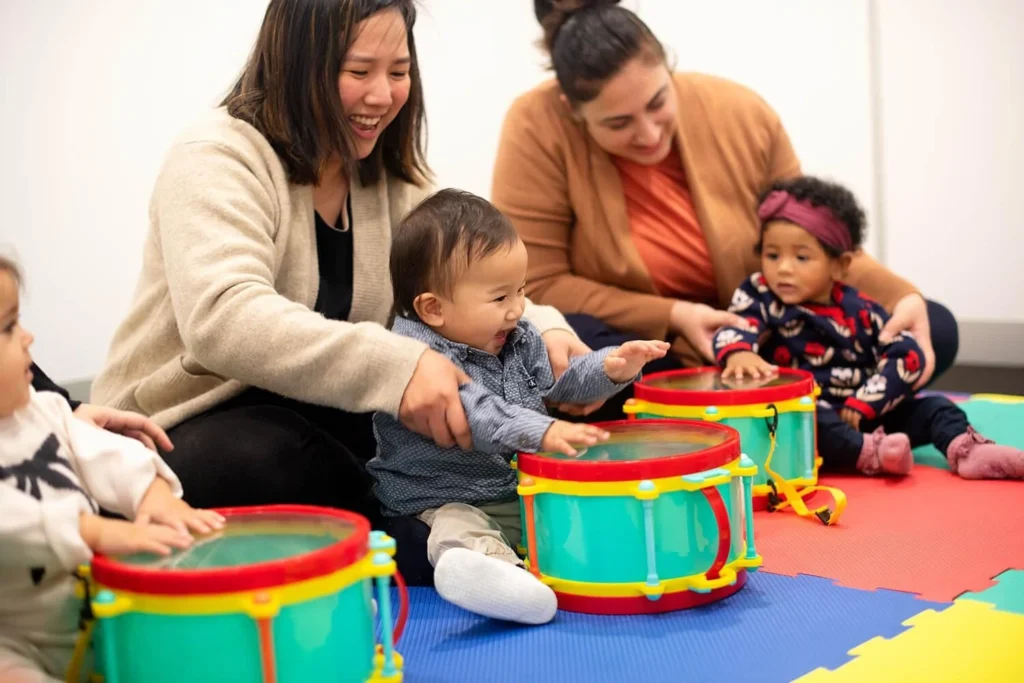
Image by Shichida Australia: Real-world, hands-on experiences support cognitive, physical, and social development while helping children learn through interaction rather than screens.
Why Screen Time Limits Matter
Setting screen time limits for kids helps protect the time your child needs for other essential activities.
When screens take up too much time, children may miss opportunities for:
- Physical movement
- Outdoor play
- Face-to-face conversations
- Hands-on learning
- Creative exploration
Excessive screen use may also contribute to sleep disruption, reduced attention span, and sedentary habits. Creating clear screen time recommendations helps your child build a balanced daily routine.
Recommended Healthy Screen Time Limits by Age
Children’s developmental needs change as they grow, which is why screen time by age recommendations vary. Younger children benefit most from real-world interaction, while older children can manage moderate digital use with clear boundaries.
The following table summarises commonly recommended screen time guidelines used by many health organisations.
| Age Group | Recommended Screen Time |
| Under 2 years | Avoid screen time except video calls |
| 2-5 years | Up to 1 hour per day |
| 5-17 years | Around 2 hours recreational screen time |
These guidelines align with the Australian 24-Hour Movement Guidelines, which recommend limiting sedentary screen time while prioritising physical activity, sleep, and social interaction across the day.
These recommended screen time limits for children mainly apply to entertainment activities such as gaming, streaming videos, or social media. School-related screen use may require additional time.
As a parent, your focus should be on ensuring that screens never replace sleep, physical activity, or family interaction.
Feel like your child needs more stimulation off screen? If you’re not sure you’re doing enough at home, this is a great place to start! Book a Shichida trial class and see the Shichida difference.
Babies and Toddlers (Under 2 Years)
If you have a baby or toddler, most experts recommend avoiding screens except for video calls with relatives.
During the first two years of life, your child’s brain develops rapidly through real-world interaction. Talking, reading, singing, and playing together are far more valuable for development than digital media.
Limiting screen time for toddlers helps support early language skills, social bonding, and sensory learning.
Preschool Children (2-5 Years)
For preschool children, many experts recommend limiting recreational screen time to about one hour per day.
As a parent, you can make this time more meaningful by choosing high-quality educational content. Watching together is also helpful. When you co-view with your child, you can talk about what they are seeing, ask questions, and connect what they watch to real-life experiences.
This interaction helps your child learn from media rather than simply consuming it.
If you need to use screens, then choose wholesome, education-based content.
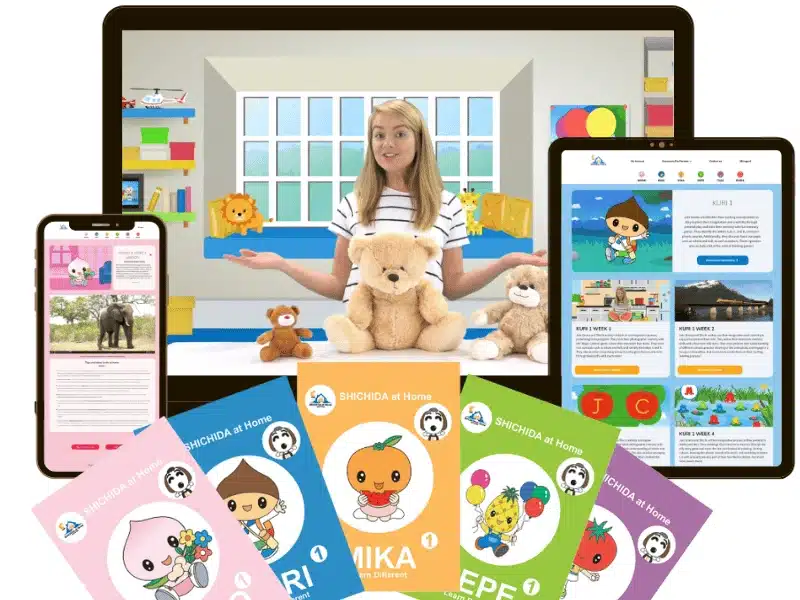
SHICHIDA at Home offers engaging digital educational content for children up to age 5, including songs, flashcards, games, lessons, and workbooks designed to support early learning at home.
School-Age Children (5-17 Years)
Older children and teenagers can usually manage more screen exposure, but limits are still important.
Experts commonly suggest around two hours of recreational daily screen time for kids in this age group. More important than exact numbers is ensuring that screens do not interfere with:
- Sleep
- Schoolwork
- Physical activity
- Social relationships
- Family time
Helping your child balance these priorities supports healthy digital habits.
The Effects of Too Much Screen Time
Screens themselves are not inherently harmful. In fact, they can support learning, creativity, and connection. Problems usually arise when screen use replaces important developmental activities.
Research on the effects of screen time on children suggests that excessive screen use may influence several areas of wellbeing.
Potential impacts include:
- Reduced physical activity
- Sleep disruption
- Difficulty maintaining attention
- Limited social interaction
- Increased emotional stress
The key issue is balance. When screens take up too much time, children may miss opportunities to learn, move, and interact with others.
Physical Health Effects
Spending long periods using devices often means sitting still. Over time, this sedentary behaviour may reduce daily physical activity.
Other physical concerns linked to excessive screen use include:
- Eye strain from prolonged viewing
- Poor posture while using devices
- Reduced time spent outdoors
- Blue light exposure can affect sleep negatively
Encouraging movement and outdoor play helps balance daily screen time for kids.
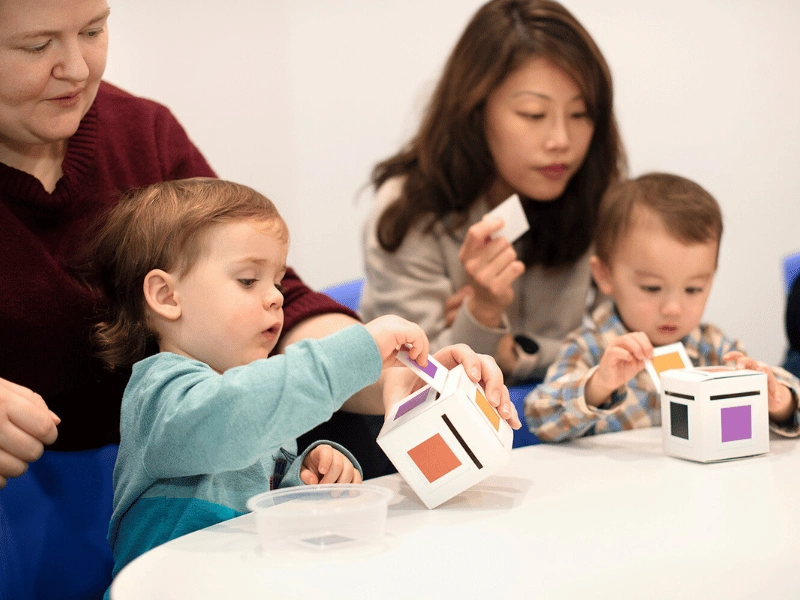
Image by Shichida Australia: Hands-on activities like colour matching support cognitive development, problem-solving, and focus, giving children meaningful learning experiences.
Cognitive and Learning Effects
Children learn best through exploration, conversation, and hands-on activities.
When passive screen use replaces activities like reading, puzzles, or creative play, children may miss opportunities to strengthen skills such as:
- Problem solving
- Imagination
- Language development
- Focus and attention
Balancing technology and child development helps ensure that screens support learning rather than replacing it.
Emotional and Social Development
Social skills develop through real conversations and shared experiences.
If screen use becomes excessive, children may spend less time practising communication and cooperation with others. Face-to-face interaction helps children develop empathy, emotional understanding, and social confidence.
Maintaining balanced screen time guidelines supports stronger social development.
Signs a Child May Have Too Much Screen Time
Every child uses technology differently, so it is helpful to watch for behavioural patterns rather than focusing only on exact time limits.
If you notice the following changes, your child may be experiencing excessive screen time.
Sleep Problems
Using screens close to bedtime can make it harder for children to fall asleep. The blue light emitted by screens may disrupt melatonin production, which regulates sleep cycles.
If your child struggles to fall asleep or wakes frequently during the night, evening screen habits may need adjustment.
Reduced Physical Activity
If screens replace outdoor play, sports, or active hobbies, your child may become less physically active.
Encouraging movement and limiting screen use during the day can help restore balance.
Mood or Behaviour Changes
Some children become frustrated when screen time ends or when devices are taken away.
Possible signs include:
- Irritability when screens are removed
- Difficulty stopping games or videos
- Loss of interest in offline hobbies
- Frequent requests for device use
These signs may indicate that reducing screen time could help your child regain balance.
Healthy Screen Habits for Families

Image by Shichida Australia: Parenting in the digital age means balancing technology with hands-on learning that supports creativity, memory, and problem-solving.
Building healthy digital habits works best when the whole family participates. Clear routines and consistent expectations make screen limits easier for children to follow.
Create a Family Media Plan
A family media plan helps you establish clear rules for screen use in your home.
You might decide:
- When screens are allowed
- Where devices can be used
- How long children may use them
- What types of content are appropriate
Having these rules in place reduces confusion and helps children understand expectations.
Establish Screen-Free Zones
Creating screen-free spaces in your home protects time for family interaction and rest.
Common screen-free areas include:
- Bedrooms
- The dining table
- Family activity spaces
These boundaries encourage conversation and help protect sleep routines.
Encourage Alternative Activities
Children are more willing to reduce screen use when they have interesting alternatives. Activities such as puzzles, sensory play, building games, and creative tasks can help replace screen time while supporting your child’s development.
You can encourage activities such as:
- Outdoor play
- Reading books
- Drawing or crafts
- Building projects
- Family games
- Screen-free activities
- Singing nursery rhymes
- Baking together
- Playing with musical instruments
Offering engaging options helps children naturally balance device use.
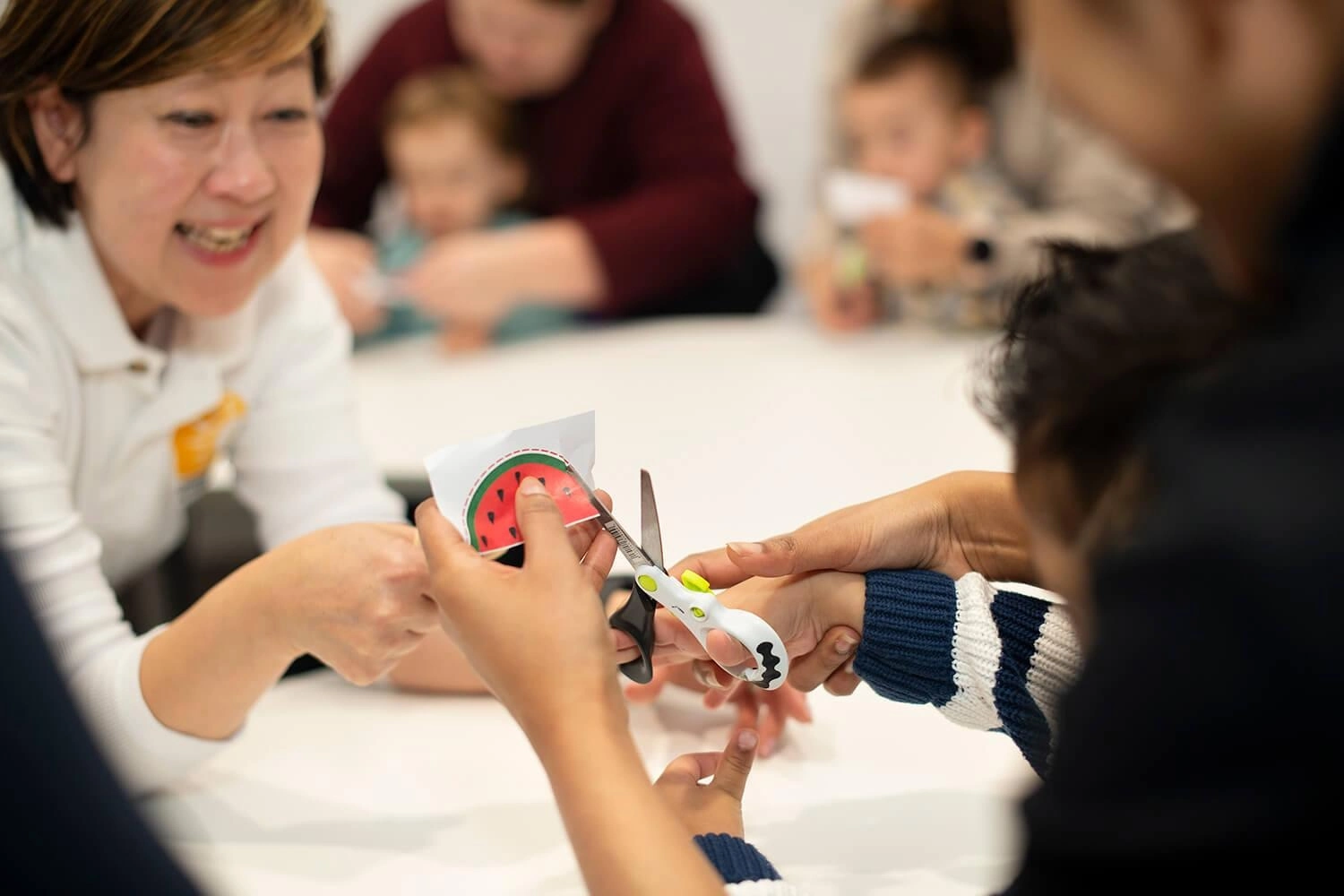
Image by Shichida Australia: Practical tasks like cutting build fine motor control, focus, and independence through hands-on learning experiences.
Tips to Reduce Screen Time Without Conflict
If your child is used to frequent screen use, sudden restrictions may cause frustration. Gradual adjustments often work better. Small, consistent changes are often more effective than strict or sudden restrictions.
Model Healthy Screen Use
Children often copy adult behaviour. When you demonstrate balanced device habits, your child learns from your example.
Simple habits like putting phones away during meals show that people are more important than screens.
Delay Introducing Personal Devices
Delaying smartphones and tablets during early childhood can make screen time limits for kids easier to maintain later.
Children who develop strong offline interests often rely less on screens for entertainment.
Co-View and Discuss Content
Watching programs with your child creates opportunities for conversation.
When you discuss what your child sees on screen, you help them think critically about digital media and understand messages more clearly.
Balancing Technology With Healthy Development
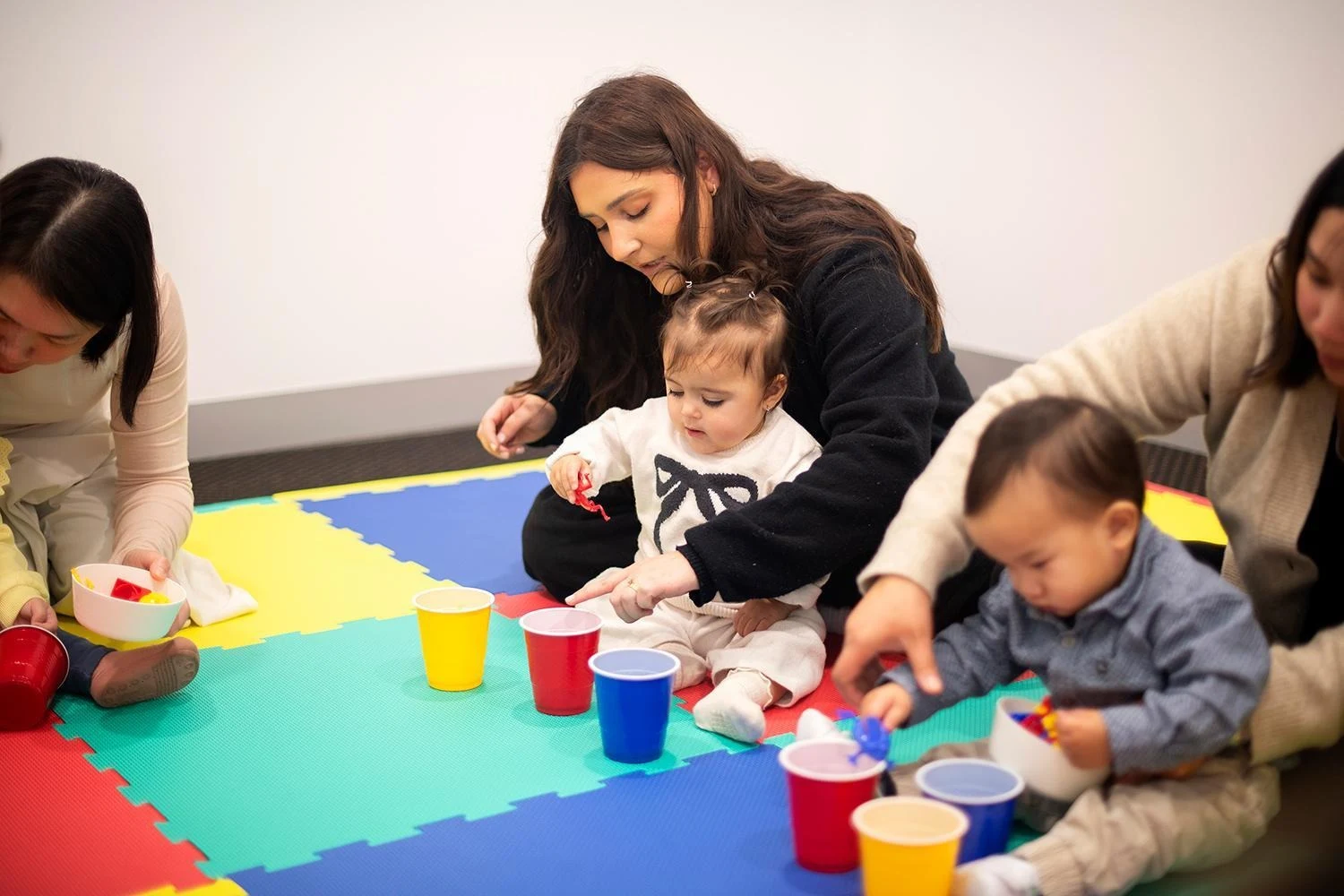
Image by Shichida Australia: Parenting in the digital age means intentionally creating time for creative activities that build attention, imagination, and meaningful parent-child interaction.
Technology will continue to be part of your child’s world. Instead of avoiding it completely, the goal is to help your child use it in a balanced and healthy way.
When screens are used thoughtfully, they can support learning, creativity, and communication. Educational programs, interactive learning apps, and video calls with relatives can enrich your child’s experiences.
Healthy digital routines focus on balance. Screens should never replace physical activity, social interaction, or creative play. By guiding your child with consistent healthy screen time limits, you help them develop lifelong digital habits that support wellbeing and learning.
As your child grows, their technology needs will change. Revisiting your screen time guidelines regularly allows your family to adapt while maintaining healthy boundaries.
Support Holistic Development With Shichida

Image by Shichida Australia: Joining a weekly Shichida class creates a healthy routine while providing opportunities for skill development and growth.
In parenting in the digital age, finding the right balance between technology and real-world learning can feel challenging. Shichida Australia helps parents nurture focus, creativity, and strong learning foundations through interactive activities that support whole-brain development. In small, engaging classes, you learn alongside your child and gain practical techniques you can use at home to support healthy development. If you want to support your child’s focus, creativity, and learning beyond screens, consider experiencing a class!
Book a Shichida trial class and see how structured early learning can support your child’s development while helping your family build healthier routines around technology.
FAQs: Healthy Screen Time Limits for Kids
Healthy screen time limits for kids depend on age. In general, experts recommend no screen time for children under 2 years (except video calls), up to 1 hour per day for children aged 2–5 years, and around 2 hours of recreational screen time for older children, alongside balanced sleep, physical activity, and family interaction.
Screen time guidelines by age typically follow these recommendations:
- Under 2 years: Avoid screen time except video calls
- 2–5 years: Up to 1 hour per day
- 5–17 years: Around 2 hours of recreational screen time. These limits focus on entertainment use rather than school-related activities.
Yes. Many early learning programs focus on hands-on, screen-free activities that support cognitive, emotional, and social development. For example, Shichida Australia offers structured classes that use games, flashcards, music, and interactive activities to build memory, concentration, and confidence without relying on screens.
The Australian 24-Hour Movement Guidelines recommend no sedentary screen time for children under 2 years (except video calls), limiting screen time to no more than 1 hour per day for children aged 2–5 years, and ensuring older children balance screen use with physical activity, sleep, and social interaction.
Yes. Educational screen time, such as schoolwork or structured learning programs, is generally treated differently from recreational screen time like watching videos or playing games. Most guidelines focus on limiting recreational screen use.
Excessive screen time may affect sleep, reduce physical activity, and impact attention, behaviour, and social interaction. The main concern is when screen use replaces important activities such as play, movement, and family interaction.
Yes. Screen use, especially before bedtime, can affect sleep. Blue light from screens may interfere with melatonin production, making it harder for children to fall asleep and stay asleep.
Parents can reduce screen time by setting clear routines, giving advance notice before screens are turned off, and offering engaging alternatives such as outdoor play, creative activities, and family games. Gradual changes are usually more effective than sudden restrictions.
Signs of excessive screen time may include sleep difficulties, irritability when devices are removed, reduced interest in offline activities, and less physical movement. Observing behaviour patterns can help guide adjustments.
Healthy alternatives to screen time include outdoor play, reading, puzzles, arts and crafts, building activities, sensory play, music, and family games. These activities support creativity, focus, and overall development.
Yes. Structured early learning programs that include hands-on activities, memory games, and guided learning can support focus, creativity, and cognitive development while helping children build healthy habits beyond screens.