Key Takeaways:
- Building resilience in kids is not about expecting them to be tough all the time.
- Resilience is not something children either have or do not have. It grows through repeated experiences of feeling safe, supported, and capable.
- Sensitive children often need more co-regulation, predictability, and gentle practice, not less challenge.
- Separation anxiety is common in early childhood and usually responds best to calm routines, reassurance, and consistency.
- Small everyday moments like drop-off, waiting, losing a game, or trying something new are where resilience is built.
- Play-based activities help children practise emotional regulation, confidence, flexibility, and recovery from setbacks.
- Parents make the biggest difference when they validate feelings first, then guide the child through manageable next steps.
If your child struggles with change, clings during drop-offs, or becomes overwhelmed by small setbacks, you might be wondering how to help them cope better.
This is where resilience comes in. Resilience is not about “toughening up” your child. It is about helping them recover from big feelings, adapt to new situations, and try again – even when something feels hard.
The good news? Resilience can be built!
In this guide, you will learn how to build resilience in a sensitive child using simple, everyday strategies. From managing separation anxiety to handling frustration and new experiences, these approaches will help your child feel more confident, capable, and secure.
Sensory play can help nurture resilience and development. Download a free sensory play guide here.

If your child enjoys these types of activities, a Shichida trial class is a great way to see how structured play can support coordination, focus, memory and early learning confidence.
Book a trial class or contact us to find your nearest centre.
What Is Resilience in Early Childhood?
Resilience is a child’s ability to adapt, recover, and grow when faced with stress, change, or challenges. Building resilience in kids is not about avoiding difficult feelings. It is about learning how to move through them.
Here is how the process works:
- A child encounters a challenge or stressor
- Their brain and body respond with emotion
- With support, they begin to use simple coping tools
- Over time, these tools become automatic responses
In early childhood, resilience develops quickly through repeated emotional experiences in safe, supportive environments.
Think about everyday situations:
- Saying goodbye when leaving for work
- Losing a game or making a mistake
- Navigating friendships or disagreements
- Feeling frustrated or disappointed
Each of these moments is an opportunity to practise resilience.
When children are supported through these experiences, they build emotional resilience in early childhood, which strengthens self-regulation, confidence, mental wellbeing, and readiness for school. The most powerful driver of this growth is a consistent, nurturing relationship paired with play-based learning.
You can read more about why the early years are such a powerful time for learning and development – read about the Golden Period of Child Development.
Why Resilience Matters for Sensitive Children
Sensitive children feel deeply and process experiences more intensely. Resilience helps them:
- regulate and soothe their emotions
- feel confident in new situations
- cope with change and transitions
- build positive relationships
- engage in classroom learning
For example, a resilient child can manage drop-off anxiety, recover after a disagreement, tolerate frustration, and try again after failing.
What Makes Some Children More Sensitive?
Some children are naturally more sensitive due to how their nervous system processes information. This can look like:
- deeper emotional and sensory processing
- stronger reactions to change or stimulation
- high empathy and awareness of others
- feeling overwhelmed in busy environments
This is a normal trait, not a weakness. With the right support, sensitive child development often leads to strong emotional intelligence, empathy, and insight.
If your child is sensitive to change, structured early learning can help them practise confidence, focus, and emotional regulation in a calm, supportive setting. Explore how the Shichida program supports these skills in a way that feels gentle, consistent, and age-appropriate.
You can also experience a Shichida class in person by booking a trial class for you and your child.
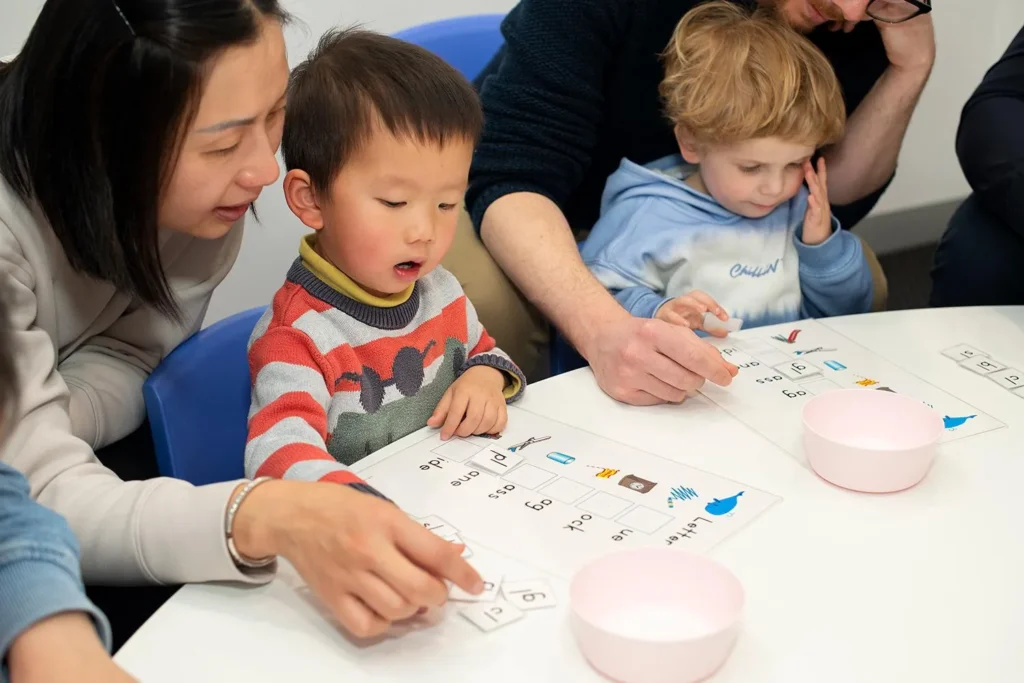
Image from Shichida Australia: Through structured, play-based activities, parents learn how to build resilience in a sensitive child by practising focus, managing small challenges, and developing confidence step by step.
Key Benefits of Building Resilience in Sensitive Kids
When you consistently work to build resilience in kids, you are strengthening both emotional and cognitive development.
Over time, children develop:
- better self-regulation and impulse control
- stronger emotional vocabulary
- confidence in unfamiliar situations
- flexible thinking and problem-solving skills
Resilience is built through practice. Each time your child faces a small challenge and is supported through it, they build emotional habits and coping confidence. These are essential for learning, friendships, and independence.
Strengthens Emotional Regulation
Building resilience in kids, using activities, help children:
- understand and name emotions
- calm themselves during overwhelm
- return to a settled state more quickly
- tolerate discomfort without shutting down
This is the foundation of emotional regulation for toddlers and preschoolers.

Supports Confidence and Independence
When children overcome small challenges with support, they begin to trust themselves. This:
- reduces avoidance
- encourages curiosity
- builds a growth mindset
- develops confidence in their own intuition
Improves School Readiness and Social Skills
Resilient children are better prepared to:
- manage routines and transitions
- handle conflict with peers
- persist through challenges
- build trust with teachers
- concentrate during challenging tasks
This directly supports building confidence in young children and smooth transitions into school.
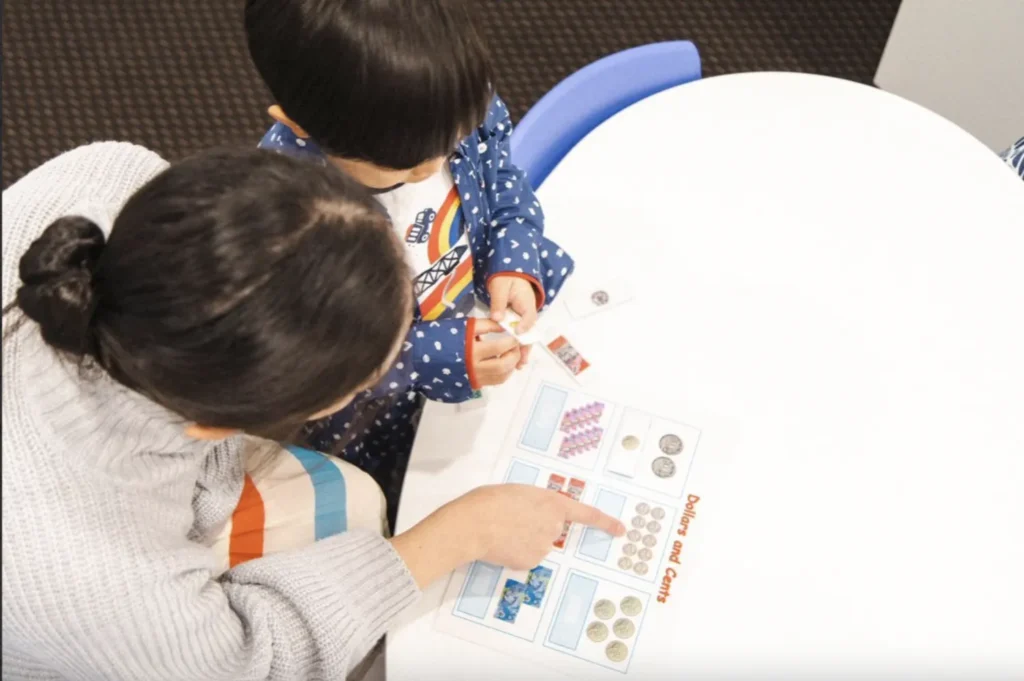
Image by Shichida Australia: A preschooler learning about money through a hands-on money-play matching game during a Shichida class.
How to Build Resilience in Young Children
If you are wondering how to build resilience in a sensitive child, focus on small, consistent, relationship-based strategies.
The most effective approaches are:
- warm and emotionally supportive
- part of daily routines
- respectful of the child’s feelings
- gently challenging without overwhelming
Resilience Strategies for Toddlers (1-3 Years)
At this stage, resilience develops through co-regulation.
Try these strategies with your toddler:
- naming emotions without dismissing them
- offering comfort before solving problems
- creating predictable routines
- allowing small frustrations during play – for example letting them lose during a simple boardgame
- modelling calm behaviour
Toddlers learn to regulate by being near a calm adult. Your presence is their anchor.
Resilience Strategies for Preschoolers (3-5 Years)
Preschoolers are ready to practise simple coping skills.
Focus on:
- short, predictable separations
- role-playing social situations
- teaching basic breathing exercises
- praising effort, not outcomes
- reading emotion-focused stories
These strategies support coping strategies for anxious children and prepare them for school environments.
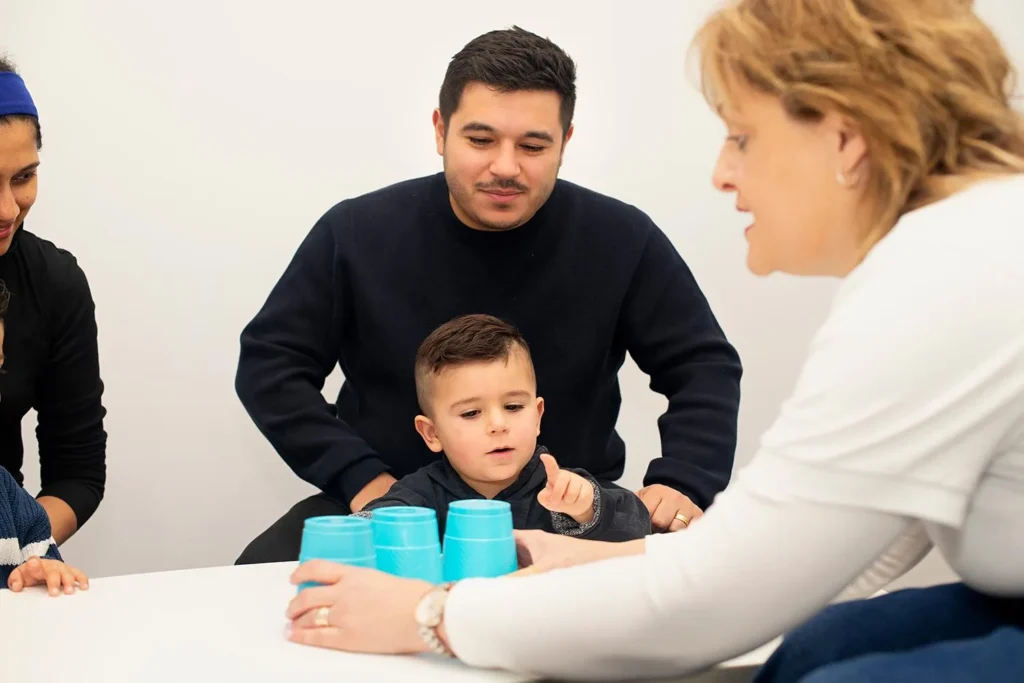
Image by Shichida Australia: During intuition games at Shichida, children practise making decisions with confidence. These activities help them focus, think quickly, trust their instincts, and enjoy the process of choosing and learning.
How to Help a Preschooler with Separation Anxiety
Separation anxiety is a normal part of development, especially between ages 1 and 4. For sensitive children, it can feel more intense, but it is often a sign of secure attachment.
Separation jitters often begins in infancy, peaks in the second year, and usually eases gradually through early childhood. Source: Raising Children Network
If you are wondering how to help a preschooler with separation anxiety, start with consistency and reassurance.
Effective strategies include:
- creating a short, predictable goodbye routine
- avoiding sneaking away or long farewells
- using a comfort object like a photo or toy
- acknowledging feelings without reinforcing fear
- visiting the setting beforehand to build familiarity
What Is Separation Anxiety in Preschoolers?
Separation anxiety is linked to attachment and object permanence. It:
- peaks around 12-18 months
- can continue through ages 4-5
- is stronger in sensitive children
- is triggered by change or new environments
Signs of Separation Anxiety in Young Children
Common signs include:
- crying or clinging at drop-off
- complaints like stomach aches
- difficulty sleeping alone
- worry about being apart from parents
These are typical, especially during transitions.
Separation Anxiety vs. When to Seek Support
Consider extra support if anxiety:
- lasts longer than four weeks without improvement
- interferes with daily life
- causes extreme distress or withdrawal
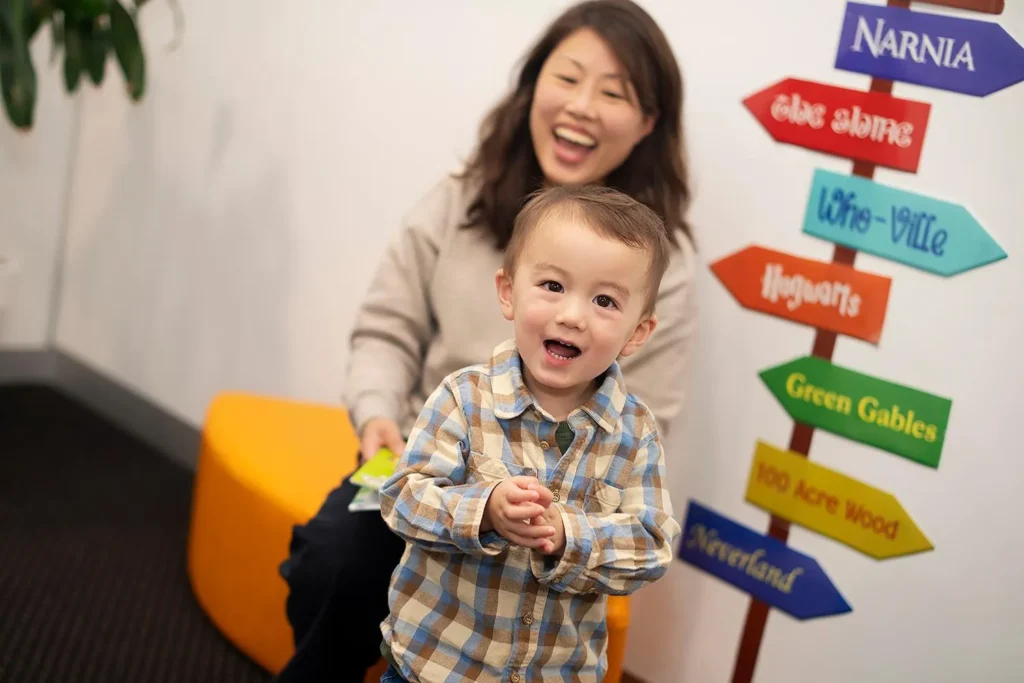
Image by Shichida Australia: A toddler and mum sharing a happy moment together. Children learn so much by watching us, including how we respond to emotions. When we model calmness, warmth, and joy, we help teach emotional regulation in the most natural way.
10 Simple Activities to Build Resilience in a Sensitive Child
These activities aimed at building resilience in kids help your child practise handling emotions, adapting to change, and building confidence:
1. Role-Play New Situations
Act out scenarios like saying goodbye, meeting new people, or starting school so your child knows what to expect.
2. Practise Short Separations
Start with brief, predictable separations (e.g. leaving the room) and gradually increase time to build comfort and trust.
3. Use “Brave Try” Challenges
Encourage your child to try something slightly outside their comfort zone, even if they feel unsure.
4. Play Turn-Taking Games
Games that involve waiting and losing help children learn patience, flexibility, and coping with small disappointments.
5. Read Emotion-Based Storybooks
Stories help children understand feelings and see how others manage challenges.
6. Teach Simple Breathing Techniques
Show your child how to take slow, deep breaths to calm their body during overwhelming moments.
7. Create Predictable Routines
Consistent routines reduce anxiety and help children feel safe and in control.
8. Label and Validate Feelings
Name your child’s emotions (“You feel nervous”) so they feel understood before guiding them forward.
9. Celebrate Effort, Not Just Success
Focus on trying, not outcomes, to build confidence and willingness to keep going.
10. Model Calm Behaviour
Children learn resilience by watching you – staying calm shows them how to handle stress.
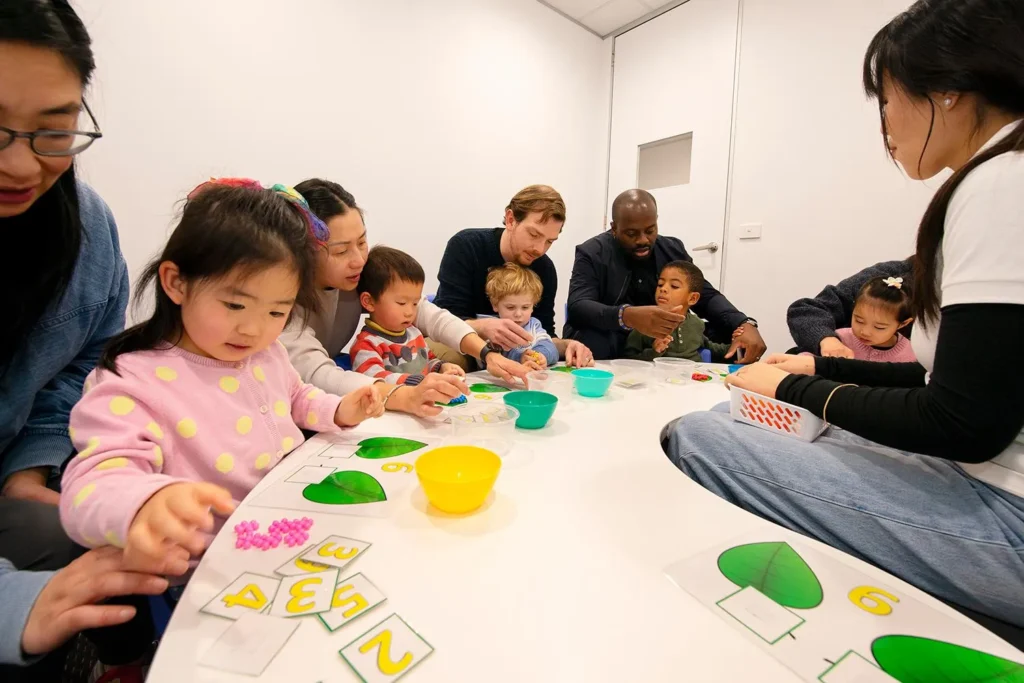
Image by Shichida Australia: Confidence grows with the right support. Discover how to build resilience in a sensitive child as they learn to adapt, participate, and thrive in a nurturing environment like Shichida.
Building Resilience in Kids: Indoor vs Outdoor Activities
Children benefit from a mix of calm indoor activities and active outdoor play. Variety supports full emotional and sensory development.
Indoor Resilience Activities
Indoor activities support reflection and emotional awareness:
- drawing or journaling feelings
- puppet play for social scenarios
- simple yoga or mindfulness
- cooperative board games
- calm-down corners with sensory tools
These are ideal for practising child emotional development activities in a safe space.
Outdoor Resilience Activities
Outdoor play introduces healthy challenges:
- climbing or obstacle courses
- team games with winning and losing
- nature play with manageable risks
- gardening or caring for living things
- unstructured free play
These activities build persistence, confidence, and problem-solving skills.
Signs a Child May Need Extra Support with Resilience
Every child develops at their own pace, but some may need extra support.
Watch for:
- avoidance of new or challenging situations
- intense or prolonged emotional reactions
- difficulty coping with change or transition
- extreme distress with routine changes
- difficulty moving between activities
- persistent separation anxiety
- physical symptoms before events
These may signal the need for additional support from a specialist. Speak to your child’s pediatrician with any ongoing concerns.
Tips for Parents Supporting a Sensitive Child
Validate Before You Problem-Solve
Children need to feel understood first. Saying “I can see this feels hard” helps them regulate before finding solutions.
Model Resilience in Your Own Responses
Show how you cope with challenges. Narrate calm problem-solving so children can learn from you.
Create Predictable Routines and Rituals
Consistency builds emotional safety. Predictable routines reduce anxiety and support resilience.
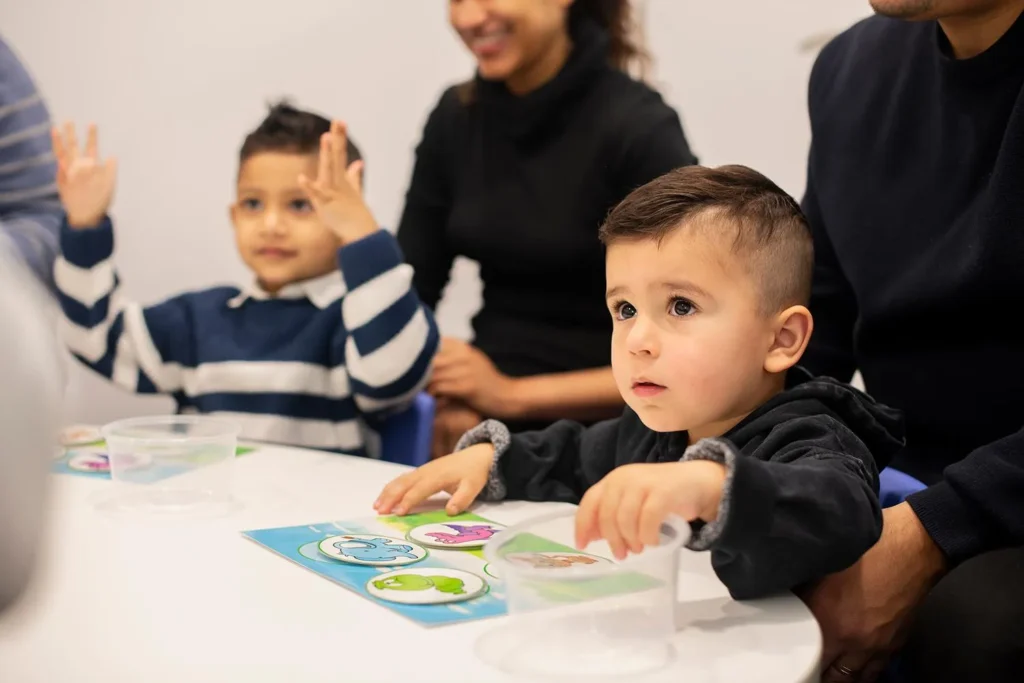
Image by Shichida Australia: A memory game in action at Shichida. Children practise remembering, recognising, and recalling information while having fun, helping build focus, concentration, and confidence in their learning.
How Shichida Supports Resilience in Sensitive Children
Resilience grows when children feel safe, understood, and gently encouraged to try again. That is why early learning environments matter so much, especially for children who feel things deeply.
At Shichida, children are supported through structured, engaging activities that build focus, emotional confidence, independence, and trust in their own abilities. Just as importantly, the approach values the parent-child bond and recognises that secure relationships are the foundation for learning and resilience.
If you are looking for a nurturing, age-appropriate way to support your child’s confidence and emotional growth, explore the Shichida program or find your nearest location.
With the right guidance, resilience can be nurtured early. Book a trial class with Shichida Australia today!
FAQs: Building Resilience in Kids
Start with small, manageable challenges and stay emotionally available while your child works through them. Predictable routines, emotion coaching, and play-based practice are usually the most effective place to begin.
Yes. Sensitivity and resilience are not opposites. Sensitive children can become very resilient when they are supported consistently and given time to build coping skills with trust and practice.
Try supporting without removing every challenge. Stay close, acknowledge the feeling, and help your child take one small step forward instead of stepping in too quickly.
Usually not. Separation anxiety is a normal part of early childhood development, especially during times of change. It may need extra support if it is intense, persistent, or interfering with daily life.
Role play, turn-taking games, short separation practice, breathing games, emotion storybooks, and simple “brave try” activities can all help.
Consider extra support if your child’s anxiety lasts for weeks without improving, causes major distress, affects sleep or daily routines, or leads to strong avoidance of normal activities.