Photographic memory in kids is a fascinating topic that often sparks curiosity in parents. Some children seem to recall images or patterns with astonishing accuracy, raising questions about how memory works and whether this ability can be developed or trained. In this article, we explore what photographic memory is, how a strong visual memory shows up in early childhood, and how programs like Shichida can support memory development in young learners.
Key takeaways:
- Myth vs. Fact: The phenomenon observed in children is not true photographic memory but eidetic memory, defined as vivid, short-term visual recall.
- Peak Development: Ages 0–6 is a critical time when right-brain activity is maximised, making it the most effective period for developing powerful visual memory.
- Scientific Basis: Studies show that eidetic imagery, which is often mistaken for photographic memory, is present in 2 to 10% of children aged six to twelve.
- Structured Nurturing: Programs like Shichida use play-based methods to actively develop a child’s visual recall potential into a robust, functional memory skill.
What Is Photographic Memory in Kids?
Photographic memory is defined as the ability to recall an image or scene with perfect, lifelong clarity after minimal exposure. However, this definition is somewhat misleading.
- The Difference: True photographic memory is largely unproven. Instead, many children display eidetic memory (or eidetic imagery), which is a vivid, short-term recall of an image that lasts only briefly after it disappears.
- The Age Window: Eidetic imagery is a temporary, developmental skill most commonly observed in young children (under six) whose right brain is highly active and geared toward absorbing visual information rapidly.
- The Goal: Parents should focus on nurturing strong visual memory skills, which allow a child to process and recall images and patterns with great detail and minimal exposure.
How to Recognise Kids with Photographic Memory
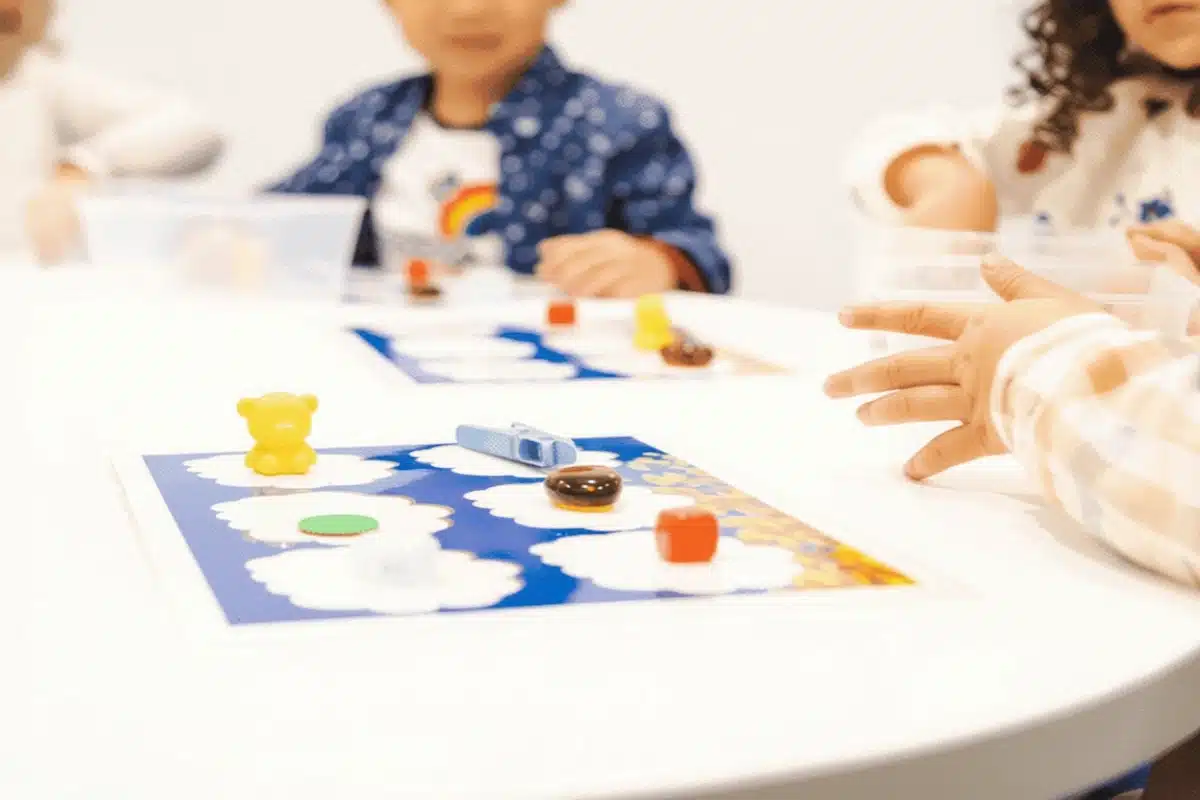
Identifying strong visual recall in a child involves observing specific, detailed memory traits, particularly during peak right-brain development.
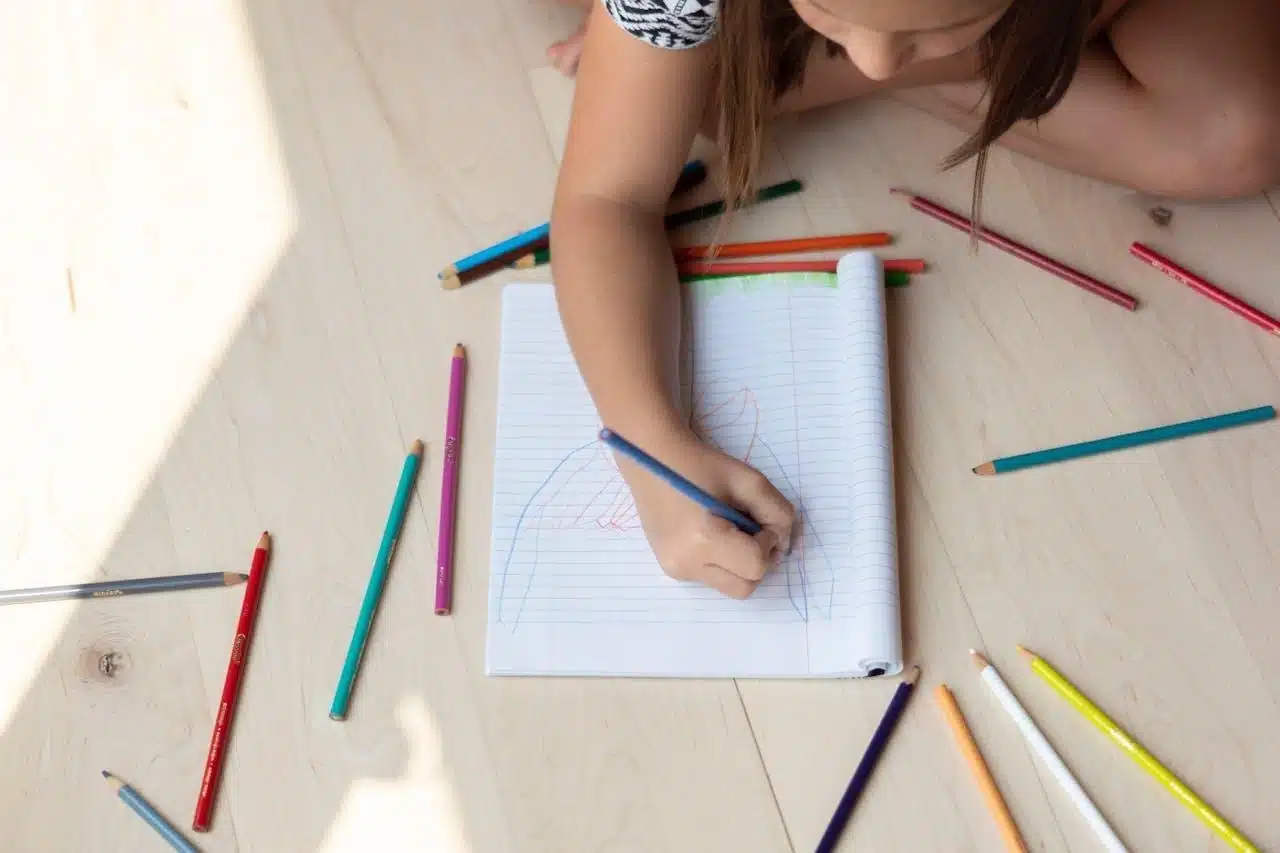
- Key Signs: Watch for exceptional recall of complex visual details, such as remembering a full page of a book, recalling long number sequences after minimal exposure, or producing highly detailed drawings without a reference image.
- Visual Recall vs. Memorisation: The difference is key. Visual recall is effortless and immediate, while memorisation requires repetitive practice. Exceptional visual memory allows a child to absorb and retain data like a scanner.
- Peak Development: These signs often appear between the ages of two and six, which is a period of peak right-brain development where the brain is primed to absorb and retain visual data rapidly.
To learn exactly how to test and nurture this visual potential, explore our guide: Can Kids Really Have a Photographic Memory? 12 Fun Tests to Try at Home.
Want to develop your child’s memory and cognitive skills? Get free flashcards and sensory play ideas that parents use to build strong early brain training skills for young children!

Is Photographic Memory Real? What the Research Says
While photographic memory is not a term recognised in clinical psychology, neuroscience confirms that many young children display an extraordinary ability for visual recall. Studies show this is due to eidetic imagery, that short-term, vivid recall ability, which is found in approximately 2 to 10% of children aged six to twelve.
A 2017 study by Ferrara et al further supports this by demonstrating that even four-year-olds exhibit high fidelity, detailed visual memory after only brief exposures, suggesting a powerful, natural capacity for absorption during early childhood. This ability diminishes with age, making the early years the optimal time to nurture strong visual memory skills.
These are the kinds of skills we train every week for young children through play – join a trial class to experience it for yourself!
Can Photographic Memory Be Developed or Trained?
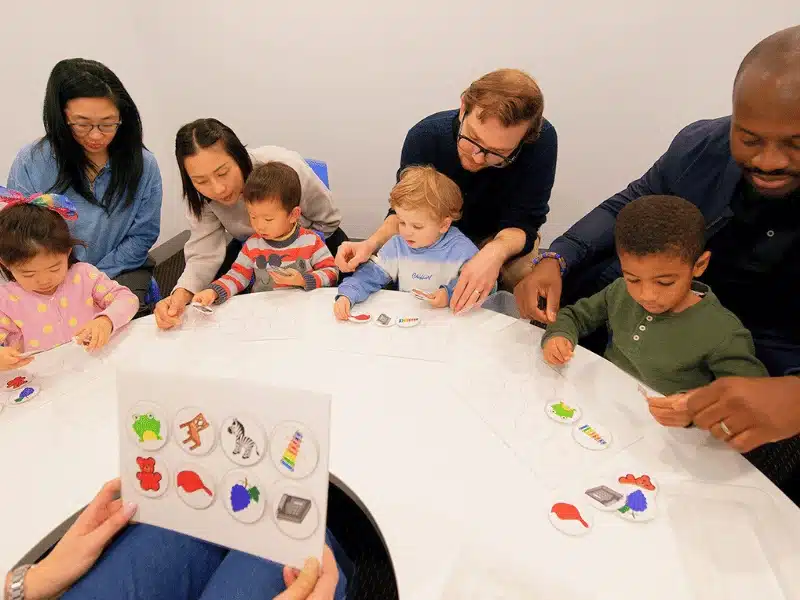
While there’s no guaranteed way to “create” photographic memory in kids, the potential for exceptional visual memory can be significantly nurtured in early childhood.
- Developing Memory: Visual memory skills are enhanced through early, consistent exposure to visual stimuli and pattern recognition games.
- Right-Brain Focus: Techniques like the Shichida Method deliberately activate the right brain, which is dominant for visual processing, to enhance a child’s ability to absorb and recall images rapidly.
- Cognitive Potential: Although we cannot promise a child will be one of the rare photographic memory kids, structured, loving stimulation drastically improves cognitive potential, attention, and memory recall for lifelong learning.
How the Shichida Method Supports Visual Memory in Children
The Shichida Method is designed to cultivate the visual recall potential that parents associate with photographic memory in kids. We use structured, right-brain activation techniques tailored for children aged 0 to 5, tapping into their peak learning window.
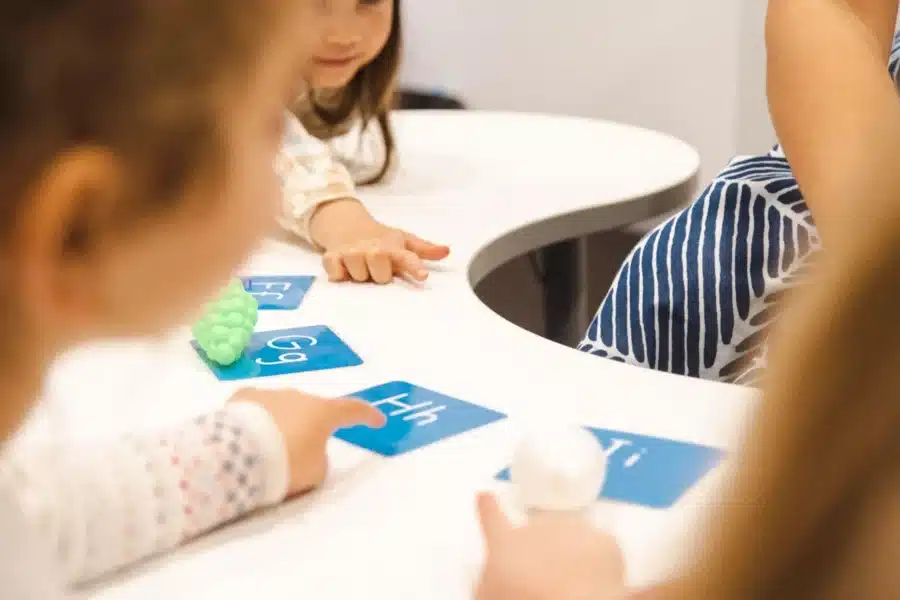
- Core Techniques: Programs incorporate specific techniques like high-speed flashcards, visualisation exercises, and memory games.
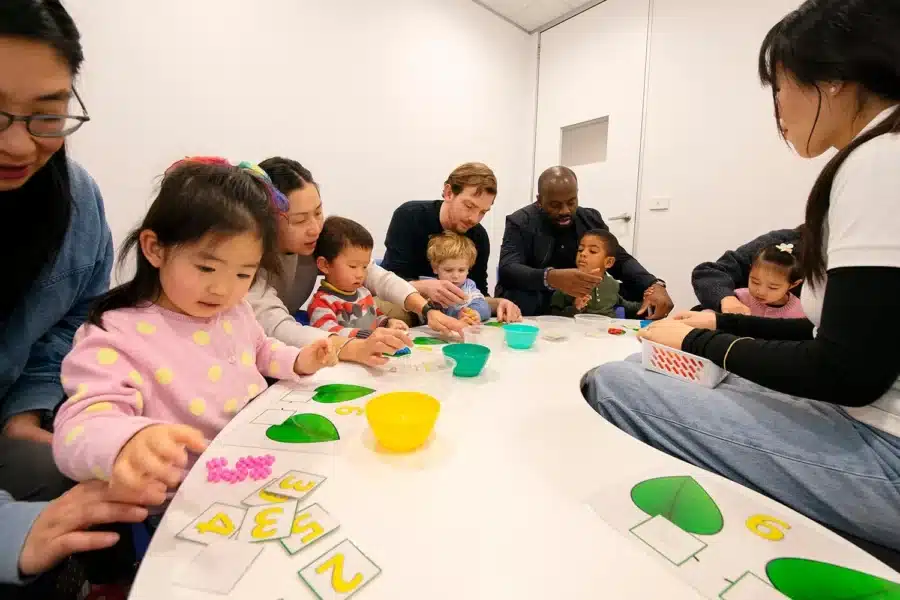
- Structured Nurturing: The method nurtures a child’s natural abilities through structured parent-child sessions, with each phase tailored to their developmental stage.
- Example Outcome: Children practice recalling image details and sequences from flashcards viewed in just 1–2 seconds, demonstrating the power of a trained visual memory.
Does my Child have Photographic Memory? When to Seek Support
If your child displays strong visual recall, what some might call photographic memory, it’s a wonderful thing to celebrate. But remember, focus on nurturing their personal learning style rather than comparison or pressure. While advanced memory is a positive cognitive trait, if it is accompanied by significant emotional, behavioural, or academic challenges, consult an early learning educator or paediatric specialist for guidance. The universal truth is that every child learns differently, and the goal is always supportive development.
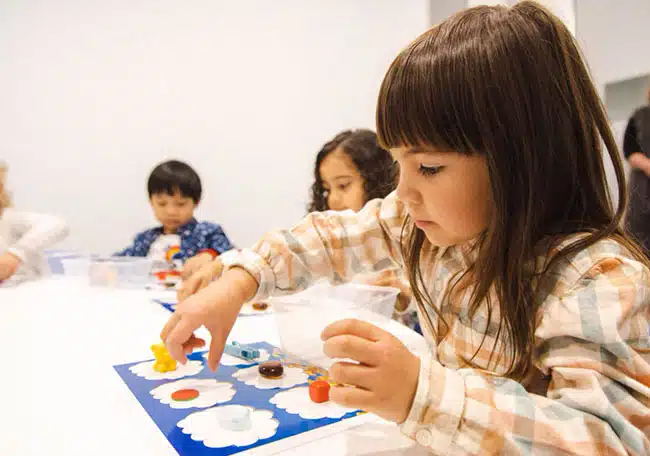
Turning Cognitive Potential into Lifelong Learning With Shichida
Photographic memory in kids remains a fascinating area of study, but what matters most is understanding and supporting how your child processes information. Whether or not your child has photographic memory, encouraging visual memory skills can build focus, creativity, and confidence from an early age.
Read our comprehensive guide on Memory Training for Kids to discover how to support your child’s learning journey. Then book a trial class today to discover how Shichida’s holistic, research-based programs can set them up for a lifetime of success.
FAQs: Photographic Memory in Kids
Photographic memory in kids refers to the idea of recalling an image or scene perfectly after only one glance. However, science shows that what most children experience is eidetic memory – a vivid but short-term visual recall. This temporary ability can be nurtured through right-brain activities that strengthen long-term visual memory.
Children with strong visual recall often remember small details others miss – such as patterns, number sequences, or images after brief exposure. These signs usually appear between ages two and six, when the right brain is most active. Simple home observation games can reveal early signs of strong visual memory.
True photographic memory – perfect, lifelong image recall – is rare. Research confirms that children can show eidetic imagery, where they vividly remember an image for a few seconds or minutes. This natural skill typically fades as the brain matures, which is why early, play-based training is key to preserving and strengthening visual recall.
Yes – while you can’t “create” photographic memory, you can train and strengthen visual memory. Programs like the Shichida Method use right-brain activation techniques, such as high-speed flashcards, visualisation, and sequencing games, to help children process and recall images with impressive accuracy.
The most effective photographic memory testing for kids happens through fun, informal games. Try quick recall challenges like the tray test, picture-sequence recall, or flashcard speed rounds. These exercises help measure visual attention and recall – while keeping learning playful and stress-free.