Language Development in Children: Stages and Milestones
Key Points: Language Development in Children
- Language development begins at birth through everyday interaction
- Understanding language (listening) develops before speaking
- Children reach language milestones at different ages within a normal range
- Children typically move from recognising sounds in words to blending, segmenting, and manipulating individual sounds.
- Talking, reading, singing, and play are the most effective supports
- Early, gentle support strengthens long-term communication outcomes
From the moment your baby is born, they are already learning language, even though you will not hear words for quite some time. Every time you speak to them, smile at them, or respond to their sounds, you are helping shape how they understand and use language.
Language development in children is one of the most important early learning skills your child will build. It supports how your child thinks, connects with others, manages emotions, plays, and later learns to read and write.
Want to develop your child’s language skills? Get free flashcards and sensory play ideas that parents use to build strong early vocabulary and language skills for young children!
What Is Language Development?
Language development is how your child learns to understand and use language to communicate with the world around them. It is much broader than how clearly your child speaks. It includes how your child understands words, how they use sounds and sentences, how their vocabulary grows, and how they use language to connect socially.
Early language development starts long before first words. Your baby begins by listening to your voice, noticing tone, rhythm, and facial expressions. Over time, they start to understand meaning. That understanding slowly turns into sounds, gestures, words, and eventually full conversations.
Language development in children includes receptive language, which is what your child understands, and expressive language, which is how they share ideas, needs, and feelings. It also includes social communication skills like turn-taking and using language during play. Speech clarity is just one small part of this bigger picture.
Receptive vs Expressive Language
Receptive language is what your child understands. When you ask, “Where is your teddy?” and your toddler looks toward it, that shows receptive language. Expressive language is how your child communicates, whether through sounds, gestures, signs, or words. A baby lifting their arms to be picked up or a toddler saying “more” are examples of expressive language. It is very common for children to understand much more than they can say, especially early on.
How Language Development Supports Early Learning
Language helps your child make sense of the world. It supports thinking, emotional regulation, social interaction, and play. When children can understand and use language, they can express feelings, follow routines, solve problems, and build relationships. These early language skills also form the foundation for reading and learning at school. Strong child communication skills make learning feel safer and more manageable.
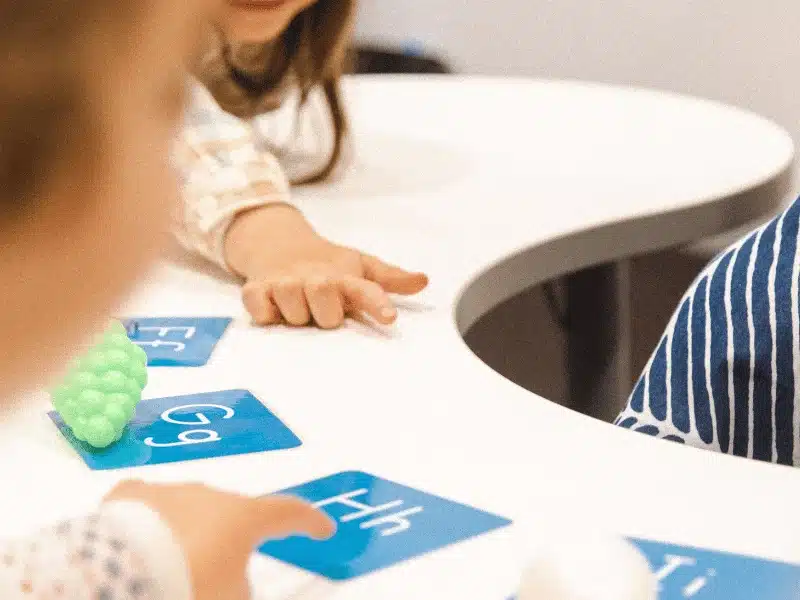
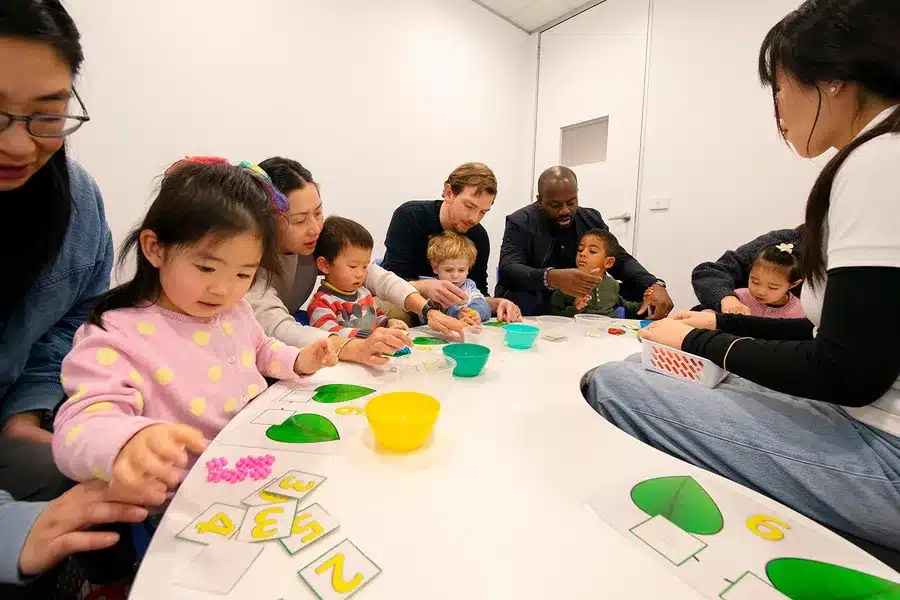
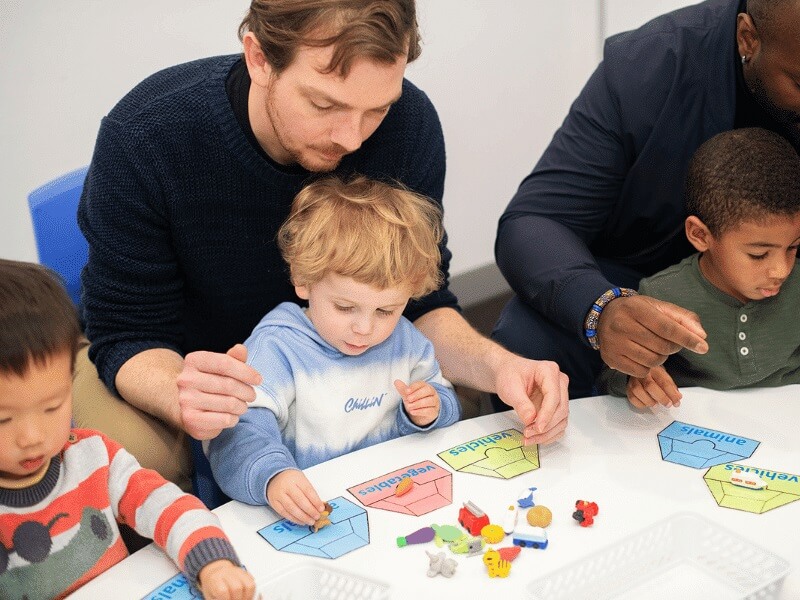
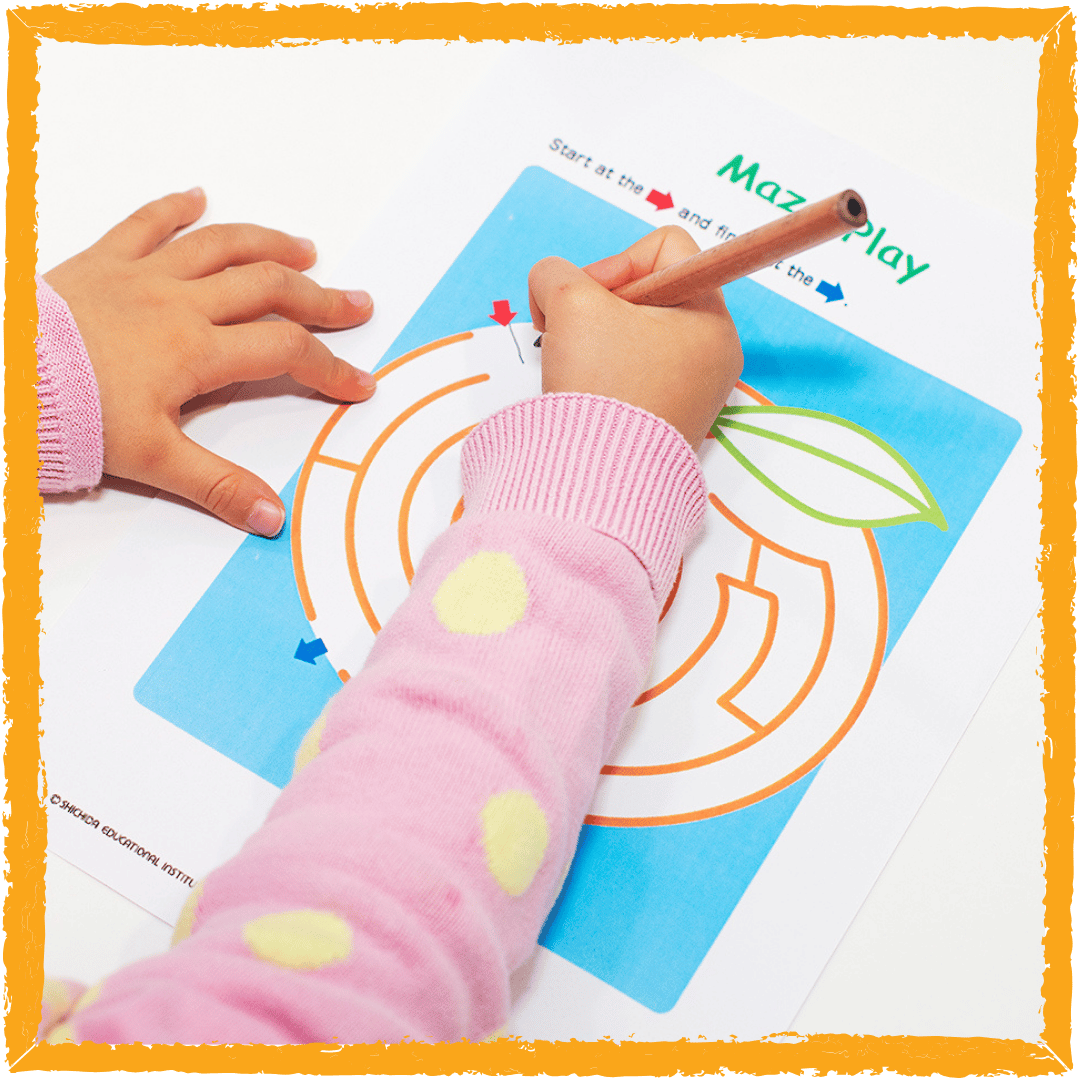
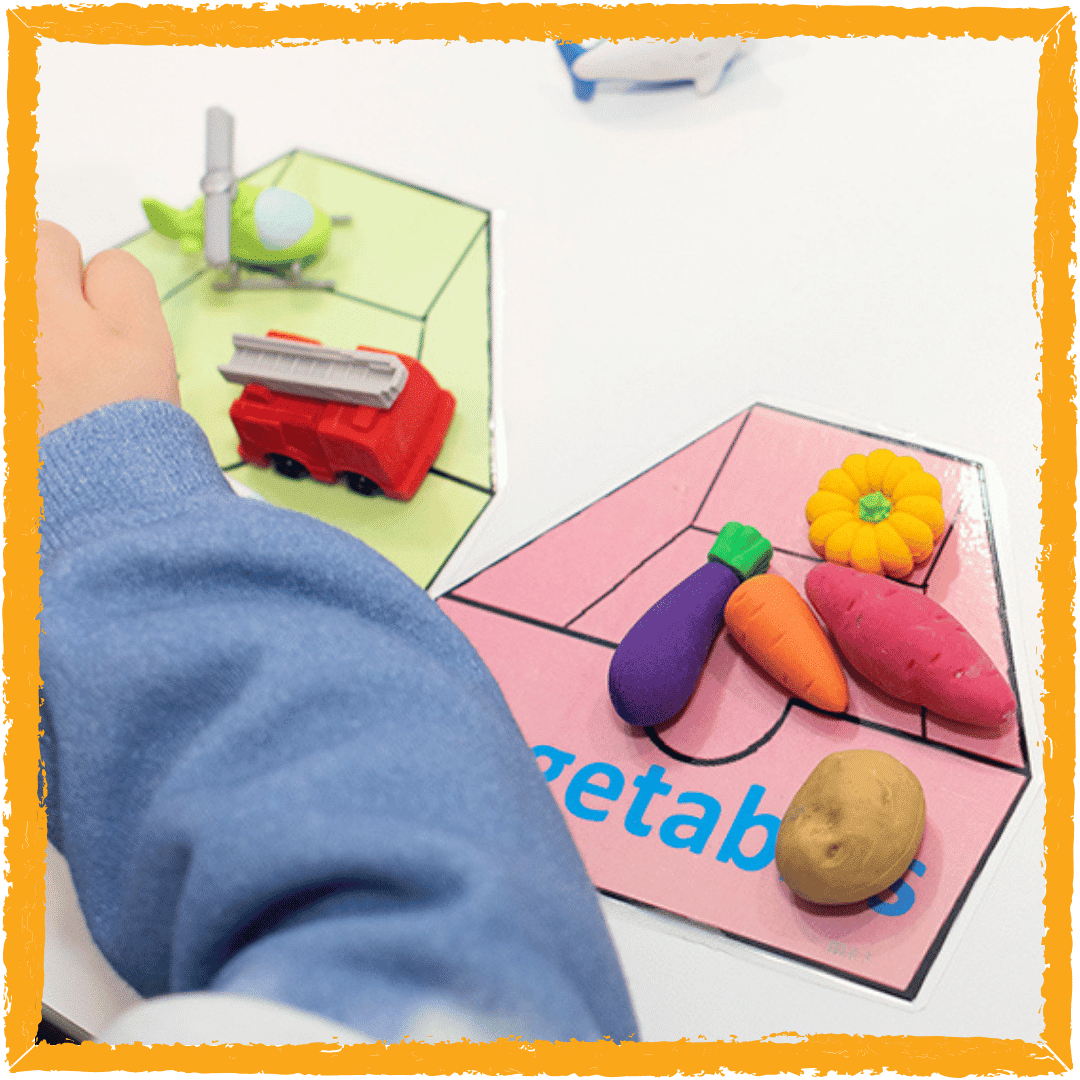
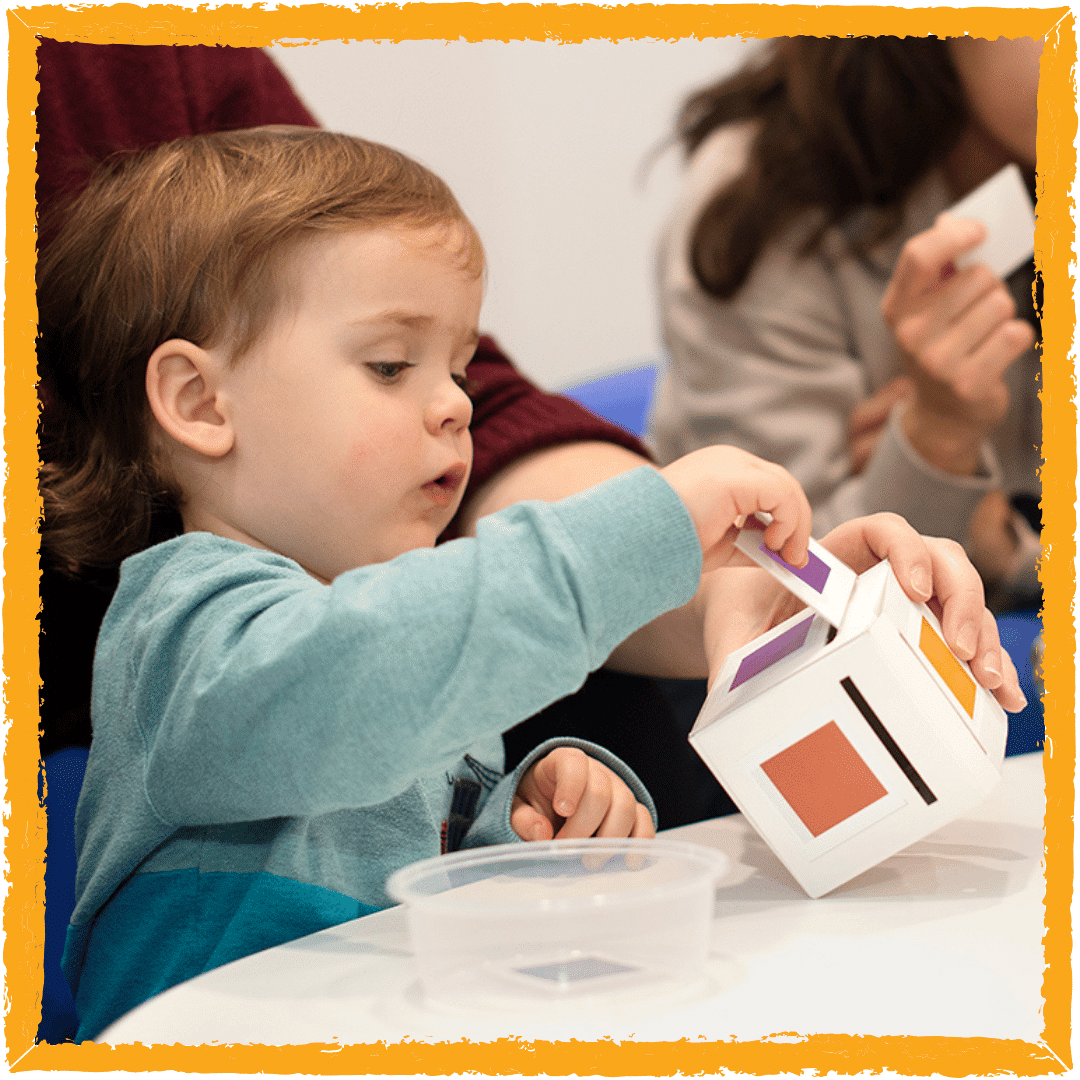
Image by Shichida Australia: Preschoolers playing a fun letter matching game during a Shichida class.
Stages of Language Development by Age
The stages of language development give you a general idea of what many children show at different ages. These ages are not deadlines. They are guides. Children develop at different rates, and it is normal for progress to happen in bursts rather than steady steps.
Infancy (0-12 Months)
In the first year, your baby is learning by listening. They respond to your voice, turn toward sounds, and enjoy face-to-face interaction. You may hear cooing and babbling, which are important building blocks for later speech. Gestures like pointing, waving, and reaching are early communication tools. Toward the end of the first year, many babies understand familiar words and may say their first meaningful word.
Toddler Years (1-3 Years)
During the toddler years, language often takes off. Your child may begin using words to label familiar people and objects. Vocabulary can grow quickly, even if words are not pronounced clearly. Many toddlers start combining words like “more milk” or “mummy come.” Understanding continues to grow, with toddlers following simple directions and recognising everyday routines.
Preschool Years (3-5 Years)
As your child moves through the preschool years, sentences become longer and more complex. You may hear lots of questions and early storytelling attempts. Your child uses language during play, to explain ideas, and to express feelings. Mistakes with grammar are normal and expected. Vocabulary continues to expand rapidly at this stage.
Early School Age (5-7 Years)
By early school age, children usually use clearer speech and more complex sentences. They can take turns in conversation, tell longer stories, and understand basic language rules. Language becomes a key tool for learning, making friends, and navigating school routines.
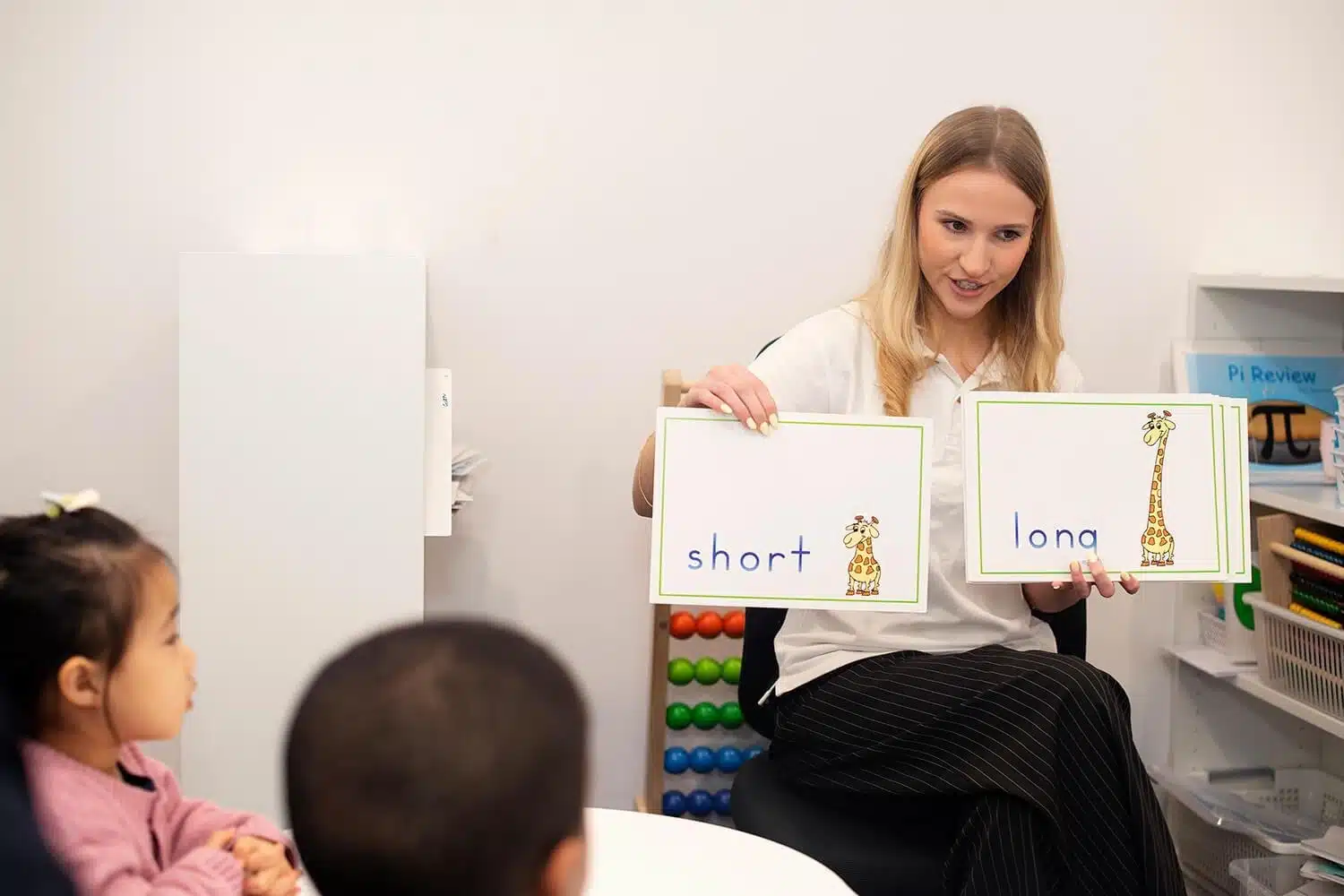
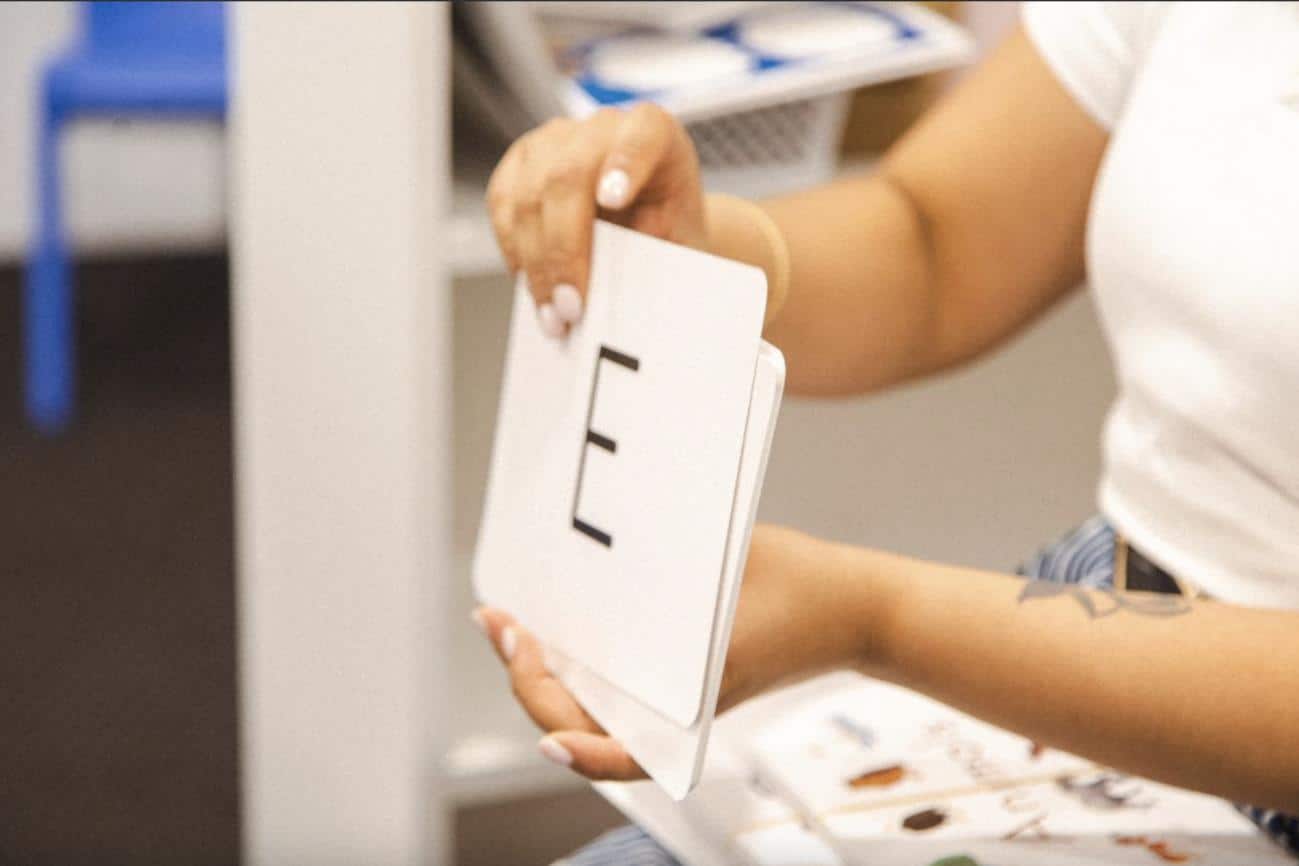
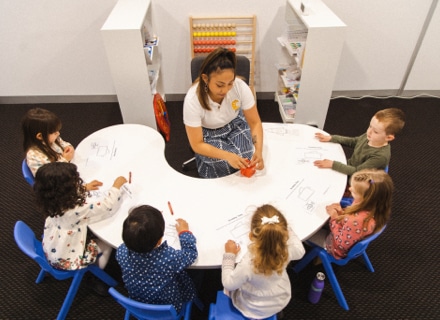
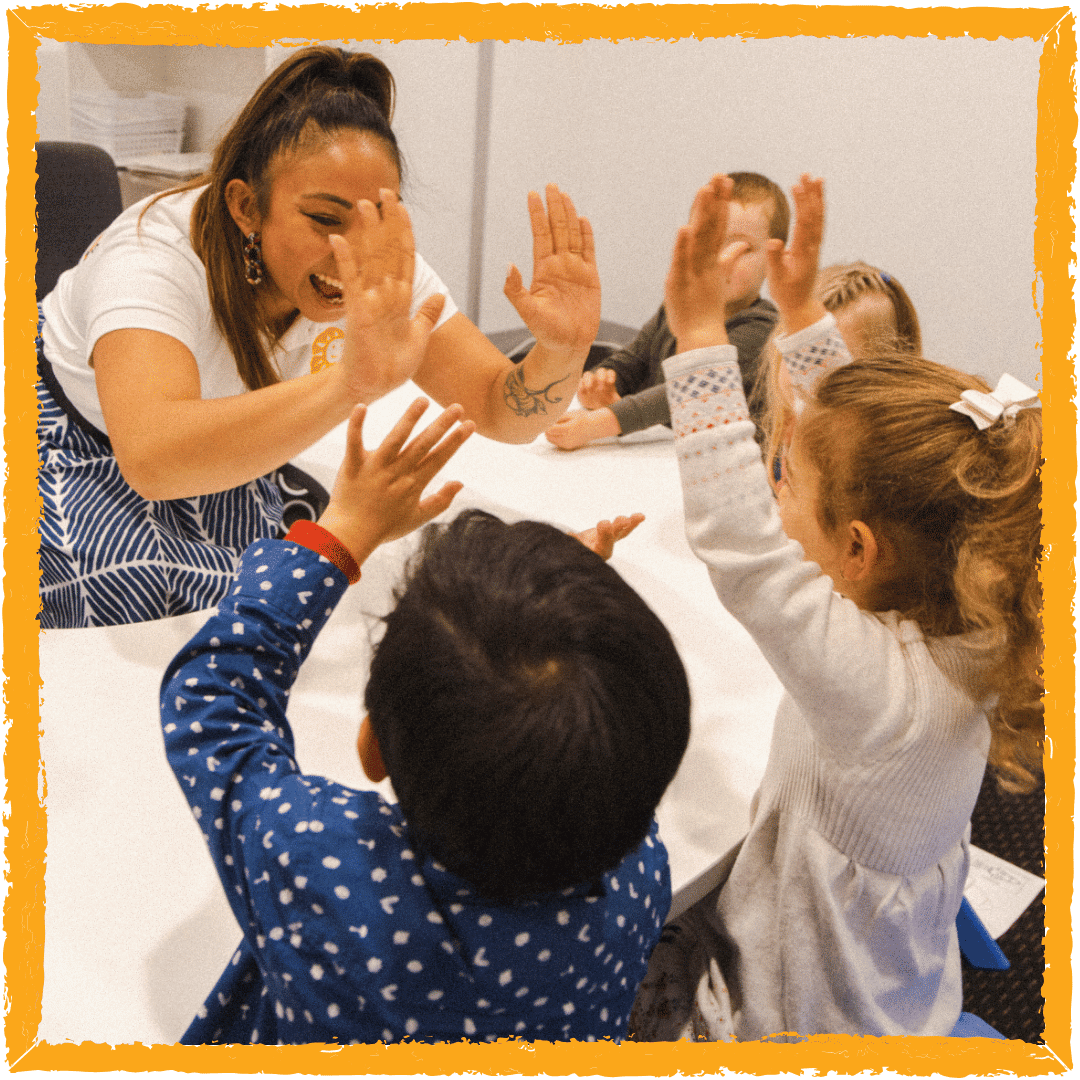
Image by Shichida Australia: Preschoolers learning about opposites, through flashcards and songs, during a fun Shichida class.
Typical Language Development Milestones
Language milestones can help you understand what many children show at certain ages. These include both receptive language and expressive language. It is important to use milestones as a guide, not a checklist. Your child may meet milestones in a different order or at a slightly different pace.
Milestones by 12 Months
By around one year, many babies respond to their name and familiar words. They may follow simple cues, babble with purpose, use gestures like pointing or waving, and say one or two words. Understanding is often stronger than speaking at this age.
Milestones by 2 Years
Around age two, many toddlers use two-word phrases and have a growing vocabulary. They can identify familiar objects, follow simple instructions, and use words to communicate needs and interests, even if pronunciation is unclear.
Milestones by 3-4 Years
Between three and four years, children usually use sentences, ask questions, and can be understood by familiar adults most of the time. They enjoy talking about experiences, stories, and pretend play.
Milestones by 5-6 Years
By five to six years, children often tell detailed stories, take turns in conversation, and understand more complex language. They can follow multi-step instructions and use language to explain ideas and solve problems.
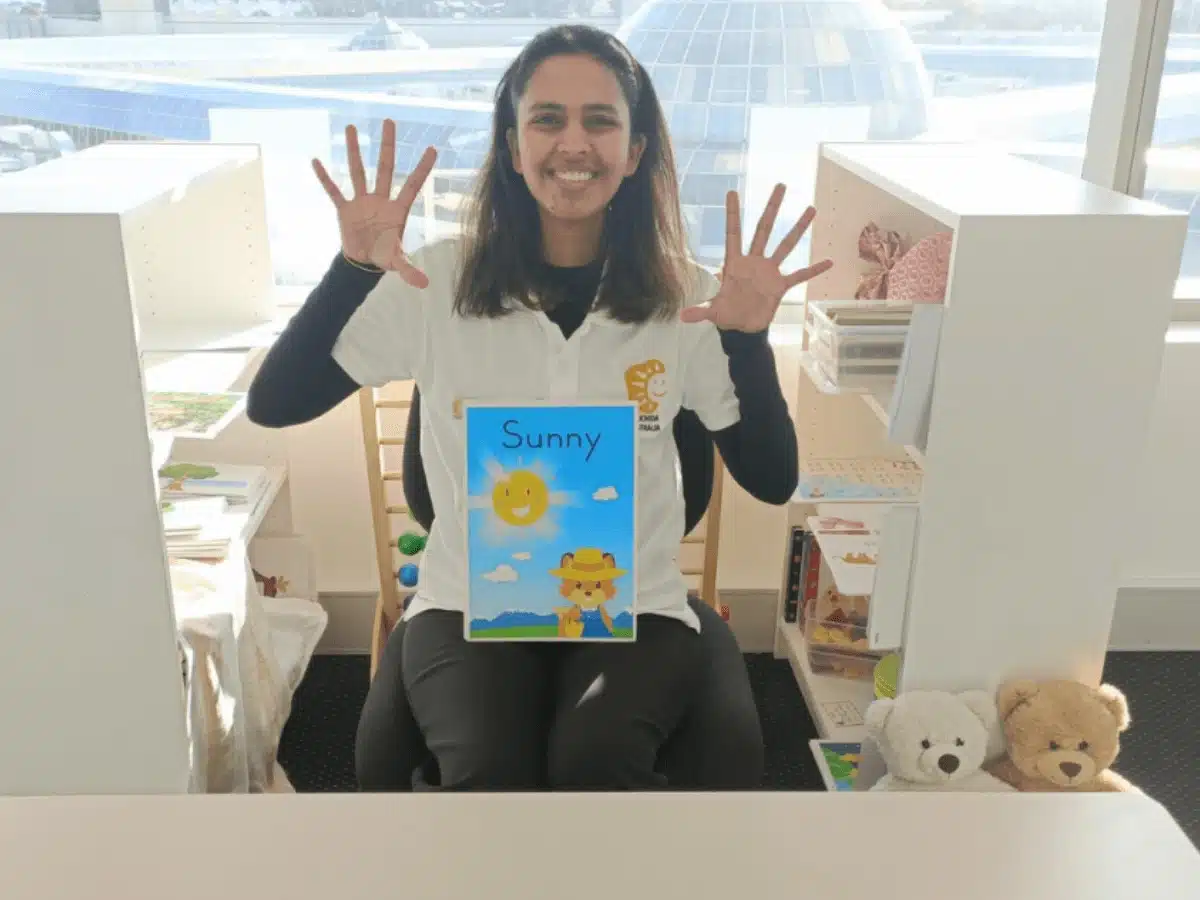
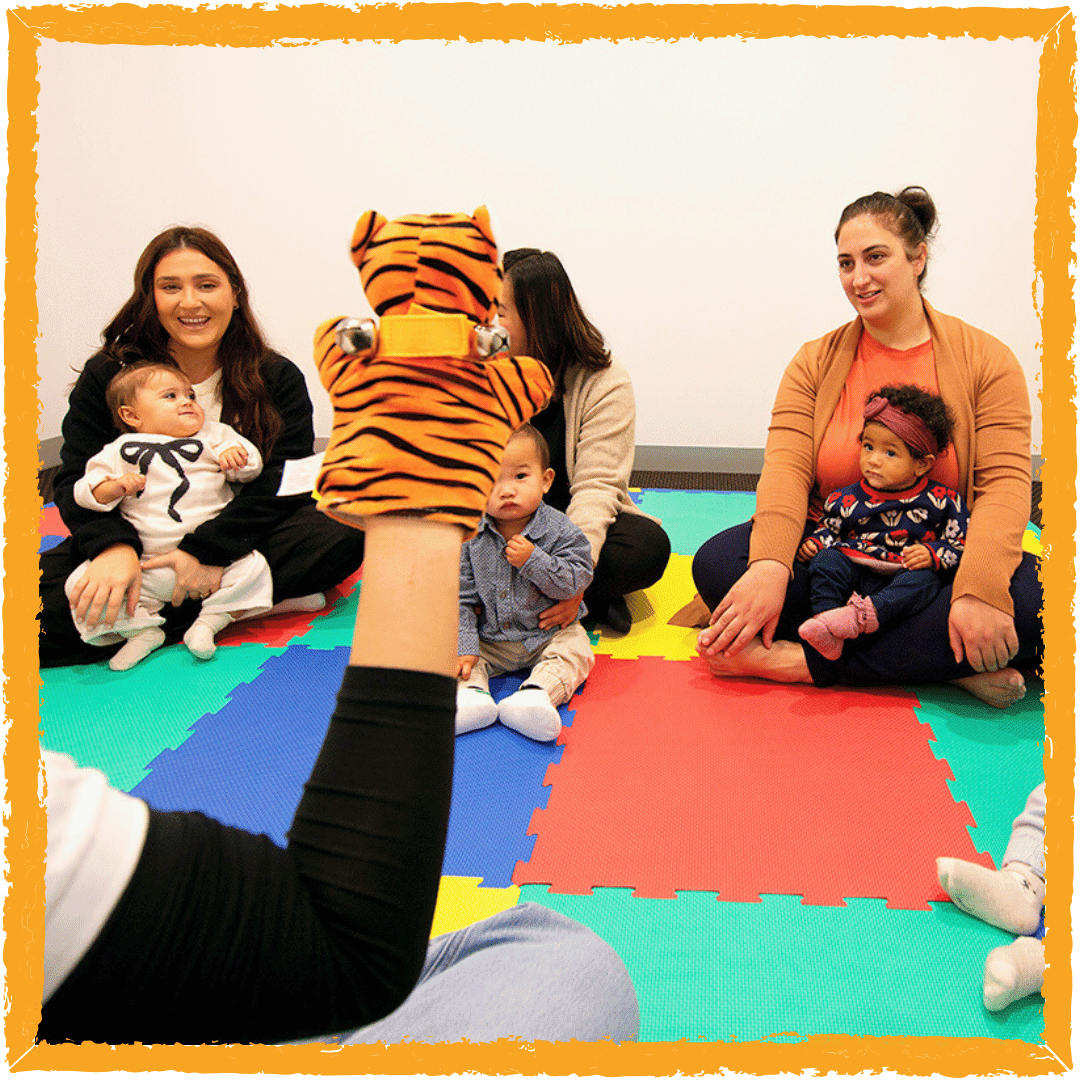
Image by Shichida Australia: Babies learning about the weather using songs and large flashcards during a Shichida baby class.
How to Support Language Development at Home
It is not hard to support language development. The most powerful support comes from everyday interaction, play, and responsiveness. You, as the parent or caregiver of your child, makes you their first and most important teacher!
Talk, Listen, and Respond
Talk about what you are doing during daily routines. Pause and give your child time to respond. When your child says a word or phrase, expand it gently. If they say “car,” you might say “Yes, a red car.” This helps build vocabulary and sentence skills naturally.
Read Together Daily
Reading together supports language in powerful ways. Talk about the pictures, ask open-ended questions, and follow your child’s interests. Re-reading favourite books helps children feel confident and builds understanding.
It is absolutely okay to read the same book over and over if that is what your child asks for. Repetition supports deep learning, helps children notice new details each time, and offers comfort through predictability, which is especially important for young children.
Sing, Rhyme, and Play With Sounds
Songs and rhymes help children notice patterns in language. Rhyming and playful sound games support listening skills and early awareness of sounds. Singing together also strengthens connection and makes language learning joyful.
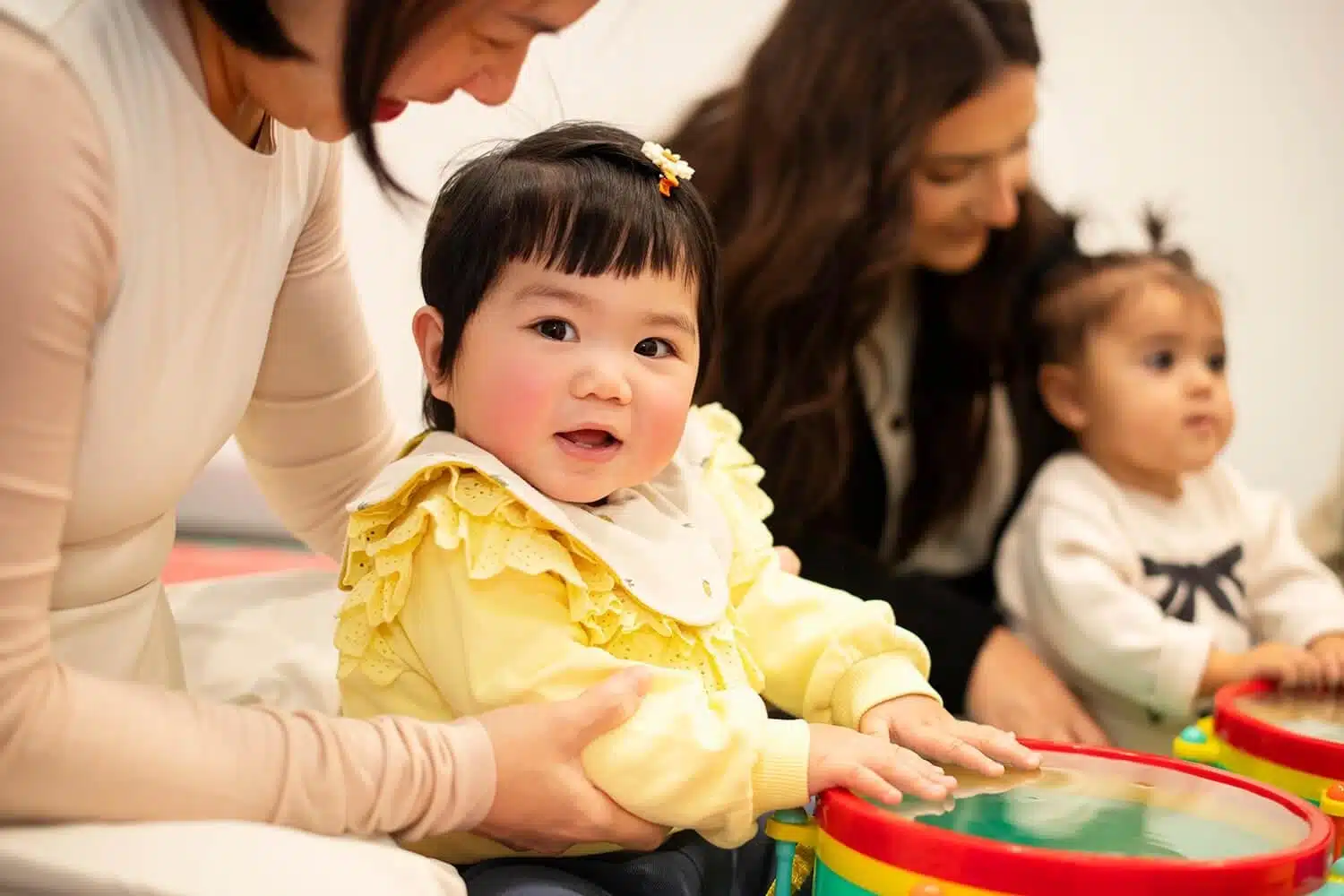
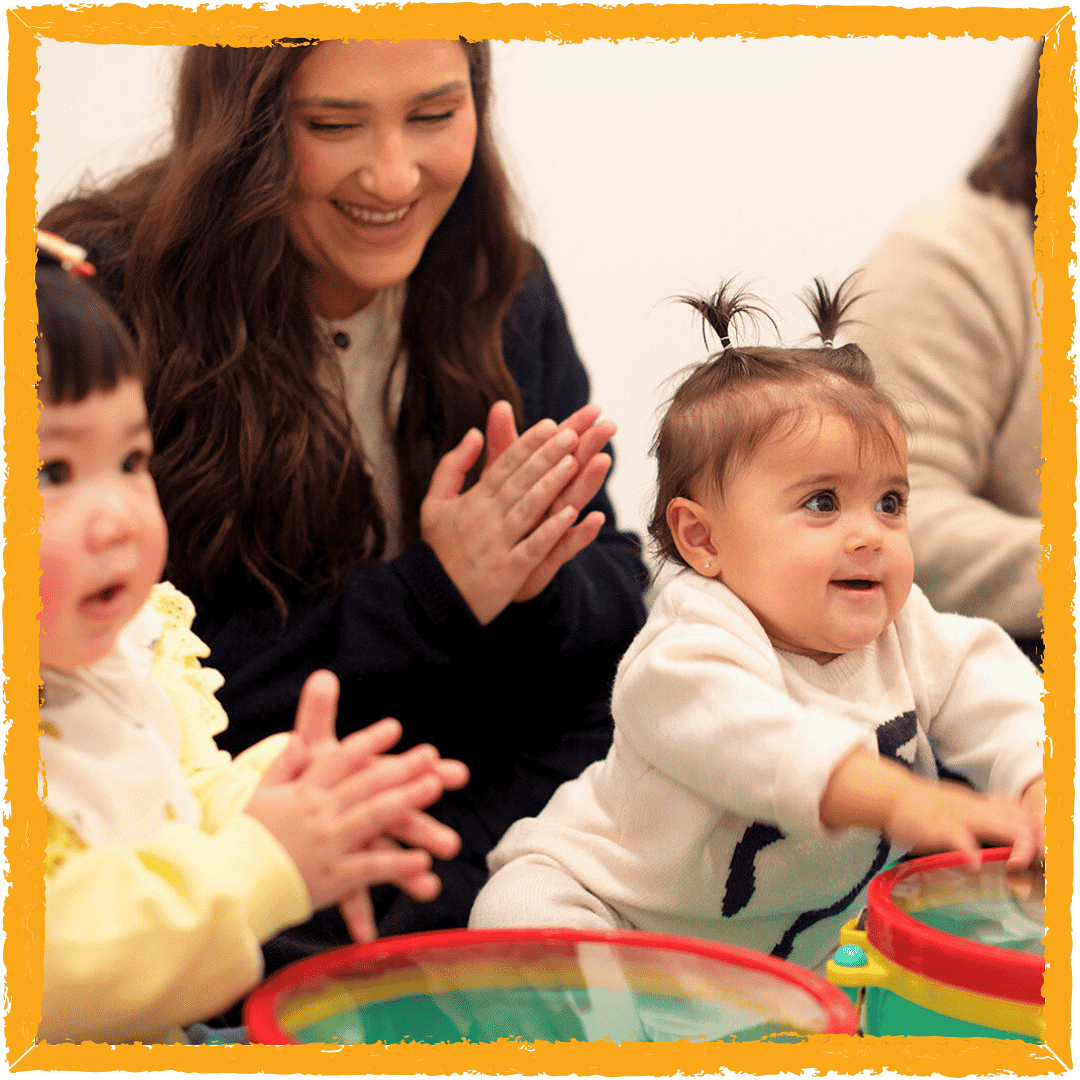
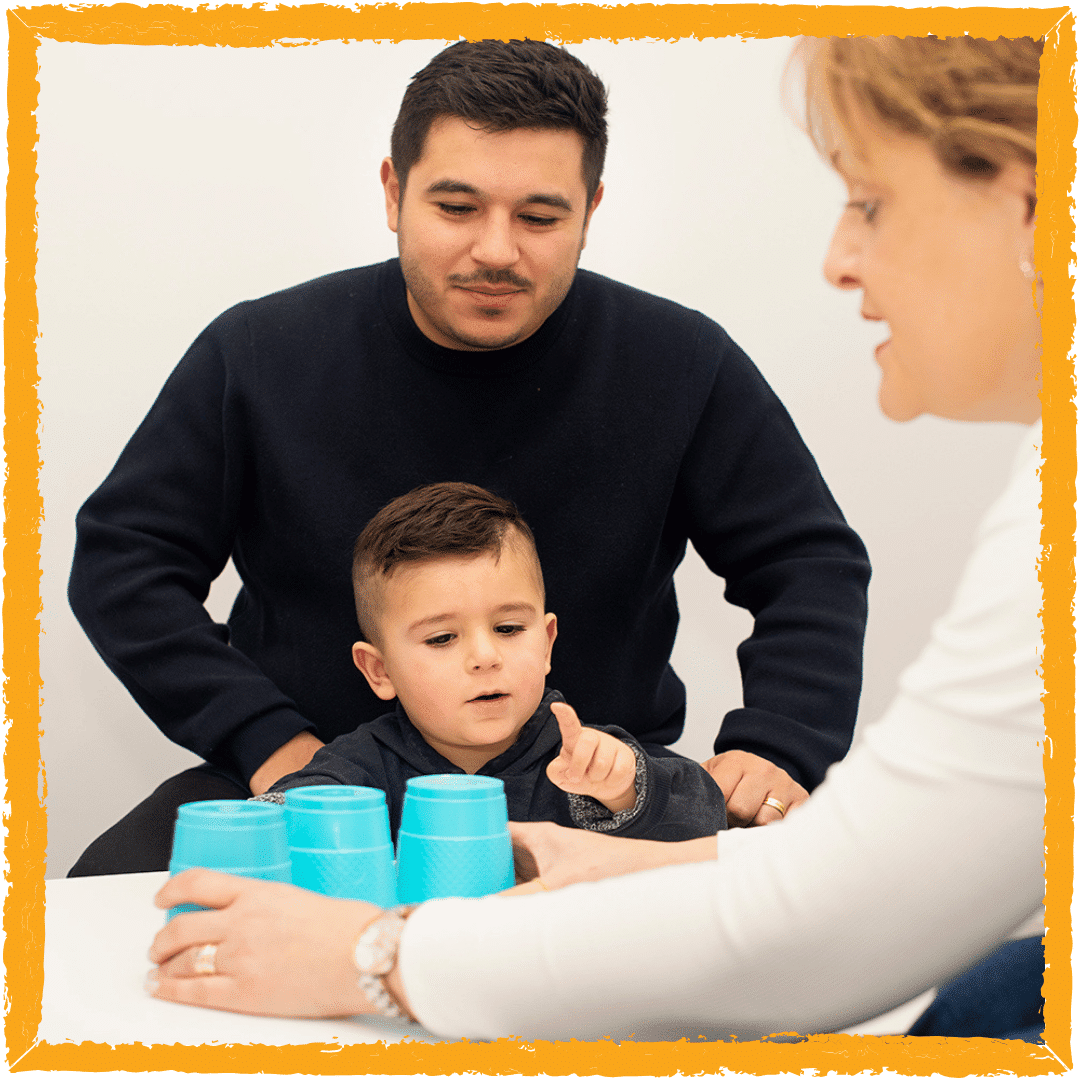
Image by Shichida Australia: Babies playing a rhythm game during a Shichida baby class.
Language Development and Play
Play is one of the best ways children learn language. During pretend play, your child practises new words, sentence structures, and social communication. Playing with others supports turn-taking, listening, and problem-solving. Even quiet solo play can support language as children talk through actions and stories.
When to Be Concerned About Language Development
Most children develop language within a wide normal range. Sometimes, though, you may notice signs that extra support could be helpful. Noticing concerns early allows for guidance and support, not labels or blame.
Signs in Infancy
Limited response to sounds, very little vocalisation, or few gestures like pointing or waving may be worth discussing with a professional.
Signs in Toddlers
Concerns may include very few words, limited understanding of simple directions, or little attempt to communicate needs. Ongoing frustration can also be a sign.
Signs in Preschoolers
Difficulty forming sentences, speech that is hard to understand, or frequent frustration when trying to communicate may indicate a need for extra support.
Professional Support and Early Intervention
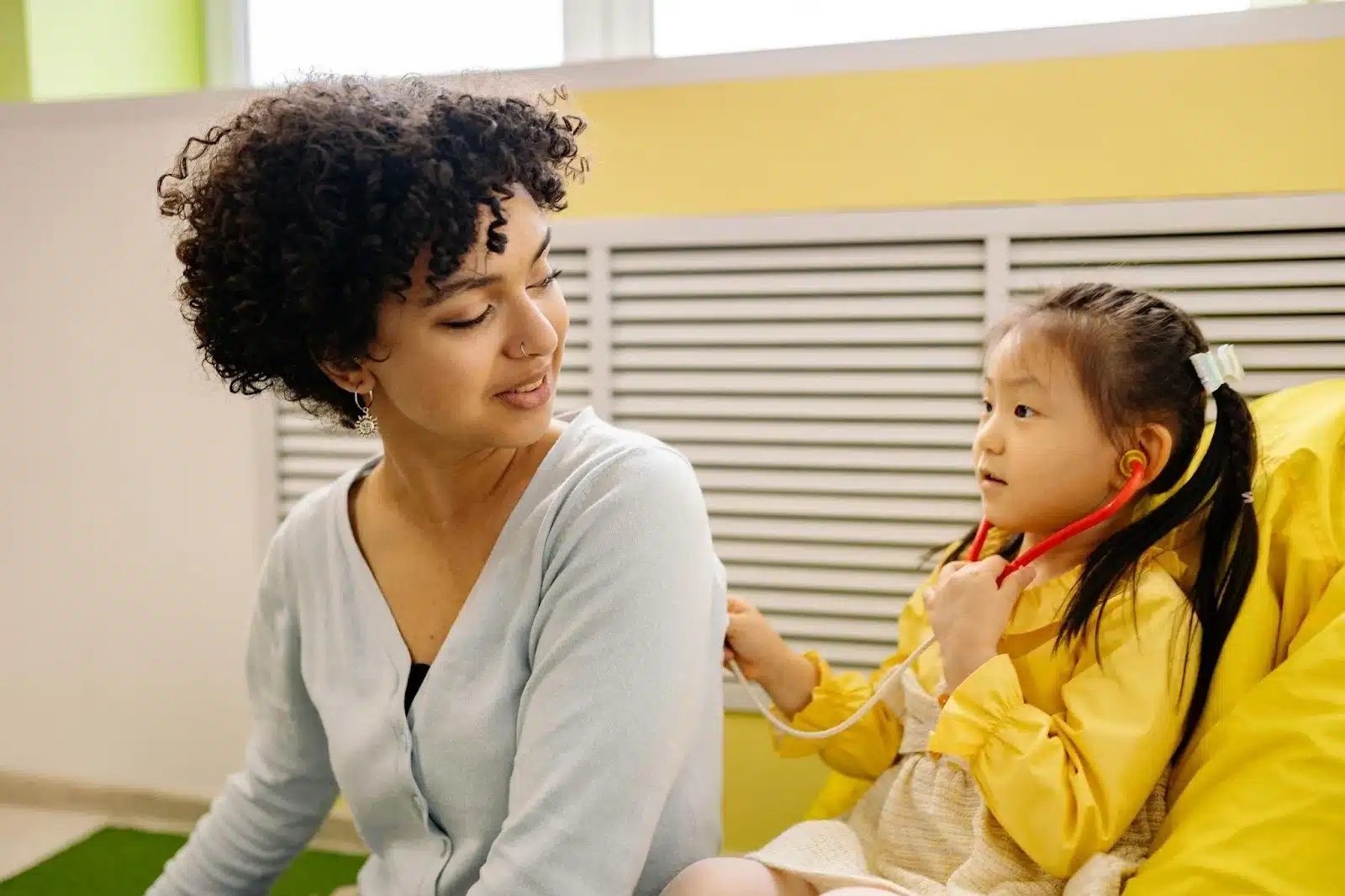
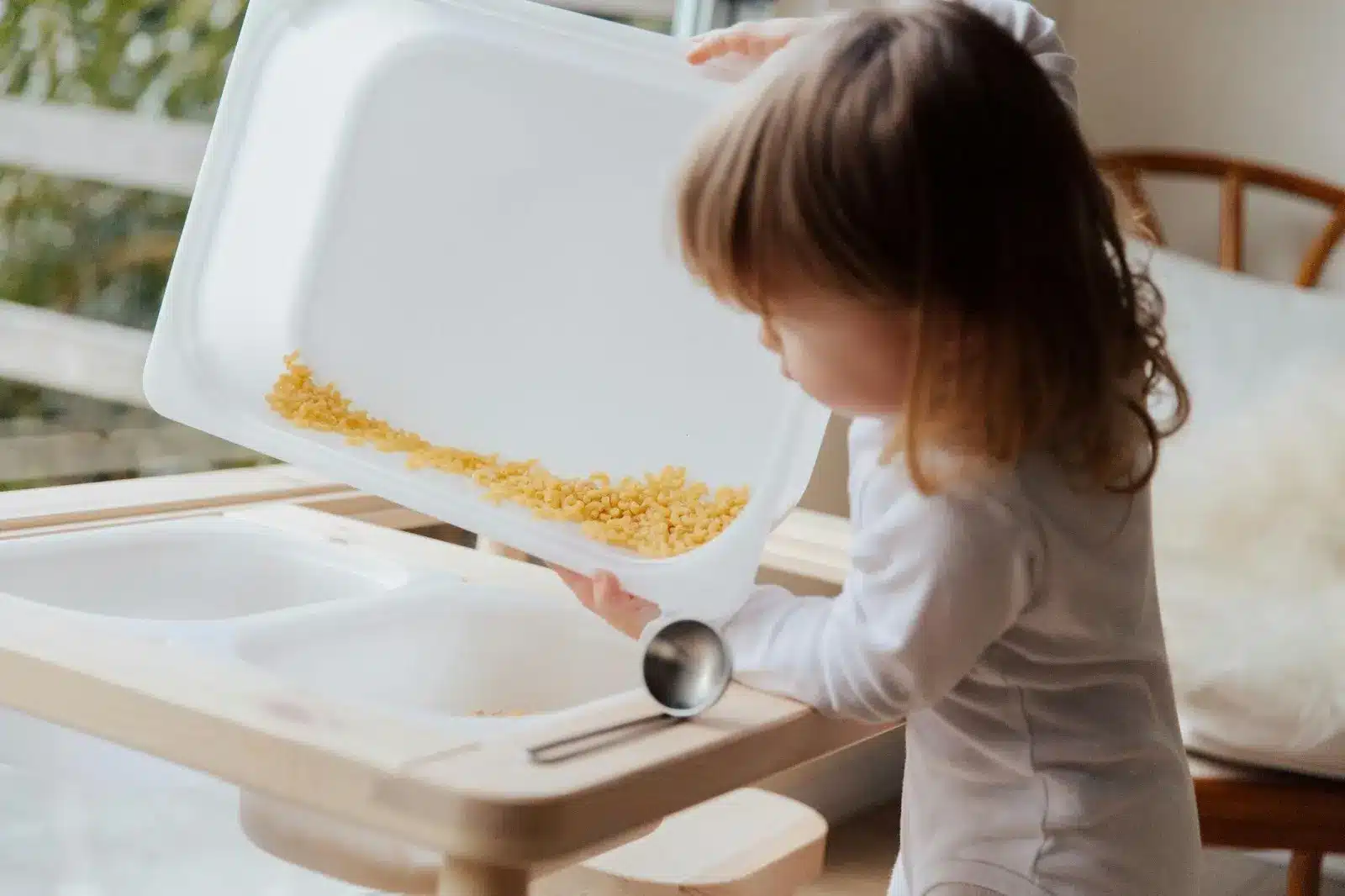
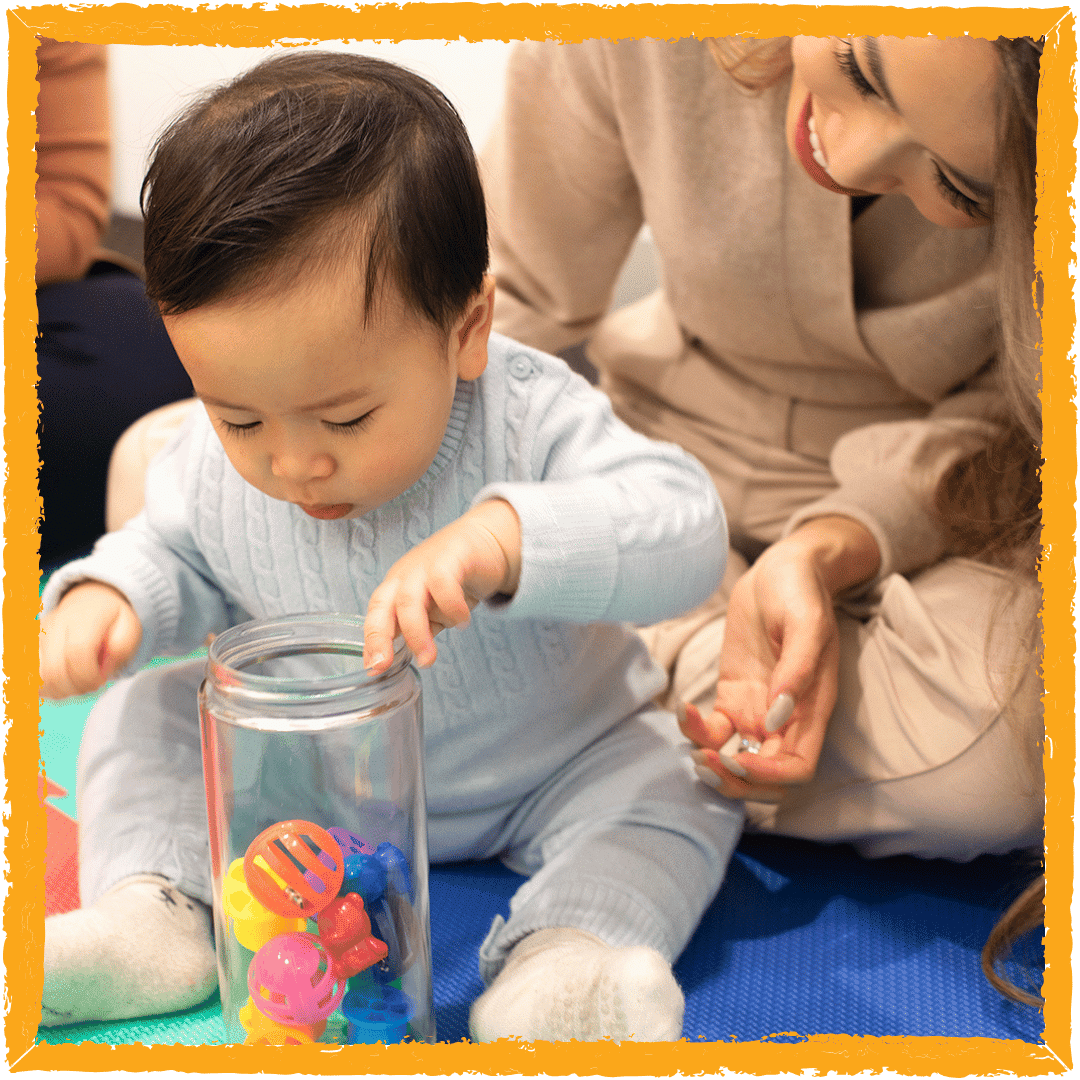
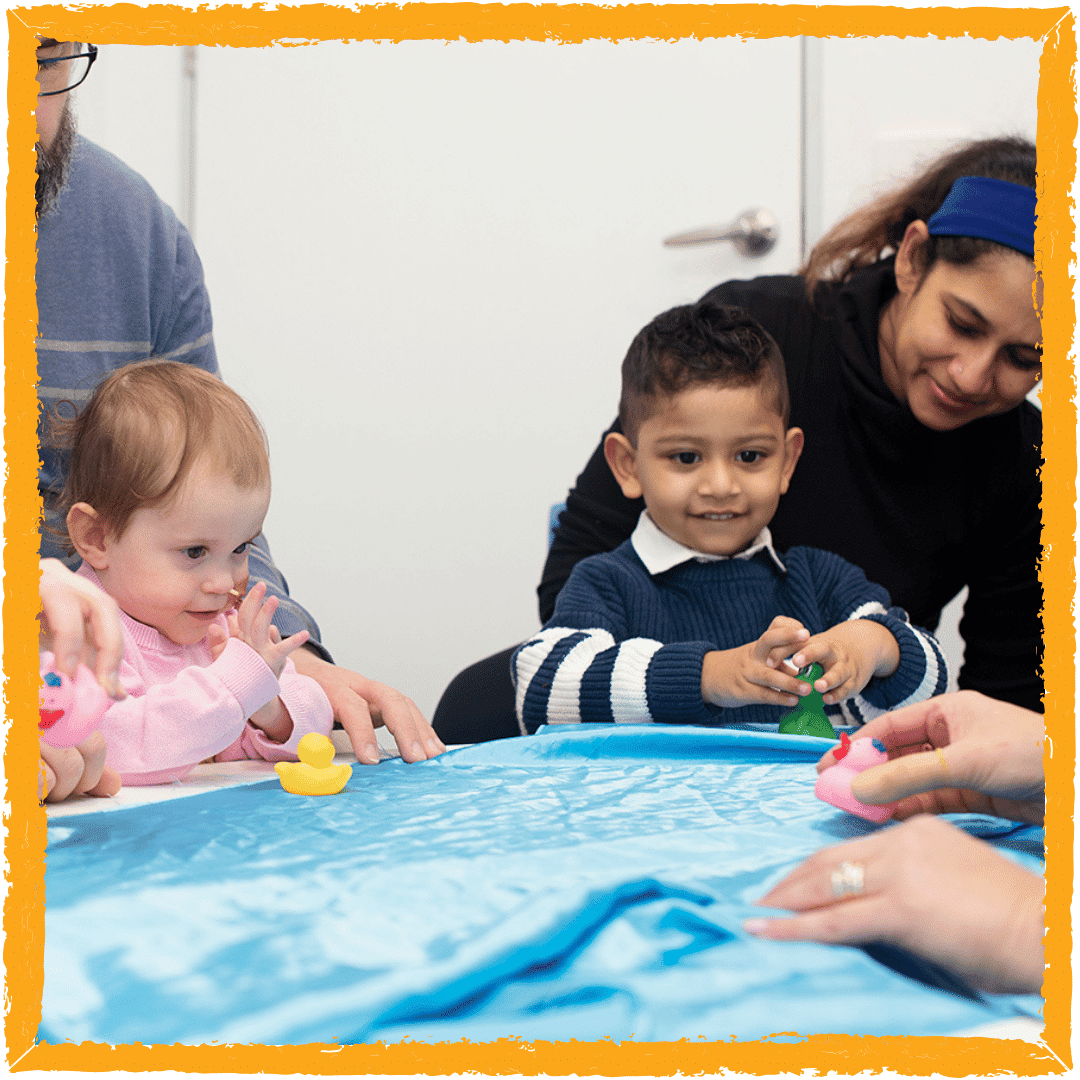
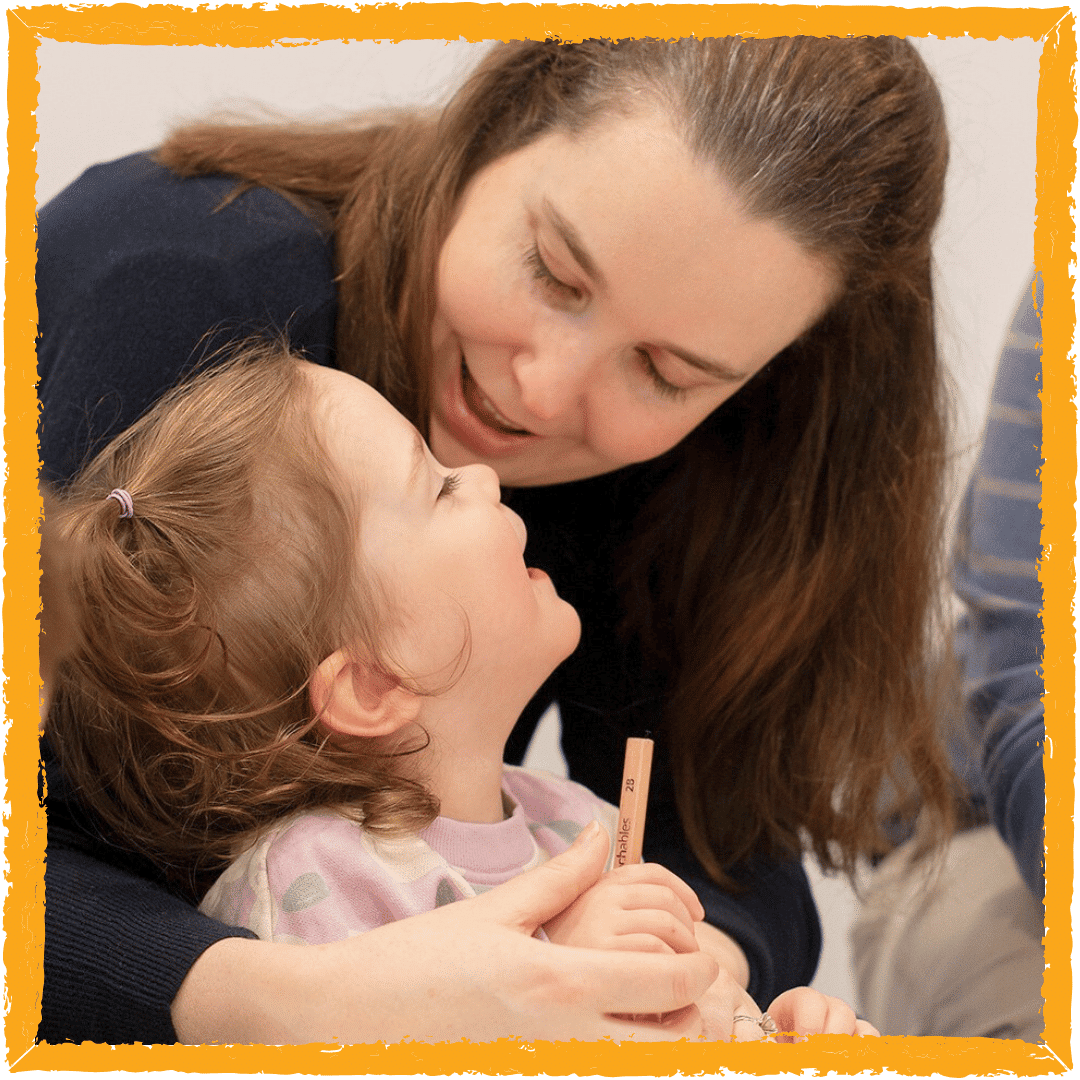
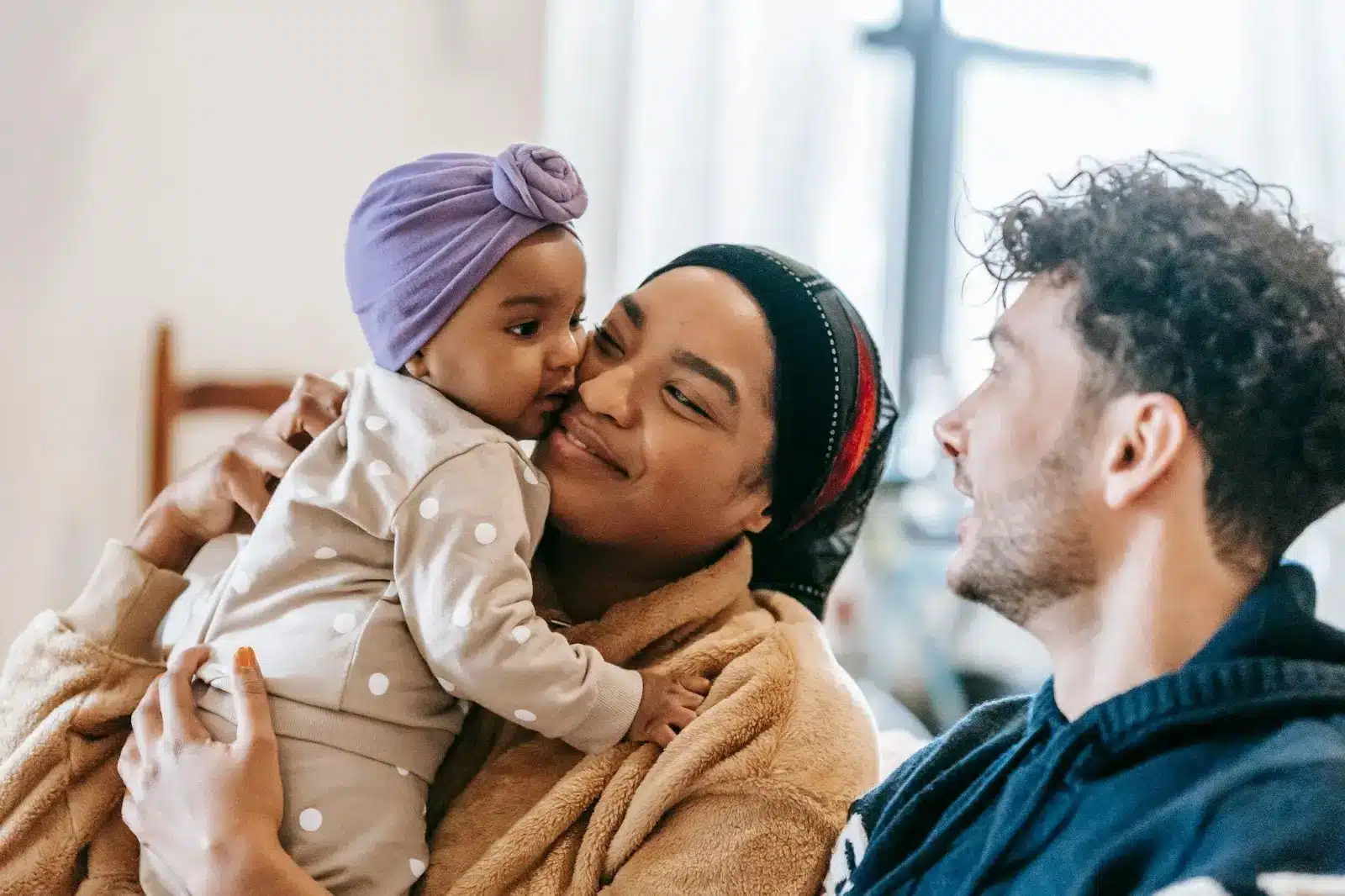
Photo from Pexels: Play, connection, and responsive communication support healthy language development in children as they grow and learn.
Seeking support is a positive step. Professional guidance can help you understand your child’s strengths and how to best support their language development.
Role of Speech-Language Pathologists
Speech-language pathologists assess communication skills and create goals that fit your child’s needs. Therapy is often play-based and family-centred, with strategies you can use at home.
Early Intervention and Support Services
Early support works best when started early. These services focus on building skills through everyday activities and supporting families along the way.
Preparing for a Professional Conversation
Bring notes about your concerns, examples of your child’s communication, and any questions you have. Ask what you can do at home and how progress will be supported.
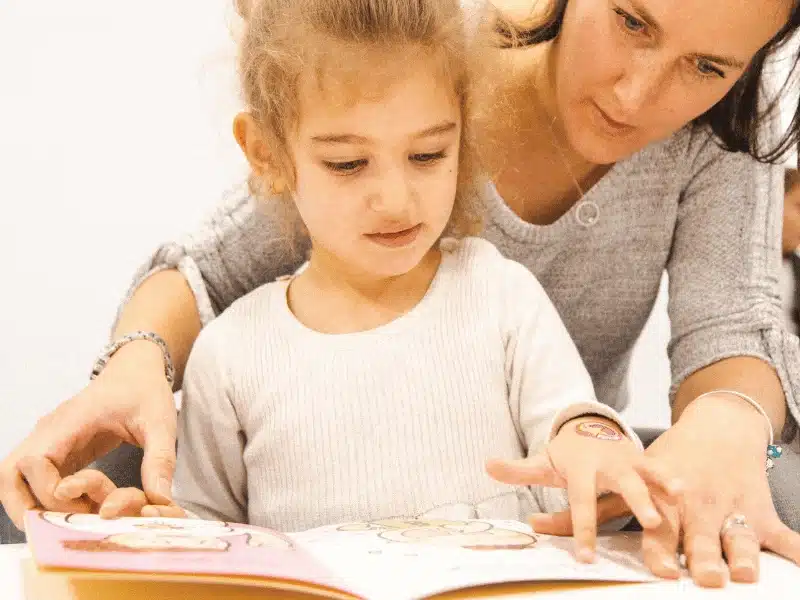
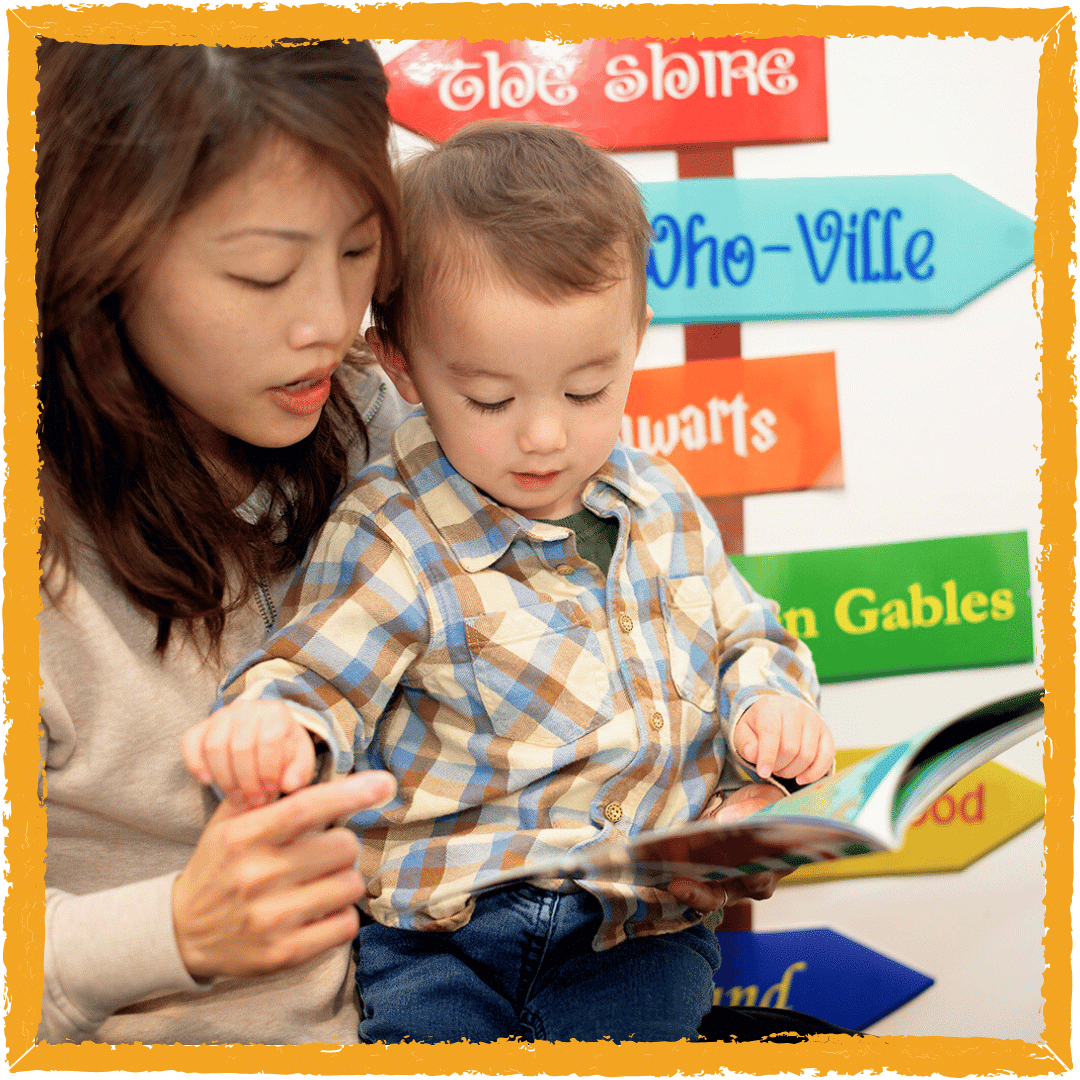
Image by Shichida Australia: A parent and child reading together during a Shichida class. This shared reading experience supports language development by building listening skills, vocabulary, and familiarity with the rhythm of spoken language.
Reach Language Development Milestones with Shichida
Language development in children grows best through meaningful interaction, play, and the right learning environment. At Shichida Australia, classes are designed to nurture early communication skills through age-appropriate activities that support listening, understanding, and expressive language.
Whether your child is just beginning to communicate or building confidence with words, a supportive start can make a lasting difference.
Book a trial class with Shichida Australia and experience how structured, play-based learning can support your child’s language development in a joyful, pressure-free way.
FAQ: Language Development in Children
From birth. Babies begin learning language by listening to voices, watching faces, and interacting with the people who care for them.
Speech refers to how sounds are produced. Language includes understanding words, expressing ideas, and using communication to connect with others.
Talk often, read together daily, sing songs, and respond warmly to your child’s attempts to communicate, even before they use words.
Milestones vary, but general patterns help guide expectations from infancy through early school age. Development happens at different rates.
If concerns persist or your child has limited understanding or communication, seeking professional guidance can be helpful.
Yes. Learning more than one language does not cause language delays and can support strong communication skills.
Language grows best through real interaction. Too much screen time can reduce opportunities for talking, listening, and connection. Choose educational content for screentime.
Shichida Australia offers parent-and-child classes that support language development through songs, stories, flashcards, memory activities, and guided interaction. Classes are designed to strengthen listening, understanding, and expressive language in a play-based, age-appropriate way from infancy through the early years.