Key Takeaways
- Homeschooling is legal throughout Australia, but registration is generally only required once a child reaches compulsory school age.
- Babies, toddlers, and preschool-aged children do not usually require homeschool registration, which gives parents flexibility to begin learning at home in a gentle, age-appropriate way.
- Many families search for homeschooling resources in Australia before their child starts school because they want to build strong early foundations.
- Early home learning for children aged 0–5 should be play-based, flexible, and focused on language, movement, memory, curiosity, confidence, and connection.
- Choosing a learning approach before buying resources can save parents time, money, and overwhelm.
- The best early homeschooling resources Australia include books, sensory play ideas, preschool learning activities, music, movement, early literacy resources, numeracy games, community programs, and play-based classes.
- Shichida can support early home learning by giving babies, toddlers, and preschoolers structured, age-appropriate whole-brain learning experiences that complement what parents do at home.
- For older children, government materials, curriculum-aligned programs, online platforms, libraries, museums, and homeschool networks can also provide useful support.
Homeschooling often starts with a simple question: Can I do this? For many Australian parents, that question begins even before school age, when they start looking for meaningful ways to support their baby, toddler, or preschooler’s learning at home.
Whether you’re researching homeschooling for a school-aged child or exploring early home learning for children aged 0–5, finding clear, Australia-specific information can be challenging.
This guide explains what parents need to know about homeschooling resources in Australia, with a strong focus on babies, toddlers, preschoolers, and children preparing for school.
Designed for families with children up to 5 years old.
Quick Answer
Homeschooling is legal in every Australian state and territory, but registration is generally only required once a child reaches compulsory school age. For babies, toddlers, and preschoolers, parents can begin home learning without formal registration by using play-based activities, early literacy resources, sensory play, music, movement, and simple routines.
Structured early learning programs such as Shichida can also complement home learning by supporting memory, focus, language, confidence, and whole-brain development during the important early years.
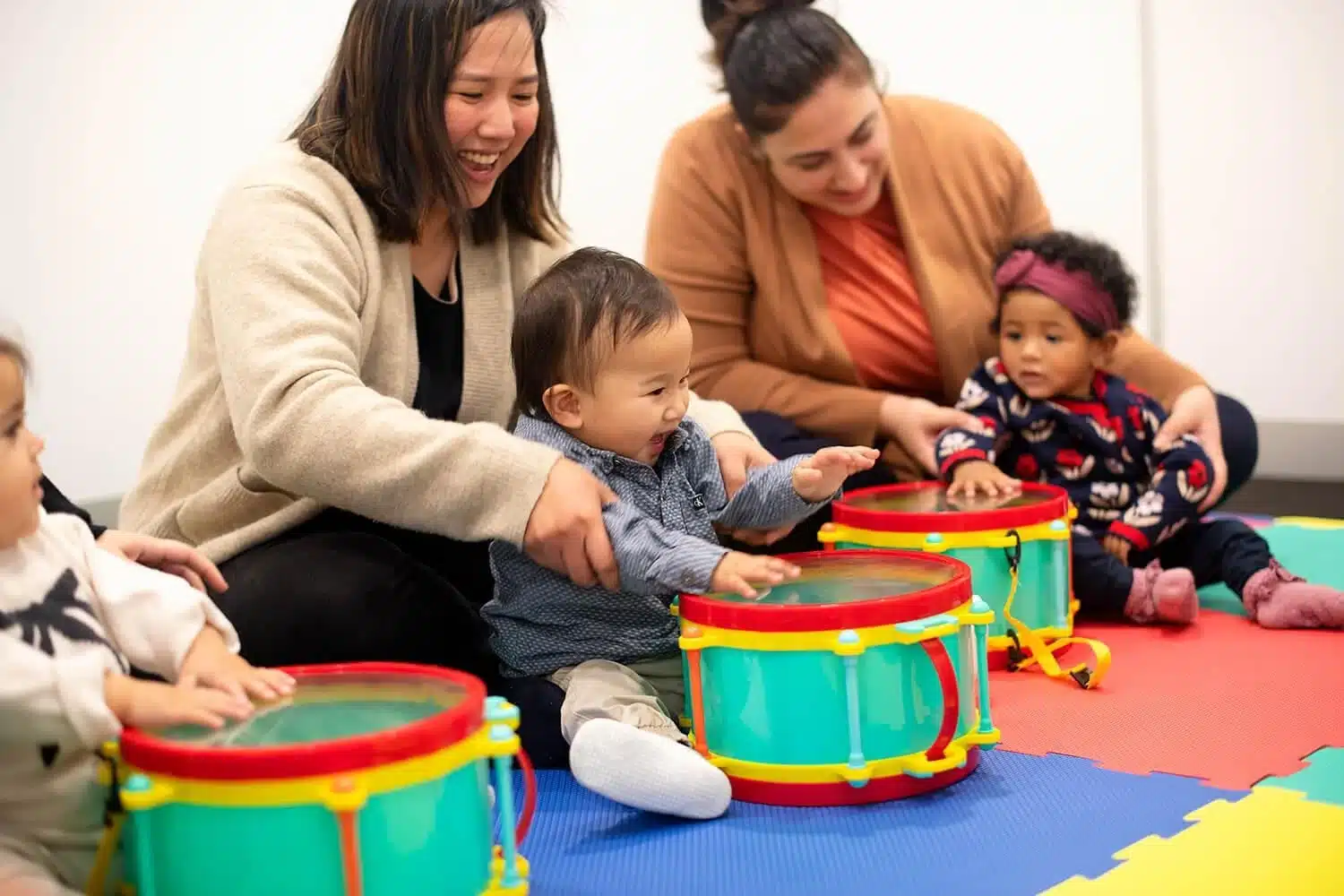
Image by Shichida Australia: Babies drumming along to a nursery song with their parents during Shichida baby class – a joyful rhythm and listening activity.
What Is Homeschooling in Australia?
Homeschooling is a parent-led educational approach where parents take primary responsibility for their child’s learning rather than enrolling them in a traditional school setting. Once children reach compulsory school age, families must generally register with the relevant authority in their state or territory.
This article also covers preschool home learning because many families begin building learning routines well before formal schooling starts. While registration is not required for preschool-aged children, the resources and learning approaches often overlap.
Homeschooling vs Distance Education vs Home Learning
Homeschooling is parent-led and usually requires registration once a child reaches compulsory school age. Parents select resources, plan learning experiences, and oversee progress.
Distance education is school-led. Children remain enrolled in a registered school, which provides curriculum, assessments, and teacher support remotely.
Home learning refers to informal learning at home before compulsory school age. Activities may include reading, sensory play, outdoor exploration, and early literacy experiences without registration requirements.
For families with babies, toddlers, and preschoolers, Shichida can act as a bridge between informal home learning and future formal education. Weekly classes give children structured, age-appropriate learning experiences while also giving parents practical ideas they can continue using at home. This makes Shichida a helpful complement for families searching for homeschooling resources in Australia but wanting support that is suitable for the early years.
Why Australian Families Choose Homeschooling
Some families choose homeschooling because they want greater flexibility. Others are looking for a learning pace that better suits their child, support for additional learning needs, stronger alignment with family values, or an alternative to traditional schooling. For families living in regional or remote areas, homeschooling can also offer greater accessibility and choice.
There is no single “right” reason to homeschool. Every family’s circumstances are different.
For parents of younger children, the motivation is often slightly different. They may not be “homeschooling” in the formal sense yet, but they are looking for ways to support their child’s language, focus, confidence, social skills, and learning readiness before school begins.
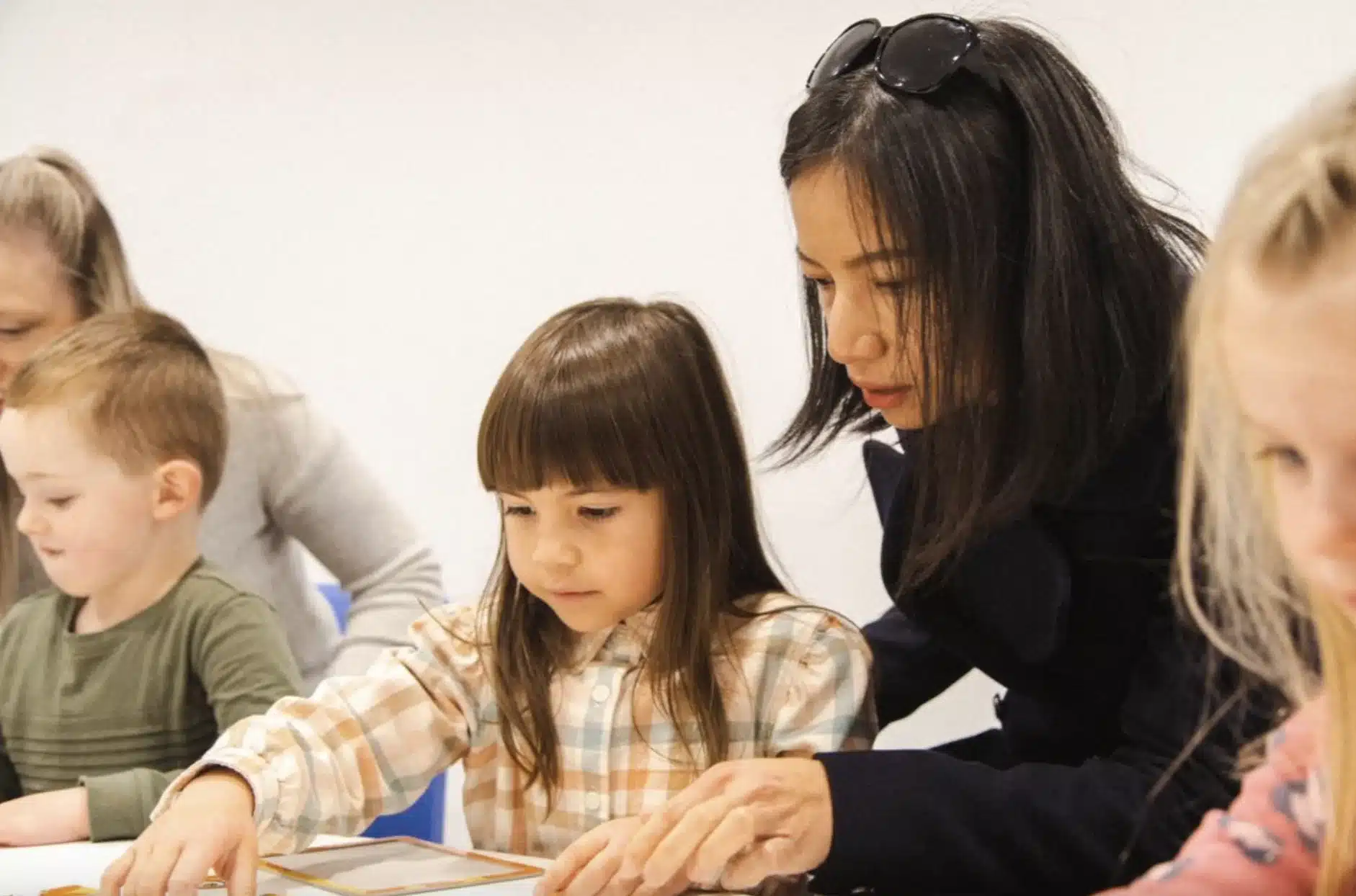
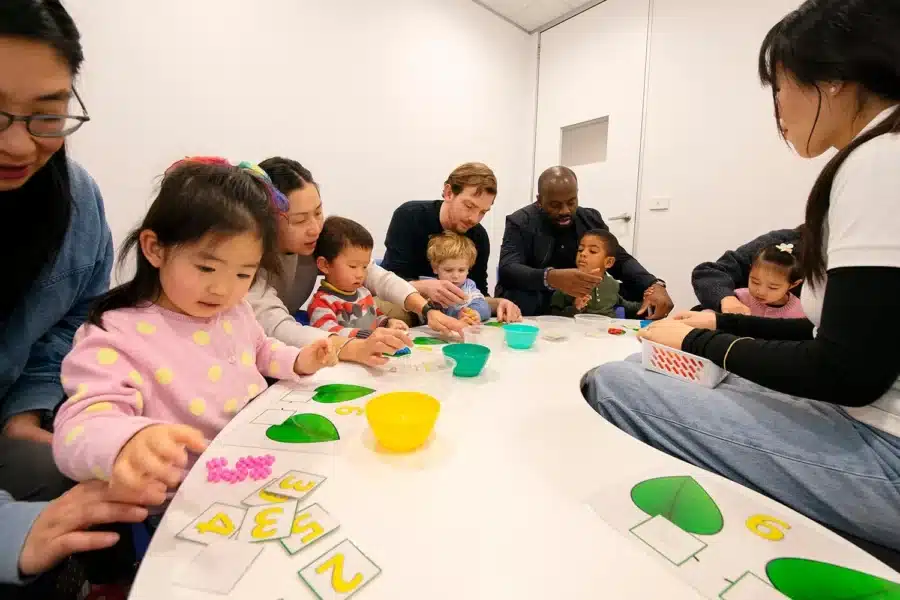
Image by Shichida Australia: Parents and preschoolers solving a puzzle together – building problem-solving skills through hands-on early learning.
Is Homeschooling Legal in Australia? Registration by State
Yes, homeschooling is legal throughout Australia. However, registration is managed by individual states and territories rather than the federal government.
NSW
In New South Wales, homeschooling is administered by the NSW Department of Education. Families prepare an educational program based on NESA syllabuses and curriculum requirements, and the Department provides resources and guidance for registered home educators.
The NSW Department of Education also provides resources to support registered homeschooling families.
Victoria
Victoria’s homeschooling registrations are overseen by the Victorian Registration and Qualifications Authority (VRQA). Learning programs generally address eight recognised learning areas and support children’s educational development across a broad curriculum.
Queensland
Queensland families register through the Home Education Unit. Parents provide learning plans and maintain records demonstrating educational progress.
Western Australia
Western Australian families register with the Department of Education and participate in periodic reviews of their home education program.
South Australia
South Australian homeschooling families register through the Department for Education and outline planned educational approaches and learning goals.
Tasmania
Tasmanian families register with the Office of the Education Registrar and submit educational plans suited to their child’s needs.
ACT
Families in the Australian Capital Territory register with the ACT Education Directorate and demonstrate how learning will occur across required areas.
Northern Territory
The Northern Territory requires registration through the Department of Education, with educational plans and regular reviews forming part of the process.
When Registration Is Not Required
If your child is under six and not yet enrolled in school, you generally do not need to register to support learning at home. This means parents can focus on gentle, play-based learning experiences such as reading, sensory play, music, counting games, movement, and early problem-solving without needing to follow a formal homeschool structure.
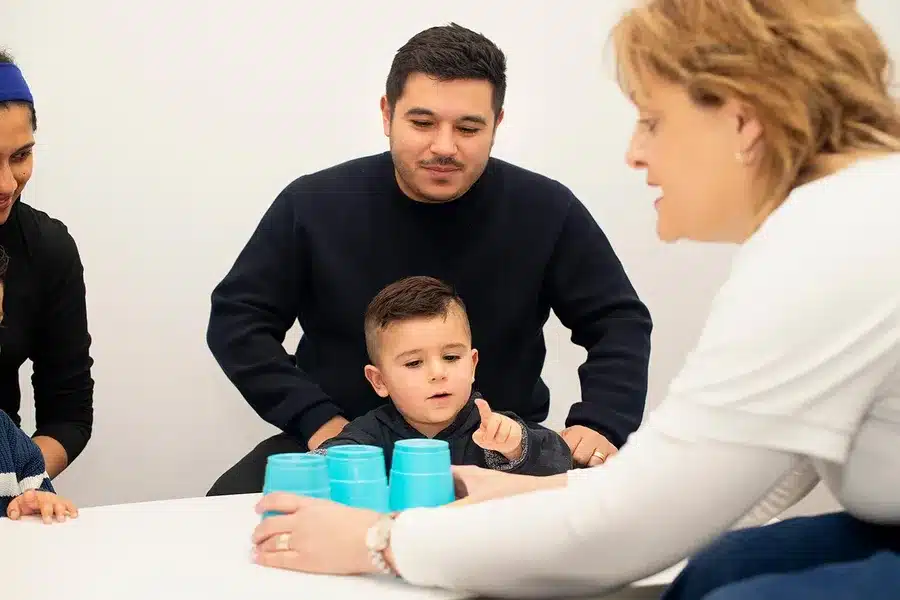
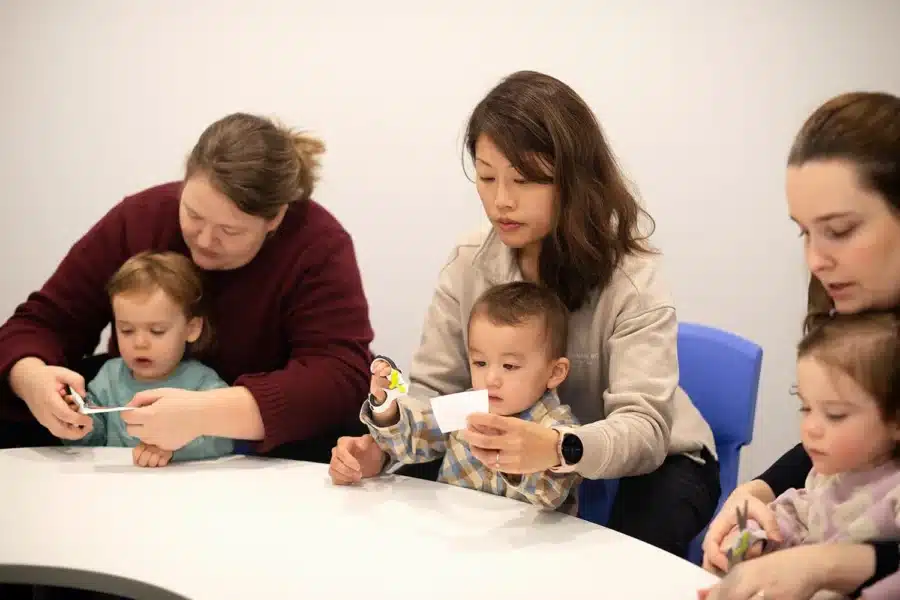
Image by Shichida Australia: Toddler playing a quick-paced guessing game alongside his parent – building confidence, decision-making and early thinking skills.
How to Start Homeschooling in Australia
Beginning homeschooling can feel overwhelming, but breaking the process into manageable steps helps.
Step 1: Confirm Your State’s Requirements
Start by visiting your state’s homeschooling authority website. Understanding registration expectations before selecting resources will save time later.
Step 2: Choose a Learning Approach
Before purchasing materials, decide how you want learning to look. Your educational philosophy should guide your resource choices, not the other way around.
Step 3: Select Curriculum and Resources
Many Australian families combine curriculum-aligned programs with workbooks, readers, online resources, and hands-on learning experiences.
Step 4: Prepare Your Registration Application
If your child is of compulsory school age, complete the required registration process. Families with preschool-aged children can skip this step.
Step 5: Build a Routine That Works for Your Family
Homeschooling rarely mirrors traditional school hours. Many primary-aged children complete focused learning in two to four hours per day, while preschoolers require far less structured time.
For children aged 0–5, this routine should feel natural and flexible rather than formal. A young child does not need hours of desk-based learning. Short bursts of stories, songs, movement, sensory play, counting, drawing, and conversation can be far more meaningful than trying to recreate a full classroom setup at home.
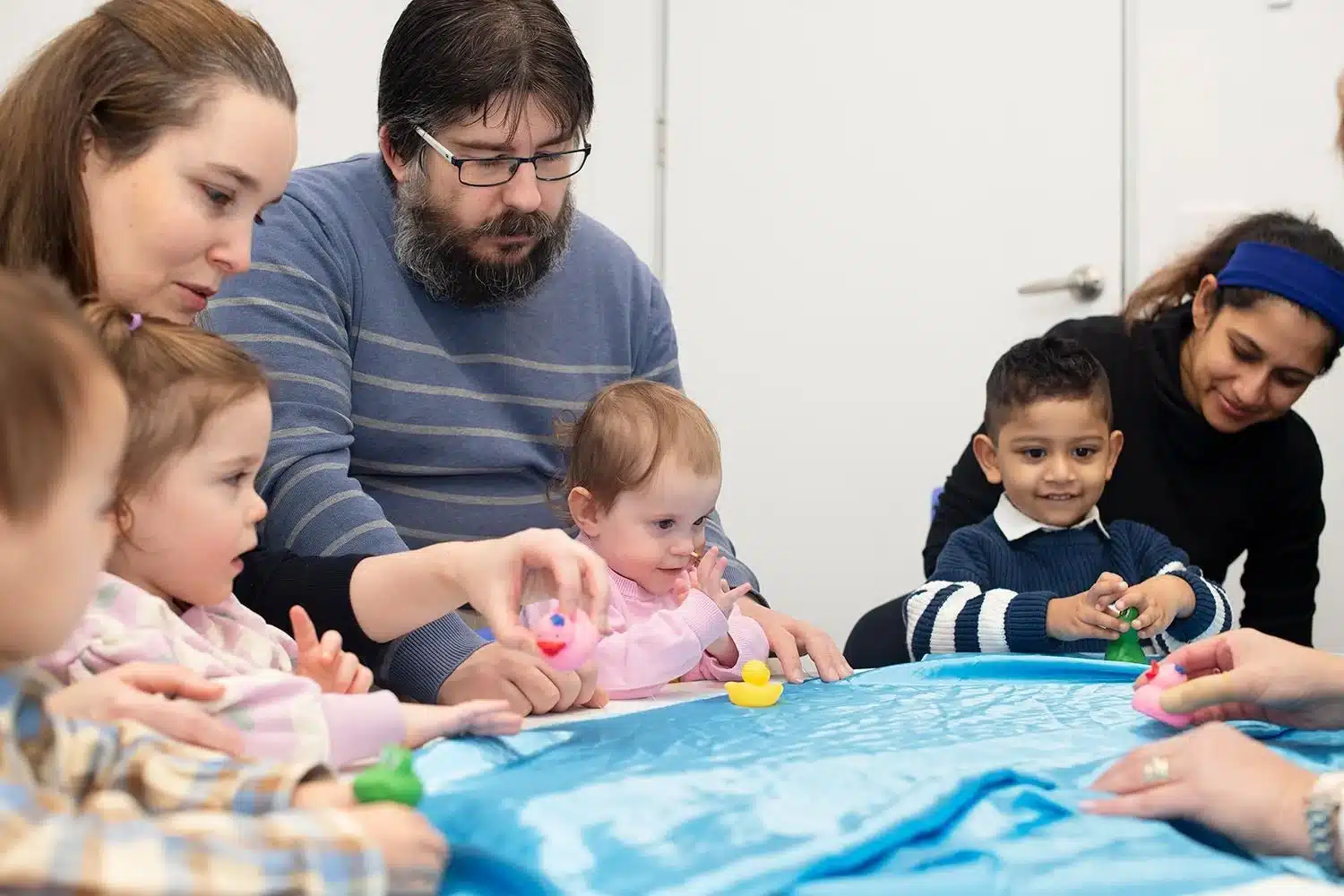
Image by Shichida Australia: Toddlers using their imagination during a parent-child game – building creativity, confidence and early learning skills.
Homeschooling Approaches and Philosophies
The best homeschooling approach depends on your child’s personality, your family’s values, and your learning goals.
Structured / Curriculum-Based
This approach follows a clear scope and sequence, often aligned with the Australian Curriculum. It suits parents seeking measurable progress and predictable outcomes.
Charlotte Mason
Charlotte Mason education emphasises living books, nature study, narration, and short lessons. It offers a strong foundation in language and literature.
Montessori at Home
Montessori focuses on child-led, hands-on learning within a carefully prepared environment. It is particularly popular during the preschool years.
Reggio Emilia-Inspired
Reggio-inspired learning uses projects and children’s interests as the foundation for exploration. Creativity, collaboration, and self-expression are highly valued.
Unschooling
Unschooling is driven by children’s interests rather than a fixed curriculum. Parents facilitate learning opportunities while documenting progress for registration purposes.
Eclectic / Blended
Many Australian families use a combination of approaches. This flexible style allows parents to adapt resources and methods as children grow.
Right-Brain and Whole-Brain Learning
Whole-brain approaches combine guided learning through play with creativity, sensory experiences, visualisation, memory work, and imagination. These approaches are especially popular in early childhood programs and among families interested in developing both analytical and creative thinking.
Parents exploring whole-brain learning may also be interested in The Shichida Method. Shichida classes are designed to support young children through activities that build memory, concentration, language, sensory awareness, imagination, confidence, and parent-child connection. For families creating an early home learning routine, this can provide structure and expert guidance without turning learning into formal schooling.
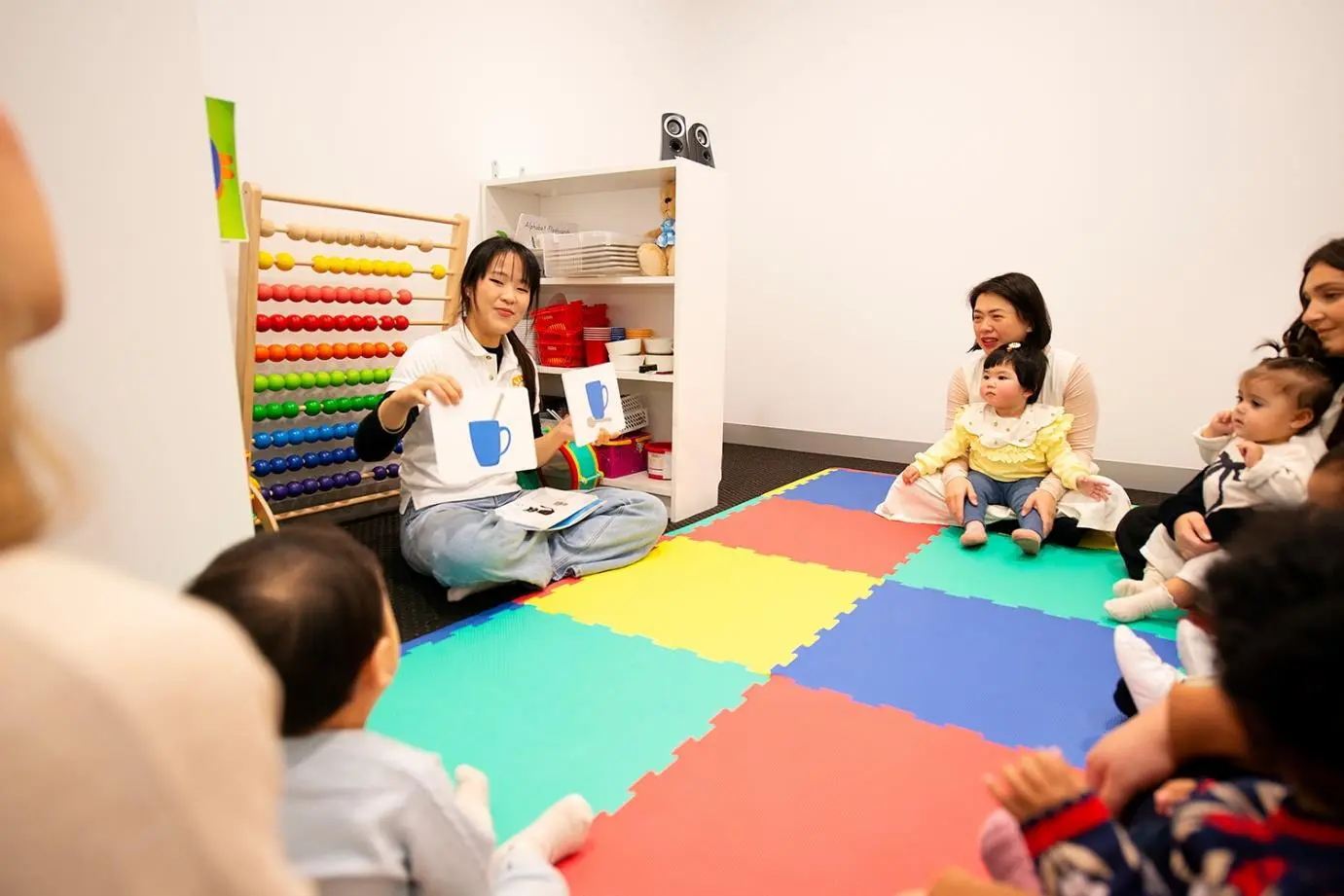
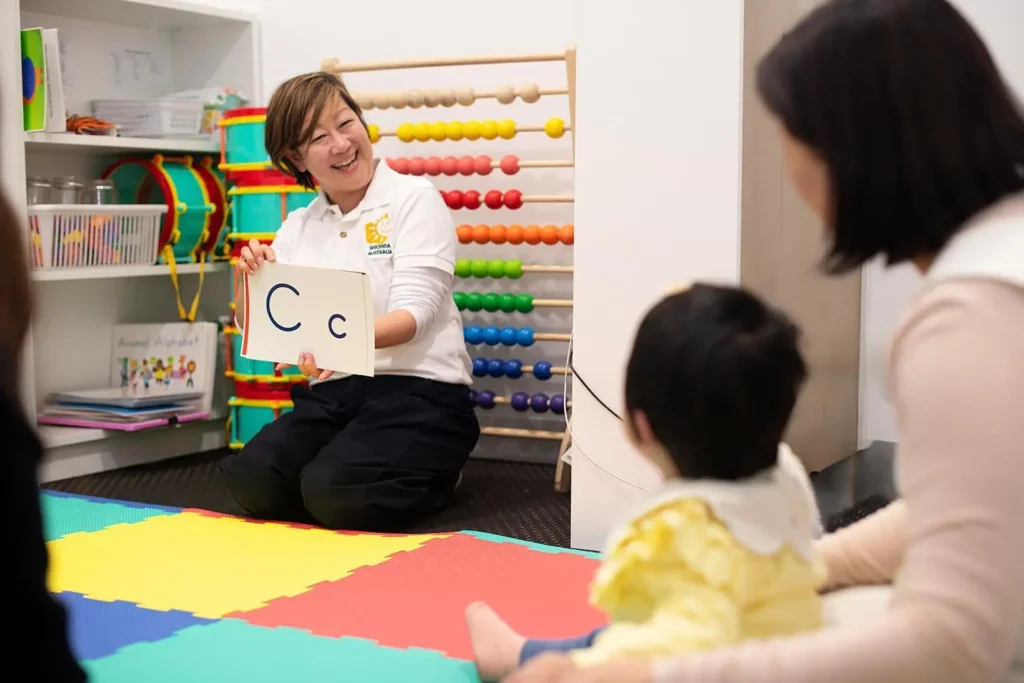
Image by Shichida Australia: Shichida teacher showing babies and parents bright flashcards – supporting focus, memory and early learning.
Homeschooling Resources Australia: What’s Available
Finding the right resources can make home learning feel far more manageable, especially for parents who are unsure where to begin.
For families with babies, toddlers, and preschoolers, the best resources are not always formal workbooks or school-style programs. They are often simple, hands-on activities that support language, memory, movement, creativity, and confidence.
Early Learning Resources for Babies, Toddlers and Preschoolers
For children aged 0–5, home learning resources should support development through play, movement, repetition, and connection. Useful resources may include:
- picture books and nursery rhymes
- sensory playmaterials
- musicand movement activities
- puzzles and matching games
- fine motor activities
- early numeracy games
- simple phonicsand sound-awareness activities
- memory games
- nature-based learning activities
- structured early learning classes such as Shichida
These resources help build the foundations children need before formal schooling, including listening skills, attention, vocabulary, confidence, problem-solving, and curiosity.
Government and State Resources
State education departments provide free guidance documents, planning templates, curriculum information, and registration support. These resources help families understand expectations and build confidence.
Australian-Curriculum-Aligned Resources
Many Australian publishers produce curriculum-aligned workbooks, learning guides, and assessment tools. Resources such as the Australian Homeschooling Series provide structured support across multiple learning areas.
Commercial Workbooks and Programs
Providers like Busy Books Australia offer materials covering:
- Phonics
- Reading
- Handwriting
- Mathematics
- Science
- Unit studies
- Preschool readiness
These can supplement a broader learning program.
Online Learning Platforms
Subscription-based learning platforms can support independent learning. Useful features include:
- No-ads
- Child-safety – no strangers can interact with your child
- Parent dashboards for tracking
- Printable DIY resources
- Interactive activities
- Wholesome content
SHICHIDA at Home offers educational digital content for children aged 1 to 5. You can try a free 30-day trial.
Homeschool Co-Ops and Networks
Local homeschooling groups provide opportunities for socialisation, excursions, shared teaching, and parent support. Many families find these communities invaluable during their first year.
Libraries and Museums
Public libraries, museums, galleries, and science centres often provide educational programs designed for home-educating families. Many are low-cost or free.
Key Insight: The biggest mistake new homeschooling parents make is buying resources before they’ve decided their approach. Start with one core program and add resources gradually as you learn what works for your child.
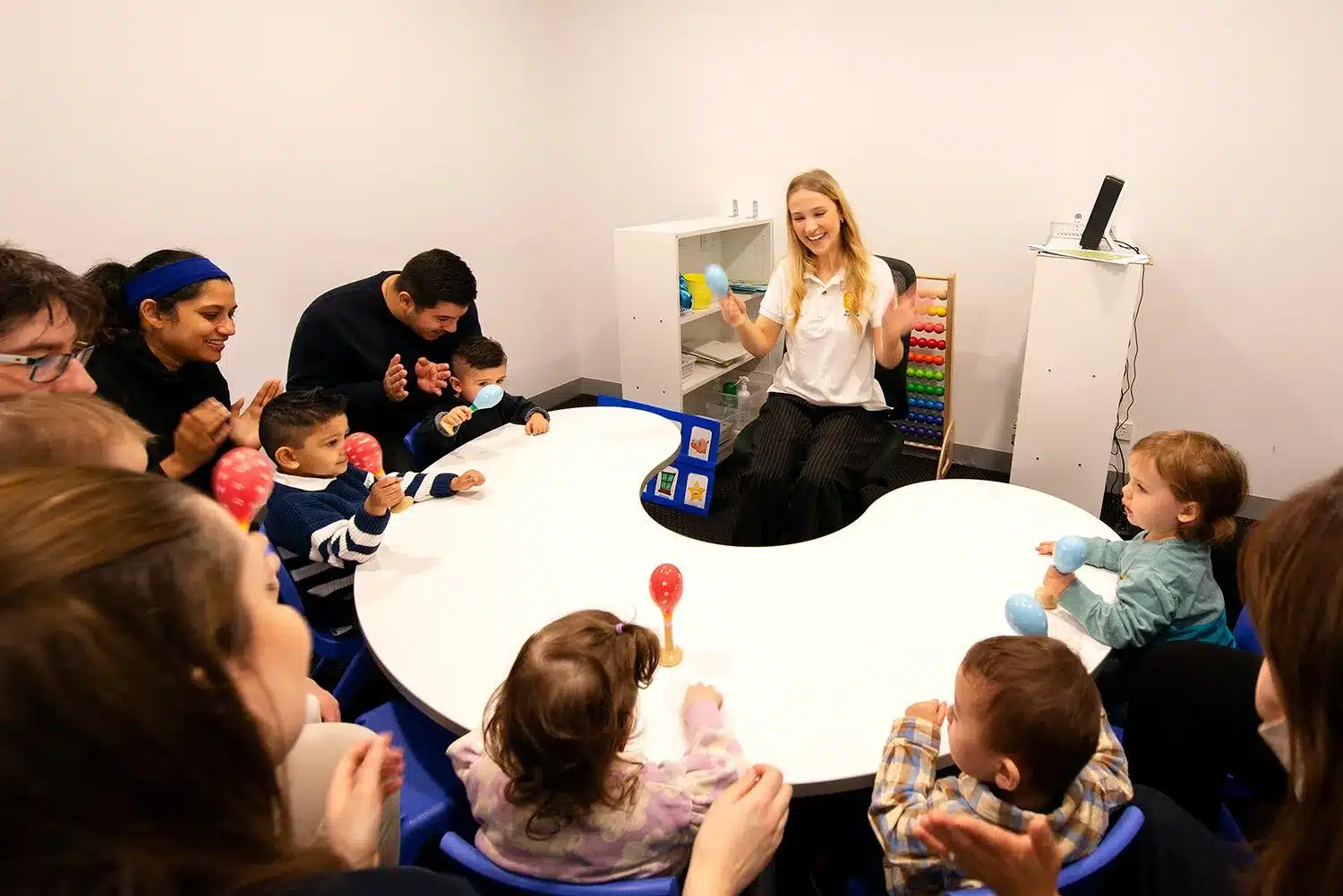
Image by Shichida Australia: Toddlers shaking musical instruments to the rhythm of a song – supporting listening, coordination and early learning through music.
Homeschooling Resources for Preschoolers: At-Home Learning for 3 to 5 Year Olds
For many families, the journey into homeschooling begins long before compulsory school age. Parents often search for home learning for 3 year olds, at home preschool learning, or homeschool preschool resources because they want to support development during the years when children are naturally curious, engaged, and eager to learn.
The truth is, you can start your child’s education journey from the day they are born!
Why Early Years Home Learning Matters
The first five years are a period of remarkable growth. This is called the Golden period of child development. During this time, children are developing language, attention, memory, emotional regulation, motor skills, and social understanding.
Importantly, early years home learning is not about pushing academics. It is about creating rich experiences that build curiosity, confidence, communication, and a lifelong love of learning.
This is where Shichida can support families beautifully. Shichida’s early learning programs are designed for young children, helping them build learning foundations through short, engaging, sensory-rich activities that match the way babies, toddlers, and preschoolers naturally learn.
Parents interested in understanding more about this critical developmental period may find it helpful to explore Shichida Australia’s content on brain development in the first six years and early developmental milestones.
What “At-Home Preschool Learning” Actually Looks Like
One of the biggest misconceptions about preschool learning is that it should resemble school.
In reality, a three-year-old learns best through play, conversation, movement, stories, music, and exploration. Most children only need around 60 to 90 minutes of intentional learning activities spread throughout the day.
Learning can happen while cooking lunch, walking through a park, reading a book together, or sorting toys by colour and shape.
Home Learning Activities for 3 Year Olds
Looking for practical home learning activities for 3 year olds? Start simple.
Story time with prediction questions
Pause while reading and ask, “What do you think will happen next?” This strengthens language and comprehension.
Sensory bins
Rice, pasta, sand, or water play encourage exploration, fine motor development, and sensory awareness. Always supervise closely.
Simple cooking and measuring
Pouring, mixing, and counting ingredients introduce maths concepts naturally.
Counting in daily routines
Count stairs, toys, fruit pieces, or cars during outings.
Letter and sound games
Focus on recognising sounds in words rather than memorising letters alone.
Nature walks
Collect leaves, sticks, and flowers to sort, compare, and discuss.
Art and mark-making
Drawing, painting, colouring, and tracing strengthen pre-writing skills.
Music, rhythm, and movement
Songs, dancing, and clapping games support memory, coordination, and language development.
You can find additional inspiration through sensory play activities and learning through play resources designed for young children.
Building a Daily Rhythm for Early Years
Young children benefit more from rhythm than rigid schedules.
A simple day might look like:
- Morning outdoor play and movement
- Mid-morning focused learning activity
- Story time
- Free play
- Lunch and rest
- Afternoon sensory or creative activity
- Family reading before bed
Consistency helps children feel secure, but flexibility remains important.
At-Home Preschool Curriculum Options
Families looking for homeschool preschool resources have many options available.
These include:
- Early literacy workbooks
- Numeracy activity packs
- Nature study programs
- Sensory learning resources
- Australian Early Years Learning Framework-inspired activities
The best programs support exploration rather than formal academic instruction.
For parents wanting structured, expert-designed early learning support alongside their home routine, Shichida Australia’s infant and early childhood programs can complement at-home learning. Through activities that support memory, language, sensory development, concentration, creativity, and whole-brain learning, Shichida gives families an age-appropriate way to build strong foundations from the early years.
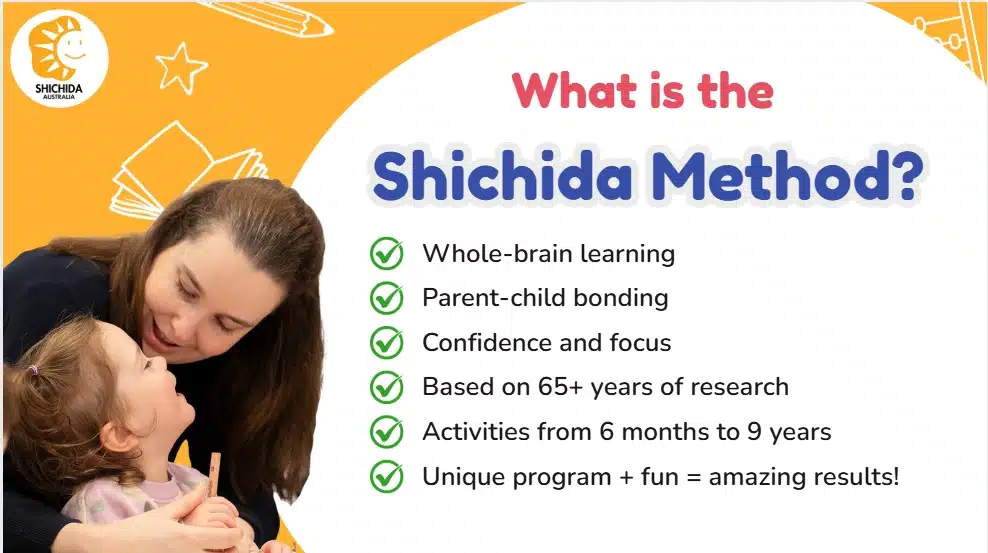
Home Learning English: Literacy and Language at Home
Whether you’re homeschooling or supporting a preschooler, literacy development is one of the most valuable investments you can make.
Early Literacy at Home
Strong literacy foundations begin long before formal reading.
Simple activities include:
- Reading aloud daily
- Singing nursery rhymes
- Playing rhyming games
- Letter recognition activities
- Drawing and mark-making
- Storytelling and conversation
These experiences build vocabulary, listening skills, and phonological awareness.
Phonics, Reading, and Writing Resources
Many Australian schools now use synthetic phonics approaches to reading instruction.
Parents exploring home learning English can look for:
- Decodable readers
- Phonics workbooks
- Sight word resources
- Reading schemes aligned with Australian classrooms
The goal is to build confidence gradually while keeping reading enjoyable.
English for Multilingual Families
For many Australian families, home learning English exists alongside another language.
Research consistently shows that maintaining a home language supports overall language development. Reading books in both languages, having rich conversations, and providing meaningful exposure to English can help children become confident bilingual communicators.

Building a Homeschool Day That Works
One of the most common questions parents ask is, “What should a homeschool day actually look like?”
Realistic Time Expectations
Focused learning time is often much shorter than parents expect:
- Preschool: 60-90 minutes
- Primary school: 2-4 hours
- Secondary school: 4-5 hours
Learning also happens naturally through daily life, projects, outings, and conversations.
Balancing Multiple Children
Families with several children often benefit from:
- Block scheduling
- Independent activities
- Shared subjects
- Older siblings helping younger children
Short, focused lessons can be particularly effective.
Homeschooling While Working
Many homeschooling families balance work commitments.
Part-time work, remote work, shift work, and flexible schedules can all be compatible with home education. Grandparents, co-ops, community programs, and activity groups often provide valuable support.
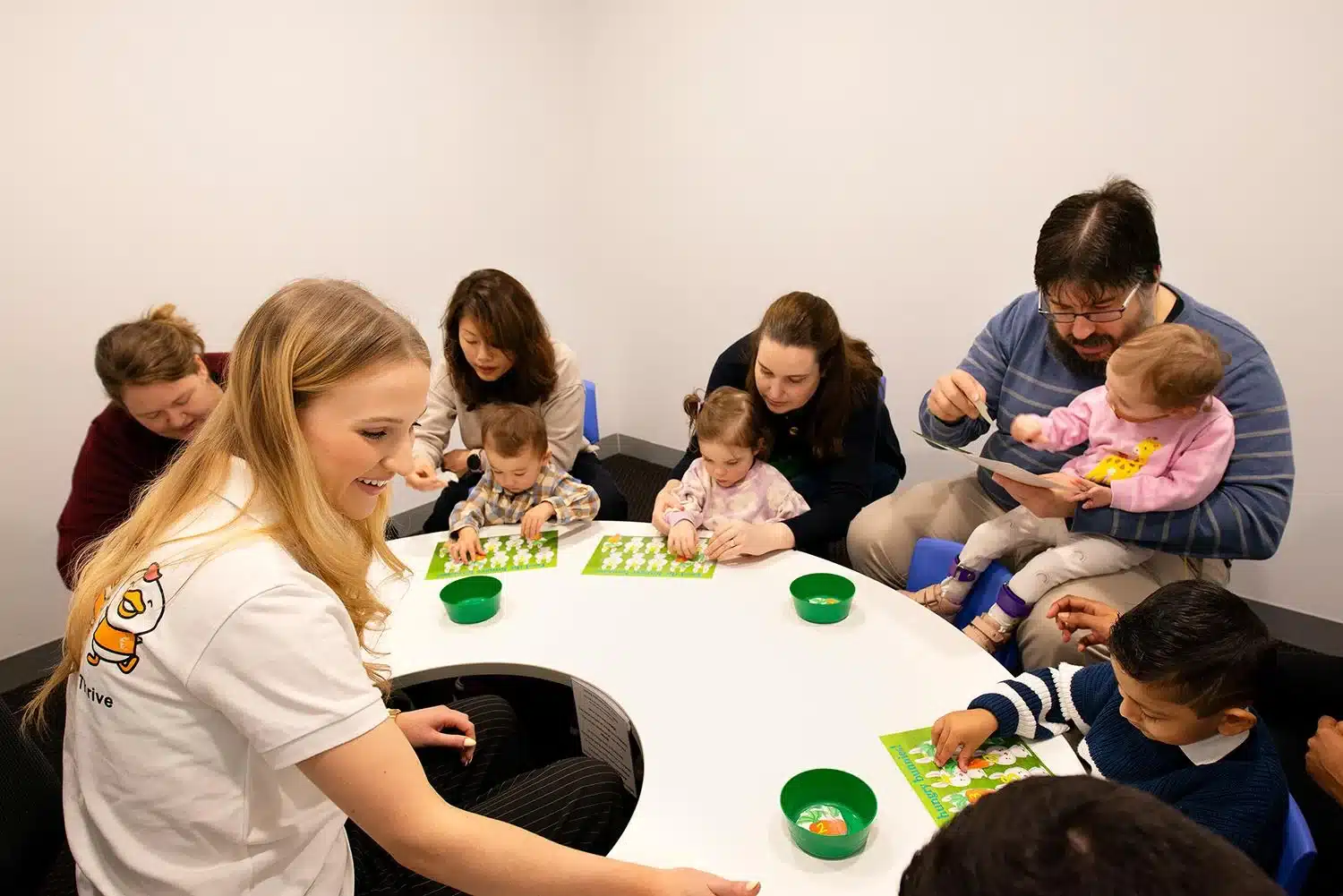
Image from Shichida Australia: Combining play, language, and whole-brain learning, Shichida classes complement homeschooling resources Australia families use to support learning both at home and in the classroom.
Combining Homeschooling with Early Childhood Programs
Many families assume home learning means doing everything themselves, but external early learning programs can work beautifully alongside a home routine.
What External Programs Add
Quality programs can provide:
- Specialist instruction
- Peer interaction
- Structured group experiences
- Exposure to new skills
- Additional support for parents
For younger children, this support can be especially helpful because babies, toddlers, and preschoolers benefit from repetition, routine, social interaction, and carefully designed activities that match their developmental stage.
Choosing Programs That Complement Home Learning
Look for opportunities that provide experiences difficult to recreate at home, such as:
- Music education
- Group sports
- Language classes
- Science workshops
- Sensory development programs
- Memory and concentration training
Shichida Australia and Home Learning
Many homeschooling and at-home preschool families choose to complement home learning with Shichida Australia’s sensory-rich, whole-brain learning programs.
Through The Shichida Method, children aged 0–5 participate in activities that support memory, concentration, language, creativity, sensory awareness, confidence, and parent-child connection. These skills are important for children preparing for school, but they also matter much earlier, when babies, toddlers, and preschoolers are building the foundations for how they learn.
Shichida classes support children up to age 9, but there is an enrolment cut-off age at 5 years old.
For parents searching for homeschooling resources in Australia, Shichida can provide more than activities. It offers structure, guidance, and an age-appropriate learning environment that supports what families are already doing at home.
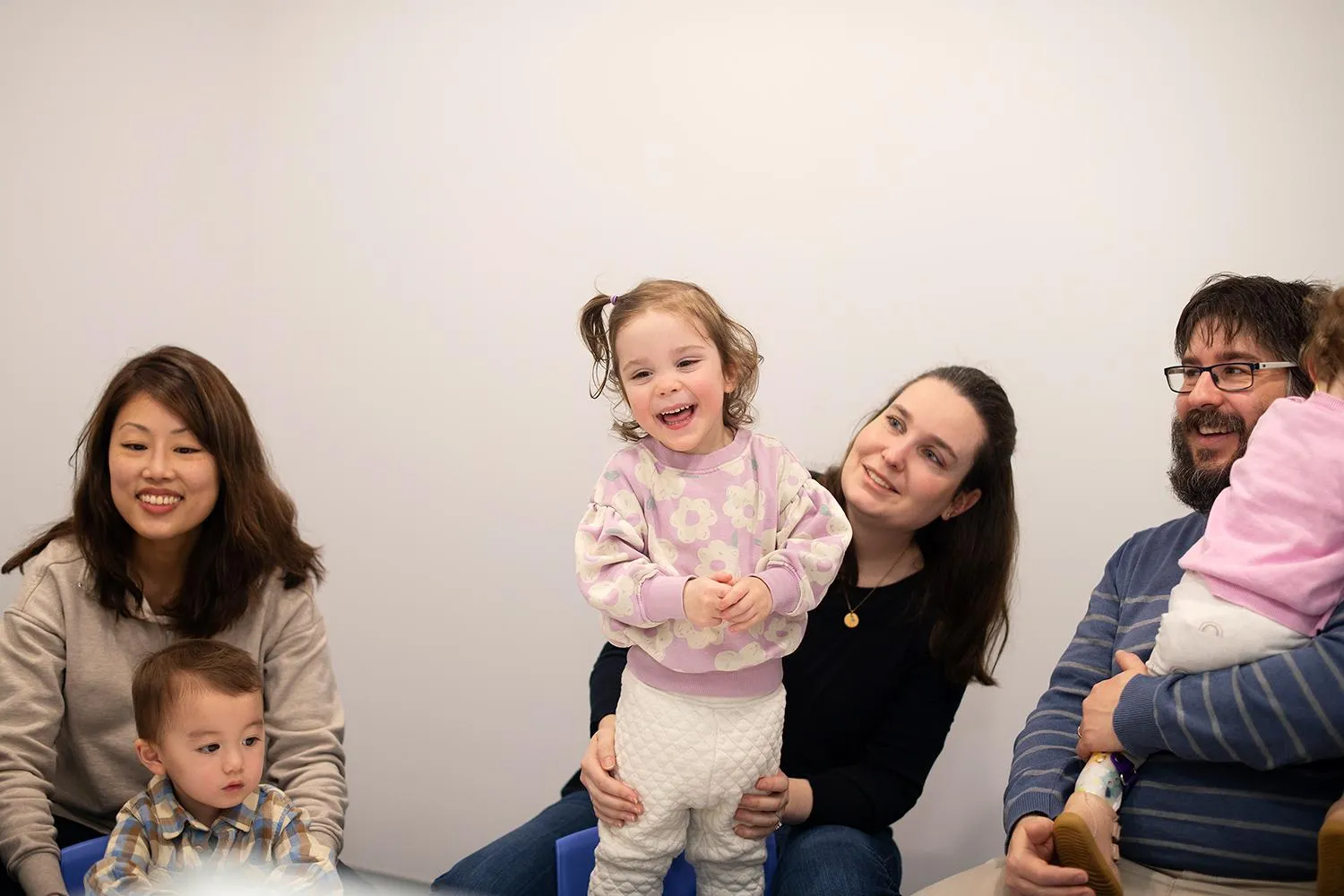
Image by Shichida Australia: Toddlers and parents laughing together during Shichida toddler class – sharing a joyful bonding moment through early learning.
Supporting Your Child’s Learning with Shichida Australia
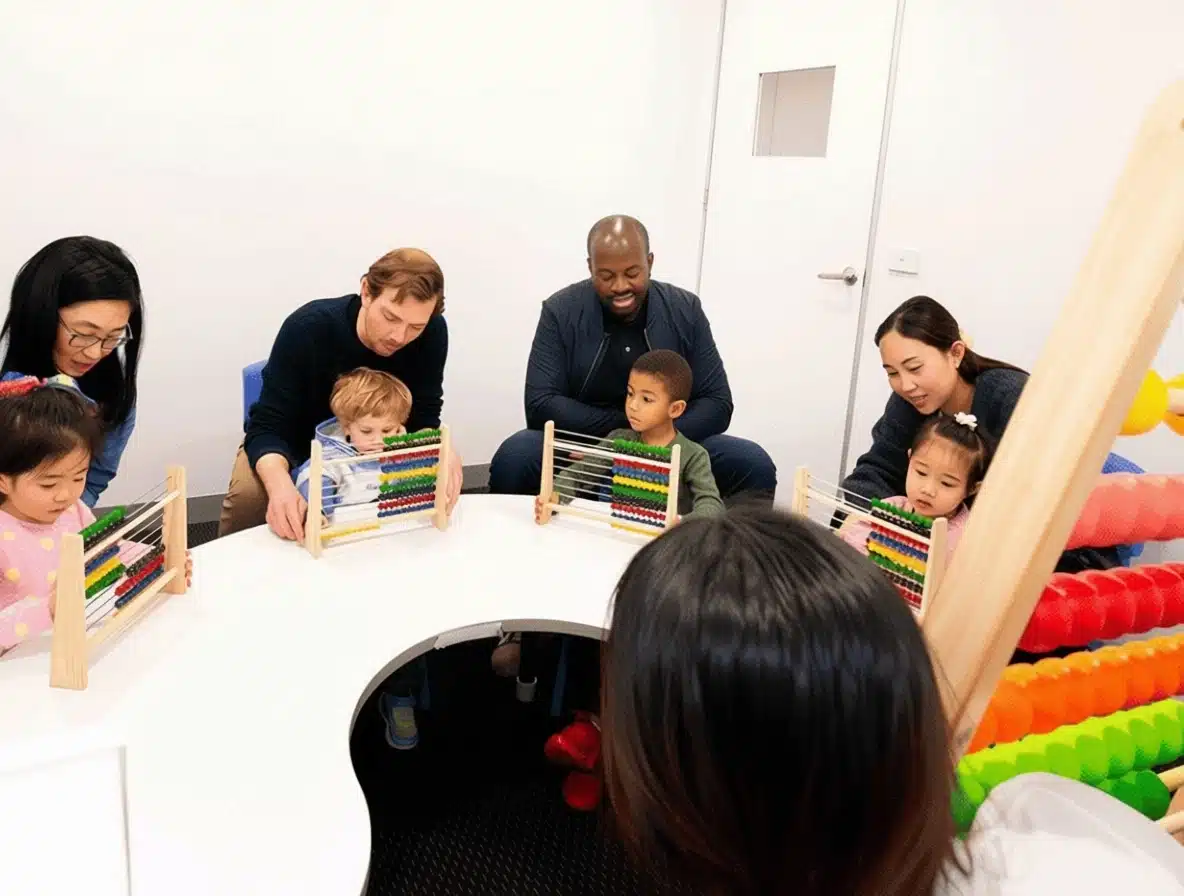
Image by Shichida Australia: Preschoolers counting on mini abacuses with their parents while copying the teacher’s oversized abacus – building early numeracy skills.
While many homeschooling resources in Australia focus on school-aged children, early learning can begin much sooner. Babies, toddlers, and preschoolers are already building the foundations for memory, focus, language, confidence, creativity, problem-solving, and learning readiness.
Shichida Australia’s programs are designed to complement home learning through sensory-rich, whole-brain experiences for children from birth to age five. Classes give children structured, age-appropriate learning opportunities while also giving parents ideas they can continue using at home.
For families seeking early learning support, preschool enrichment, or a meaningful addition to an existing home learning routine, Shichida offers programs across Australia designed specifically for young learners.
Ready to see how Shichida can support your child’s early learning? Find a Shichida centre near you and book a trial class.
Experience Shichida Today
Help your child build strong fine motor skills with Shichida Australia’s hands-on, fun brain-boosting activities! Our gentle approach supports coordination, confidence, early maths, reading, writing and more!
Book a trial class and see how these strategies come to life!
FAQs About Early Learning Homeschooling Resources Australia
Yes. Homeschooling is legal in every Australian state and territory, although registration requirements vary depending on where you live.
Registration is generally required once a child reaches compulsory school age, which is typically around six years old. Requirements vary by state and territory, so always check your local authority.
Yes. Preschool-aged children generally do not require homeschool registration. At this age, home learning should be flexible, play-based, and focused on language, movement, sensory play, curiosity, and confidence.
The best resources depend on your child’s age. For babies, toddlers, and preschoolers, useful resources include picture books, nursery rhymes, sensory play, puzzles, music, movement, early numeracy games, and structured early learning programs such as Shichida. For older children, government resources, curriculum-aligned programs, online platforms, libraries, museums, and homeschool networks can also be helpful.
Requirements differ between states and territories. Many families use the Australian Curriculum as a guide, especially for school-aged children, but preschool home learning is usually much more flexible.
Most primary-aged students complete around two to four hours of focused learning daily. Preschoolers generally need much less structured time, often around 60 to 90 minutes spread across the day through play, reading, music, movement, and simple learning activities.
Story time, sensory play, music, outdoor exploration, simple cooking, counting games, art, puzzles, sorting activities, and language games are excellent options for 3-year-olds.
Read aloud daily, talk often, sing nursery rhymes, play rhyming games, use phonics-based resources when age-appropriate, and create a language-rich home environment through conversation and storytelling.
Children can socialise through homeschool co-ops, sports, community groups, libraries, music lessons, family networks, playgrounds, and structured learning programs.
Yes. Many parents use homeschooling resources before school age to support early learning at home. For children aged 0–5, the focus should be on play, language, movement, sensory experiences, memory, confidence, and connection rather than formal academics.
The best homeschooling resources for preschoolers are hands-on and play-based. Picture books, songs, sensory play, puzzles, matching games, early counting activities, drawing, movement games, and nature walks can all support early development.
Yes. Shichida can complement homeschooling and home learning by giving children structured, age-appropriate learning experiences outside the home. Shichida classes support memory, concentration, language, creativity, sensory awareness, confidence, and parent-child connection.
Yes. Shichida is especially suited to families with babies, toddlers, and preschoolers who want to support learning before school starts. It can work alongside a home learning routine by giving parents extra guidance and giving children rich, engaging learning experiences.
Start with simple routines such as reading together, singing songs, naming objects, counting everyday items, playing with textures, drawing, building with blocks, and talking through daily activities. Toddlers learn best through repetition, movement, play, and connection.