Why Image Training is Important for Children
Image training is the ability to create and recall mental images in the mind.
Children naturally possess strong imagination and visualisation abilities during early childhood. Through structured image training, these abilities can be developed and strengthened.
Strong visualisation skills support:
- Creativity and imagination
- Concentration and focus
- Memory and recall
- Problem-solving ability
- Learning and comprehension
Image training is an important part of right brain education and whole-brain development.

What Image Training Skills Will Your Child Develop With Shichida
Visualisation and Mental Imagery
Your child develops visualisation skills by learning to create, manipulate and recall mental images.
These skills support learning, memory and creative thinking.
Creativity and Imagination Development
Image training encourages children to use their imagination, supporting creativity and flexible thinking.
Strong imagination helps children explore ideas, solve problems and express themselves confidently.
Concentration and Focus
Children learn to maintain concentration while engaging with visualisation exercises and image training activities.
These skills support learning both inside and outside the classroom, including language and numeracy skills.
Why many children progress faster
Why Many Children Benefit from the Shichida Image Training Method
We focus on developing a child’s ability to think, imagine and visualise, not simply memorise information.
| Traditional Learning | Shichida Method |
|---|---|
| Focus on memorisation | Develops visualisation and image-based thinking |
| Limited imagination exercises | Structured image training and visualisation activities |
| Passive learning | Active imagination and mental imagery practice |
| Focus on academic outcomes only | Supports creativity, concentration, and whole-brain development |
The Shichida Method incorporates image training, visualisation exercises and right brain development activities to help children build stronger learning foundations.
See What Parents Are Saying About Shichida

What Happens in a Shichida Class

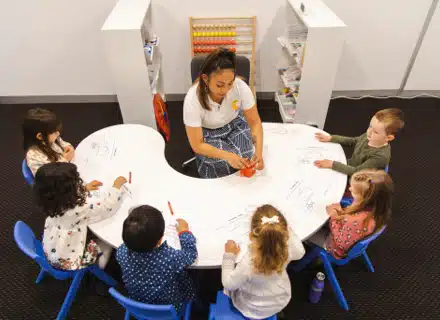
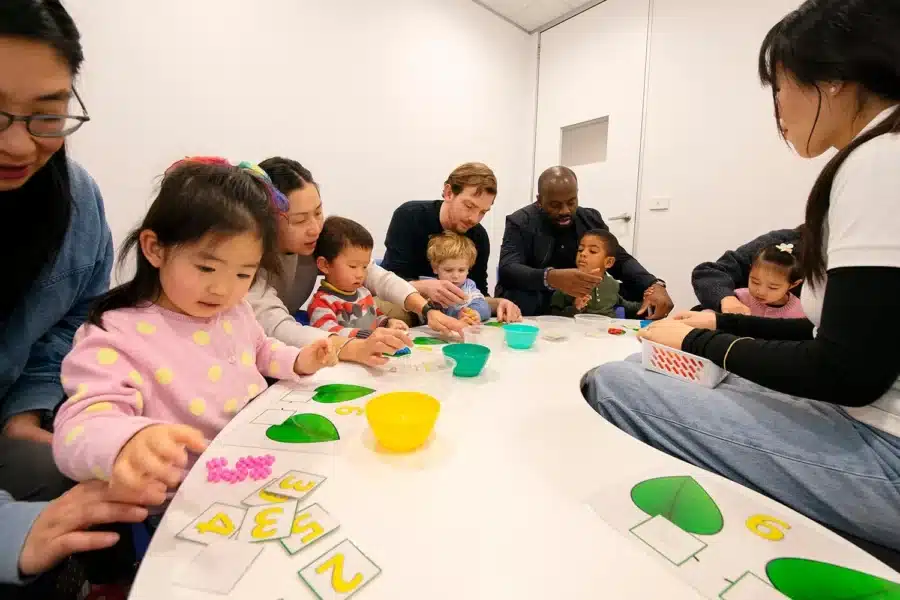
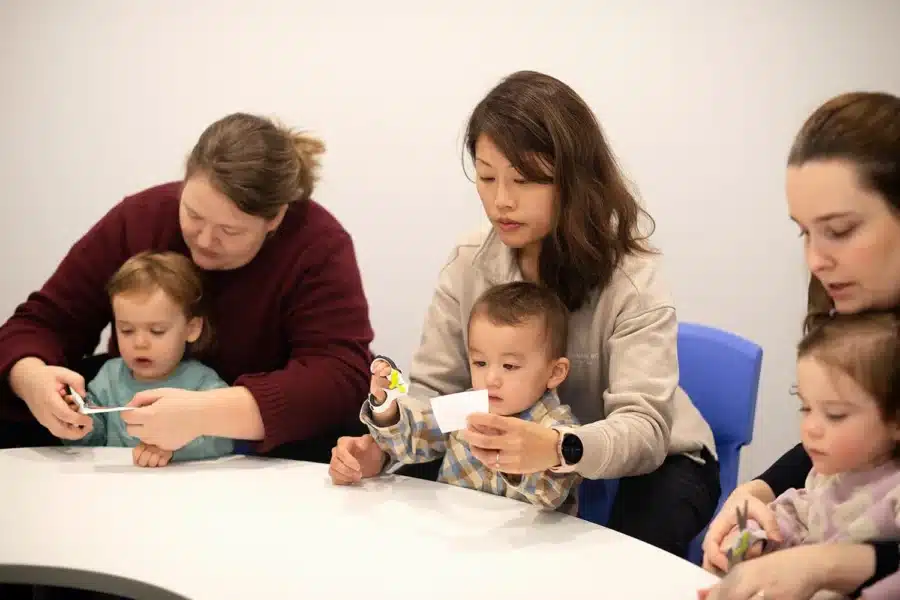
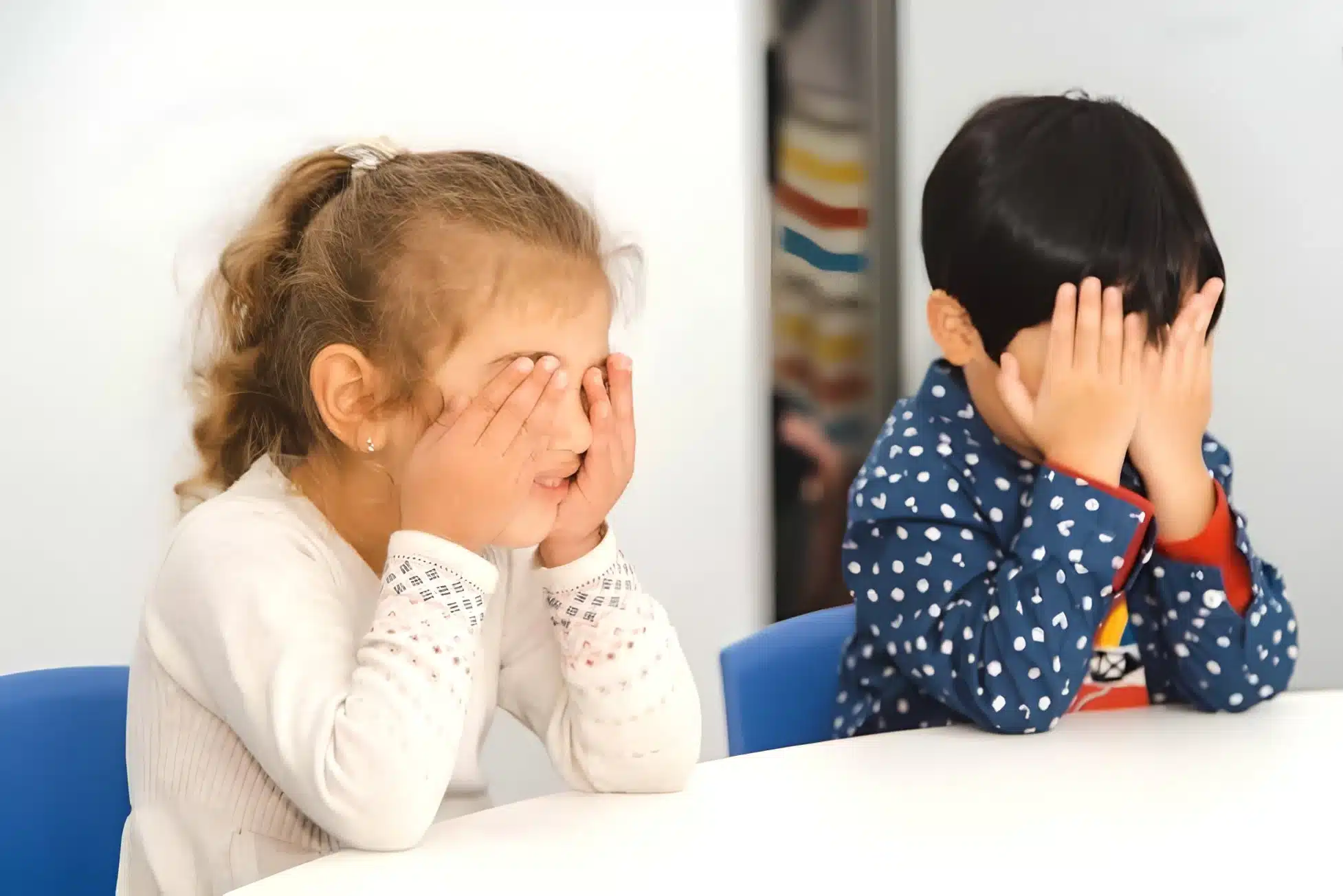
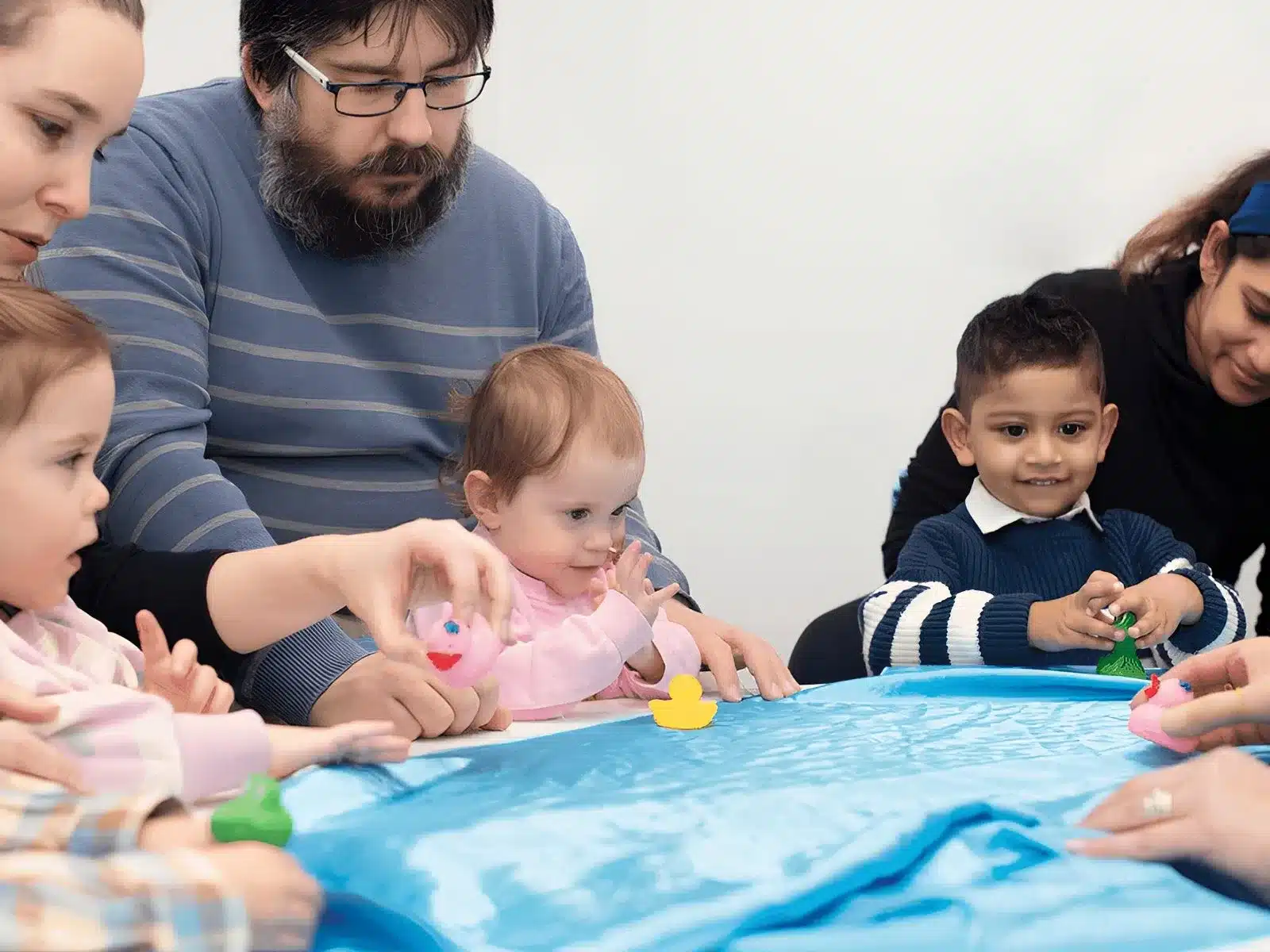
Each 50-minute early learning class includes activities designed to develop visualisation skills, concentration and imagination through engaging right brain training exercises.
Your child may experience:
- Visualisation exercises
- Image training activities
- Imagination and creativity exercises
- Concentration activities
- Parent-child interaction
- High-speed flashcards
These early learning activities work together to support creativity, mental imagery and learning ability.
See How Your Child Responds in Their First Class
See how your child responds in their very first class
Your trial class includes:
- A full 50-minute session
- A real classroom environment
- Guidance from a trained instructor
- Opportunity to observe your child’s response
✔ No experience needed
✔ Parent attends with child
✔ No pressure to enrol
What Is Image Training For Kids?
Image training is the practice of developing the ability to create, recall and manipulate mental images.
The Shichida Method uses image training as part of its right brain education approach, helping children strengthen:
- Visualisation ability
- Mental imagery
- Creativity
- Concentration
- Memory and recall
- Mental math skills
These skills support both learning and personal development.
How to Support Visualisation Skills at Home
Encourage Imaginative Play
Pretend play and storytelling help children develop imagination and visualisation skills.
Use Guided Visualisation Activities
Simple visualisation exercises encourage children to create and manipulate mental images.
Create Opportunities for Creative Thinking
Drawing, storytelling and creative activities help strengthen imagination and image thinking.
When Should Children Begin Image Training?
Children naturally use visualisation and imagination from an early age.
The early years provide the ideal opportunity to develop image training skills, creativity and concentration through structured early learning activities.
FAQs About Image Training For Kids
This involves using pretend play, imagery and breathing activities to help children focus their imagination. Over time, this serves to enhance a child’s creativity and visualisation skills.
Ultimately, it encourages children to consider the five senses of sound, sight, smell, taste, and touch. Children are prompted to explore how these senses relate to their imagination. It also helps children discover the role that our imagination plays in navigating life and relating to other people.
Teaching children to better understand and harness the power of their imagination enables them to visualise the future they desire, engage in positive creative behaviours, and display innovative thinking.
Furthermore, this type of training also links with better mental health across our lifetimes as our imagination offers a vital escape from the challenges of reality. Through imagination, we frequently access feelings of hopefulness, essential for balancing other negative emotions.
Imagination itself plays a huge role in a child’s development of social skills, emotional balance, creativity, language, and cognitive development. Additionally, image training further supports these key developmental areas by encouraging attributes such as confidence, empathy, creativity, creative writing, and problem-solving.
Consequently, image training can also support your child in learning to calm themselves when overwhelmed and focus their thoughts. This is yet another way image training can facilitate better mental health and coping strategies in children.
At Shichida, we tailor our kid’s image training activities to meet the child’s age and consider their learning style. Activities include visualisation, drawing, writing, engaging in pretend play with toys or other objects, storytelling, asking open-ended questions, and more.
Primarily, we design each image training activity to be fun and engaging for students of all ages.
Children from as young as six months can benefit from engaging in image training. At Shichida, we work with children from six months to nine years of age. Consequently, we ensure that all training is age-appropriate.
For younger children
We primarily conduct the training through pretend play. Examples are pretend tea parties or engaging in pretend baking and eating cookies.
Image training for babies and very young kids is a valuable tool for stimulating early development. Through playful activities and engaging exercises, babies begin to explore their senses, sparking their imagination. As they grow, image training nurtures cognitive growth, encouraging problem-solving skills and creativity. Additionally, this early exposure to imaginative play fosters emotional intelligence and social interactions, laying a strong foundation for future learning. In essence, image training provides a fun and effective way to kickstart a child’s journey of discovery and learning.
For older children
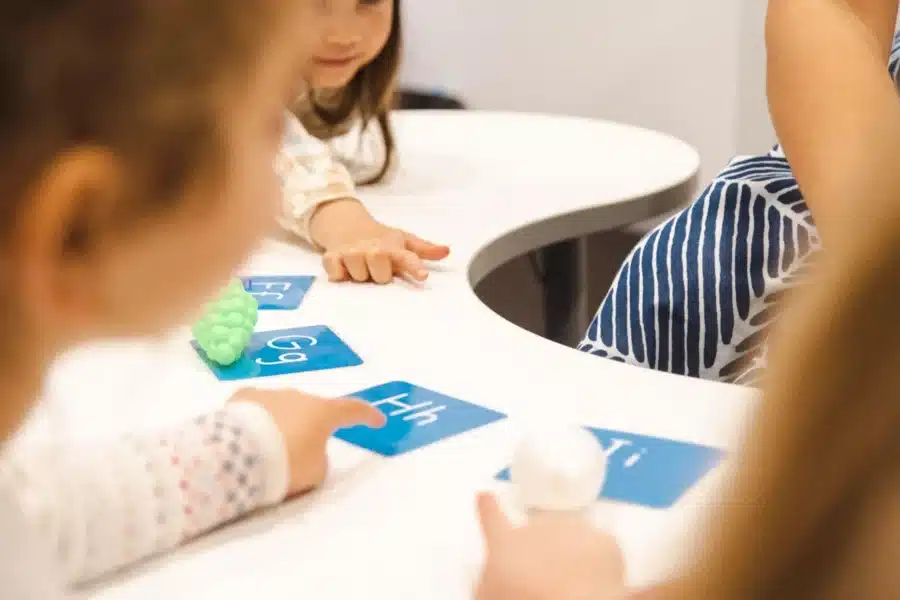
We utilise printed images. The children are encouraged to create stories related to the images or to visualise themselves in given scenarios.
Through interactive and imaginative activities, children develop their creative thinking and problem-solving abilities. By engaging in pretend play and visualisation exercises, kids explore their senses and emotions, fostering empathy and social skills. Moreover, this training encourages clear goal-setting and enhances their ability to focus and concentrate.
Strong visualisation skills support memory, creativity, comprehension and problem-solving.
The Shichida Method combines image training, right brain education, imagination and visualisation exercises to support whole brain development.
Book a Trial Class
Give Your Child a Strong Foundation for Creativity and Learning
Develop visualisation skills, imagination and concentration through structured image training activities with Shichida’s baby, toddler and preschool early learning classes!