Key Points
- Guided play blends child-led exploration with adult support.
- It is a balance between free play and direct instruction.
- Research shows guided play improves language, math, and problem-solving skills.
- Adult scaffolding helps children focus on learning goals while staying engaged.
- Guided play supports cognitive, social, and emotional development.
Early childhood is a critical time for learning, yet the most effective approaches aren’t always what they seem. Guided play is one of these powerful strategies. It blends the joy of child-led exploration with subtle adult support, helping children develop essential cognitive, social, and emotional skills. If you want to nurture curiosity, creativity, and early academic foundations in your child, guided play offers a practical and research-backed approach.
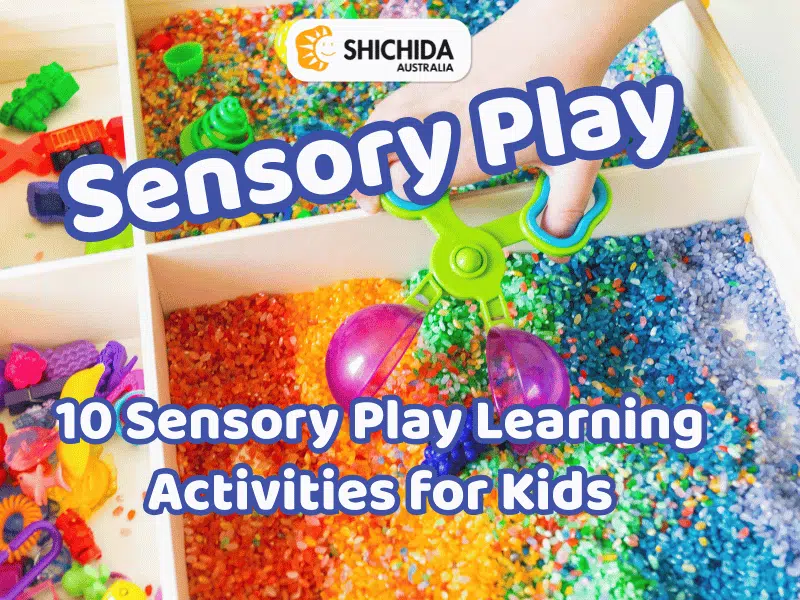
Sensory play can help nurture resilience and development. Download a free sensory play guide here.
If your child enjoys these types of activities, a Shichida trial class is a great way to see how structured play can support coordination, focus, memory and early learning confidence.
Book a trial class or contact us to find your nearest centre.
What Is Guided Play?
Guided play is a learning approach where children lead the activity while adults provide subtle support to encourage discovery and growth. It balances child autonomy letting your child choose how they explore with adult scaffolding, where you guide learning through questions, prompts, or thoughtful environmental setups.
This approach sits between free play and direct instruction, combining the engagement of play with intentional learning goals. As a parent, you guide without taking over. You might:
- Ask open-ended questions to encourage thinking
- Introduce materials that promote exploration
- Arrange the environment to encourage problem-solving or creativity
Research shows guided play is increasingly recognised in early childhood education for its ability to integrate joyful exploration with structured learning objectives, giving children both freedom and direction.

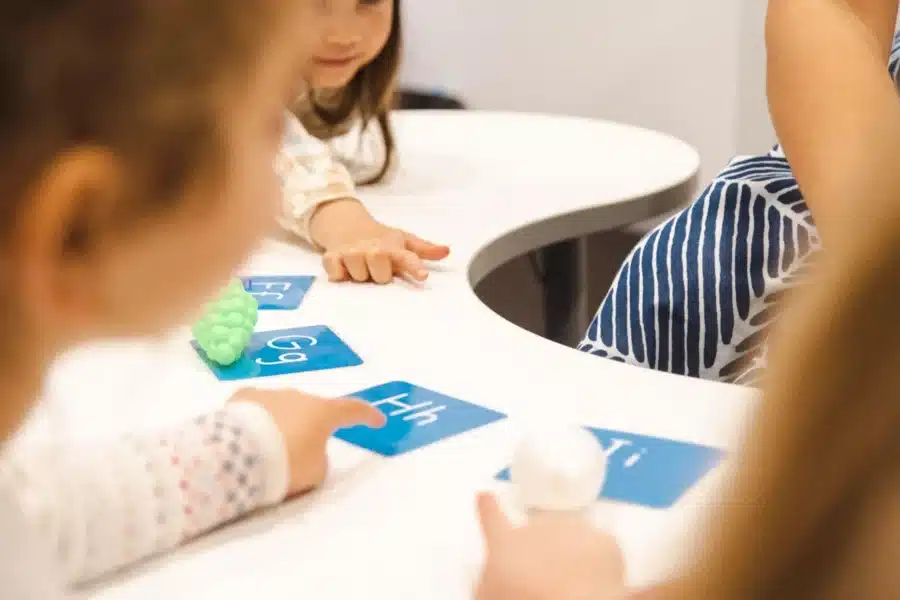
Image by Shichida Australia: Shichida classes are designed for children aged 6 months to 5 years, with 50-minute sessions held once a week – making it easy for families to enjoy consistent, meaningful learning together.
Key Characteristics of Guided Play
- Adult scaffolding and prompts: Parents or educators subtly guide learning through play based activities.
- Structured play environments: Materials and settings are arranged with purpose.
- Exploration and discovery: Children engage with hands-on, curiosity-driven activities.
- Goal-oriented learning: Play experiences are designed to meet developmental or academic goals.

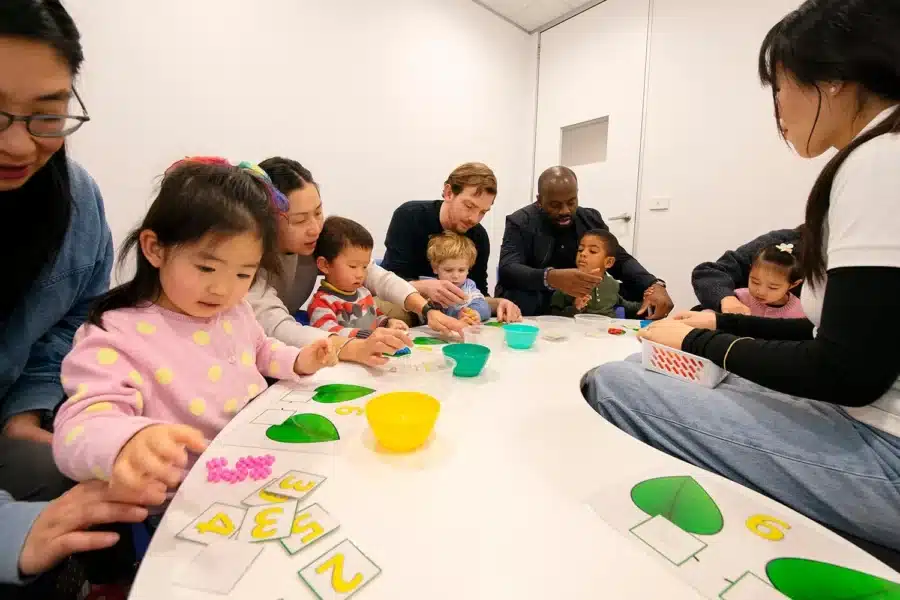
Image by Shichida Australia: Want to see guided play in action? This is exactly what we specialise in at Shichida – helping children learn through structured, engaging activities alongside their parents. Book a trial and experience guided play at its best!
The Science Behind Guided Play
Decades of research support guided play as an effective method for early learning. Neuroscience shows that children learn best through experiences that are active, emotionally engaging, and meaningful. Guided play achieves this by combining curiosity-driven exploration with subtle guidance.
Benefits of guided play include:
- Brain development: Playful, meaningful engagement stimulates neural connections.
- Cognitive flexibility: Children learn to think creatively, adapt strategies, and solve problems.
- Curiosity-driven learning: Children develop intrinsic motivation to explore and understand the world.
- Memory retention: Active engagement enhances long-term recall of concepts.
Studies suggest guided play can outperform free play alone for skill development and, in some cases, exceeds direct instruction in teaching conceptual knowledge. The brain thrives when learning is joyful, interactive, and relevant, and guided play provides precisely this environment.
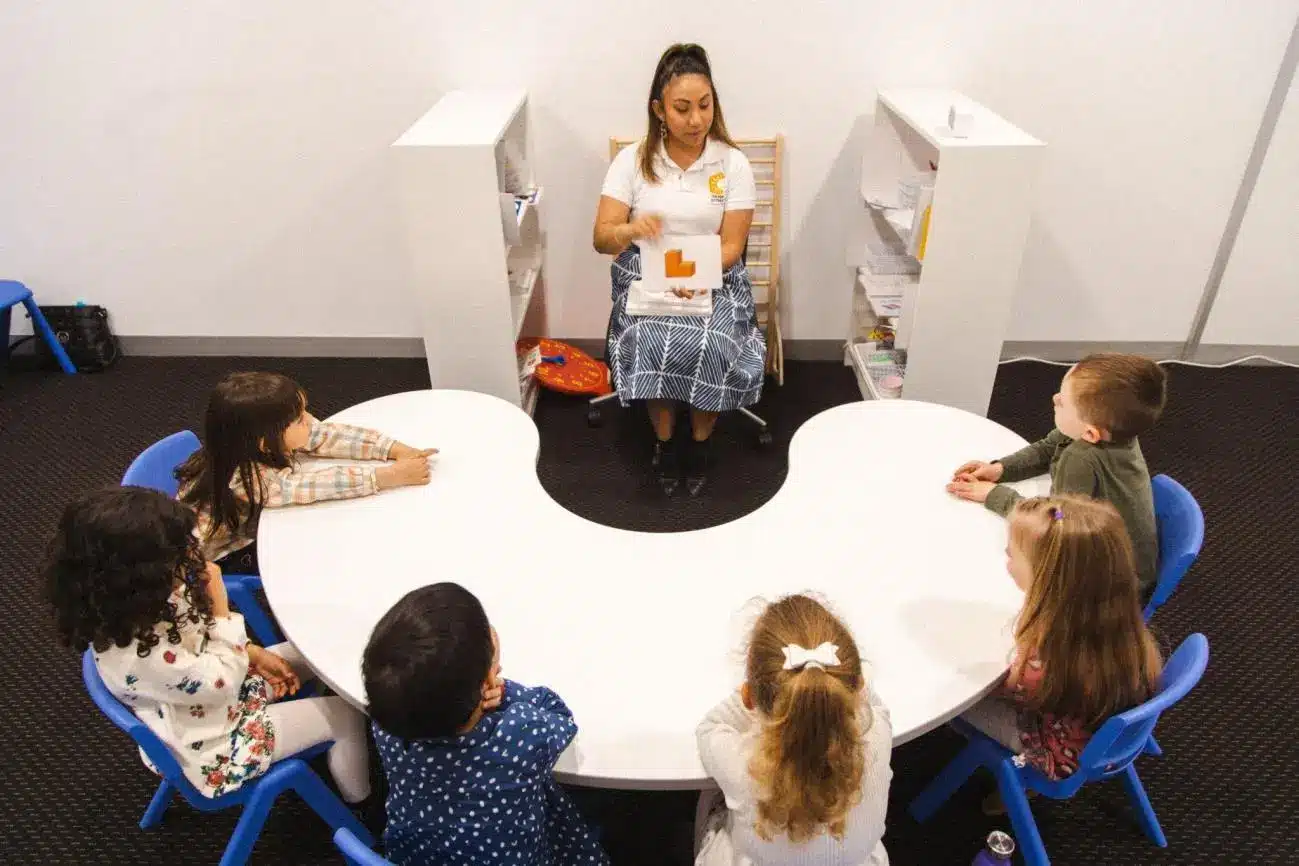
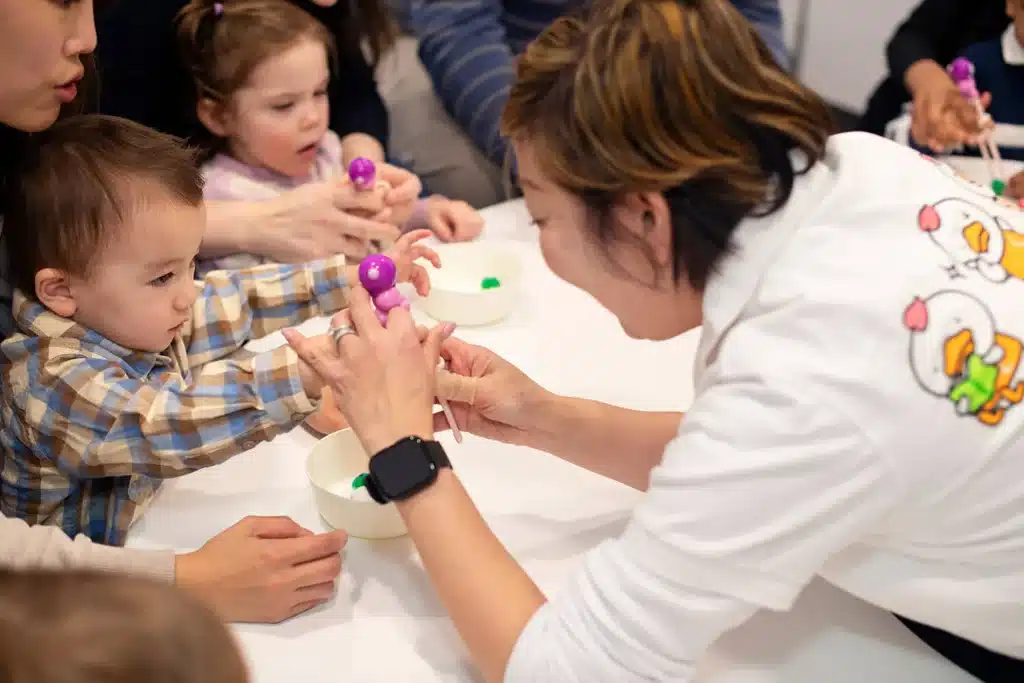
Image by Shichida Australia: See what kids learn at Shichida classes.
Brain Development and Learning Through Play
Every playful experience strengthens neural pathways, reinforcing learning and encouraging active engagement. When children manipulate objects, test ideas, or role-play, their brains build connections that support language, reasoning, and problem-solving skills.
These experiences also support key developmental milestones, helping children progress in areas such as coordination, communication, and early thinking skills.
Why Guidance Improves Learning Outcomes
Adults enhance learning by subtly focusing attention on important concepts without stifling exploration. Prompting with questions, offering new materials, or arranging the environment helps children notice patterns, make predictions, and reflect on their actions, all while maintaining independence and curiosity.
Learning tools that retain engagement can also be introduced at the right moments to reinforce concepts through play – such as songs, flashcards, and hands-on activities that capture attention while supporting understanding.
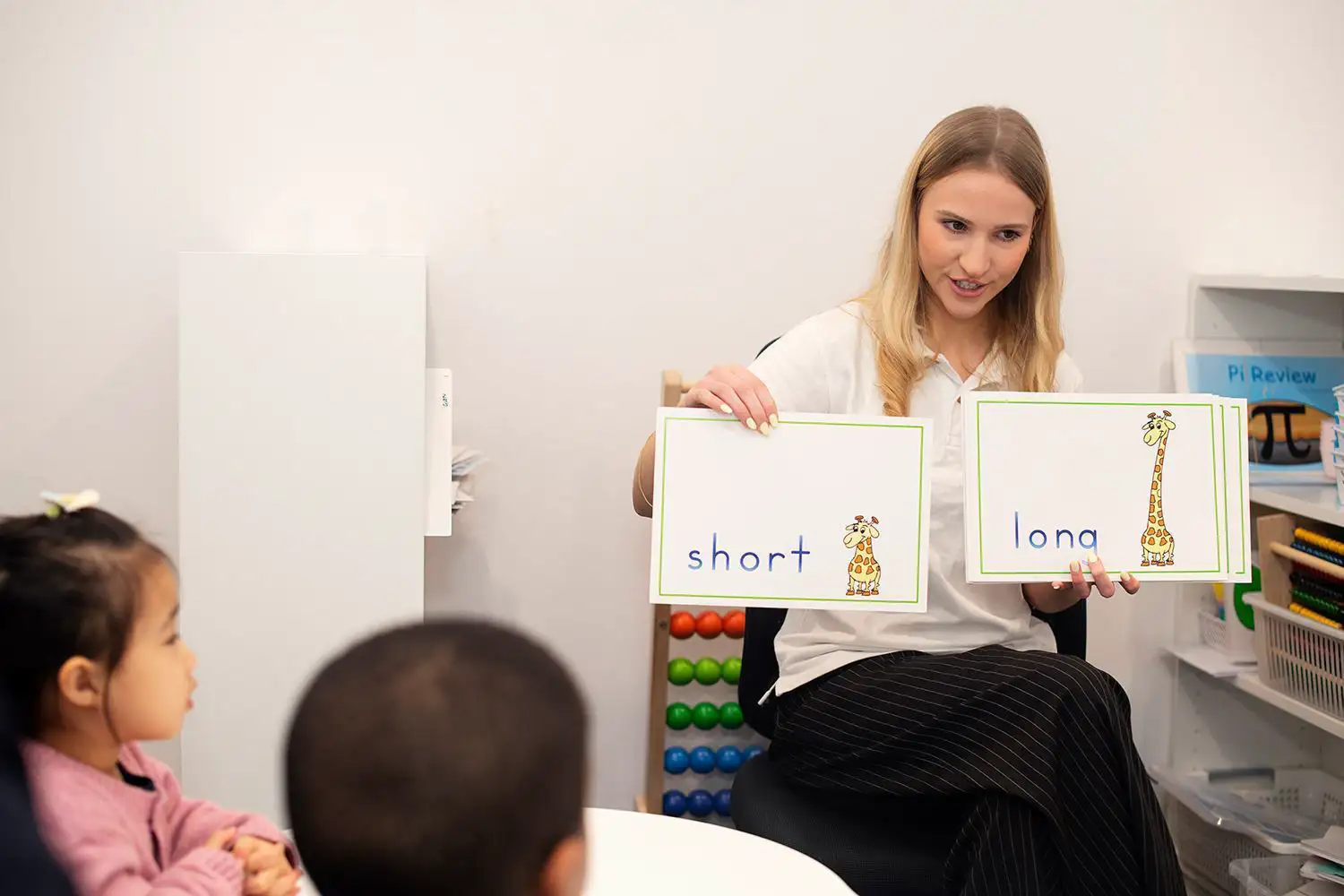
Image by Shichida Australia
Guided Play vs Free Play vs Direct Instruction
Understanding how guided play compares to other approaches can clarify why it’s so effective.
| Approach | Adult Role | Child Role | Strengths | Limitations |
|---|---|---|---|---|
| Free Play | Minimal involvement | Explores freely | High creativity, intrinsic motivation | Learning may be less structured |
| Guided Play | Subtle guidance, prompts | Leads exploration | Balances engagement and learning | Requires planning and awareness |
| Direct Instruction | Leads learning, sets outcomes | Follows instructions | Efficient for specific knowledge | Less child autonomy, may reduce motivation |
Free Play
In free play, children explore without adult direction. This promotes imagination, self-expression, and problem-solving but may lack focus on specific learning outcomes.
Guided Play
Guided play balances adult input with a child’s natural curiosity through play. Adults provide cues and structure while children explore the offered content or concepts, ensuring learning is meaningful and enjoyable.
This is where Shichida Australia stands out – our guided, learn-through-play classes are designed to achieve meaningful outcomes, all through fun and engaging activities.
Direct Instruction
Direct instruction involves structured, teacher-led lessons with predetermined outcomes. While efficient for delivering specific content, it can reduce creativity, motivation, and active problem-solving.
Benefits of Guided Play for Child Development
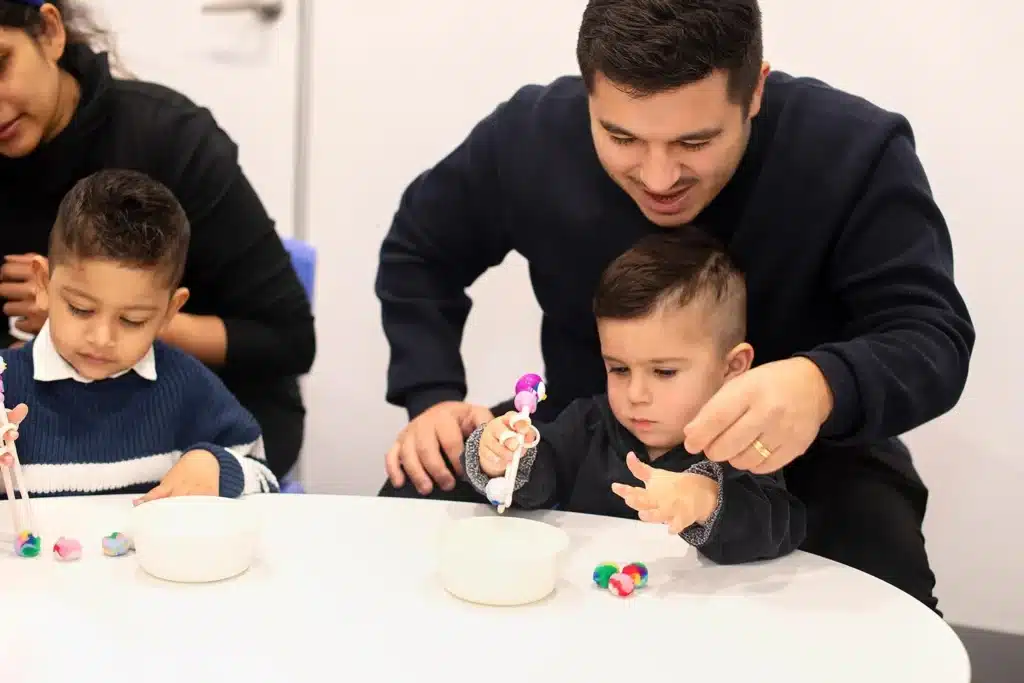
Image by Shichida Australia: Through guided play, children develop language skills and creativity while enjoying meaningful interactions with adults.
Guided play supports multiple domains of development. It promotes cognitive growth, strengthens social and emotional skills, and lays foundations for academic learning.
Research shows guided play helps children:
- Expand vocabulary
- Understand early math concepts
- Develop spatial reasoning
- Build executive function skills like planning, focus, and self-control
- Improves parent-child bonding
Because learning occurs through enjoyable activities, children stay engaged and retain information longer.
Cognitive and Academic Development
Through guided play, children practice problem-solving, reasoning, early numeracy, and language development. Activities are designed to gently introduce new concepts while allowing children to experiment and discover through play.
Social and Emotional Skills
Guided play encourages collaboration, communication, empathy, and emotional awareness. When children share materials, take learning risks or explain ideas, they develop important interpersonal skills.
Creativity and Curiosity
By exploring ideas without rigid constraints, children enhance imagination and creative thinking. Guided play provides a safe space for experimentation, promoting lifelong curiosity and innovation.
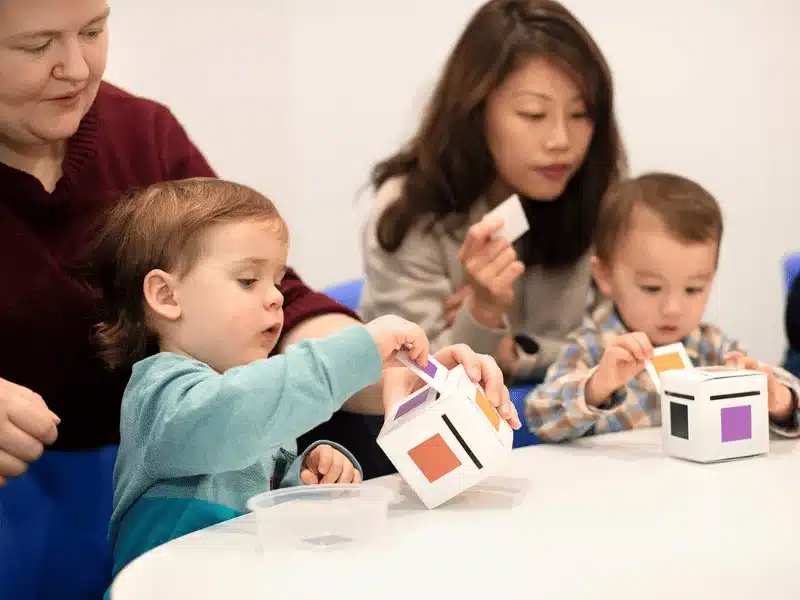
Image by Shichida Australia: Colour matching games are a great example of a way to spend quality time together while helping young children learn important concepts through play.
Examples of Guided Play Activities
Guided play can be implemented at home or in early learning settings using everyday materials. Adults support the learning by asking questions, introducing prompts, and setting up environments that spark curiosity.
Guided Play for Language Development
- Storytelling: Encourage children to create their own endings
- Pretend play: Role-playing scenarios with friends or family
- Shared reading: Asking open-ended questions about the story
- Vocabulary exploration: Introduce new words in meaningful contexts
Guided Play for Math and Logic
- Sorting games: Categorising objects by size, shape, or colour
- Counting activities: Using everyday items like blocks or toys
- Block building: Exploring symmetry, balance, and patterns
- Pattern recognition: Sequencing and predicting outcomes
Guided Play for Science Exploration
- Nature observation: Collect leaves or rocks and discuss differences
- Simple experiments: Mixing water and sand or exploring magnets
- Cause-and-effect play: Building ramps or marble runs
- Water or sand exploration: Encouraging problem-solving through tactile investigation
How Parents Can Use Guided Play at Home
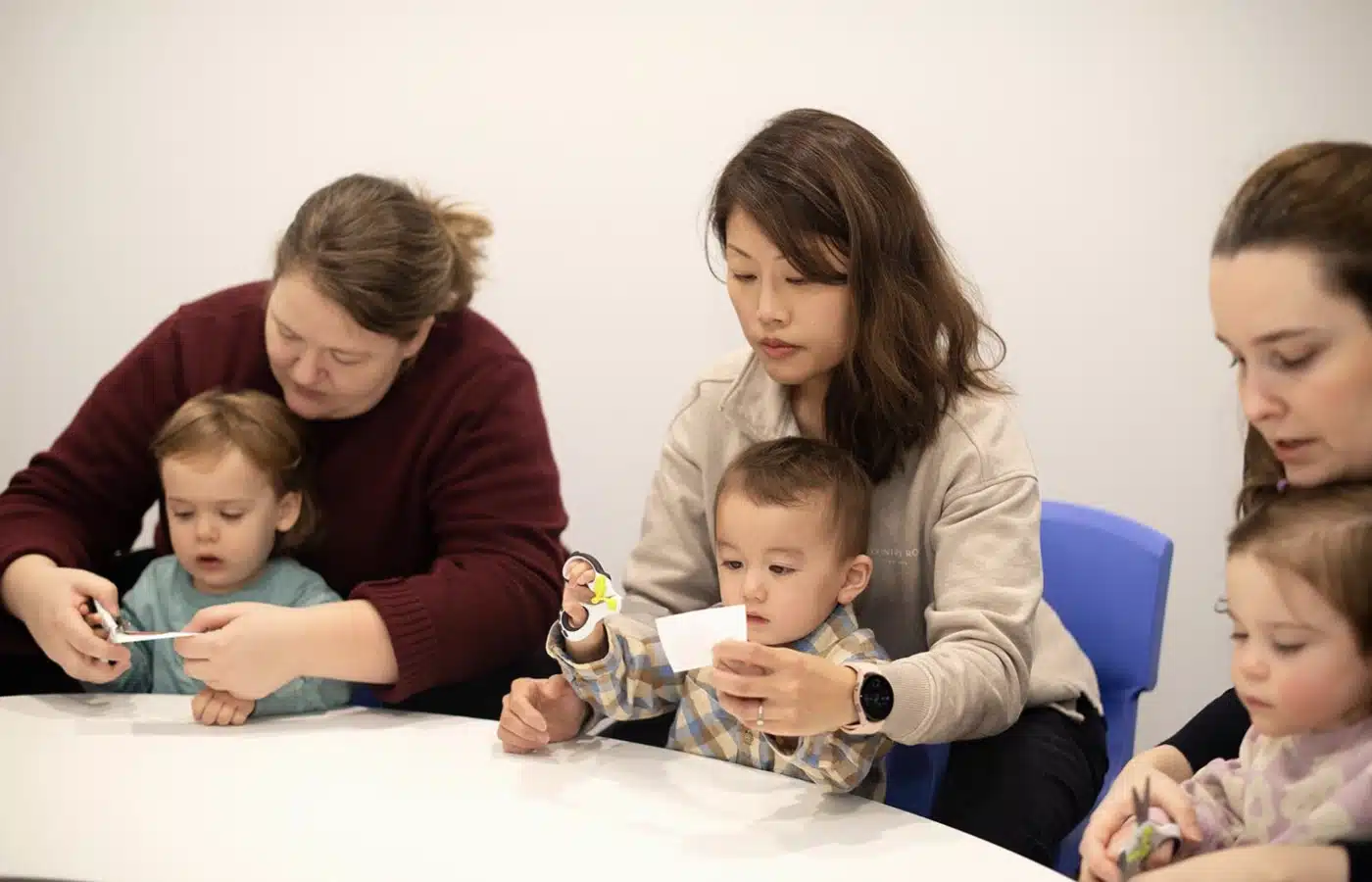
Image by Shichida Australia: Guided play helps children learn problem-solving skills in a playful, curiosity-driven environment. Here toddlers are practising cutting during a Shichida toddler class.
Parents can integrate guided play into daily routines by observing their child’s interests and offering supportive prompts.
Practical steps include:
- Watch your child and notice what engages them naturally
- Ask open-ended questions to encourage thinking
- Provide materials that encourage curiosity
- Allow your child to explore independently while offering subtle guidance
- Introduce game or activity ideas that teach skills or concepts in fun ways
Setting Up a Guided Play Environment
- Provide open-ended toys like blocks, art supplies, or role-play props
- Include sensory materials such as sand, water, or textured objects
- Create creative spaces with enough room for movement and experimentation
- Arrange the environment so exploration naturally leads to learning concepts
- Use flashcards and songs to teach concepts in a fun way
These strategies ensure that guided play remains both enjoyable and educational.
Experience Guided Play at Its Best with Shichida
Develop curiosity, confidence, and a love for learning through guided play at Shichida Australia. Watch your child engage in purposeful, fun-filled activities that build language, problem-solving, and thinking skills – all in a way that feels natural and enjoyable.
With simple, effective techniques you can carry into everyday moments at home, learning doesn’t stop in the classroom!
See the difference for yourself – book a Shichida trial class today and experience guided play in action.
FAQ’s: Guided Play in Early Childhood
Guided play is a learning approach where children lead exploration while adults provide subtle guidance to promote learning outcomes.
Unlike free play, guided play includes intentional adult support to help children focus on key concepts.
It combines engagement, enjoyment, and educational structure, improving cognitive, social, and emotional development.
Guided play can be adapted for children from infancy through early primary years, particularly in preschool and early childhood settings.
Observe your child, ask open-ended questions, provide materials that spark curiosity, and let them explore while subtly offering resources or guidance at the right times.
Storytelling, sorting games, singing songs with actions, block building, creating patterns with stringing beads, water or sand play, and simple science experiments.
Yes, it supports language, numeracy, problem-solving, and reasoning skills.
Teachers use guided play by setting up engaging activities, offering prompts, and gently guiding children’s exploration. At Shichida Australia, we specialise in this approach – guiding both children and parents during class so families can confidently continue these strategies at home.