Key Points
- Curiosity is a powerful driver of learning.
- Curious children naturally explore, ask questions, and experiment.
- Parents can nurture curiosity through everyday interactions and encouraging curiosity building activities.
- Curiosity flourishes in environments that support discovery and learning from mistakes.
- Encouraging curiosity helps develop creativity, resilience, and lifelong learning habits.
When a child is curious, they’re not just paying attention. They’re thinking, exploring, and making connections that stick. And the best part? You don’t have to create curiosity from scratch. It’s already there, waiting to be supported in the small, everyday moments you share together.

Why Curiosity Is Important for Child Development
Curiosity plays a central role in how children learn. It pushes them to explore, experiment, and discover new ideas. When your child is curious, they are not just passively receiving information. They are actively trying to understand it.
Think about a child asking endless questions about how rain forms or why the sky changes colour. That curiosity keeps them engaged longer and helps them absorb information more deeply. Research has shown that curious children tend to perform better academically, especially in reading comprehension and maths, because they are more motivated to learn.
Curiosity also activates the brain’s learning systems. When children are interested in something, their brains become more receptive to new information. This leads to better memory retention and stronger understanding.
You’ll often see curiosity in everyday situations:
- A toddler experimenting with stacking blocks
- A child opening and closing objects to see how they work
- Asking “what happens if…” during play
These moments are not distractions. They are learning in its most natural form.
This is exactly what we focus on in a Shichida class – curious yourself on how this looks in real life when applied through guided play? Book a Shichida trial class and find out!
What Makes a Child Curious?
Curiosity comes from a mix of internal and external factors.
Some children are naturally more curious due to their personality, temperament, or interest in new experiences. They may be more drawn to exploring unfamiliar things or asking questions.
But the environment matters just as much. Children become more curious when they:
- Feel safe to explore
- Have supportive adults who encourage questions
- Are exposed to new experiences and ideas
Curiosity often appears when a child encounters something unfamiliar or surprising. A new place, a different sound, or even a simple change in routine can spark questions.
Why Curious Kids Learn Faster
Curiosity helps children learn faster because it changes how they engage with information.
When your child is curious:
- They pay closer attention
- They remember things better
- They think more deeply about what they see
- They are motivated to find answers on their own
Instead of needing to be told what to learn, they begin to guide their own learning. That’s where real understanding begins.
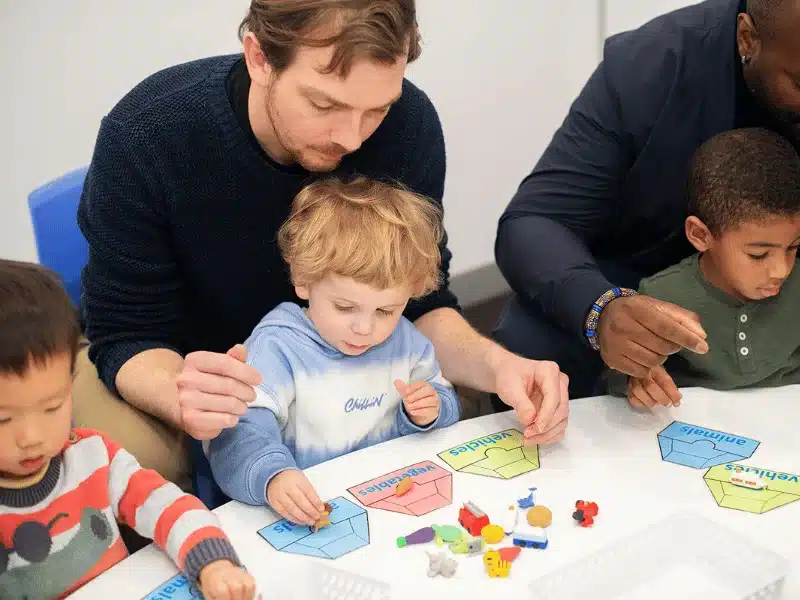
Image by Shichida Australia: Engaging hands-on activities encourage curiosity and the love of learning.
What Does a Curious Child Look Like?
Curious children don’t always sit still or follow a straight path. In fact, curiosity often looks messy, noisy, and unpredictable. It can also look like deep focus, as a child carefully observes or processes something they find interesting.
But there are clear signs you can recognise.
How to Describe a Curious Child
A curious child often:
- Asks frequent “why” and “how” questions
- Explores objects by touching, opening, or testing them
- Experiments with ideas during play
- Uses imagination to create stories or scenarios
- Notices small details others might overlook
- Shows excitement when learning something new
- Accidentally break items as they fidget with it
You might see your child mix colours just to see what happens, or build something and then take it apart again. That’s curiosity at work.
What Children Are Naturally Curious About
Children are naturally drawn to things that feel interesting, mysterious, or new.
Common areas of curiosity include:
- Nature and animals
- Machines and technology
- People and emotions
- Everyday objects and how they work
- Space, weather, and natural events
- Dinosaurs, trains, flags, cars, or aeroplanes
When your child shows interest in these areas, it’s a great opportunity to build on that curiosity rather than redirect it.
How to Explain Curiosity to a Child
Curiosity can feel like a big concept, but you can explain it in a way your child understands.
Simple Definition Kids Can Understand
You might say:
“Curiosity means wanting to learn about something new and asking questions to understand it.”
You can also describe it as a superpower. A curious mind helps them discover new things, solve problems, and learn faster.
Teaching Curiosity Through Questions
One of the easiest ways to build curiosity is by encouraging questions.
When your child asks something, resist the urge to give quick answers every time. Instead, turn it into a conversation:
- “What do you think?”
- “Why do you think that happens?”
- “How could we find out?”
This approach builds confidence and helps your child develop thinking skills, not just knowledge.
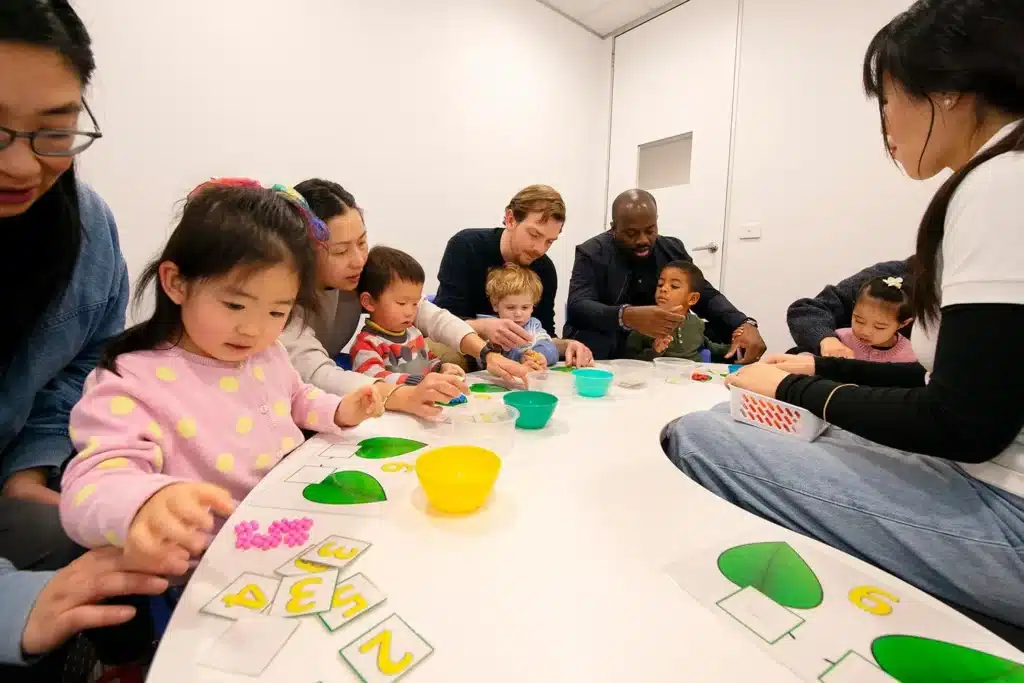
Image by Shichida Australia: Engaging children in curiosity building activities in class encourages observation, experimentation, and problem-solving, turning questions into meaningful discoveries.
How to Raise a Curious Child
Raising a curious child is about how you respond to your child’s natural interest in the world.
Start with these core principles:
- Encourage exploration and hands-on experiences
- Allow mistakes and give your child time to figure things out
- Support independent thinking rather than giving all the answers
- Model curiosity by asking questions and showing interest yourself
- Provide opportunities to discover new ideas, environments, and activities
1. Ask Open-Ended Questions
Open-ended questions encourage deeper thinking.
Instead of asking questions with one correct answer, try:
- “Why do you think that happened?”
- “What do you think will happen next?”
- “How could we find out?”
These types of questions invite your child to think, make predictions, and explore their ideas more deeply.
2. Model Curiosity as a Parent
Children learn by watching you.
When you show curiosity, your child follows. Try:
- Wondering aloud about everyday things
- Asking questions you don’t immediately answer
- Exploring new ideas together
Even simple moments like looking up a fact together can make a difference.
3. Encourage Exploration and Play
Learning through play is one of the most effective ways to build curiosity.
When children have time to explore freely, they:
- Experiment with ideas
- Test what works and what doesn’t
- Discover their interests
Try to allow space in your child’s day for open-ended play, without strict rules or expected outcomes.
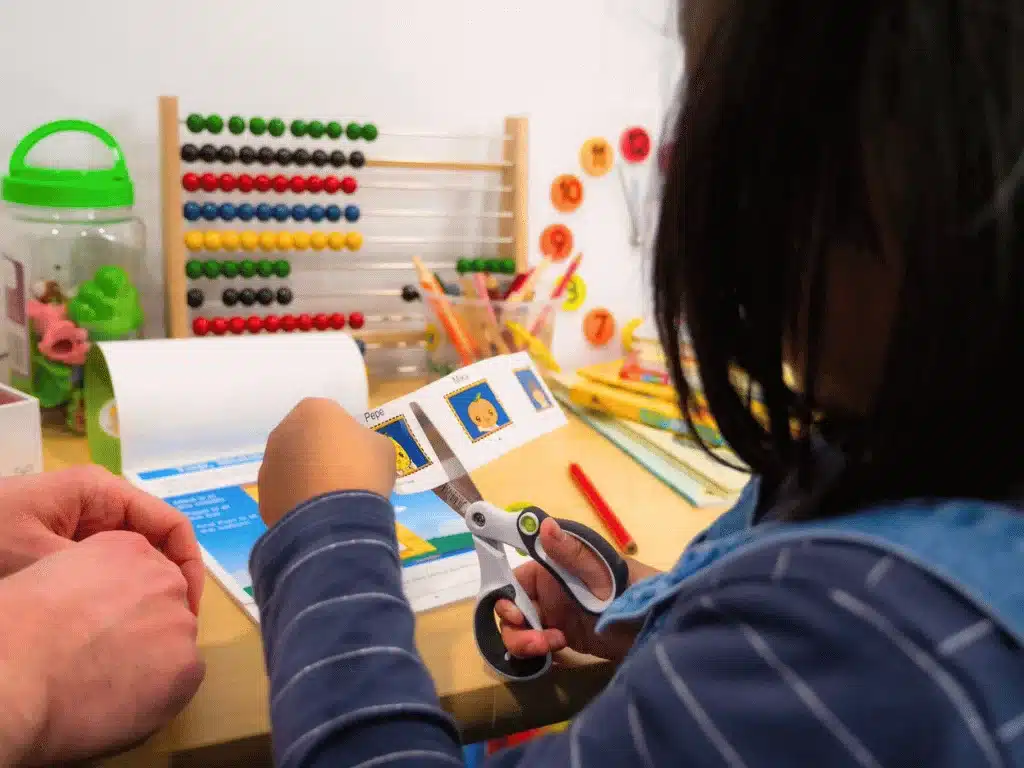
Image by Shichida Australia: When parents actively engage with their child during an activity, the child is more likely to enjoy it. Here, a parent guides their child through a cutting and pasting activity at home, using a SHICHIDA at Home workbook.
25 Curiosity-Building Activities for Kids
You don’t need elaborate setups to encourage curiosity. Simple activities can nurture exploration, problem-solving, and independent thinking.
Here are 25 curiosity encouraging activities you can try at home:
Observation Activities
- Nature walks (notice textures, sounds, and changes in the environment)
- Insect watching
- Cloud observation (ask what shapes they see or how clouds change)
- Bird watching
- Leaf collecting and sorting by size, shape, or colour
Science and Discovery Activities
- Simple science experiments
- Exploring magnets (what sticks and what doesn’t?)
- Building structures with blocks
- Kitchen science experiments (mixing, melting, observing changes)
- Water play experiments (sink or float, pouring, measuring)
Creative Exploration Activities
- Art experiments with different materials
- Story creation (make up endings or new characters)
- Imaginative role play
- Building inventions from recycled items
- Drawing “what if” ideas (e.g. what if animals could talk?)
Question-Based Activities
- Mystery box game (guess objects by touch or clues)
- “What if?” questions
- Problem-solving challenges
- Guessing games
- Riddle time
Everyday Curiosity Activities
- Cooking together (measuring, mixing, observing changes)
- Exploring a new place
- Visiting a library
- Observing how things work at home (e.g. appliances, routines)
- Asking daily reflection questions (“What did you notice today?”)
Extra Tips for Parents
These activities can be adapted for toddlers, preschoolers, and young children by adjusting the level of guidance and complexity.
A common mistake is focusing on the “right answer”-curiosity grows when children are given space to think, not just respond.
Each activity can be adapted based on your child’s age and interests – what matters most is how you guide their thinking during the process.
This is exactly what we focus on at Shichida – helping children build curiosity, focus, and a love for learning through guided, engaging activities. Book a trial and see what the Shichida Method is all about.
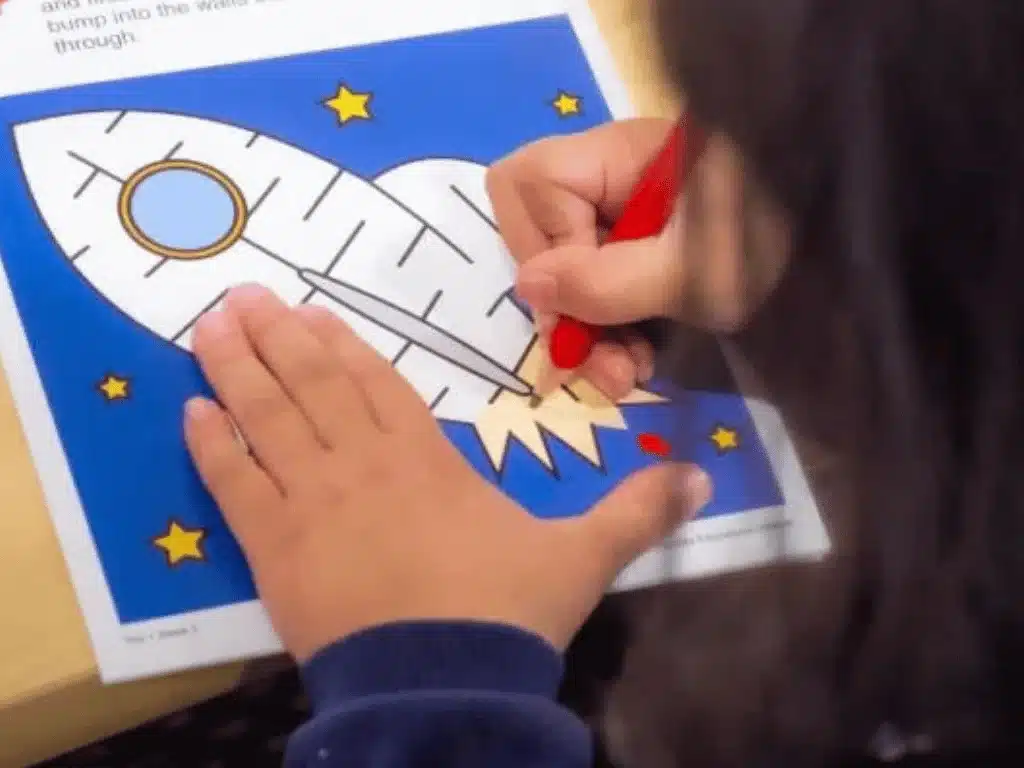
Image by Shichida Australia: When your child shows interest in a topic, you can lean into it by using themed learning tools like mazes, flashcards, songs, and matching games. These curiosity building activities will keep your child engaged in learning.
How to Handle a Curious Child
A curious child can sometimes feel overwhelming, especially when the questions don’t stop.
But this is a positive sign of learning!
Turning Questions Into Conversations
Instead of answering every question immediately, turn it into a discussion.
Ask:
- “What do you think?”
- “Why do you think that happens?”
This keeps your child involved in the thinking process.
Encouraging Independent Discovery
You don’t need to have all the answers.
Teach your child how to find them:
- Look through books together
- Observe things in real life
- Try small experiments
- Explore ideas step by step
This builds independence and confidence.
Mistakes That Can Reduce Curiosity in Children
Sometimes, curiosity fades not because children lose interest, but because their environment limits it.
Shutting Down Questions
Responses like:
- “Because I said so”
- “Stop asking questions”
- “Not today”
can discourage curiosity over time.
Instead, acknowledge their question and guide them toward thinking.
Fear of Making Mistakes
Curiosity grows when children feel safe to try and fail.
If mistakes are criticised, or focussed on too long, children may stop exploring altogether.
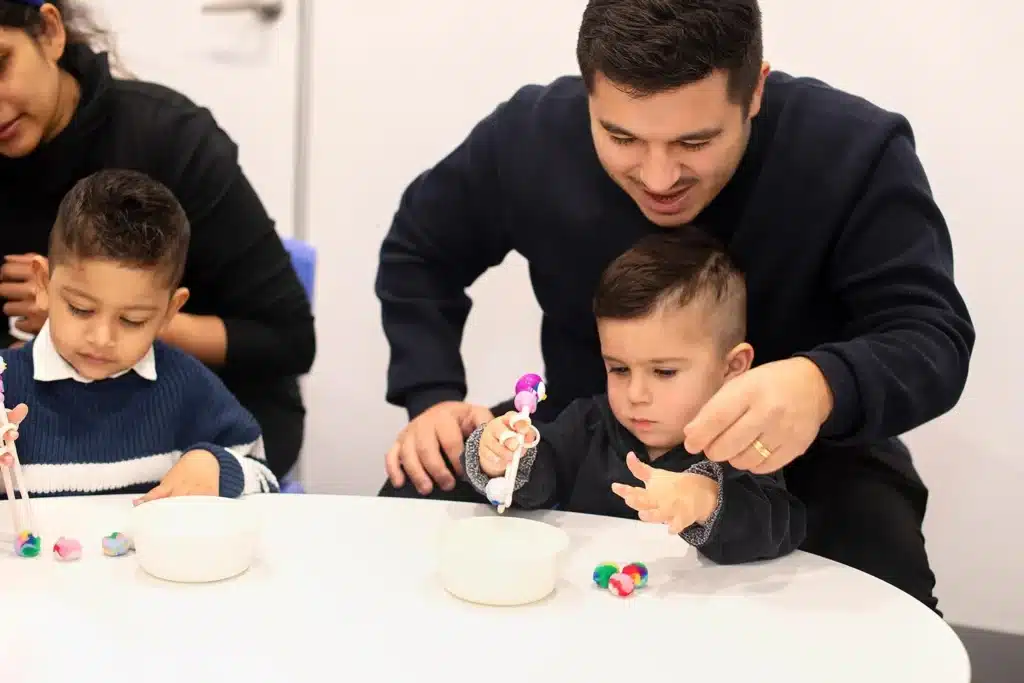
Image by Shichida Australia: Through guided curiosity building activities at Shichida, children learn to explore independently, ask questions, and develop the skills that foster lifelong learning. Book a trial class today to see it in action!
Building a Curiosity-Friendly Home Environment
Your home environment plays a big role in shaping curiosity. Small, intentional changes and integrating curiosity building activities into daily routines can make a big difference in how your child explores and learns each day.
Create an Exploration Space
You don’t need a large area – just a dedicated space where your child feels free to explore, create, and experiment independently.
Include items like:
- Books (choose a mix of familiar favourites and new topics)
- Puzzles (to encourage problem-solving and persistence)
- Simple science tools (e.g. magnifying glass, measuring cups)
- Art materials (open-ended supplies like paper, crayons, glue)
- Building toys (blocks, construction sets, or loose parts)
Make these items easily accessible so your child can follow their interests and make choices independently.
A simple setup like this encourages your child to explore ideas, test their thinking, and stay engaged for longer periods of time.
You don’t need to rotate everything at once – simply changing one or two items regularly can keep your child engaged and curious.
This kind of environment mirrors what we create in Shichida classes – where children are guided to explore, think, and learn through carefully chosen activities.
Encourage Real-World Experiences
Real-world experiences bring curiosity to life by allowing children to see, touch, and interact with the world around them.
Consider experiences such as:
- Museums (introduce new ideas and spark questions)
- Nature parks (observe plants, animals, and natural changes)
- Libraries (encourage exploration of new topics and interests)
- Science centres (hands-on discovery and experimentation)
- Cultural events (exposure to different traditions and perspectives)
- Schedule regular classes or activities to create a sense of routine
Even simple, everyday outings – like grocery shopping or visiting a café – can become valuable learning opportunities when you encourage your child to observe, ask questions, and think about what they see.
The Long-Term Benefits of Raising a Curious Child
Curiosity doesn’t just help in childhood. It shapes how your child learns and grows over time.
Better Academic Outcomes
Curious children are more engaged in learning. They ask questions, explore ideas, and seek understanding rather than memorising information.
This leads to stronger academic performance, especially in reading and problem-solving subjects.
Lifelong Love of Learning
Curiosity builds independence. Children who are encouraged to explore and question grow into adults who:
- Think critically, creatively, and outside the box
- Adapt to new situations with confidence and resilience
- Continue learning throughout life leading to more knowledge and expertise over time
Curiosity is not just about knowledge though – it’s about mindset.
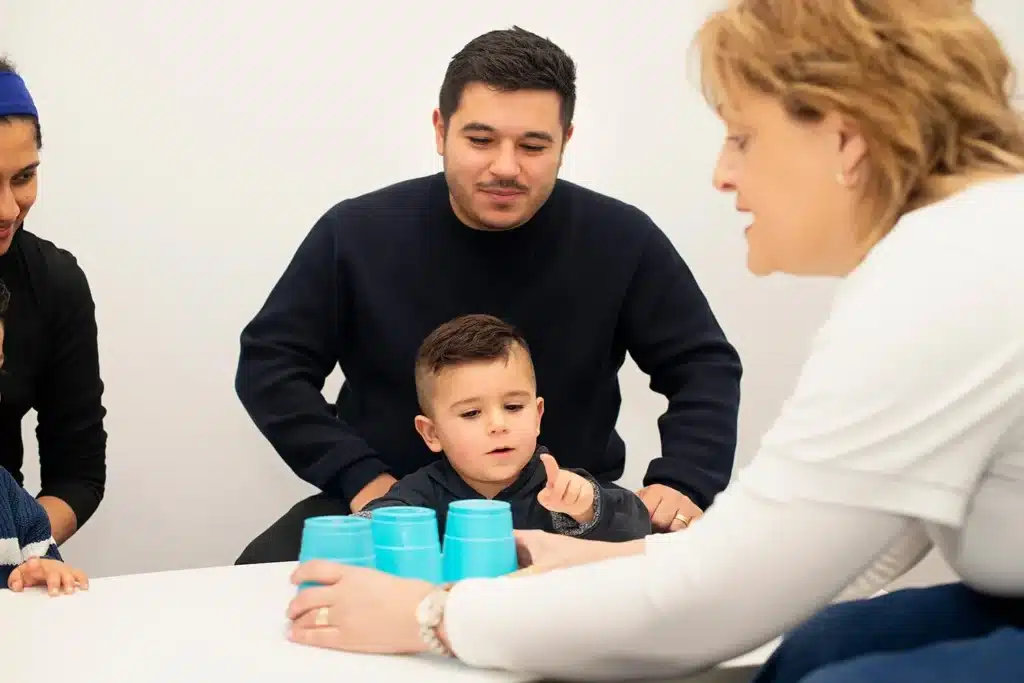
Image by Shichida Australia: We keep games short to keep engagement activated with young children – Shichida classes cover 20-25 fun and quick activities and games per class!
Develop Curiosity and a Love for Learning with Shichida
At Shichida Australia, curiosity is at the heart of every lesson. Through proven right-brain training, engaging, curiosity building activities, and a supportive learning environment, your child is guided to explore, and think independently from an early age.
If you want to raise a confident, inquisitive learner who thrives both in school and beyond, discover how the Shichida Method can support your child’s development. Book a trial class today with Shichida Australia and see the difference for yourself.
FAQs: Curiosity Building Activities
They are activities that encourage exploration, questioning, and discovery, such as science experiments, nature walks, and problem-solving games.
Create a safe space where questions are welcomed. Ask open-ended questions and show genuine interest in their thoughts.
Differences in personality, temperament, and environment all play a role in how curiosity shows up.
You can describe it as wanting to learn something new and asking questions to understand it better.
Turn questions into conversations and guide them to think, instead of always giving direct answers.
Curiosity is natural, but it can be strengthened through supportive environments and everyday experiences.
Simple activities like sensory play, exploring objects, and observing nature are very effective.
It increases engagement, improves memory, and encourages deeper thinking.
Curiosity pushes children to explore different solutions and think critically about outcomes.