
If you are raising a child today, technology is already part of your daily parenting experience. Smartphones, tablets, streaming platforms, social media, and online learning tools surround your child from a very early age. Because of this, parenting in the digital age now involves guiding children not only through school, friendships, and emotional growth, but also through digital spaces.
Key Points
- Parenting in the digital age includes guiding children through both offline and online experiences.
- Technology can support learning, creativity, and communication when used in a balanced and supervised way.
- Excessive screen use may affect children’s sleep, attention span, and emotional wellbeing.
- Parents play a key role in teaching digital literacy for children, online safety, and responsible technology habits.
- Setting family technology rules, encouraging offline activities, and modeling healthy device use helps children develop balanced digital habits.
- Teaching digital citizenship for kids prepares children to use technology responsibly and respectfully.
- The goal of digital parenting is not to remove technology but to guide children toward safe, healthy, and balanced digital lifestyles.
Your role as a parent has expanded. Along with supporting your child’s health, education, and behaviour, you are now helping them develop healthy digital habits, understand online safety, and learn responsible technology use. This form of digital parenting means teaching children how to interact with the online world in a thoughtful and balanced way.

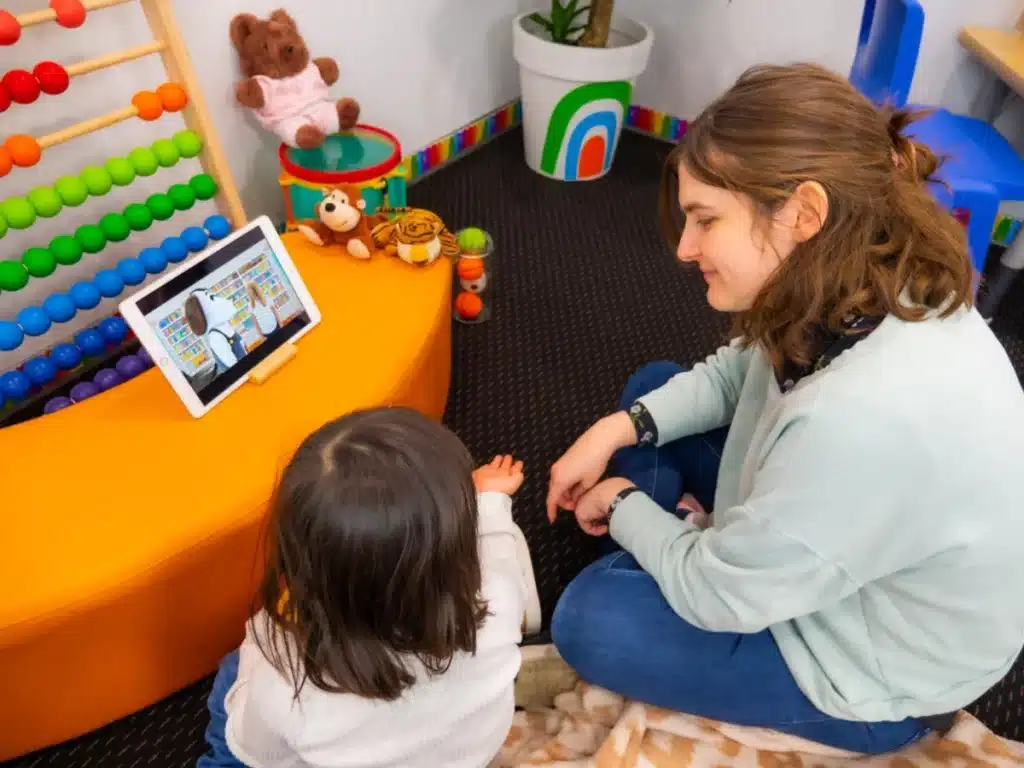
Image by Shichida Australia: Hands-on experiences remain one of the healthiest and most effective ways for young children to learn and develop essential skills in their early years.
What Parenting in the Digital Age Really Means
Many parents feel that raising kids in digital world environments is more complex than it was in previous generations. Children have constant access to information, entertainment, and communication through digital devices. While these tools do create learning opportunities if used right, they can also expose children to risks such as cyberbullying, inappropriate content, misinformation, and excessive screen use.
Technology itself is not the problem. What matters most is how it is used. With the right guidance, parenting with technology can support your child’s learning, creativity, and development while helping them build responsible digital habits that last into adulthood.
Sensory play can help nurture resilience and development. Download a free sensory play guide here.

If your child enjoys these types of activities, a Shichida trial class is a great way to see how structured play can support coordination, focus, memory and early learning confidence.
Book a trial class or contact us to find your nearest centre.
Why Digital Parenting Is Different Today
Parents in previous generations did not have to think about online safety, social media behaviour, or managing screen habits. Today, you may find yourself teaching your child about digital privacy, digital stranger danger, respectful communication online, and responsible device use.
Modern digital age parenting strategies include setting screen limits, limiting or managing access to a variety of platforms, supervising online behaviour, and helping children understand that what they do online can have lasting consequences.
Want to understand the impact of excessive screen time? Read our article on brain rot here.
Benefits of Technology for Children
Although technology often raises concerns, it can also support your child’s development when used thoughtfully. Digital tools can encourage curiosity, creativity, and communication. When you guide technology use at home, it becomes a valuable resource rather than a distraction.
Balanced technology use allows your child to benefit from digital learning while still enjoying offline activities that support physical, emotional, and social development. Instead of seeing devices only as a problem, you can view them as tools that complement real-world learning.
SHICHIDA at Home is a great example of carefully curated digital content for young children – engaging, educational, and designed to encourage movement and communication. The platform is completely safe, with no ads, no external access, and no way for others to contact your child, making it a wholesome option for children aged 1 to 5 years.
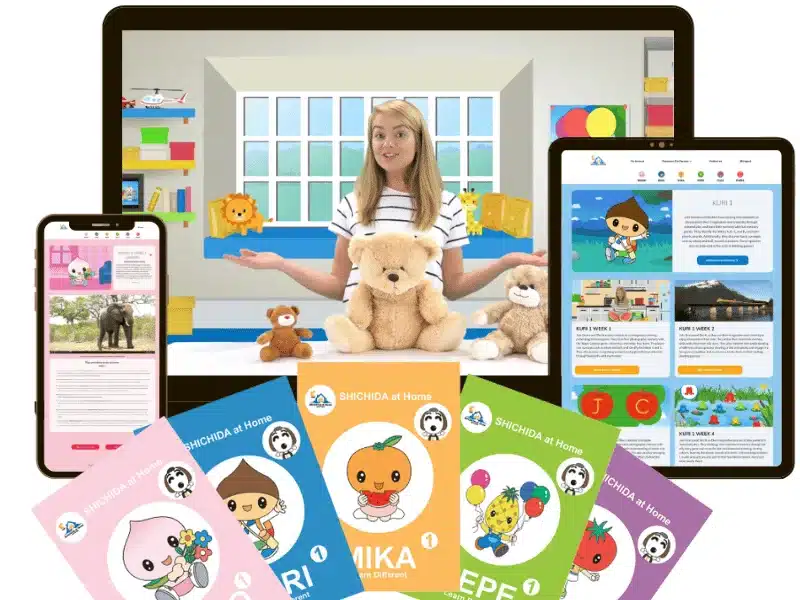
Image by SHICHIDA at Home: With interactive videos led by a real Shichida teacher, digital flashcards, song libraries, printable workbooks, and more – families love using this at home as a standalone program or to complement their Shichida classes between sessions.
Educational Opportunities
Technology can open doors to learning opportunities that were not easily accessible in the past. Online learning platforms, educational apps, and interactive games can help your child develop literacy, numeracy, problem-solving skills, and creativity.
When you choose age-appropriate resources, these tools can support your child’s curiosity and make learning more engaging and interactive.
Communication and Social Connection
Technology also allows your child to stay connected with family members and friends. Video calls, messaging platforms, and collaborative online spaces make it easier for children to interact with others.
For families who live far apart, these digital tools can strengthen relationships and help children maintain meaningful connections.
Digital Skills for the Future
Helping your child develop digital literacy for children is one of the most valuable skills you can provide. Technology will play a major role in your child’s education and future career opportunities.
Learning how to use digital tools responsibly, evaluate online information, and communicate respectfully online prepares your child to navigate the modern world with confidence.
Preparing Kids for the Future
One of the most important ways to prepare your child for the future is to help them develop the ability to learn. A love for learning and the motivation to tackle challenges are essential in the digital age – and these are best built through hands-on experiences. Skills such as critical thinking, concentration, and resilience will support your child in becoming future-ready, giving them the confidence to learn, adapt, and grow no matter what comes their way.
This is where Shichida Australia classes come in – helping children develop the skills to learn, think, and stay motivated through fun, structured activities.

Image by Shichida Australia: Preschoolers playing a memory game during a Shichida Kinder class – just one of the 20–25 engaging activities covered in each weekly session.
Challenges Parents Face in the Digital Era
While technology offers benefits, it also presents real challenges for parents. You may worry about how much time your child spends on devices, what content they might encounter online, and how digital habits could affect their development.
Research exploring technology and child development suggests that excessive screen exposure may influence sleep patterns, emotional wellbeing, and attention span. At the same time, supervising your child’s digital activity while encouraging independence can be difficult.
Finding the right balance between guidance and trust is one of the biggest challenges in digital parenting today.
Excessive Screen Time
One of the most common concerns for families is screen time management. If your child spends too much time on devices, it may replace outdoor play, physical movement, or face-to-face interaction.
Prolonged screen use may also interfere with sleep patterns and reduce opportunities for creativity and exploration.
Exposure to Inappropriate Content
The internet provides access to a huge amount of information, but not all of it is suitable for children. Your child may encounter violent media, explicit content, or misleading information online.
Providing guidance and supervision helps ensure online safety for kids while allowing them to explore digital resources safely.
Cyberbullying and Online Safety
Cyberbullying is another concern in today’s digital world. Online harassment can occur through social media, messaging platforms, or seemingly harmless gaming environments.
Children may also receive messages from strangers or experience negative online interactions. Practising strong internet safety parenting helps protect your child while encouraging them to speak openly if something makes them uncomfortable online.
Designed for families with children up to 5 years old.

The Impact of Technology on Child Development
Technology can influence many aspects of your child’s development, including how they learn, communicate, and interact with others. Digital tools can stimulate curiosity and creativity, but too much exposure may also create challenges.
Cognitive and Attention Development
Interactive apps and learning platforms can encourage curiosity and problem-solving. Educational technology can support reading, mathematics, and creative exploration.
However, when children rely heavily on passive entertainment, it may limit opportunities for deeper thinking and sustained attention.
Social and Emotional Development
Online interactions influence how children communicate and relate to others. Positive online communities can help children share interests and build friendships.
At the same time, spending too much time online may reduce opportunities for face-to-face interaction that helps children develop empathy and emotional awareness.
Physical Health Considerations
Digital devices often encourage sedentary habits. When screen time replaces physical play, children may miss opportunities for movement and outdoor exploration.
Using devices close to bedtime can also affect sleep quality due to blue light exposure from screens.
Practical Strategies for Parenting in the Digital Age
There are practical steps you can take to guide your child toward healthy technology habits. Many families already use simple rules and routines to manage device use effectively.
The goal is not to ban technology but to encourage balanced use through thoughtful digital age parenting strategies.
Setting Healthy Screen Time Boundaries
Clear boundaries is a crucial tool for parenting in the digital age. Boundaries will help your child develop balanced habits. You might consider creating simple rules such as:
- device-free bedrooms
- no screens during family meals
- daily limits for recreational screen use
- switching off devices before bedtime
These routines support healthier sleep patterns and encourage more offline activity.
Teaching Online Safety and Digital Responsibility
Helping your child understand how to behave responsibly online is essential. Talk with them about protecting personal information, recognising scams, and communicating respectfully with others.
Teaching digital citizenship for kids helps children understand that their online actions can affect both themselves and others.
Modeling Healthy Technology Use
Children often copy what they see adults doing. If your child sees you constantly checking your phone, they may adopt similar habits.
Demonstrating balanced technology use, such as putting your phone away during conversations or family time, sends a powerful message.

Image by Shichida Australia: reading together daily is a great way to nurture a strong parent-child bond at home.
Creating a Healthy Digital Environment at Home
The culture you create at home strongly influences how your child views technology. When families focus on balance rather than restriction, children are more likely to develop healthy habits.
Encouraging a variety of experiences helps your child enjoy technology while still exploring the world beyond screens.
Screen-Free Family Activities
Parenting in the digital age can feel tricky at times, but you can balance digital experiences with meaningful offline activities such as:
- reading books together
- outdoor play and nature walks
- arts, crafts, and creative hobbies
- family board games
- cooking or building projects together
- joining a class together that is engaging for young children
These activities strengthen family relationships and support well-rounded development.

Image by Shichida Australia: Structured learning environments help children build focus and cognitive skills that support success in the digital age.
The Future of Parenting in a Digital World
Technology will continue to evolve, and parenting approaches will need to adapt. New platforms, apps, and devices will emerge as your child grows – many of which don’t even exist yet.
In fact, your child is likely to work in jobs that haven’t been created and solve problems we can’t yet predict. Rather than trying to avoid technology completely, the focus should be on helping your child learn how to use it wisely.
Staying informed about digital trends and maintaining open conversations allows you to support your child effectively. More importantly, helping your child learn how to learn will ensure they are ready for whatever the future brings their way – giving them the confidence to adapt, think critically, and navigate new challenges as they arise.

Image by Shichida Australia: A preschooler learning about money during a fun Shichida class – building essential maths skills like counting, adding, and understanding value through real-life concepts such as making change.
Future-Ready Learning with Shichida Australia
Helping your child grow in the digital world requires balance, curiosity, and strong learning foundations. At Shichida Australia, our classes are designed to support whole-brain development through interactive, engaging activities that build focus, creativity, memory, and emotional intelligence – skills that matter both on and off the screen.
If you’re looking for a supportive environment where your child can grow in confidence and develop a genuine love for learning, the Shichida Method offers a proven approach that goes beyond screens.
Give your child the tools to thrive in an ever-changing world – book a Shichida trial class today and experience the difference firsthand.
FAQ’s: Parenting in the Digital Age
Parenting in digital age environments means helping your child learn how to use technology safely, responsibly, and in balance with offline activities.
Healthy balanced screen use depends on your child’s age, sleep habits, physical activity, and overall routine. Many experts recommend limiting recreational screen time while prioritising sleep, learning, and family interaction.
Children may encounter cyberbullying, inappropriate content, online scams, misinformation, or contact with strangers.
Encourage open communication, monitor online activity, and teach your child how to block or report harmful users.
Yes, especially for younger children. Monitoring tools and parental guidance help support online safety for kids.
Set clear family technology rules, create screen-free times, and model balanced device use at home.
Technology can support creativity, communication, learning, and digital literacy for children when used responsibly.
Discuss privacy, respectful communication, and critical thinking when evaluating online information.
Gradually introduce device-free routines and offer engaging offline alternatives.