Key Takeaways: The Importance of Human Touch for Babies
- Human touch is a basic biological and emotional need for babies. From birth, babies rely on touch to feel safe, regulated, and connected to their caregivers.
- Loving, responsive touch supports bonding and brain development. Touch helps strengthen neural connections, supports emotional regulation, and builds secure attachment in infancy.
- Everyday caregiving naturally provides meaningful touch. Feeding, holding, changing, soothing, and play all offer valuable opportunities for nurturing physical contact.
- Affectionate touch helps babies manage stress and emotions. Gentle touch supports nervous system regulation and helps babies shift from distress to calm.
- Secure attachment grows through consistent, responsive care. When caregivers respond to cues with warmth and touch, babies develop trust, emotional security, and well-being.
If you are expecting a baby or caring for a newborn, you have probably been told many things you “should” or “should not” do. Among all the advice, one truth stands quietly but powerfully in the background. Human touch matters. Not as a trend, not as a parenting style, but as a deep biological and emotional need.
From the moment your baby arrives, touch becomes one of the first ways they understand the world and feel safe within it. Holding, cuddling, skin-to-skin contact, and gentle soothing are not extras. They are part of how babies grow, connect, and settle into life outside the womb.
Is Human Touch Really Essential for Babies?
Many parents quietly wonder this. Is touch truly essential, or is it simply encouraged because it feels nice? Some worry about holding their baby too much or creating habits that are hard to break later.
The reality is reassuring. Human touch is not a modern parenting trend, it is a biological and emotional need that begins before birth. Babies are born expecting close physical contact. Their nervous systems are immature, their senses are still organising, and they rely on caregivers to help them feel regulated and secure.
Touch helps your baby adapt to the world outside the womb. It supports comfort, connection, and communication long before words exist. This does not mean you must be holding your baby every moment. It means that responsive, loving touch plays a central role in early development.
If you respond to your baby’s cues with warmth and care, you are meeting a real need, not creating a problem.
How can I support early development while bonding with my baby?
Holding your baby close, speaking gently, and sharing simple visual tools such as high-contrast flashcards combines touch, voice, and sight – key elements of early development. Shichida Australia supports this approach by offering high-contrast baby flashcards designed for parent-guided, connected use.
Download Free DIY High Contrast Flashcards for your baby – great for visual stimulation and bonding time.

What Is Infant Touch and Why It Matters
Infant touch refers to intentional, responsive physical contact that is guided by your baby’s signals. This includes holding, cuddling, skin-to-skin contact, gentle massage, soothing strokes, and physical closeness during feeding or play.
Touch is one of the earliest senses to develop. In fact, it begins developing before birth. Because of this, touch becomes a primary way babies experience safety, comfort, and connection. Through infant touch, babies learn that their needs will be met and that the world is a safe place to explore.
Human touch and infants are deeply connected. Touch supports emotional bonding with babies and lays the groundwork for secure attachment in infancy. It also supports learning. When your baby feels calm and safe, their brain is more open to processing sounds, sights, and interactions.
Physical closeness helps babies regulate their nervous systems. Even during daily routines – such as travelling in a baby capsule – maintaining connection through voice, eye contact before and after travel, and responsive care supports emotional security.
The Science of Touch in Infancy
Touch activates important neurological pathways in the brain. Gentle, responsive contact supports touch and brain development by strengthening connections between brain cells. These pathways help babies process sensory information, regulate emotions, and respond to their surroundings. Touch also plays a role in nervous system regulation in infants, helping their bodies shift from stress to calm.
Touch vs Physical Contact – Common Myths
One common myth is that too much holding spoils your baby. In reality, your baby cannot be spoiled by responsive touch. When you respond to cries and cues with affection, you help your baby feel secure. Over time, this security supports confidence and independence. Babies who feel safe are more willing to explore when they are ready.
Babies Need Love – Emotional Bonding Through Touch
Babies need love in practical, physical ways. Loving touch is one of the clearest signals you can give your baby that they are safe, valued, and not alone. Through repeated moments of affectionate contact, your baby begins to trust you and the world around them.
Emotional bonding with babies does not happen through grand gestures. It happens through small, consistent interactions. Holding your baby close during feeds, gently rocking them when they are unsettled, or simply resting a hand on their back all contribute to a growing sense of connection.
Touch communicates reassurance when words cannot. It tells your baby, “You are safe. You are cared for.” Over time, this builds emotional resilience and trust.
Attachment Theory and Touch
Attachment theory explains how early relationships shape emotional development. Secure attachment in infancy develops when caregivers respond consistently and sensitively to a baby’s needs. Touch plays a key role in this process. When your baby experiences comfort through touch, they learn that support is available when needed.
Oxytocin, Stress Reduction and Emotional Regulation
Touch stimulates the release of oxytocin, often called the bonding hormone. Oxytocin and touch work together to reduce stress hormones and support emotional regulation. For babies, this helps calm their bodies and emotions. For parents, it can strengthen feelings of connection and confidence in caregiving.
Physical and Developmental Benefits of Human Touch

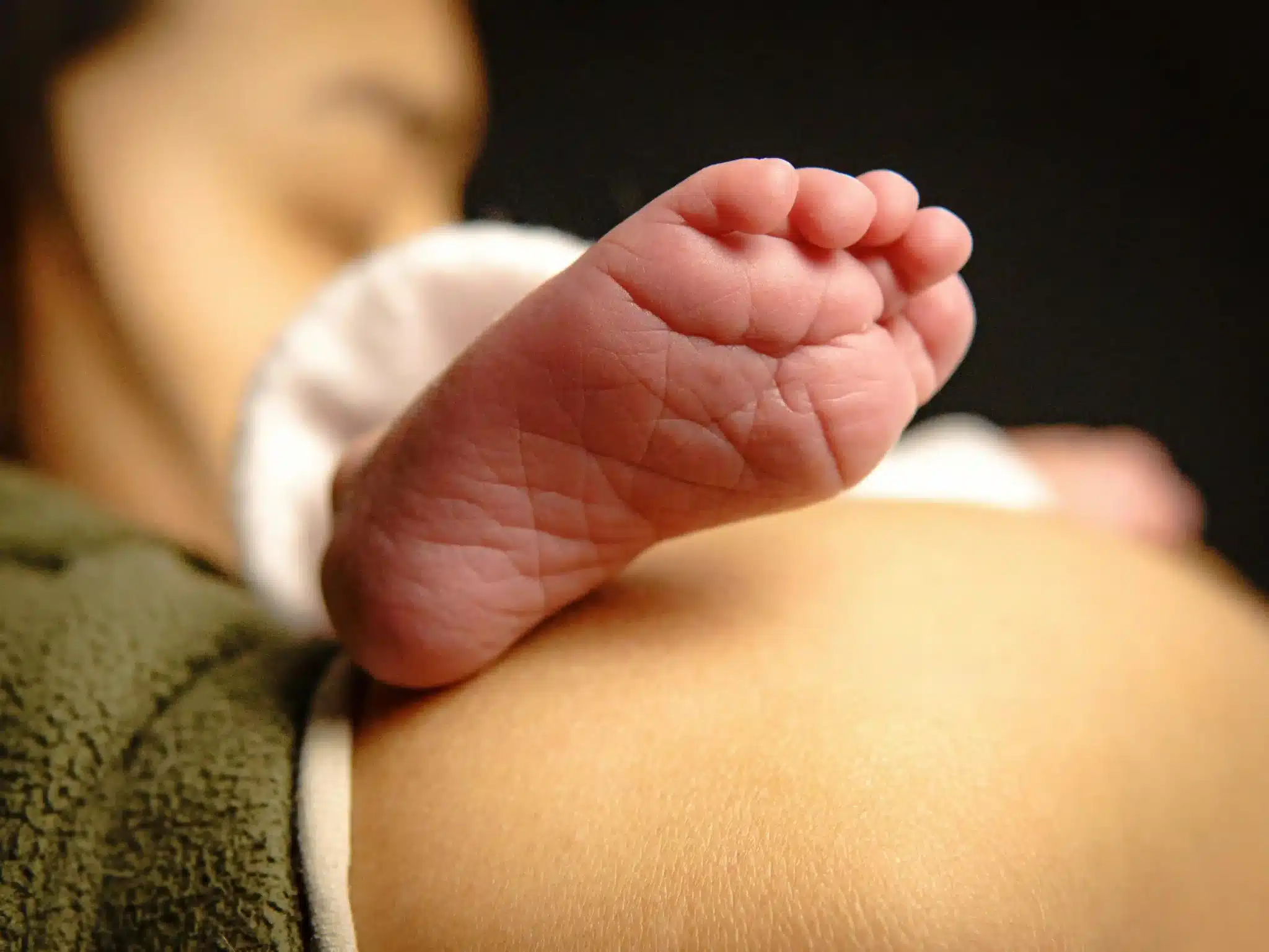
Photo from Pexels: Everyday moments of holding and comforting highlight the importance of human touch for babies in supporting emotional bonding, trust, and early brain development.
The importance of human touch for babies extends beyond emotions. Gentle, affectionate contact supports physical wellbeing and overall development. Touch can influence how babies feed, sleep, and grow, particularly in the early months.
Human touch and infants are closely linked through sensory development in babies. Touch provides feedback that helps babies understand where their bodies are and how they move. It also supports digestion, circulation, and relaxation when provided in calm, responsive ways.
These benefits come from everyday caregiving, not special techniques or constant stimulation.
Growth and Weight Gain
Skin-to-skin contact benefits babies by supporting feeding behaviours and comfort, especially in early infancy. When babies feel calm and regulated, feeding often becomes easier. This can indirectly support healthy growth patterns, particularly for newborns who are still adjusting to life outside the womb.
Sleep and Nervous System Regulation
Gentle touch helps calm the nervous system. Holding, rocking, or softly stroking your baby can support relaxation and make it easier for them to settle. Over time, these comforting routines can contribute to more predictable sleep patterns, without forcing or training.
What Happens When Babies Lack Affectionate Touch
It is important to approach this topic carefully and without fear. Most parents and caregivers naturally provide plenty of affectionate touch. Severe touch deprivation is uncommon and usually linked to extreme circumstances.
Research suggests that in cases of prolonged, severe lack of affectionate contact, babies may face challenges in emotional, social, and cognitive development. This is not about missing a cuddle here and there. It refers to environments where responsive caregiving is largely absent.
For the vast majority of families, this is not a concern. If you are holding, soothing, feeding, and interacting with your baby, you are already providing what they need.
Social and Cognitive Development
In extreme cases, limited touch has been associated with difficulties in social interaction and learning. Touch supports early communication and engagement, which are foundations for later development. Responsive caregiving helps protect against these challenges.
Emotional Regulation and Stress
Babies who experience consistent comfort learn how to manage stress with support. Without this, emotional regulation can be harder. Again, this applies to severe deprivation, not everyday parenting struggles or moments of fatigue.

Photo from Pexels: The importance of human touch for babies is woven into daily routines, reminding parents that simple, loving contact helps build secure attachment and lifelong wellbeing.
Everyday Ways to Provide Nurturing Touch
You do not need to add anything extra to your day, as everyday routines already offer countless opportunities for meaningful touch.
Holding your baby during feeds, changing nappies with gentle care, and offering comfort when they cry are all forms of infant touch. What matters most is responsiveness. Notice your baby’s cues and respond with warmth.
If you ever feel unsure, remember this. There is no perfect amount of touch – there is only being present and attentive.
Skin-to-Skin Contact
Skin-to-skin contact, sometimes called kangaroo care, involves placing your baby against your bare chest. It can be practised from birth and adapted as your baby grows. Skin-to-skin contact benefits include warmth, calming, and support for bonding. It can be enjoyed by mothers, fathers, and caregivers in a safe, relaxed environment.
Cuddling, Soothing and Routine Touch
Cuddling, gentle rocking, baby massage, and bedtime routines all provide comforting touch. These moments help your baby feel secure and supported. They also offer predictability, which babies find calming.
Playful Touch and Interaction
As your baby grows, playful touch becomes part of communication. Games like gentle tickling, supported movement, and action songs combine touch with eye contact and sound. This supports bonding, body awareness, and early social skills.
Supporting Partners and Caregivers in Offering Touch
Some fathers, grandparents, or caregivers worry they might not bond the same way or feel unsure about handling a newborn. This is very common and completely understandable.
Bonding through touch is not limited to mothers. Babies benefit from loving contact with multiple caregivers. Each relationship offers something unique. Holding, soothing, and playing all help build connection.
If you are supporting a partner or caregiver, encourage them gently. Confidence grows with experience. There is no single right way to bond, only responsive and caring interaction.
Touch in Different Family and Cultural Contexts
Families express love in different ways. Cultural traditions, personal comfort levels, and family structures all influence caregiving styles. Some cultures emphasise constant physical closeness, while others value proximity without frequent holding.
What matters is not how touch looks, but how it feels to the baby. Loving, responsive touch can take many forms. If your baby feels safe, comforted, and connected, their needs are being met.
Extending Early Sensory Learning into Shichida Classes
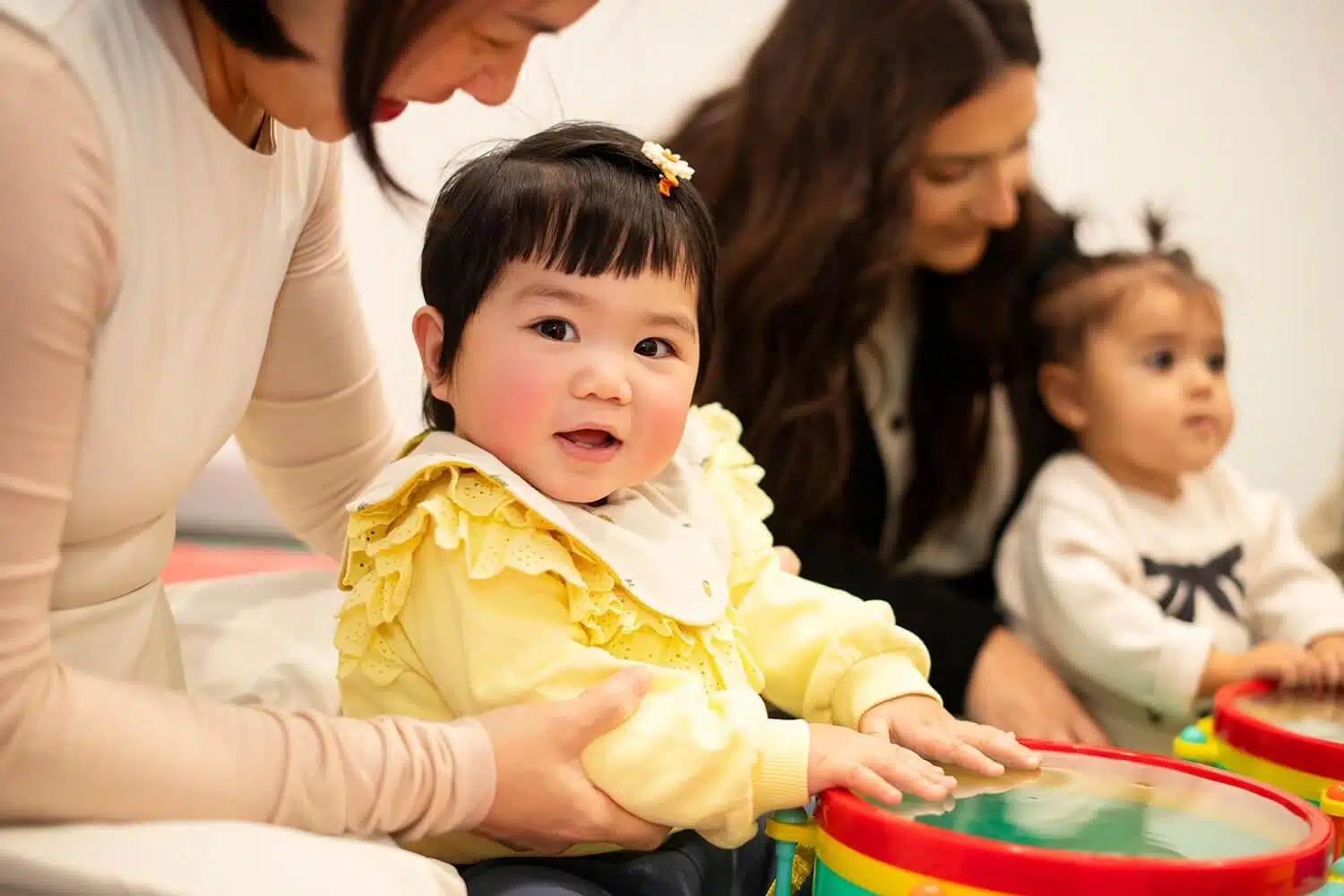
If you would like to deepen your understanding of how loving, responsive interaction supports your baby’s development, Shichida Australia offers parent-and-child classes grounded in neuroscience and early childhood research.
These baby classes focus on connection, communication, and developmental experiences that support bonding and brain development from the very beginning.
Book a trial class with Shichida Australia to experience how guided interaction can support your baby’s wellbeing and your confidence as a parent – classes start from 6 months old.
FAQs: The Importance of Human Touch for Babies
Babies need human touch to feel safe, regulate their emotions, and support early brain development. Touch helps babies adapt to the world, build trust, and form secure relationships with caregivers from the very beginning.
As babies grow, they benefit from guided interaction that combines touch, voice, movement, and shared attention. Shichida Australia baby classes support this next stage by guiding parents through age-appropriate activities that strengthen bonding, sensory development, and early learning in a calm, nurturing environment.
In rare cases of severe deprivation, a lack of touch may affect emotional and social development. Most babies naturally receive enough affectionate touch through everyday caregiving routines such as feeding, holding, and soothing.
Touch supports emotional bonding with babies by reducing stress and helping them feel secure. This sense of safety lays the foundation for emotional regulation, resilience, and healthy relationships later in life.
Yes, skin-to-skin contact benefits newborns by promoting calmness, supporting feeding, and strengthening bonding. It remains valuable beyond the early days and can be enjoyed by mothers, fathers, and other caregivers.
Absolutely. Human touch and infants are not limited to one caregiver. Fathers, grandparents, and guardians can all build strong, meaningful bonds through holding, soothing, and playful interaction.
There is no set number. Respond to your baby’s cues and offer comfort when it is needed. Holding and cuddling your baby when they seek closeness is healthy and supportive.
Gentle touch can help calm the nervous system and support relaxation. Over time, this may contribute to more settled sleep patterns and smoother bedtime routines.