Key Takeaways
- Learning together creates opportunities to strengthen the parent-child bond. Shared attention, conversation and enjoyable activities help children feel connected and supported.
- Everyday routines offer simple learning moments. Counting fruit, setting the table and talking about colours or shapes bring language and numeracy into family life.
- Reading and playing together make learning personal and meaningful. Sharing stories, inventing characters and talking during play give children opportunities to use their imagination and express ideas.
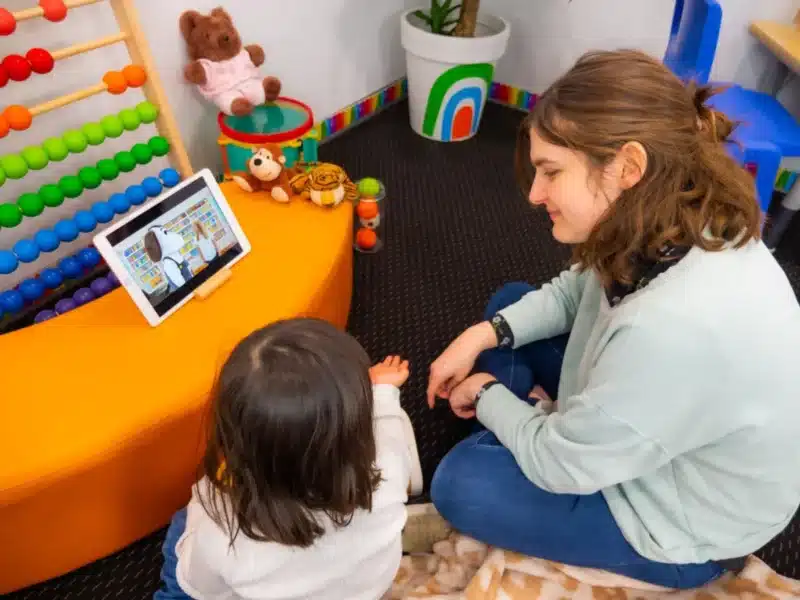
- Shichida makes parent participation part of the learning experience. Parents and children work together on puzzles, number games and memory activities, combining skill development with shared enjoyment.
When parents and children learn together, it strengthens understanding, builds trust, and reinforces key skills through shared experiences. At Shichida, we often tell parents: “When you can engage your child’s heart, you can engage their mind.”
Think about your own learning journey – wasn’t there a subject you excelled in because of an emotional connection? Maybe it was your favourite teacher, a topic that grabbed your interest, or simply the joy of learning alongside your friends.
One of the most important aspects of parenting is what we call “Education of the Heart.” A child’s heart guides their abilities, and nurturing it starts with love. Before worrying about what your child can or can’t do – or focusing on discipline – prioritise building a relationship of trust. Building a strong parent-child bond is crucial to your child’s journey in life.
A child’s heart is filled with joy when parents show genuine excitement for their efforts, responding with love, praise, and acceptance. When children feel deeply loved and supported, they begin to trust completely, develop self-control, and naturally align with your guidance.
Tips for Learning and Bonding with Your Child
1. Participate, Don’t Just Watch!
Whenever you’re attending an activity with your child, join in and experience it together.
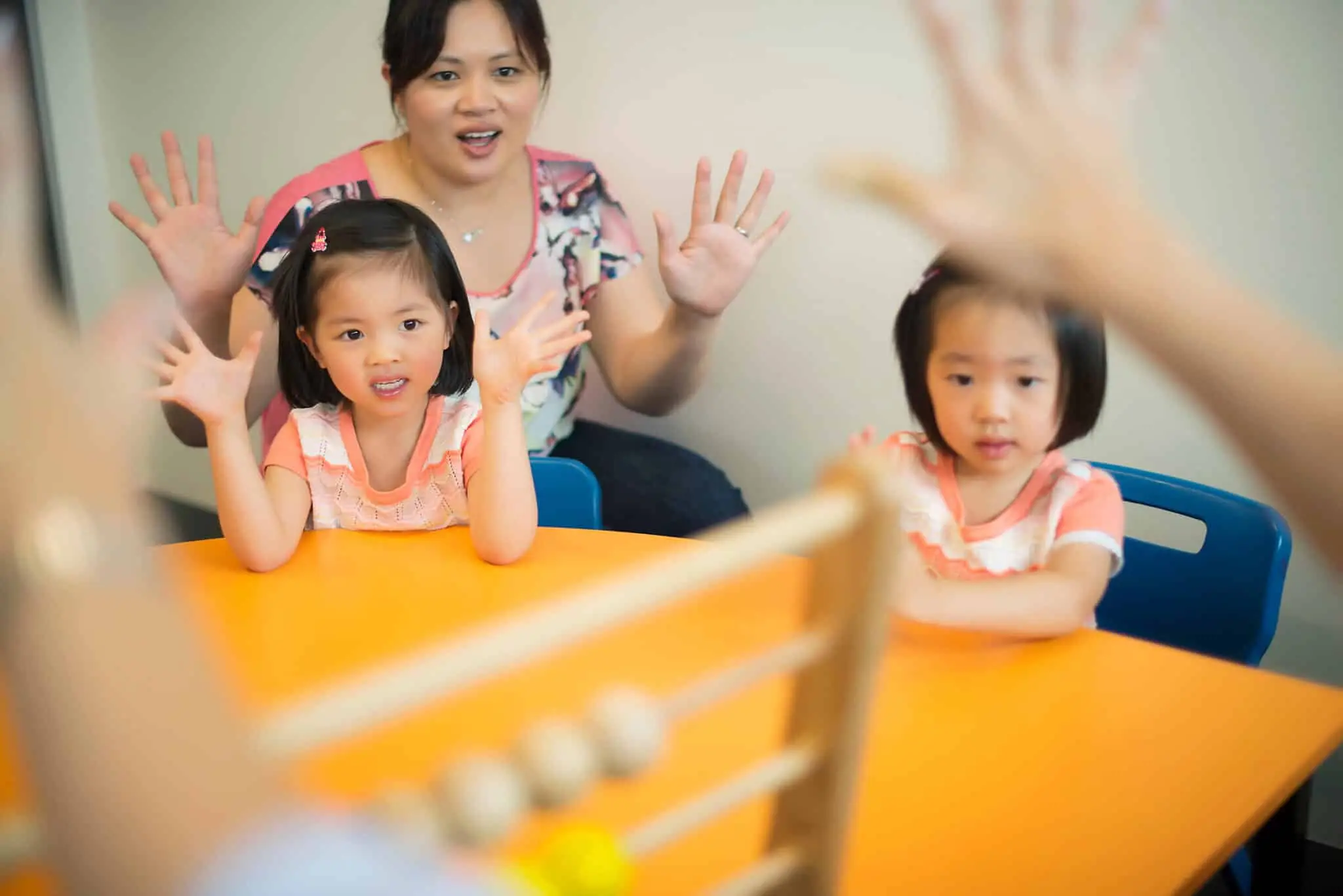
Don’t just sit back and watch – be part of the fun! Whether you’re at a play centre, a music class, or a Shichida class where you and your child are a team, your presence and participation make a difference. When you’re actively engaged, it changes the experience from just an activity into a shared and memorable moment.

2. Turn Everyday Tasks into Learning Opportunities
Life gets busy, but wherever possible, involve your child in everyday tasks – it’s a great way to bond while helping them learn.
- Shopping as a learning experience: Sure, you could grab six oranges in five seconds, but why not spend one minute counting together? Let your child place each orange in the bag while counting out loud. This simple activity helps them understand that “six” isn’t just a number – it represents a real quantity.
- Mealtime as a shared experience: While cooking, set up a toddler table or highchair nearby so your child can “prepare” their own meal alongside you. Use toy food or play-doh and chat about the colours, shapes, and textures of the ingredients. Preschoolers can help set the table by counting out cutlery – learning disguised!
3. Read Together and Build Their Imagination
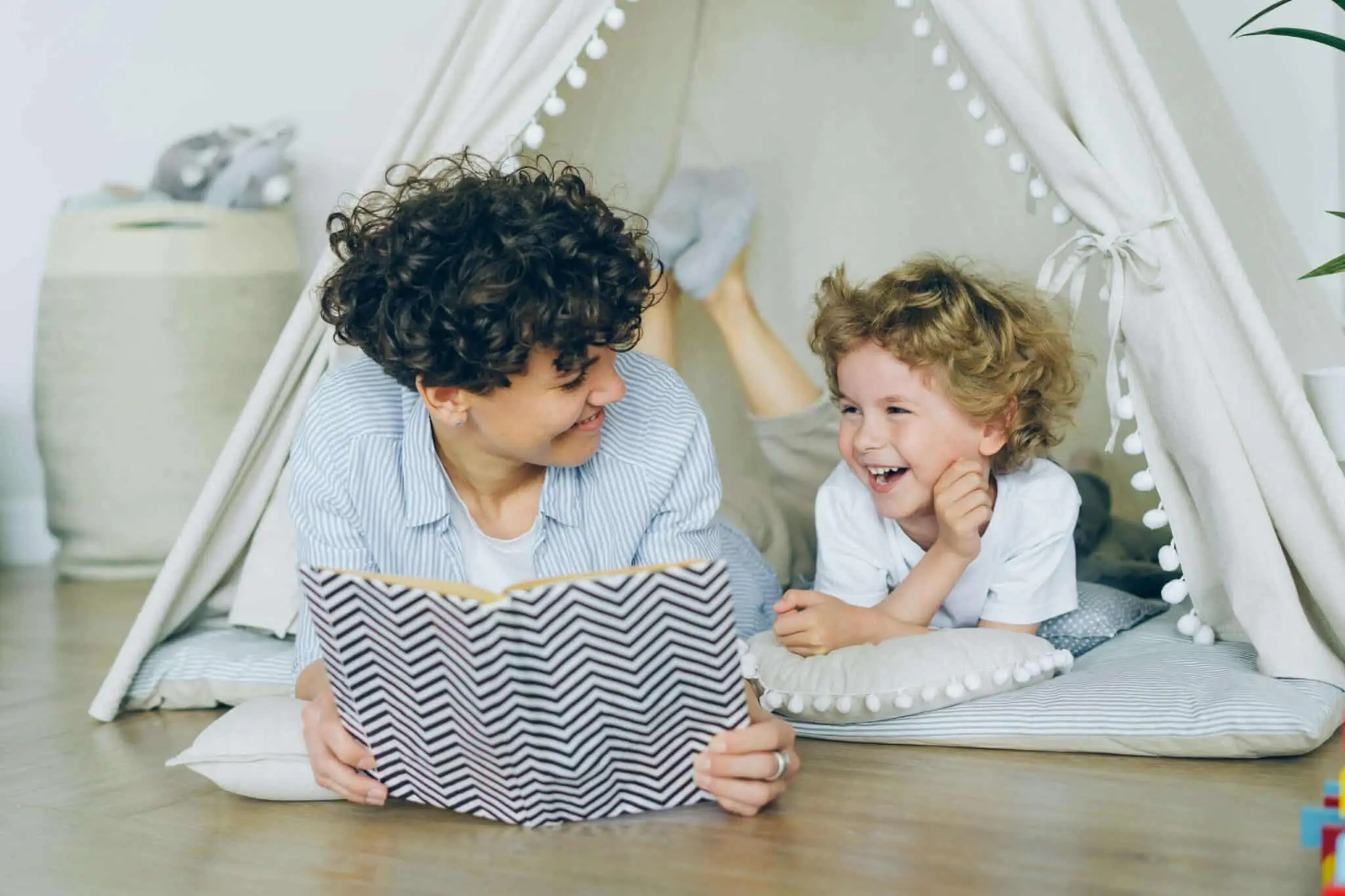
Even when kids can read on their own, they still love snuggling up for story time. Make reading interactive – change the ending, create new characters, or act out scenes together. Encouraging their imagination makes books come to life and turns reading into an adventure your child will remember.
4. Play and Learn Together at the Playground
When you’re at the playground, be more than just a mere spectator – learn together by joining in!
Slide down together, push them on the swing, or even challenge yourself on the monkey bars. These moments aren’t just about movement; they’re opportunities for learning. Talk about how the slide is slippery, how the swing moves back and forth, or how the monkey bars require strength and coordination. Expanding their vocabulary through play makes learning easier.
Most importantly, your presence means everything. When learning happens naturally through play and time spent with you, it doesn’t feel like a lesson – it feels like love. These moments become cherished childhood memories, and the best part? They won’t even realise they were learning!
Learn Together with Shichida
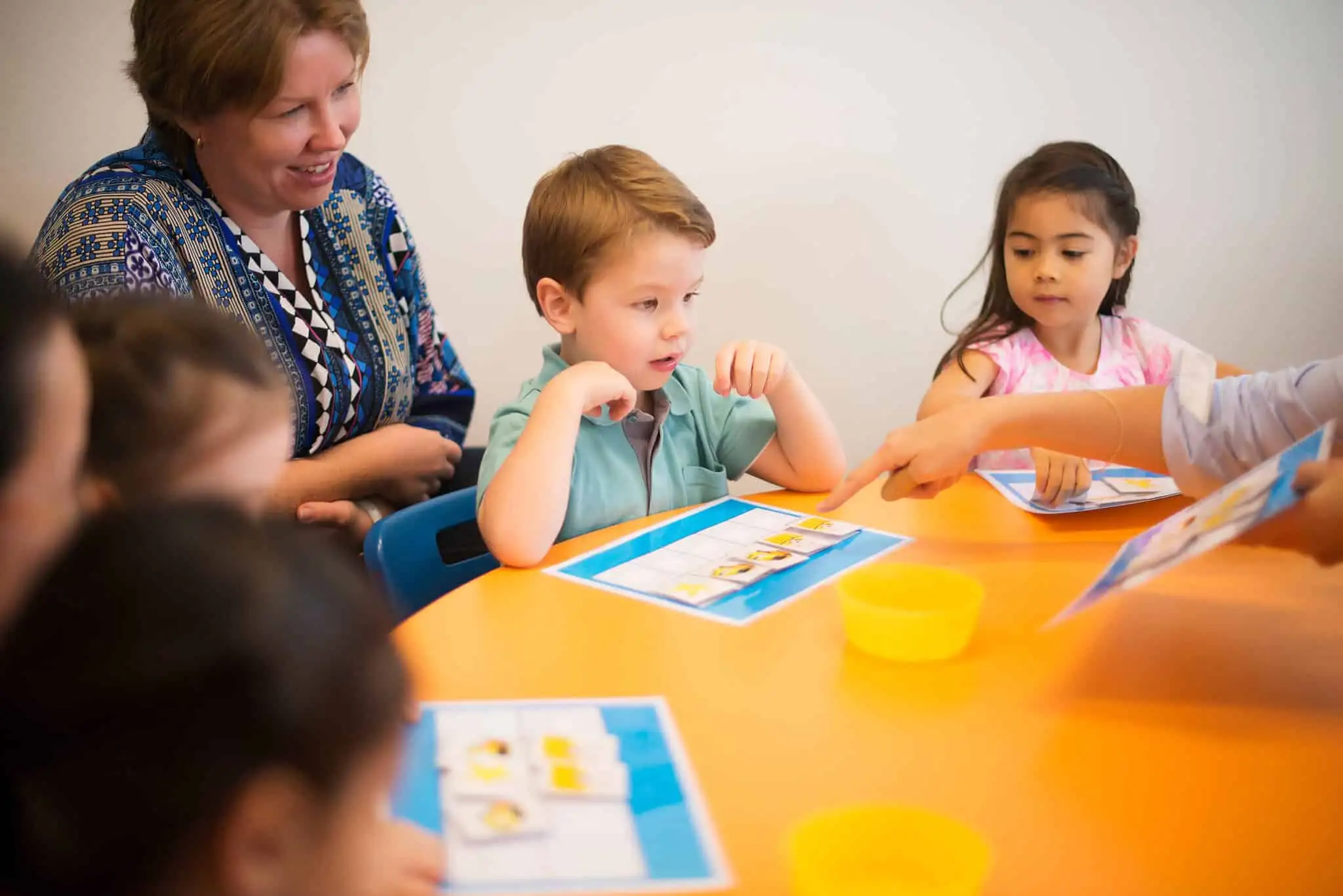
At Shichida, we believe that learning should be fun, engaging, and full of meaningful moments. When children enjoy what they’re doing, they easily absorb knowledge – just like they do when playing with you.
In our classes, parents and children learn together as a team. Solving puzzles, exploring numbers, strengthening memory through fun brain-training activities – every experience is designed to promote curiosity and deepen the parent-child bond.
Just like playtime at home or at the playground, Shichida learning feels natural. Kids don’t even realise they’re developing critical skills – they just know they’re having a great time with you by their side, learning together.
So, why not book a trial class and help your child play and learn? You and your child will love it!
FAQs About Learning Together With Your Young Child
Learning together gives parents and children time to share attention, exchange ideas and enjoy achievements. Listening, responding warmly and showing interest in your child’s efforts can build connection and trust. The shared experience is valuable even when an activity does not go to plan.
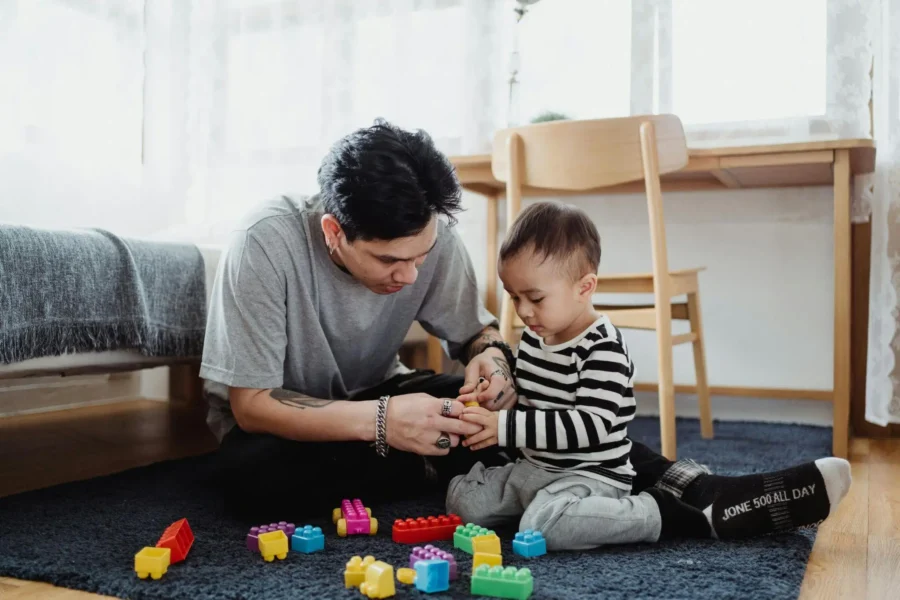
Read a picture book, build with blocks, sing a familiar song or complete a puzzle together. Everyday tasks also work: count fruit while shopping or match socks when sorting washing. Follow your child’s interests and give them opportunities to contribute.
Use moments already in your day. Talk about ingredients while preparing food, count plates when setting the table or notice shapes on a walk. A short, enjoyable exchange can create a meaningful opportunity to connect without adding another organised activity to your schedule.
Shared reading combines closeness with opportunities to hear language, ask questions and share ideas. Talk about the pictures, wonder what might happen next or invent a different ending. Reading together can remain enjoyable even after your child begins reading independently.
“Education of the Heart” describes Shichida’s emphasis on love, praise and acceptance as part of learning. It means valuing the child beyond their performance, recognising their efforts and building a trusting relationship. Parents provide warmth and guidance as children try, make mistakes and develop new skills.
No. Shared activities are one way to connect, and children also benefit from opportunities to play independently. When you do join in, follow your child’s lead and leave room for their ideas. Being interested and responsive does not require directing every moment.
Describe something specific you noticed, such as “You tried another piece when that one didn’t fit” or “You counted one plate for each person.” This helps children recognise their strategies and progress. Keep affection and acceptance consistent, whatever the outcome of the activity.
In Shichida’s early learning classes, a parent or guardian actively participates alongside their child. Teachers guide activities involving memory, numbers, language and problem-solving. Parents share the experience and learn practical ideas they can use during play and everyday routines at home.