Key Takeaways
- Shichida and Montessori organise learning differently. Shichida uses a guided sequence of varied activities, while Montessori emphasises children choosing activities within a carefully prepared environment.
- Parent participation is central to Shichida. Parents learn alongside their child and take ideas from class into everyday learning at home.
- Both approaches value development beyond academic knowledge. Their activities provide opportunities to build independence, confidence, problem-solving and social skills.
- Shichida brings several learning areas into one program. Activities include memory games, language, early numeracy, imagination and fine motor tasks, alongside emotional development.
Two widely respected methods stand out for parents seeking the best educational approach in the early stages of their child’s life: the Shichida Method and the Montessori Method.
Understand key differences: Shichida vs Montessori
While both prioritise the development of young minds, they employ distinct philosophies and techniques. We explore the two methods in detail to help parents understand the key differences and similarities between Shichida vs Montessori, so they can make the best choice for their child’s early development.
The Shichida Method: A Whole Brain Approach to Learning
The Shichida Method, developed by Professor Makoto Shichida in 1958, focuses on the concept of whole-brain development. This method draws on scientific research into early brain growth, recognising the importance of stimulating both the right and left hemispheres. The goal is to nurture the potential of every child from an early age, tapping into their creativity, memory, logic, and intuition.
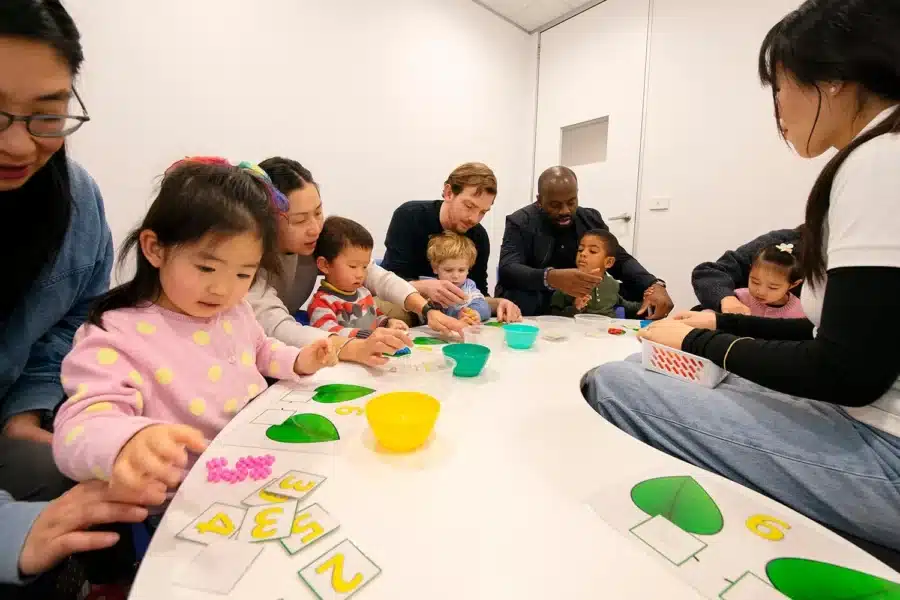
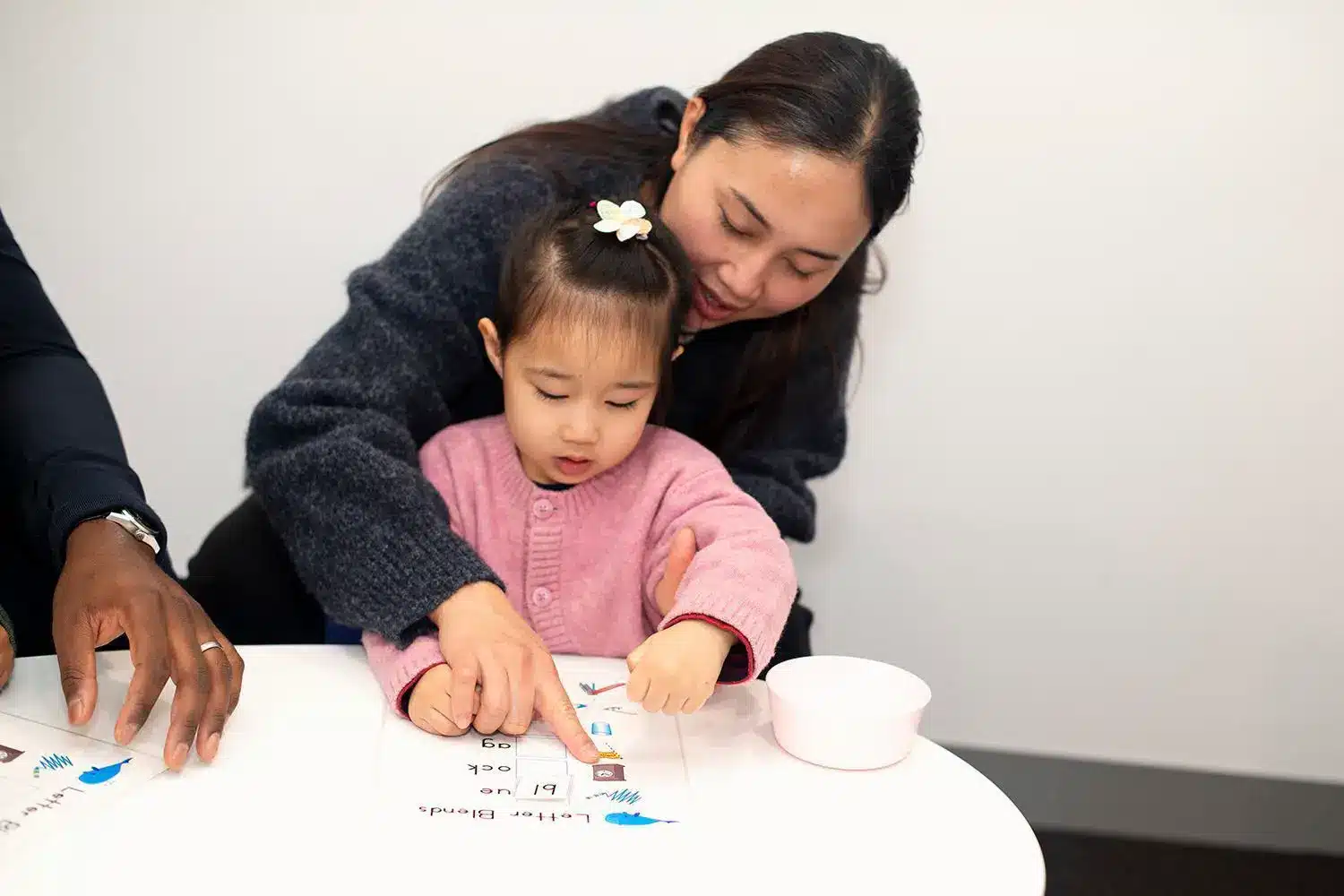
Rather than concentrating solely on academics, the Shichida Method incorporates emotional, cognitive, and sensory experiences. Parents play an essential role in actively engaging in their child’s learning process. Whether it’s through memory-enhancing flashcards, language development activities, or imaginative play, each exercise aims to unlock the child’s innate abilities.
Key benefits of the Shichida Method include:
- Balanced development of both brain hemispheres.
- Strengthened parent-child emotional bonds.
- Enhanced memory, concentration, and problem-solving skills.
- Developing emotional intelligence and confidence.
This method is offered both in structured learning centres and through the SHICHIDA at Home program, providing flexibility for parents who prefer an at-home learning environment.
The Montessori Method: Supporting Independence
The Montessori Method, pioneered by Dr. Maria Montessori in the early 1900s, centres on child-led learning. It emphasises independence and allows children to take charge of their educational journey in a prepared environment. Montessori classrooms are designed to encourage exploration and self-discovery, using hands-on materials that nurture curiosity in areas such as maths, language, and culture.
A unique feature of Montessori schools is the mixed-age classroom, where younger and older children learn side by side. This setup promotes social interaction, peer learning, and a sense of community. Teachers in Montessori environments act as guides rather than direct instructors, allowing children to set their own pace and choose activities based on their interests.
Notable benefits of the Montessori Method include:
- Encouraging independence and self-discipline.
- Hands-on learning that promotes critical thinking.
- A focus on practical life skills that build fine motor coordination.
- Supporting a sense of responsibility and cooperation in mixed-age groups.
This approach is best suited for families seeking a school-based environment where children have the freedom to lead their own learning with minimal adult intervention.
Shichida vs Montessori Teaching Methods: Comparing Key Aspects
Philosophical Approach
The philosophical differences between Shichida and Montessori teaching methods stem from their core beliefs about how children learn best.
Shichida Method: Takes a structured, guided approach where both the cognitive and emotional potential of a child can be unlocked through intentional activities. This whole-brain development method focuses on stimulating both hemispheres of the brain, engaging logic and creativity simultaneously. A key aspect of this philosophy is strong parental involvement, with parents acting as partners in the child’s learning journey.
Montessori: The philosophy centres on the idea that children are naturally curious and capable learners. It emphasises self-directed exploration in a carefully prepared environment, where the child has the freedom to choose activities that match their interests and developmental stage. Montessori teachers act as facilitators, guiding the child’s natural desire to learn without enforcing rigid structures.
Curriculum and Learning Environment:
Shichida: In Shichida programs, learning takes place both in a structured classroom environment and at home. Activities are designed to build core skills such as memory, creativity, and problem-solving through a combination of right-brain and left-brain exercises.
Montessori: Montessori classrooms provide an open-ended environment, where children choose their own activities from a variety of subjects, such as practical life skills, academic concepts, and cultural awareness. The focus is on independent, self-directed learning.
Parental Role:
Shichida: Parents are integral to the learning process, actively participating in their child’s education. They help reinforce lessons at home, building a nurturing environment that complements the structured learning in Shichida centres.
Montessori: While Montessori encourages parents to provide a prepared environment at home, the focus remains on the child’s independence. Parents serve as facilitators but are less involved in day-to-day learning activities compared to the Shichida Method.
Brain Development and Learning Styles in Shichida vs Montessori
Shichida: The Shichida Method takes a deliberate approach to brain development, focusing on stimulating both the right and left hemispheres.
Right-brain activities such as memory games, flashcards, and visualisation exercises enhance creativity, intuition, and memory retention. Left-brain tasks like phonics exercises, maths puzzles, and logic games develop analytical thinking and language skills.
This whole-brain approach ensures children are equipped to handle both creative and logical challenges. Shichida also integrates emotional development, strengthening parent-child relationships that build emotional intelligence alongside cognitive skills.
Montessori: Montessori emphasises a more tactile and sensory approach to learning, aligning closely with kinesthetic learning styles.
Children are encouraged to explore and learn through hands-on materials and physical activities that stimulate cognitive development.
Montessori environments develop practical life skills and fine motor abilities, promoting independence and problem-solving. This method is especially beneficial for children who thrive in a physical, experiential learning environment. By allowing children to work at their own pace, Montessori encourages self-reliance and builds confidence through real-world tasks.
While Montessori leans towards kinesthetic and sensory-based learning, Shichida supports a broader range of learning styles, incorporating visual, auditory, and emotional elements, offering a flexible approach to meet diverse developmental needs.
Emotional and Social Development:
Shichida: Emotional development is a cornerstone of the Shichida Method, with a strong emphasis on building emotional bonds between parent and child. Confidence and social skills are enhanced through activities that require teamwork and communication.
Montessori: Montessori promotes social interaction through mixed-age classrooms, where older children mentor younger ones. This approach helps develop social cooperation, empathy, and leadership skills.
Want to compare more alternative learning methods? Read more here.

When the Shichida Method is Right for Your Child
After comparing Shichida vs Montessori, the Shichida Method is ideal for parents who want a comprehensive, structured approach to their child’s early development, engaging both cognitive and emotional growth. If you value nurturing your child’s creativity, memory, and problem-solving skills from an early age, the Shichida Method offers a well-rounded foundation. It also develops emotional intelligence and confidence, ensuring comprehensive development.
Parents who prefer to play an active role in their child’s learning journey will appreciate the emphasis Shichida places on parental involvement. The method doesn’t just aim to enhance academic performance but also strengthens the bond between parent and child, creating a supportive and emotionally enriching environment.
The Shichida Method is perfect for families who value whole-brain development, where both the right and left hemispheres are trained to enhance skills like photographic memory, language, and logical thinking. Its carefully structured activities cater to a wide range of developmental areas, including sensory stimulation and emotional bonding.
If you’re looking for a method that offers a blend of in-centre and at-home learning, providing flexibility and continuity in your child’s education, this approach ensures that your child can thrive in both structured and relaxed environments. With proven results and a holistic focus, the Shichida Method may be the perfect fit for your family.
Compare Shichida With Other Popular Learning Methods
You may also want to explore how Shichida compares with other popular learning approaches such as Montessori or Glenn Doman.
Shichida vs Kumon: Which Early Learning Program is Best?
Early Childhood Development Methods: Shichida vs Montessori

Early Childhood Development Methods: Shichida vs Heguru
Shichida vs Reggio Emilia: Understanding the Differences

Shichida Classes vs SHICHIDA at Home: Which Is Best?
Sydney Shichida vs Preschool: Which Is Best for Your Young Child?

Shichida vs Kinder: Navigate Early Learning in Melbourne
FAQs About Shichida vs Montessori
The main difference is how learning is organised. Shichida follows a teacher-guided sequence of varied activities with active parent participation. Montessori gives children opportunities to choose and repeat activities within a prepared environment, with teachers providing demonstrations and individual guidance.
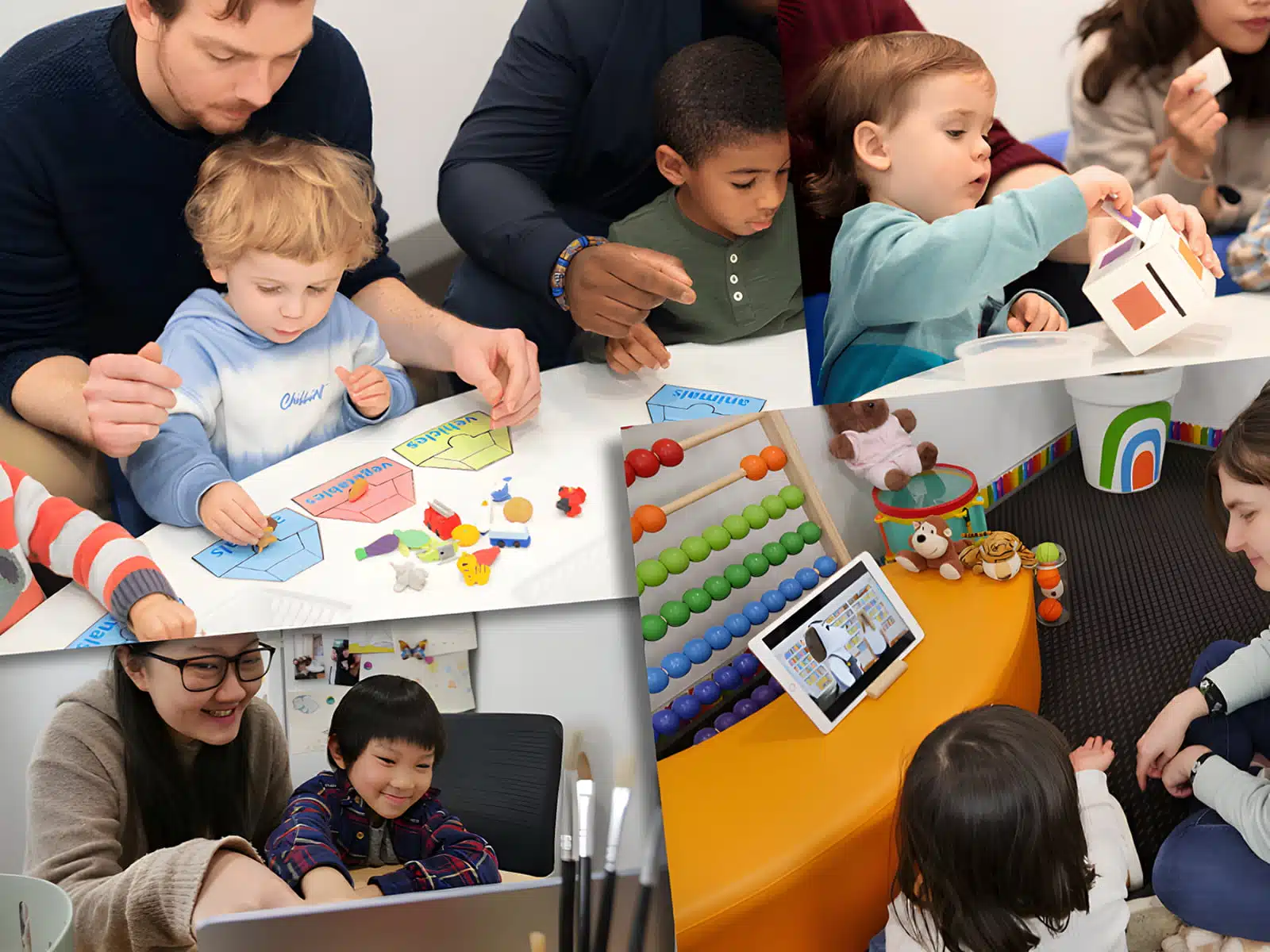
Shichida activities include memory games, songs, flashcards, puzzles, early literacy and numeracy tasks, visualisation and hands-on learning. Parents participate alongside their child. The variety gives children opportunities to use different skills, from listening and recall to problem-solving and fine motor coordination.
In Shichida’s early learning classes, parents actively participate alongside their child and learn activities to use at home. Montessori classroom learning generally places more emphasis on children working independently with teacher guidance, while parents support independence and learning through the home environment.
Both include hands-on experiences. Shichida combines practical tasks and puzzles with songs, memory games and other guided activities. Montessori places particular emphasis on purposeful materials that children can choose, handle and revisit, including activities related to practical life, language and maths.
Shichida emphasises parent-child connection, supportive guidance and confidence during shared learning. Montessori provides opportunities for independence, cooperation and responsibility, often within mixed-age groups. In both settings, everyday interactions offer children opportunities to communicate, manage challenges and work with others.