Key Points
- Developmental milestones describe typical age ranges, not strict deadlines
- Children may progress faster in some areas and slower in others, and this is normal
- Everyday play and routines offer the clearest insight into development
- Tracking milestones helps parents notice strengths and patterns over time
- Early awareness supports timely guidance and reassurance when needed
You’ve probably found yourself watching your little one with a mix of wonder and worry. Are they developing as they should? When should they be walking, talking, or reaching for that toy? It’s completely natural to have questions, and you’re not alone in wanting to understand what’s typical for your child’s age.
Here’s the reassuring bit: every child develops at their own pace. Some children walk at nine months, while others take their first steps at fifteen months, and both are perfectly normal.
Developmental milestones aren’t rigid deadlines. The milestones indicate age ranges for skills like movement, language, and social development. They are guides, and children often develop at different speeds across different areas.
Want to support your child’s development through everyday play? Download free flashcards and sensory play ideas designed to help parents nurture early skills naturally and confidently.
What Are Developmental Milestones?
Developmental milestones are the skills and behaviours that most children develop within a typical age range. These are things you can see happening over time, such as lifting their head, babbling, walking, using words, playing with others, or solving simple problems.
Milestones are not about perfection or comparison. They are patterns that help parents and professionals understand how children grow across different areas of development. A child does not need to master every skill listed for their age to be developing well.
Milestones are informed by decades of child development research and professional frameworks used in early childhood education and health settings. They look at development across the whole child, not just physical growth or speech.
Most importantly, milestones are meant to support understanding, not label children. They help you notice progress, celebrate skills as they emerge, and recognise when extra support might be helpful.
Why Developmental Milestones Matter
Milestones give you a way to track development without guesswork. They help parents notice strengths, spot patterns over time, and feel reassured about what is typical. They also support early conversations with healthcare providers if concerns arise. Early awareness does not mean something is wrong. It simply opens the door to guidance and support when needed.
Domains of Child Development
Child development is usually described across five key areas:
- Gross motor skills include large movements like rolling, sitting, walking, and jumping.
- Fine motor skills involve hands and fingers, such as grasping toys, stacking blocks, or drawing.
- Language and communication covers understanding words, expressing needs, gestures, and speech.
- Social and emotional development includes bonding, expressing feelings, and interacting with others.
- Cognitive and problem-solving skills involve thinking, memory, curiosity, and learning through play.
Children may progress quickly in one domain while taking longer in another, and that is completely normal.
You can download a free developmental checklist provided by the Australian Government to help you understand typical milestones and when to seek support.
How to Use a Developmental Milestones Checklist
A developmental milestones checklist works best when it is used as an observational tool, not a test. You are not expected to sit your child down and ask them to perform skills on demand. Instead, notice what they do naturally during play, routines, and interactions.
Check milestones every few months rather than daily. Development happens gradually, and small changes add up over time. Writing down observations or using a milestone tracker can help you see progress you might otherwise miss.
Observational Tips for Parents
Watch your child in familiar settings where they feel relaxed. Notice how they move, communicate, explore, and respond to others. Avoid prompting or comparing. The clearest picture of development comes from everyday moments, not performance.
When to Take Action or Ask for Support
Consider seeking advice if your child loses skills they once had, misses several milestones across different areas, or if your concerns persist despite reassurance. Trust your instincts. Asking questions early is a sign of attentive parenting, not worry.
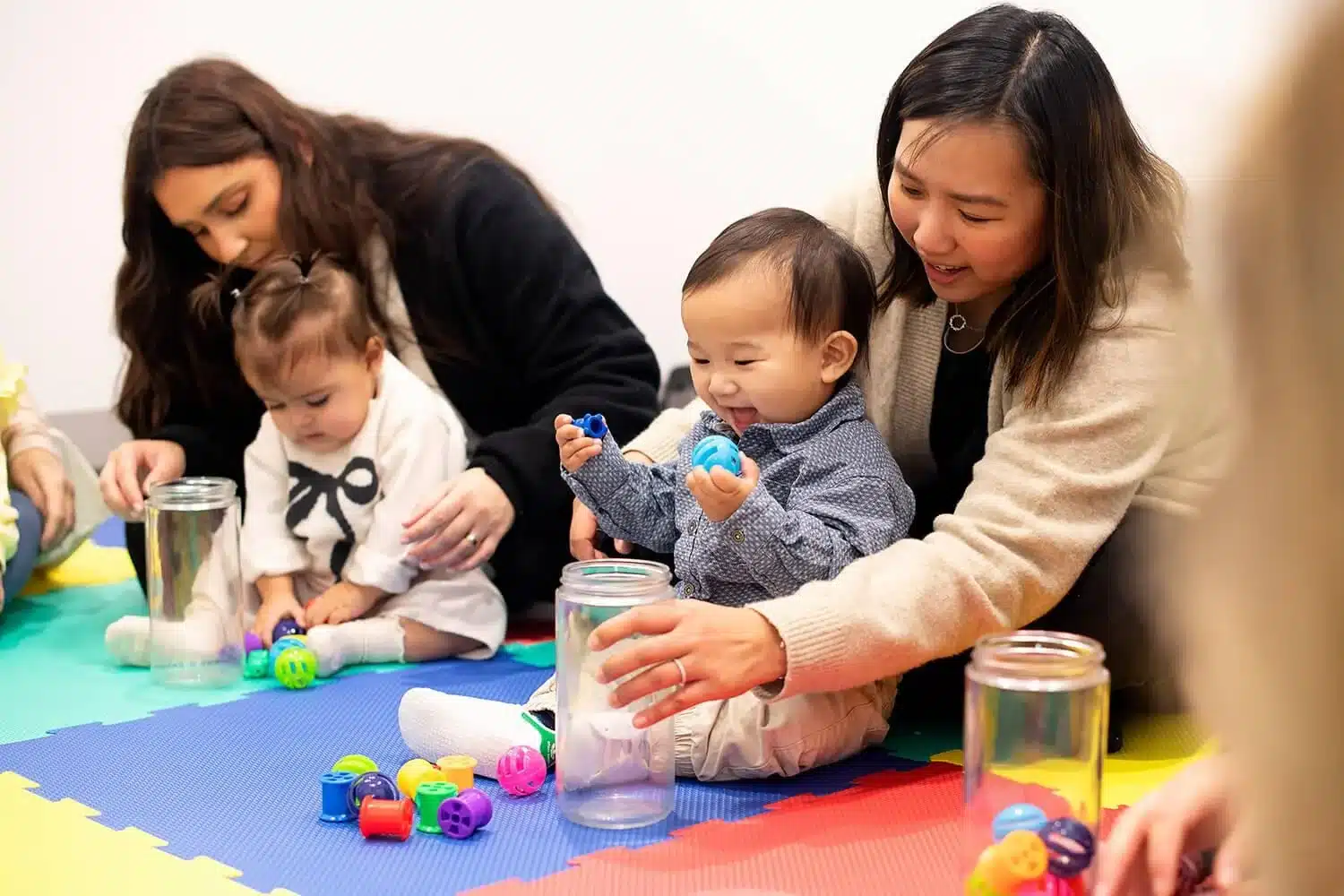
Image by Shichida Australia: Babies practising a pick-up and drop activity, strengthening hand-eye coordination, early problem-solving, and the foundations for fine motor skills during a baby class.
Developmental Milestones by Age Group
The following age-by-age milestones offer guidance, not rigid expectations. Children grow in spurts, and development rarely follows a straight line.
Birth to 3 Months
At this stage, babies begin lifting their head briefly, responding to loud sounds, and tracking faces or objects with their eyes. Reflexes like grasping are strong. You may notice early social smiles and increasing ability to calm with familiar voices and touch.
4 to 6 Months
Babies often start rolling, reaching for toys, and bringing hands to their mouth. Babbling sounds emerge, along with laughter and social engagement. Curiosity grows as they explore their surroundings through movement and sound.
7 to 12 Months
Many babies sit independently, crawl or cruise along furniture, and respond to their name. Gestures like pointing or waving may appear. They begin to understand object permanence and show early problem-solving through play.
1 to 2 Years
Walking becomes more confident. First words turn into simple phrases. Toddlers follow basic directions, engage in pretend play, and show a strong desire for independence while still needing reassurance.
2 to 3 Years
Vocabulary expands quickly, with children combining words into short sentences. Parallel play becomes common, emotions are expressed more clearly, and self-help skills like feeding and dressing begin to develop.
3 to 5 Years
Preschool children use longer sentences, engage in cooperative play, and develop early numeracy and literacy foundations. Attention span improves, imaginative play deepens, and emotional regulation becomes more consistent with adult support.
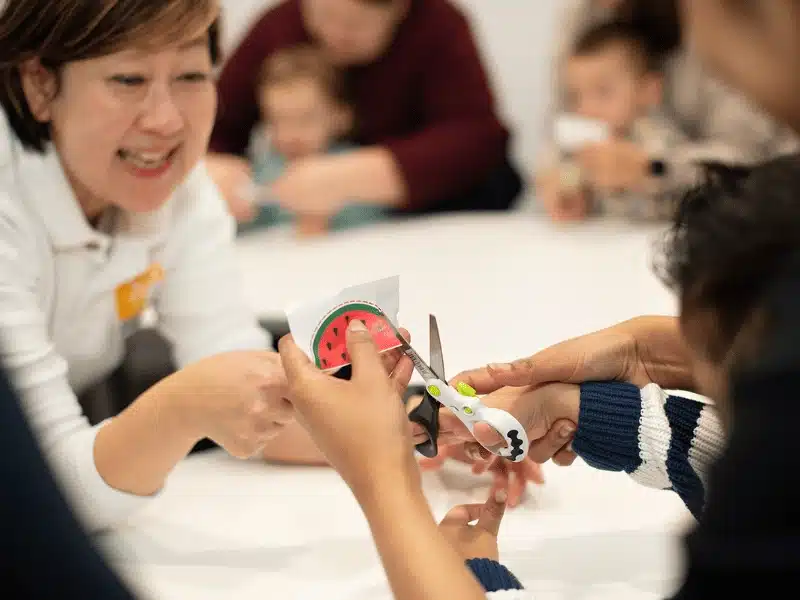
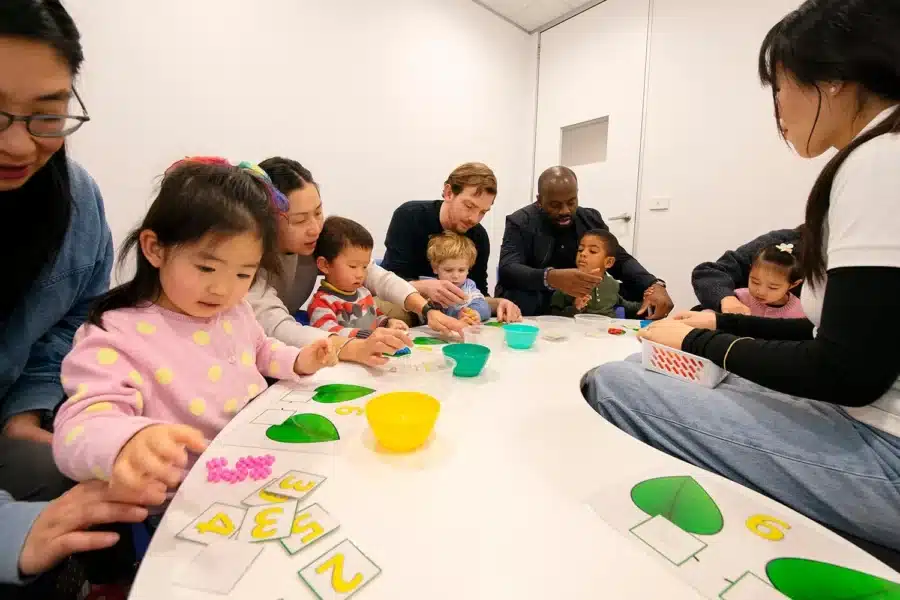
Image by Shichida Australia: Toddlers practising cutting rounded edges with guidance from a parent and a Shichida teacher, supporting fine motor control, hand strength, and early coordination.
Common Variations in Milestone Timing
No two children follow the exact same timeline. Development is influenced by temperament, environment, opportunity, and experience. Some children are cautious observers, while others dive into new skills quickly. Both are valid paths.
Early Developers and Late Bloomers
A child may speak early but take longer with physical skills, or vice versa. Strengths often rotate over time. Development balances out as children grow, especially when they are supported with responsive care.
Cultural and Environmental Influences
Daily routines, caregiving styles, language exposure, and cultural expectations all shape development. Children learn through what they see, hear, and experience regularly. Different environments naturally support different skills.
Developmental Red Flags and When to Seek Support
Red flags are not diagnoses. They are signs that closer observation or professional input may be helpful. Early support can make a meaningful difference and often provides reassurance.
Social and Communication Red Flags
Limited eye contact, minimal social response, lack of babbling, or absence of gestures like pointing or waving may warrant discussion with a professional.
Motor Development Red Flags
Persistent stiffness or floppiness, difficulty sitting or walking when expected, or limited use of hands for play may indicate the need for further observation.
Language and Cognitive Red Flags
Very limited vocabulary, difficulty following simple instructions, or lack of pretend play may be reasons to seek guidance, especially if concerns persist over time.
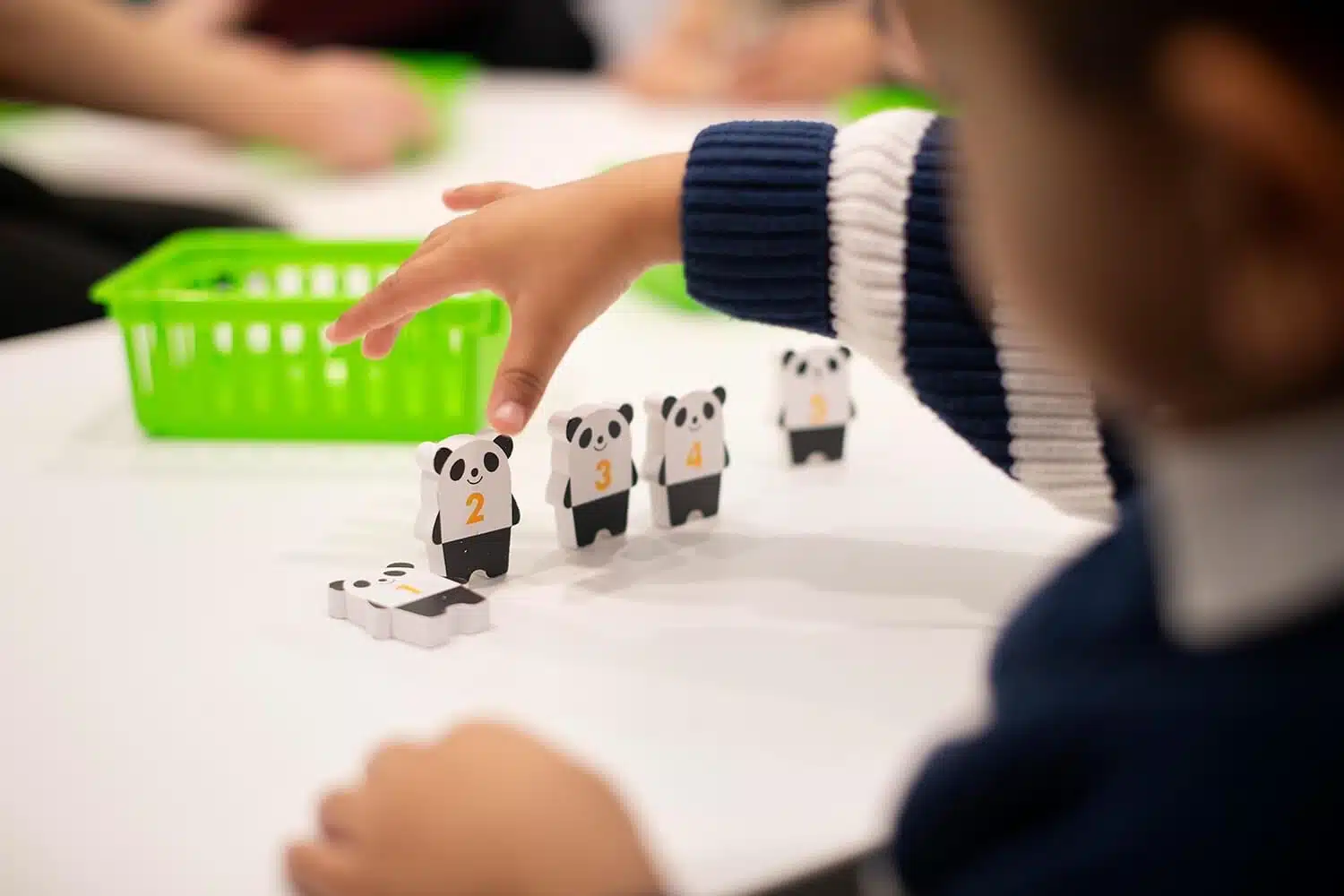
Image by Shichida Australia: A preschooler lining up number panda dominoes, practising numeral recognition, number order, and fine motor coordination.
Tools and Resources for Tracking Development
Parents do not have to rely on memory alone. Trusted tools can support awareness and consistency alongside regular health checkups. Government frameworks, early childhood resources, and community services all offer guidance rooted in research.
Printable Developmental Milestones Checklists
Printable checklists are helpful for quick reference. They allow you to jot down observations and see patterns clearly over time.
Digital Milestone Trackers and Apps
Digital trackers and apps offer reminders, age-based updates, and easy logging. Many parents find these tools helpful for staying organised without overthinking daily progress.
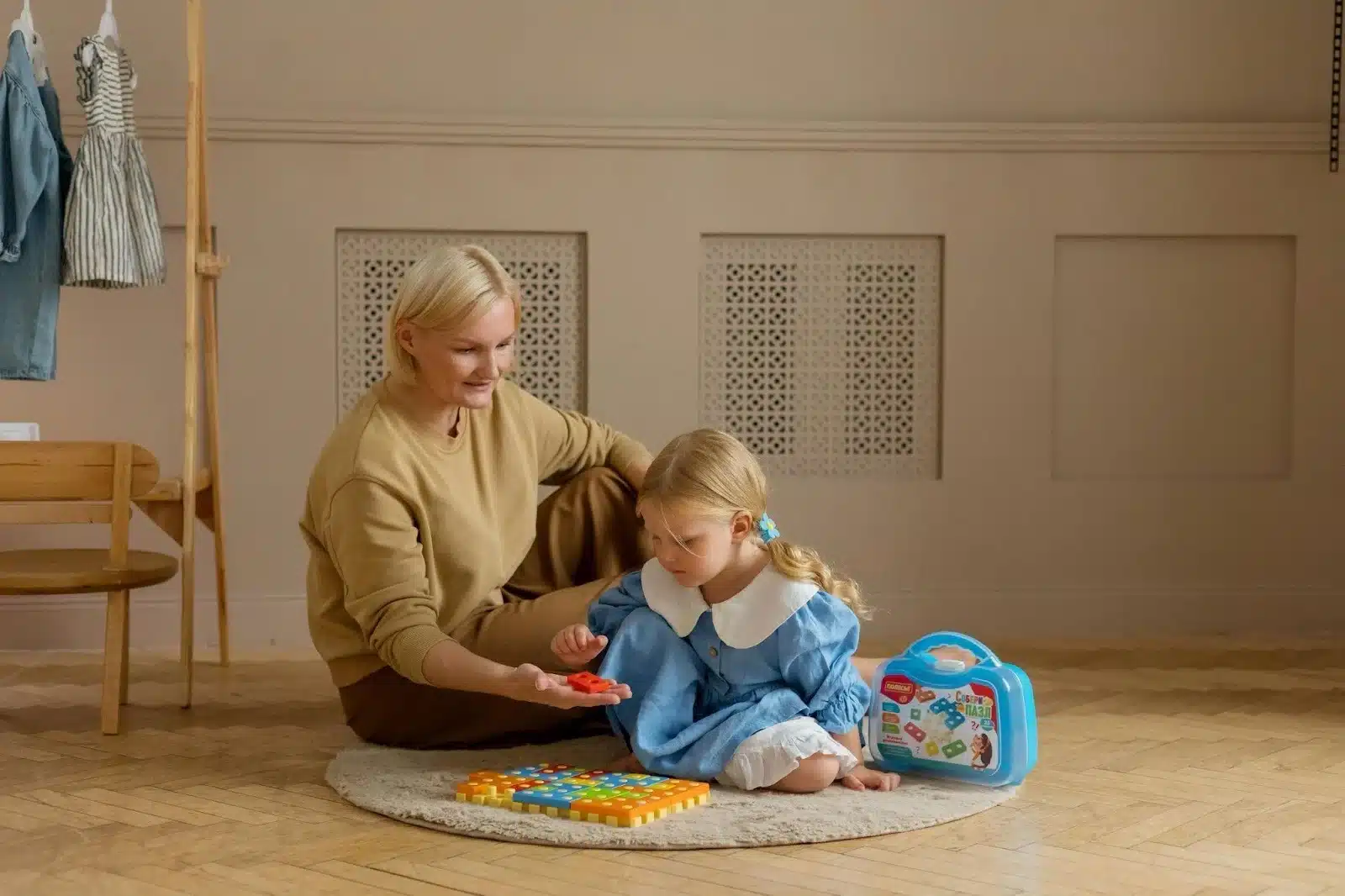
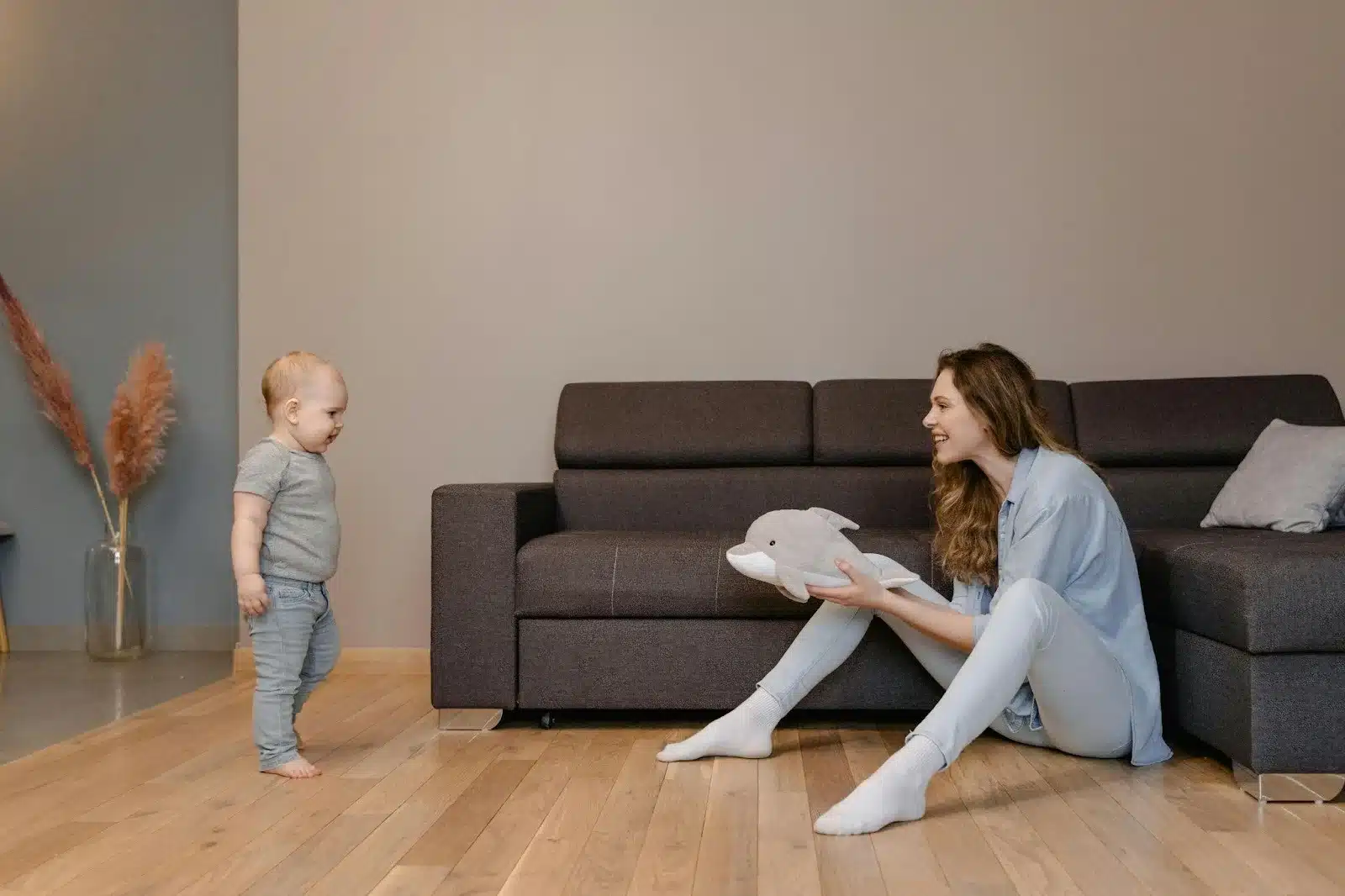
Photo from Pexels: Tracking progress with a developmental milestones checklist encourages confidence, connection, and informed support as children continue to grow.
Supporting Development at Every Stage
The most powerful way to support development is through everyday connection. Children learn best through play, routines, and responsive interaction, not drills or pressure.
Supporting Development in Infancy
Offer tummy time, talk and sing throughout the day, respond to cues, and allow sensory exploration through safe touch and movement.
Supporting Development in Toddlerhood
Read together daily, play simple games, name emotions, and encourage movement and exploration. Let curiosity lead.
Supporting Development in Preschool Years
Encourage imaginative play, storytelling, problem-solving activities, and cooperative games. These build confidence, language, and emotional skills naturally.
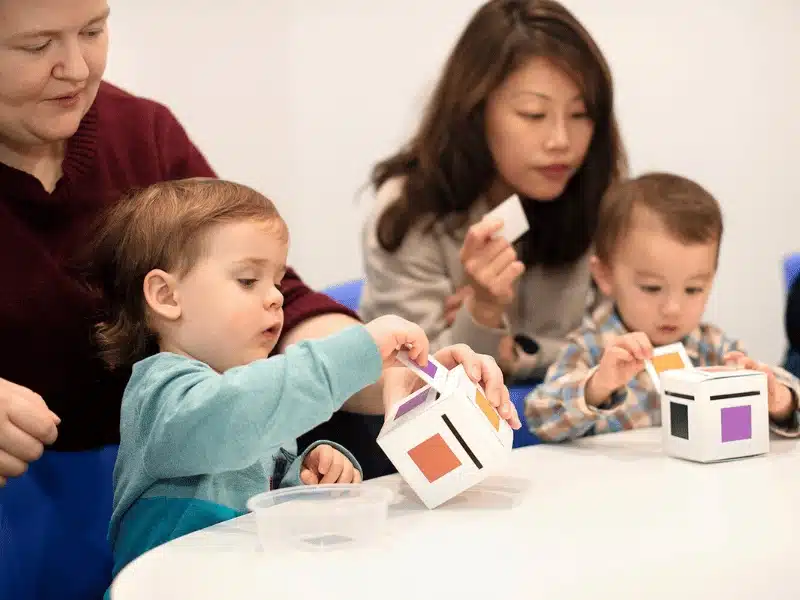
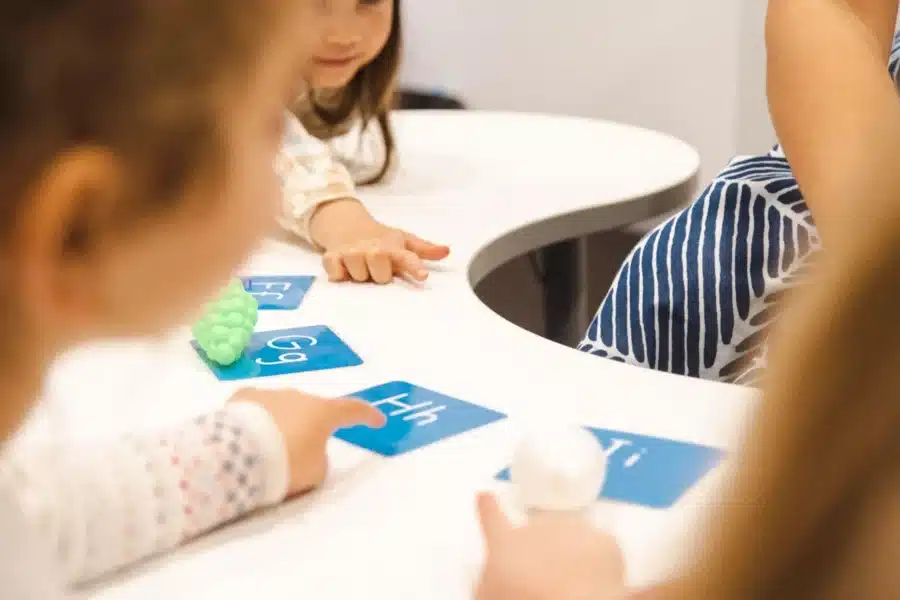
Image by Shichida Australia: Toddlers playing a colour matching game during a toddler class, alongside a parent each.
Reach Developmental Milestones with Shichida
If you would like guidance that goes beyond checklists and supports your child’s development in a calm, structured way, Shichida Australia offers age-appropriate programs grounded in early childhood development principles.
Shichida classes focus on nurturing cognitive, emotional, language, and motor skills through play-based learning and strong parent-child connection. It is a supportive environment where development is encouraged, not rushed or compared.
Book a trial class with Shichida Australia to experience how gentle, intentional activities can support your child’s milestones with confidence!
FAQs: Developmental Milestones Checklist
They are observable skills most children develop within typical age ranges across different areas of growth.
Every few months is enough. Development unfolds over time, not day by day.
One missed milestone rarely signals a problem. Look at overall patterns and seek advice if concerns persist.
No. Age ranges are flexible and influenced by temperament, environment, and experience.
Many parents look for ongoing, practical ways to support development through play and interaction. Shichida Australia offers age-based parent-and-child classes that build language, motor, cognitive, and emotional skills through gentle, structured activities designed to support development at each stage without pressure.
All domains matter together. Development is most meaningful when viewed as a whole child.
Share specific observations from daily life. A milestone tracker can help guide the conversation.
Yes. Play, routines, and responsive interaction are the foundation of learning and development.
Government sites and early childhood education resources offer reliable printable checklists.