- Executive function in preschoolers helps children focus, remember instructions, manage emotions, adapt to change, and control impulses.
- The three core executive function skills are working memory, cognitive flexibility, and inhibitory control.
- These skills develop gradually through play, routines, movement, pretend play, memory games, and everyday parent-child interactions.
- Simple activities such as Simon Says, freeze dance, sorting games, storytelling, and visual routines can help strengthen executive function at home.
- Strong executive function supports school readiness, attention span, emotional regulation, early literacy, early numeracy, and growing independence.
- Whole-brain learning approaches, such as Shichida Australia, can support executive function through guided play, memory activities, sensory learning, and parent-child engagement.
One moment your preschooler is running an imaginary cafe, and the next they forget an instruction or become upset when plans change. These everyday moments reflect the development of executive function in preschoolers, the skills that help children focus, remember, manage emotions, adapt, and control impulses.
The good news is that these skills grow through play, routines, movement, and everyday interactions. Activities like memory games, pretend play, and problem-solving help strengthen executive function, which is why many parents explore approaches such as Shichida Australia that support whole-brain development through guided learning and play.
Designed for families with children up to 5 years old.
What Is Executive Function in Early Childhood?
Executive function in preschoolers is not one single ability. It is a system of mental processes that helps your child manage thoughts, actions, emotions, and behaviour.
For young children, this may look like:
- Following two-step instructions
- Waiting patiently during group activities
- Switching from playtime to dinner without a meltdown
- Remembering game rules
- Adjusting when routines change
These skills are still developing during early childhood, which means mistakes and emotional moments are completely normal. The brain is learning how to organise information, manage impulses, and stay flexible.
The Three Core Executive Function Skills
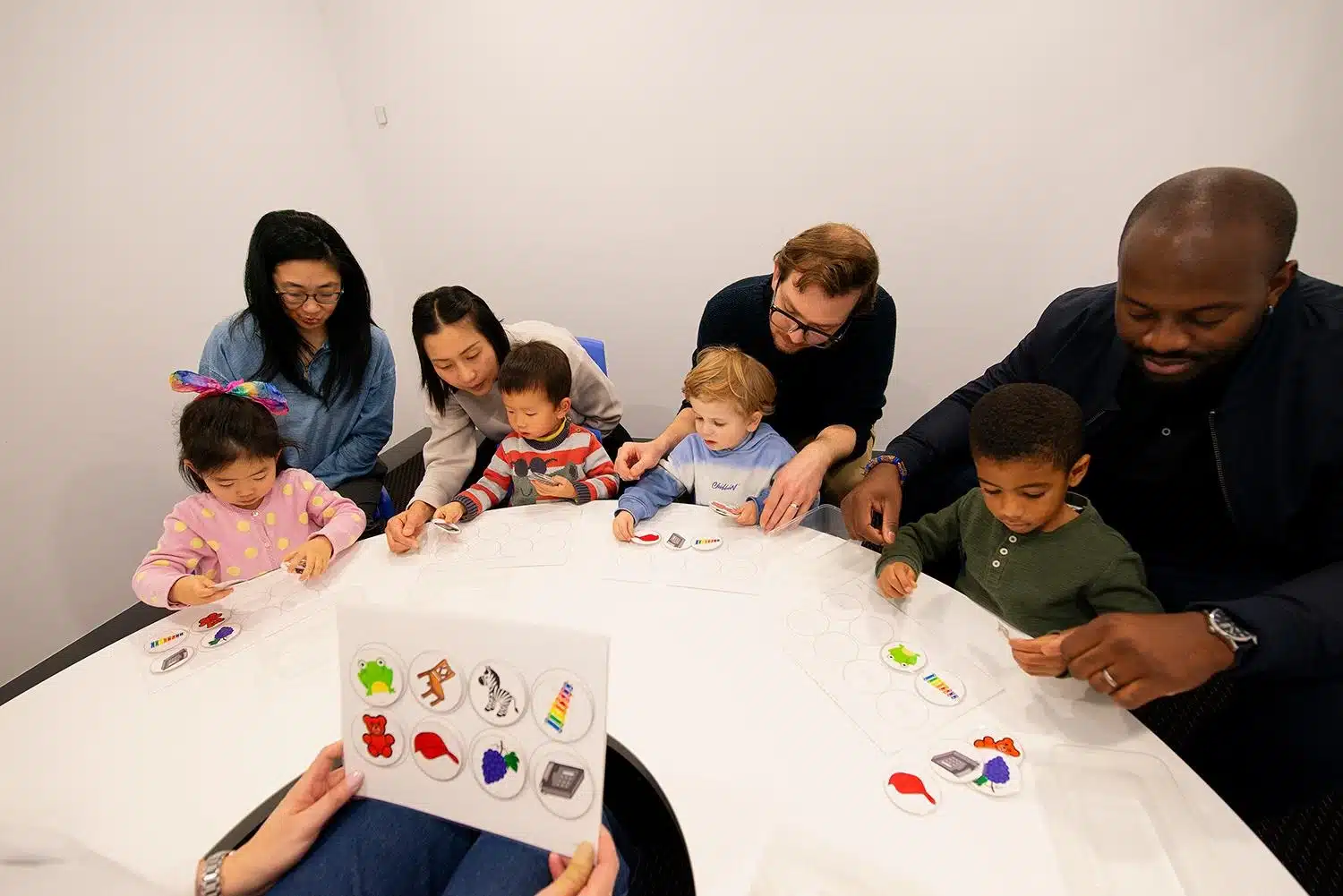
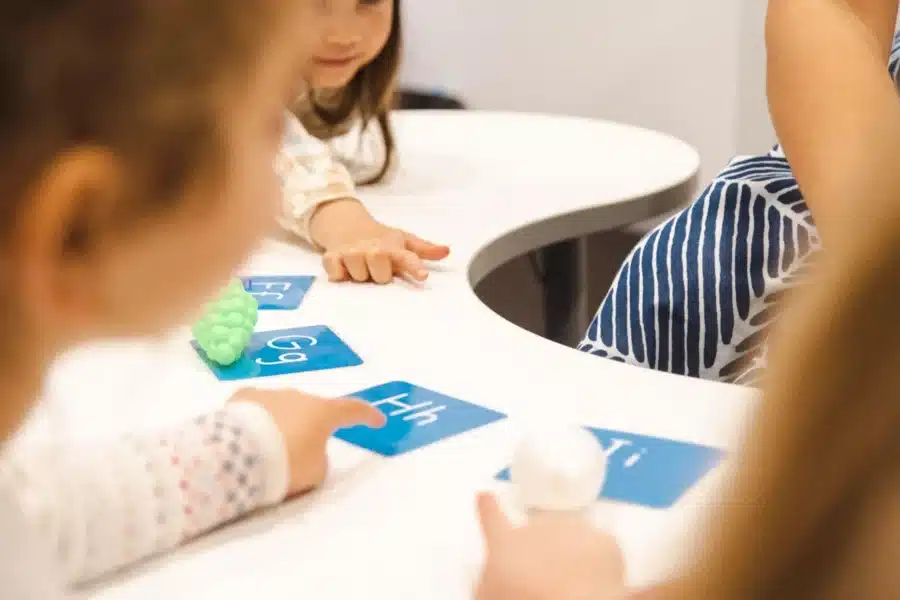
Image by Shichida Australia: Preschoolers practise working memory and focus through a fun memory game with their parent during a Shichida class.
Working memory
When you ask your child to “put your shoes away and wash your hands”, working memory is what helps them remember both instructions long enough to complete them. Your child uses working memory throughout the day, whether they are following a bedtime routine, remembering the rules of a game, or recalling what happened in a story.
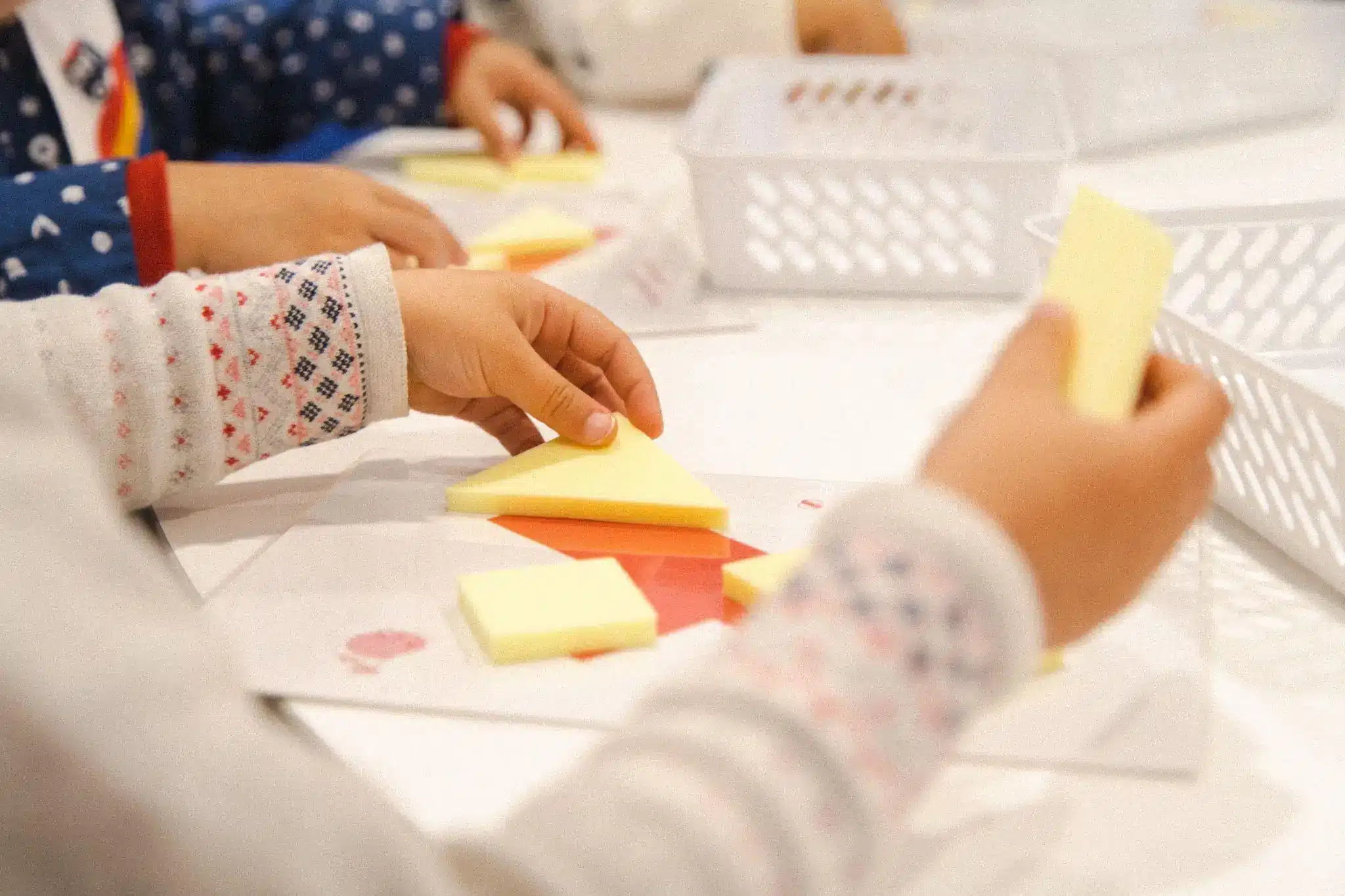
Image by Shichida Australia: Preschoolers build problem-solving skills and flexible thinking as they complete a challenging tangram shape puzzle during a Shichida class.
Cognitive flexibility
Have you ever noticed your child becoming upset when plans suddenly change or when a game is played differently than expected? Cognitive flexibility is the skill that helps your child adapt, switch between ideas, and try new approaches when things do not go according to plan. Through cognitive flexibility activities, your child learns that there is often more than one way to solve a problem.
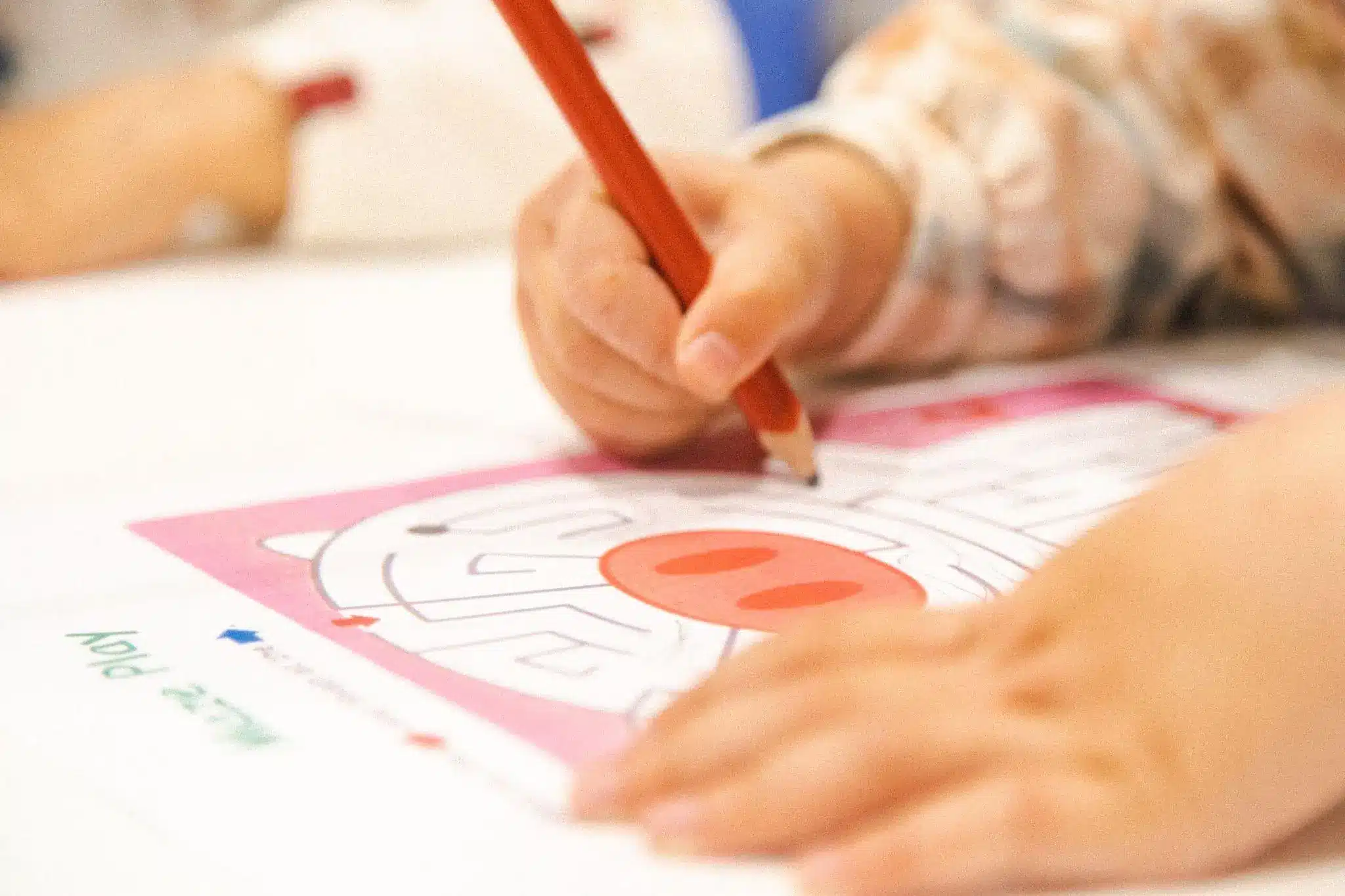
Image by Shichida Australia: A maze challenge helps preschoolers practise inhibitory control by slowing down, thinking ahead, and choosing their next move carefully.
Inhibitory control
Inhibitory control helps your child pause before acting on an impulse. It is the skill they use when waiting for a turn, resisting the urge to interrupt, or taking a deep breath instead of reacting immediately when frustrated. As this skill develops, your child becomes better able to manage emotions, follow instructions, and practise self-regulation in everyday situations.
Why Executive Function Matters in Preschoolers
When your child develops strong executive function skills, everyday tasks often become a little easier. They are better able to listen, follow instructions, cope with frustration, and adapt when things do not go as planned.
These skills support many important areas of development, including:
- School readiness
- Emotional regulation
- Attention span and concentration
- Independent learning
- Problem-solving and social skills
These abilities also help children participate confidently in early literacy and numeracy activities. Articles such as Learning Through Play explain how guided play strengthens brain development during early childhood.
If you would like your child to practise focus, memory, flexible thinking, and self-control in a guided learning environment, Shichida Australia classes are designed to support these early executive function skills through parent-child activities, memory games, movement, sensory learning, and structured play. Book a trial class at your nearest Shichida centre to see how these skills are built in class.
How Executive Function Develops in Preschool Years
The preschool years are a major period of brain growth. During this time, neural pathways strengthen rapidly through repetition and experience. This is called the Golden Period of Child Development.
Developmental theories, including those explored in Piaget’s Cognitive Development Stages Overview, show that young children learn through active exploration, symbolic thinking, and sensory experiences.
Cognitive Learning Stages and Brain Development
Preschoolers are typically in Piaget’s preoperational stage. This means they begin using imagination, symbols, language, and pretend play to understand the world.
You may notice:
- Imaginative storytelling
- Pretend games
- Early reasoning
- Curiosity and constant questions
These experiences strengthen thinking skills and early problem-solving abilities.
The Role of Neuroplasticity in Early Learning
Neuroplasticity means the brain can change and adapt through experience. In early childhood, the brain is especially responsive to repetition and stimulation.
Simple daily activities repeated consistently help strengthen executive functioning skills children use later for learning and emotional regulation.
This is one reason programs like Shichida Method Australia emphasise repetition, memory activities, sensory learning, and parent involvement during early development.
Key Executive Function Skills Explained with Real-Life Examples
Children develop executive function through ordinary daily experiences.
Working Memory in Daily Activities
Working memory activities for kids include:
- Remembering bedtime routines
- Following multi-step directions
- Recalling story details
- Sequencing simple tasks
Activities like flashcards and memory games, often discussed in Letter Recognition Games for Kids at Home, help strengthen recall and attention.
Cognitive Flexibility in Preschoolers
Flexible thinking activities for preschoolers may include:
- Changing game rules
- Adapting when plans change
- Pretend role-play scenarios
- Trying different problem-solving approaches
Imaginative play supports flexible thinking while also encouraging communication and creativity.
Inhibitory Control and Self-Regulation
Inhibitory control activities help children:
- Wait their turn
- Pause before grabbing
- Manage frustration
- Follow boundaries
These self-regulation strategies for kids are essential for group learning and social confidence.
Looking for a weekly class with developmental benefits? Shichida offers fun, guided classes across Melbourne, with centres in Doncaster, Glen Waverley and Highpoint. Families in Sydney can also join us at Burwood, Chatswood and Parramatta.
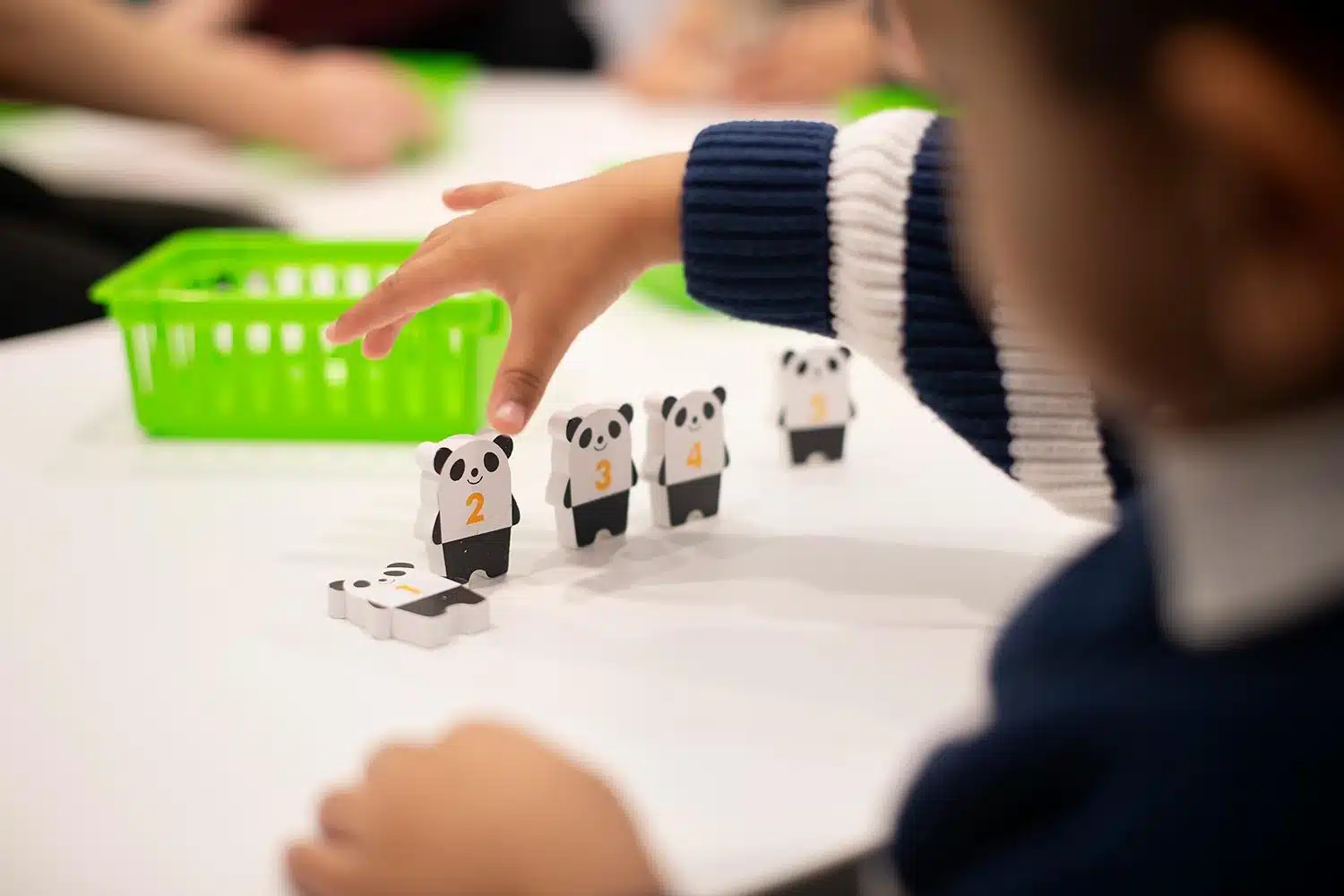
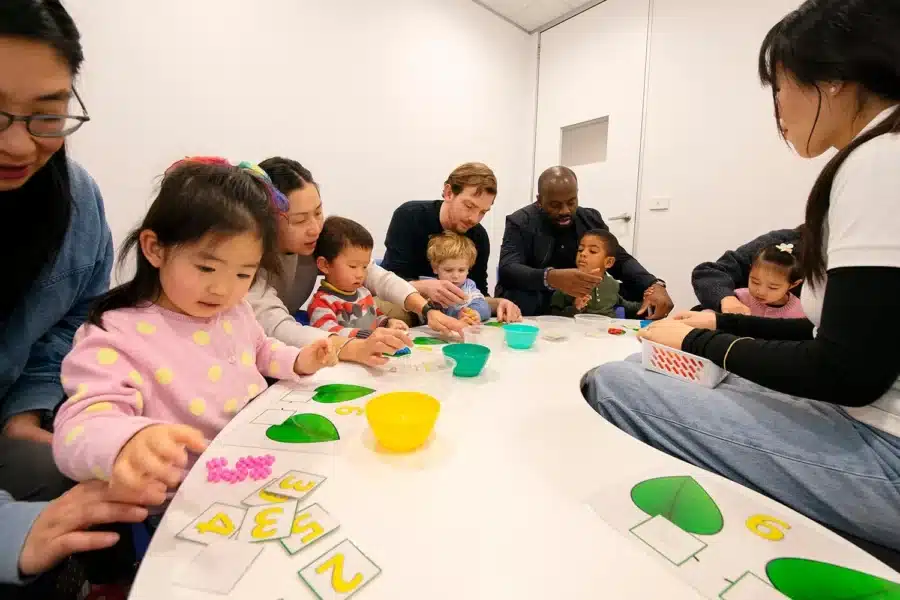
Image by Shichida Australia: During Shichida classes, preschoolers strengthen focus, planning, and early numeracy skills through hands-on numerical sequencing activities.
Signs of Strong vs Weak Executive Function
Executive function develops at different rates for every child. Observing patterns over time is more helpful than focusing on isolated behaviours.
Positive Indicators
Children with developing executive function may show:
- Improved focus and persistence
- Better emotional regulation
- Flexible responses to change
- Growing independence
Areas That May Need Support
You may notice your child:
- Interrupting conversations frequently
- Becoming upset when routines change
- Forgetting instructions quickly
- Giving up when tasks feel difficult
These challenges do not mean failure. Executive function is highly trainable through supportive practice and guided interaction.
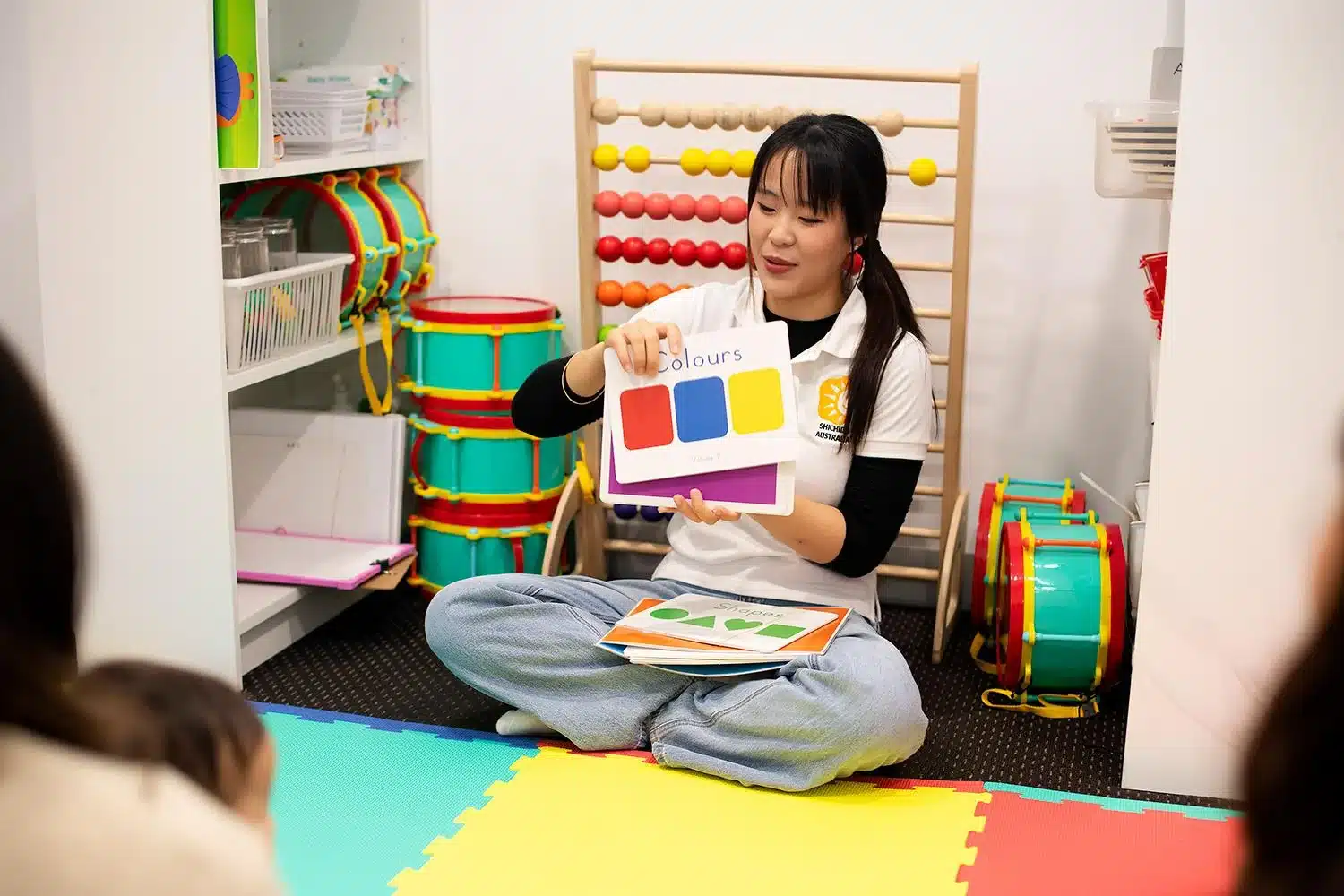
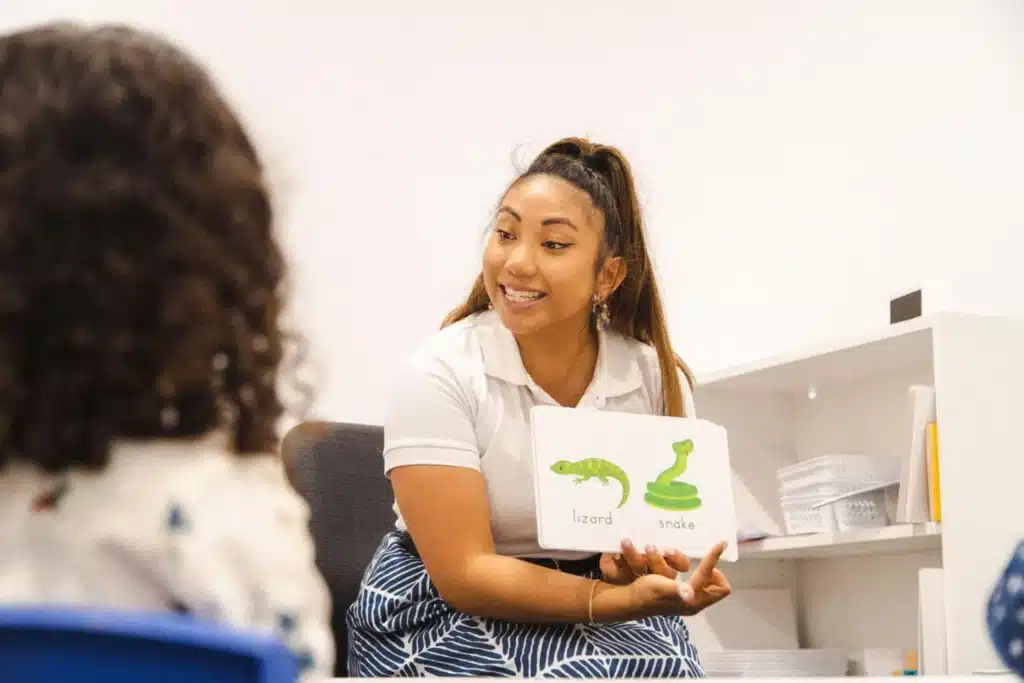
Image by Shichida Australia: Flashcards help babies and toddlers absorb basic concepts through quick, engaging input that supports early learning and attention.
Best Executive Function Activities for Preschoolers
The best executive function activities for preschoolers are simple, playful, and consistent.
Working Memory Activities
Try:
- Memory tray games with hidden objects
- Sequencing picture cards
- Story-building games
- Simple recall activities
Cognitive Flexibility Activities
Helpful cognitive flexibility activities include:
- Sorting games with changing rules
- Pretend play scenarios
- “Opposite day” games
- Creative building challenges
Inhibitory Control Activities
Classic inhibitory control activities include:
- Simon Says
- Freeze dance
- Red light, green light
- Simple mindfulness breathing
These games strengthen listening, attention, and impulse control naturally.
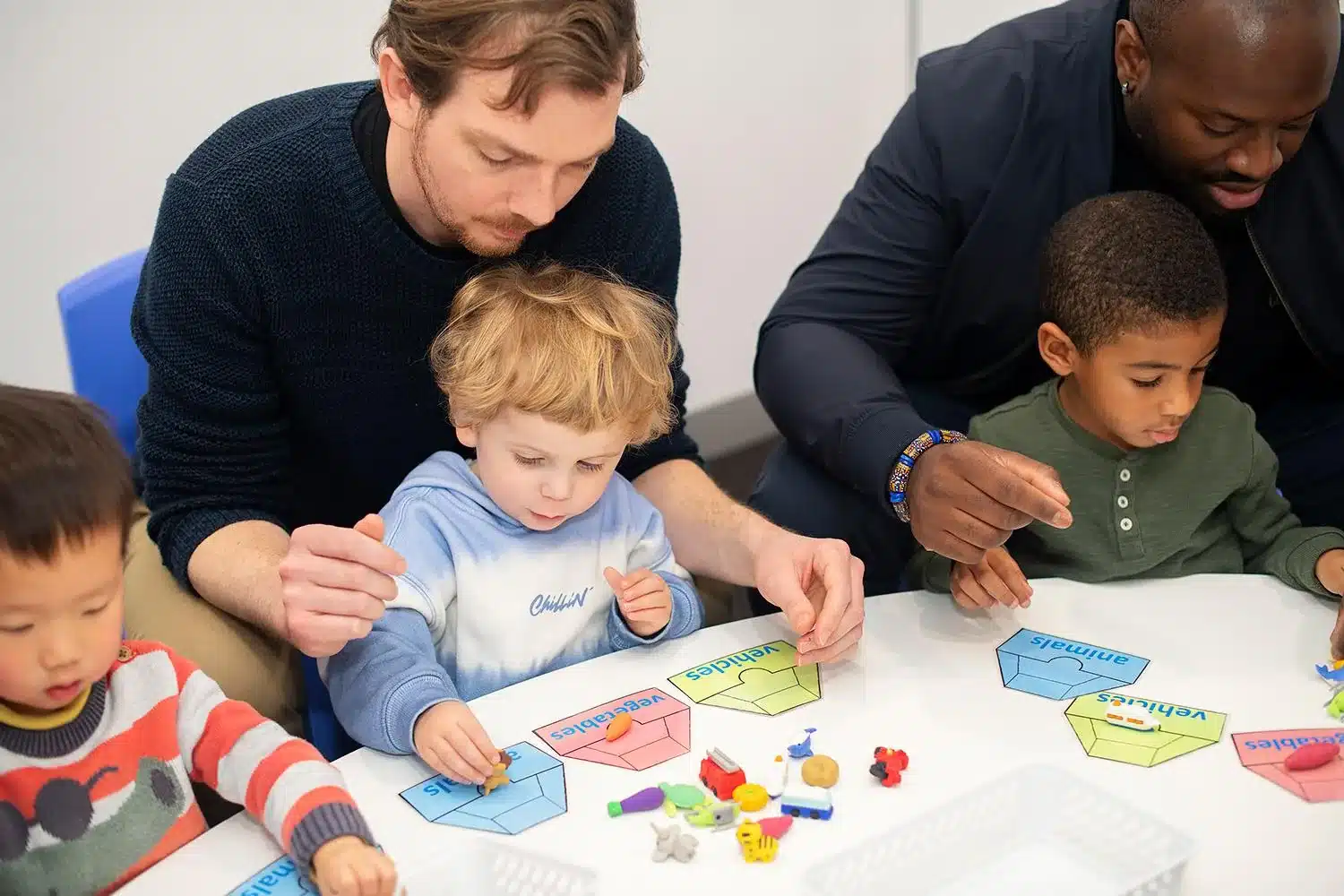
Image by Shichida Australia: Preschoolers build executive function skills as they sort, compare, and match categories with parent support.
Flexible Thinking and Cognitive Flexibility Training
Flexible thinking helps children adapt when things do not go as expected. It is closely linked to resilience, creativity, and problem-solving.
Flexible Thinking Activities for Preschoolers
You can help your child build flexible thinking through simple, playful activities that encourage them to see situations from different perspectives and explore new ideas.
Try activities such as:
- Role-playing different characters and viewpoints.
- Asking questions like, “What else could this be?” during play.
- Playing alternative uses games, such as thinking of different ways to use a cardboard box or wooden spoon.
- Encouraging imaginative storytelling with unexpected twists.
These activities teach your child that there is often more than one answer, solution, or way of thinking about a situation. Open-ended learning experiences, including asking thoughtful questions and encouraging curiosity, help your child become more adaptable, creative, and confident when facing new challenges.
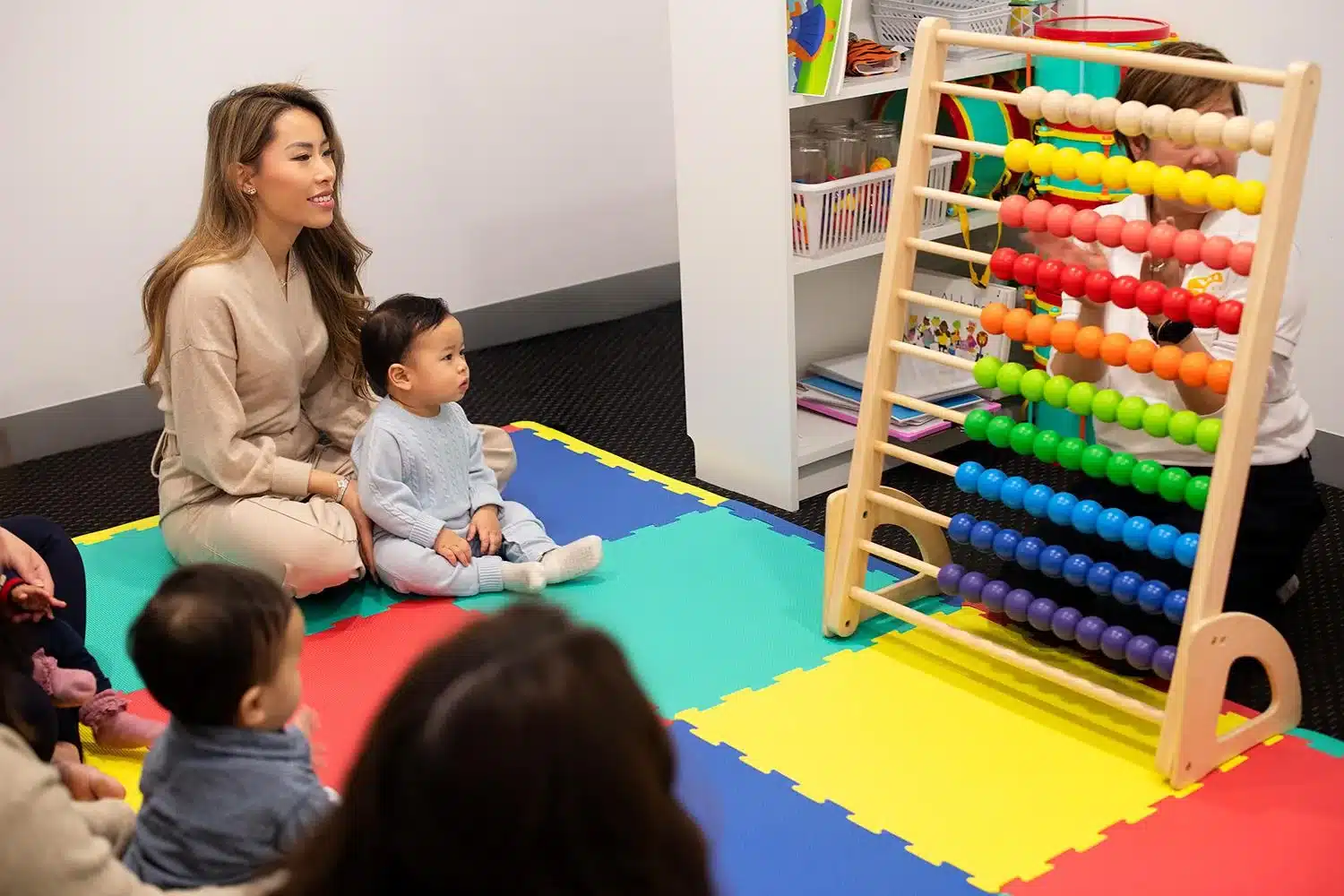
Image by Shichida Australia: Babies build observation and thinking skills as they watch their teacher count on an oversized abacus along to a song.
Building Observation and Thinking Skills
Attention and observation are foundational executive function skills.
How to Improve Observation Skills
If you are wondering how to improve observation skills, try:
- Nature walks
- Spot-the-difference games
- Guided noticing activities
- “What changed?” games
These experiences build attention span in preschoolers while strengthening memory and focus.
Thinking Skills Activities for Preschoolers
Simple thinking skills activities include:
- Puzzles
- Open-ended questions
- Sorting challenges
- Problem-solving play
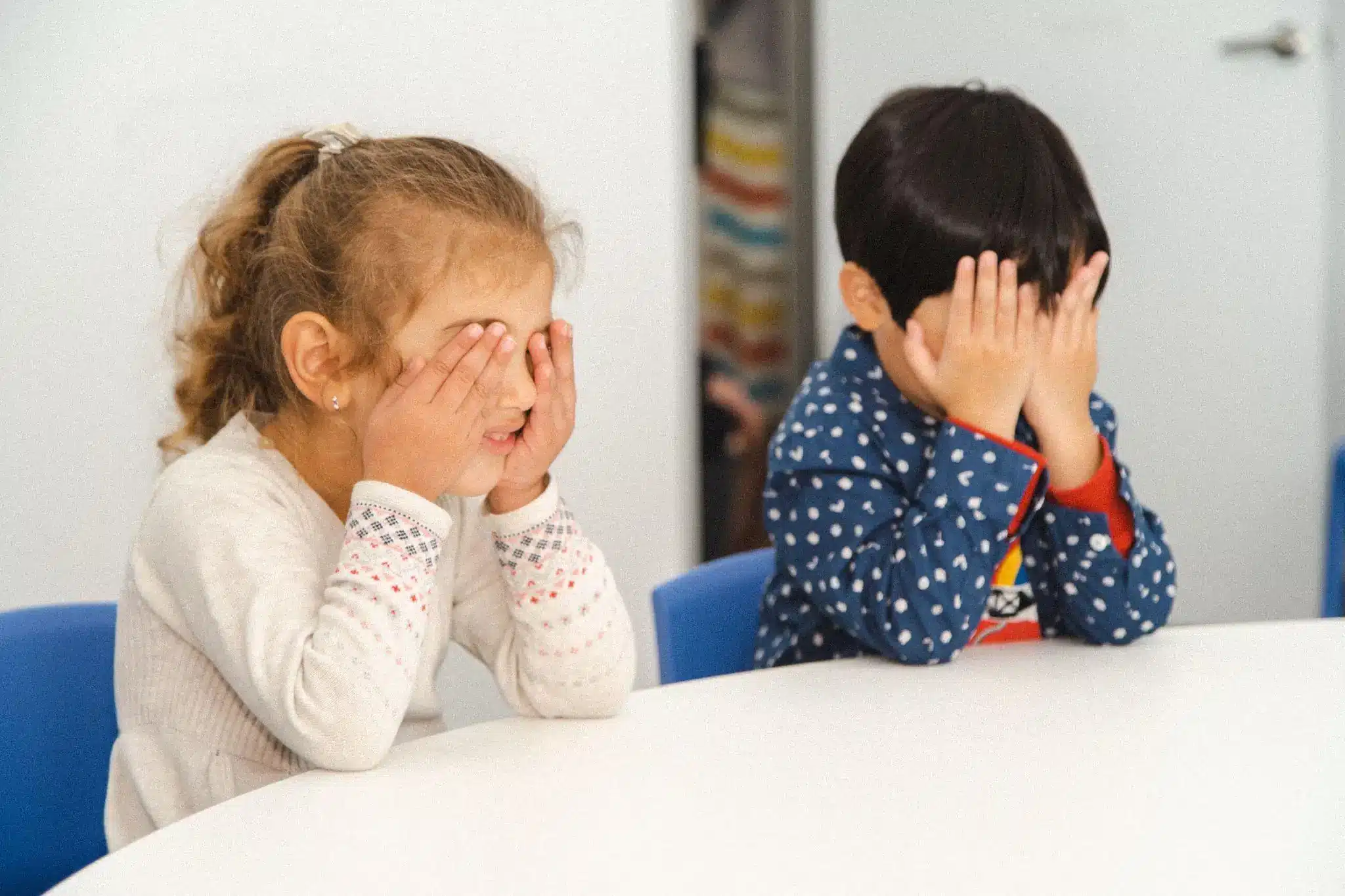
Image by Shichida Australia: Strengthening executive function in preschoolers through fun, movement-based games that develop self-control, listening skills, and inhibitory control.
Encouraging Independent Learning in Preschoolers
Executive function and independence develop together.
How to Encourage Independent Learning
To encourage independent learning:
- Offer simple choices such as what to wear for the day
- Create predictable routines
- Allow self-directed play time
- Encourage problem-solving before stepping in
When your child feels trusted to try things on their own, confidence and executive function develop together. Every time your child chooses between two options, follows a routine without reminders, or works through a small challenge independently, they are strengthening important skills like planning, self-regulation, problem-solving, and working memory.
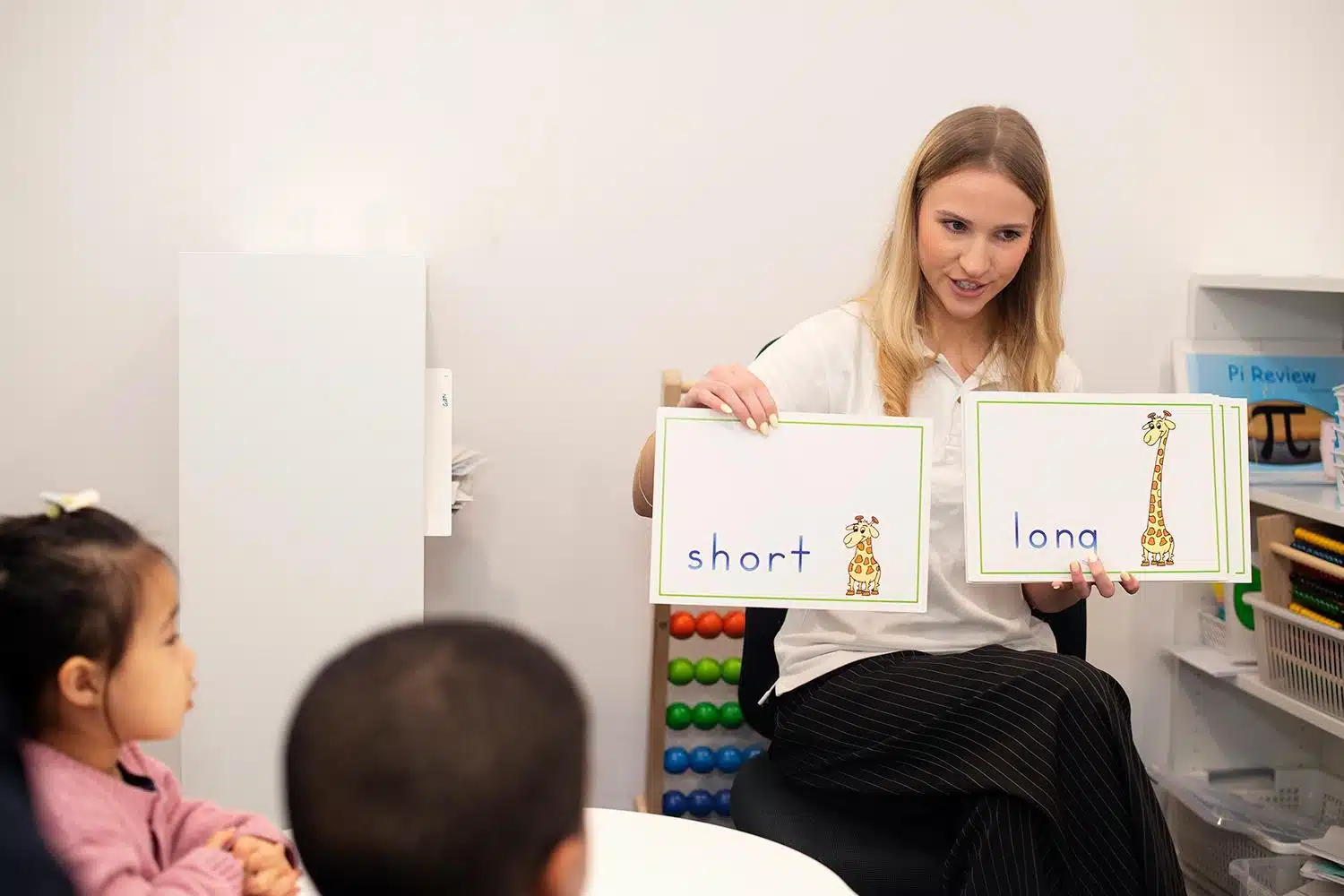
Image by Shichida Australia: During Shichida classes, preschoolers build vocabulary and thinking skills as they learn antonyms through music, movement, and flashcards.
Executive Function and Pre-Academic Skills
Executive function strongly supports early learning success.
Pre-Academic Skills for Preschoolers
Before your child learns to read, write, or solve maths problems independently, they need a strong foundation of pre-academic skills. These early learning skills include:
- Phonics readiness
- Counting and sequencing
- Sustained attention
- Listening comprehension
Executive function plays an important role in all of these areas. For example, your child uses working memory to remember instructions, sustained attention to stay focused during activities, and inhibitory control to wait, listen, and participate appropriately in group learning. These skills help your child feel more confident and prepared when they begin more structured learning at school.
Our Early Numeracy Skills Checklist also shows how memory, attention, and sequencing support maths readiness in young children.
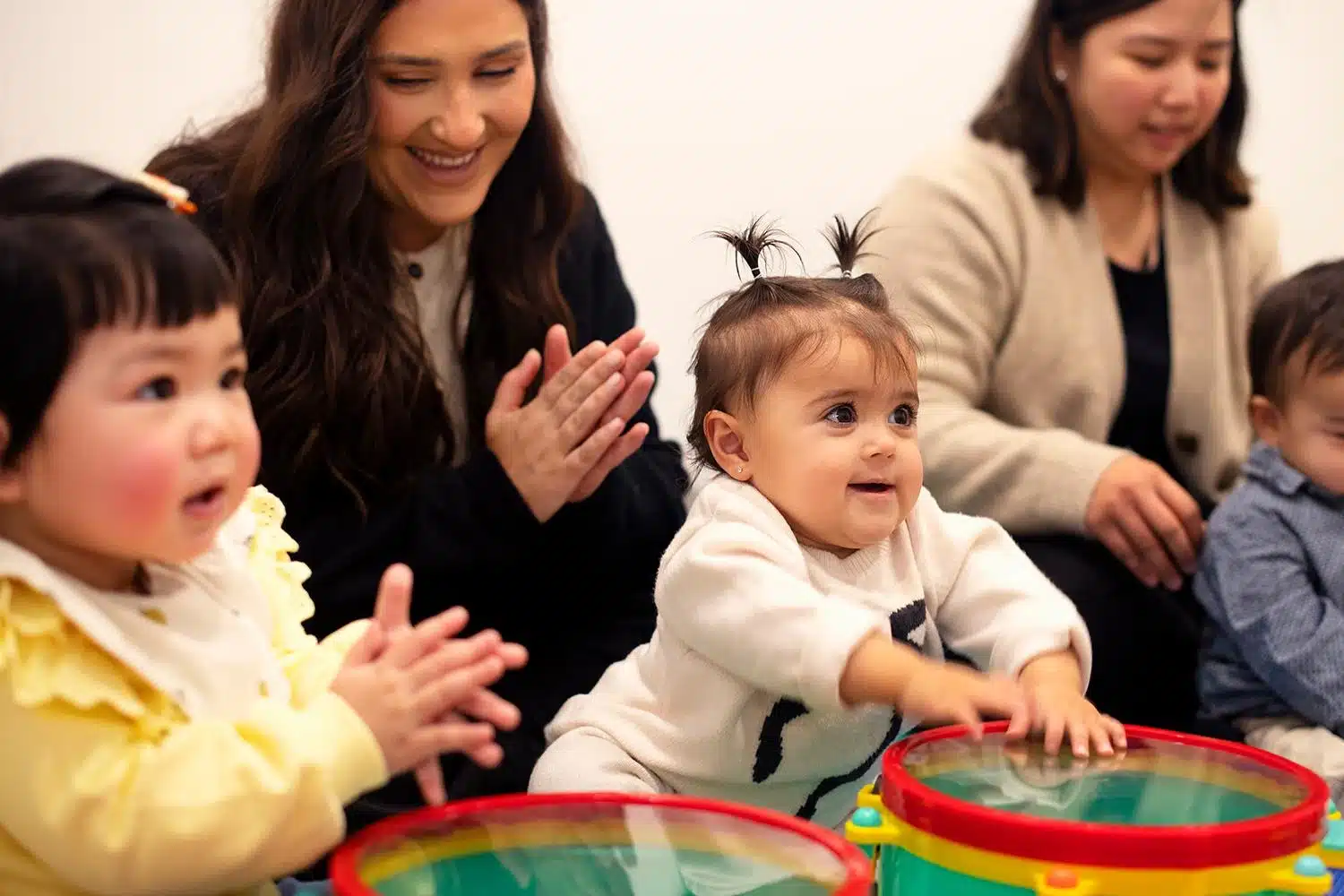
Image by Shichida Australia: Babies practise rhythm, focus, and coordination as they drum and clap along to music during a Shichida class.
What Is Cognitive Enrichment and Why It Matters
What is cognitive enrichment? It refers to experiences that stimulate learning, curiosity, memory, creativity, and brain development.
Cognitive enrichment matters because executive function grows through rich, repeated experiences that ask children to listen, remember, adapt, move, imagine, and solve problems.
Children learn best in environments rich in interaction, movement, language, and sensory experiences.
Examples of Cognitive Enrichment Activities
Helpful cognitive enrichment activities include:
- Reading books together
- Music and rhythm games
- Sensory play
- Interactive storytelling
- Guided play experiences
Articles like Visual Sensory Activities: Fun Ways to Boost Early Childhood Development explain how sensory learning supports whole-brain development.
Common Mistakes When Building Executive Function
As parents, it is natural to want to help children learn and develop quickly. However, executive function grows best through a balance of guidance, practice and everyday experiences.
Over-Structuring Activities
Organised learning activities are very helpful, as is guided play, but children also need time for free play, creativity, and independent thinking. When every moment of the day is planned, they have fewer chances to make decisions and solve problems.
Expecting Immediate Results
Executive function develops gradually throughout childhood and into early adulthood. Progress may look small at first, such as remembering one extra step, waiting a little longer, or coping better with a change in routine. These small improvements are meaningful and build over time.
Summary: Building Strong Executive Function Skills Early
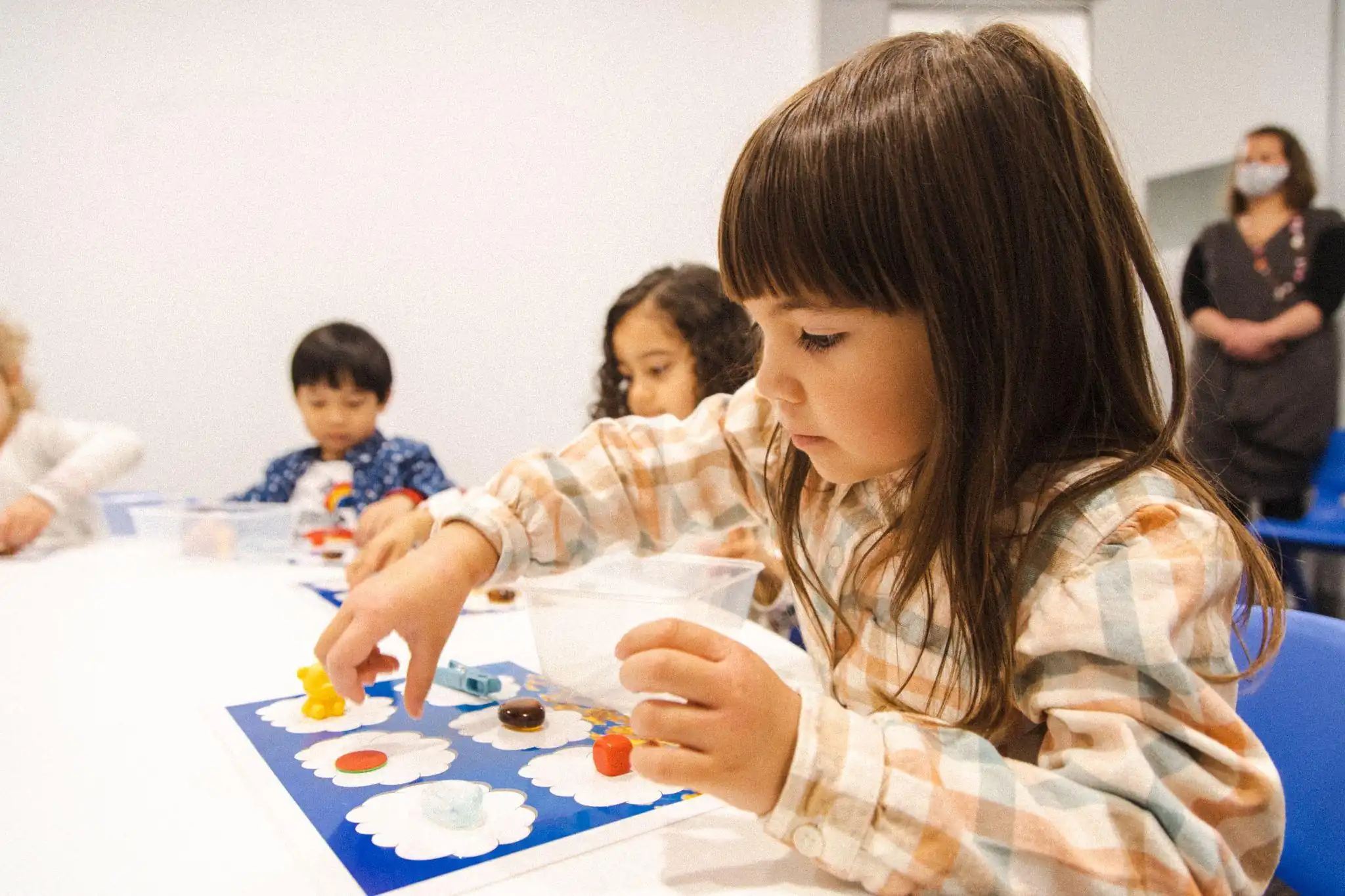
Image by Shichida Australia: Supporting executive function in preschoolers through sensory-rich play and imagination, helping children develop flexible thinking, creativity, and problem-solving skills.
Executive function shapes how children learn, focus, adapt, and manage emotions. These skills develop through connection, repetition, guided play, free play and supportive daily experiences.
Simple moments like storytelling, imaginative play, memory games, and patient guidance all contribute to stronger executive functioning skills in children.
Approaches that prioritise whole-brain development, such as Shichida Australia Blog, can provide additional ideas for supporting early learning, cognitive flexibility, and independent thinking during the preschool years.
Develop Executive Function with Shichida
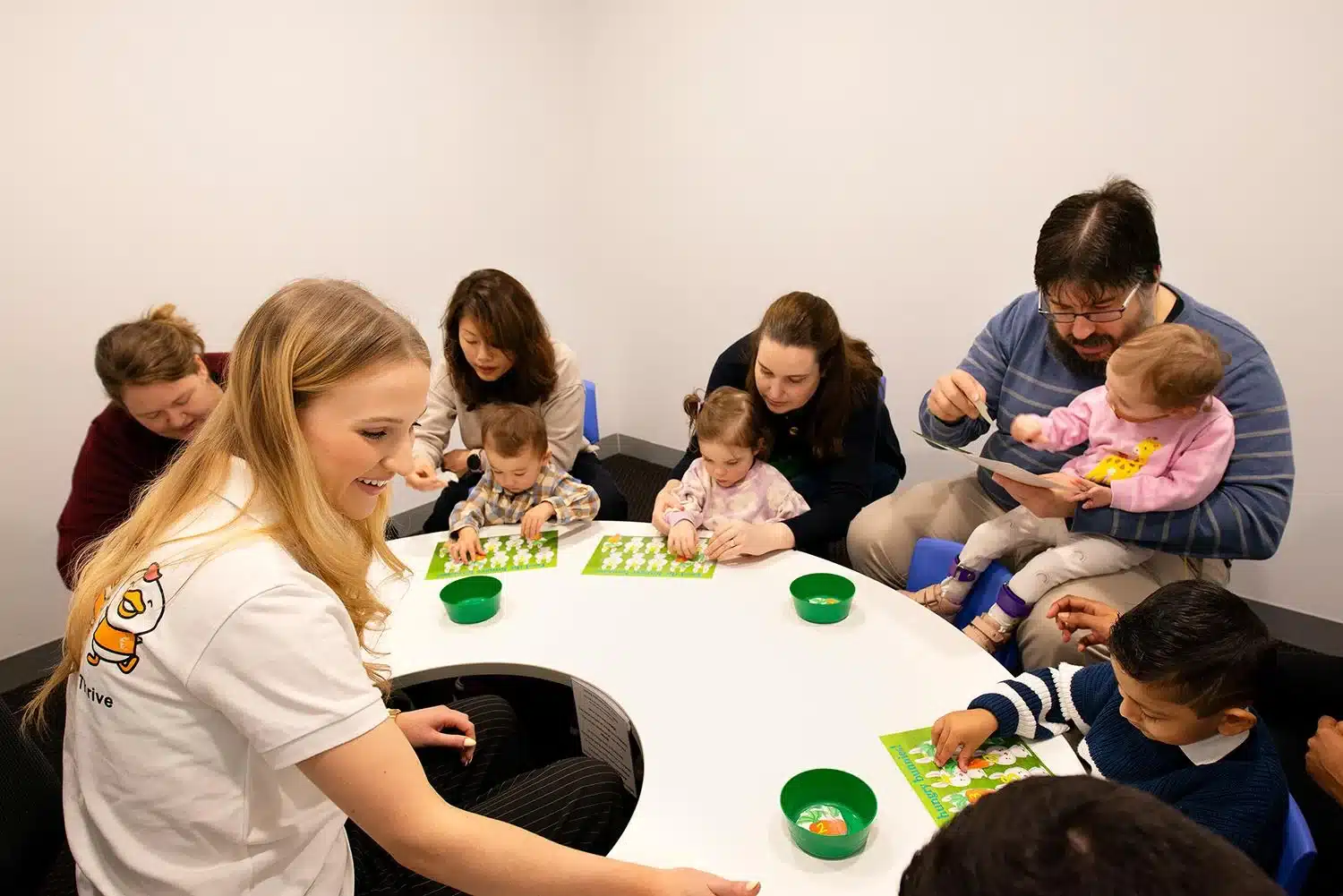
Image by Shichida Australia: In Shichida classes, preschoolers build executive function through guided, play-based activities that strengthen focus, memory, listening, and self-regulation.
Want to help your child build stronger focus, memory, and emotional control during the early years when the brain is growing the fastest?
At Shichida Australia, whole-brain learning is designed to support exactly these foundations of executive function in preschoolers through guided parent-child interaction, sensory learning, memory activities, and structured play-based enrichment.
If you are looking for practical, research-informed ways to support your child’s attention span, flexibility, and early learning readiness, explore your nearest Shichida centre and book a trial class today.
FAQs About Executive Function in Preschoolers
Executive function in preschoolers refers to the mental skills that help young children focus, remember instructions, control impulses, manage emotions, and adapt when things change. These skills are still developing during the preschool years, which is why children may find waiting, following multi-step directions, or coping with changes challenging at times.
The three main executive function skills are working memory, cognitive flexibility, and inhibitory control. Working memory helps children remember and use information, cognitive flexibility helps them switch between ideas or adapt to change, and inhibitory control helps them pause before acting on impulses.
Executive function is important for preschoolers because it supports school readiness, emotional regulation, attention span, problem-solving, social skills, and independence. These skills help children listen, follow routines, take turns, manage frustration, and participate more confidently in early learning activities.
You can improve executive function in your child at home through simple, play-based activities. Memory games, pretend play, Simon Says, freeze dance, sorting games, storytelling, puzzles, visual routines, and giving your child small responsibilities can all help build focus, working memory, flexible thinking, and self-regulation.
The best executive function activities for preschoolers are playful, simple, and consistent. Good examples include memory tray games, Red Light Green Light, Simon Says, role play, sequencing cards, “What changed?” games, sorting objects by different rules, and calm breathing activities.
Your preschooler may need extra support with executive function if they often struggle to follow simple instructions, become very upset when routines change, interrupt frequently, have trouble waiting, give up quickly, or find it hard to manage big emotions. Occasional difficulty is normal, but ongoing patterns may be worth discussing with an early childhood professional.
Yes, executive function skills can be taught and strengthened over time. Preschoolers build these skills through repeated practice, supportive relationships, guided play, movement, routines, problem-solving, and calm adult guidance. The goal is not perfection, but steady progress through everyday experiences.
Shichida Australia helps build executive function in preschoolers through guided parent-child activities that practise focus, memory, listening, self-control, flexible thinking, and problem-solving. In class, children take part in memory games, flashcards, movement activities, sensory learning, puzzles, songs, and structured play that support working memory, cognitive flexibility, inhibitory control, and school readiness. This whole-brain learning approach gives preschoolers regular opportunities to practise important executive function skills in a fun, supportive environment.