Key takeaways
- Parenting styles are a bit like toddlers choosing snacks. There are many options, everyone has strong opinions and someone will probably end up crying.
- The most well-known parenting styles are authoritative, authoritarian, permissive and uninvolved, but modern parenting has given us much more entertaining labels like Jellyfish, Dolphin, Tiger, Helicopter, Lawnmower and Lighthouse Parents.
- You probably are not just one parenting type. You might be a Dolphin Parent on Monday, a Jellyfish Parent by Friday and a Tiger Parent when the violin has not been practised.
- Jellyfish Parents are loving and flexible, but may struggle with boundaries.
- Tiger Parents are focused and driven, but may need to make room for rest, play and emotional connection.
- Dolphin Parents are often seen as the balanced middle ground: supportive, warm, flexible and still able to say, “No, you cannot wear swimmers to kinder in July.”
- Helicopter and Lawnmower Parents usually come from a place of love, but children still need chances to solve little problems, build resilience and practise independence.
- What type of parent are you? There is no perfect parenting label, you are likely a combination of styles.
Designed for families with children up to 5 years old.
Parenthood is a wild ride
One minute, you are calmly explaining why socks do, in fact, belong on feet. The next, you are negotiating with a tiny person who believes the blue cup is emotionally offensive.
Every parent has their own style. Some of us are calm. Some of us are organised. Some of us are just trying to drink one hot coffee before 11 am.
Parenting Styles – What Type of Parent Are You?
So, just for fun, let’s look at some of the parenting “types” you may have heard of.
The Chill Parent, aka The Jellyfish Parent
You go with the flow. Sometimes, maybe, a little too much.

Like to go with the flow You may have a Jellyfish parenting style.
You might be a Jellyfish Parent if:
- You let your child take the lead because you really, really dislike confrontation.
- You are no longer sure what the word “no” means.
- You start the day with rules, but by 3 pm, everyone is eating crackers on the floor.
- Your child has negotiated bedtime so successfully that you are now the one asking for five more minutes.
Jellyfish Parents are loving, warm and flexible. The challenge? Children still need boundaries, even when they are very convincing little lawyers.
The Go-Getter Parent, aka The Trophy Cabinet Parent
You love seeing your child try new things. Piano? Yes. Swimming? Yes. Mandarin? Why not. Mini chess club for toddlers? Send the link.

If managing your child’s schedule feels like running a small company, you might be caught in trophy cabinet parenting.
You might be a Trophy Cabinet Parent if:
- Your child has more weekly appointments than most CEOs.
- You have said, “We’re not competitive,” while quietly checking the other child’s handwriting.
- You have convinced yourself your child may be gifted because they once sorted blueberries by size.
- You use the phrase “just for fun” about activities that require uniforms, grading and a 7:30 am start.
Go-Getter Parents are passionate and committed. The challenge is remembering that childhood also needs breathing room, free play and glorious boredom.
The Protective Parent, aka The Lawnmower Parent
You can spot a problem before it happens, and you are ready to clear the path.

If you’re constantly removing every obstacle from your child’s way, you might be a lawnmower parent.
You might be a Lawnmower Parent if:
- You step in before your child has even realised there is a problem.
- You have considered emailing the teacher about a playground disagreement your child has already forgotten.
- You believe natural consequences are important, but only in theory.
- Your child’s lost toy becomes a full-scale family investigation.
Lawnmower Parents are caring and devoted. The challenge is allowing children to build confidence by solving some little problems themselves.
The Hovering Parent, aka The Helicopter Parent
You are involved. Very involved. Possibly with binoculars.

If you’re hovering so close you can spot a missing sock from three rooms away, you may have a helicopter parenting style.
You might be a Helicopter Parent if:
- You check in on your child even when they are perfectly fine.
- You ask, “Are you okay?” so often your child now answers before you finish the sentence.
- You know every child in the class, every teacher’s name and exactly who did not share the glue stick.
- You have strong feelings about how much attention your child is getting during group activities.
Helicopter Parents are deeply invested. The challenge is stepping back enough for children to practise independence while knowing you are still there.
The Balanced Parent, aka The Dolphin Parent
You are warm, playful and supportive, but you still believe in structure.

Are you firm when needed, fun when possible, and flexible when life gets messy? That sounds like a dolphin parenting style.
You might be a Dolphin Parent if:
- You give your child choices, but not unlimited choices.
- You believe rules matter, but you also know life with children requires flexibility.
- You encourage creativity, curiosity and independence.
- You can say, “I understand you’re upset,” while still holding the boundary.
Dolphin Parents aim for balance. They guide without controlling, support without rescuing and give children room to grow.
The Guiding Parent, aka The Lighthouse Parent
You are steady, calm and present. You do not steer every move, but your child knows where to find you.

Do you give your child room to sail, but stay close enough to guide them back? That sounds like a lighthouse parenting style.
You might be a Lighthouse Parent if:
- You let your child try, wobble and try again.
- You offer guidance without taking over.
- You believe children need both safety and freedom.
- You are working on being less “captain of the ship” and more “steady light on the shore”.
Lighthouse Parents aim to give children confidence by being supportive without hovering. It is a lovely middle ground for many families.
The Natural Parent, aka The Crunchy Parent
You love the natural route. You have snacks in glass jars, know too much about sourdough and have very strong opinions about fabric softener.
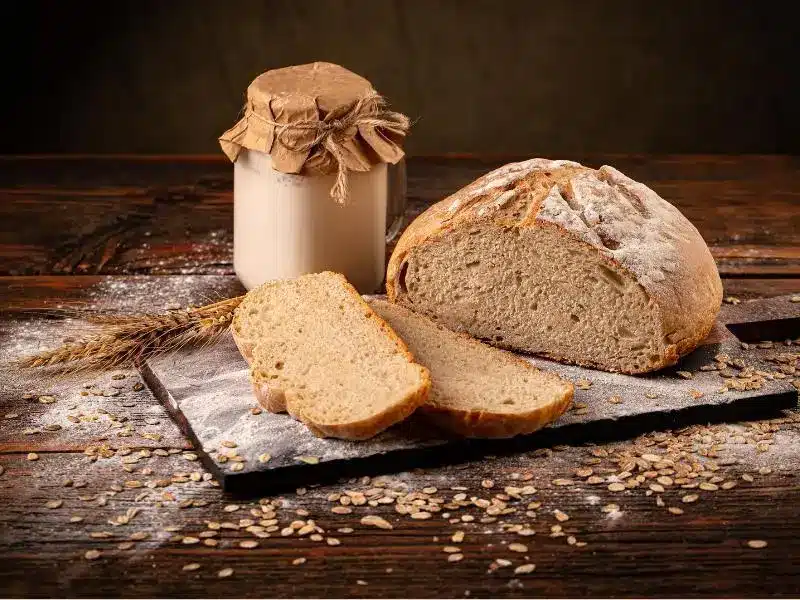
If your nappy bag has organic snacks, essential oils, and a backup plan made of beeswax, you may have a crunchy parenting style.
You might be a Crunchy Parent if:
- You have said, “I can make that myself,” and then spent six hours making it.
- You own more reusable snack bags than handbags.
- Your child knows what chia seeds are.
- You have tried at least one homemade remedy that involved coconut oil.
Crunchy Parents are often thoughtful and intentional. The challenge is remembering that not everything has to be handmade, organic or soaked overnight.
The Laid-Back Parent, aka The Free-Range Parent
You want your child to experience the world, take healthy risks and learn by doing.
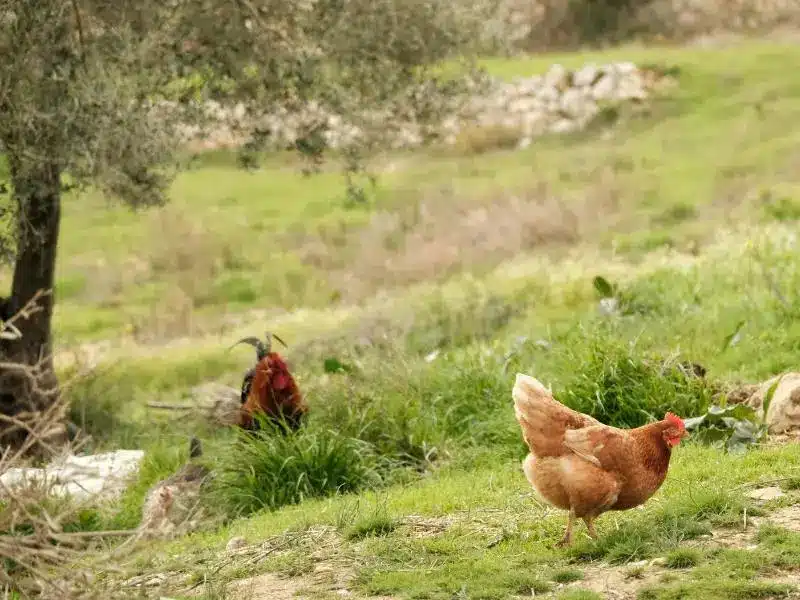
If your parenting vibe is “go climb that tree, I’ll be over here pretending not to panic,” you may have a free-range parenting style.
You might be a Free-Range Parent if:
- You let your child climb a little higher before saying anything.
- You believe scraped knees are part of childhood.
- You are happy for your child to try, fail, try again and proudly tell the story later.
- You want your child to feel capable, brave and independent.
Free-Range Parents are great at building resilience. The challenge is finding the line between healthy independence and the support children still need.
The Cuddly Parent, aka The Attachment Parent
You believe connection is everything.
You might be an Attachment Parent if:
- You value closeness, comfort and emotional security.
- You have carried your child while also cooking, cleaning and answering emails.
- You believe children thrive when they feel safe, seen and loved.
- You are always available for one more cuddle.
Attachment Parents are nurturing and responsive. The challenge is making sure your child has space to practise independence too.
The Tough-Love Parent, aka The Tiger Parent
You believe children are capable of great things, and you are not afraid to push them.

If your parenting vibe is “you can relax after you’ve finished piano, maths, extra reading and Mandarin,” you may have a tiger mum parenting style.
You might be a Tiger Parent if:
- You have high expectations for effort, behaviour and learning.
- You believe practice matters.
- You have said, “Again,” during music practice more than once.
- You see your child’s potential so clearly that you sometimes forget they are still little.
Tiger Parents can be focused and disciplined. The challenge is balancing achievement with joy, rest and emotional connection.
So, Which Parent Are You?
Maybe you are a Jellyfish before coffee, a Tiger during homework, a Dolphin on weekends and a Helicopter at the playground.
Most of us are not just one type. Parenting changes from day to day, child to child and meltdown to meltdown.
The good news? You do not need to fit perfectly into any parenting label.
The One Thing Every Parenting Style Has in Common
Whether you are a Dolphin, a Lighthouse, a Tiger or a beautifully tired mix of them all, one thing is clear: you want to give your child the best possible start, with the best outcomes in future.
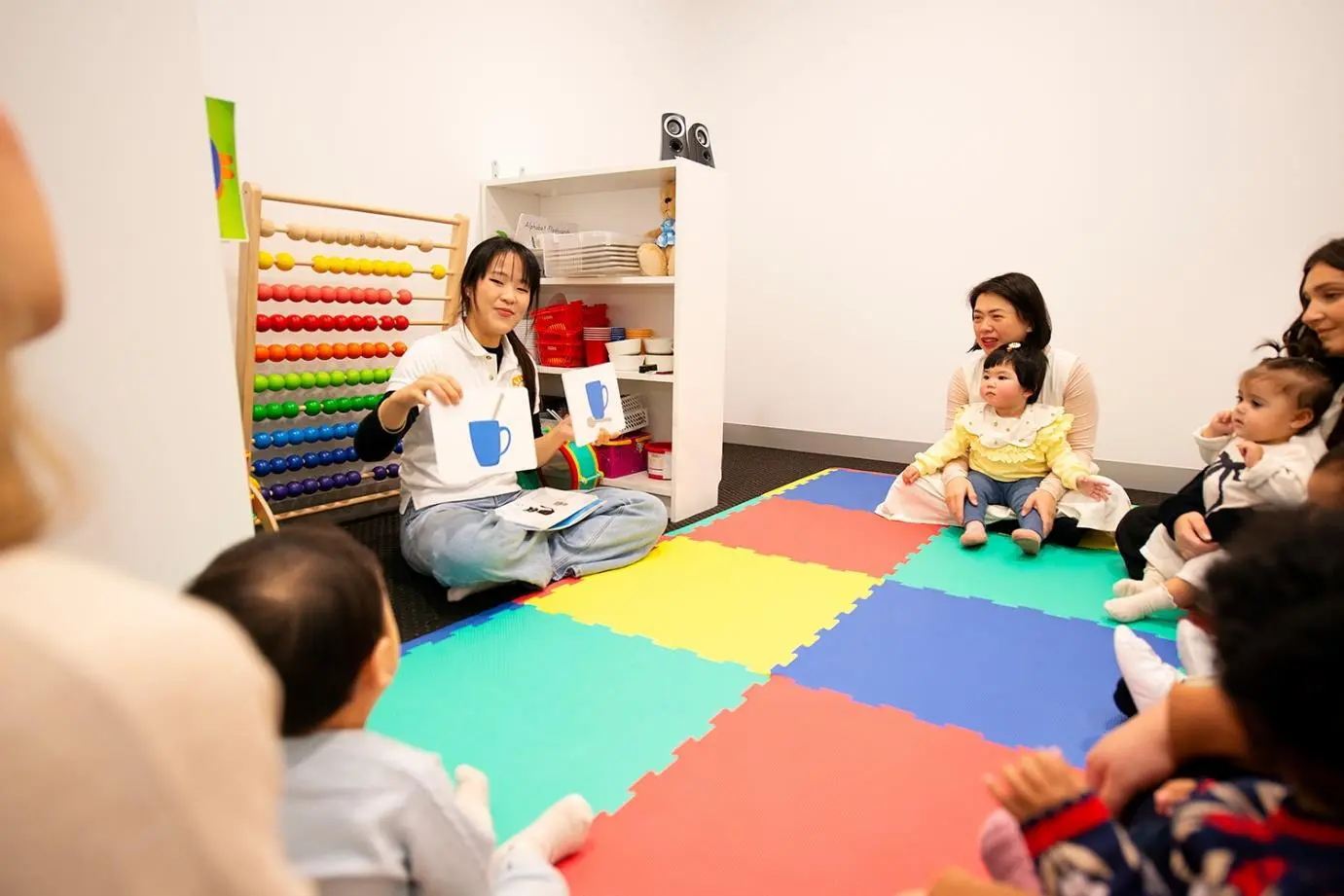
At Shichida Australia, we know parents are a child’s first and most important teachers. That’s why our classes are designed to support both you and your child with fun, engaging early learning activities that build confidence, focus, memory, creativity, problem-solving skills and a love of learning.
Shichida has locations across Melbourne and Sydney, and offer classes for ages 6 months to 9 years old, with an enrolment cut-off age of 5 years.
Come and experience a Shichida class for yourself. Book a trial class today and see what your child is capable of.
FAQs About Parenting Styles - What Type of Parent are You?
Parenting styles describe the general way parents guide, support, discipline and communicate with their children. The most recognised parenting styles are authoritative, authoritarian, permissive and uninvolved, but many modern parenting labels, such as Dolphin, Tiger, Jellyfish, Helicopter and Free-Range parenting, are also used to describe different parenting approaches.
The four main parenting styles are authoritative, authoritarian, permissive and uninvolved. Authoritative parenting is often described as warm but firm. Authoritarian parenting is stricter and more controlling. Permissive parenting is loving but may lack boundaries. Uninvolved parenting offers limited guidance, structure or emotional connection.
A Jellyfish Parent is usually warm, relaxed and flexible, but may struggle to set clear rules or boundaries. Jellyfish parenting can create a loving home environment, but children may still need more structure to develop self-control, routine and confidence in everyday expectations.
A Dolphin Parent is often seen as balanced, supportive and flexible. Dolphin parenting combines warmth, boundaries, independence and guidance. Dolphin Parents encourage children to think, try, create and problem-solve while still providing structure and support.
A Tiger Parent has high expectations and often places strong importance on effort, discipline and achievement. Tiger parenting can help children develop persistence and focus, but it works best when balanced with emotional connection, rest, play and encouragement.
A Helicopter Parent is highly involved and may hover over many parts of their child’s life. This often comes from love and concern, but too much hovering can make it harder for children to practise independence, problem-solving and resilience.
A Lawnmower Parent tries to clear obstacles before their child has to face them. This can protect children from discomfort in the short term, but children also need safe opportunities to experience challenges, make mistakes and learn how to manage small problems themselves.
Free-Range Parenting encourages children to explore, take age-appropriate risks and build independence. Free-Range Parents often value resilience, confidence and real-world learning. The key is balancing freedom with safety, guidance and emotional support.
Attachment Parenting focuses on building a strong emotional bond between parent and child. It often values closeness, responsiveness and connection. Like all parenting approaches, it works best when balanced with opportunities for independence as children grow.
There is no perfect parenting style for every family, but many child development experts describe authoritative parenting as a balanced approach because it combines warmth, clear boundaries and guidance. In fun modern terms, Dolphin or Lighthouse parenting often reflects a similar balance.
Yes. Most parents are a mix of different parenting types. A parent might be relaxed in some situations, protective in others and more structured when it comes to school, sleep or behaviour. Parenting can also change depending on the child’s age, personality and needs.
Shichida Australia supports parents by providing fun, structured and engaging early learning classes for children. The program helps parents take an active role in their child’s learning while supporting skills such as focus, memory, creativity, problem-solving, confidence and a love of learning.