Key Points
- Brain development in early childhood is shaped by biology and everyday experiences.
- Responsive caregiver interactions (serve and return) are a major driver of healthy development.
- Play, language exposure, and emotional connection are core brain-builders.
- Milestones are guides, not exact deadlines; early support matters when concerns are ongoing.
- Shichida Australia offers a supportive next step for parents seeking fun yet structured early-learning support.
Brain development begins before birth and continues throughout life, but the early years are especially powerful. In these first years, called the Golden Period of Development, your child’s brain is forming connections at an extraordinary rate. Everyday experiences, loving relationships, a strong parent-child bond and simple routines help shape how those connections grow.
This parenting guide will walk you through the science of brain development in early childhood and, more importantly, what you can actually do at home to support it.
Sensory play can help nurture resilience and development. Download a free sensory play guide here.
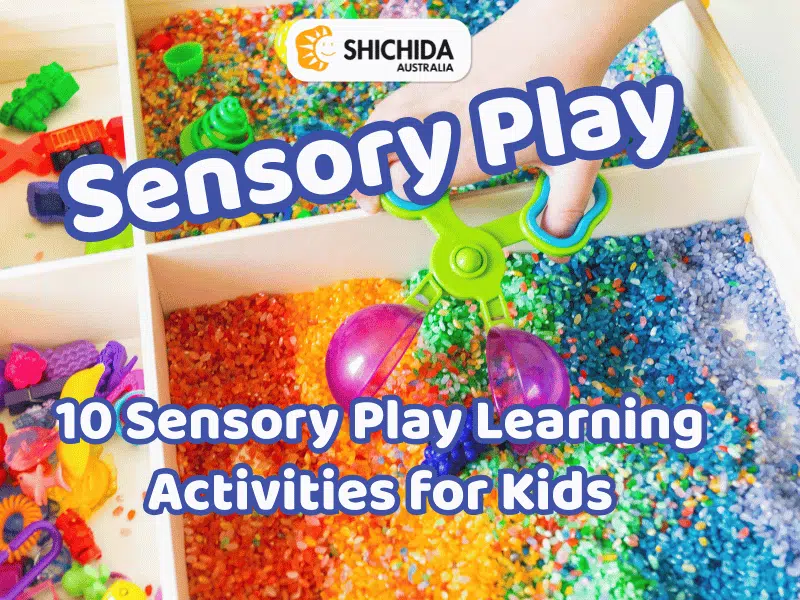
If your child enjoys these types of activities, a Shichida trial class is a great way to see how structured play can support coordination, focus, memory and early learning confidence.
Book a trial class or contact us to find your nearest centre.
What Is Brain Development in Early Childhood?
Brain development in early childhood is the process of building and strengthening the brain’s connections and systems that support learning, language, movement, memory, attention, and emotional regulation.
In simple terms, your child’s brain is wiring itself. Neural connections form when your baby hears your voice, when your toddler stacks blocks, when your preschooler asks “why?” for the fifteenth time.
According to the Harvard Center on the Developing Child, more than one million new neural connections can form every second in the early years. The UNICEF also emphasises that early moments lay the foundation for lifelong learning, behaviour, and wellbeing.
Brain development is not the same as “intelligence.” It includes:
- Language and communication
- Movement and coordination
- Memory and attention
- Emotional regulation
- Social understanding
The early years are a high-growth period for brain development, when repeated everyday experiences help build the brain’s foundations for learning, behaviour, and health.
If you want a deeper look at age expectations, Shichida’s guide to developmental milestones is a helpful starting point.

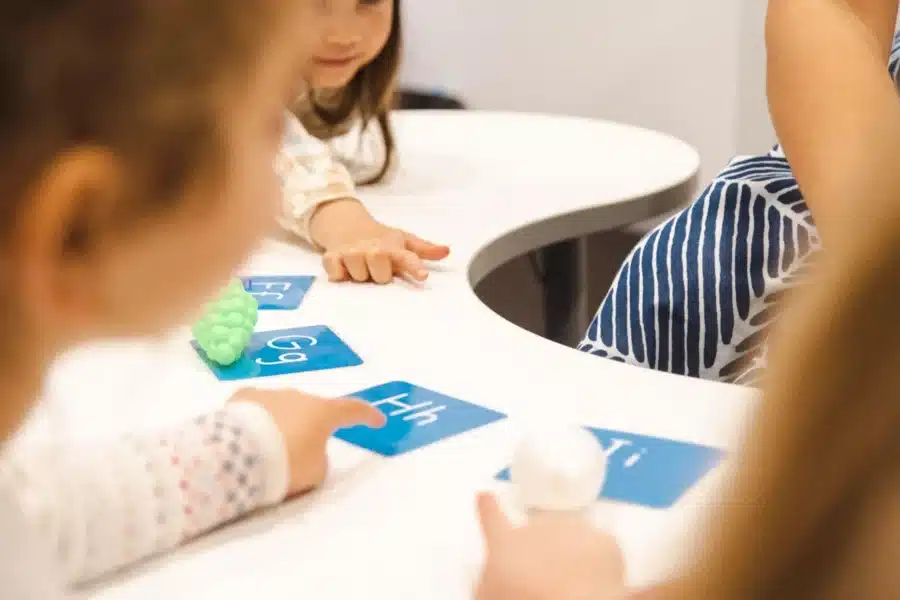
Image by Shichida Australia: Babies developing spatial awareness and fine motor skills during a fun Shichida baby class.
Why the First Years Matter for Brain Development
The early years are important because the brain is building foundational neural connections rapidly, and everyday interactions strongly influence how those connections develop.
One of the most powerful drivers of early brain development is something called serve and return.
Serve and return interactions are back-and-forth moments when a child signals through sounds, words, gestures, or expressions and an adult responds in a warm, attentive way.
When your baby babbles and you answer back.
When your toddler points and you label the object.
When your child looks at you after falling and you offer comfort.
These simple exchanges shape brain architecture.
The Harvard Center on the Developing Child explains that responsive interactions help build strong neural circuits.
The Raising Children Network reinforces that play and positive interactions support learning across physical, social, and cognitive domains.
Here is how everyday moments support early brain development:
| Everyday Moment | How It Supports Brain Development |
|---|---|
| Talking during nappy changes | Builds language pathways |
| Reading a picture book | Strengthens memory and attention |
| Stacking blocks | Develops problem-solving and motor skills |
| Singing at bath time | Supports rhythm, listening, bonding |
| Taking turns in play | Builds social and emotional regulation |
Responsive back-and-forth interactions between children and caregivers are one of the most important everyday drivers of healthy early brain development.
If you would like ideas on strengthening connection, this parent-child bond guide offers practical support.
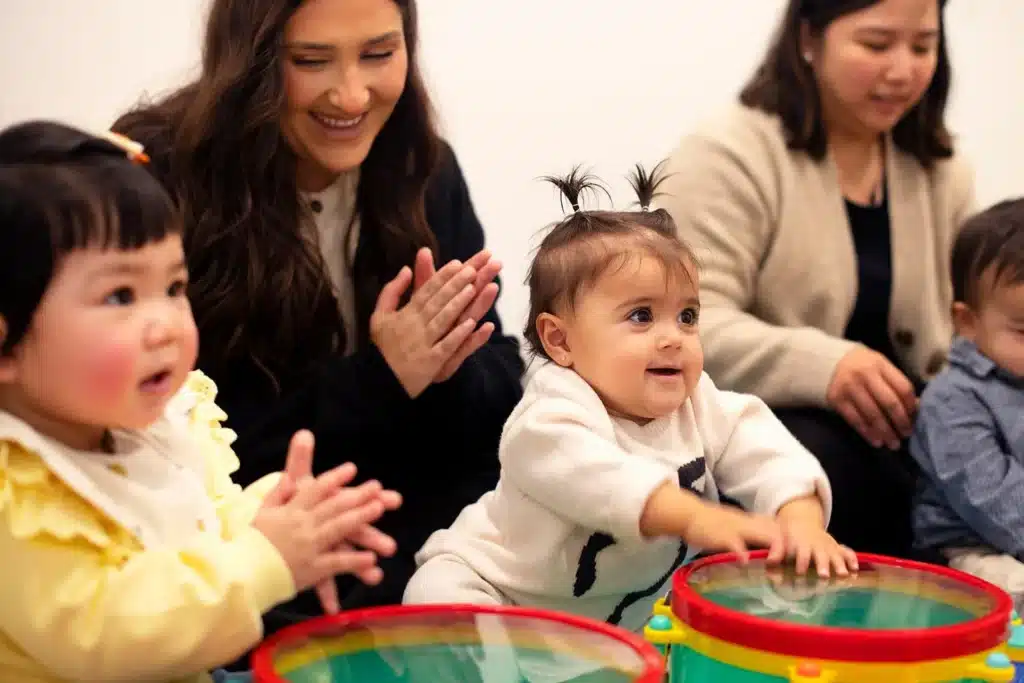
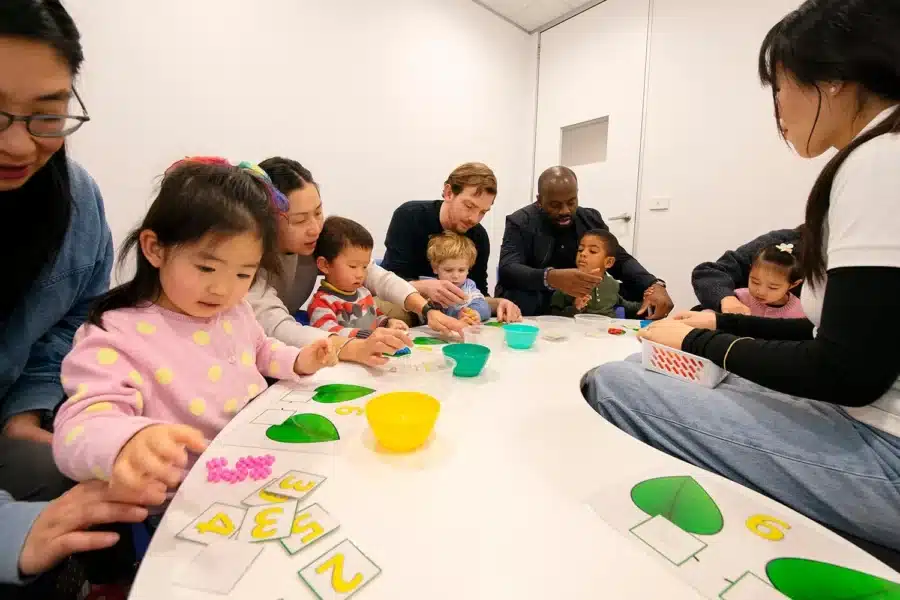
Image by Shichida Australia: A healthy parent-child bond helps support healthy brain development during the crucial years of child development.
What Shapes Brain Development in Early Childhood?
Healthy brain development in early childhood is supported by a combination of secure relationships, rich language exposure, play, sleep, movement, nutrition, experiences and a safe environment.
Let’s break that down in practical terms.
1. Genetics and Temperament
Your child is born with a unique blueprint. Temperament influences how they respond to the world. This forms the foundation of baby brain development and toddler brain development.
2. Relationships and Emotional Safety
Secure relationships build strong brain architecture.
Brain architecture refers to the way the brain’s neural connections are built and organised over time through biology and experience.
When children feel safe and supported, they are more available for learning.
3. Language Exposure
Talking, listening, and storytelling are powerful tools for child brain development. Everyday conversation matters more than expensive tools.
4. Play and Exploration
Play and brain development go hand in hand. Through play, children experiment, solve problems, imagine, and regulate emotions.
5. Sleep and Routine
Sleep supports memory consolidation. Predictable routines create emotional security.
6. Nutrition and Physical Health
A balanced diet supports energy and brain function. The Queensland Government highlights how environment and experience influence early brain growth.
7. Movement and Sensory Experiences
Crawling, climbing, dancing, outdoor play. Movement supports coordination and cognitive pathways.
| Factor | Why It Matters | Simple Parent Action |
|---|---|---|
| Relationships | Builds secure brain architecture | One-on-one connection daily |
| Language | Develops communication circuits | Narrate daily activities |
| Play | Encourages problem-solving | Open-ended toys |
| Sleep | Supports memory | Consistent bedtime routine |
| Nutrition | Fuels growth | Balanced family meals |
| Movement | Strengthens coordination | Outdoor play & fine motor play |
| Routine | Builds security | Predictable daily rhythm |
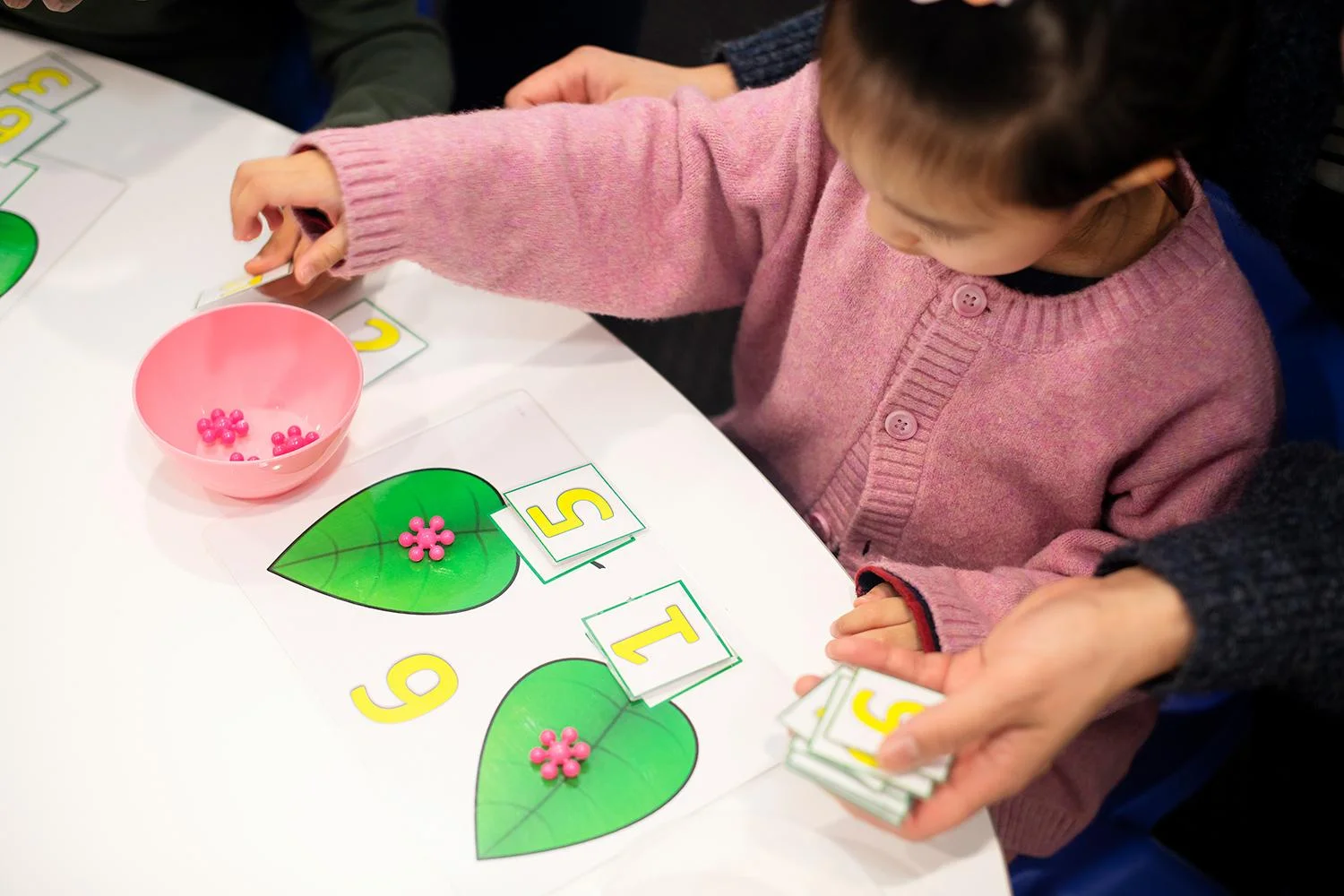
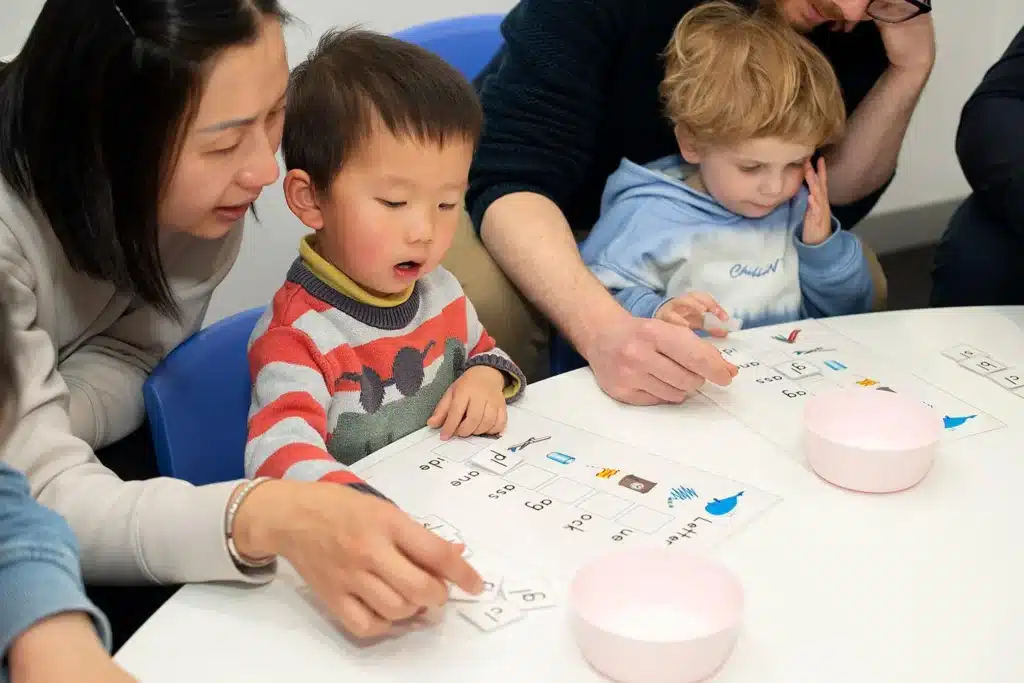
Image by Shichida Australia: Hands-on play activities encourage problem-solving and focus, both essential for healthy brain development in early childhood.
Stages of Brain Development in Early Childhood (By Age)
Developmental milestones are common skills or behaviours many children develop within a general age range across movement, communication, social skills, and thinking.
Milestones are useful guides for tracking progress, but children develop at different rates, so parents should look for patterns over time rather than exact dates.
Healthdirect Australia groups milestones by age and developmental domain.
Babies 0-12 Months
Focus: Sensory exploration, attachment, early communication
You may notice smiling, babbling, rolling, crawling.
Helpful activities: Talking, singing, tummy time, reading.
Toddlers 1-3 Years
Focus: Language explosion, movement, independence
You may notice two-word phrases, climbing, pretend play.
Helpful activities: Naming objects, simple puzzles, outdoor exploration.
Preschoolers 3-5 Years
Focus: Imagination, social skills, early reasoning
You may notice storytelling, asking questions, cooperative play.
Helpful activities: Open-ended play, shared reading, turn-taking games.
Early primary 5-7 Years
Focus: Early academic skills, self-regulation
You may notice stronger attention, problem-solving, friendships.
Children develop at different rates, so milestones are guides rather than strict deadlines.
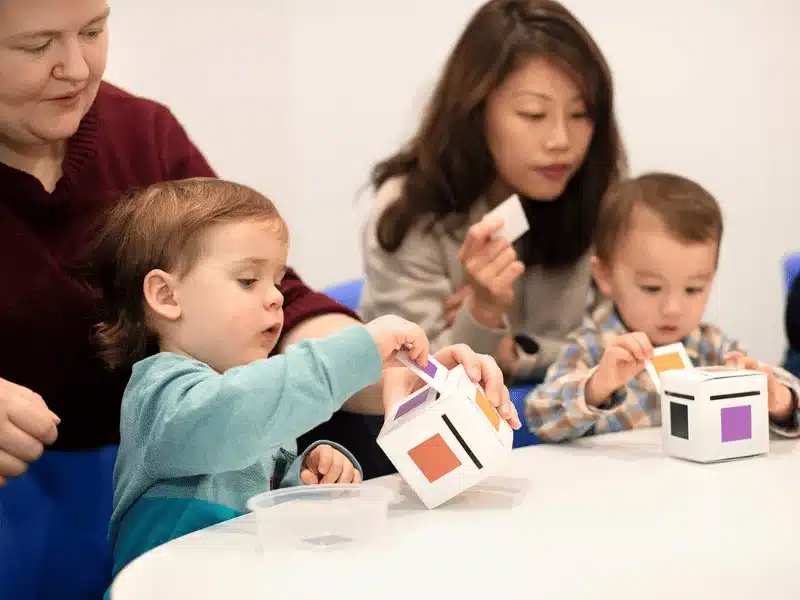
Image by Shichida Australia: Toddlers playing a colour matching game during a fun Shichida Toddler class.
Shichida Australia can help you reach developmental milestones through fun practical activities you can copy at home. Join a trial class and see what the Shichida Method can do for you and your child.
How Parents Can Support Brain Development at Home
Parents support early brain development best through simple, repeated interactions – talking, reading, playing, and responding to their child’s cues every day.
This is responsive parenting.
Responsive parenting means noticing a child’s cues and responding consistently and appropriately in a warm, supportive way.
Here is how to support brain development in children through daily routines:
| Daily Routine Moment | Brain-Building Opportunity |
|---|---|
| Wake-up | Eye contact and conversation |
| Meals | Name foods, encourage turn-taking |
| Car rides | Sing songs, describe surroundings |
| Bath time | Sensory play and vocabulary |
| Bedtime | Reading and emotional connection |
| Grocery trips | Counting, colours, social interaction |
Early learning activities for brain development do not need to be complicated. Narrate what you are doing. Ask open questions. Follow your child’s interests.
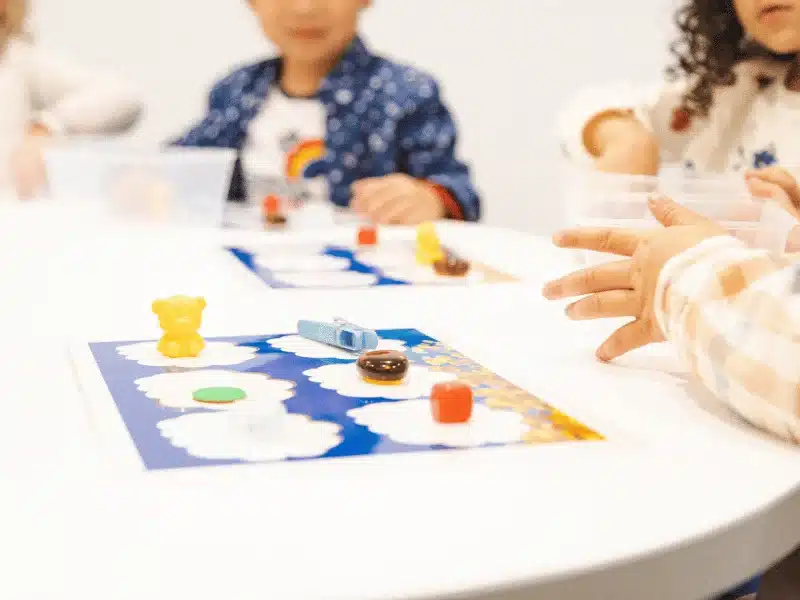
Image by Shichida: Preschoolers playing a memory game during a Shichida Kinder class.
Play, Language, and Emotional Connection
The Three Biggest Brain-Builders
Play, language-rich interaction, and emotional connection work together to support healthy brain development in early childhood.
Play: Supports creativity, problem-solving, and persistence.
Language: Builds communication, thinking, and memory.
Emotional Connection: Supports regulation and learning readiness.
| Brain-Builder | What It Supports | Example |
|---|---|---|
| Play | Cognitive flexibility | Block building |
| Language | Communication | Storytelling |
| Emotional Connection | Regulation | Comfort after frustration |
If you want to intentionally strengthen your parent child interaction, this article offers insight:
Strengthening Parent-Child Bonds
Brain Development Red Flags vs Normal Variations
No developmental timeline is identical.
Early intervention means getting support as soon as developmental concerns are identified, which can improve outcomes for children and families.
Common variation vs when to check in:
| Common Variation | When to Check In |
|---|---|
| Late talker but strong understanding | No words and limited understanding |
| Shy in groups | Avoids eye contact consistently |
| Clumsy phase | Persistent motor delays |
| Temporary regression during stress | Loss of previously acquired skills |
If you have ongoing concerns about communication, movement, social connection, or regression, speak with a GP, child health nurse, or paediatrician.
This article is informational only and not medical advice.
How Shichida Australia Supports Early Brain Development
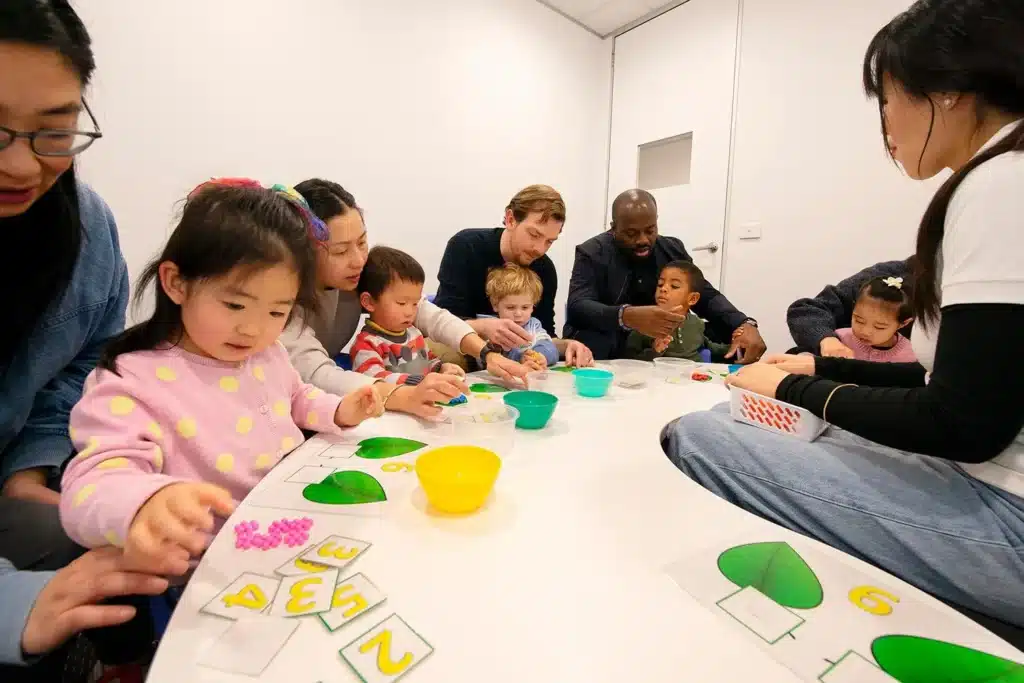
Image by Shichida: Structured, play-based learning environments nurture brain development in early childhood through guided activities and responsive parent-child interaction.
Shichida Australia supports parent-child learning through structured, play-based early learning experiences designed to build cognitive, emotional, and social skills in the early years.
Structured play-based learning combines guided activities with playful engagement so children can develop skills in an enjoyable, age-appropriate way.
At Shichida Australia:
- Parent and child learn together
- Weekly 50-minute sessions
- Small classes, maximum six students
- 20-25 guided activities per class
- Age-based programs from 6 months to 5 years
This structure supports routine, bonding, and skill-building in a calm, guided environment.
If you are looking for an early learning program in Australia that aligns with what science says about brain development in early childhood, book a Shichida trial class to experience the parent-child approach first-hand.
FAQ’s: Brain Development in Early Childhood
Brain development in early childhood is the process of building and strengthening the brain’s connections and systems that support learning, language, movement, memory, and emotional regulation.
The brain builds foundational neural connections rapidly, and everyday interactions strongly influence how those connections develop.
Parents can support early brain development through simple daily habits like talking, reading, playing, singing, and responding consistently to their child’s cues.
Yes. Play helps children solve problems, explore ideas, and build social and emotional skills that support brain growth.
No. Developmental milestones are guides. Children commonly develop skills at different times within a normal range.
Focus develops over time through structured activities, repetition, and a supportive environment. Short, engaging tasks are especially effective for young children.
Shichida Australia uses proven techniques and helps young children to gradually build focus and concentration in a fun and engaging way.