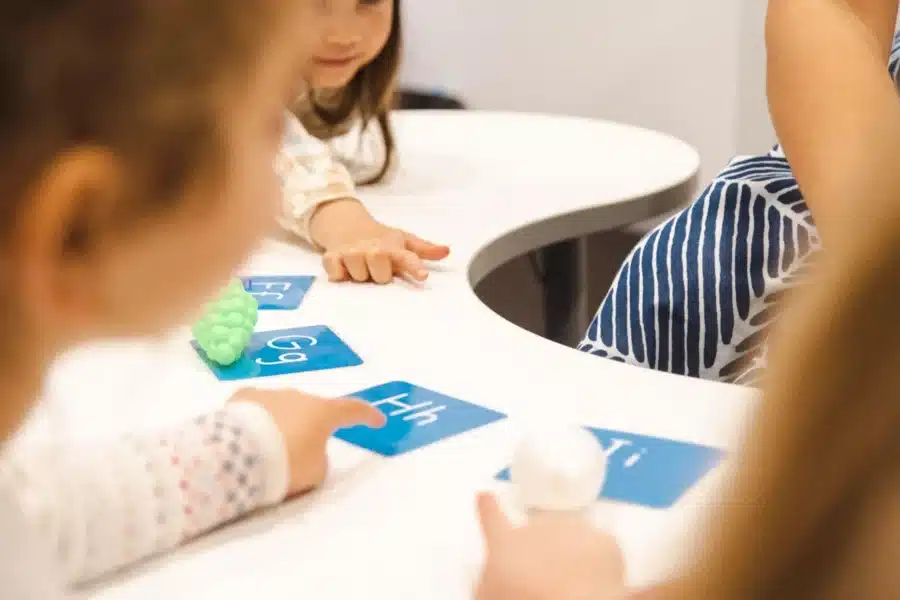
Key Points
- Guided learning combines structured support with gradual independence in the learning process.
- It uses scaffolding, guided practice, and feedback loops to help learners progress step by step.
- The approach improves confidence, retention, and long-term skill mastery.
- Guided learning is widely used in schools, universities, and workplace training programs.
- Effective guided learning programs rely on clear goals, structured milestones, and consistent feedback.
As a parent, you want to help your child grow, learn, and gain confidence, but you also want them to develop independence. You may ask yourself: When should I step in? When should I let my child figure things out on their own? That balance can feel tricky, especially when children are tackling new skills or challenges.
This is where guided learning comes in. It’s all about giving your child the right level of support at the right time. Instead of leaving them to struggle or overwhelming them with instructions, guided learning provides structure, practice, and feedback so your child can grow confident and independent.
In this guide, you’ll discover what guided learning is, learn practical guided learning strategies, and see real examples from classrooms, online programs, and everyday life at home.
What Is Guided Learning?
Guided learning is a teaching approach where an adult, whether a teacher, mentor, or parent, helps a child learn step by step, providing support, feedback, and encouragement along the way.
This is closely linked to educational theories such as Vygotsky’s Zone of Proximal Development, which explains how children learn best with support before becoming independent.
You probably already do this naturally. Think about when your child learned to tie their shoes, ride a bike, or even complete a puzzle. You likely demonstrated first, helped them practise, and then stepped back while they tried it on their own. That’s guided learning in action.
Key elements of guided learning include:
- Instructional scaffolding – breaking a complex skill into smaller, manageable steps
- Structured learning progression – moving from simpler tasks to more challenging ones
- Guided practice – your child tries the skill while receiving support
- Feedback loops – using mistakes as learning opportunities
- Clear learning objectives – helping your child know what they’re working toward
A parent’s role is to guide, model, and provide feedback, while your child actively participates. The goal is to build independence, not dependence.
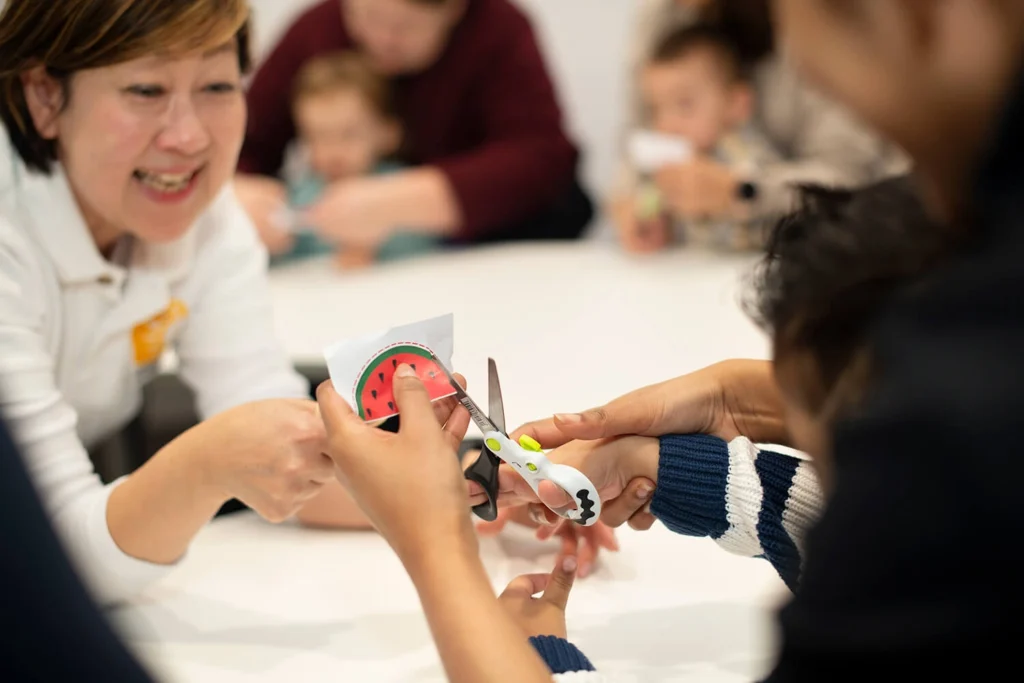
Image by Shichida Australia: If you’d like to see what guided learning looks like in practice, structured programs like Shichida show parents exactly how to guide their child step by step through activities that build confidence and independence.
Core Principles of Guided Learning
At its heart, guided learning is about support first, independence later.
One widely used method is the gradual release model: I do → We do → You do. First, you demonstrate the task. Then, you do it together with your child. Finally, your child tries it independently while you offer encouragement.
This step-by-step approach helps your child feel capable, reduces frustration, and ensures real understanding.
Guided Learning vs Independent Learning
You might wonder: isn’t it better to let children figure things out on their own?
Independent learning is valuable, but young children often need a little support to avoid feeling lost. Guided learning provides that support while still letting your child practise independently. Over time, your child naturally becomes a confident, capable learner.
Guided Learning vs Blended & Self-Directed Learning
Blended learning mixes classroom and online learning. Self-directed learning lets your child choose their goals and pace.
Guided learning can exist in both models, but what makes it unique is its structured support. Your child gets clear milestones, guidance, and feedback to ensure they’re progressing successfully.
Free Guided Learning Activities to Try at Home
Guided learning doesn’t have to be complicated. Start with simple, DIY structured activities you can do together at home.

How Guided Learning Works in Practice
When you apply guided learning at home or in school, it follows a structured, step-by-step process.
- Introduce concepts gradually (e.g. learning letters before words) – Instead of presenting everything at once, ideas are broken into smaller chunks.
- Practice with support (e.g. solving problems together before working independently) – Your child tries out new skills while you observe and provide guidance.
- Provide feedback (e.g. gently correcting mistakes and showing a better way) – You notice mistakes early and help your child correct them.
- Reduce support over time (e.g. letting your child try independently once they feel confident) – As confidence grows, your child takes more responsibility.
This approach moves children from guided practice to independent mastery in a way that feels natural and achievable.
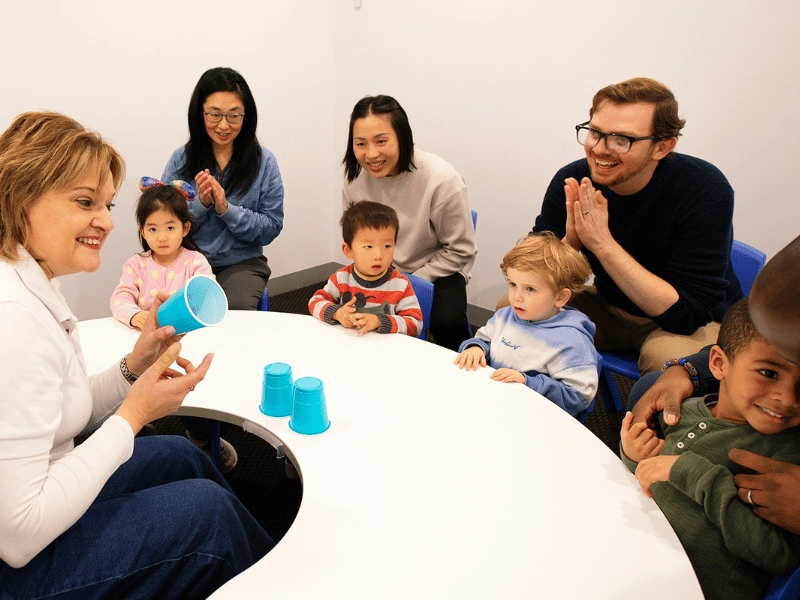
Many parents find it easier to apply guided learning when they can see it demonstrated. In a Shichida class, teachers guide both parent and child through each step, making it simple to follow and repeat at home.
Want to see this step-by-step approach in action? Book a trial class and learn how to guide your child with confidence.
Structured Curriculum & Scaffolding
Think of learning like building a tower. Each skill is a block. You start with a solid base and add layers step by step.
When your child is learning to write, for example, you might start with drawing shapes, then letters, then words, and finally sentences. Breaking skills into smaller steps prevents overwhelm and makes progress more achievable.
Feedback, Coaching & Assessment
Feedback is essential. Instead of waiting until the end of a lesson to evaluate progress, give guidance as your child learns.
Praise what they do well, gently correct mistakes, and encourage them to try again. This ongoing guidance builds confidence, strengthens understanding, and helps your child feel supported.
Personalised Learning Pathways
Every child learns differently. Guided learning can be adapted to suit your child’s pace.
If a concept is tricky, offer extra practice. If your child masters a skill quickly, let them move ahead. This personalised approach keeps learning engaging while still providing the structure your child needs.
Benefits of Guided Learning
Guided learning works because it aligns how children naturally learn. Step-by-step guidance prevents overwhelm, keeps motivation high, and strengthens memory through practice and feedback.
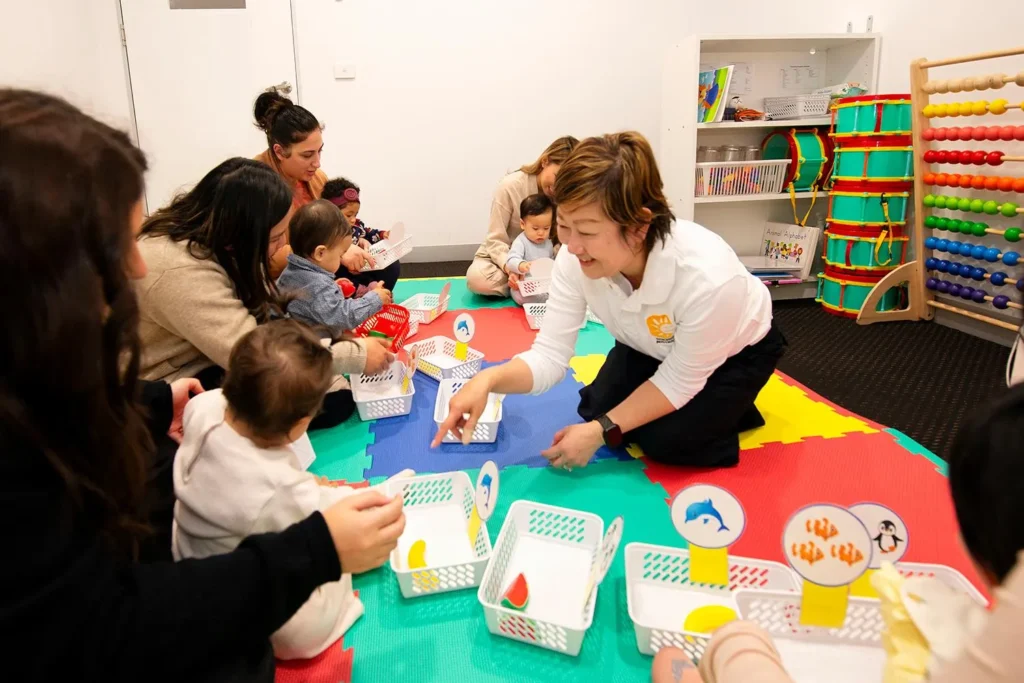
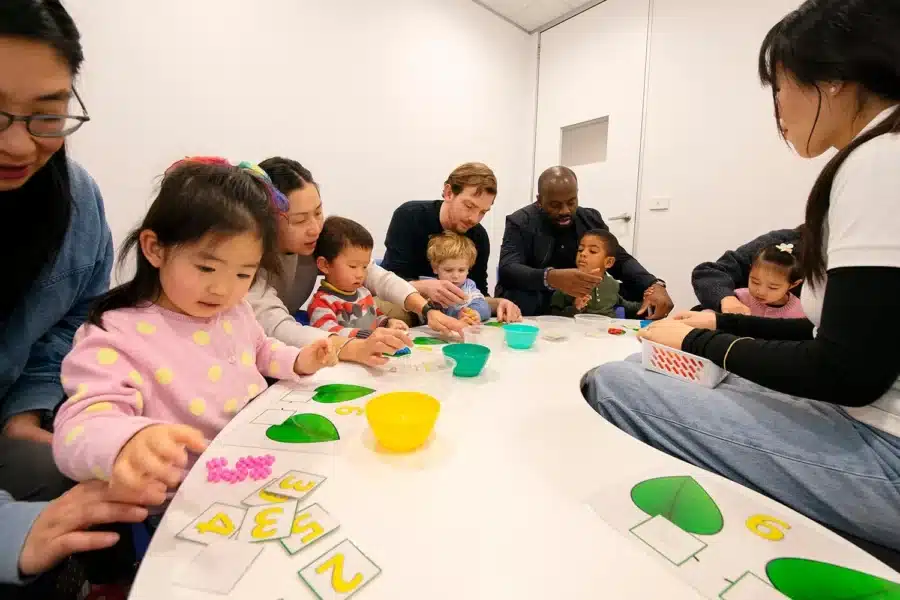
Image by Shichida Australia: Small-group instruction is a powerful example of guided learning, where children receive personalised support and feedback.
Improved Confidence & Reduced Learning Anxiety
Children can feel frustrated or overwhelmed when a task seems too hard or unfamiliar. Guided learning helps you step in at the right moments, providing support, encouragement, and clear expectations.
By breaking skills into manageable steps, your child experiences small wins along the way. Each success not only builds confidence but also reduces stress and frustration, making learning a positive and enjoyable experience. Over time, children become more willing to tackle challenges because they know support is available when needed.
Faster Skill Acquisition
When your child receives immediate guidance and feedback, they can identify and correct mistakes before they become habits. This accelerates learning and ensures they develop the skill correctly from the start.
With your active involvement, whether you’re practising together or observing guided tasks, children progress more efficiently than if they were left to figure everything out on their own. The structured approach allows them to master new abilities quickly while feeling supported throughout the process.
Stronger Retention & Mastery
Guided learning is designed around repetition, practice, and feedback cycles, which are essential for long-term retention. Your child doesn’t just complete a task once they practise, receive corrections, reflect, and try again.
This cycle reinforces understanding and strengthens memory, which is essential for long-term learning. As a parent, you can watch their growth unfold and celebrate milestones, reinforcing both mastery and motivation.
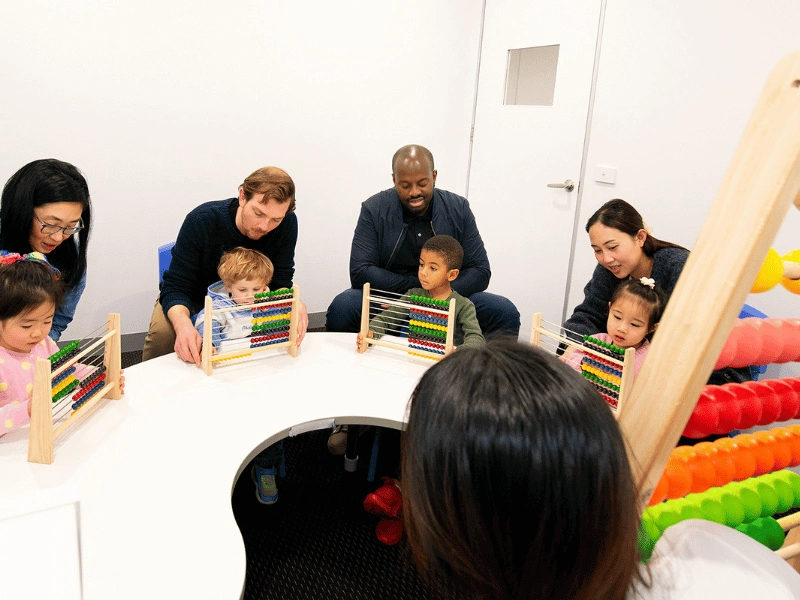
Image by Shichida Australia: These benefits are exactly what guided learning programs like Shichida are designed to achieve, using structured activities and real-time guidance to support your child’s development.
If you’re looking to build your child’s confidence, focus, and independence, book a trial class and see how guided learning works in a real classroom.
Guided Learning Across Different Contexts
Guided learning isn’t just for young kids. It works across all ages and environments.
Guided Learning in K-12 Education
In K-12 classrooms, guided learning helps children develop skills step by step with the right support. Small-group activities like guided reading and math workshops allow teachers to give immediate feedback and help students overcome challenges.
Differentiated instruction tailors tasks to each child’s ability, so they progress at their own pace without feeling overwhelmed. As a parent, you can support this at home by practising skills together and reinforcing concepts gradually.
Higher Education & Certification Programs
Universities and professional programs use guided learning to make complex material more manageable. Structured modules, support sessions, and regular checkpoints help students stay on track and master challenging topics.
This approach ensures learners gradually build independence while still having guidance when needed. Parents can relate to this by encouraging older children to break tasks into smaller steps and seek support when necessary.
Designing Effective Guided Learning Programs
If you’re looking at programs for your child, or simply supporting learning at home – guided learning should feel simple, structured, and supportive.
Here’s what to look for:
1. Clear, simple goals
Your child should know what they’re learning, whether it’s recognising numbers, building memory, or improving focus. Small, clear goals help children feel successful and motivated. This ensures that confidence grows and motivation stays high.
2. Step-by-step progression
Skills should be broken down into manageable steps. Just like in Shichida classes, children learn through carefully sequenced activities that build on each other, helping them gain confidence without feeling overwhelmed.
3. Practice with guidance
Children learn best when they try things with support first. Whether it’s completing a worksheet, playing a memory game, or responding to flashcards, guided practice helps them feel capable and engaged.
4. Ongoing feedback and encouragement
Immediate, gentle feedback helps children adjust and improve. Encouragement builds confidence, while small corrections guide them in the right direction.
5. Gradual independence
As your child becomes more confident, support naturally reduces. The goal is always independence – but built on a strong foundation of guidance and success.
Real-World Example
Early Learning Classroom Example
In a Shichida classroom, guided learning involves both the parent and child. The teacher first demonstrates the activity – whether it’s a memory game, or a numeracy task – showing exactly how it’s done.
Parents then work through the activity alongside their child, guiding them step by step. During this time, the teacher observes and provides feedback, helping both parent and child adjust and improve.
The pace is intentional – fast enough to keep engagement high, but structured so children feel supported and successful.
This approach ensures children feel supported while also teaching parents how to guide learning at home. Over time, children gain confidence and begin to complete tasks more independently, building strong learning habits through consistent guidance and practice.
Curious to try this approach with your child? Book a trial class and experience guided learning together.
Measuring the Effectiveness of Guided Learning
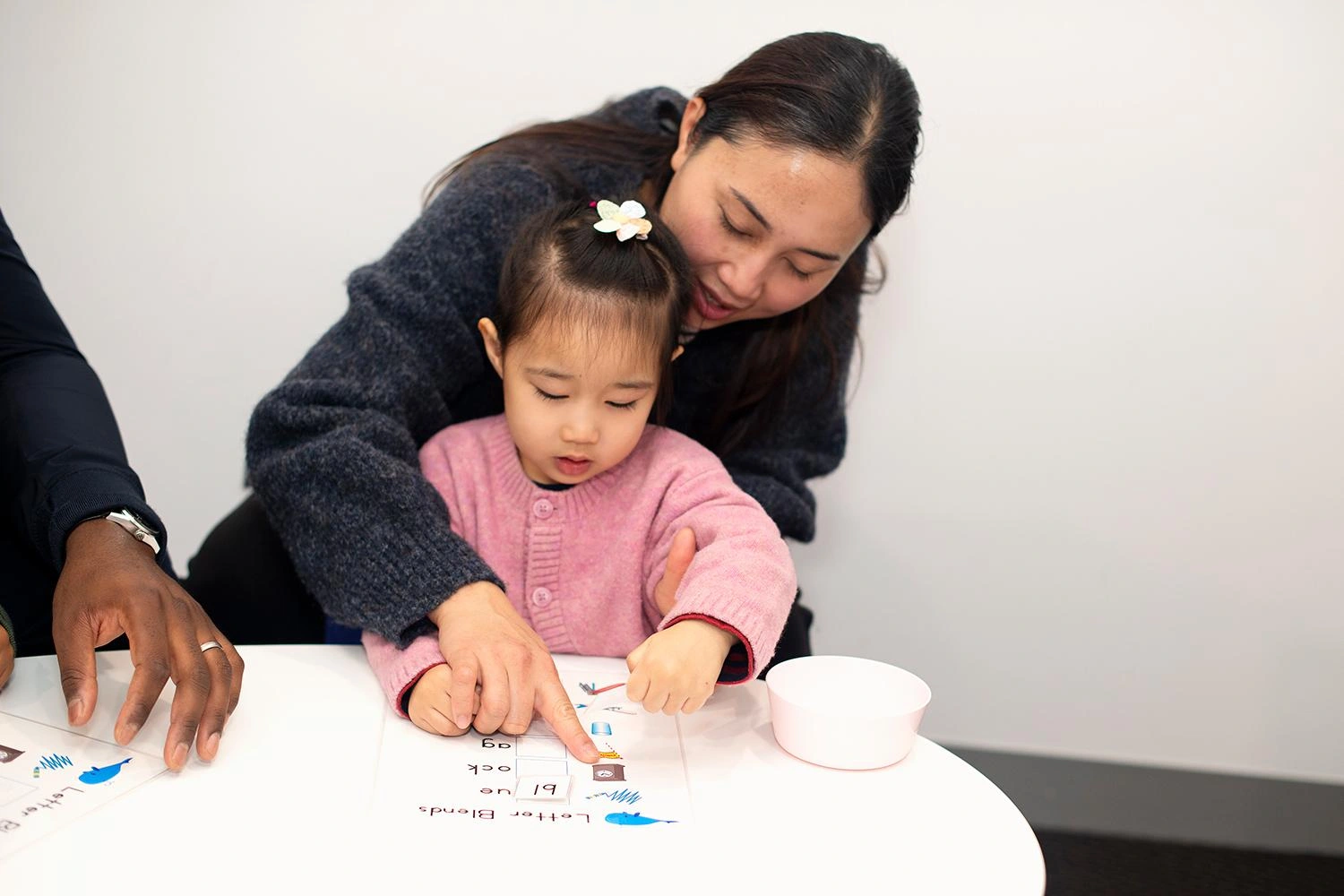
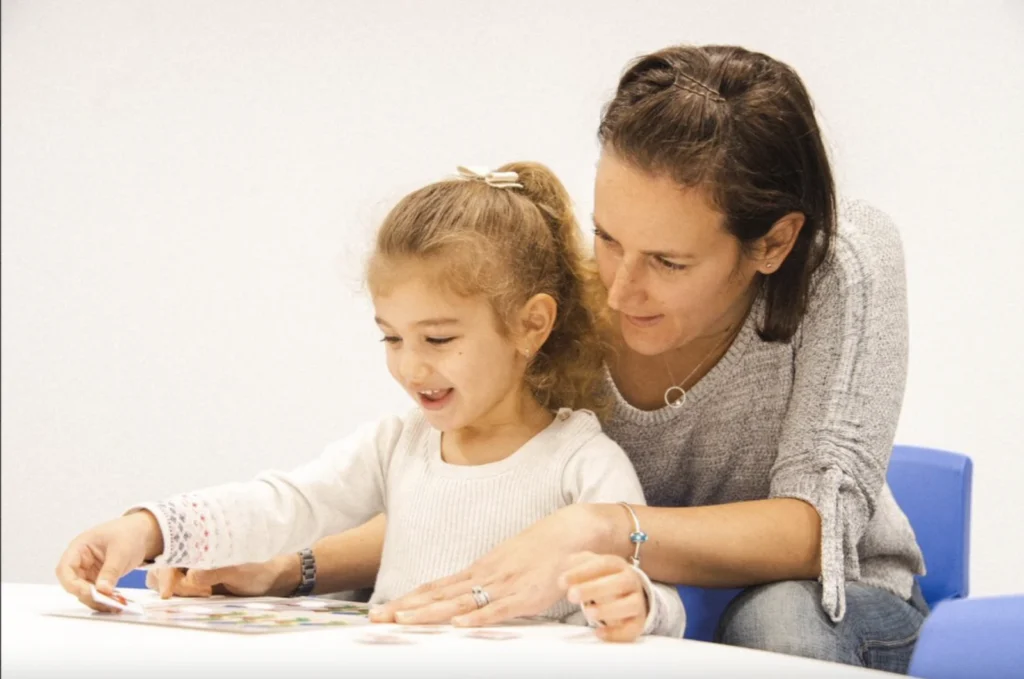
Image by Shichida Australia: Reading together is a simple way to practise guided learning, allowing children to develop literacy skills with support. Here, a preschooler plays a letter game with her parent.
To know whether guided learning is truly helping your child, it’s important to look at clear indicators of progress. These measures show whether your child is not just completing tasks, but actually building skills, focus, confidence, and independence:
- Completion rates – Are lessons or activities being finished? High completion indicates your child is engaged and motivated.
- Skill mastery benchmarks – Are specific skills being learned effectively, such as reading fluency or math problem-solving?
- Learner satisfaction – Does your child enjoy the learning process and feel confident? Positive experiences increase willingness to practise and learn.
- Assessment performance – How well does your child do on quizzes, worksheets, or practical tasks? This shows understanding and application of new skills.
- Knowledge retention – Can your child recall and apply what they’ve learned over time? Strong memory skills ensure that learning is long-lasting and meaningful.
By tracking these indicators, parents can see exactly how guided learning is working and identify areas where extra support or practice may help. This approach ensures your child progresses with structure, feedback, and growing independence.
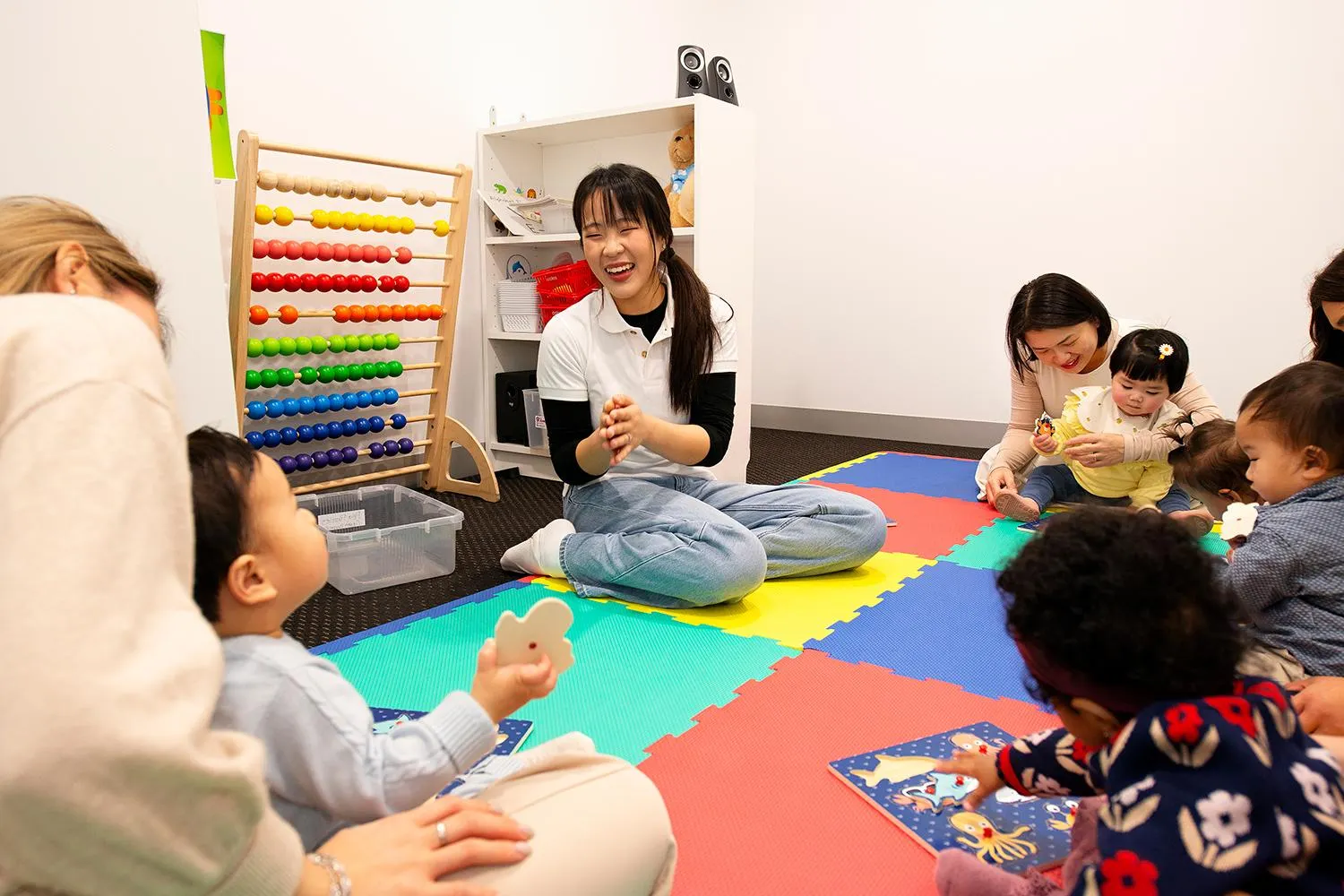
Image by Shichida Australia: Guided learning at its best – through fun and play! Find a Shichida location near you. There are Shichida Australia centres in Sydney and Melbourne.
See Guided Learning in Action with Shichida
Guided learning is most effective when it’s consistent, structured, and supported by the right environment. While you can apply these strategies at home, many parents find it easier when they can see exactly how to guide their child step by step.
At Shichida, guided learning is built into every class. Teachers demonstrate each activity, parents practise alongside their child, and children receive immediate feedback in a supportive, engaging setting.
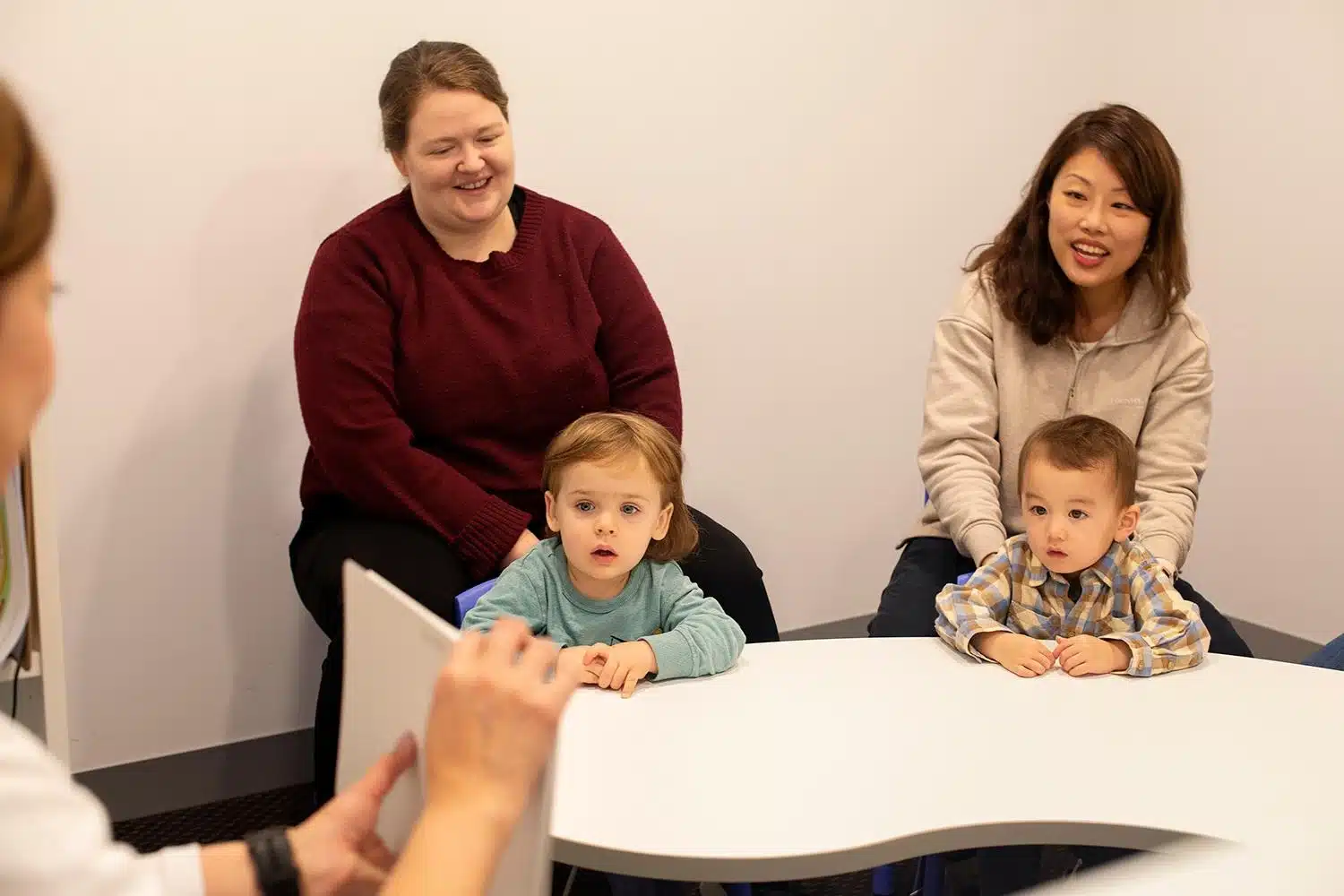
Book a Shichida trial class to experience how guided learning can build your child’s confidence, focus, and independence.
FAQ’s: Guided Learning for Kids
Guided learning is a step-by-step approach where a parent or teacher supports a child while they learn, gradually helping them become independent.
Yes. Shichida is a guided learning program designed for babies, toddlers, and young children. It uses structured activities, parent involvement, and consistent feedback to support memory, focus, and early learning skills.
Independent learning gives full control to the learner, while guided learning provides structure, support, and feedback before independence is achieved.
Yes. Guided learning improves engagement, reduces drop-off, and increases completion rates by providing structure and feedback.
Common strategies include modelling, scaffolded instruction, guided practice, feedback loops, and step-by-step progression.
Yes. Repetition, guided practice, and feedback help reinforce learning and improve long-term memory and understanding.
You can implement guided learning through structured lessons, practising together, breaking tasks into steps, and giving regular feedback.