Key Takeaways
- Concentration products for kids provide opportunities to practise focused attention. Puzzles, mazes, stacking toys and craft activities invite children to notice details and work towards a goal.
- Choose challenges that match your child’s abilities and interests. Start with manageable activities and gradually increase difficulty, offering help or breaks when needed.
- Everyday activities can provide concentration practice too. Shared stories, baking, memory games and simple paper folding involve listening, remembering and following steps.
- Shichida combines varied activities with guided learning. Hands-on games and puzzles give children opportunities to practise concentration alongside coordination, memory and problem-solving.
Our list of concentration products for kids is full of fun, engaging games and activities that your child will love. It’s time to nurture their ability to concentrate and watch them flourish in academics, social interactions, creative activities and beyond.
Concentration Products for Kids From Shichida Australia
Puzzle fun
Cho Cho Ban, your child’s new best friend and a powerhouse of learning!
Kids aged 2 – 6 years old will be challenged by this set of geometric tangram puzzles to enhance critical thinking and dexterity. But that’s not all; it boosts concentration skills, allowing your child to focus better in every aspect of life.
From basic to advanced shapes, Cho Cho Ban’s increasing levels of difficulty provide a fulfilling journey of growth. With each accomplished goal, your child will not just enjoy a sense of achievement, but will notice an improvement in their spatial awareness and ability to visualise objects.
Designed to stimulate the brain, Time Shock is a puzzle game that really challenges your child’s concentration, thinking ability, and discernment.
With fifteen unique pieces to match and place within a set time limit, your child will engage their mental abilities and activate their brain in an exciting and dynamic manner. It’s not just a game; it’s a fun-filled exercise in brain training that aids in strengthening concentration and thinking prowess.
With the Shichi Duck Puzzle, your child gets a chance to develop their visual memory, fine motor skills, concentration and spatial recognition.
The six different puzzles feature adorable duck images, they’ll be challenging themselves to stay focused and flex their problem solving skills.
Amazing mazes
Shichida Maze Series #1: Niko Niko Maze
Developed for kids aged 2 – 3 years old, the Niko Niko Maze game is a fantastic way to introduce your little ones to the concepts of planning and strategy.
The game guides children to develop their pencil movement skills, vital for early writing and drawing. As they navigate the engaging and colourful mazes, they will naturally develop their ability to grasp the bigger picture, improve concentration, and expand their vision perimeter.
Shichida Maze Series #2: Waku Waku Maze
The next step in the Shichida Maze series is designed for children aged 3 – 5 years old.
Waku Waku Maze is a captivating exploration game that helps kids improve their drawing and writing skills. They’ll learn to think ahead, exercise their perception, and build concentration. Each maze is cleverly designed to incrementally challenge your child, ultimately enhancing their problem solving abilities and visual processing skills.
Shichida Maze Series #3: Doki Doki Maze
The Doki Doki Maze is ideal for children aged 4 – 7 years old. By completing the mazes, your child will refine their motor skills and visual perception, while enhancing their cognitive abilities.
It’s a fun yet challenging way to develop their thinking, concentration, and visual processing capabilities, making it an exciting addition to their learning journey.
Shichida Maze Series #4: King of Mazes!
The final maze in the series! An effective concentration product for kids aged 5 – 8 years old, the maze helps your child focus and see the bigger picture, as well as enhance their hand-eye coordination.
As your child navigates through the maze, their thinking and concentration skills will be put to the test. The game also promotes a broader field of vision to improve their visual processing ability.
Learn with music
Unlock your child’s potential for easy learning and knowledge acquisition with the Amazing Musical Pi CD.
Introduce your child to Pi through a right-brained approach, stimulating the creative hemisphere of the brain. Not only will kids learn to recite 500 digits of Pi, but they will also have fun singing along to catchy tunes.
Each track is structured in a way that makes learning Pi a breeze, enhancing your child’s concentration while activating more of their right brain.
Cutting fun
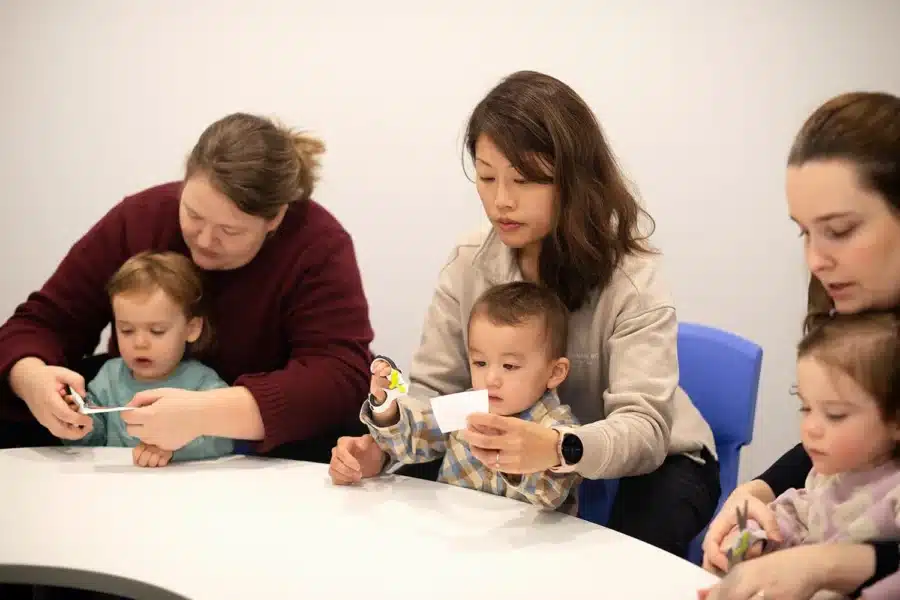
Crafting and storytelling meet in the Scissors Training Workbook! This unique product is cleverly designed to nurture your child’s creativity while improving their dexterity and concentration.
Through 12 different worksheets requiring scissors and glue, children get to practise their pincer grip, learn to cut along dotted lines, and even create their own imaginative stories.
Brain workout
This popular tool kit is designed to support your child’s learning in multiple areas, while improving their concentration skills.
By playing with the Magic Square puzzles, learning numbers becomes fun while your child’s concentration is also improved. The kit helps foster a balance between the creative and logical sides of the brain, leading to a more focused, attentive, and well-rounded learner.
Reach for the sky
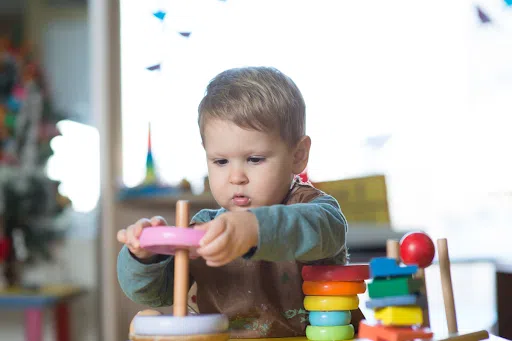
Crafted from durable, non-toxic plastic, these colourful cups offer your little one a chance to boost fine motor skills and attention to detail. As your child stacks the barrels they’ll master spatial recognition and learn about sizes. Plus, it’s a fun, hands-on way to teach colour recognition.
Concentration activities for kids
Here are a few extra activities and ideas to try at home to nurture your child’s focus and concentration.
Storytelling sessions: Encourage your child to listen to a story and then retell it in their own words. This helps enhance listening and comprehension skills, both of which are crucial for concentration.
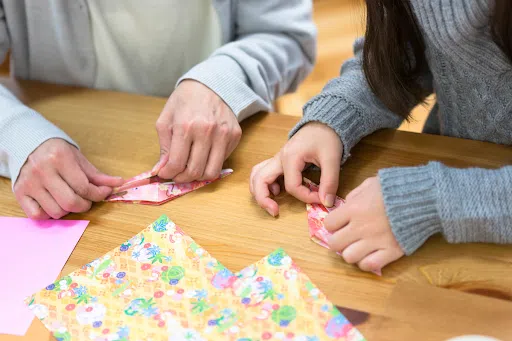
DIY origami: Teach your child to make simple origami animals or objects. This requires attention to detail and focus, helping to boost concentration.
Bake together: Baking requires following a recipe, which can help improve your child’s focus and attention. Plus, the reward of a yummy treat can be a great motivator!
Nature scavenger hunt: Create a list of items for your child to find in your backyard or during a walk in the park. This will require them to concentrate and remember the items they’re searching for.
Memory game: Place several objects on a tray. Let your child look at them for a few minutes, then cover them. Ask your child to remember and list all the objects.
DIY craft projects: Craft activities like making a homemade bird feeder or painting pebbles can improve focus, as they require following instructions and concentrating on the task at hand.
Why concentration products for kids matter
Shichida’s concentration products for kids are specially designed to boost focus and enhance attention skills.
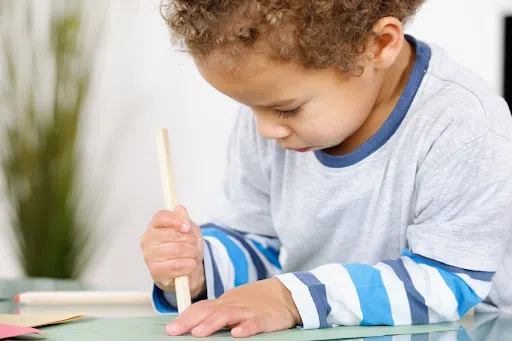
When your child works on building concentration, they’re building mental stamina. They become adept at sticking to tasks, setting, and reaching their goals.
Attention, the close cousin of concentration, allows kids to zero in on tasks, follow instructions, and absorb new information quickly. Consequently, it’s a huge booster for their learning journey!
Good concentration and attention also refine your child’s communication skills and raise their emotional intelligence. This helps them to better understand, respond, and contribute to conversations, strengthening their social skills.
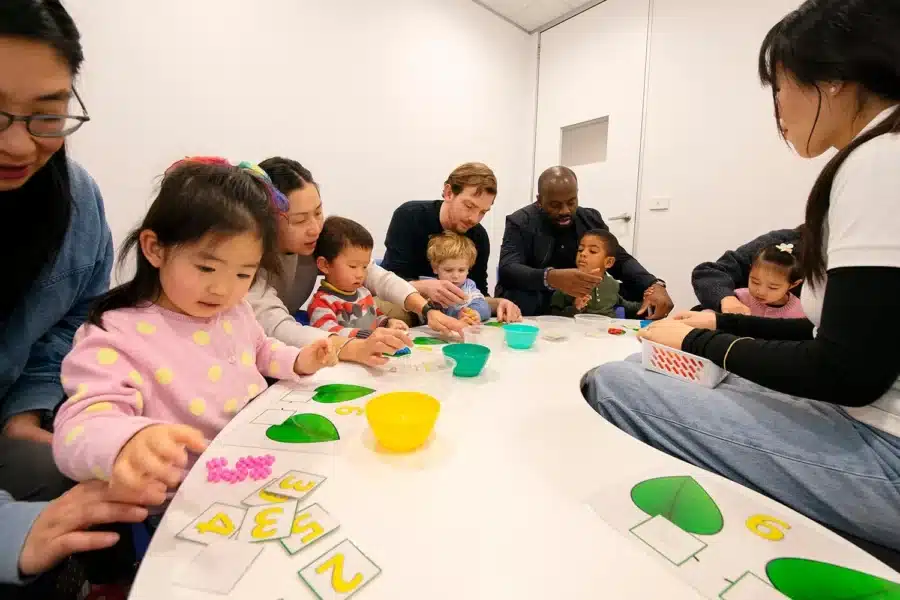
Whether your looking for baby classes, toddler activities or preschool enrichment, we have you covered! Our curated activities at Shichida Australia enable children to retain their focus throughout the duration of class.
Want to see the amazing Shichida Method in action? Book your trial class with Shichida Australia today!
FAQs About Concentration Products for Kids
Concentration products are toys, games and learning materials that involve focusing on a task. Examples include jigsaw puzzles, mazes, matching games, stacking cups and craft workbooks. They provide opportunities to practise attention during play, but no product guarantees better concentration across every situation.
Stacking cups, simple inset puzzles, shape sorters and large building blocks offer clear, hands-on tasks. Choose age-appropriate materials that your toddler can manipulate comfortably. Follow their interests and offer a small challenge, such as adding another cup or finding a matching shape.
Puzzles require children to examine pieces, compare shapes and test where they fit. Mazes involve following a path, noticing possible routes and adjusting when a route is blocked. Both activities provide practice in staying with a task and checking progress.
Look for an activity your child wants to try and can attempt with some success. Consider the number of steps, the size of the pieces and the instructions involved. A suitable challenge allows room to think and experiment without becoming consistently overwhelming.
A timer is optional. Start without time pressure so your child can understand the task and try different approaches. Introduce a timed challenge only if the product is age-appropriate and your child enjoys it. Speed is not the only sign of focused learning.
There is no single session length that suits every child or activity. Begin with a brief opportunity to play and follow your child’s engagement. Allow them to continue when interested, and offer a break or simpler task when they become tired or frustrated.
Check whether the task is too difficult, too familiar or simply unappealing that day. Try reducing the number of pieces, playing together or offering a different activity. Keep the space comfortable and limit competing distractions, while allowing your child opportunities for movement and rest.
Yes. Try retelling a favourite story, remembering a few objects on a tray, following a simple recipe or folding paper together. These activities involve attending to information and following steps. Your interaction and the suitability of the challenge help make the experience meaningful.
Notice changes within familiar tasks. Your child might need fewer reminders, check their work, try another approach or return after a break. Completing an activity quickly or sitting completely still is not the only way to show engagement.
Shichida Australia uses varied, teacher-guided activities such as puzzles, memory games, songs and hands-on challenges. Parents participate alongside their children, helping them engage and practise skills with support. Concentration is developed within a broader early learning program that also includes language, numeracy and coordination.