Key Takeaways
- A calming corner for kids is invitational, not punitive.
- Connection before correction is the principle that makes it effective.
- Co-regulation comes before self-regulation.
- Build the space during calm moments, not during meltdowns.
- Age-appropriate sensory tools and mindfulness activities support success.
- Your own calm presence is the most powerful tool in the corner.
- Teaching children to recognise body signals of emotions builds emotional awareness.
- Repair after losing patience is always important.
- Consistency over time creates lasting benefits for emotional regulation for kids.
If you have ever searched for calming corner ideas for kids, you may already be looking for something gentler than time-out. A calming corner, sometimes called a calm down corner, gives children a safe place to practise emotional regulation with connection, sensory tools, and adult support.
When thoughtfully used, a calming corner for kids becomes a practical tool that combines emotional safety, co-regulation, and growing independence. In this guide, you’ll learn what a calming corner is, how to set one up, age-appropriate ideas, and how to use it in ways that genuinely support emotional regulation for kids.
Setting up a calming corner paired with sensory play ideas or tools is a popular strategy used amongst parents focused on emotional safety. Here are some sensory play ideas:
Sensory play can help nurture resilience and development. Download a free sensory play guide here.
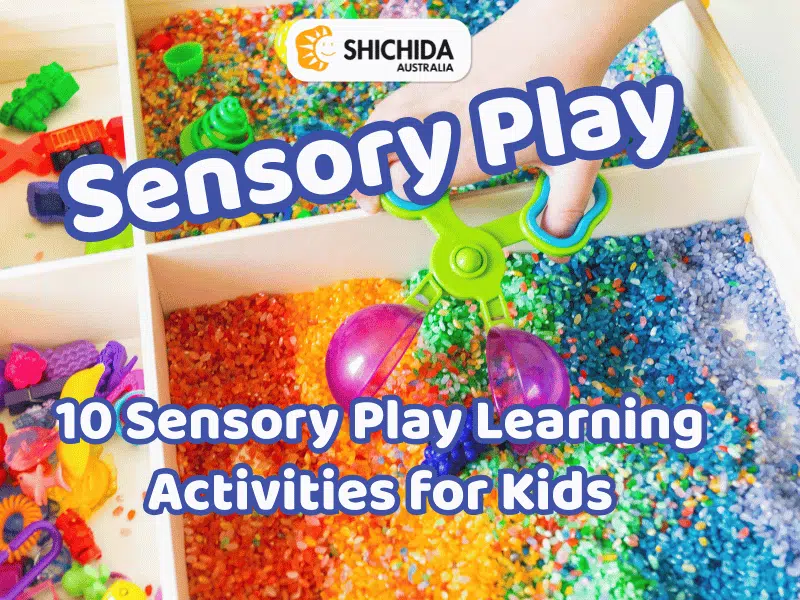
If your child enjoys these types of activities, a Shichida trial class is a great way to see how structured play can support coordination, focus, memory and early learning confidence.
Book a trial class or contact us to find your nearest centre.
What Is a Calming Corner (and What It Isn’t)
Quick answer:
A calming corner is a quiet, comforting space where children can go to manage big emotions with support from a trusted adult. It may include cushions, sensory tools, books, emotion cards, breathing prompts, or comfort items. Unlike time-out, a calming corner is not a punishment. It helps children build emotional regulation through connection, co-regulation, and repeated practice.
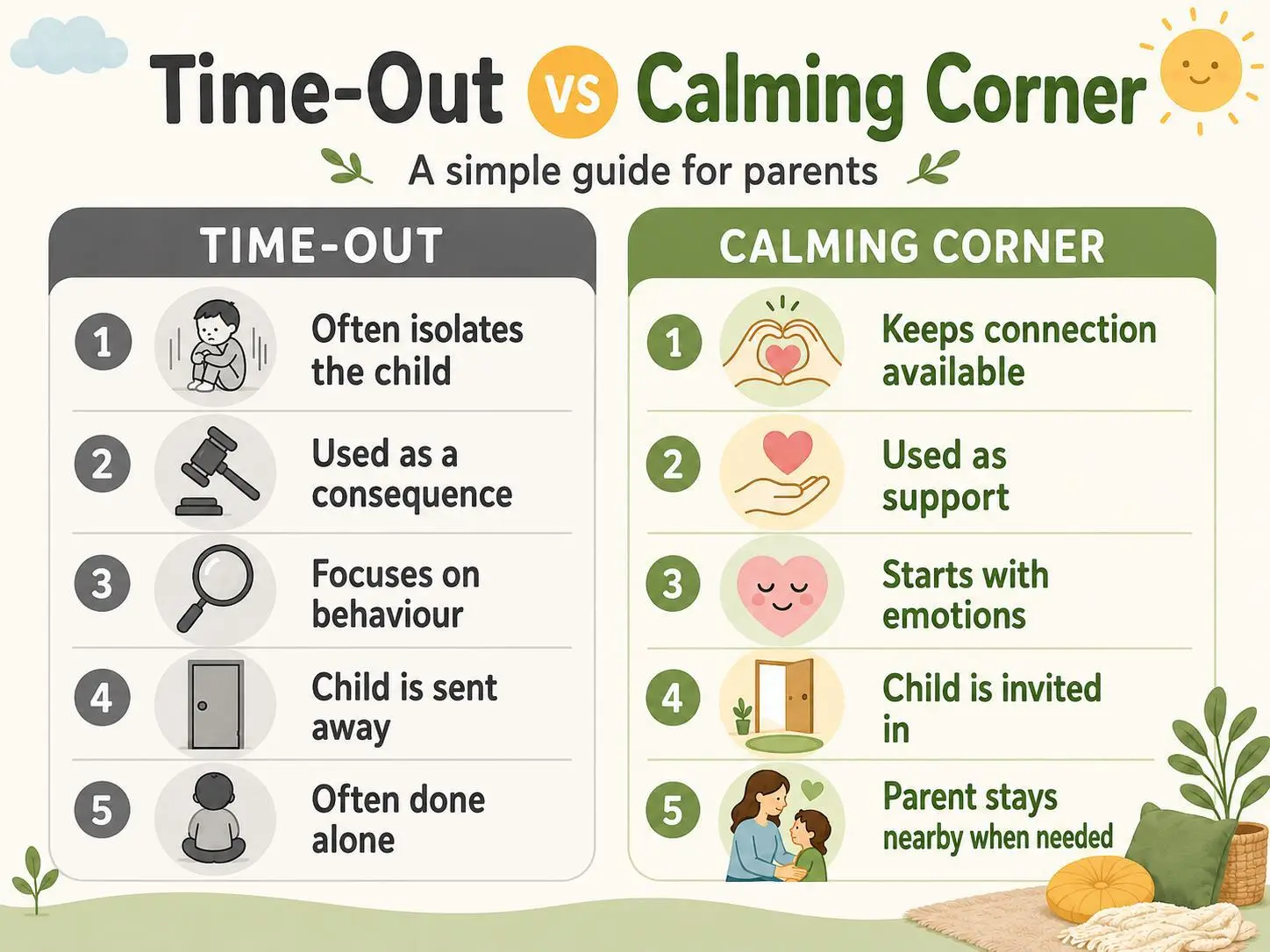
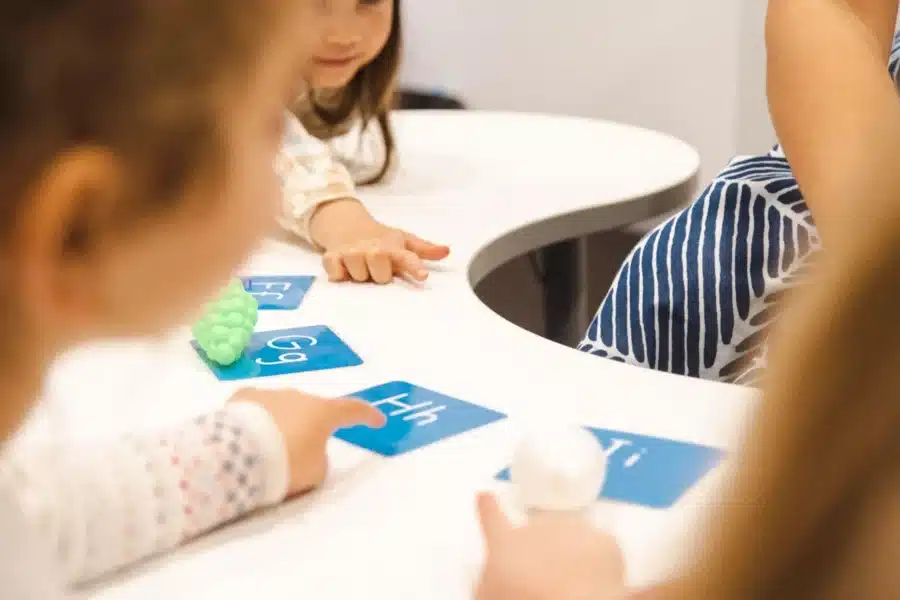
Image by Shichida Australia: Connection above correction always. The Shichida Method values the parent-child bond and facilitates amazing learning experiences for families to grow, learn and bond.
A calming corner at home is a dedicated space designed to help children feel safe, supported, and connected while navigating strong emotions.
Children experience frustration, disappointment, excitement, fear, and anger just like adults do. The difference is that their brains are still learning how to manage those experiences. A calming corner gives them a place to practise those skills.
Most importantly, a calming corner is not a behaviour management shortcut. It works best when built around the principle of connection before correction. Children are far more receptive to guidance when they feel understood and emotionally safe.
Calming Corner vs Time-Out
A traditional time-out often focuses on removing a child from a situation because of their behaviour.
| Time-Out | Calming Corner |
|---|---|
| Isolation | Connection |
| Punitive | Supportive |
| Behaviour-focused | Emotion-focused |
| Sent away | Invited in |
| Often alone | Parent available |
A calm down corner focuses on helping a child regulate their emotions before discussing behaviour.The child is never forced into the calming corner as a consequence. Instead, it becomes a trusted tool they can choose to use with support.
The Connection-Before-Correction Foundation
Research and parenting approaches grounded in attachment consistently show that children learn best when they feel safe and connected.
When emotions are running high, teaching, lecturing, and correcting rarely work. The calming corner acts as a bridge between the emotional storm and the learning that comes afterwards.
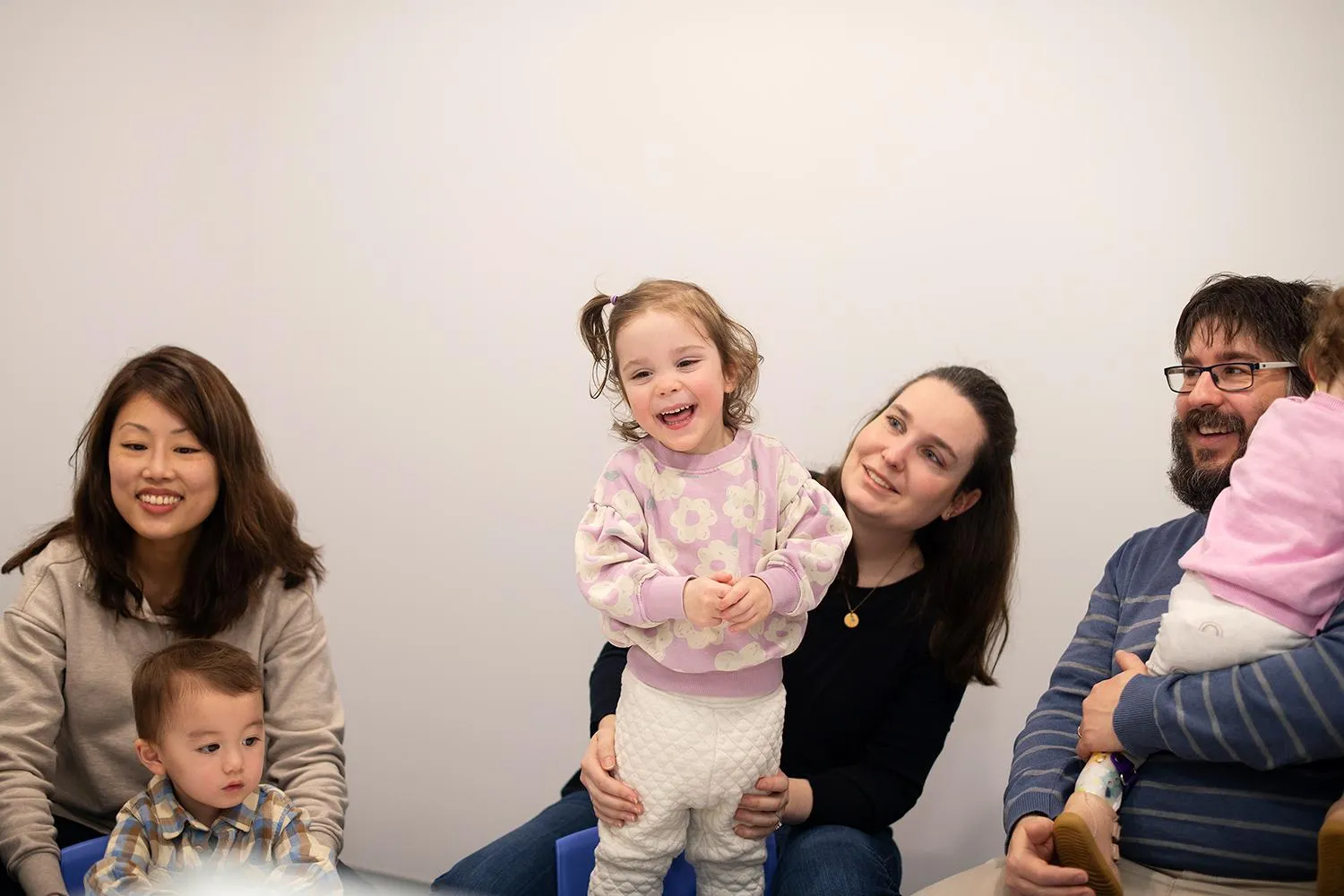
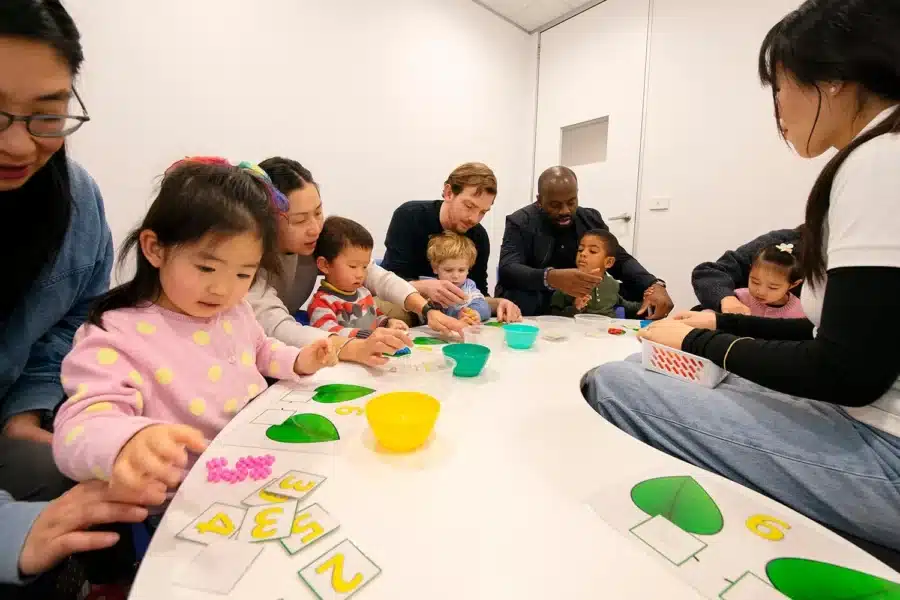
Image by Shichida Australia: Co-regulation comes first. A calm adult presence helps children slowly build their own emotional regulation skills. Shichida classes offer great opportunities for parent-child bonding while children learn through play.
Why Calming Corners Work: The Science of Co-Regulation
If you’ve ever worried that comforting your child during a meltdown is ‘giving in’, you’re not alone. Many parents receive conflicting advice, which can make these moments even harder to navigate.
Developmental science suggests the opposite.
Young children are not born with mature self-regulation skills. Those abilities develop gradually through repeated experiences of being regulated by trusted adults.
The Developing Emotional Brain
A preschooler’s brain is still under construction.
The part of the brain responsible for impulse control, emotional management, and flexible thinking develops over many years. During a big emotional reaction, children often cannot access these skills effectively.
This isn’t defiance – it’s normal development.
Co-Regulation Comes First
Before children can regulate themselves, they need help from an adult.
This process is called co-regulation.
Through calm voices, predictable responses, physical comfort, and emotional support, children begin borrowing a parent’s calm until they can develop more of their own.
This is why co-regulation strategies for parents are so important. The calming corner simply provides a physical space where this process can happen more easily.
Body Signals of Emotions
Children often feel emotions in their bodies before they can describe them.
They may notice:
- A racing heart
- Tight shoulders
- A hot face
- Clenched fists
- A sore tummy
Teaching children to recognise these body signals of emotions is one of the earliest forms of self-awareness and self-regulation.
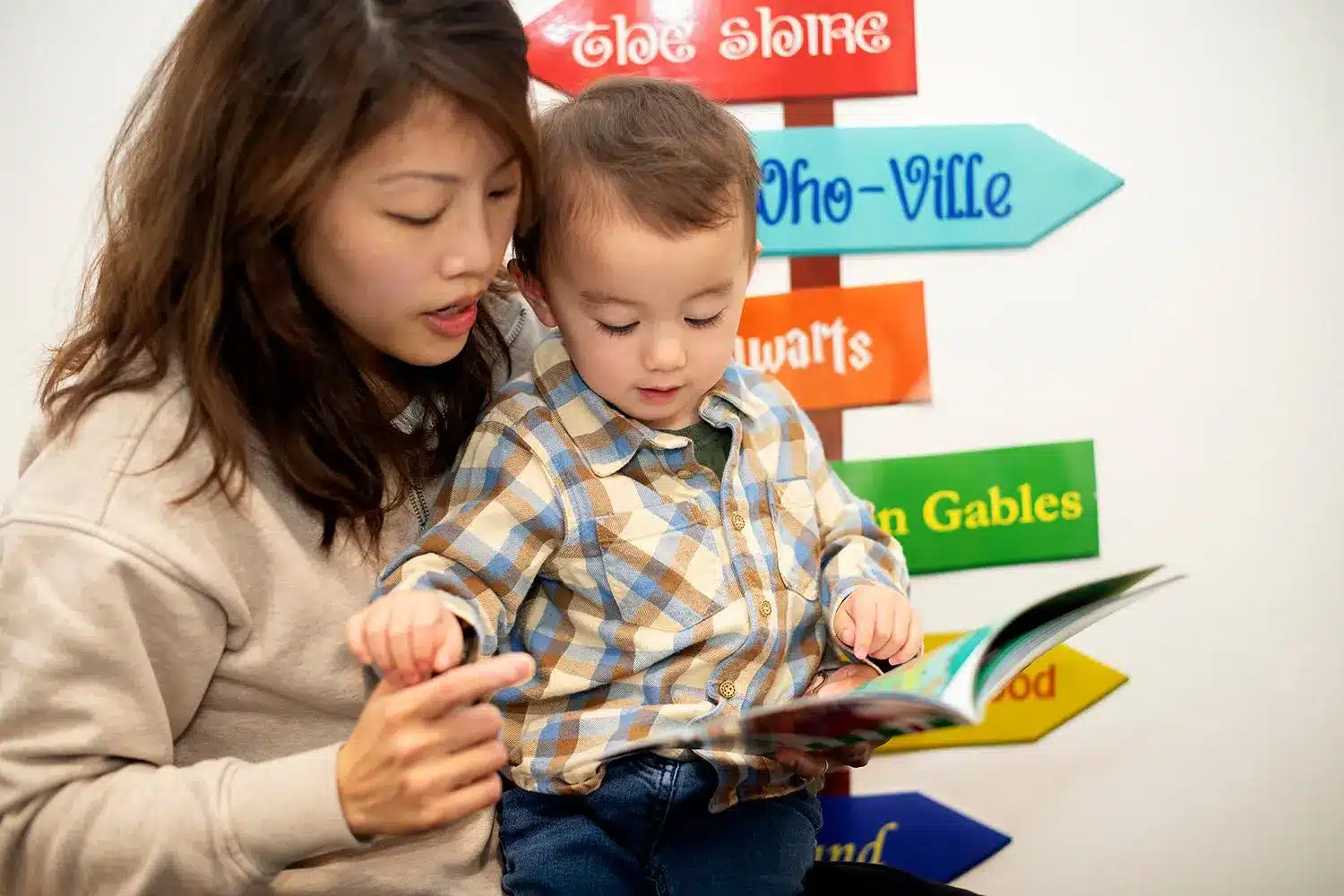
Image by Shichida Australia: A quiet moment can be taken outside of home too! Here a mum and her toddler read together while waiting for their Shichida class to begin. Reading together helps children settle, connect, and get ready to learn. At Shichida, these small parent-child moments matter because connection is often where confidence, focus, and a love of learning begin.
When and How to Introduce a Calming Corner
One of the biggest mistakes parents make is introducing the corner during a meltdown. Children need to explore the space while they are calm.
Best Age to Start
A calming corner for toddlers can be introduced from around age two.
The most active use often occurs between ages three and six, but older children can benefit too with more age-appropriate adaptations.
Introduce It When Your Child Is Calm
Choose a relaxed moment.
Build the space together. Let your child:
- Choose cushions
- Select comfort items
- Name the space
- Decorate it
Children are more likely to use a space they helped create.
Model Using It Yourself
Children learn more from what you do than what you say.
Try saying:
“I’m feeling overwhelmed. I’m going to sit in the cosy corner and take three slow breaths.”
This simple modelling teaches powerful emotional skills. Spend time with them in the corner at first, and then transition from it slowly, leaving them with favourite objects to play with.
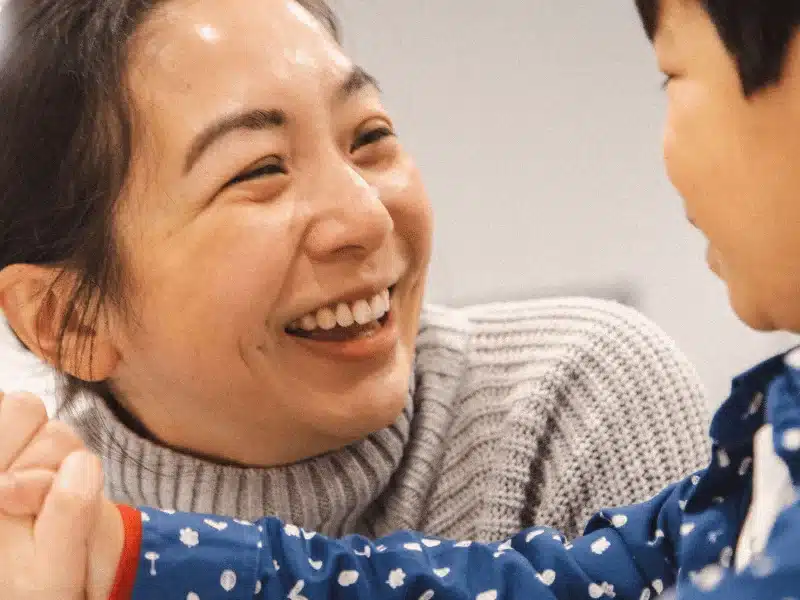
Image by Shichida Australia: If you need more guidance on what you can do at home to encourage EQ and emotional regulation, try a Shichida class. Find a centre near you now!
How to Set Up a Calming Corner at Home
An effective DIY calming corner can be as simple as a cushion, a basket, and a quiet corner of your living room. Here are some practical calming corner ideas for kids:
Choosing the Right Spot
Look for a space that is:
- Quiet
- Low stimulation
- Easy to supervise
- Comfortable
A corner of a lounge room, bedroom, or play area can work well.
What to Include
Helpful calming corner items may include:
- Soft cushions
- Blankets
- Favourite stuffed toys
- Sensory bottles
- Emotion cards
- Picture books
- Breathing prompts
- Fidget toys
- Soft lighting
- Family photos
Keep the selection simple. Too many items can become overwhelming. You can rotate objects over a period of time to keep the space interesting.
What to Leave Out
Avoid:
- Screens
- Loud electronic toys
- Punishment-related items
- Overstimulating activities
The goal is regulation, not distraction!
Making It Feel Safe and Inviting
Consider:
- A small play tent
- Fairy lights
- A canopy
- Soft textures
- Child-created artwork
Giving the space a special name like “The Calm Cave” or “The Cozy Nook” often increases engagement.
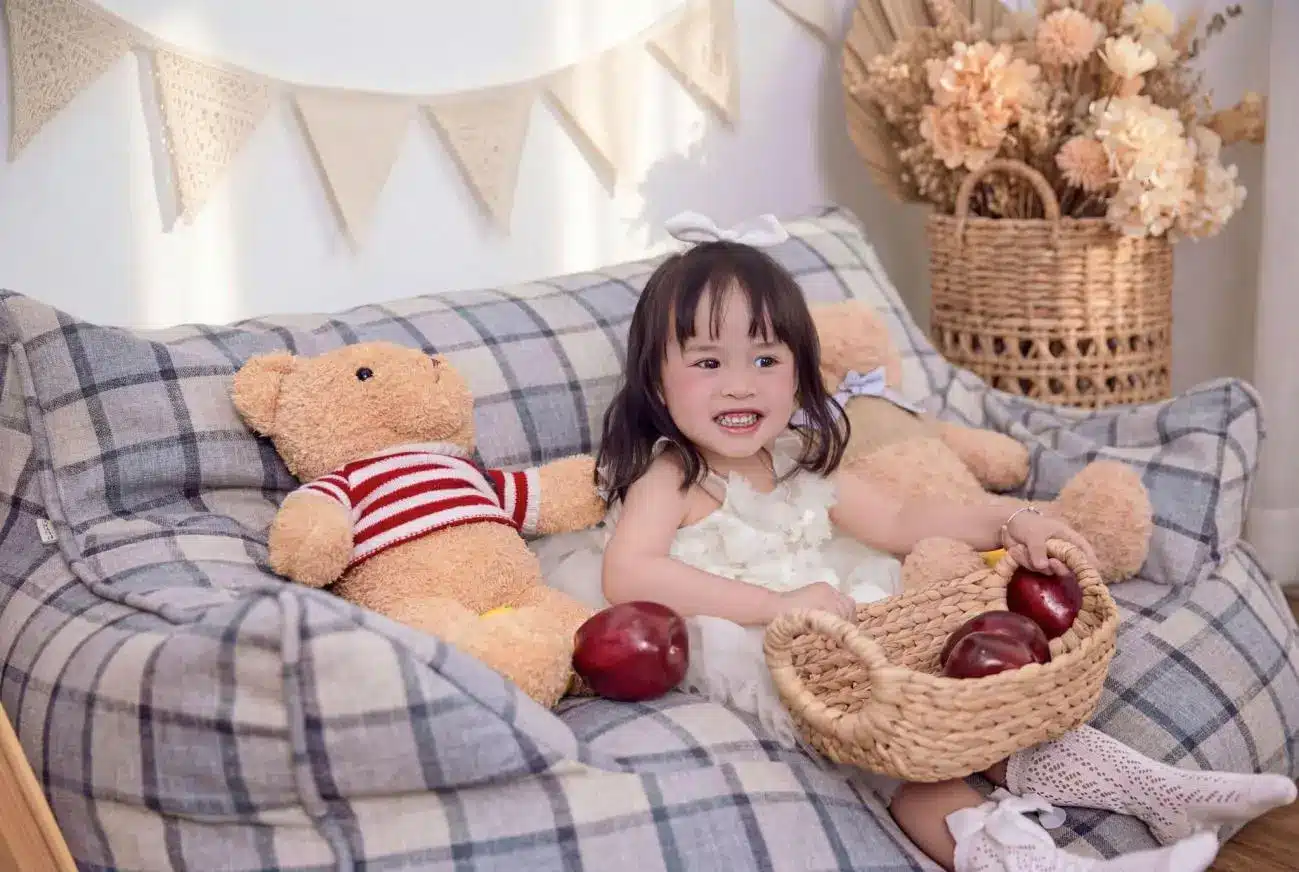
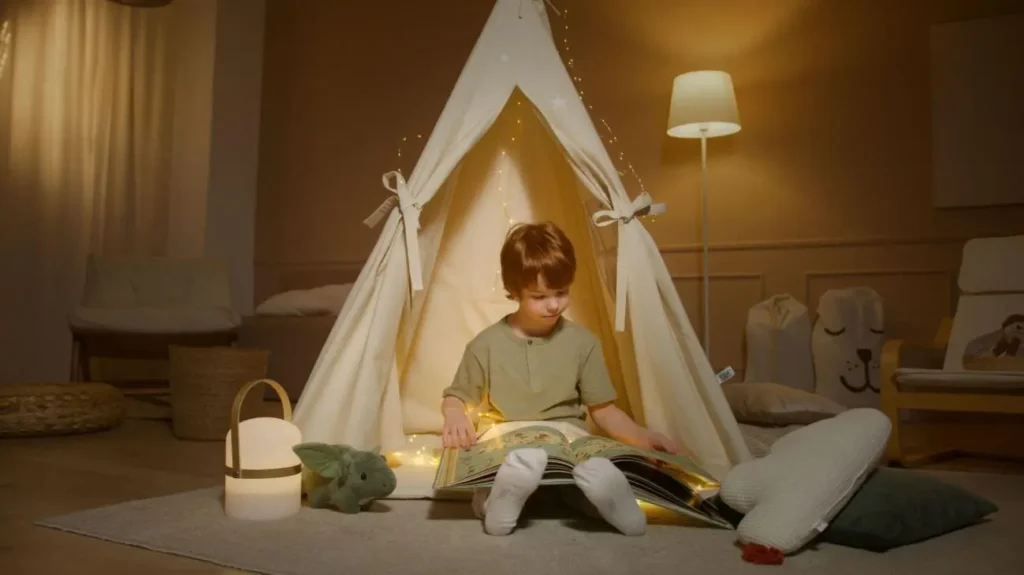
Image from Pexels: Calming corner ideas for kids can be practical, simple, and lean into your child’s interests.
What to Put in a Calming Corner: Calming Corner Ideas for Kids by Age
For Toddlers (2-3 Years)
Toddlers benefit most from simple sensory and comfort-based supports.
Include:
- Soft toys
- Board books
- Sensory bottles
- Small blankets
- Feelings puppets
- Soft lighting
At this age, most children still need a parent alongside them. This is completely developmentally appropriate.
For Preschoolers (3-5 Years)
Preschoolers are beginning to understand emotions and body signals.
Add:
- Emotion flashcardsto look at
- A breathing buddy
- Drawing materials
- A calm-down jar
- Simple mindfulness cards
- A mirror for recognising facial expressions
Parents may also enjoy pairing these activities with Shichida Australia’s resources on emotional development and mindful learning.
For Early School-Age Children (5-7 Years)
Older children often enjoy more independent tools.
Try:
- Journals
- Gratitude prompts
- Worry stones
- Emotion wheels
- Breathing balls
- Mindfulness exercises
These support growing self-regulation strategies for preschoolers and school-aged children alike.

Sensory and Mindfulness Activities for the Calming Corner
The activities are what bring the space to life.
Breathing Buddy
Place a soft toy on your child’s tummy and watch it rise and fall with each breath.
Five Senses Grounding
Ask your child to identify:
- One thing they can see
- Hear
- Touch
- Smell
- Taste
This helps bring attention back to the present moment.
Calm-Down Jar
Shake a glitter jar and watch it settle slowly. Children often find the visual cue soothing.
Body Scan
Guide your child through noticing:
- Toes
- Legs
- Belly
- Chest
- Arms
- Face
This strengthens body awareness.
Naming the Feeling
Use emotion cards or a feelings wheel.
Simply identifying a feeling often reduces its intensity.
Hand-on-Heart Breathing
One hand on the chest and one on the tummy.
Breathe slowly together.
Squeeze and Release
Tense muscles gently, then release.
This helps release physical tension.
Co-Reading a Feelings Book
Reading together remains one of the most effective co-regulation activities available.
You may also enjoy exploring sensory-based learning ideas through Shichida Australia’s sensory play resources and early childhood development articles.
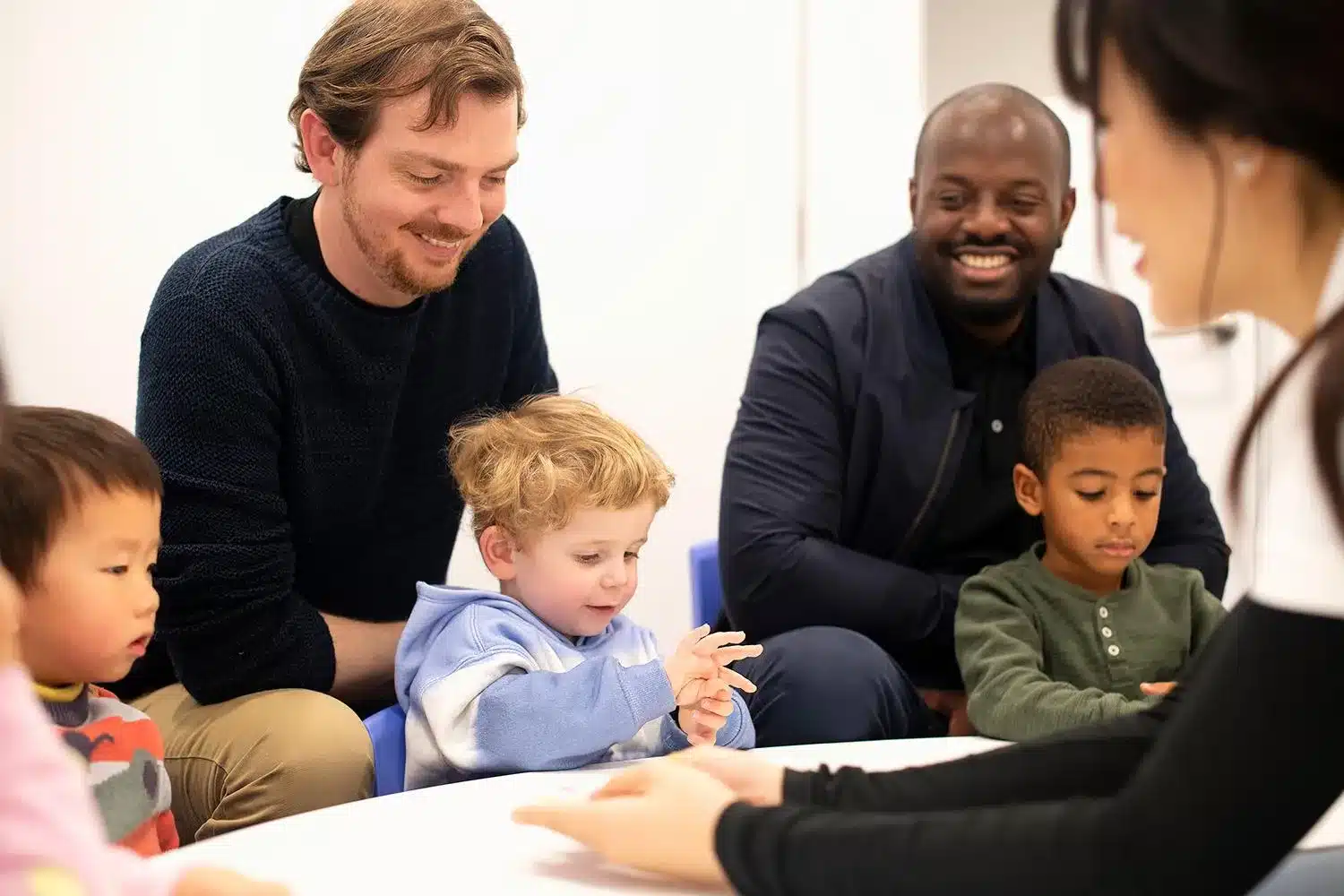
Image by Shichida Australia: At Shichida, preschoolers build confidence, focus, and thinking skills while sharing meaningful moments with the people they love most.
Co-Regulation Strategies for Parents
A calming corner is only as effective as the support surrounding it.
Regulate Yourself First
This is often the hardest step.
- Take a breath.
- Lower your voice.
- Relax your shoulders.
Your nervous system influences your child’s nervous system.
What to Say
Simple phrases work best:
- “I’m here.”
- “You’re having a big feeling.”
- “Let’s take a breath together.”
- “You’re safe.”
What Not to Say (Yet)
Avoid:
- “Calm down.”
- “You’re fine.”
- “Stop crying.”
- Threats or ultimatums
Reasoning can wait until your child is calm.
Co-Regulation Activities You Can Do Together
Try:
- Gentle rocking
- Slow walking
- Humming
- Singing quietly
- Breathing together
- Palm-to-palm pressure
Repairing After You Lose It
Every parent loses patience sometimes. What matters most is repair.
A simple apology teaches emotional responsibility:
“I shouted earlier. I was overwhelmed. I’m sorry. I love you.”
Connection before correction means your relationship is the regulation tool. Everything in the calming corner is supporting equipment.
Teaching Kids to Recognise Body Signals of Emotions
Awareness often comes before regulation.
Where Do You Feel It?
Draw a simple body outline.
Ask:
- Where do you feel anger?
- Where do you feel worry?
- Where do you feel excitement?
Volcanoes, Bubbles and Storms
Children understand metaphors.
You might say:
“It looks like a volcano is building inside you.”
This helps them recognise emotions before they become overwhelming.
Early Self-Regulation Skills
Encourage children to:
- Ask for a hug
- Visit the calming corner
- Use a breathing buddy
- Squeeze a soft toy
- Drink water
The first skill is noticing. The strategy comes next.
Common Calming Corner Mistakes
Using It as a Punishment: A calming corner should never feel like exile.
Forcing the Child to Go: Children often need connection before they can use the space effectively.
Expecting Instant Results: Trust develops over time. Weeks and months matter more than days.
Skipping the Repair: Always reconnect afterwards through conversation, cuddles, or shared activities.
Making It About Behaviour: Focus on emotions first. Behaviour discussions can happen later.
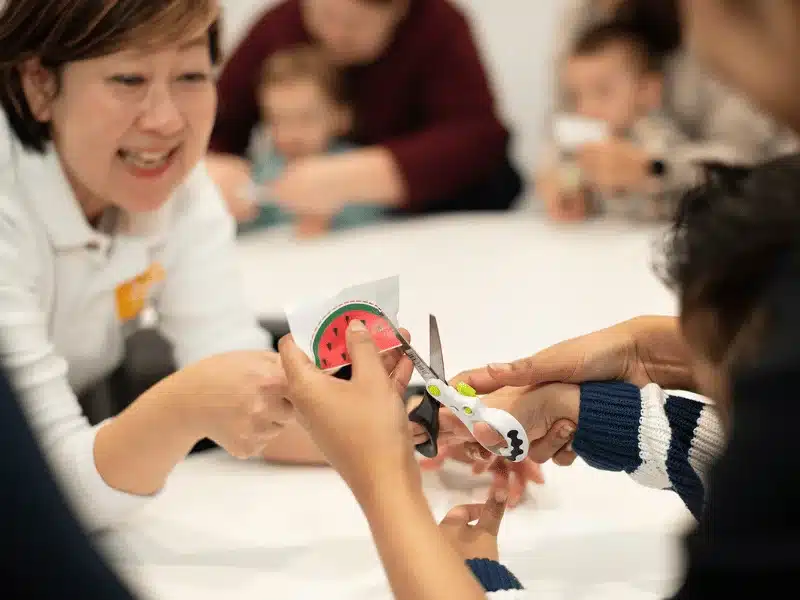
Image by Shichida Australia: This simple cutting activity is doing so much more than it seems. As preschoolers use safety scissors to cut along a rounded edge, they are building fine motor skills, concentration, and confidence.
Beyond the Calming Corner: Building Everyday Emotional Safety
The corner is one tool within a much bigger emotional environment.
Daily Connection Rituals
Try:
- Morning cuddles
- Bedtime chats
- Special handshakes
- One-on-one time
- Joining a weekly activity together
Predictability and Rhythm
Children thrive with consistent routines and gentle transitions.
The Repair Practice
Conflict is normal. Repair is what strengthens relationships.
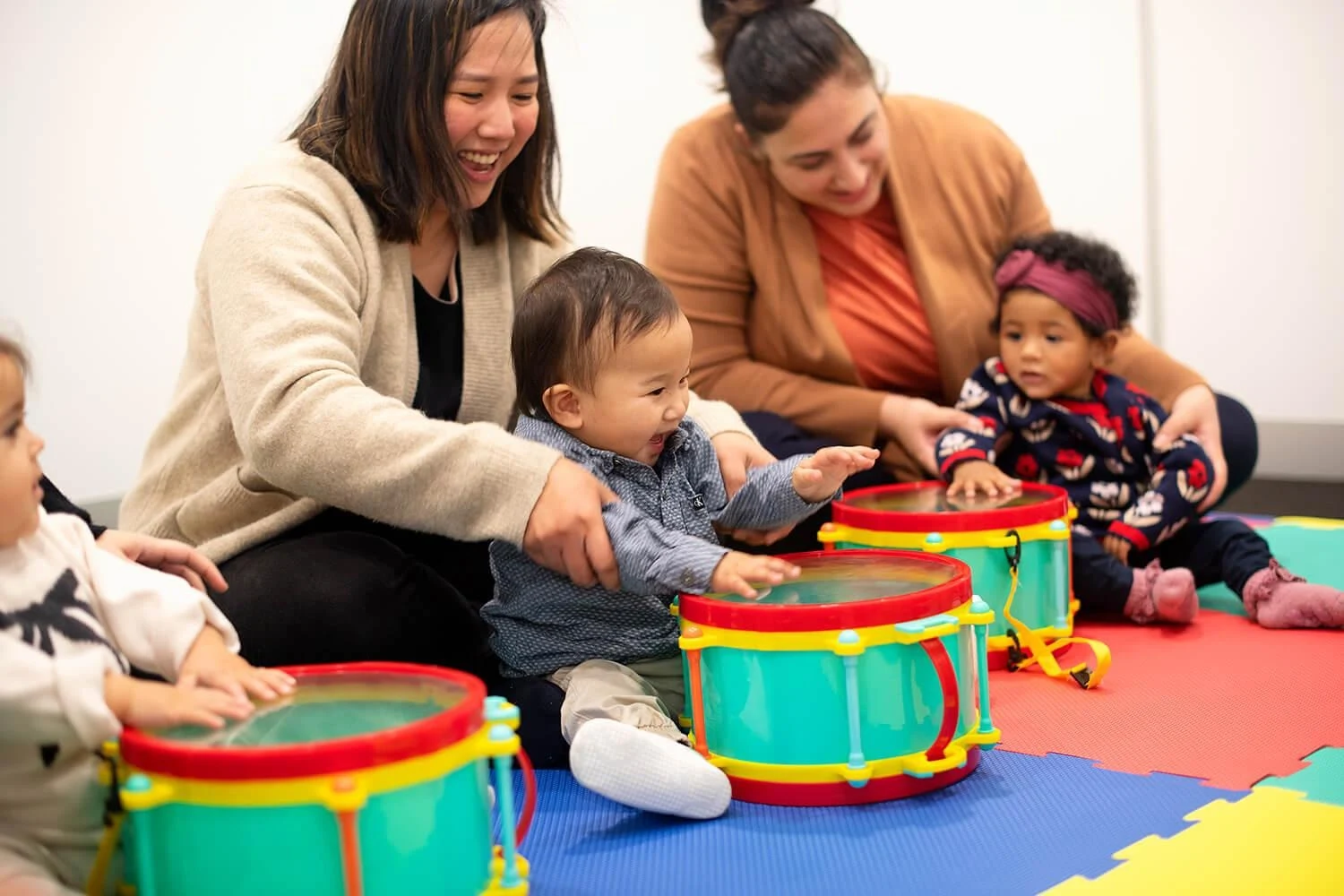
Image by Shichida Australia: When babies play and learn with their parents, they are building focus, coordination, listening skills, and joyful parent-child connection.
Supporting Your Child’s Emotional Development with Shichida
A calming corner creates emotional safety at home. Consistent emotional growth also benefits from environments that intentionally nurture confidence, connection, and whole-child development.
Through the Shichida Method Australia, children engage in age-appropriate learning experiences that support emotional awareness, sensory development, focus, and parent-child connection.
Parents may also find value in:
- Shichida Preschool Programs
- What We Teach at Shichida
- Why Choose Shichida
- Find a Shichida Centre
- Shichida Blog Resources
A calming corner can support emotional safety at home, but children also benefit from regular learning environments that build confidence, focus, communication, sensory awareness, and parent-child connection.
At Shichida Australia, children take part in age-appropriate activities that support emotional, sensory, and cognitive development through the Shichida Method.
To further support your child, book a trial class with Shichida Australia and discover how our fun weekly classes can complement the positive habits you’re building every day.
FAQs About Calming Corner Ideas for Kids
Most children can begin using a calming corner from around age two, with close adult support. Children usually become more independent with calming corner tools between ages three and six.
A calming corner supports emotional regulation, safety, and connection. Time-out is usually used as a behavioural consequence. A calming corner should be invitational, not punitive.
Good calming corner items for a 3-year-old include soft toys, cushions, blankets, sensory bottles, board books, simple emotion cards, and breathing prompts.
Do not force them. Focus on co-regulation first, model using the space yourself, and invite your child when they are calm. Trust takes time.
Yes, but the goal is not to stop the tantrum instantly. The goal is to help your child feel safe, supported, and able to regulate their emotions with your help.
There is no fixed time. A child should stay only as long as they need to feel calmer. The calming corner should never feel like a punishment or forced isolation.
Yes, a calming corner can be in a bedroom, lounge room, playroom, or quiet corner of the home. The most important thing is that it feels safe, welcoming, and easy to supervise.
Calming corners can work well when they are used consistently with connection, co-regulation, and emotional coaching. They are less effective if used as punishment.
Start with co-regulation. Help your child name emotions, notice body signals, practise breathing, use sensory tools, and return to calm with adult support.
Co-regulation is when a child uses the calm presence, voice, touch, and support of a trusted adult to settle their nervous system. Over time, these repeated experiences help children develop self-regulation.
For toddlers, keep the calming corner simple. Use soft cushions, a blanket, a favourite toy, sensory bottles, board books, and a parent nearby for comfort and co-regulation.