Key takeaways
- Sensory play is essential from birth for brain development and learning.
- It supports cognitive, motor, emotional, social, and language development.
- Simple daily sensory activities at home can make a major developmental difference.
- Sensory classes in Melbourne provide guided enrichment, structure, and social interaction.
- The best outcomes often come from combining home sensory play with structured early learning experiences.
From the moment your baby enters the world, they begin learning through sensory experiences. Every cuddle, sound, texture, movement, smell, and visual interaction helps shape the neural pathways that support learning, communication, coordination, and emotional development.
That is why sensory play has become one of the most recommended developmental activities for babies and toddlers. It is not about creating perfect Pinterest activities or buying expensive toys. It is about giving your child opportunities to explore, move, connect, and learn through everyday experiences.
If you are searching for sensory play Melbourne, sensory classes Melbourne, or even baby classes near me, you are probably looking for activities that genuinely support your child’s development while still feeling manageable for your daily routine.
Some of the most powerful developmental experiences happen during simple everyday interactions at home. At the same time, many Melbourne families are now combining home sensory activities with structured programs like the Shichida Australia early learning program to support focus, confidence, memory, and whole-brain development.
Looking for sensory play ideas? Shichida has plenty!
Sensory play can help nurture resilience and development. Download a free sensory play guide here.
If your child enjoys these types of activities, a Shichida trial class is a great way to see how structured play can support coordination, focus, memory and early learning confidence.
Book a trial class or contact us to find your nearest centre.
What Is Sensory Play and Why It Matters
Sensory play is not limited to messy textured play as many parents think.
Sensory play refers to a range of activities that engage all your child’s senses and encourage their brain to process information through exploration.
When your baby squishes food between their fingers, listens to a nursery rhyme, splashes water during bath time, or crawls across different textures, their brain is learning and adapting with every experience. Babies and toddlers learn through touching, listening, seeing, tasting, smelling, and moving long before they can understand formal instruction.
Sensory integration is the brain’s ability to organise and respond to sensory input. When babies repeatedly experience safe sensory stimulation, the brain strengthens neural connections that support learning, movement, communication, emotional regulation, and problem-solving.
While many parents focus on the traditional five senses, child development experts now recognise eight sensory systems:
- Touch
- Sight
- Hearing
- Smell
- Taste
- Vestibular sense (balance and movement)
- Proprioception (body awareness)
- Interoception (internal body awareness)
Research consistently shows that early sensory experiences help shape brain architecture during the first three years of life, when development is most rapid during the Golden period. Purposeful sensory play also supports curiosity, confidence, and emotional security during the early years. You can explore more in Sensory Play at Shichida Classes.
What Is Sensory Development in Babies and Toddlers
Sensory development begins at birth and rapidly expands during the first three years. Babies first learn through touch, sound, movement, and visual tracking. As toddlers grow, they begin combining sensory information with movement, communication, emotional understanding, and problem-solving.
Consistent sensory stimulation helps strengthen the brain pathways needed for learning readiness, coordination, attention, and self-regulation.
Why Sensory Play Is Essential for Early Learning
Sensory play supports early childhood sensory learning by encouraging exploration, curiosity, and repetition. These experiences build cognitive flexibility, fine and gross motor skills, emotional regulation, social confidence, and language development.
For babies and toddlers, play is not separate from learning. Play is how the brain develops.
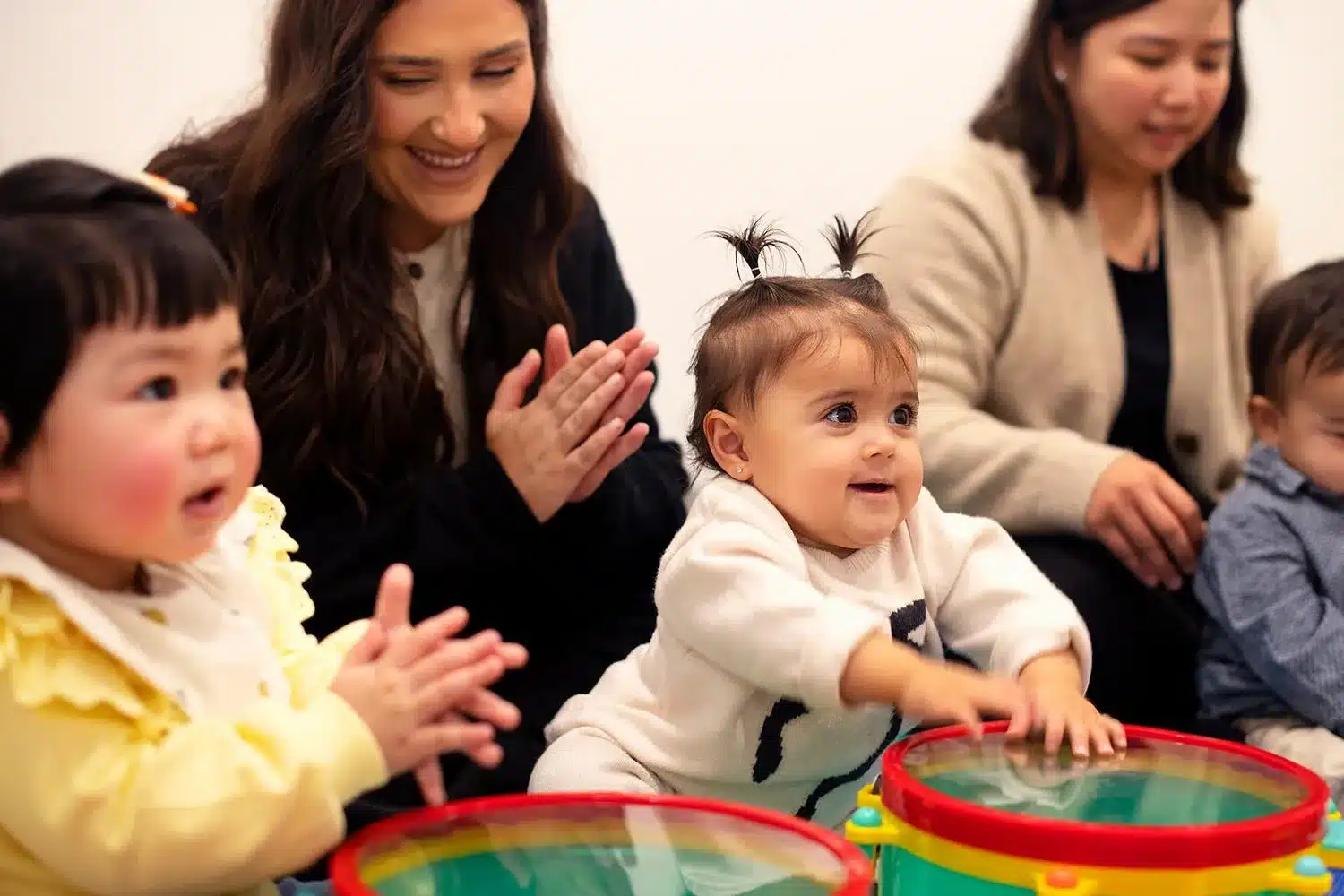
Image by Shichida Australia: Many parents search for sensory play Melbourne because they want fun, age-appropriate activities that keep little hands busy while supporting early learning and development. Here babies explore rhythm, sound and movement through clapping and drumming in a Shichida sensory learning activity.
Benefits of Sensory Play for Babies and Toddlers
Sensory play supports far more than entertainment. Every time your child explores an object, responds to a sound, or experiments with movement, they are building foundations for future learning.
These simple moments help support development in ways that are deeply connected to how young brains grow.
Cognitive and Brain Development
Every sensory experience strengthens neural pathways in the brain. When your child touches textures, explores movement, or responds to sound patterns, the brain is building connections that support memory, concentration, reasoning, and problem-solving.
Structured sensory learning can also support focus and learning readiness over time. The Shichida sensory play approach explains how guided sensory experiences help children build concentration and confidence through repeated hands-on learning.
Motor Skills and Physical Development
Sensory activities naturally encourage movement and coordination. Tummy time strengthens neck and shoulder muscles. Movement-based sensory experiences are important for vestibular and proprioceptive development.
Emotional and Social Development
Sensory play can help babies and toddlers feel calm, connected, and secure. Predictable sensory experiences support emotional regulation while shared play strengthens parent-child bonding.
Group sensory classes also encourage social confidence, turn-taking, observation, and peer interaction.
Language and Communication Skills
Babies learn language through repeated sensory experiences paired with communication. Songs, rhythm, movement, observation, object naming, and object and texture exploration all support vocabulary and early speech development.
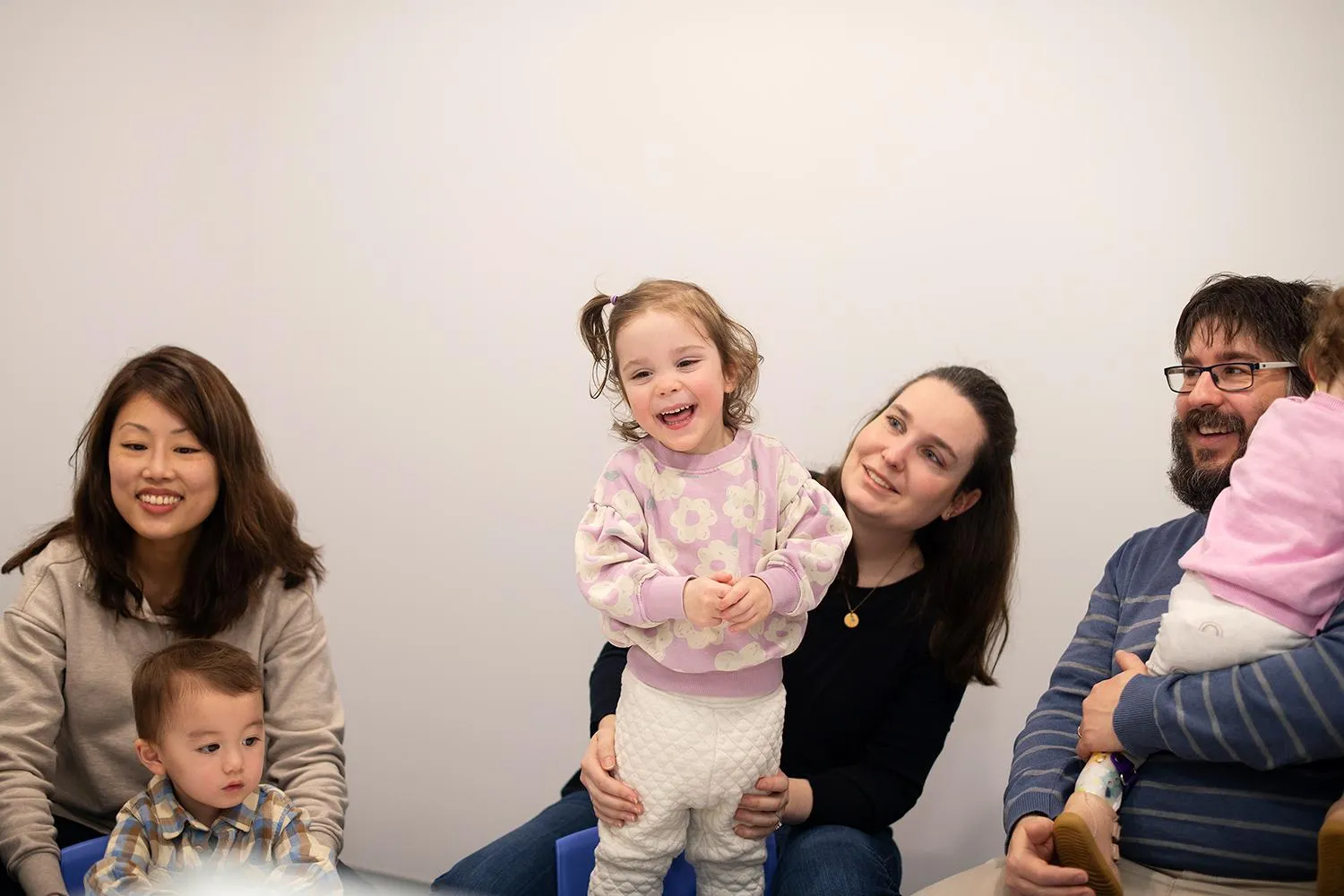
Image by Shichida Australia: Big smiles, shared bonding moments and playful learning in a Shichida toddler class.
Sensory Activities by Age (0-3 Years)
The best sensory activities are simple, safe, and suited to your child’s developmental stage.
Infant Sensory Activities (0-12 Months)
For babies, sensory for babies should focus on gentle stimulation and connection.
Try:
- Tummy time on textured blankets
- Mirror play for visual tracking
- Offer soft textured toys
- Listening to music, nursery rhymes and rattles
- Eye tracking with safe visual objects
- Gentle movement and rocking
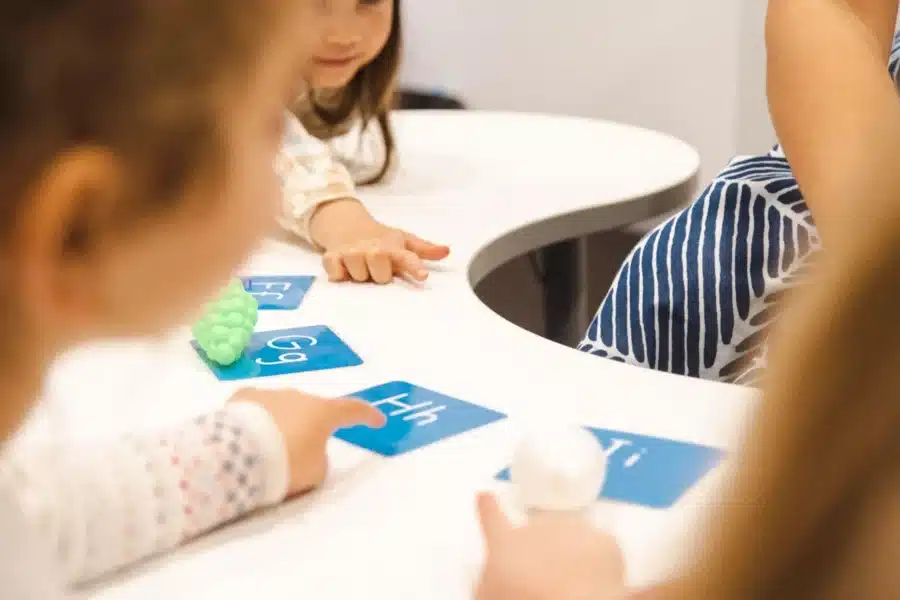
- High contrast flashcards
Parents looking for guided developmental support may also enjoy the Shichida baby classes which combine movement, rhythm, sensory learning, and parent-child bonding.
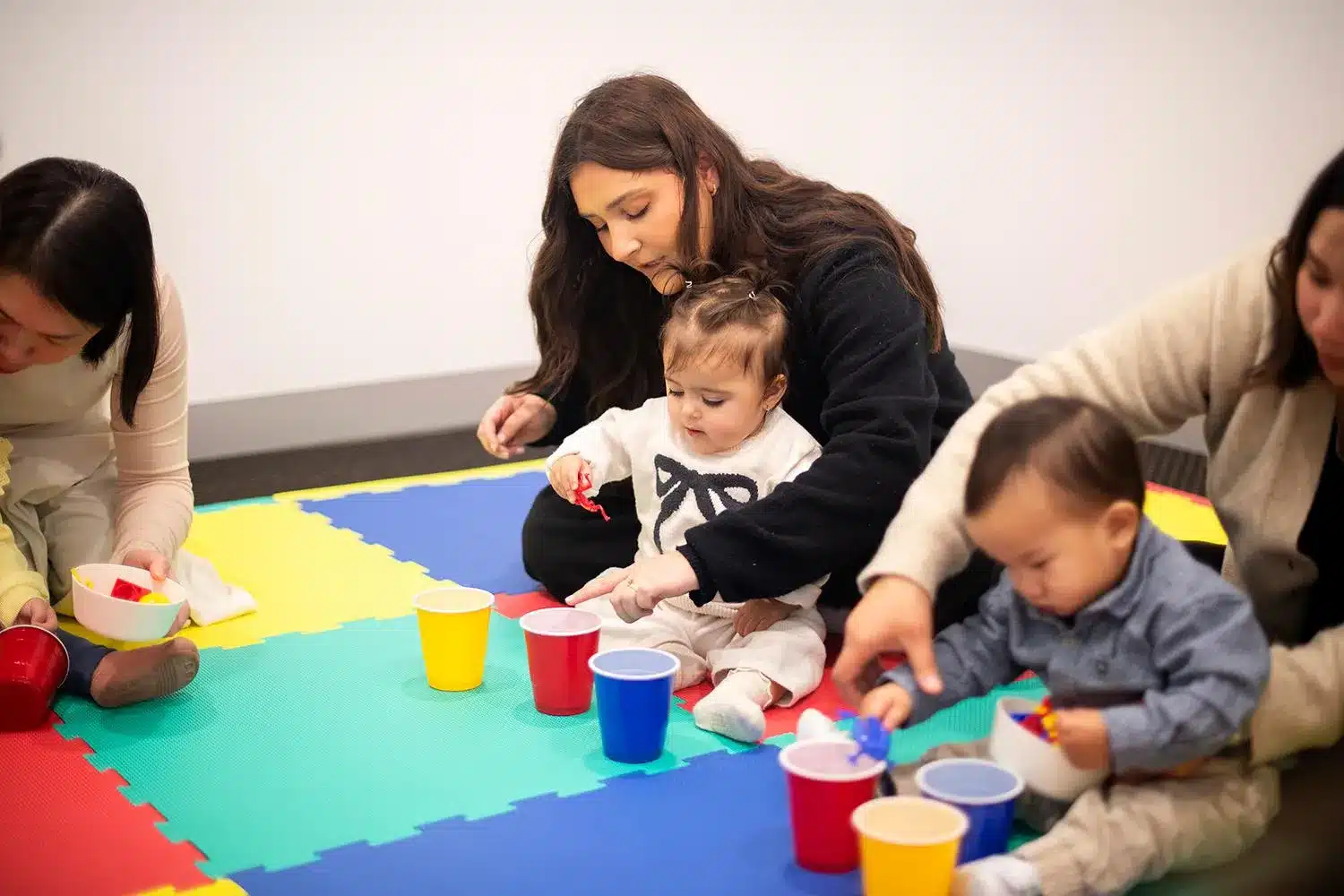
Image by Shichida Australia: Babies build early observation and thinking skills through a fun colour matching game in Shichida class.
Toddler Sensory Activities (1-3 Years)
Toddler sensory activities become more active and exploratory.
Popular ideas include:
- Water pouring stations
- Playing instruments to match the rhythm of favourite songs
- Messy play toddlers activities using foam or paint
- Nature walks and outdoor exploration
- Object sorting games by colour, shape, size or category
- Simple obstacle courses
- Scooping and transferring activities
These activities help toddlers build coordination, confidence, persistence, and problem-solving skills.
Parents looking for guided developmental support and activity ideas may enjoy the Shichida toddler classes which combine listening, observation, rhythm, sensory learning, hand-on fun games and activities, and parent-child bonding.
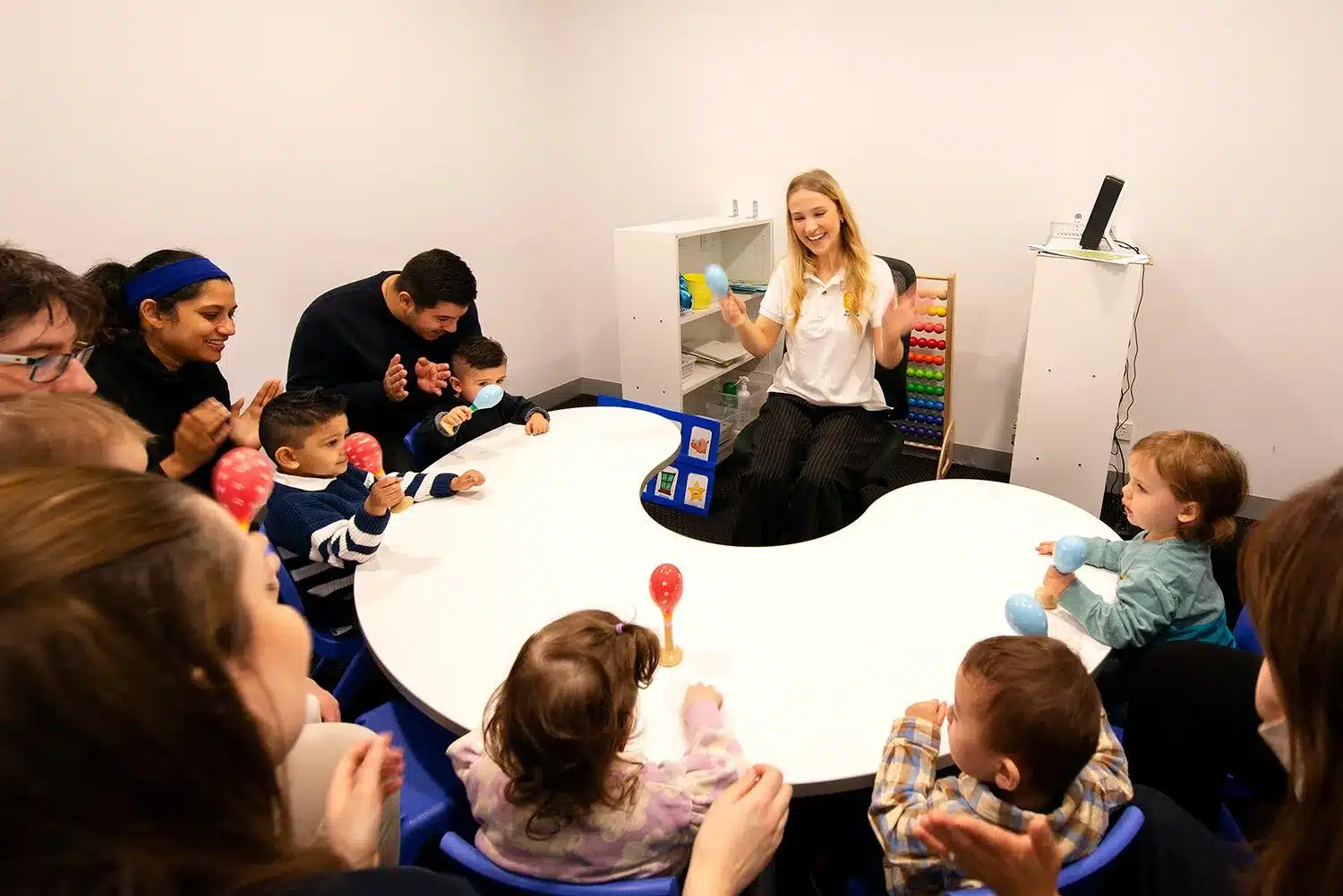
Image by Shichida Australia: Toddlers learning through song, rhythm and hands-on instrument play during a Shichida class.
Easy Sensory Play Ideas at Home
You can create developmental play activities using everyday household materials.
Try this today:
- Rice sensory bins
- DIY flashcards paired with fun songs
- Fabric texture boxes
- Ice cube sensory trays
- Scent jars with herbs or fruit peels
- Bubble play during bath time
Looking for ideas? Shichida has plenty!
Types of Sensory Play Activities
Sensory play covers many different forms of exploration. Providing a variety of sensory experiences helps support whole-child development.
Tactile (Touch-Based Play)
Tactile activities involve textures and physical interaction.
Examples include:
- Sand or play
- Peeling and sticking down stickers
- Playdough
- Finger painting
- Cutting and pasting pictures with safety scissors
- Messy sensory bins
These experiences support fine motor skills, tactile processing, and curiosity.
Visual and Auditory Play
Visual and sound-based sensory activities help children process information through sight and hearing.
Examples include:
- Light projection toys
- Colour sorting
- Musical instrument play
- Songs and rhythm games
- Sound matching activities
The What Can Babies See? guide explains how visual development evolves during infancy.
Movement-Based Play (Vestibular)
Movement experiences support balance, coordination, and body awareness.
Examples include:
- Swinging
- Hop-scotch
- Crawling tunnels
- Balance boards
- Spinning games
- Dancing
Movement play also helps children regulate energy and attention.
Taste and Smell Exploration
Taste and smell are often overlooked forms of sensory learning.
Safe experiences may include:
- Fruit tasting
- Herbal scent jars
- Baking together
- Smelling flowers outdoors
- Exploring different food textures
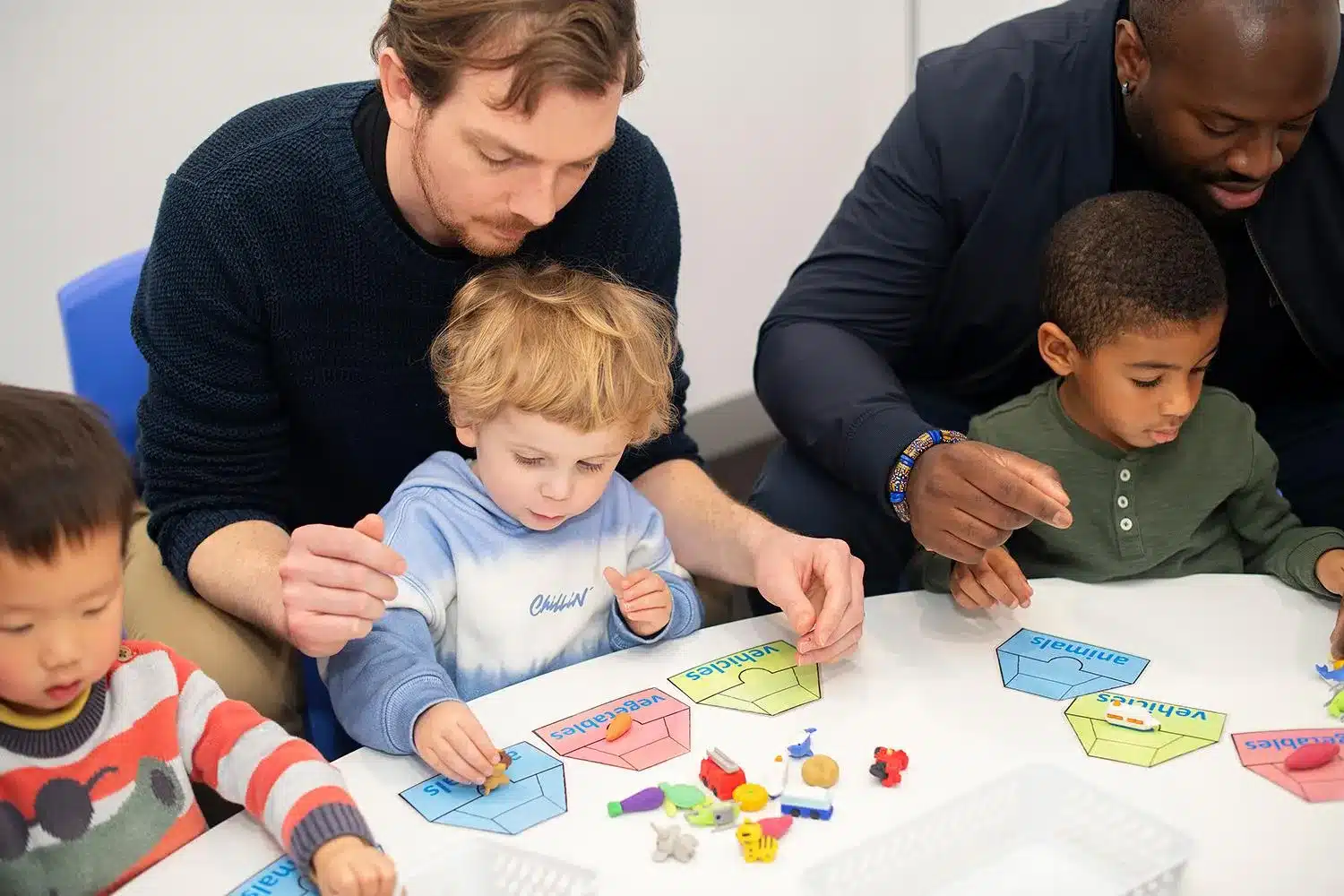
Image by Shichida Australia: Category matching games help toddlers practise sorting, naming and thinking while strengthening fine motor skills.
Sensory Classes in Melbourne: What to Expect
If you are searching for sensory classes near me, you are likely looking for more than just somewhere to pass time with your child.
Many Melbourne parents want activities that feel purposeful, engaging, and genuinely supportive of early development. Structured sensory classes provide guided developmental experiences designed to support learning, movement, focus, and social interaction.
Melbourne offers a growing range of infant sensory and toddler sensory programs for children aged 0–3 years.
What Happens in a Sensory Class
Most sensory classes include:
- Music and rhythm activities
- Movement or hands-on games
- Fine motor tasks
- Parent-child interaction
Some programs focus on free messy play, while others provide more structured developmental learning.
The Shichida Method program uses structured sensory experiences combined with music, fine motor development, flashcards, memory activities, and fun guided interaction.
Benefits of Attending Sensory Classes
Attending sensory classes Melbourne families trust can provide:
- Social interaction for both parents and children
- Exposure to varied sensory materials
- Professional developmental guidance
- Routine and structure
- Parent education and confidence
- Richer group learning opportunities
- Parent and child bonding
Many parents also discover practical activities they can continue at home.
Age Groups and Class Formats
Most Melbourne sensory programs are divided into:
- Baby classes (0-12 months)
- Toddler classes (1-3 years)
- Mixed-age developmental classes
Some classes involve heavy parent participation, while others encourage more independent toddler exploration.
Book a Shichida trial sensory class to experience guided developmental play firsthand.
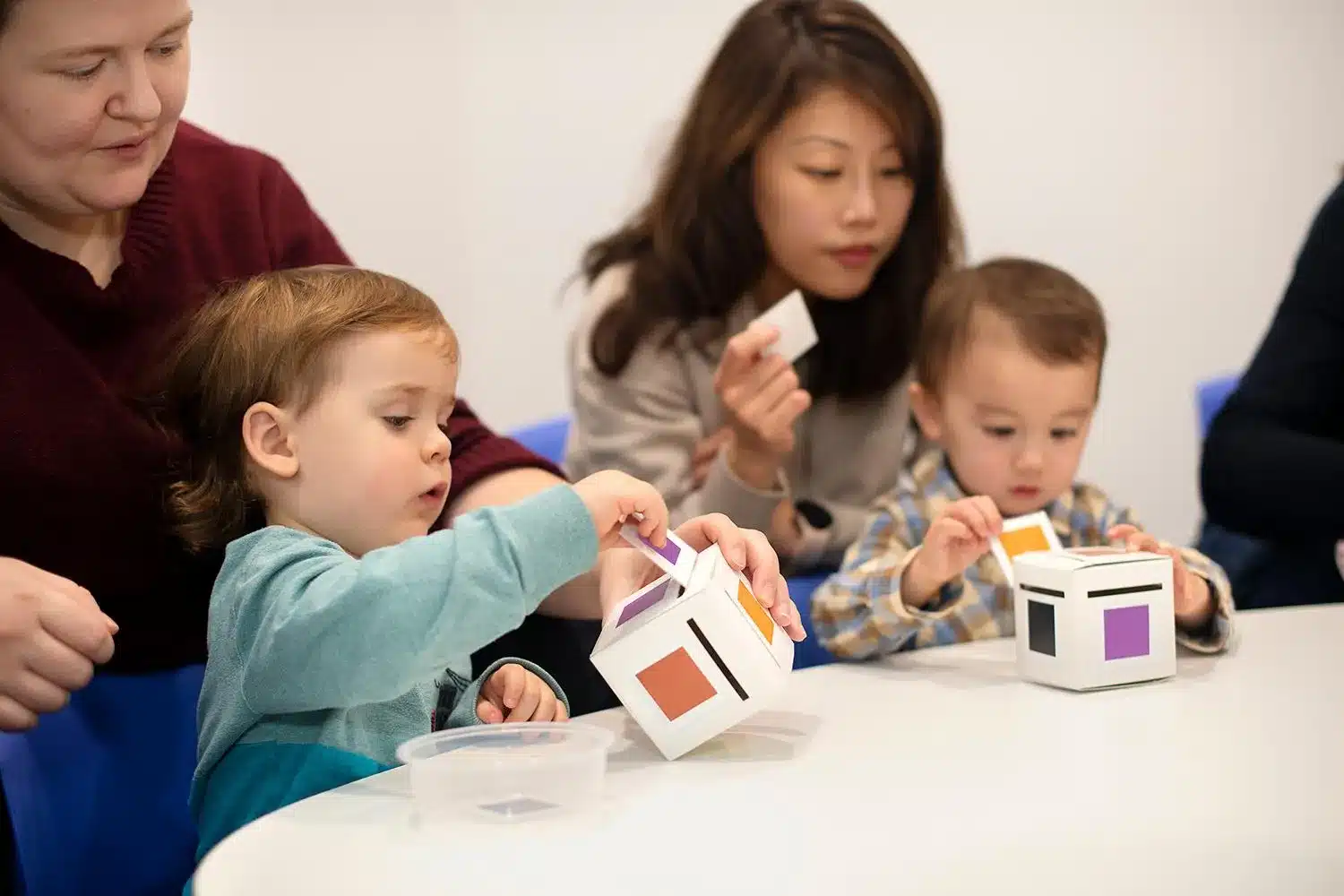
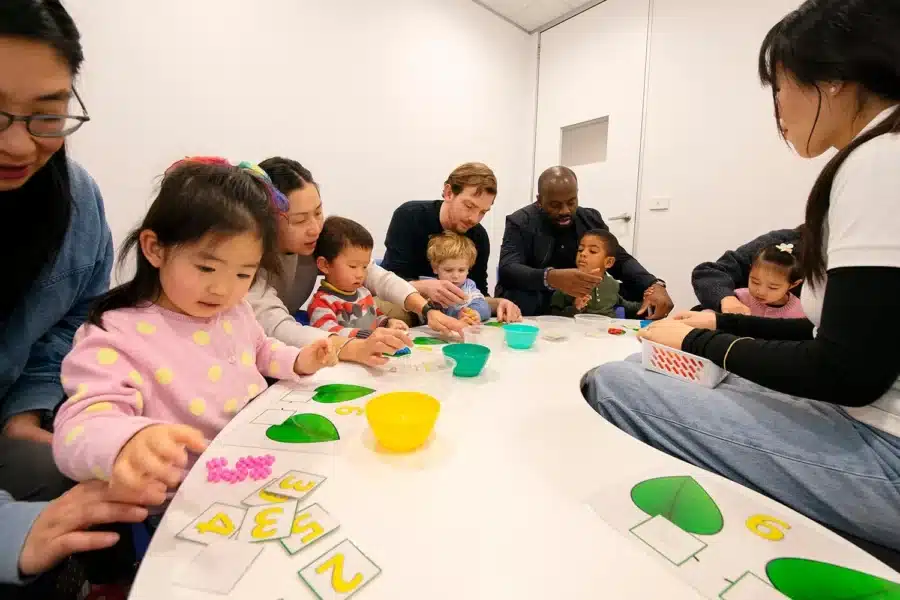
Image by Shichida Australia: Toddlers build focus, observation and early thinking skills through a fun colour matching game in Shichida class.
Best Sensory Classes in Melbourne
Parents looking for trusted sensory classes Melbourne providers have several strong options available.
Popular Sensory Class Providers
Baby Sensory
The Baby Sensory program focuses on infant sensory stimulation through music, lights, textures, movement, and bonding activities.
Toddler Sense
Toddler Sense Australia offers active sensory sessions designed for toddlers who enjoy movement, exploration, and imaginative play.
Shichida Australia
Shichida Australia combines fun sensory learning with whole-brain education, memory activities, songs and rhythm, flashcards, and parent-child bonding.
Parents can also explore:
- How Guided Play Supports Early Childhood Learning
- Learning Through Play: Main Stages of Play Development
- Enhancing Gross Motor Skills Through Play
- Fine Motor Activities for Preschoolers: Hands-On Fun
- Sensory Play for Babies, Infants & Toddlers: A Parent’s Guide
How to Choose the Right Sensory Class
When choosing a class, consider:
- Location convenience
- Age suitability
- Class size
- Teaching style
- Parent involvement
- Safety and cleanliness
- Developmental philosophy
A trial class can help you determine whether the environment suits your child’s temperament and developmental needs.
Sensory Classes Near Me: How to Find the Best Options
When searching for baby classes near me or sensory classes near me, look beyond social media photos and focus on developmental quality.
What to Look for in a Local Class
Look for:
- Clean and safe environments
- Developmentally appropriate activities
- Calm transitions between activities
- Parent communication and guidance
Structured programs often provide more intentional developmental outcomes than purely open-ended sessions, but you need to find what feels right for your developmental philosophy.
Looking for a fun weekly activity with some structure? Shichida offers baby, toddler and preschooler classes across Melbourne and Sydney, with centres in Doncaster, Glen Waverley, Highpoint, Burwood, Chatswood and Parramatta.
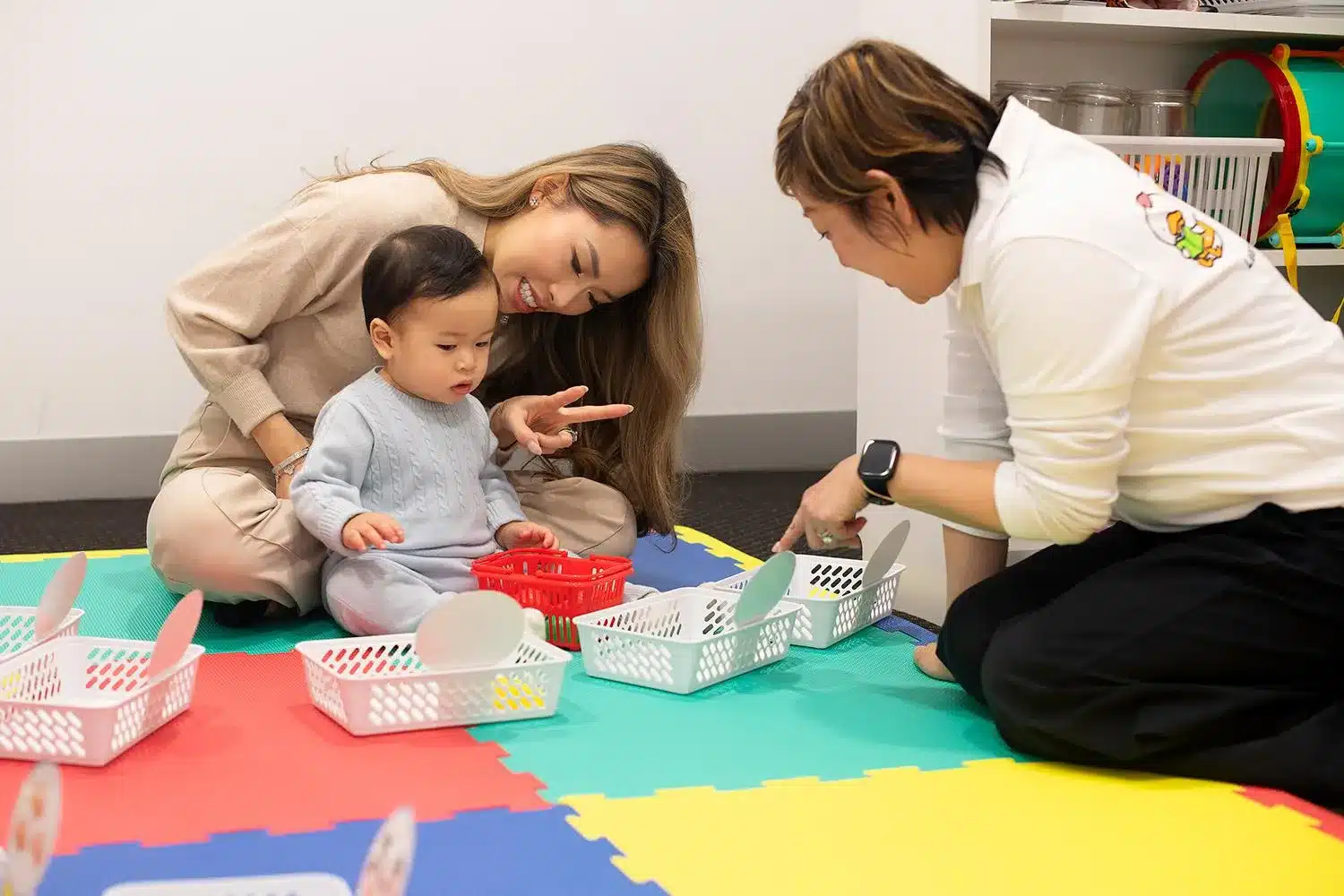
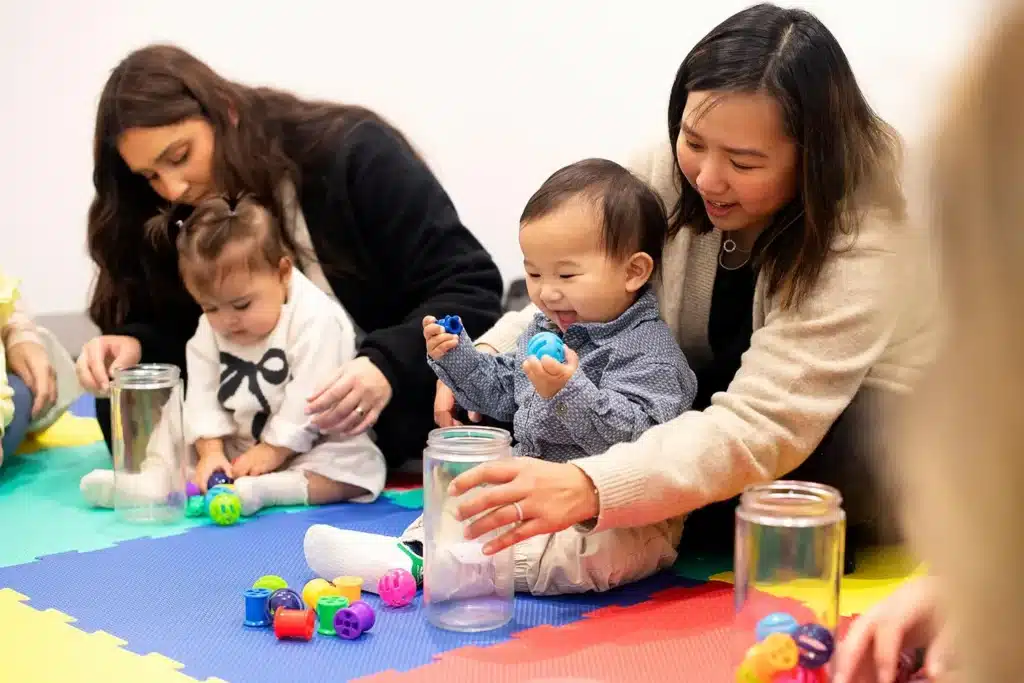
Image from Shichida Australia: Shared sensory experiences at Shichida baby classes help strengthen parent-child connection while supporting cognitive, emotional, and social development during the early years.
Creating a Sensory Play Environment at Home
You do not need a dedicated playroom or expensive sensory equipment to support your child’s development at home.
A few thoughtfully chosen materials, safe spaces to explore, and regular interaction with you can make a huge difference during the early years.
Setting Up a Safe Play Space
A simple sensory play setup may include:
- Soft floor mats
- Clear play boundaries
- Safe storage baskets
- Easy-to-clean surfaces
- Accessible sensory materials and toys
Always supervise sensory activities closely, especially with babies and toddlers.
Must-Have Sensory Materials at Home
Helpful sensory items to have at home include:
- Scarves and fabrics
- Wooden spoons
- Silicone utensils
- Rice or pasta bins for scooping
- Water trays
- Natural leaves and stones
- Safe textured toys
- Musical instruments
- Variety of nursery rhymes and songs
- Flashcards
- Art and craft supplies
The best sensory materials are often simple, open-ended, and easy to rotate.
Structured vs Free Play Balance
Both structured and free sensory play are important.
Free play encourages creativity and independence, while structured sensory activities can help develop focus, sequencing, memory, and learning readiness.
The balance between the two often provides the strongest developmental outcomes.
Common Mistakes to Avoid in Sensory Play
Overstimulating Your Child
Too much noise, colour, movement, or sensory input can overwhelm young children.
Signs of overstimulation may include:
- Turning away
- Crying
- Avoiding eye contact
- Increased frustration
- Difficulty calming down
Follow your child’s cues and provide calm breaks when needed.
Focusing Only on Messy Play
Many parents assume sensory play only means messy play. In reality, sensory learning includes movement, rhythm, sound, visual tracking, body awareness, and communication.
Some children enjoy messy sensory experiences, while others prefer calmer tactile or movement activities.
Ignoring Developmental Stage
Activities should match your child’s developmental level.
Babies need gentle sensory stimulation and connection, while toddlers benefit from more active exploration, problem-solving, and movement-based learning.
Final Thoughts: Supporting Your Child’s Sensory Development
Sensory play is one of the most powerful ways you can support your child’s brain development during the first three years of life.
The small moments often matter most. Singing during nappy changes, splashing during bath time, walking barefoot on grass, or exploring kitchen textures together all help your child learn about the world in ways that build confidence, connection, and curiosity.
From simple household sensory activities to structured sensory classes Melbourne families can access, these experiences help children build the foundations for learning, communication, coordination, confidence, and emotional regulation.
The most important thing is not perfection or expensive materials. It is consistent, responsive interaction that encourages your child to safely explore the world around them.
Combining simple sensory experiences at home with guided developmental programs can provide rich opportunities for growth during the years when the brain develops most rapidly.
Explore sensory classes in Melbourne or start simple sensory play at home today to support your child’s development journey.
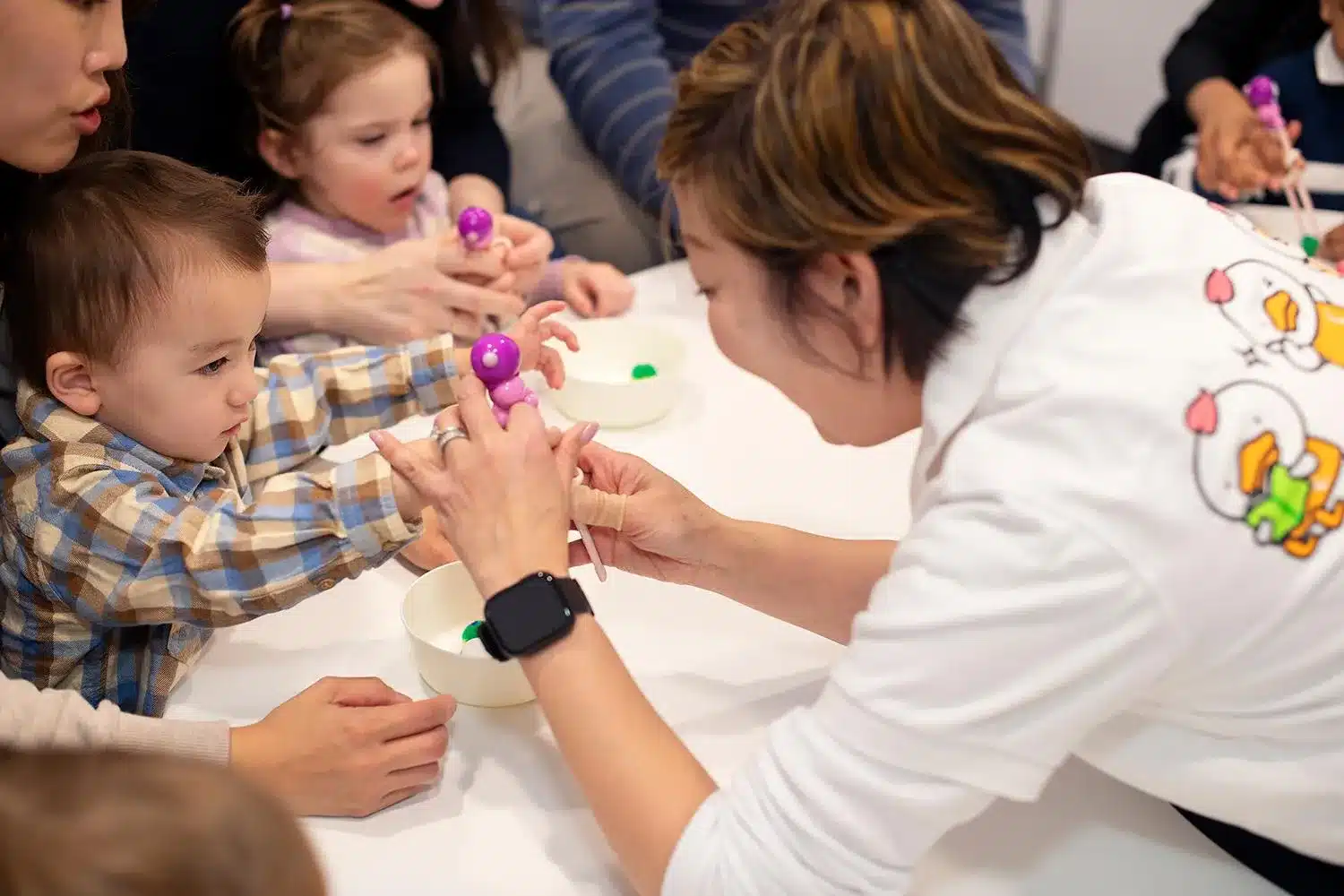
Image by Shichida Australia: A Shichida teacher guides toddlers through a fun and tactile chopsticks game that helps build fine motor skills, focus and hand-eye coordination.
Looking for sensory classes in Melbourne that go beyond messy play?
At Shichida Australia, our early learning classes include activities that connect beautifully with sensory play Melbourne families are already looking for, helping children build focus, curiosity, fine motor skills and confidence.
Discover how Shichida Australia supports early brain development through structured sensory learning, parent-child bonding, flashcards, song and rhythm, and play-based activities. Visit your nearest Shichida Australia centre and book a trial class to experience the Shichida difference!
FAQs: Sensory Play Melbourne
Sensory play for babies involves activities that stimulate the senses through touch, sound, movement, sight, taste, and smell. These experiences help support brain development and learning.
Sensory development begins at birth. Simple activities like tummy time, singing, cuddling, and visual tracking can start during the newborn stage.
Many parents find sensory classes valuable because they provide guided developmental experiences, social interaction, and practical ideas for home learning.
Toddler sensory activities support coordination, emotional regulation, language development, problem-solving, confidence, and curiosity.
Search for structured programs with qualified facilitators, age-appropriate activities, strong safety standards, and trial class availability.
Most classes recommend comfortable clothing, spare clothes for messy activities, water, snacks, and wipes.
Yes. Sensory experiences paired with communication, songs, rhythm, and interaction can support early language and communication development.
No. Sensory play includes many experiences beyond messy play, including movement, sound, visual activities, rhythm, and tactile exploration.
Daily sensory experiences are ideal. Even short, consistent interactions throughout the day can strongly support development.
Absolutely. Many effective baby sensory activities use household items such as fabrics, kitchen utensils, water, rice bins, mirrors, and natural materials.