Key takeaways
- Letter recognition and sound awareness build the foundation for reading success long before children begin formal schooling.
- Early literacy skills develop in a natural sequence: rhyming, syllables, beginning sounds, blending, and segmenting.
- Short, playful activities at home such as letter hunts, sound games, and sensory play are more effective than pressure or long lessons.
- Blending and segmenting are essential phonemic awareness skills that strongly support future reading and spelling ability.
- Consistent, fun, and responsive learning moments make the biggest difference.
Early literacy is not about memorising flashcards or rushing into reading books. It is about building a strong foundation through playful, repeated exposure to sounds, letters, and language patterns. When that foundation is strong, reading becomes less of a struggle and more of a natural progression.
If you are parenting a preschooler or preparing for school entry, this guide will walk you through simple, evidence-informed letter recognition games at home and the key phonics skills that support early reading readiness.
You do not need expensive resources. What matters most is creating small, consistent moments of playful learning that help your child build confidence and enjoy the journey into reading.
Designed for families with children up to 5 years old.
Why Letter Recognition and Sound Awareness Matter Before School
Before children read words on a page, they first learn to hear how language works. This is why sound awareness matters so much in the preschool years. Strong phonological awareness helps children notice patterns in speech, break words into parts, and prepare for reading success.
A natural progression often looks like this:
rhymes → syllables → sounds → blending → segmenting
When children enjoy songs, word games, and sound play, they are building important early literacy skills.
Research consistently shows that phonemic awareness (hearing and manipulating individual sounds in words) is one of the strongest predictors of future reading ability. In simple terms, children who can hear sounds clearly often find reading easier later.
This also aligns with the Shichida approach, which values early stimulation through fun, repetition, and loving parent-child connection.
What Is Letter Recognition?
Letter recognition means a child can visually identify letters from A to Z.
It includes:
- Recognising uppercase letters (A, B, C)
- Recognising lowercase letters (a, b, c)
- Matching uppercase to lowercase
- Beginning to link letters with sounds
For example, seeing M and knowing it says /m/.
What Is Phonological vs Phonemic Awareness?
Phonological awareness is broad sound awareness. It includes hearing and playing with larger parts of language.
Phonemic awareness is more specific. It means hearing and working with individual sounds (phonemes).
A common hierarchy is:
rhyming → syllables → onset-rime → phonemes
Example:
- Rhyming: cat / hat
- Syllables: ba-na-na
- Onset-rime: c-at
- Phonemes: /c/ /a/ /t/
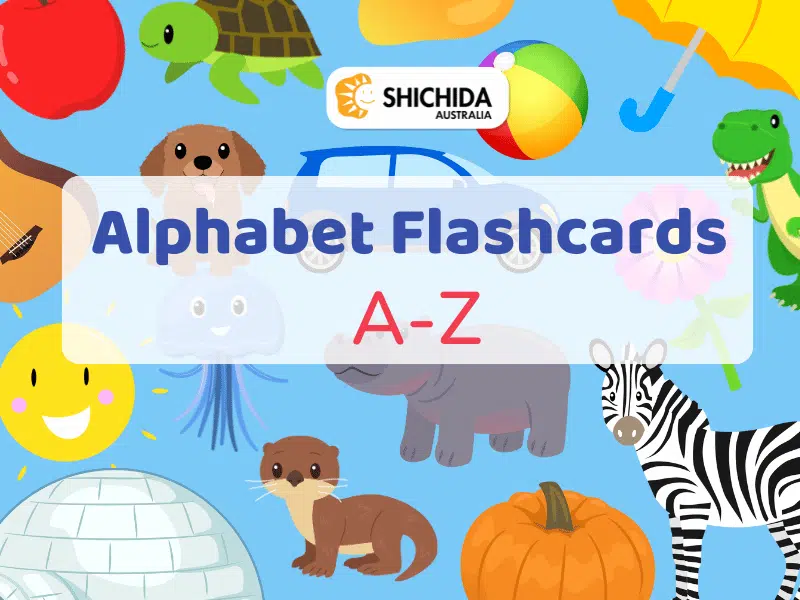
Want to make letter learning easier at home? Download Shichida’s free ABC flashcards and start playing simple letter recognition games with your child today.
Developmental Stages of Early Reading Skills
Think of early reading as a journey, not a race. Children move through stages at different speeds. Some may love rhymes at age 3, while others become interested in blending closer to school age.
Use age ranges as a guide only:
- Ages 2-4: rhymes, listening games, syllables
- Ages 3-5: beginning sounds, letters
- Ages 4-6: blending, segmenting, simple reading
Do not rush ahead if your child still needs more time with earlier stages
Stage 1: Rhyming and Sound Play
Children begin by noticing that some words sound alike, even if they mean different things. This early skill helps them tune into patterns in language and builds listening awareness. Rhyming games, songs, and playful word repetition make this stage feel natural and fun.
Examples:
cat / hat
bee / tree
Stage 2: Syllable Awareness
At this stage, children learn that words can be broken into smaller chunks called syllables. Clapping or tapping out these parts helps them hear the rhythm of words, which supports both speaking and reading later on. This awareness also makes longer words feel easier to manage.
Example:
ta-ble (2)
el-e-phant (3)
Stage 3: Beginning Sounds Recognition
Children start to notice the first sound in words and connect it to familiar objects or names. This is an important step toward linking sounds with letters. Simple games like identifying sounds in everyday items help strengthen this skill.
Example:
ball starts with /b/
sun starts with /s/
Stage 4: Blending Sounds
Blending is when children learn to combine individual sounds to form a complete word. This skill is essential for reading, as it allows children to sound out unfamiliar words. It often begins slowly, with clear separation between sounds, and becomes smoother with practice.
Example:
/c/ /a/ /t/ = cat
Stage 5: Segmenting Sounds
In this stage, children do the reverse of blending by breaking a word into its individual sounds. This skill supports spelling and writing, as children learn to hear each sound within a word. Practising with simple words helps build confidence and accuracy.
Example:
dog = /d/ /o/ /g/
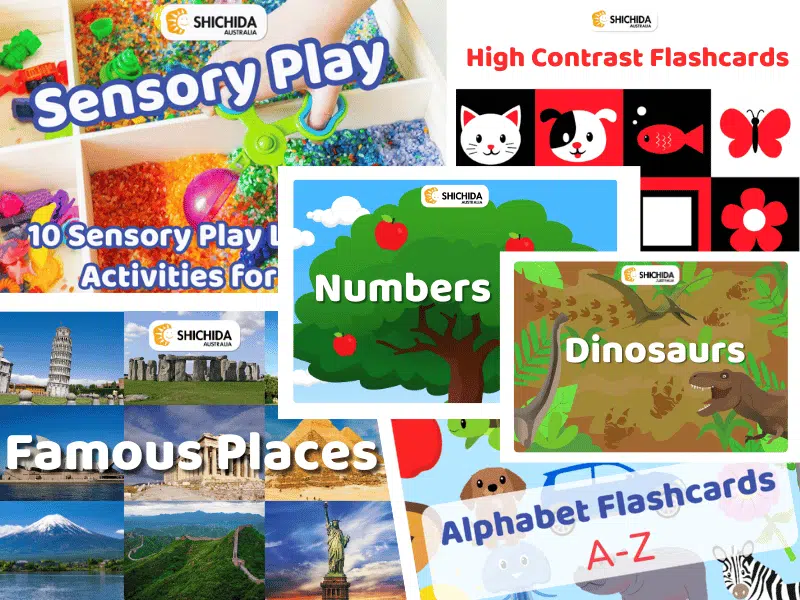
Need ideas and resources? Shichida has plenty!
Letter Recognition Games at Home
The most effective activities are simple, playful, and repeated often. Young children learn best when they are relaxed and engaged, not pressured. Multi-sensory learning is especially powerful because it brings together sight, sound, touch, and movement, helping children remember what they learn more easily and for longer.
Matching Letters Activities
Matching games help children recognise letters in different forms and build visual familiarity. This strengthens early reading confidence over time.
Try:
- Uppercase and lowercase sorting cards
- Magnetic letter matching on the fridge
- Memory card games with letter pairs
Letter Hunt Games
Turn everyday moments into learning opportunities by asking your child to spot letters around them. This makes learning feel natural and meaningful rather than forced.
Look for letters on:
- cereal boxes
- books
- street signs
- product labels
This helps children see that letters are part of their real world.
Sensory Letter Play
Hands-on experiences deepen learning and make abstract ideas more concrete. Sensory play also keeps children engaged for longer periods.
Try:
- tracing letters in sand or salt
- shaping letters with playdough
- air writing with big arm movements
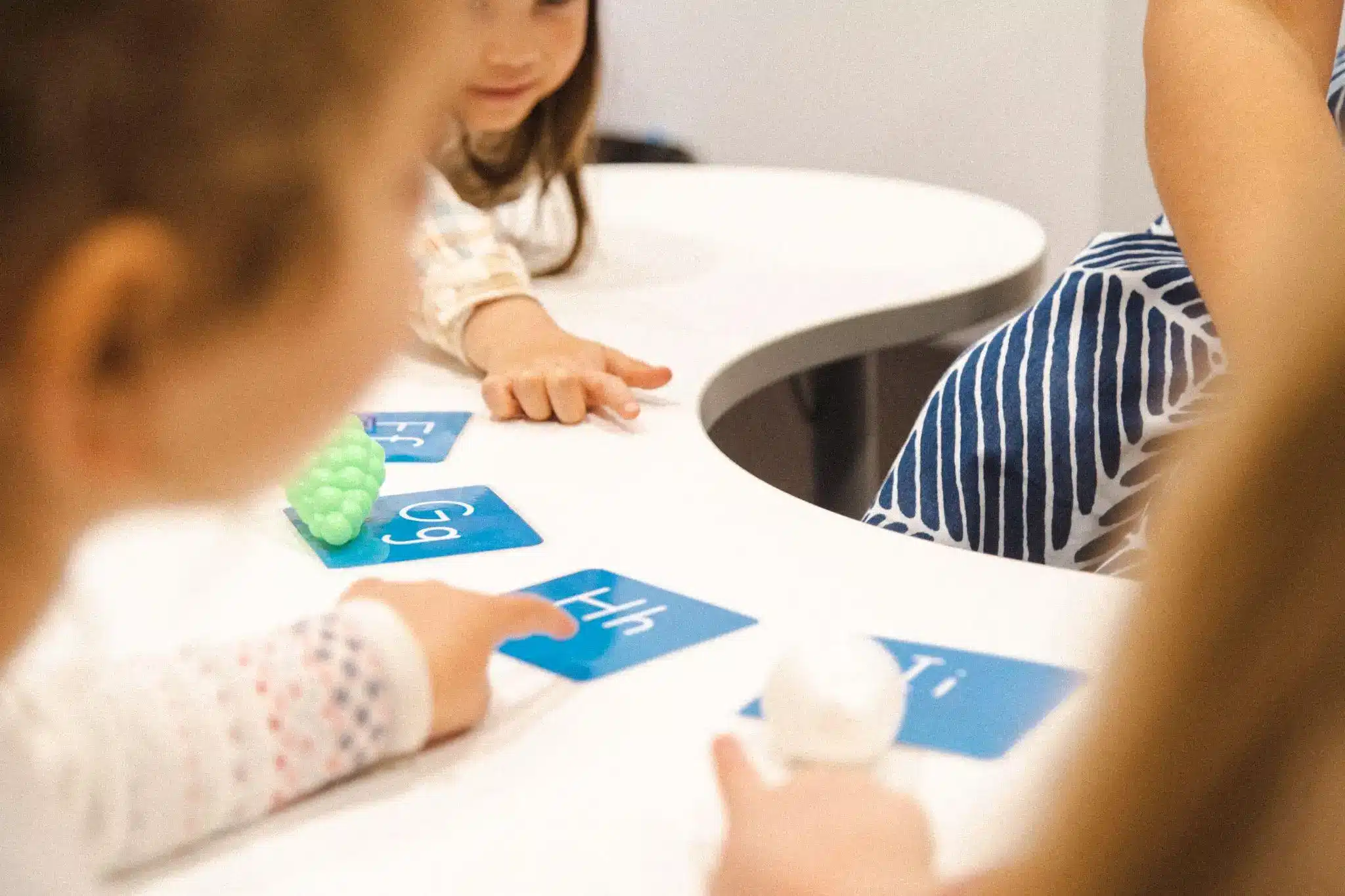
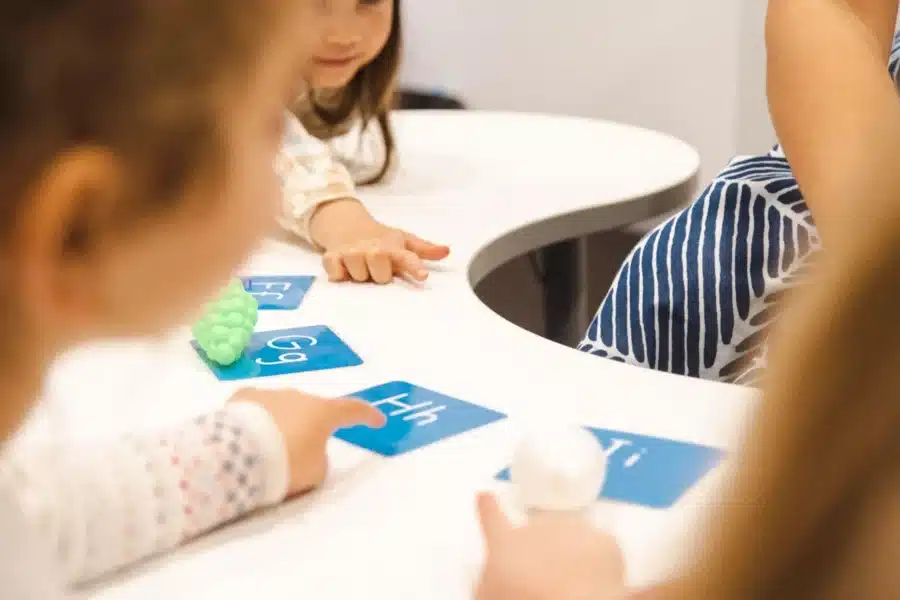
Image by Shichida Australia: A playful phonics game helps preschoolers recognise letters, connect sounds, and build early reading confidence.
Beginning Sounds Activities for Preschoolers
Beginning sounds activities strengthen listening skills and help children connect sounds to familiar objects. This is one of the first steps toward phonics and reading.
Sound Sorting Games
Gather toys or everyday items and group them by their starting sound. This builds awareness in a fun, interactive way.
Examples:
- /b/: ball, book
- /m/: mug, marker
“I Spy” Sound Game
This simple game can be played anywhere and requires no preparation.
Say:
“I spy something beginning with /t/.”
Let your child look around and guess. Focus on sounds rather than letter names where possible. This helps build stronger decoding skills later on.
Blending Sounds Activities
Blending is a key reading skill because it allows children to combine sounds and form words. It takes time and repetition, so keeping it light and playful helps children stay engaged and confident.
Stretch and Blend Game
Start by slowly stretching out sounds, then gradually say them faster so your child can hear the word come together.
Example:
/s/ … /u/ … /n/
Then faster:
sun
Guess the Word Game
Say the sounds clearly and let your child blend them mentally.
Example:
/d/ /o/ /g/ → dog
Continuous Sound Blending
Begin with sounds that are easier to stretch smoothly, such as m, s, f, and n. These are easier for children to hear and blend.
Example:
/mmmm/ /a/ /p/ = map
These are easier to hear smoothly than stop sounds
Segmenting Sounds Activities
Segmenting helps children understand that words are made up of individual sounds. This skill is essential for spelling and early writing, as children begin to connect what they hear with what they write.
Tap the Sounds
Say a simple word and tap a finger for each sound. This adds a physical element that reinforces learning.
Tap fingers for each sound:
- /c/
- /a/
- /t/
Elkonin Box Activities
Draw boxes to represent each sound in a word. As your child says each sound, move a small object into a box.
Example for dog:
| /d/ | /o/ | /g/ |
This gives children a clear visual of how sounds fit into words.
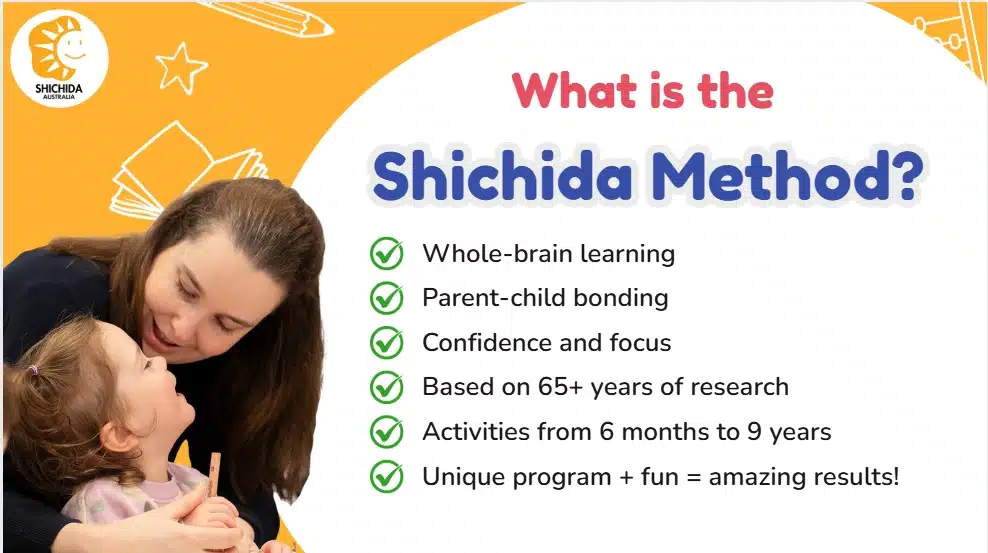
Shichida uses all of these letter recognition strategies in our classes for kids. 20 to 25 fun games and activities are covered per class, once a week. Try a class!
Syllable Games for Preschoolers
Syllables act as a bridge between whole words and individual sounds. Understanding them helps children break down longer words with more confidence.
Clap the Syllables
Clap once for each part of a word. This builds rhythm and awareness of word structure.
Examples:
- Ja-son (2)
- ap-ple (2)
- croc-o-dile (3)
Jump and Count Game
Add movement by jumping for each syllable. Physical activity makes learning more engaging and memorable.
Rhyming Activities for Preschoolers
Rhyming is often the easiest entry point into phonological awareness. It helps children hear patterns in language.
Rhyme Matching Cards
Use picture cards and ask your child to match words that sound alike.
Examples:
cat / hat
fox / box
Fill in the Rhyme Game
Say a sentence and pause for your child to complete it.
Example:
“The cat sat on the ___.”
This encourages prediction and sound awareness.
Word Recognition Activities
As children build confidence with sounds, they begin to recognise simple words. This is where reading starts to feel more meaningful and rewarding.
Picture-Word Matching
Match images to written words to connect meaning with text.
Example: a picture of a cat paired with the word “cat”
Build-a-Word Activities
Use magnetic letters or tiles to create simple words. This hands-on approach supports both reading and spelling.
Examples:
cat, dog, sun, pig
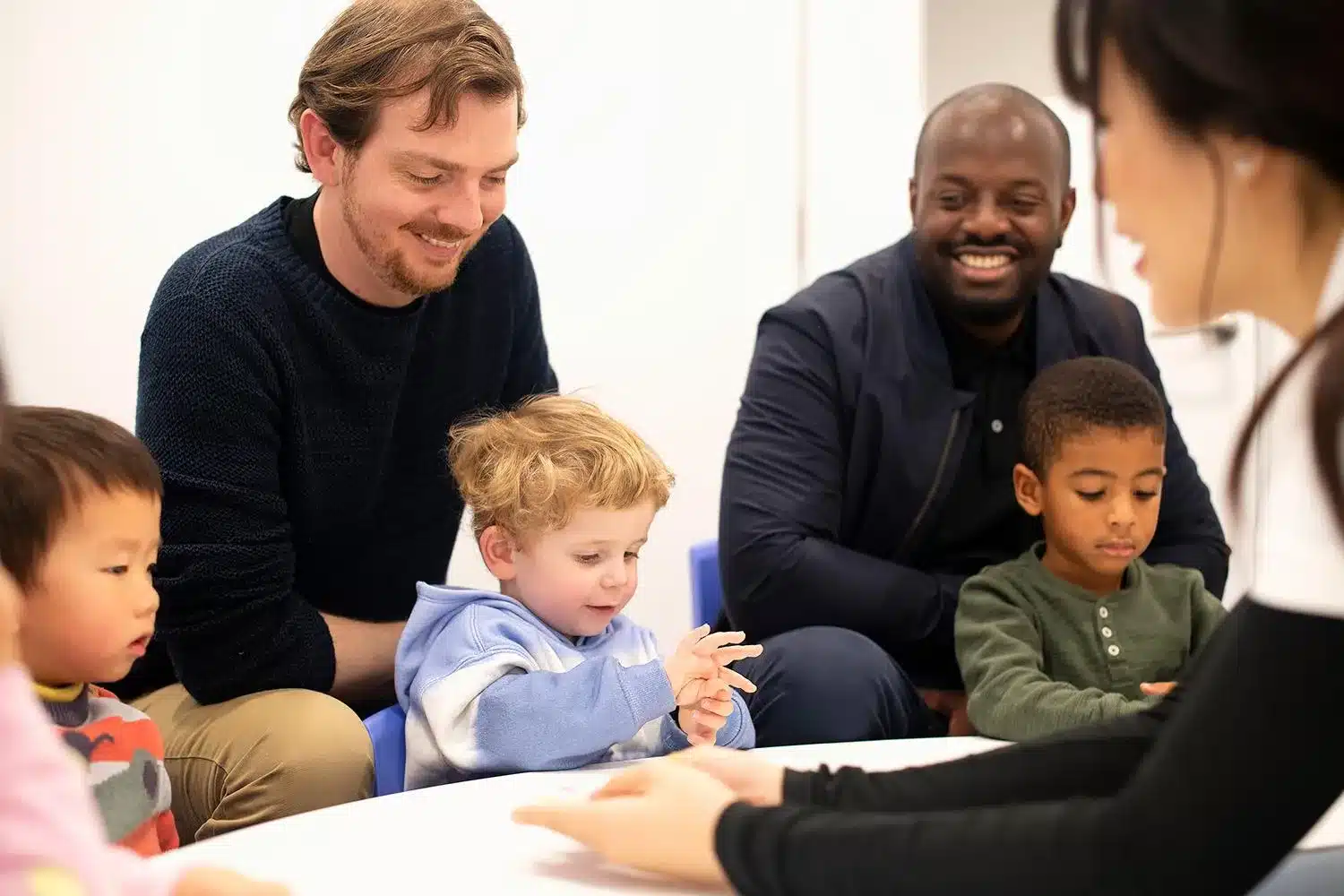
Image from Shichida Australia: Activities in a Shichida classroom can be naturally continued at home, where consistent letter recognition games at home help build confident learners through connection, repetition, and joyful shared experiences.
How to Teach Phonics at Home
Small, consistent efforts at home often have the biggest impact.
Keep Sessions Short and Fun
Aim for 10 to 15 minutes at a time. Short sessions help maintain focus and keep learning enjoyable.
Follow Your Child’s Readiness
If your child shows resistance, adjust the activity or take a break. Keeping learning pressure-free often leads to better progress.
Use Everyday Moments
Phonics can be practised naturally throughout the day.
Try during:
- car rides
- bath time
- grocery shopping
- bedtime stories
Common Mistakes to Avoid
Teaching Letter Names Before Sounds
Letter names are important, but focusing on sounds first helps children decode words more effectively.
Moving Too Fast to Reading
Strong sound awareness should come before reading full words. Rushing can lead to frustration.
Over-Reliance on Worksheets
Worksheets can support learning, but play-based activities create deeper understanding and engagement.
Sample Weekly Plan for Home Learning
A simple structure can help maintain consistency without overwhelming your routine.
Beginner Plan
- Monday: rhyming game
- Wednesday: letter hunt
- Friday: clap syllables
Intermediate Plan
- Monday: beginning sounds sorting
- Wednesday: sensory letter tracing
- Friday: jump syllables
Advanced Plan
- Monday: blending words
- Wednesday: segmenting sounds
- Friday: build CVC words
Even just 10 minutes a few times a week can build strong early literacy skills and help your child approach reading with confidence.
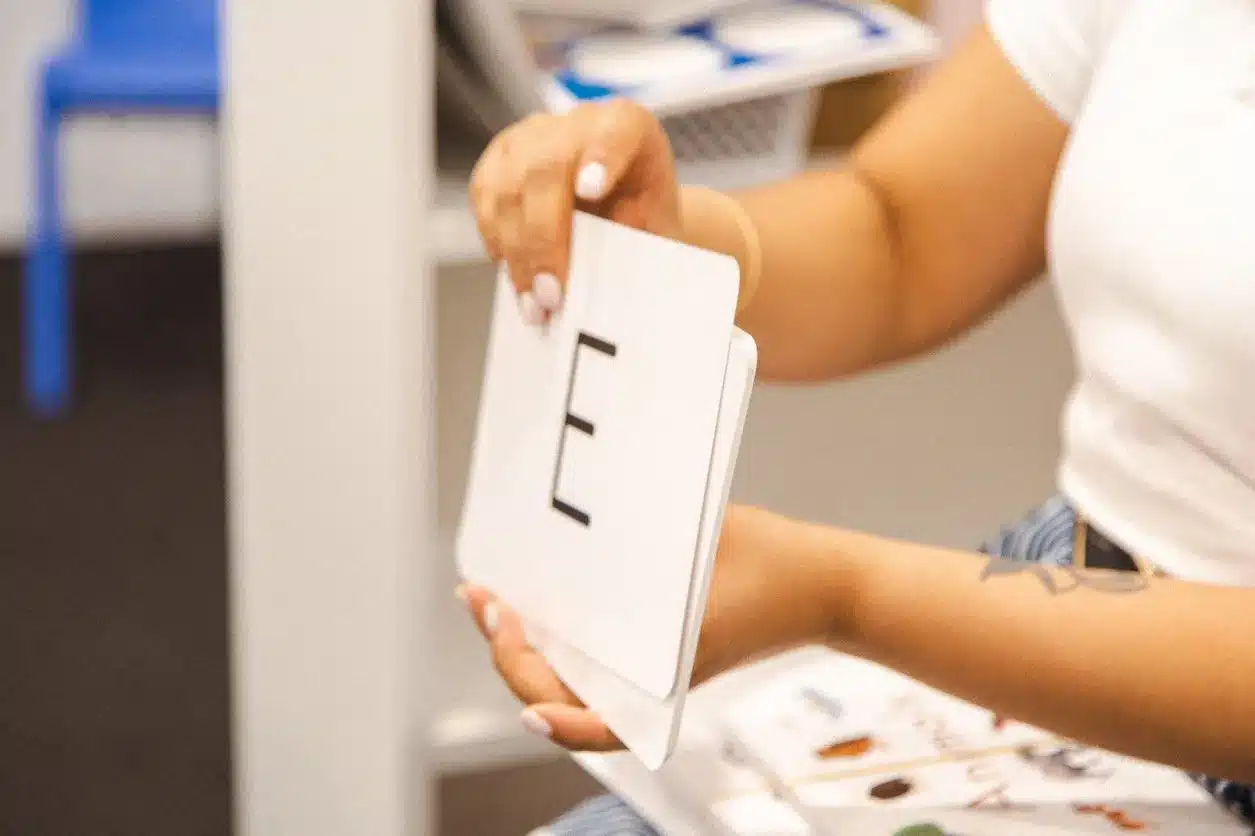
Take the next step in your child’s early learning journey with Shichida
Shichida Australia classes are designed to complement what you are already doing at home, helping your child build focus, confidence, and strong early literacy skills through guided, play-based learning.
Book a trial class to experience how this gentle, research-informed approach can support your child’s development, and get school ready, while having fun!
FAQs: Letter Recognition Games at Home
Many children begin showing interest in letters between ages 2 and 5, but every child develops at their own pace. The best time to start letter recognition games at home is when your child enjoys books, songs, rhymes, or pointing out letters in their everyday world.
Both letter names and letter sounds are important, but letter sounds often support early reading more directly. For example, knowing that M says /m/ helps children begin connecting letters to words, which is an important step in phonics and early literacy.
The best letter recognition games at home are short, playful, and hands-on. Try letter hunts, ABC flashcard matching, magnetic letter games, sensory letter tracing, beginning sound sorting, and “I spy” phonics games.
Blending means combining sounds to make a word, such as /c/ /a/ /t/ = cat. Segmenting means breaking a word into separate sounds, such as dog = /d/ /o/ /g/. Both are important phonemic awareness skills for reading and spelling.
Your child may be ready for phonics activities at home if they show interest in books, notice letters, enjoy rhyming games, recognise beginning sounds, or ask what words say. Keep activities light and playful so your child builds confidence without pressure.
For preschoolers, 10 to 15 minutes of phonics activities at home is often enough. Short, regular sessions are usually more effective than long lessons because young children learn best through playful repetition.
The easiest phonemic awareness activities to start with are rhyming games, clapping syllables, beginning sound games, and simple listening activities. These help children hear the sounds inside words before they begin reading.
Yes, children can learn letter recognition without worksheets. Many children learn best through games, songs, books, movement, sensory play, ABC flashcards, and hands-on phonics activities that feel fun and natural.
Rhyming helps children hear sound patterns in words, which supports phonological awareness and early reading skills. When children notice that cat, hat, and mat sound alike, they are beginning to understand how language works.
If your child struggles with blending sounds, slow down and return to easier sound play. Use simple words, stretch the sounds clearly, repeat often, and try continuous sounds like /m/, /s/, /f/, and /n/ before harder stop sounds.
You can make phonics fun at home by using movement, toys, silly voices, treasure hunts, songs, sensory play, and short letter recognition games. The goal is to help your child enjoy letters and sounds while building strong early reading skills.