
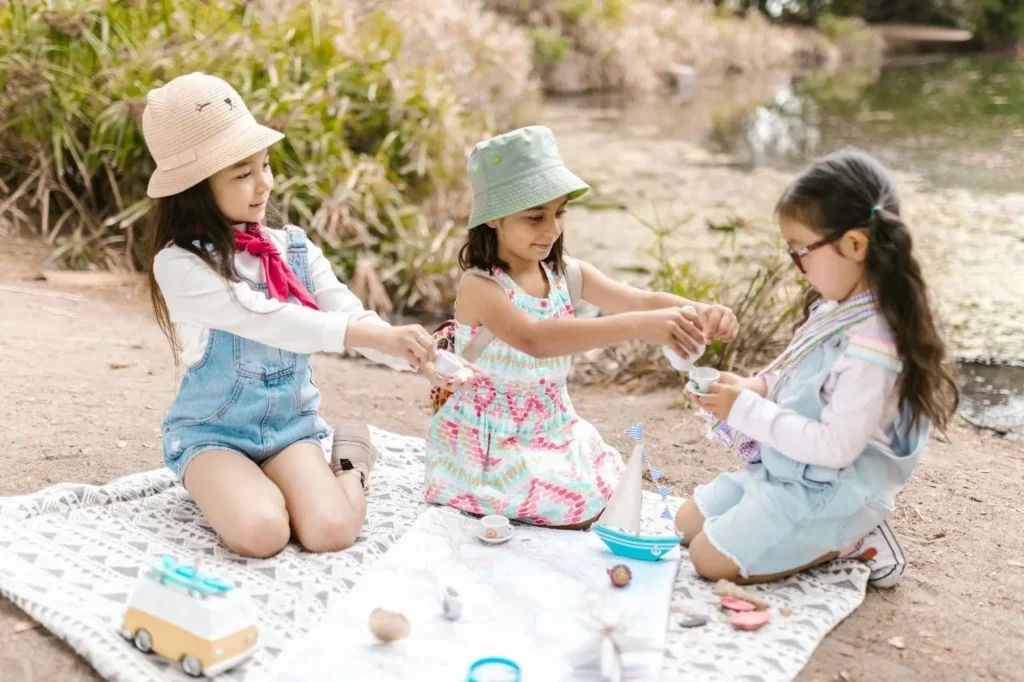
Key Points – Screen-Free Activity Ideas for Kids
- Screen free activities help children develop focus, creativity, emotional regulation, and problem-solving skills.
- Unplugged play supports healthy brain development by encouraging movement, imagination, and real-world interaction.
- Outdoor play, creative projects, brain games, and family activities provide balanced alternatives to screen time.
- Consistent screen-free routines help improve sleep, attention span, and family communication.
- The goal is not eliminating technology, but creating a healthy balance between digital time and real-world experiences.
Screens are part of modern family life. Tablets appear at breakfast, phones fill waiting time, and the television often becomes the easiest evening activity. While technology has its benefits, many parents notice the side effects too – shorter attention spans, less patience with boredom, and family conversations competing with glowing screens.
The goal isn’t to remove technology completely. Most families simply want better balance.
Screen free activities help children slow down, use their imagination, move their bodies, and reconnect with the people around them.
In this guide, you’ll find why unplugged time supports healthy development, more than 100 screen free activity ideas organised by category, and practical ways to reduce screen time without daily battles.
Free Screen-Free Activity Guide for Parents
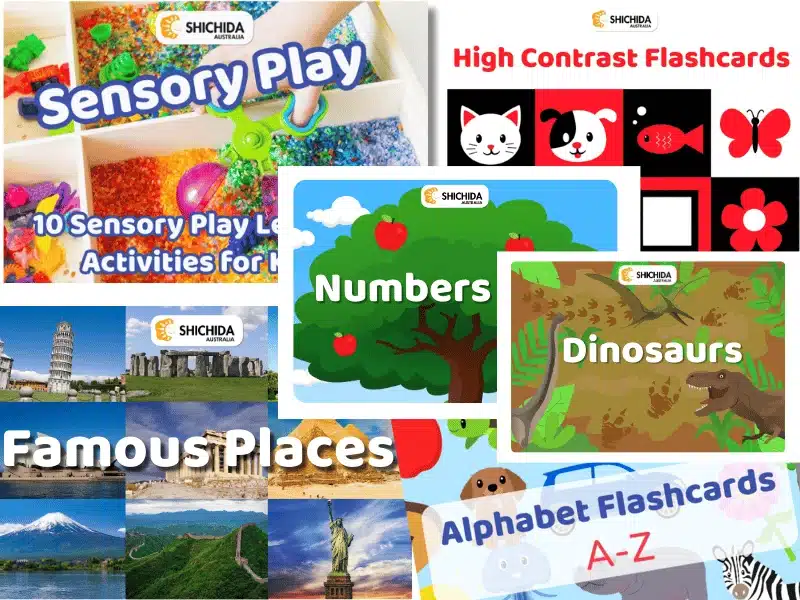
If you’re looking for simple ways to keep your child engaged without screens, sensory play is a great place to start! Sensory activities help children explore textures, movement, and creativity while strengthening focus, coordination, and problem-solving skills.
To help you get started, you can download our free Sensory Play Guide, filled with easy screen-free activity ideas for kids.
Why Screen Free Time Matters More Than Ever
Children’s brains are developing rapidly, and the activities they engage in shape how they think, focus, and interact with the world. Screen free activities create opportunities for deep play, curiosity, and real-world problem solving that digital experiences cannot fully replace. When children build something with their hands, explore outdoors, or invent stories, they activate creativity, executive functioning, and emotional resilience.
Reducing recreational screen time also supports better sleep, stronger relationships, and healthier attention spans. Screen free routines help children rediscover enjoyment in slower, more meaningful forms of play. Most importantly, unplugged moments allow families to connect through conversation, shared experiences, and laughter.
The goal is not strict restriction but intentional balance.
This is exactly what we focus on in Shichida classes – helping children find the right balance through hands-on activities, memory training, and meaningful parent-child interaction – book a trial class and see it in action.
How Screens Affect Focus & Attention
Many digital experiences are designed to capture attention through fast-paced stimulation, bright colours, and constant novelty. This rapid dopamine feedback can make slower activities feel less interesting in comparison.
Screen free play offers the opposite experience. When children engage in deep play such as building, drawing, or exploring nature, they enter a flow state. These moments strengthen sustained attention, problem-solving skills, and patience.
Screen Time and Emotional Wellbeing
Too much stimulation can lead to irritability, mood swings, and difficulty regulating emotions. Children may feel overwhelmed without realising why.
Unplugged time provides emotional breathing space. Creative activities, imaginative play, and outdoor exploration help children process emotions, develop resilience, and build confidence through self-directed experiences.
Sleep, Movement & Physical Health
Screens can also affect physical wellbeing. Blue light exposure before bed may disrupt sleep rhythms, while long periods of sitting reduce physical movement.
Screen free activities encourage natural movement, improve posture, and help children wind down before bedtime. Outdoor play and physical games also strengthen coordination and overall health.
Quick Screen Free Activity Ideas for Kids
If you need quick inspiration, here are a few simple screen free activities families can try today:
- Nature scavenger hunts
- Building forts with blankets or boxes
- Drawing or painting challenges
- Board games or puzzles
- Storytelling games
- Cooking or baking together
- Bike rides or park visits
- Memory matching games
- Lego or block building
- Reading time before bed
These simple activities help children develop creativity, focus, and social connection while reducing reliance on screens.
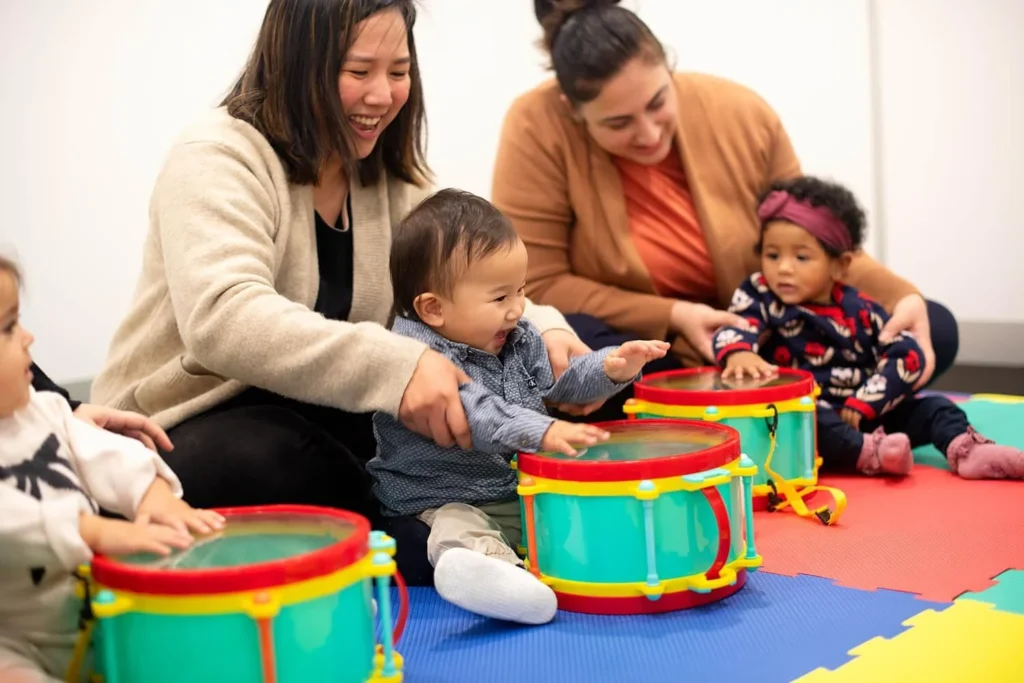
Image by Shichida Australia: Babies enjoying music and rhythm play during a Shichida baby class.
100+ Screen Free Activities for Kids (Organised by Category)
Children thrive when they experience different types of play. Outdoor exploration supports physical development. Creative activities strengthen imagination. Movement games regulate energy, while calming activities develop patience and emotional balance. Thinking play develops pattern recognition and memory.
The following categories provide 100+ screen free activities, each designed to support different developmental skills.
Outdoor & Nature-Based Activities
Outdoor activities strengthen gross motor skills, curiosity, resilience, and environmental awareness. Even urban families can adapt these ideas using parks, balconies, or neighbourhood walks.
- Nature Scavenger Hunt
Give your child a list of natural items to find such as leaves, rocks, or flowers. This activity strengthens observation skills, curiosity, and attention to detail. It also encourages children to slow down and notice their environment. - Backyard Obstacle Course
Use cones, ropes, or garden furniture to create a challenge course. Children build coordination, balance, and perseverance as they navigate each obstacle. It also improves planning and problem-solving. - Planting a Mini Garden
Let children plant herbs or flowers in pots or small garden beds. Gardening builds patience, responsibility, and understanding of natural growth cycles. - Picnic Storytelling
Take a blanket outdoors and tell stories together. Children develop language skills, imagination, and narrative thinking. - Cloud Watching Game
Lie on the grass and identify shapes in the clouds. This quiet activity encourages mindfulness, creativity, and relaxed conversation. - Nature Art with Leaves and Stones
Children create pictures using natural materials. This activity builds creativity and fine motor skills. - Neighbourhood Exploration Walk
Ask children to notice colours, sounds, or interesting buildings. It strengthens observation skills and curiosity. - Outdoor Treasure Hunt
Hide small objects and provide clues. Children practise reasoning, memory, and persistence. - Bug Observation Journal
Children observe insects and draw what they see. This supports scientific curiosity and attention to detail. - Build a Stick Fort
Gather sticks and natural materials to construct a simple shelter. Children develop teamwork, spatial reasoning, and resilience.
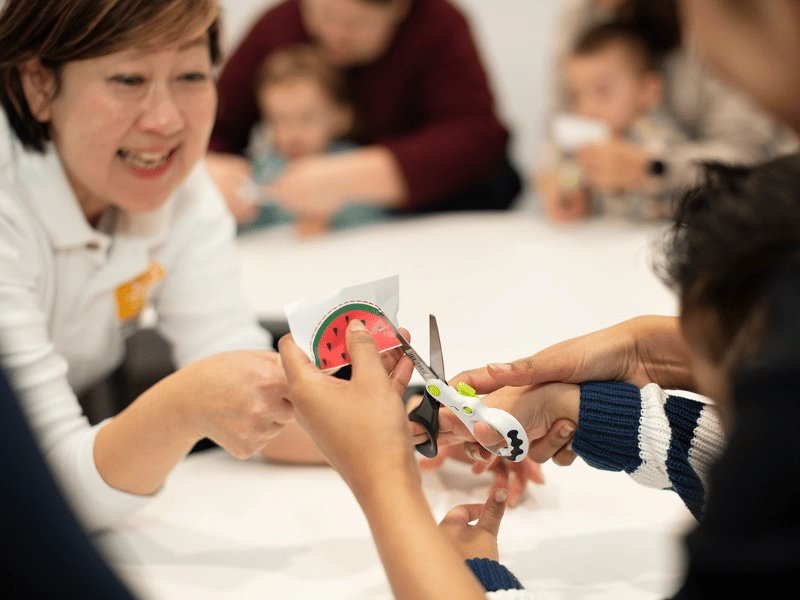
Image by Shichida Australia: Preschooler practising to cut curved shapes during a Shichida Kinder class.
Creative & Artistic Activities
Creative play helps children express emotions, build confidence, and develop problem-solving skills through open-ended exploration.
- Recycled Craft Creations
Use cardboard boxes, paper rolls, and bottles to build something new. This encourages creativity and resourcefulness. - Painting Challenge
Give a theme such as “underwater world” or “space adventure.” Painting improves fine motor control and imaginative thinking. - Clay Modelling
Children shape animals or objects from clay. This strengthens hand muscles and spatial awareness. - DIY Comic Books
Encourage children to create their own comic stories. This builds storytelling skills and creativity. - Watercolour Experimenting
Mix colours and explore blending techniques. It develops artistic curiosity and experimentation. - Make Your Own Greeting Cards
Children design cards for family members. This promotes empathy and creative expression. - Paper Collage Art
Cut and arrange magazine images into artwork. Collage activities strengthen decision-making and design thinking. - DIY Musical Instruments
Create shakers or drums using household materials. This activity builds creativity and rhythm awareness. - Build a Cardboard City
Children design buildings using boxes. It strengthens spatial reasoning and imagination. - Story Illustration
After hearing a story, children draw their favourite scene. This improves comprehension and visual storytelling.
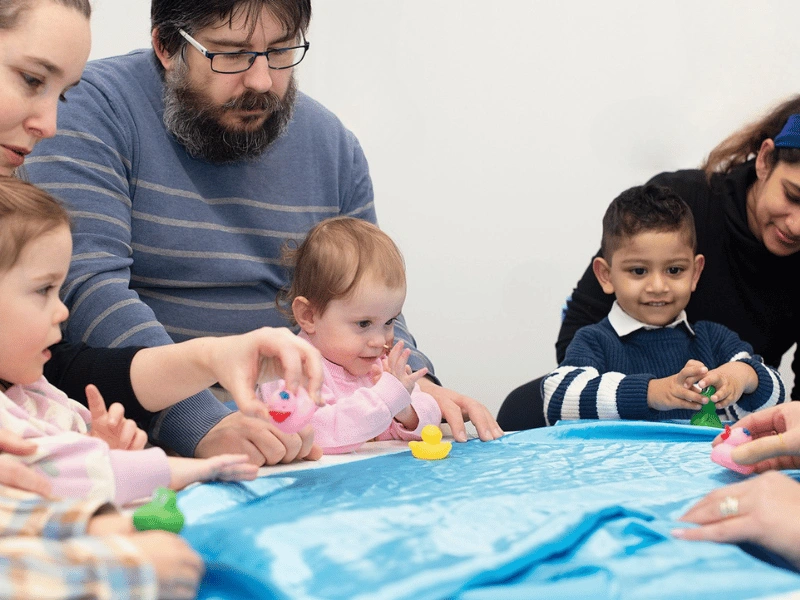
Image by Shichida Australia: Toddlers playing a pretend game during a Shichida Toddler Class.
Imaginative & Pretend Play
Pretend play strengthens social skills, empathy, communication, and emotional understanding.
- Puppet Theatre
Children create puppets and perform stories. This builds language skills and creativity. - Build-a-Shop Roleplay
Set up a pretend store using toys or household items. Children practise counting, communication, and negotiation. - Dress-Up Storytelling
Use costumes or everyday clothes to act out characters. This develops imagination and empathy. - Create-a-Country Game
Children invent a country with its own rules and culture. This builds creativity and abstract thinking. - Pretend Restaurant
Children take turns being chefs, servers, and customers. It strengthens social interaction and planning skills. - Superhero Rescue Missions
Children invent missions to help others. This encourages bravery and problem-solving. - Toy Adventure Stories
Create storylines using toys as characters. This improves narrative thinking and emotional expression. - Space Explorer Roleplay
Pretend the living room is a spaceship. Children practise imaginative problem solving. - Doctor or Vet Play
Children care for stuffed animals. This builds empathy and nurturing skills. - Detective Mystery Game
Solve a pretend mystery together. This strengthens reasoning and curiosity.
Active Indoor Movement Games
Physical play helps regulate energy, improve coordination, and support healthy emotional regulation.
- Freeze Dance
Dance until the music stops. This builds listening skills and impulse control. - Balloon Volleyball
Use a balloon instead of a ball. Children practise coordination and teamwork. - Indoor Treasure Hunt
Hide clues around the house. It builds reasoning and persistence. - Pillow Stepping Stones
Create a path across the floor using pillows. This develops balance and agility. - Animal Movement Game
Hop like a frog or crawl like a bear. It strengthens gross motor skills. - Jump Rope Challenges
Children set personal jumping goals. This improves coordination and resilience. - Paper Plate Skating
Slide on plates across a smooth floor. It builds balance and laughter-filled movement. - Balloon Keep-Up Game
Keep the balloon from touching the floor. It strengthens reaction time and focus. - Indoor Bowling
Use bottles as pins. This supports hand-eye coordination. - Follow the Leader Fitness
Take turns choosing movements. It builds leadership and listening skills.
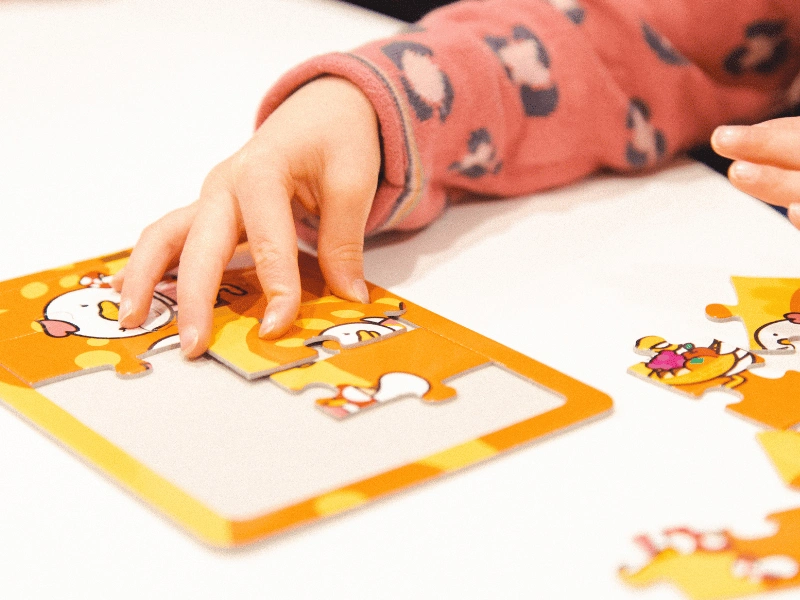
Image by Shichida Australia: A young child completing a puzzle in one minute. This is just one of 20-25 activities completed during a fun Shichida class.
Quiet & Calming Activities
Calming screen free activities help children regulate emotions, develop patience, and practise mindfulness.
- Puzzle Time
Solving puzzles strengthens logical thinking and perseverance. - Reading Corner
A quiet reading space nurtures language development and imagination. - Colouring Mandalas
Colouring detailed patterns encourages focus and relaxation. - Gratitude Journaling
Children write or draw things they are thankful for. This supports emotional wellbeing. - Guided Relaxation
Simple breathing exercises help children calm their nervous system. - Origami Folding
Paper folding improves fine motor skills and concentration. - Story Listening Time
Listening to stories strengthens comprehension and imagination. - Calm Drawing Prompts
Draw peaceful scenes such as forests or oceans. - Quiet Lego Building
Constructing models encourages problem-solving and focus. - Memory Card Games
Matching games strengthen working memory and attention.
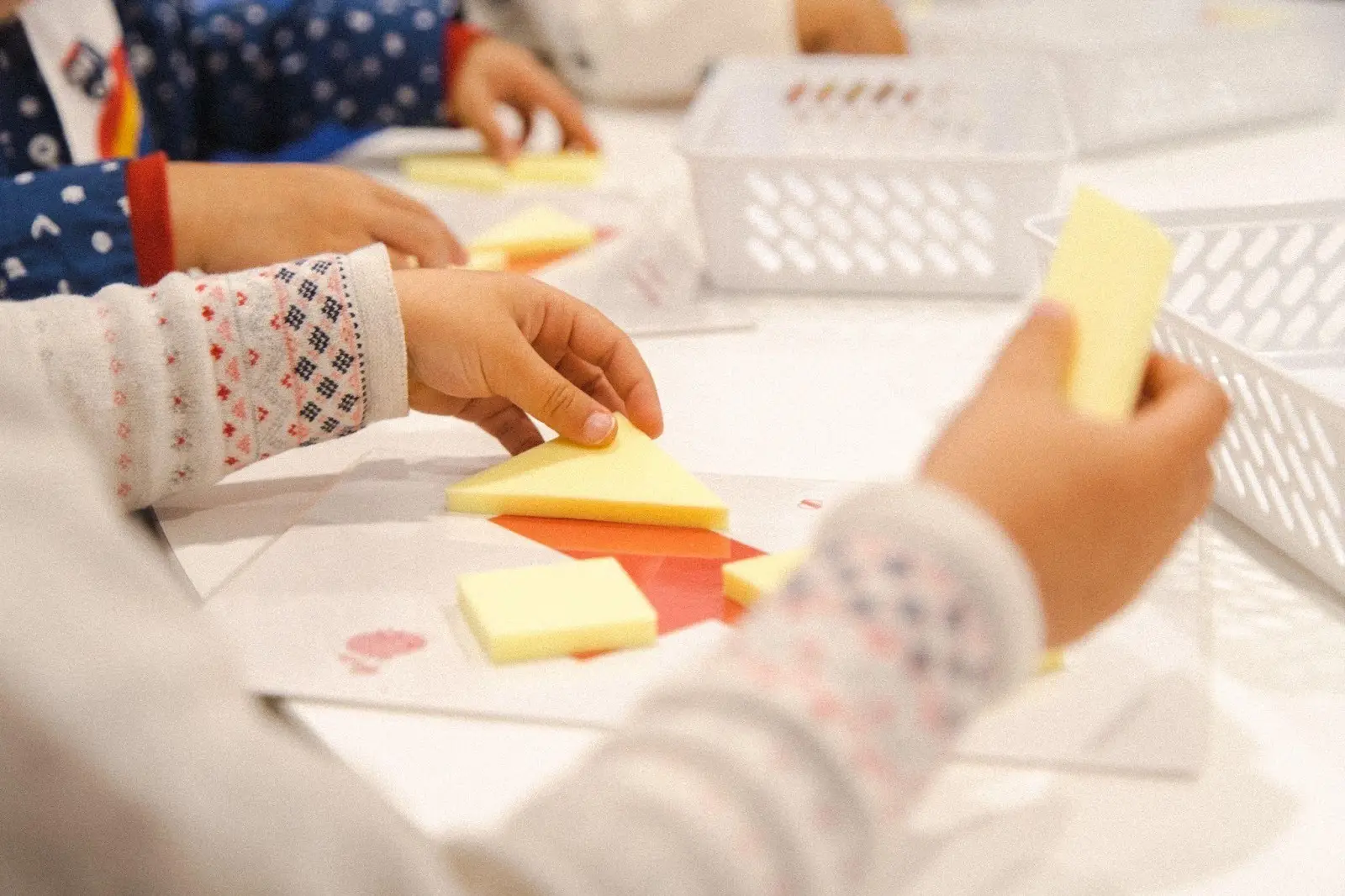
Image by Shichida Australia: Preschoolers completing a tangram puzzle challenge during a Shichida class.
Brain & Thinking Games
Brain games strengthen memory, reasoning, pattern recognition, and problem-solving skills. These activities challenge children to think deeply, notice details, and practise persistence when solving problems.
- Tangram Puzzle Challenges
Children use geometric pieces to recreate shapes or pictures. Tangram puzzles develop spatial reasoning, pattern recognition, and problem-solving skills. - Memory Matching Games
Turn cards face down and match pairs by remembering their locations. This classic game strengthens working memory, attention, and concentration. - Riddle Solving
Ask children simple riddles and encourage them to think through possible answers. Riddles build reasoning skills, vocabulary, and creative thinking. - Pattern Building with Blocks
Create a pattern using coloured blocks and ask children to continue it. This activity develops logical thinking and early mathematical reasoning. - Sudoku for Kids
Simplified Sudoku puzzles help children practise logical reasoning and problem-solving while strengthening concentration. - Sequence Recall Game
Clap, tap, or say a short sequence and ask your child to repeat it. Gradually increase the length to strengthen auditory memory and focus. - Logic Puzzle Books
Puzzle books with mazes, spot-the-difference games, or logic challenges develop attention to detail and critical thinking. - Build the Tallest Tower Challenge
Using blocks or household objects, children attempt to build the tallest stable structure. This encourages experimentation, spatial reasoning, and perseverance. - Guess the Object Game
Place an object in a bag and give clues while children guess what it is. This activity strengthens deductive reasoning and vocabulary. - Pattern Drawing Challenge
Draw a sequence of shapes or colours and ask children to predict what comes next. Pattern activities support early numeracy and analytical thinking.
Screen Free Activities for Teens & Adults
Screens affect everyone, not just children. Teens and adults benefit from offline hobbies that reduce stress, improve focus, and support wellbeing.
Creative Hobbies & DIY Projects
- Painting or Sketching
Creating artwork encourages creative expression and helps relieve stress while strengthening focus. - Journaling
Writing thoughts or reflections helps process emotions, organise ideas, and improve self-awareness. - Woodworking Projects
Building small items such as shelves or decorative pieces develops patience, craftsmanship, and practical skills. - Baking New Recipes
Trying new recipes encourages creativity while strengthening planning, sequencing, and attention to detail. - Knitting or Crochet
Working with yarn promotes relaxation and concentration while producing something meaningful.
Mindfulness & Mental Reset Activities
- Meditation Practice
Meditation helps regulate stress, improve focus, and strengthen emotional awareness. - Breathwork Exercises
Simple breathing techniques calm the nervous system and help restore mental clarity. - Digital Detox Evenings
Designating evenings without screens allows the mind to reset and encourages family conversation. - Nature Observation
Spending time quietly observing nature improves mindfulness, reduces stress, and builds appreciation for the environment. - Gratitude Reflection
Writing or sharing things you are grateful for helps build emotional balance and a positive mindset.
Physical Movement & Outdoor Recreation
- Walking Groups
Walking with friends or family encourages conversation while supporting physical health. - Cycling Adventures
Bike rides build endurance and offer a refreshing way to explore local areas. - Hiking Trails
Hiking strengthens resilience, stamina, and connection to nature. - Outdoor Yoga or Stretching
Practising gentle movement outdoors promotes relaxation, flexibility, and mental clarity. - Backyard Sports Games
Casual games such as badminton or frisbee improve coordination while encouraging social interaction.
Learning & Skill Development Without Screens
- Language Flashcards
Practising vocabulary with flashcards strengthens memory and cognitive flexibility. - Learning a Musical Instrument
Playing instruments develops discipline, patience, and creative expression. - Community Workshops
Participating in local workshops builds new skills while encouraging social connection. - Cooking Skill Challenges
Trying new cooking techniques strengthens practical skills, creativity, and planning ability. - Reading Nonfiction Books
Reading educational material expands knowledge while strengthening focus and comprehension.
Screen Free Activities for Families to Do Together
Family activities strengthen relationships and create meaningful memories.
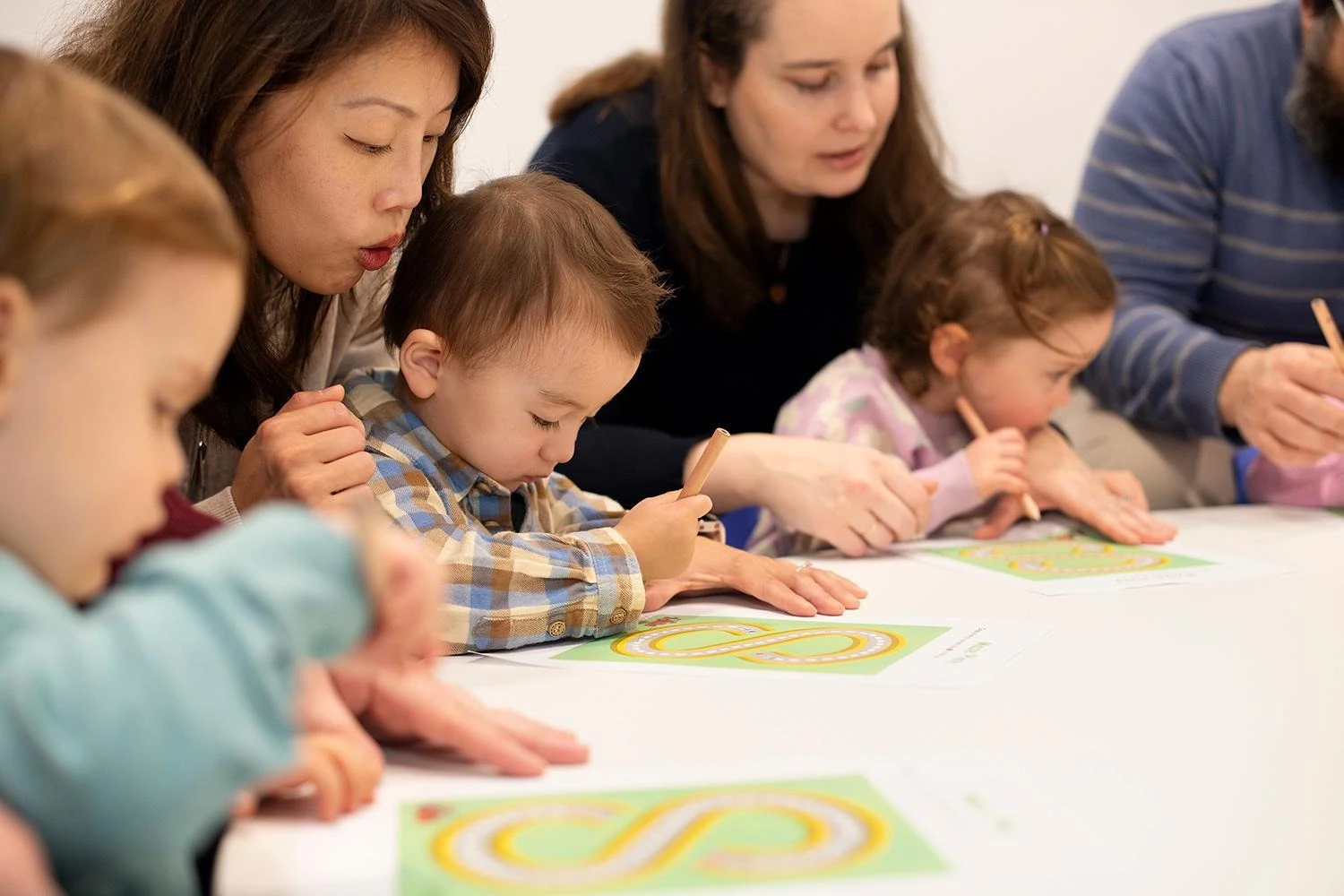
Image by Shichida Australia: Collaborative play is a fantastic way to develop a strong and healthy parent-child bond.
Game Nights & Collaborative Play
- Board Games
Playing board games strengthens problem-solving, strategic thinking, and turn-taking. It also encourages family bonding and cooperative decision-making. - Charades
Acting out words or scenarios develops creativity, nonverbal communication, and empathy. Children learn to interpret cues while having fun with family members. - Cooperative Puzzles
Completing puzzles together builds patience, focus, and teamwork. It also promotes spatial reasoning and shared accomplishment. - Card Games
Simple card games strengthen memory, strategy, and attention while encouraging friendly competition and laughter. - Trivia Night
Family trivia games encourage curiosity, knowledge sharing, and quick thinking while bringing everyone together for fun challenges.
Cooking & Baking Projects
- Cooking Together
Preparing meals as a family teaches life skills like measuring, timing, and following instructions. It also encourages collaboration, creativity, and patience. - Baking Projects
Baking fosters executive function skills through planning and sequencing tasks. Children practise fine motor control while enjoying a tasty reward. - Create Your Own Pizza Night
Allow family members to choose and assemble toppings. This activity builds decision-making skills and encourages creativity with food. - Family Smoothie Creations
Experimenting with fruit combinations encourages healthy eating habits while developing curiosity and taste exploration. - Recipe Challenge Night
Families work together to invent a new recipe using available ingredients. This promotes teamwork, creativity, and problem-solving.
Creative Family Challenges
- Fort-Building Contests
Building forts with blankets or cardboard encourages engineering thinking, creativity, and problem-solving. Working together strengthens family teamwork and imagination. - Storytelling Chains
Each person adds a part of a story, enhancing listening skills, language development, and imagination. This playful collaboration fosters communication and creativity. - DIY Family Games or Challenges
Inventing games or backyard Olympics promotes coordination, resilience, and teamwork. Children learn planning, rules, and friendly competition. - Family Talent Show
Each family member performs a small act such as singing, magic tricks, or comedy. This builds confidence and encourages creative expression. - Art Collaboration Project
Work together on one large drawing, painting, or craft project. Collaborative art encourages teamwork, creativity, and shared accomplishment.
Nature Adventures & Day Trips
- Park Visits
Outdoor play in parks enhances physical activity, observation skills, and curiosity. Families share meaningful experiences while encouraging healthy movement habits. - Bike Rides
Riding together builds balance, stamina, and outdoor confidence. It also strengthens social skills through cooperative navigation and pacing. - Beach Walks
Walking along the beach develops gross motor skills, sensory awareness, and environmental appreciation. Family conversations during walks foster connection. - Family Hikes
Hiking encourages resilience, problem-solving, and endurance. It also cultivates curiosity, nature exploration, and shared achievement. - Nature Scavenger Hunts
Searching for natural objects such as leaves, shells, or birds strengthens observation skills while encouraging teamwork and outdoor exploration.
How to Reduce Screen Time Without Power Struggles
Create Predictable Screen-Free Blocks
Set aside regular tech-free times, like morning routines or after-dinner hours. Bedrooms should always remain screen-free. Predictable blocks help children know what to expect and make unplugged time feel natural rather than restrictive.
Offer Attractive Alternatives
Provide engaging options such as craft stations, activity bins, or outdoor play areas. Having ready-made alternatives makes screen-free time exciting and encourages independent play.
Model Healthy Screen Habits
Demonstrate balanced screen use yourself, as children learn best by observing. When parents show mindful habits, children are more likely to adopt them.
Start a 7-Day or 30-Day Screen Free Challenge
Turn unplugged time into a fun family challenge with clear goals and small rewards. Celebrating progress motivates children and makes the process enjoyable.
Give Notice Before Screen Time Ends
Give your child advance notice before screen time finishes. Let them know when five minutes remain so they can prepare for the transition. Sudden interruptions can feel frustrating, especially for younger children who become deeply absorbed in what they are watching or playing. A short warning helps children regulate their emotions and adjust their expectations, making the transition away from screens much smoother.
Some families find it helpful to use a timer so children can see when screen time is about to end.
Screen Free Ideas for Specific Situations
Rainy Day Screen Free Activities
- Indoor Obstacle Courses (Rainy Days)
Using pillows, chairs, and toys to create courses develops coordination, balance, and problem-solving skills. Children burn energy indoors while practising spatial awareness and motor planning. - Craft Stations
Setting up paper, glue, and recycled materials encourages creativity, fine motor skills, and focus. Children explore ideas independently while developing patience and planning skills. - Baking Projects
Measuring, mixing, and decorating ingredients teaches sequencing, patience, and practical life skills. Baking also strengthens hand-eye coordination and fosters a sense of achievement.
Screen Free Travel Activities
- Road Trip Bingo
Looking for objects along the journey enhances attention to detail, focus, and friendly competition. Children practice quick thinking while enjoying playful engagement. - Travel Journaling
Drawing or writing about the trip develops reflection, creativity, and narrative skills. Journaling supports mindfulness, memory retention, and self-expression.
Quick 10-Minute Screen Free Ideas
- Stretch Breaks
Short movement breaks improve energy regulation, flexibility, and circulation. They also reset focus and provide a healthy break from sedentary activities. - Quick Drawing Prompts
Prompts like “invent a creature” spark imagination, creative thinking, and problem-solving. These mini-activities encourage rapid idea generation and self-expression. - Mini Scavenger Hunts
Hiding small objects around the house develops observation, memory, and cognitive flexibility. Short bursts of play keep children engaged and mentally alert.
Calming Screen Free Activities Before Bed
- Reading
Quiet reading improves language development, imagination, and concentration. It also establishes a soothing bedtime routine that supports better sleep. - Gratitude Journaling
Writing or drawing things children are thankful for fosters emotional regulation, reflection, and positivity. It strengthens self-awareness and mindfulness. - Quiet Puzzles
Working on jigsaw or logic puzzles enhances focus, patience, and fine motor skills. Puzzles provide a calming, structured activity that helps wind down the day. - Threading
Activities like threading beads, building with blocks, and puzzles also strengthen fine motor skills in children.
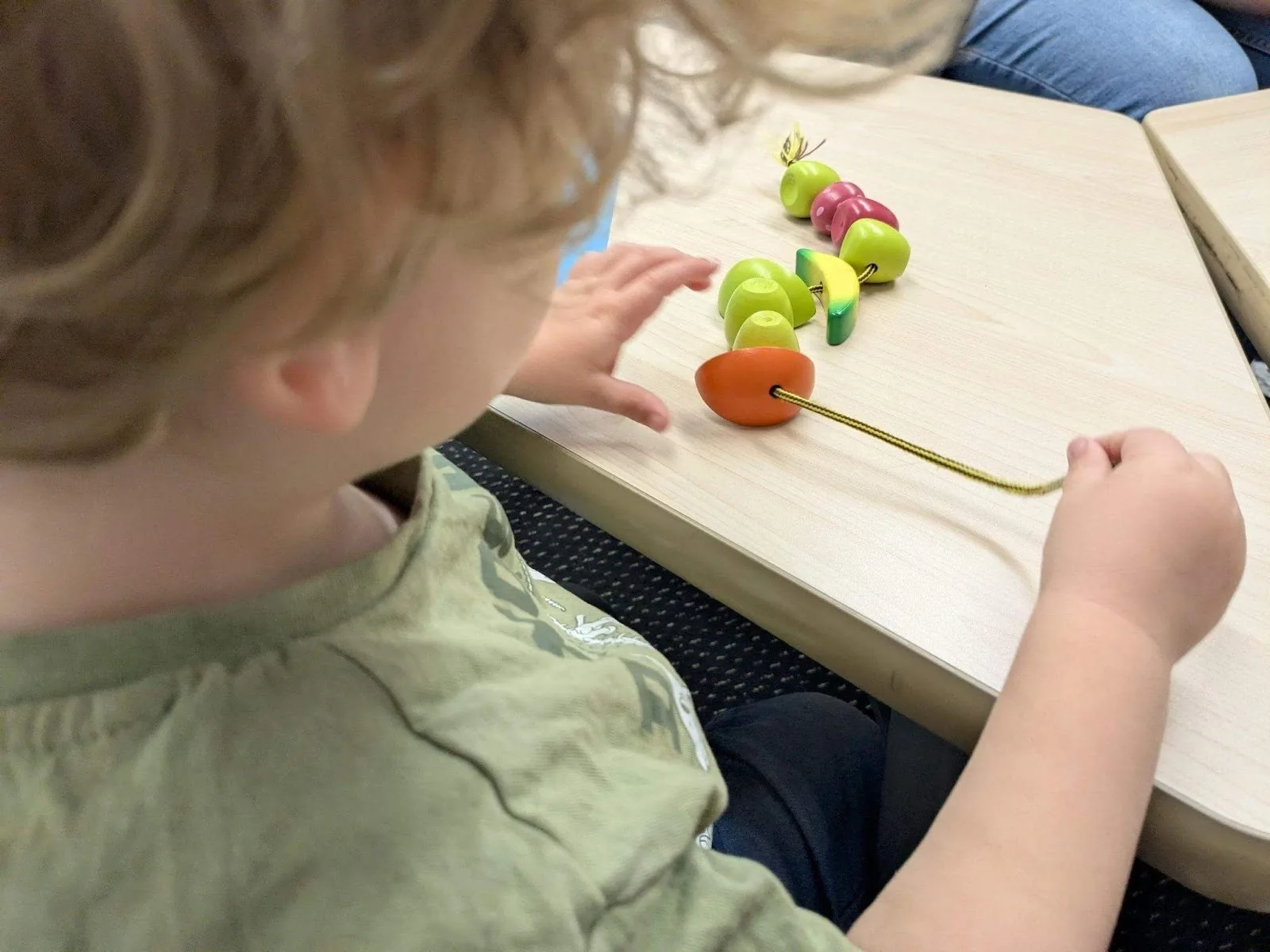
Image by Shichida Australia: A young child stringing beads during a Shichida class. Activities like bead threading help children practise fine motor skills, pattern recognition, and concentration, making them a wonderful screen-free activity for young learners.
Safety, Accessibility & Inclusion Considerations
Safety comes first! Always keep the following in mind:
Physical Safety for Active Play
Ensuring proper supervision, hydration, and safe spaces prevents accidents while allowing children to explore. Supervised play builds confidence, resilience, and independence in a secure environment.
Craft & Tool Safety
Using non-toxic materials and age-appropriate tools protects children during creative activities. Teaching safe practices reinforces responsibility and careful handling.
Budget-Friendly & Low-Prep Options
Many activities use simple household items, making them accessible to all families. Low-cost solutions encourage creativity and participation without financial stress.
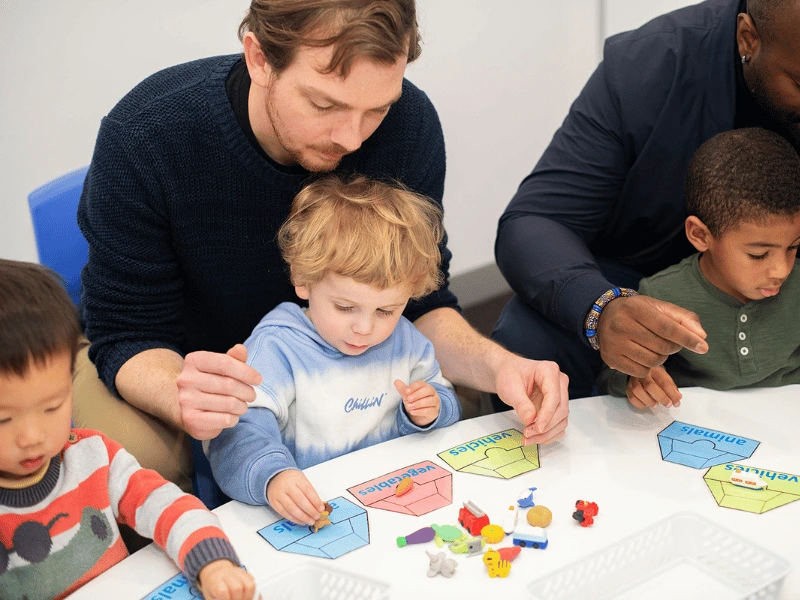
Image by Shichida Australia: Children and parents working together during a Shichida activity. Hands-on games like sorting and matching encourage focus, problem-solving, and parent-child interaction while offering a meaningful screen-free learning experience.
The Benefits of Screen Free Activities
Screen free activities support children’s development in several important ways.
- Stronger focus and attention through deep, uninterrupted play
- Improved creativity and imagination through open-ended activities
- Better emotional regulation through slower, calming play experiences
- Stronger family relationships through shared experiences and conversation
- Healthier sleep and physical wellbeing through movement and reduced blue-light exposure
Creating a healthy balance between digital time and unplugged play helps children develop essential life skills while strengthening family connection.
Support your child’s growth beyond screens with Shichida
Shichida Australia offers programs designed to nurture creativity, focus, and emotional resilience in children through play-based, brain-boosting activities.
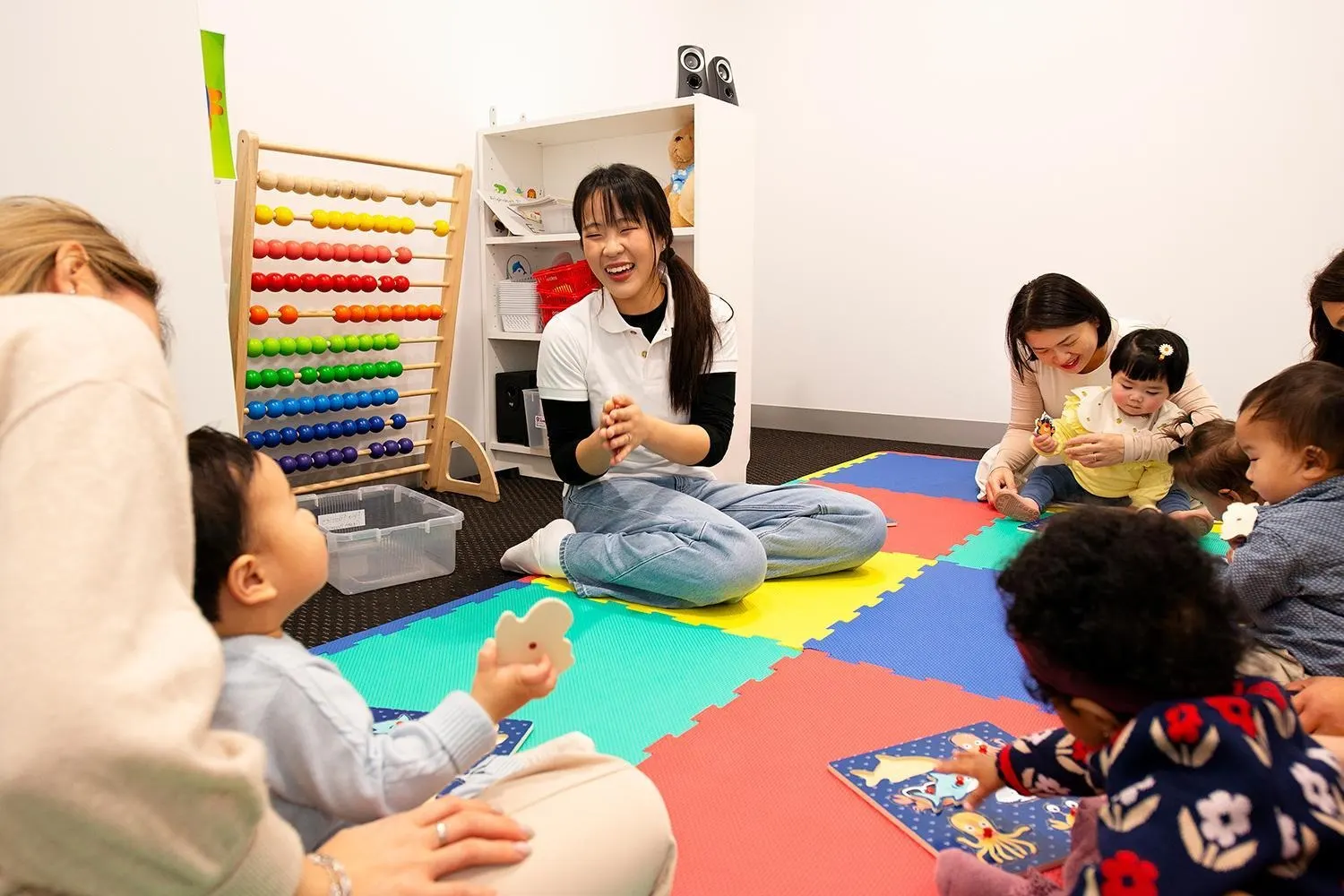
From guided learning to hands-on experiences, this program complements screen-free routines at home while helping children develop essential skills for life.
Explore Shichida today and discover practical ways to engage your child in meaningful learning, unplugged fun, and family connection. Give your child the tools to thrive! Book a trial class today
FAQ’s: Screen Free Activities for Kids
Screen free activities are activities that do not involve digital devices such as phones, tablets, computers, or televisions. They encourage creativity, movement, social interaction, and problem-solving through real-world experiences.
Screen free activities support child development by strengthening cognitive skills, physical coordination, creativity, emotional regulation, and social interaction. Activities such as puzzles, outdoor play, storytelling, and creative projects help children develop important life skills while learning through experience.
Yes. Structured early learning programs that include memory games, problem-solving activities, and hands-on learning can complement screen free routines at home by strengthening focus, confidence, and cognitive development.
Screen free activities help children develop focus, creativity, emotional regulation, and social skills. Hands-on play, outdoor exploration, and imaginative activities support healthy brain development and stronger attention spans.
Simple screen free activities include drawing, puzzles, reading, building with blocks, craft projects, storytelling, and indoor movement games. These activities help children stay engaged while developing creativity and problem-solving skills.
Healthy screen time varies by age, but most experts recommend balancing digital use with sleep, outdoor play, learning, and family interaction. The goal is to create a healthy balance between screen use and real-world activities.
Yes. Screen free play encourages deeper concentration because children engage in slower, more meaningful activities such as building, drawing, and solving puzzles. These activities strengthen sustained attention and executive function skills.
Family screen free activities include board games, cooking together, storytelling, outdoor walks, puzzles, creative challenges or classes that encourage quality time spent together. Shared activities strengthen family connection and encourage communication.
Yes. Reducing screens before bedtime can help children fall asleep more easily. Screen free evening routines such as reading, quiet puzzles, or journaling support healthier sleep patterns.