
Benefits of Fine Motor Skills for Toddlers and Preschoolers
Key Points
- Fine motor skills are essential for daily tasks, learning, and emotional development.
- Development starts in infancy and progresses through toddlerhood into preschool years.
- The benefits range from increased independence to improved academic readiness.
- Parents can encourage growth through play, arts, puzzles, and everyday routines.
- Early identification of delays can ensure children receive the right support to thrive.
Your child’s ability to feed themselves, write their first letters, or button a shirt all starts with fine motor skills. Many parents do not realise how much these small movements shape learning, confidence, and independence. Fine motor skills are not only about holding a pencil. They are the building blocks for everyday activities, social interaction, and early academic success.
This guide explores the benefits of fine motor skills for toddlers and preschoolers, why they matter from birth, and how to encourage them at home with simple, engaging activities.
What Are Fine Motor Skills and Why Are They Important?
Fine motor skills involve the use of small muscles in the hands, fingers, and wrists, working in coordination with the eyes. These movements allow children to grasp, pinch, twist, and manipulate objects with control.
Fine motor skills support:
- Self-care, such as feeding, dressing, and grooming
- School readiness such as holding a pencil, turning pages, and cutting with scissors
- Social interaction, such as playing games, building with blocks, and sharing tools
Fine motor development is closely linked to cognitive skills such as problem-solving, planning, and creativity. These abilities help children become independent learners and confident problem-solvers.
Benefits of Fine Motor Skills for Babies

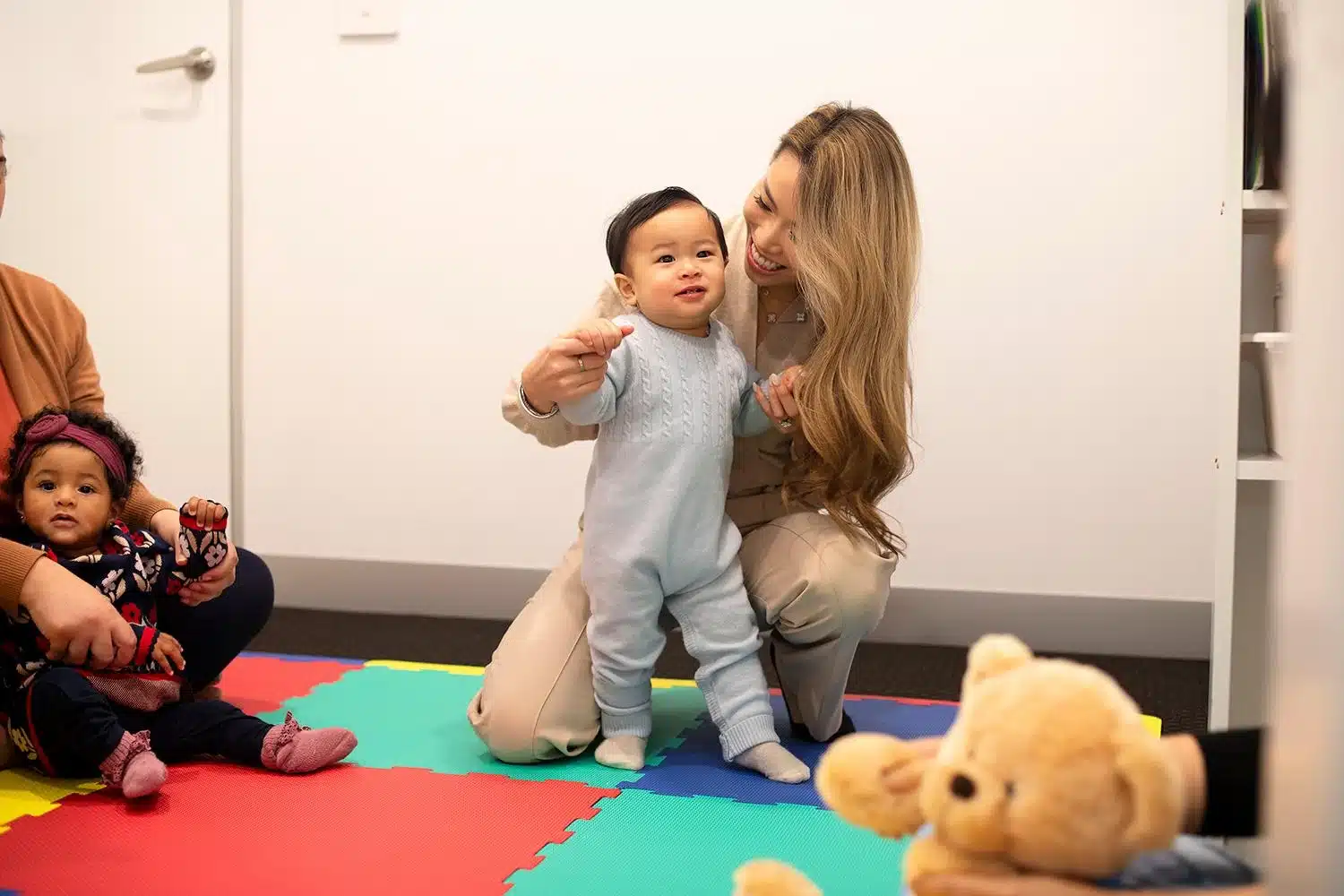
Photo from Shichida Australia: Benefits of fine motor skills for babies are clear in moments like these – grasping puzzle pieces, feeling textures, and exploring with their hands.
From birth, babies begin developing fine motor skills through simple actions such as:
- Reaching for toys
- Grasping a finger
- Transferring objects from one hand to another
These early movements build hand-eye coordination and help babies explore the world through touch.
The benefits of fine motor skills for babies include:
- Sensory exploration – discovering textures, shapes, and weights.
- Cognitive connections – linking actions with outcomes, such as shaking a rattle to make noise.
- A foundation for complex tasks – preparing for later skills like drawing, feeding, and dressing.
Benefits of Fine Motor Skills for Toddlers

As toddlers aged 1 to 3 grow, their dexterity improves, allowing them to:
- Stack blocks
- Turn pages in a book
- Feed themselves with a spoon
- Start drawing circles and lines
The benefits of fine motor skills for toddlers include:
- Independence – completing tasks on their own, which builds confidence.
- Social interaction – engaging in group play with toys, puzzles, or craft activities.
- Emotional regulation – focusing on a fine motor task can calm and engage young children.
- Academic readiness – strong fine motor control supports early literacy (such as writing letters) and numeracy (such as counting beads or sorting shapes).
Parents often ask: At what age do fine motor skills develop? Development starts at birth but becomes more refined from around 18 months onwards.
Benefits of Fine Motor Skills for Preschoolers
Preschoolers aged 3 to 5 rely on fine motor skills for increasingly complex activities such as:
- Cutting with scissors
- Writing their name
- Building detailed structures with small blocks
- Lacing beads or threading
The benefits of fine motor skills for preschoolers include:
- Academic performance – handwriting, drawing shapes, and using maths manipulatives
- Increased confidence – from completing tasks independently
- Better emotional regulation – through being able to complete tasks without help
Children with strong fine motor control are better equipped for the transition to formal schooling.
How to Encourage Fine Motor Development in Toddlers and Preschoolers

Photo from Shichida Australia: Stringing beads builds coordination, patience and focus. The benefits of fine motor skills for toddlers include stronger hand muscles, better grip for early writing, and growing independence in everyday tasks.
Practical ways to promote fine motor skills development at home:
- Playdough or clay – squeezing, rolling, and moulding builds hand strength
- Drawing and colouring – encourages grip control and creativity
- Building blocks and puzzles – improve problem-solving and dexterity
- Threading beads or pasta – develops the pincer grasp and coordination
- Using safety scissors – builds cutting control and bilateral hand use
Incorporate these into daily routines:
- Let children set the table by holding cutlery and placing cups
- Encourage self-dressing with zips and buttons
- Involve them in meal preparation, such as washing fruit or stirring batter
If you’re looking for more structured ideas, explore our free guide on sensory play activities for young children which also supports fine motor growth.
Signs Your Child Might Need More Fine Motor Practice
Some children need extra encouragement to build these skills. Signs to look for include:
- Difficulty using utensils or holding crayons
- Trouble with buttons, zips, or other self-care tasks
- Struggling to stack blocks or complete simple puzzles
- Avoiding activities that involve hand use
If you’re concerned about delays, a developmental check with your GP or occupational therapist can help identify areas for support. Remember, progress happens at different rates, and practice is key.
The Link Between Fine Motor Skills and Cognitive/Emotional Development
Fine motor development is closely connected to thinking skills and emotional growth:
- Cognitive benefits – tasks like building a puzzle require planning, memory, and focus
- Emotional benefits – completing a challenging activity gives a sense of accomplishment
- Behavioural benefits – structured fine motor play can reduce frustration and improve patience
Together, these skills prepare children for school and beyond by building independence, adaptability, and resilience.
Conclusion
The benefits of fine motor skills for toddlers and preschoolers affect every area of a child’s growth, from learning and play to confidence and independence. Daily activities that challenge and engage their hands can have a lasting impact on future success.

Photo from Shichida Australia: Solving a maze with a pencil strengthens grip, control, and concentration. The benefits of fine motor skills for preschoolers include readiness for handwriting, problem-solving, and the confidence to tackle new challenges.
For parents who want to see these skills in action, book a trial class with Shichida Australia and discover how early learning programs can nurture fine motor development alongside cognitive and emotional growth.
FAQ: Benefits of Fine Motor Skills for Toddlers
They are small muscle movements in the hands, fingers, and wrists, often coordinated with the eyes. These movements are used for tasks like writing, feeding, and dressing.
They are essential for independence, school readiness, and emotional growth.
Development starts at birth and becomes more refined between 18 months and 5 years.
Look for challenges with self-care, grasping objects, or manipulating small items. If you are concerned, seek professional advice from a GP or occupational therapist.
Offer daily opportunities through play, crafts, and self-care tasks such as dressing and meal preparation. Simple activities like squeezing and rolling playdough, threading beads or pasta, or cutting paper with safety scissors are excellent ways to build hand strength and coordination.
At Shichida Australia, children strengthen fine motor skills through age-appropriate activities like puzzles, crafts, and memory games – all designed to boost confidence, independence, and school readiness while having fun.