Key Takeaways
- Child development stages span from infancy through adolescence and include physical, cognitive, emotional, social, and language growth
- Each stage of development has unique milestones that reflect your child’s developmental age
- Early support improves long-term cognitive, emotional, and physical childhood development
- Understanding peadiatric developmental stages helps identify delays early
- Play-based learning supports all developmental stages of children
Being a parent can feel overwhelming at times, especially when you are navigating your child’s growth across different stages of child development. Each new phase brings changes in behaviour, learning, and independence.
Understanding the stages of childhood development helps you support your child with confidence, knowing what is typical and how to respond at each developmental stage.
This guide walks you through the key child development stages, from infancy to adolescence, so you can better support your child’s childhood and development journey.
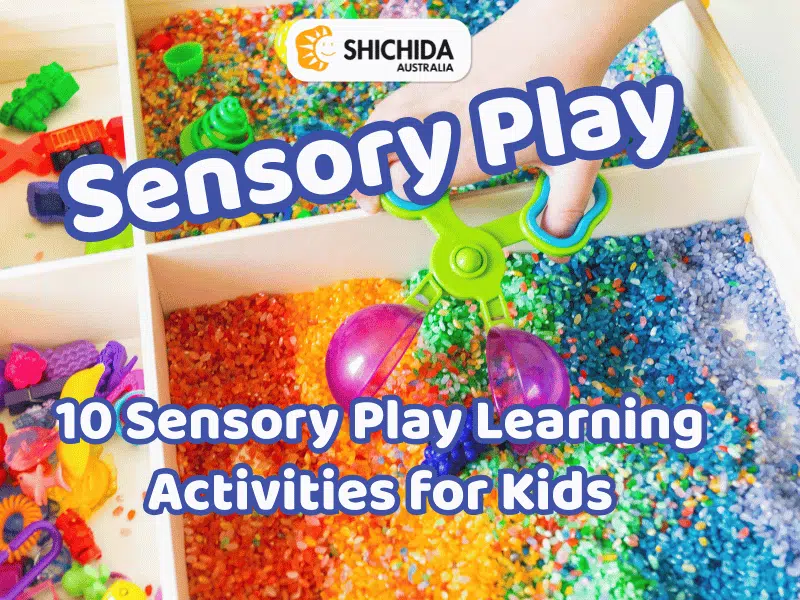
Give your child the right kind of stimulation at every age – get your free sensory play guide packed with activities that nurture healthy development.
Understanding Child Development
Child development is the process of growth across physical, cognitive, emotional, and social areas from birth through adolescence. It reflects how a child thinks, feels, behaves, and interacts with the world.
Tracking progress across children’s stages of development helps you understand your child’s development stage and identify any early concerns.
What Is Child Development?
Child development can be broken down into five key areas:
- Physical development (movement and coordination)
- Cognitive development (critical thinking and problem-solving)
- Social development (relationships and interaction)
- Emotional development (self-regulation and confidence)
- Language and communication
These areas grow together across the phases of human development, forming the foundation of lifelong learning.
Designed for families with children up to 5 years old.

Understanding Child Development
Child development is the process of growth across physical, cognitive, emotional, and social areas from birth through adolescence. It reflects how a child thinks, feels, behaves, and interacts with the world.
Tracking progress across children’s stages of development helps you understand your child’s development stage and identify any early concerns.
What Is Child Development?
Child development can be broken down into five key areas:
- Physical development (movement and coordination)
- Cognitive development (thinking and problem-solving)
- Social development (relationships and interaction)
- Emotional development (self-regulation and confidence)
- Language and communication
These areas grow together across the phases of human development, forming the foundation of lifelong learning.

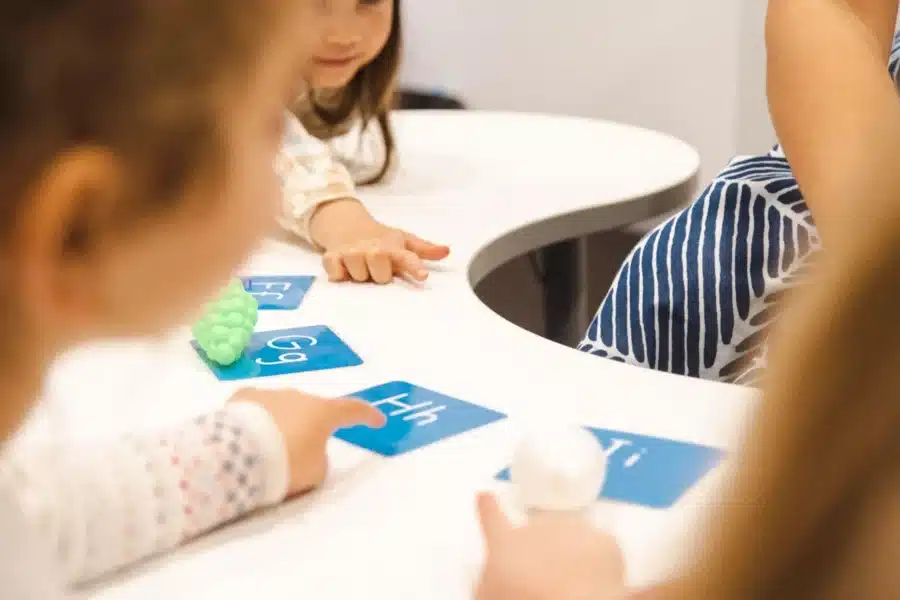
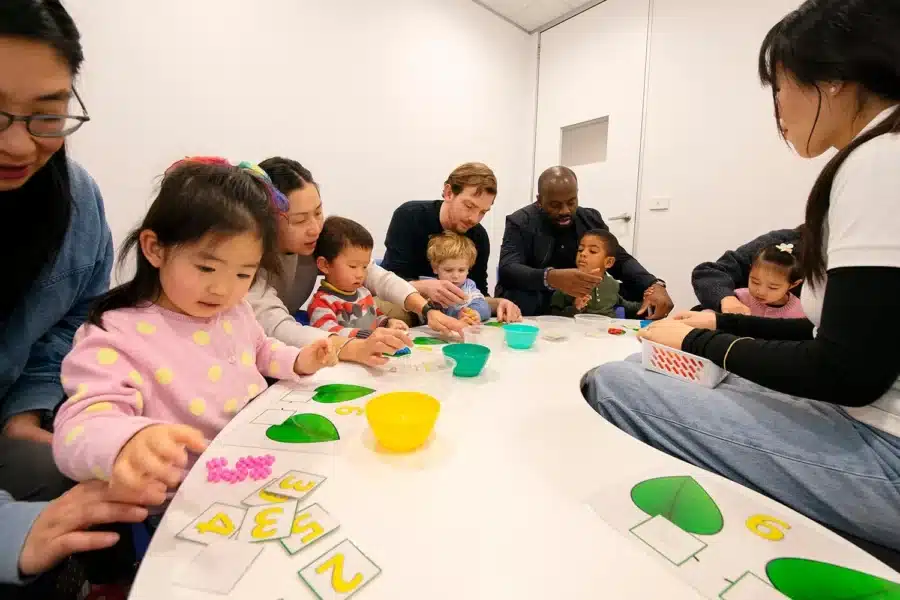
Photo by Shichida Australia: Shichida classes offer a fun, shared experience for parents and children – encouraging parent-child bonding while supporting cognitive and emotional growth through the crucial stages of child development.
Developmental Milestones by Age Group
Each stage in development brings new abilities. While children progress at their own pace, these milestones provide a helpful guide.
Birth to 12 Months – Infancy
This is the beginning of infancy and development, often referred to as the infanthood age or infancy age.
In this stage, babies:
- Develop motor skills like rolling and crawling
- Recognise faces and voices
- Begin early communication through sounds
This stage marks the foundation of all future childhood development stages.
1 to 3 Years – Toddlerhood
Toddlers are highly active and curious during this important development stage.
- Walking, running, and exploring
- Rapid language development
- Emotional expression and independence
This period reflects strong age and development progression, where learning happens through exploration.
3 to 5 Years – Early Childhood
So, early childhood is what age? Typically, it covers ages 3 to 5, one of the most important early childhood development stages.
At this stage:
- Creativity and imagination grow
- Social skills develop
- Language becomes more complex
This phase is key for childhood development stages and school readiness.
6 to 11 Years – Middle Childhood
This stage, known as middle childhood, brings increased independence and structured learning.
- Academic skills improve
- Friendships become more important
- Emotional regulation strengthens
This is a critical period for physical childhood development and confidence building.
12 to 18 Years – Adolescence
The final phase of child development stages is adolescence, often referred to as stages of adolescence development or adolescence developmental stages.
This includes:
- Puberty and physical changes
- Identity exploration
- Advanced thinking and reasoning
Understanding stages of development in adolescence helps you support your teen through these transitions.

Photo by Shichida Australia: Preschool children solving tangram puzzles – hands-on activities designed to support key stages of child development during a Shichida class.
Types of Development to Track
Each developmental stage includes multiple areas of growth that work together.
Physical Development
Physical growth is one of the most visible parts of a child’s physical development.
From crawling to puberty, these changes reflect steady stage development across all ages.
Cognitive Development
Cognitive growth supports thinking, memory, and problem-solving throughout the stages of child development.
Emotional Development
Emotional growth helps children understand and manage feelings, a key part of mental development stages.
Social Development
Social skills develop across all children’s development stages, helping children build relationships and empathy.
Language and Communication
Language development supports expression and understanding, evolving throughout all development stages.
How to Support Your Child at Every Stage
Supporting your child’s child development does not require perfection, just consistency and understanding of each development stage.
Infancy
During infancy age, focus on bonding, communication, and sensory interaction.
Toddlerhood
Encourage exploration and independence during this key stage of development.
Early Childhood
Support creativity and social skills during these early childhood development stages.
Middle Childhood
Encourage responsibility and learning during middle childhood.
Adolescence
Support identity and independence during adolescence development stages.
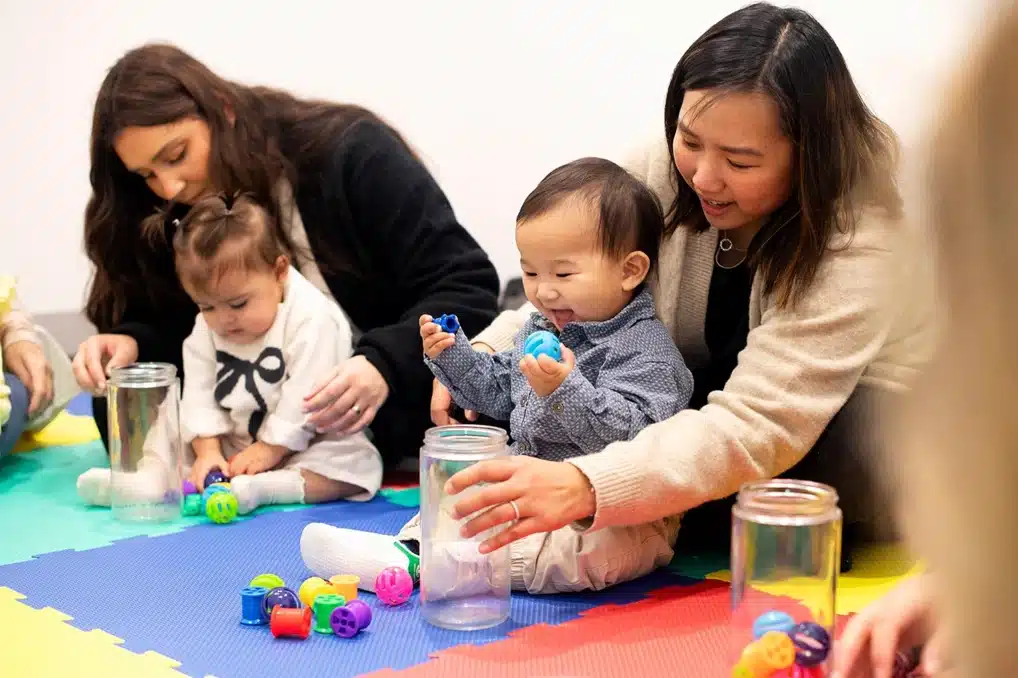
Photo by Shichida Australia: Parents and babies enjoying a flashcard song activity in a Shichida class – one of many engaging experiences designed to support the early stages of child development.
Identifying Developmental Delays
Understanding developmental stages of children helps identify delays early.
Common Signs of Delay
- Delayed speech or movement
- Difficulty interacting socially
- Trouble focusing or learning
Developmental Screening and Assessment
Regular check-ups track your child’s developmental age and progress across pediatric stages of development.
What Pediatricians Assess
Professionals assess growth across all pediatric developmental stages, including physical, cognitive, and social areas.
Early Intervention Services
Early support improves outcomes across all childhood development stages.

Developmental Differences and Neurodivergence
Some children follow different paths across the stages of development in children, including neurodivergent development.
Understanding Neurodivergence
Differences such as ADHD or ASD reflect variations in childhood and development, not deficits.
Supporting Neurodivergent Children
Support strategies help children develop cognitively, socially, and emotionally across all development stages.

Photo by Shichida Australia: In Shichida classes, parents and children solve fun challenges together – teaching valuable skills and supporting families through the important stages of child development, both in class and at home.
Nurture Every Stage with Shichida
Watching your child grow through each of the 7 stages of child development is one of the most rewarding parts of parenting. From infanthood age through to the stages of teenage years, every phase builds on the last.
At Shichida, we support children across all developmental life cycle stages through structured, engaging programs that nurture thinking, emotional resilience, and confidence. If you want to support your child’s full child development journey, join us for a session and see how we help children thrive at every stage.
FAQs: Stages of Child Development
Early childhood development usually refers to the years from birth to around 5 years old, though some frameworks extend it to age 8. This stage includes rapid growth in language, movement, thinking, emotional regulation, and social skills. It is also a key time for building strong learning habits through play, bonding, and everyday interaction.
The 7 stages of child development are often grouped as newborn, infant, toddler, preschool, school-age, pre-teen, and adolescent stages. Some developmental guides simplify these into five main stages: infancy, toddlerhood, early childhood, middle childhood, and adolescence. Both models help parents understand how children grow physically, emotionally, socially, and cognitively.
No. Developmental milestones are helpful guides, but children do not all develop at the same speed. Some children may walk, talk, read, or manage emotions earlier or later than others. What matters most is steady progress over time. If you are concerned about your child’s development, it is best to speak with a qualified health professional.
You do not need to wait for a certain age if you feel concerned about your child’s development. Delays may involve speech, movement, social interaction, focus, learning, or emotional regulation. If your child has lost skills they previously had, is not meeting several expected milestones, or you feel something is not quite right, speak with your GP, paediatrician, or maternal and child health nurse.
Play supports child development by helping children practise movement, language, memory, problem-solving, creativity, social skills, and emotional regulation. Simple activities such as stacking blocks, singing songs, sorting colours, pretend play, puzzles, and sensory play can all build important skills. For young children, play is one of the most natural ways to learn.
Activities that support child development at home include reading together, singing, talking through daily routines, puzzles, drawing, building blocks, sensory play, memory games, sorting activities, and outdoor movement. The best activities are simple, consistent, and interactive. Children learn a lot when parents talk, play, and respond to them during everyday moments.
Parents can support cognitive development in early childhood through activities that build memory, focus, problem-solving, language, and curiosity. Reading, asking questions, playing matching games, sorting objects, singing number songs, doing puzzles, and encouraging children to explain their thinking can all help. Short, playful, consistent activities are often more effective than long formal lessons.
Shichida supports child development through structured, age-appropriate activities that build memory, concentration, language, numeracy, critical thinking, confidence, and parent-child connection. Classes use songs, flashcards, hands-on games, puzzles, sensory activities, and guided parent participation to support children through key early learning stages.