Key Takeaways
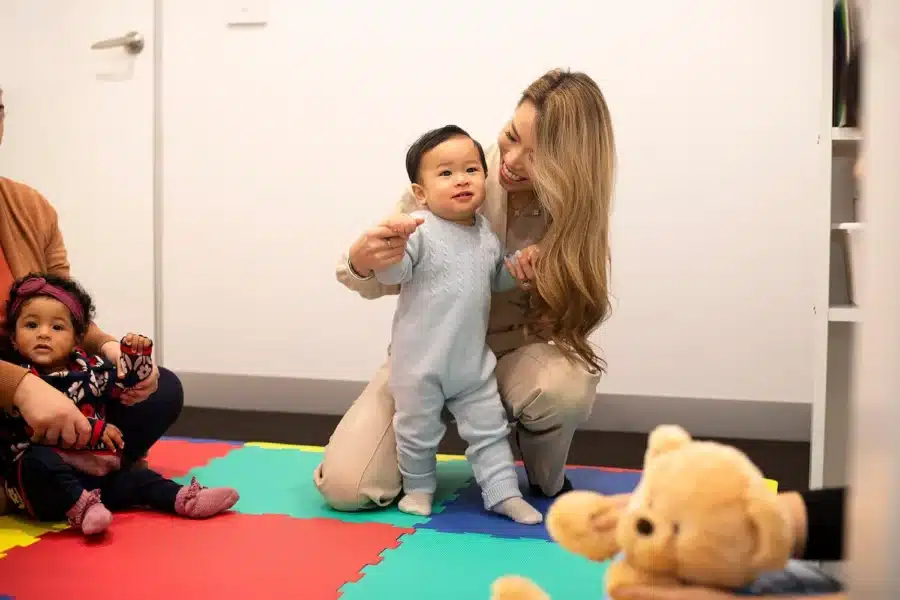
- Early development begins through everyday interactions. Talking, singing, reading and responsive play give children opportunities to build language, coordination and relationships from infancy.
- Quality early learning supports more than school readiness. Varied activities provide practice in communication, problem-solving, concentration and participating with others.
- Choose programs that suit your child’s developmental stage. Look for supportive educators, engaging activities, parent involvement and realistic expectations.
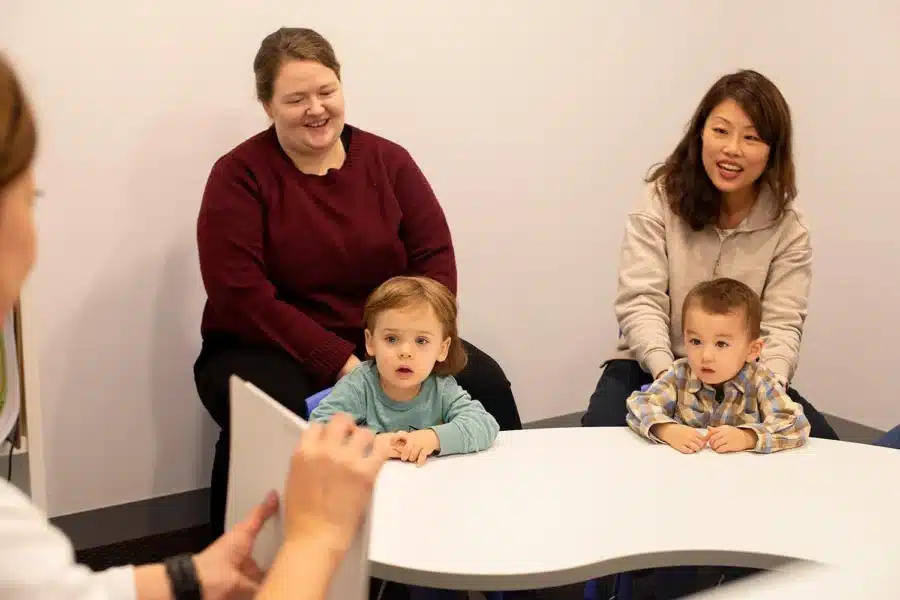
- Shichida combines guided learning with parent participation. Songs, memory games, puzzles and hands-on activities form part of a continuing early learning program.
Early development programs have become increasingly popular as parents look for ways to give their children an edge in a fast-paced, competitive world. Long-term studies show that children who start learning at a young age benefit tremendously, both academically and in life.
There’s always debate about when and how children should start learning, but at Shichida, we see learning as a lifelong journey that begins the moment a child is born.
So why is early learning so important? What kind of results does it bring, and how does it shape a child’s future?
Early Development: The ‘Genius Period’
From the second a baby enters the world, they begin learning – and they never stop. But the early years are particularly crucial.
From birth to age three, the brain develops at an incredible rate. By the time a child turns three, their neural circuits are mostly formed, and by age five, 90% of their brain is developed. This is called the Golden period.
Think of the brain like a city’s road network. Some roads become well-traveled highways, while others fade away from lack of use. The more a child is exposed to meaningful learning experiences, the more their “roads” expand and strengthen. These connections are influenced by repetition, variety, timing, novelty, and emotional attachment.
This rapid brain development is why the first three years of life are often called the “Genius Period.” During this time, children absorb information effortlessly. If we make the most of this stage, we help them build a strong foundation for future learning.
There’s even a principle called the “Law of Diminishing Ability” – it suggests that if we don’t nurture learning potential early on, the window of opportunity begins to shrink.
In infancy, the brain also functions in “Alpha Wave” mode, a state of relaxation and absorption. This is why young children can retain information so effortlessly. Parents often use classical music to enhance this effect, as certain sounds are known to encourage Alpha Wave activity.
Why Right-Brain Stimulation Matters
The brain is divided into two hemispheres:
- The left brain is responsible for logic, language, and analytical thinking – it dominates adult thinking.
- The right brain controls photographic memory, rapid processing, creativity, and intuition – it dominates until about age three.
Because the right brain is naturally dominant in young children, this is the ideal time to nurture right-brain skills. Imagine if a child developed photographic memory from an early age – retaining and recalling information later in life would become second nature!
Encouraging right-brain development early on helps children process information faster, improves their memory, and boosts creativity – all of which benefit them for years to come.
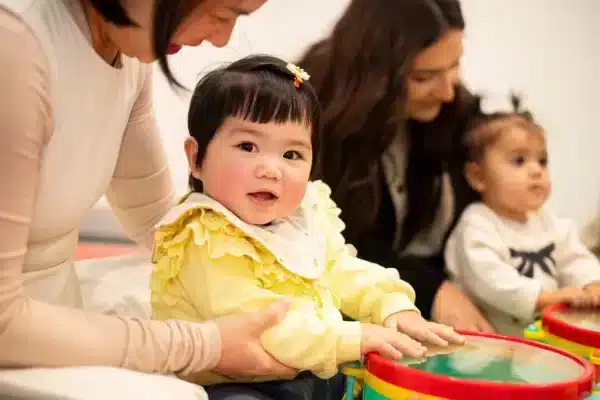
The Lifelong Benefits of Early Learning
Giving children an early start makes learning easier in the long run. Think about how effortless it is for young children to learn a language compared to adults—kids pick it up naturally, while adults often struggle to achieve fluency.
Studies show that early education gives children a lifelong advantage compared to those who start formal learning at school. Some of the benefits include:
- Longer attention span
- Stronger problem-solving skills
- Greater confidence and self-reliance
- Higher emotional intelligence and social skills
- Enthusiasm for learning
- Closer bond with parents
- Better academic and career outcomes
- Improved health and socioeconomic status
And the return on investment? Some *studies estimate that for every dollar spent on quality early learning, there’s a $4 to $11 return. Another study found that children who had early education earned $2,000 more per month than their peers as adults!
*Economist James Heckman’s analysis of the Perry Preschool Program found a 7% to 10% per year return on investment, based on increased educational and career achievements and reduced costs in remedial education, health, and criminal justice system expenditures.
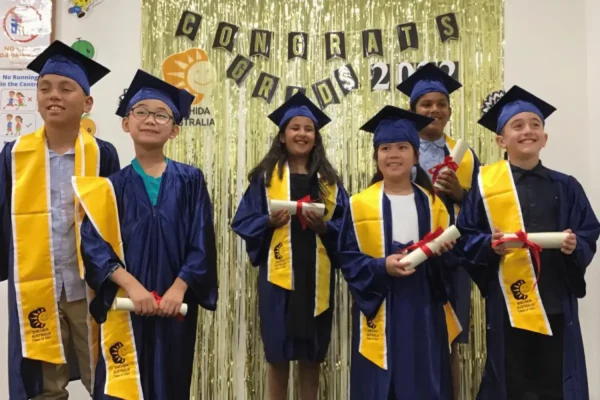
Choosing the Right Early Development Program
While investing in early education is a great decision, not all programs are the same. The best early learning experiences have a few key features:
- Small class sizes – More individual attention makes learning more effective. Shichida classes are capped at just six children per session.
- Age-appropriate activities – Learning should be tailored to a child’s developmental stage. That’s why we offer baby, toddler, and preschool classes.
- Variety and engagement – The best learning happens when kids are having fun! Activities like talking, singing, and reading keep children engaged.
- Balanced timing – Young children have short attention spans. If a class runs too long, they lose focus. The right timing keeps learning effective and enjoyable.
Investing in early learning isn’t just about preparing for school—it’s about giving children the tools to succeed in life.
It’s never too early to start learning, but what matters most is quality. When children are exposed to the right stimuli at the right time, they develop skills that set them up for a lifetime of success.

Book a Shichida Trial Class today – you and your child will love it!
FAQs About Early Development
Early development includes the physical, language, thinking, social and emotional skills children build during their first years. Everyday experiences such as reaching for a toy, listening to a story and interacting with caregivers contribute to this learning.
The early years are a period of rapid development when children begin building foundations for communication, movement, relationships and thinking. Warm, responsive interactions and varied opportunities to play support these foundations. Learning continues throughout childhood and beyond.
Early learning can happen through conversation, songs, stories, movement and play. Adults can guide these experiences by introducing words, demonstrating an action or helping a child investigate an idea. Activities should suit the child’s abilities and leave room for enjoyment and participation.
Talk with your child during daily routines, share books, sing familiar songs and offer safe objects to investigate. Follow their interests and give them time to respond or try things themselves. Regular shared experiences can fit into feeding, dressing, playtime and outings.
Look for educators who respond warmly to children, explain activities clearly. Ask about class sizes, parent participation and how activities progress over time. A trial or visit can help you assess whether your child feels comfortable and engaged.
No program can guarantee a particular academic outcome. Children’s development is influenced by many factors, including their experiences, individual needs and learning environments. An early learning program can provide additional opportunities to practise skills, but progress varies between children.
No. Children continue developing and learning well beyond age three. Parents can support progress at any stage through responsive interaction, suitable challenges and enjoyable practice. The early years are valuable, but they are not a deadline after which learning potential disappears.
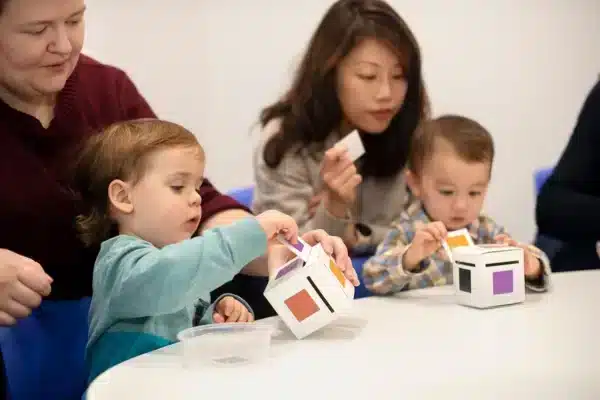
Shichida Australia combines teacher-guided activities with active parent participation. Children take part in songs, puzzles, memory games and hands-on language and numeracy tasks. The program provides varied opportunities to practise thinking, communication, coordination and social participation.
Children can start Shichida from six months of age, with new students joining before their fifth birthday. Children who begin before age five can continue through later stages of the program, including the Primary School Program when they meet its entry requirements.