Key Points
- Preschool tutoring should support, not pressure, young learners.
- Early literacy and numeracy grow best through playful exposure.
- Quality tutoring respects child development, not rigid outcomes.
- Parents remain the most important part of early learning.
- Progress will look different for every child.
Have you ever watched your preschooler play and suddenly wondered if you are doing enough?
Maybe they line up toys and count them out loud, or maybe they would rather run, climb, and invent stories than sit still for a book. You hear other parents mention tutoring for preschoolers or school readiness programs, and a quiet question creeps in. Should I be doing something more right now?
If you are an expectant parent thinking ahead, or already parenting a preschooler, this feeling is very common!
There is a lot of noise around early learning, and it can make even confident parents second-guess themselves. The good news is this: Supporting your child’s learning does not mean pushing academics early. When tutoring is done gently and thoughtfully, it can have an amazingly positive impact on your young child and their cognitive developmental journey.
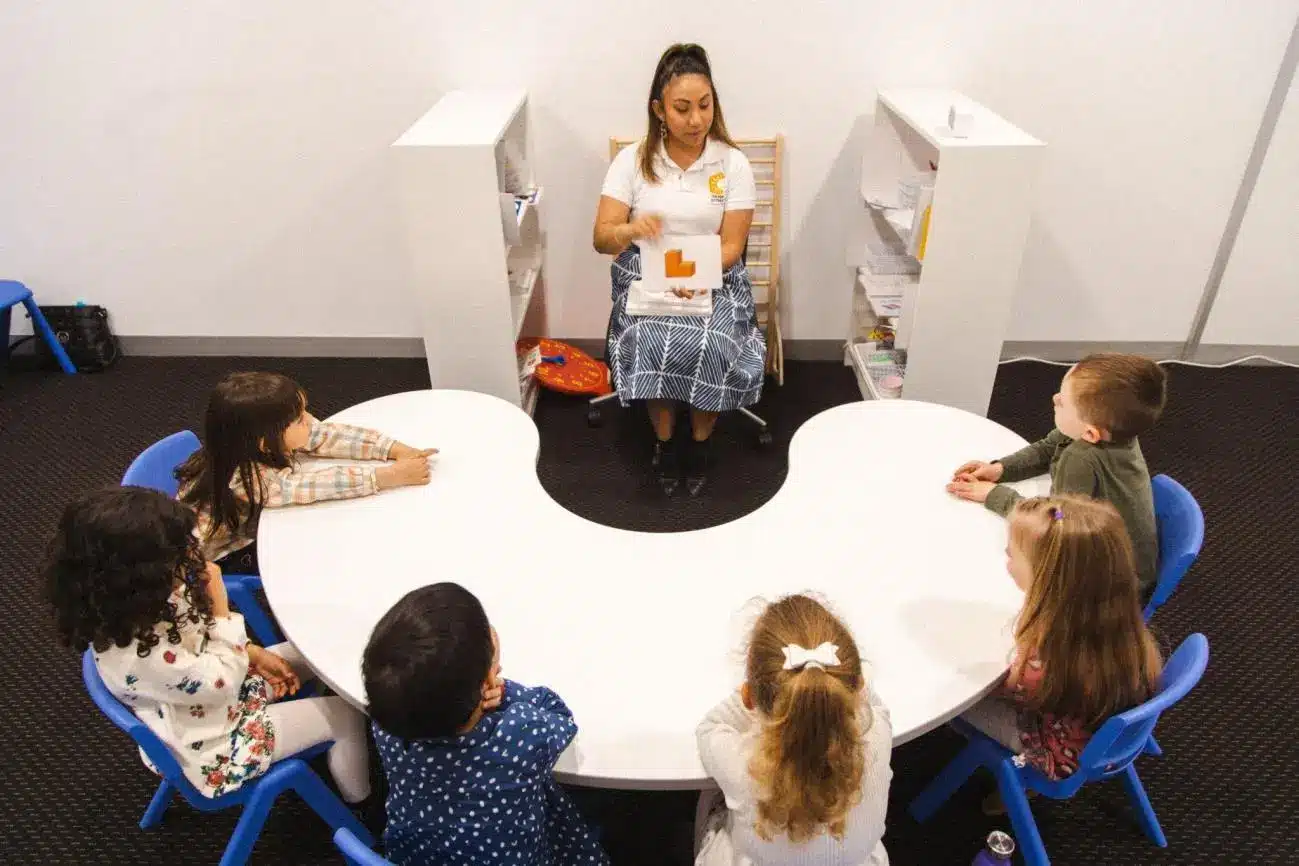
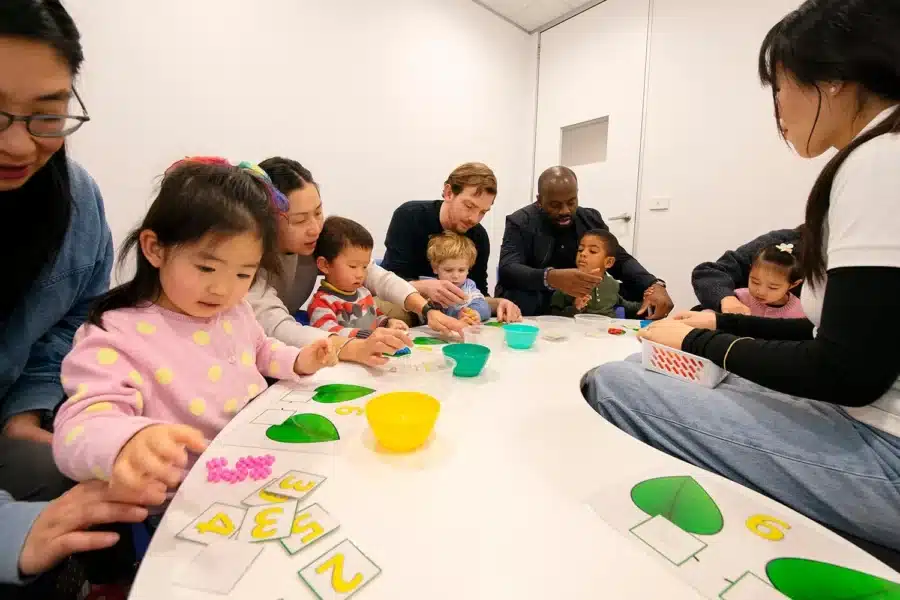
Image by Shichida Australia: Preschoolers observing high-speed flashcards during a Shichida class.
What Is Tutoring for Preschoolers?
Tutoring for preschoolers looks very different from what most adults imagine when they hear the word tutoring. This is not about desks, worksheets, or pressure to perform. Preschool-aged children, usually between three and five, learn best through play, conversation, movement, and repetition.
At this age, tutoring is really about laying foundations. It might involve talking through stories, playing with sounds in words, counting objects during games, or solving simple problems together. A good preschool learning program feels more like guided play than a lesson.
What matters most is developmental readiness. Some children are naturally drawn to letters and numbers early. Others are more focused on physical play or social interaction. Neither is better or worse. Quality tutoring meets your child where they are and supports growth without rushing it.
Tutoring vs Preschool and Daycare Learning
Tutoring is not a replacement for preschool or daycare. Those environments play an important role in developing social skills, routines, and learning how to be part of a group.
Tutoring works best when it complements these settings by providing structured, age-appropriate learning experiences that focus on thinking skills, confidence, and individual development. When delivered in a playful, supportive way, it can help reinforce learning without taking away from the social benefits of preschool or daycare.
Foundational Skills Tutoring Supports
Most early childhood tutoring focuses on language development, early literacy, phonological awareness, basic number concepts, problem-solving, attention, and confidence. These skills help children feel capable and comfortable when learning becomes more structured later on.
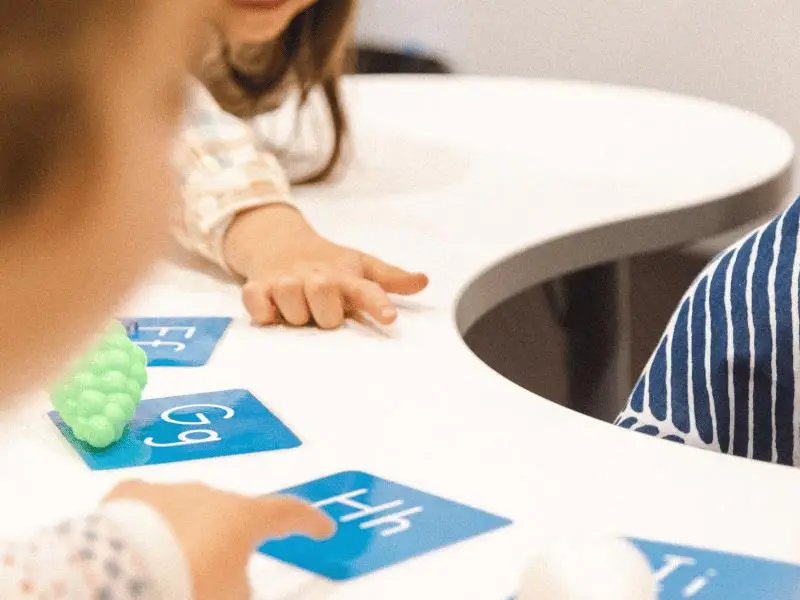
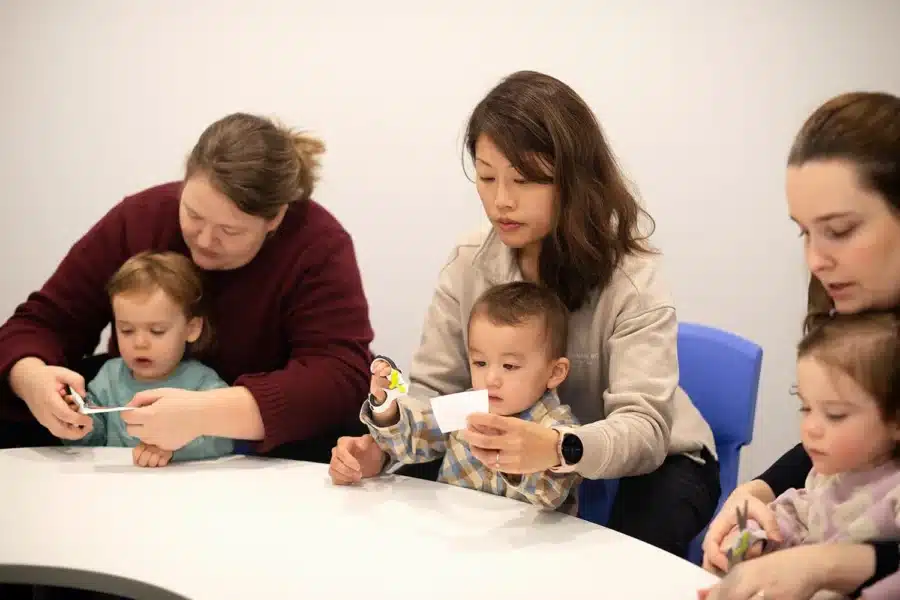
Image by Shichida Australia: Preschoolers playing a phonics game, guided by a Shichida Instructor.
Is Tutoring Worth It for Preschoolers?
This is often the hardest question for parents because there is no one right answer. Tutoring can be incredibly helpful for children and families. What matters is why you are considering it and how it is delivered.
Tutoring benefits for preschoolers are strongest when the approach is gentle and flexible. It can help a child who feels unsure, needs extra repetition, or has not had much exposure to structured learning. It can also support parents who want guidance on how to help their child learn at home.
That said, tutoring is not a requirement for success. Many children thrive with a loving home environment, quality preschool, and plenty of guided play with parents.
When Tutoring Can Be Helpful
Preschool tutoring can be helpful when it is used to gently support your child’s development rather than to “fix” anything. It can give children early exposure to language, numbers, and thinking skills in a way that feels enjoyable and confidence-building.
Many families choose tutoring to help their child feel comfortable with learning routines, build strong focus and memory, or simply to provide structured guidance when they are unsure how to support learning at home. When introduced early and thoughtfully, tutoring can help children approach preschool and school with confidence, curiosity, and a positive attitude toward learning.
Free Resource for Parents
Wondering whether your preschooler needs extra learning support?
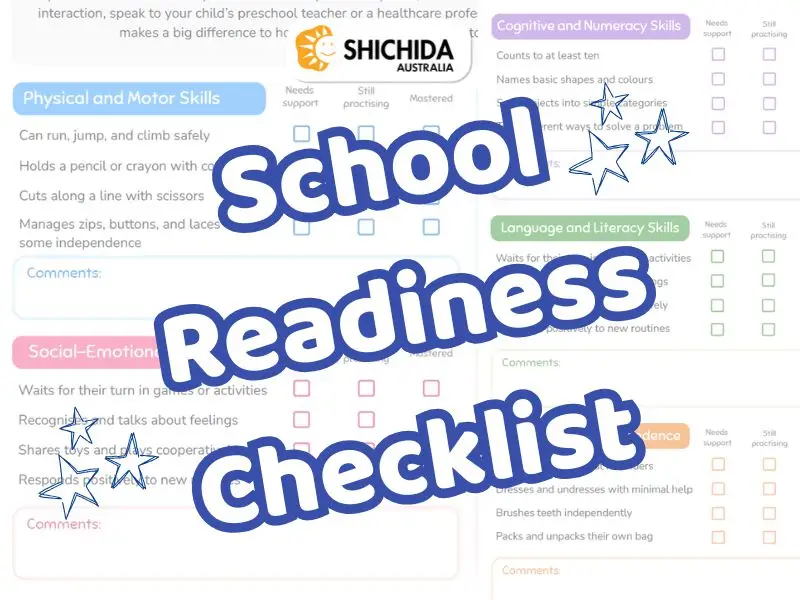
Download Shichida Australia’s School Readiness Checklist to understand key developmental skills such as attention, confidence, early literacy, and numeracy – without pressure or testing.
Types of Tutoring and Preschool Learning Programs
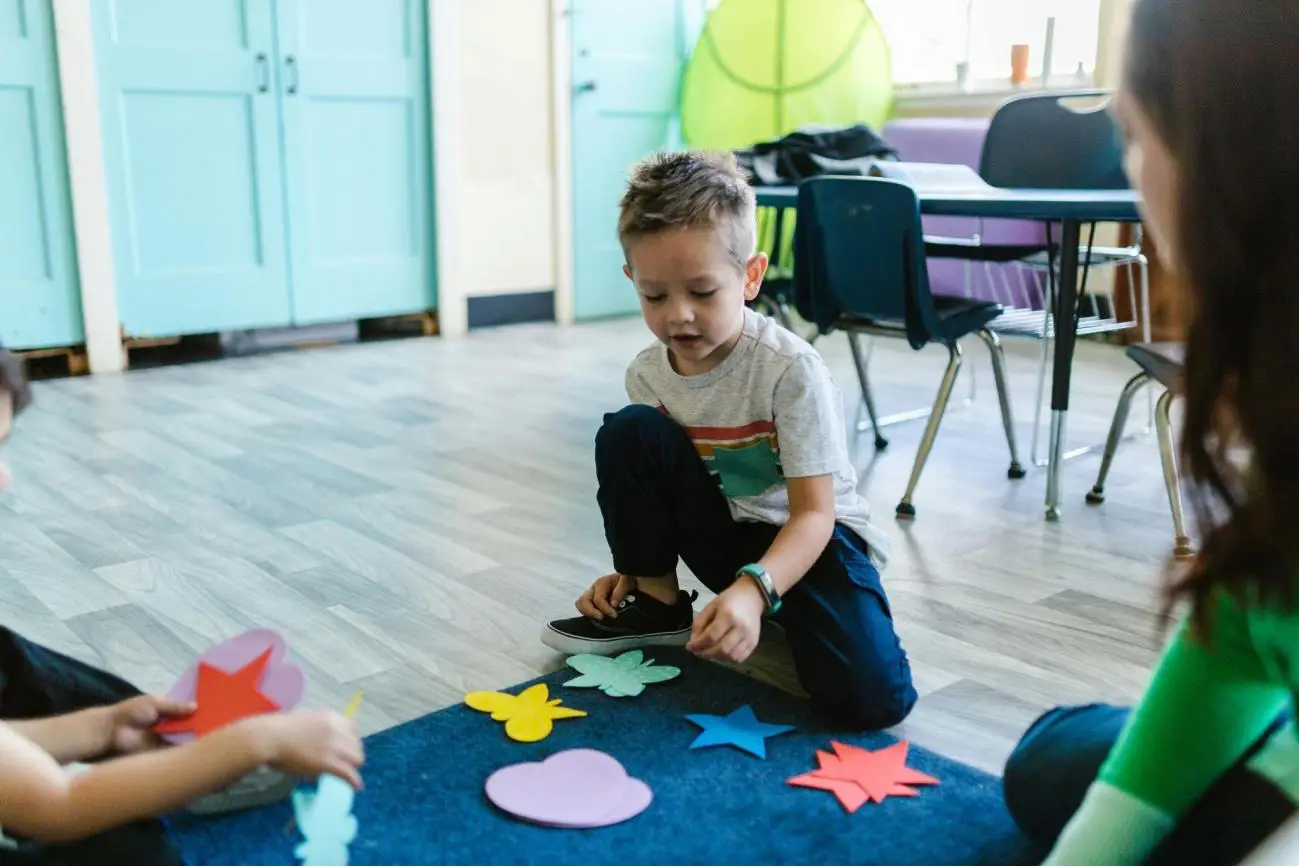
Photo from Pexels: Quality tutoring for preschoolers focuses on early literacy, early maths, and confidence through hands-on, age-appropriate activities.
Not all tutoring looks the same, and that can be confusing for parents. Some programs focus on one skill area, while others support overall development. Some work one-on-one, while others are small group-based.
The best tutoring programs for preschoolers understand that learning is connected. Language, thinking, social skills, and confidence grow together, not separately.
Reading Tutoring for Preschoolers
Reading tutoring for preschoolers is not about teaching children to read books independently before they are ready. At this age, it is about helping children enjoy language and feel comfortable around words. This includes listening to stories, playing with sounds, becoming familiar with phonics, and gradually expanding vocabulary. Preschool reading support works best when it builds curiosity and confidence rather than pressure.
Some programmes, such as Kumon, offer reading classes that are largely worksheet-based, focusing on repetition and paper-based practice.
Other approaches take a more hands-on, activity-based path. At Shichida, literacy and reading are introduced through songs, games, flashcards, and interactive activities, alongside memory training, early numeracy, and critical thinking games. This play-based approach allows children to experience language in an engaging, multi-sensory way while building the foundations for reading over time.
Maths Tutoring for Preschoolers
Maths tutoring for preschoolers is not about formal calculations or sitting through drills. At this age, it focuses on building early maths skills such as number sense, counting, sorting, patterns, shapes, and understanding quantity. These concepts are best explored through games, movement, and real objects that children can touch and manipulate. When maths feels useful and fun, children are more likely to stay engaged and confident.
Some programs, such as Kumon, approach early maths through worksheet-based practice, encouraging repetition with numbers and symbols.
Other approaches focus on learning through interaction and play. At Shichida, early maths is introduced through hands-on activities, songs, number games, puzzles, and movement-based tasks. These experiences help children understand mathematical ideas in a concrete, meaningful way while also supporting memory, concentration, and problem-solving skills.
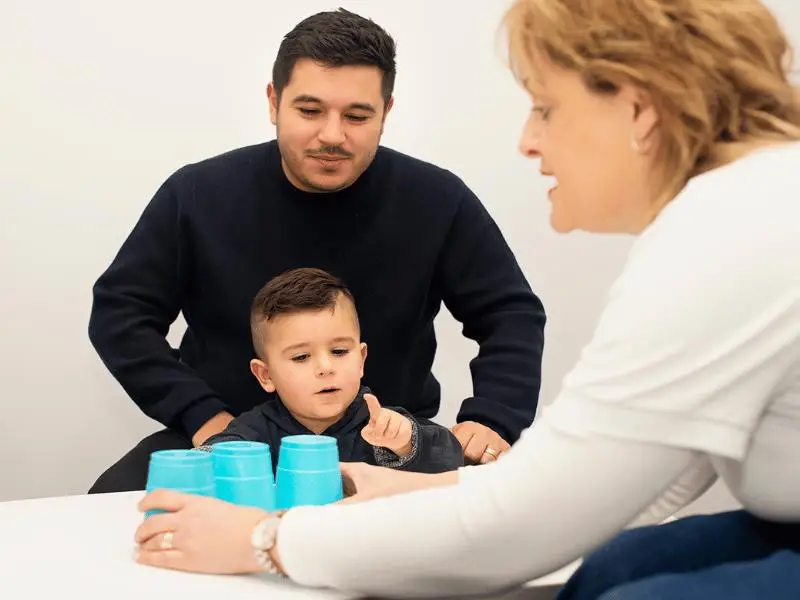
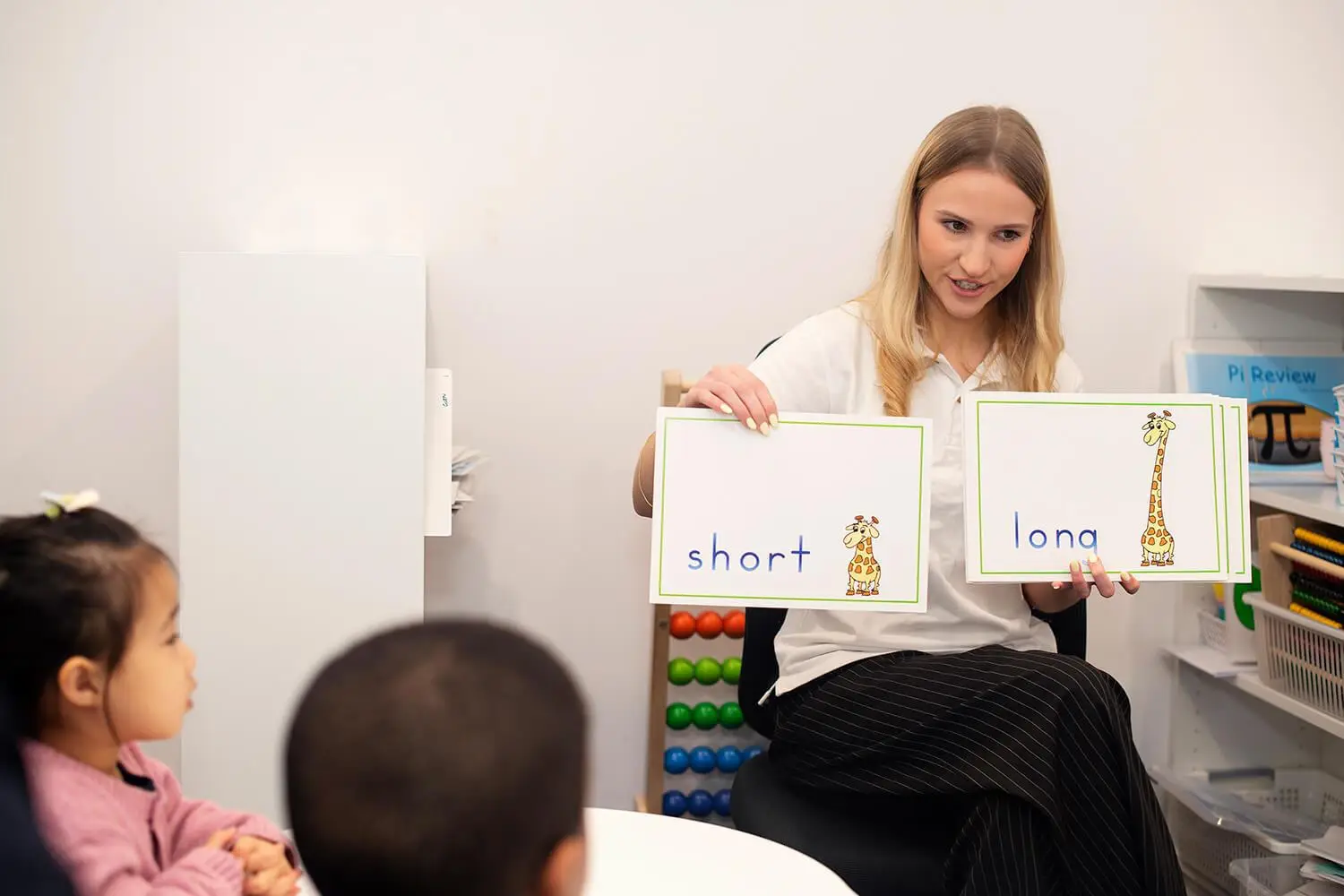
Image by Shichida Australia: A pre-schoor, accompanied by his father, playing an intuition guessing game with a Shichida instructor.
How to Choose the Best Tutoring Programs for Preschoolers
Choosing a tutoring program can feel overwhelming, especially when programs promise fast results. Try to focus less on outcomes and more on how your child feels during and after sessions.
A good program should make your child feel capable, not pressured. It should also involve you as a parent, keeping communication open and supportive.
Curriculum and Teaching Philosophy
Look for programs that value play, curiosity, and hands-on learning. Children should be encouraged to explore through play and ask questions. Learning at this age should feel engaging, not rigid.
Tutor Qualifications and Experience
Tutors should have experience working with preschool-aged children and an understanding of early development. More importantly, they should communicate clearly with you and show genuine interest in your child as an individual.
Trial Sessions and Progress Tracking
Trial sessions are important. Watch how your child responds. Progress should be discussed through observation and conversation rather than tests. At this stage, confidence and engagement are often the most meaningful signs of growth.
How to Support My Preschooler’s Learning at Home
Whether or not you choose tutoring, your everyday interactions matter more than any program. Preschool learning at home happens naturally through play, conversation, and routine.
How to Help My Preschooler With Reading
Reading together regularly makes a huge difference! Talk about stories, ask questions, play rhyming games, sing songs, and encourage storytelling. A home filled with conversation and curiosity supports preschool reading.
How to Help My Preschooler With Maths
Early maths learning happens all day long. Count steps, sort toys, cook together, build towers, and talk about shapes and sizes. These small moments reinforce early maths tutoring concepts naturally.
Creating a Balanced Learning Routine
Balance is key. Children need a mix of structure, guided play, free play, outdoor movement, rest, and quiet time. Learning thrives when children feel relaxed and supported, not rushed from one activity to the next.
Measuring Progress and Knowing When to Adjust
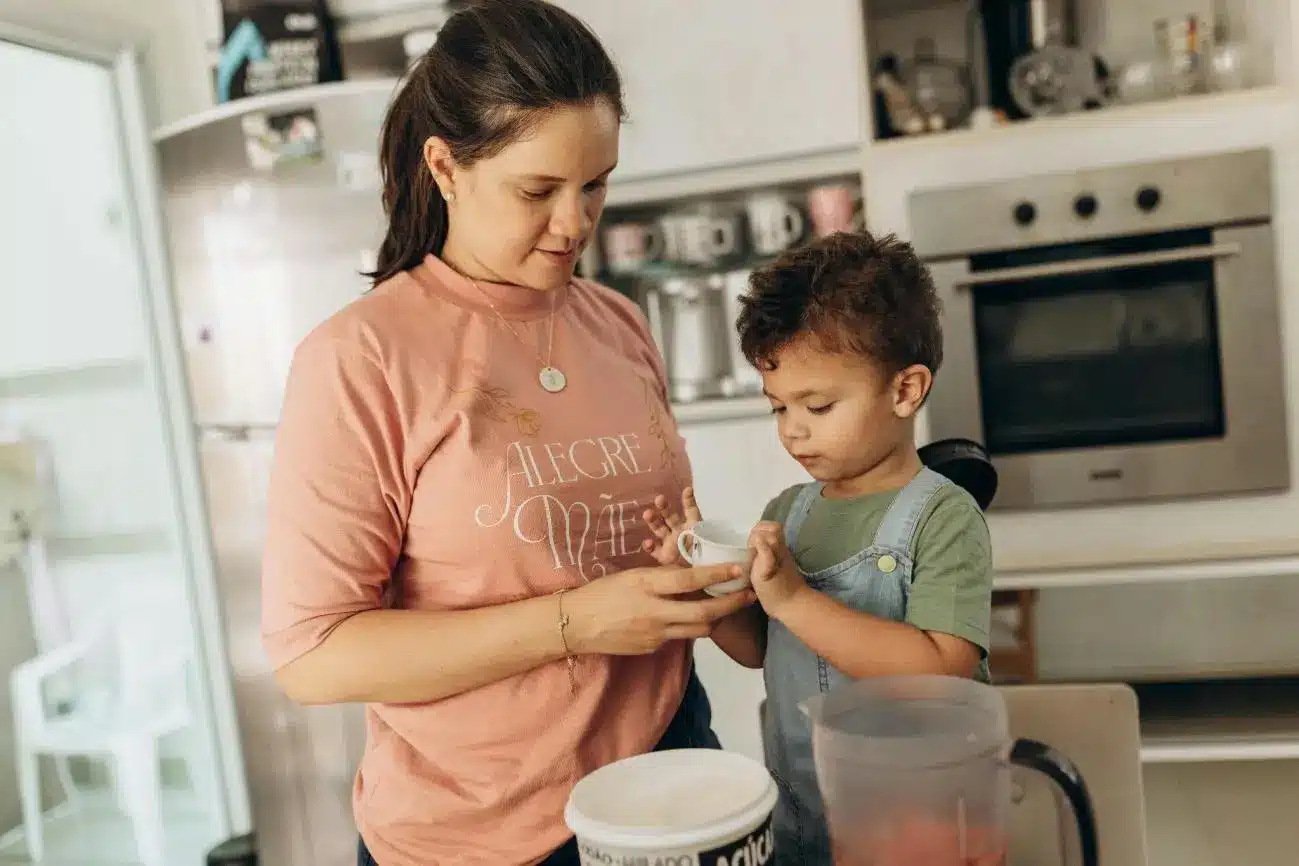
Photo from Pexels: Parents play the most important role in tutoring for preschoolers by supporting learning naturally through everyday moments at home.
Progress in the preschool years often comes in bursts. Some skills appear suddenly, while others take time. This is normal and expected. Growth is not always obvious, but it is happening.
Simple Developmental Indicators
Signs of progress may include showing interest in books, recognising letters or numbers, counting with understanding, following instructions, asking thoughtful questions, or expressing ideas more clearly. Confidence often grows before skills do.
When to Seek Additional Support
If your child consistently struggles with communication, attention, or learning despite supportive environments, seeking professional advice can be helpful. Early support is not about labelling. It is about understanding your child better and feeling reassured as a parent.
Balanced Early Learning Classes for Kids and Parents
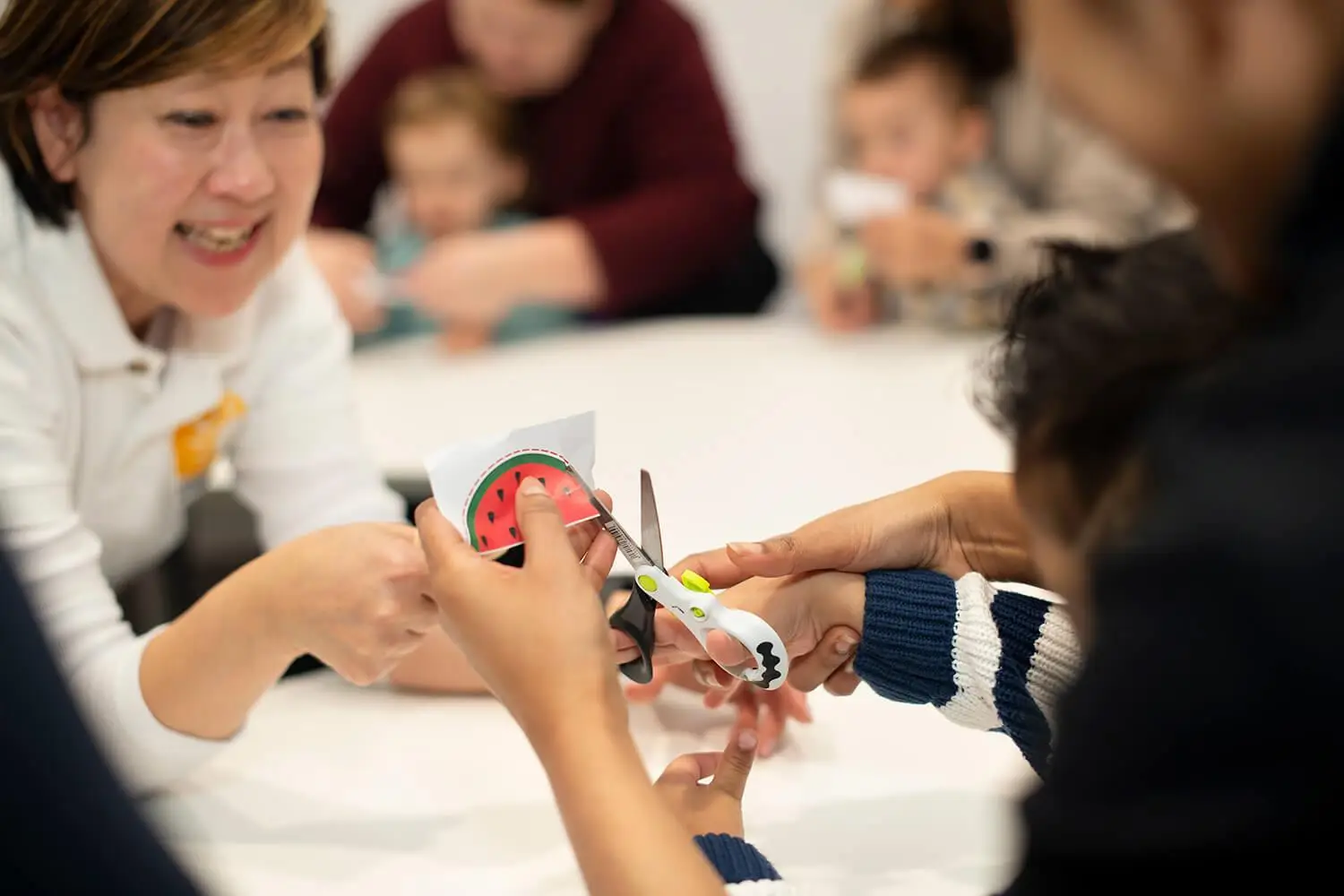
Image by Shichida Australia: Some families look for a program that brings structure, guidance, and confidence-building together without turning learning into pressure.
If you are looking for a structured early learning program that supports your preschooler’s development without pressure, Shichida Australia offers a whole-brain approach designed for young children.
Shichida classes focus on building confidence, early literacy, early maths, and learning skills through fun, engaging activities that complement preschool and home learning.
Book a trial class with Shichida Australia to experience an early learning approach that works with your child’s natural development.
FAQs: Tutoring for Preschoolers
Tutoring focuses on foundational skills such as language development, early literacy, number sense, thinking skills, attention, and confidence, rather than formal academics.
Tutoring is not too early when it is gentle, play-based, and matched to your child’s individual development and readiness.
One or two short sessions per week is usually enough for most preschoolers, depending on their energy levels and learning needs.
Quality tutoring supports and complements play-based learning rather than replacing it or limiting free play.
Reading tutoring includes sound play, storytelling, vocabulary building, listening skills, and developing a love of books.
Maths tutoring focuses on counting, sorting, patterns, shapes, spatial awareness, and problem-solving through play.
Look for signs such as growing confidence, curiosity, engagement, and enjoyment of learning rather than academic results.
Some families prefer a play-based early learning program that supports literacy, numeracy, memory, and thinking skills together rather than focusing on one subject at a time. Programs like Shichida Australia offer structured, age-appropriate classes that complement preschool and home learning while keeping learning enjoyable and pressure-free.