
How Memory Formation Works in Early Childhood
Your child’s memory is the invisible key that unlocks their ability to learn, grow, and make sense of the world. From the moment they recognise their parent’s voice to learning their first words, the ability to process, store, and recall information is fundamental to their development. But how exactly does this process happen in young, developing minds? Let’s explore the fascinating journey of memory formation and its critical role in a child’s cognitive growth.
How a Child’s Memory Formation Works
A child’s memory formation is a dynamic and intricate process that involves several stages. These stages, which are supported by a growing body of research, show how a child’s memory evolves and becomes more refined over time. A notable study by Schneider and Ornstein (2015) highlights that memory matures through developmental phases, becoming more sophisticated as they grow. Here’s how this process unfolds:
Encoding
This is the first step in a child’s memory formation, where raw sensory information is captured by the brain. Children absorb details from their surroundings—like the colours of their toys, the sound of a parent’s voice, or the smell of food cooking. The brain processes these inputs and turns them into meaningful information. For example, if a child encounters a blue ball, they link that sensory experience to the word “ball”, enabling them to remember it the next time they see it. This connection between sensory input and meaning is the foundation of a child’s memory development.
Consolidation
After encoding, the next step in memory formation is consolidation. This is where the brain strengthens and organises the new information, ensuring that it sticks. For young children, consolidation often happens during sleep, when the brain is free to replay and sort through the day’s experiences. Research shows that consistent sleep patterns are crucial for a child’s memory consolidation. For instance, a toddler who learns a new song during the day will reinforce those lyrics during sleep, making it easier to recall the song the next day. Sleep is an active phase for memory consolidation, making it a key factor in cognitive development.
Storage
Once the information is consolidated, it is stored in different regions of the brain. This storage system can hold vast amounts of information across three key categories: semantic memory (facts and knowledge), episodic memory (personal experiences), and procedural memory (skills and habits). Each type of memory is crucial for how a child navigates the world. For example, semantic memory helps children recall facts like “dogs bark” or “apples are sweet”, while procedural memory enables them to ride a bike or tie their shoelaces. A child’s memory storage is like an ever-expanding library, with each new piece of information building on what has been stored before.
Retrieval
The final stage in memory formation is retrieval. This is where a child accesses stored memories, whether it’s remembering a new friend’s name or recalling the steps in a favourite game. Retrieval involves activating the neural pathways created during encoding and consolidation. The more a child uses these pathways—by repeating information or practising a skill—the stronger they become, making retrieval faster and easier. For example, a child who repeatedly practises counting from 1 to 10 will be able to recall those numbers more quickly during everyday tasks like counting toys.

Factors Influencing Child’s Memory Formation
Several factors influence how well a child’s memory is formed and how effectively they can recall information. There are both developmental and environmental elements that shape a child’s memory. These include:
Brain Development:
Memory develops as the brain grows, especially in the hippocampus, which organises memories, and the prefrontal cortex, which supports decision-making and retrieval. As the brain matures, children become better at storing, organising, and retrieving memories. For instance, a two-year-old can remember simple tasks, while a five-year-old can manage complex, multi-step instructions thanks to enhanced brain function.
Cognitive Development:
As children grow older, their cognitive abilities also evolve, allowing them to better process and organise information. This development means they can form more detailed and accurate memories. For instance, an older child can group related items together, such as linking animals that live on farms, making it easier to recall these categories later.
Emotional Connections:
Memories tied to emotions are often more vivid and easier to recall. Events that spark joy, excitement, or even fear tend to make a lasting impression in a child’s memory. This is why emotionally charged experiences, like a family trip to the zoo or winning a school prize, tend to be easier for children to remember than routine events like going to the grocery store.
Repetition and Practice:
One of the best ways to strengthen memory is through repetition. By repeatedly practising a task, such as saying the alphabet or rehearsing a song, children reinforce their neural connections, making it easier to recall that information later. For example, a child who repeatedly practises their spelling words is more likely to remember them during a test.
Social Interactions:
Conversations, storytelling, and other social interactions play an essential role in a child’s memory development. By engaging with others, children practise recalling information and organising their thoughts. Social settings also help them develop language skills, further enhancing their ability to remember and retrieve words, phrases, and experiences.

Supporting A Child’s Memory Development with the Shichida Method
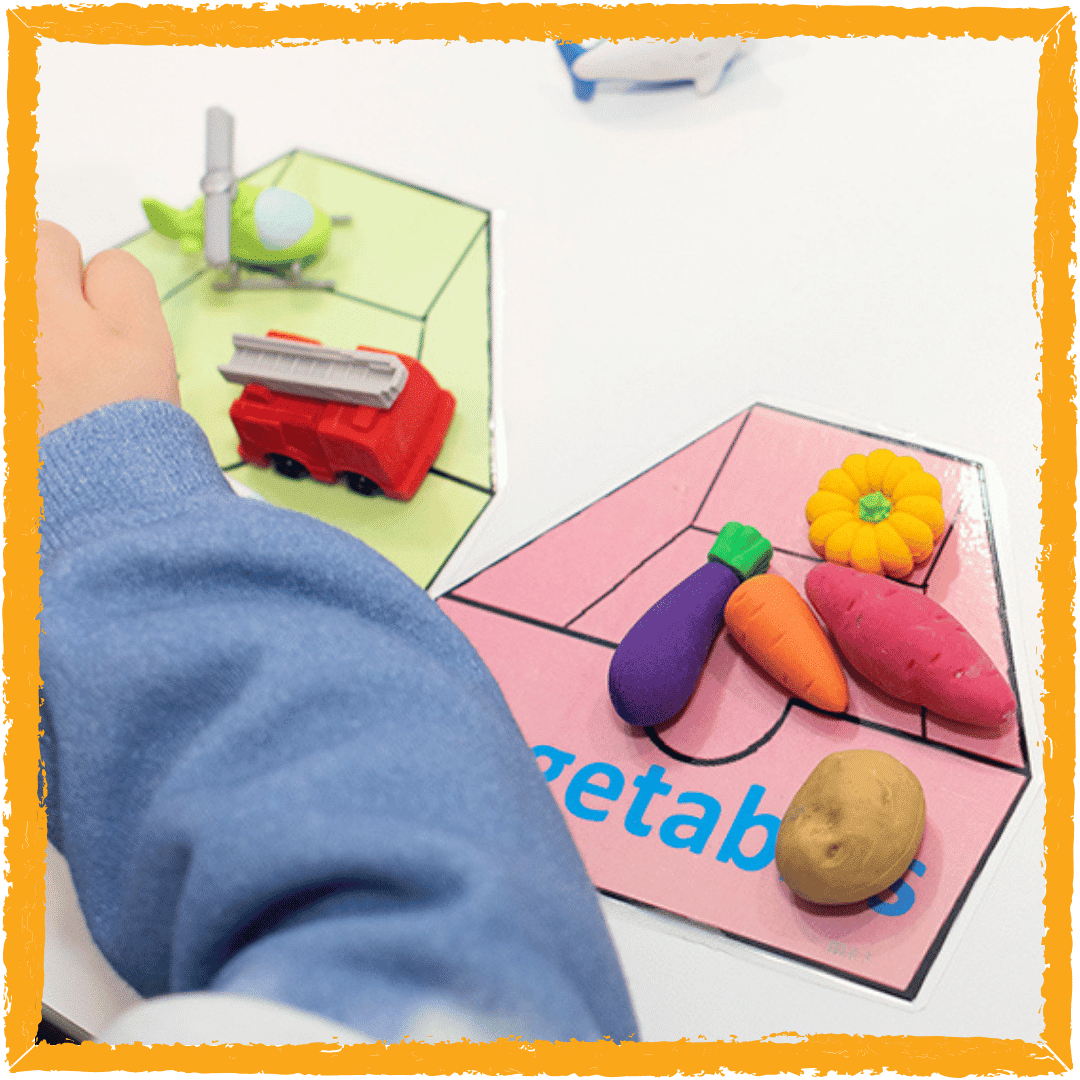
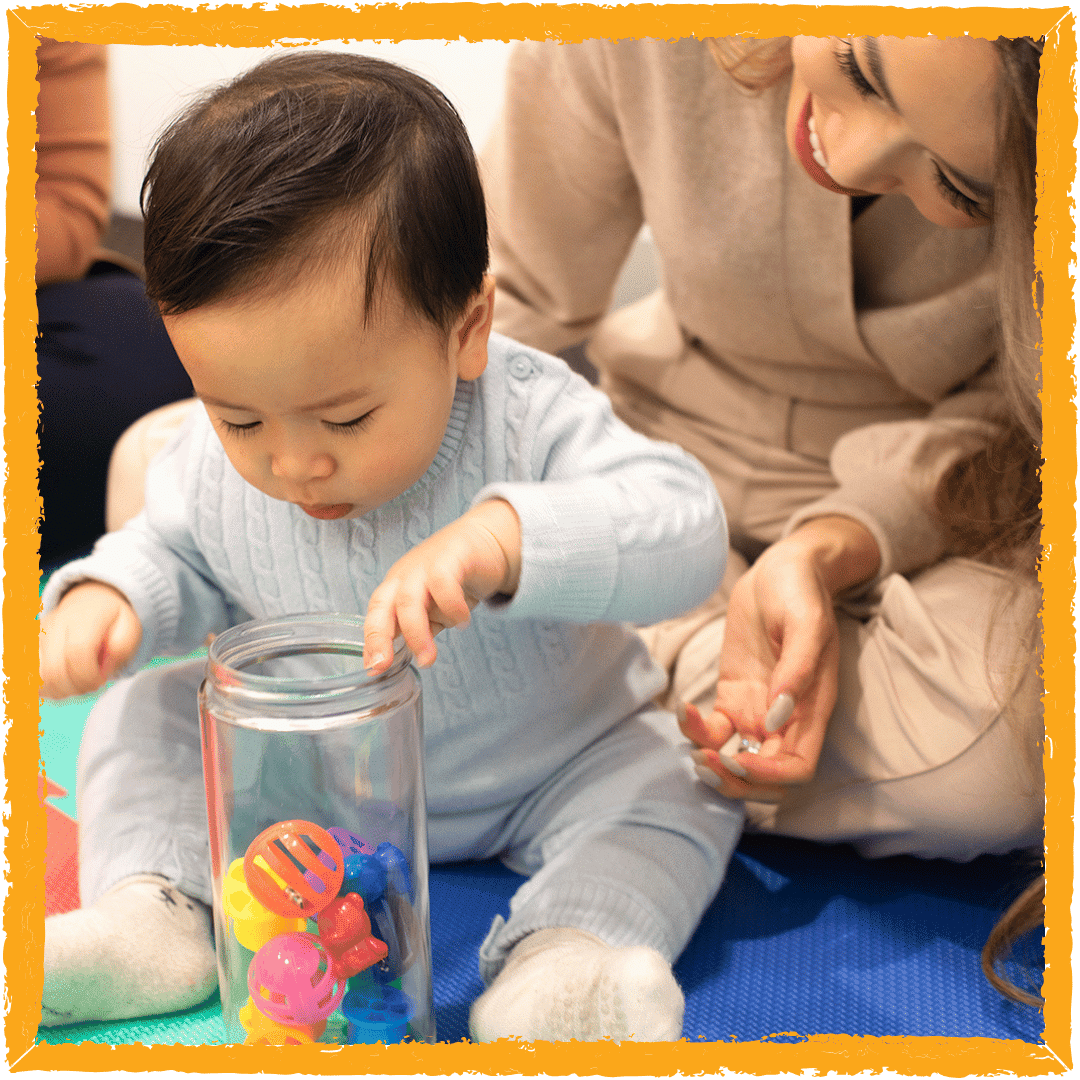
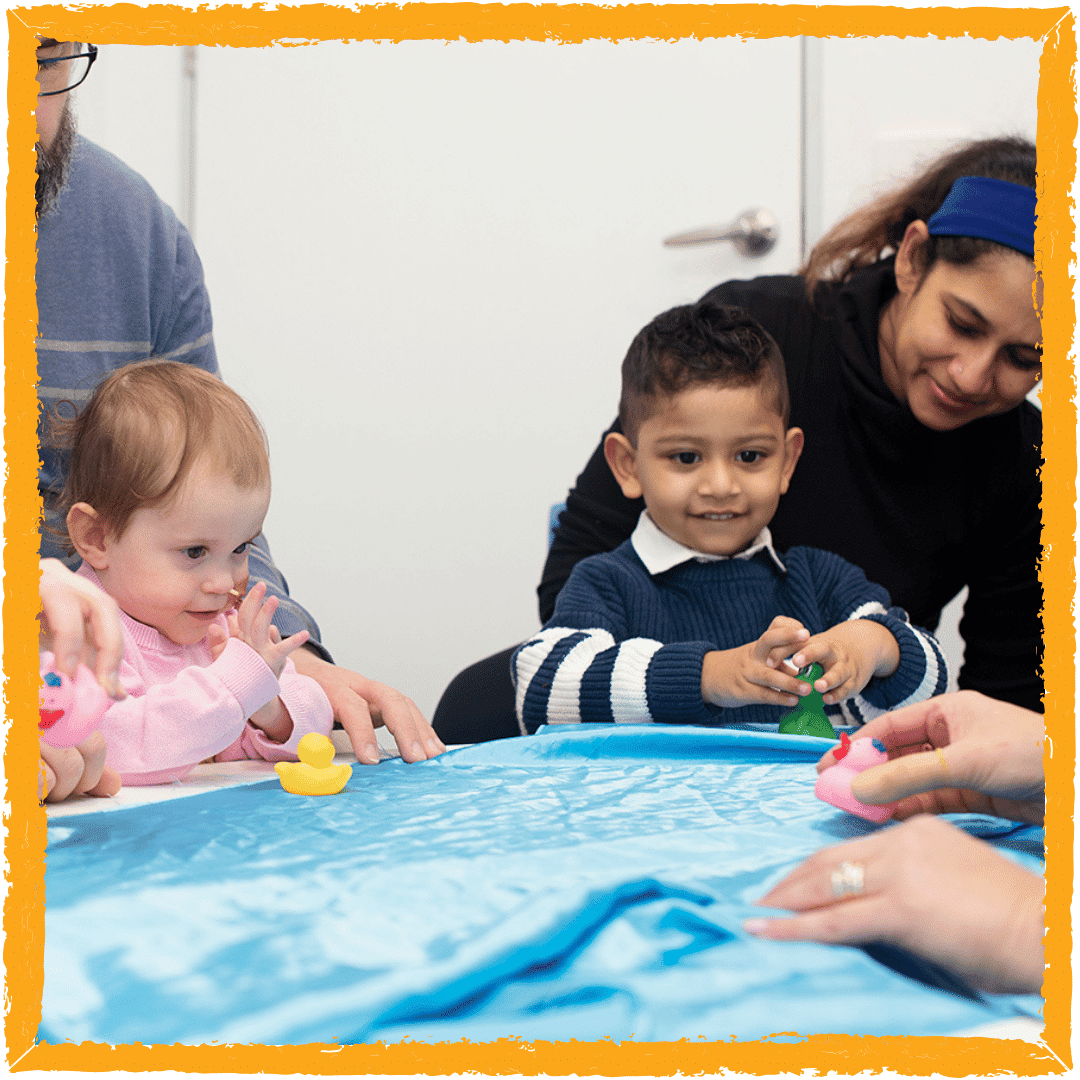
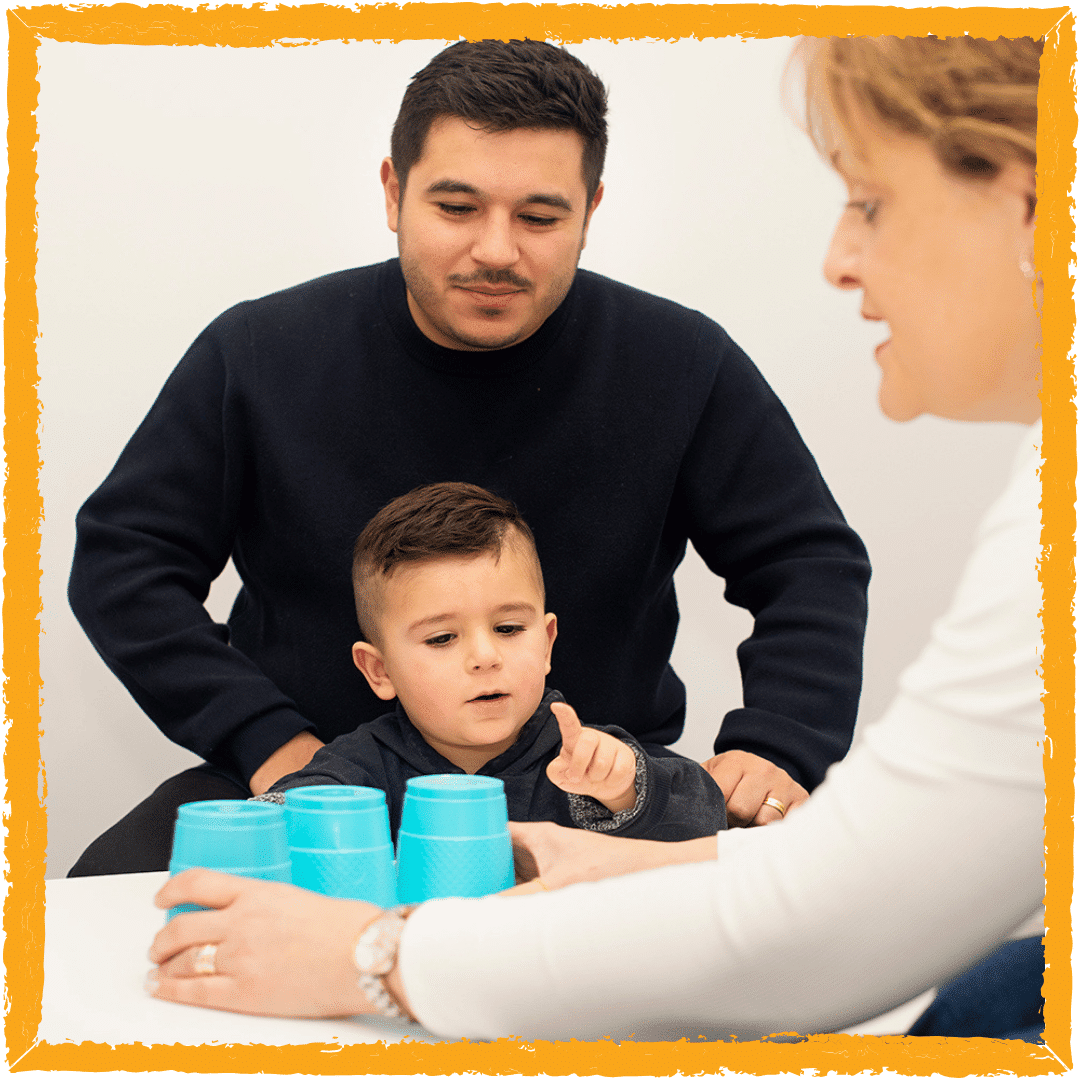
At Shichida Australia, we understand the importance of nurturing memory from an early age. Our programs are designed to engage children in fun and effective memory-training techniques that support both short-term and long-term memory development. By incorporating games, songs, stories, and repetition, we help children strengthen their recall abilities while keeping the learning process enjoyable.
Through targeted activities such as flashcards, memory-matching games, and auditory exercises, children develop key memory skills that will support them throughout their educational journey. Our focus on photographic, mnemonic, and auditory memory development ensures that memory is at the core of their learning, helping them build a solid foundation for future success.
Book a trial class today and discover why so many families trust the Shichida Method to give their children a head start in cognitive and memory development.