
Key Takeaways
- Speed reading for kids is not just about reading faster. It is about helping children process information more efficiently while still understanding what they read.
- For young learners, speed reading can support reading confidence, focus, memory, comprehension, and critical thinking.
- Children benefit most when speed reading is introduced in an age-appropriate, relaxed, and enjoyable way.
- At Shichida, the foundation for speed reading begins with speed listening, memory training, visualisation, focus, and whole-brain learning.
- Shichida’s approach does not rely on reading speed tests or pressure. The goal is to build confidence, comprehension, and a love of learning.
- To experience the full pathway towards Shichida’s speed reading activities, children should ideally begin before the age of five.
Designed for families with children up to 5 years old.

Speed Reading for Young Learners
Speed reading for kids is not about rushing through books. It is about helping children build confidence, focus, memory, and reading comprehension while learning to process information more efficiently.
When introduced in an age-appropriate way, speed reading can support young learners as they move through school and develop stronger learning habits. Let’s look at the benefits of speed reading for children and how Shichida helps build the foundations for this important skill.
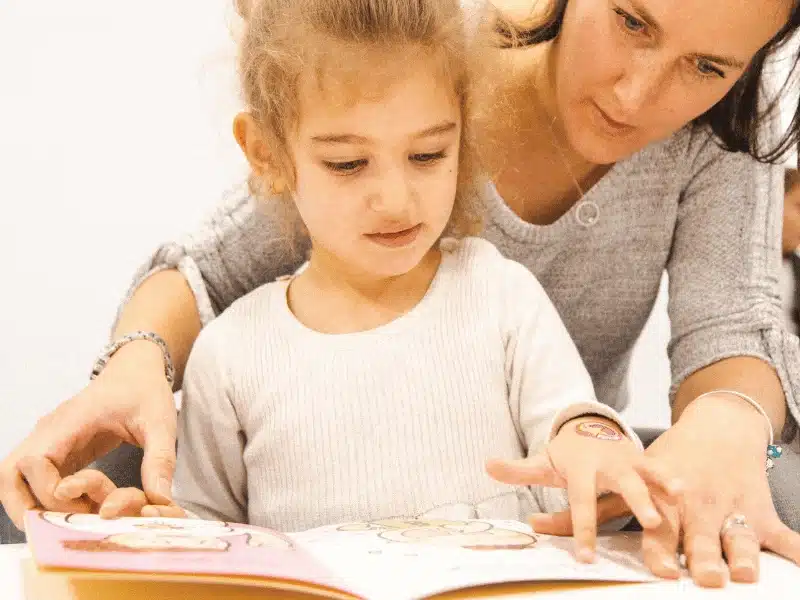
Image by Shichida Australia: In Shichida classes, shared reading gives children a chance to practise reading rhythm, recognise simple words and build confidence with basic sentences.
What Is Speed Reading?
Speed reading is the ability to recognise and process text more efficiently while still understanding what has been read. For children, the goal is not simply to read faster, but to build stronger reading fluency, comprehension, focus, and confidence.
There are three key components involved when children learn how to speed read:
Natural Vision
Natural vision involves learning to take in larger parts of the page, rather than focusing only on one word or one small section at a time.
The brain already has a natural ability to group information together to improve efficiency. Speed reading helps children strengthen this skill in a more intentional way.
Visualisation
Through visualisation, children learn to connect words with images, ideas, and meaning. This can make it easier for them to remember and understand what they have read.
Rather than seeing text as separate words only, children begin to relate what they read to pictures, experiences, and ideas they already understand.
Relaxation
A relaxed state can help children feel more confident and focused while reading, which may support better comprehension.
When children feel pressured, reading can become stressful. When they feel calm and supported, they are often more open to learning, remembering, and enjoying the process.
Children often have a strong natural capacity for visual learning, imagination, and pattern recognition. With the right training, they can learn strategies that help them read more efficiently while still understanding the meaning of the text.
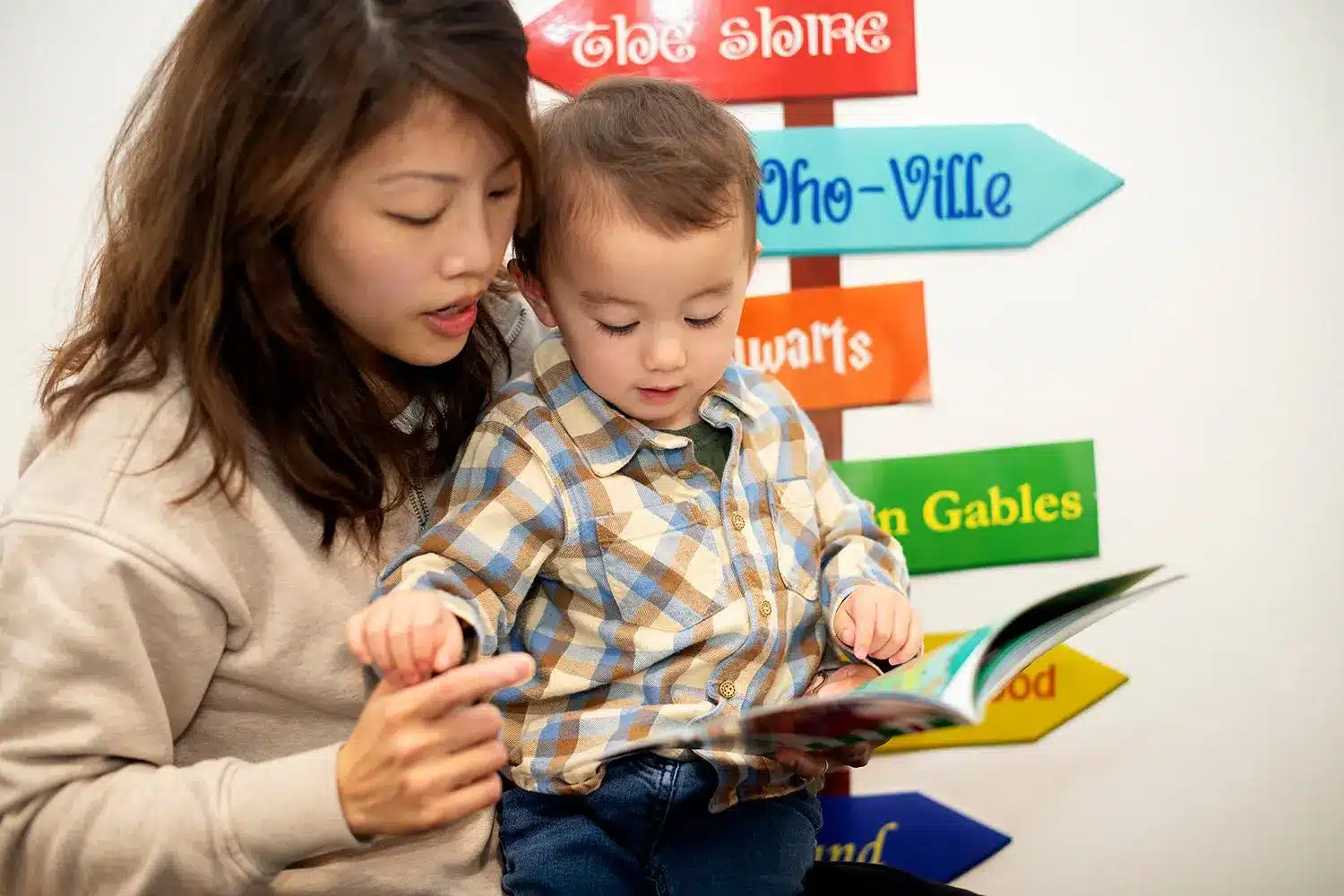
Image by Shichida Australia: Before class, quiet reading time helps children settle, connect with their parent and feel ready for learning in a calm way.
Is Speed Reading Safe for Children?
Speed reading can be safe for children when it is introduced in an age-appropriate, relaxed and supportive way. For young learners, speed reading should never mean rushing, guessing, skipping words or reading without understanding.
The goal is not to pressure children to read faster. The goal is to help them build the skills that support more efficient reading over time, including focus, visual tracking, memory, vocabulary, comprehension and confidence.
For children, reading speed should always be balanced with understanding. If a child reads quickly but cannot explain what they have read, then the skill has not been fully developed. This is why comprehension is such an important part of any speed reading activity.
At Shichida, speed reading is introduced gradually through age-appropriate activities. Children first build foundations such as listening, memory, visual processing, phonics, vocabulary and recall before moving into more advanced reading activities. This helps children feel capable, calm and confident as they learn.
When speed reading is taught with patience and care, it can support a child’s learning journey without taking away from their love of reading.
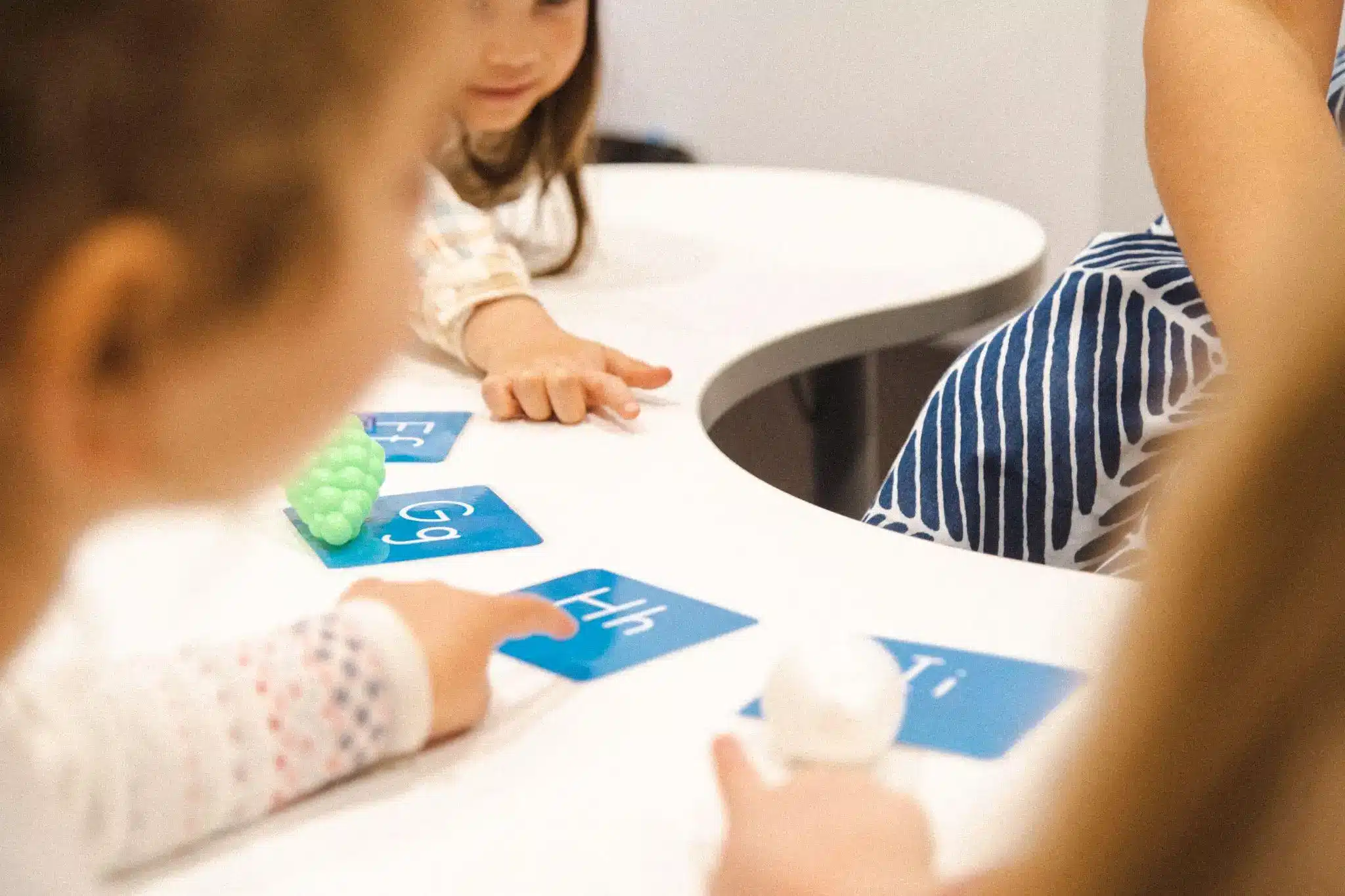
Image by Shichida Australia: Letter matching games help preschoolers practise letter recognition, sound awareness and early literacy skills in a playful way.
Speed Reading vs Reading Fluency: What’s the Difference?
Reading fluency is the ability to read smoothly, accurately and with understanding. Speed reading focuses on processing text more efficiently. For children, the goal should be to build fluency first, then introduce faster processing in a way that still protects comprehension.
Speed Reading Benefits for Children
Speed reading can support children in many ways, especially when it is introduced as part of a wider learning program that values comprehension, confidence, and enjoyment.

Image by Shichida Australia: Children benefit from reading activities that build focus, memory, confidence, recall and stronger thinking skills.
1. Process More Information in Less Time
Speed reading can help children process information more efficiently. When children become more confident readers, they may find it easier to work through stories, school texts, instructions, and learning materials.
With age-appropriate training, children can learn to recognise patterns, understand meaning more quickly, and connect new information with what they already know.
This skill can support children throughout their learning journey, helping them build confidence as they move through school and take on more complex reading tasks.
2. Increased Confidence
Children who read more fluently may feel more confident in their abilities. This can support their learning, class participation, and overall self-esteem.
Whether they are joining class discussions, presenting ideas, or reading independently, stronger reading skills can support a child’s confidence in many learning situations.
When children feel capable, they are often more willing to try, make mistakes, ask questions, and keep learning.
3. Increased Focus and Concentration
Speed reading activities require focus and concentration. Over time, this can help children practise paying attention to information, following meaning, and staying engaged with what they are reading.
Speed reading activities may also support children who are still building their attention and concentration skills. Sometimes, children have strong ability but find it difficult to show what they know when their attention shifts quickly.
The ability to focus is especially important as children prepare for more formal school settings. In the classroom, children are often expected to listen, follow instructions, complete tasks, and stay engaged for longer periods of time.
4. Improved Memory and Recall
Speed reading can support memory and recall by helping children connect information more efficiently.
Like many learning skills, memory can improve with regular, purposeful practice. When children practise reading, listening, visualising, and recalling information, they strengthen the skills needed to remember what they have learned.
As children grow, stronger memory and recall can support reading, class participation, presentations, and later study habits.
5. Stronger Critical Thinking Skills
Speed reading is not only about moving through text quickly. It can also help children identify key information, make connections, and think more deeply about what they read.
As children become more confident readers, they can begin to notice key ideas, ask questions, compare new information with what they already know, and form their own opinions.
These skills can support children well beyond reading, helping them think more clearly and confidently as they learn.
Need some fun early learning resources? Shichida has plenty!

How Shichida Teaches Speed Reading for Kids
At Shichida Australia, speed reading for children is introduced through age-appropriate activities based on the wave speed reading method developed by Professor Makoto Shichida.
Rather than asking children to read word by word only, Shichida uses methods that help children recognise sentences, phrases, and meaning more efficiently. The aim is to support both reading speed and comprehension.
For example, children may read short, age-appropriate passages and then answer comprehension questions. This helps them practise reading efficiently while still focusing on meaning, understanding, and confidence.

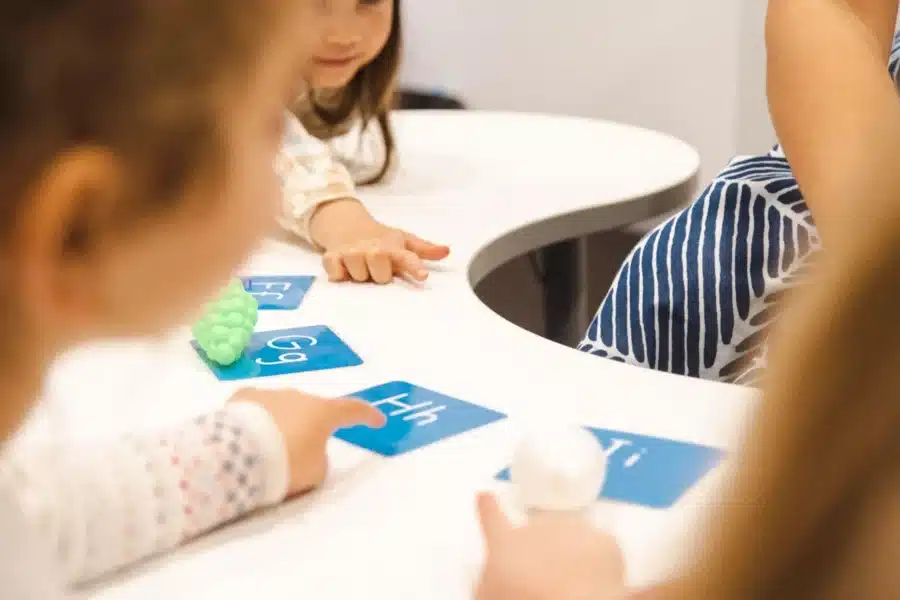
Image by Shichida Australia: In Shichida classes, alphabet flashcards support letter recognition, phonics awareness and focused visual attention.
Shichida Pathway Towards Speed Reading
In Shichida, the pathway towards speed reading begins long before children are expected to read independently. Children build the foundations for efficient reading through age-appropriate activities that develop attention, visual tracking, listening, memory, language, comprehension and confidence.
The pathway includes:
- Visual attention and tracking: Children practise following fast-paced visual input through flashcards, picture cards and other visual activities.
- Listening and language development: Children build language through songs, stories, rhythm, repetition and teacher-led activities.
- Vocabulary and word recognition: Children are introduced to words, images and meaning through age-appropriate vocabulary activities, picture-word matching and repeated exposure.
- Early literacy foundations: Children build phonics, letter recognition, sight words and sound awareness in ways suited to their age and stage.
- Memory and recall practice: Children practise remembering and recalling information through memory games, sequencing, recitation and question-based activities.
- Visual processing skills: Children learn to take in information quickly, recognise patterns and connect visual input with meaning.
- Speed listening: In late kinder, children listen to stories at faster speeds while still following meaning. This helps train focus, listening, memory and information processing.
- Short reading passages and recitation: As children become ready, they practise short passages and recitation to support fluency, confidence and expression.
- Comprehension questions: Children answer questions about what they hear or read, helping them connect speed with understanding.
- Confidence-building practice in class: Children practise responding, participating and sharing answers in a supportive class environment.
- Primary speed reading activities: In the Primary program, children gradually practise reading more efficiently while maintaining comprehension and confidence.
Important note: These skills are not taught in one isolated stage. Phonics, letter recognition, sight words, vocabulary, picture-word matching, memory games, sequencing and recitation are built across the Shichida program in age-appropriate ways, becoming more advanced as children grow.

Image by Shichida Australia: Shichida primary students practise visual memory and recall by quickly viewing short passages, then writing down what they remember.
Speed Listening: The Foundation for Speed Reading
At Shichida, the foundation for speed reading begins with speed listening.
In the late kinder program, children are introduced to speed listening by hearing stories at faster speeds, such as four times and then two times the natural speed. This helps train focus, listening, memory, and information processing before more advanced speed reading activities are introduced.
Once children have developed their speed listening skills, they move on to age-appropriate activities designed to support their reading development, comprehension, memory, and confidence.
Why Shichida’s Approach Is Different
Shichida does not focus on reading speed tests or pressure. As children progress through the Primary program, they are gradually introduced to more advanced speed reading activities that draw on Professor Shichida’s research.
The focus remains on comprehension, confidence, memory, and enjoyment, not simply reading as fast as possible.
Shichida also emphasises the fun in speed reading. Children learn in an encouraging, in-person environment where they can practise, participate, and feel supported.
The in-person approach gives children encouragement, guidance, and interaction that a speed reading app cannot always provide.
To experience the full pathway towards Shichida’s speed reading activities, children should ideally begin before the age of five.

Image by Shichida Australia: In Shichida classes, children use word and picture cards to practise vocabulary, visual recognition and language understanding.
How Parents Can Support Reading Speed at Home
Quick answer: Parents can support reading speed at home by reading aloud daily, asking comprehension questions, playing memory games, using visual tracking activities and avoiding pressure. These activities help children build the focus, memory, vocabulary and confidence needed for stronger reading skills.
The aim is not to make children read as quickly as possible, but to help them become more comfortable and confident with language.
If you are looking for resources, Shichida has plenty of DIY for at home learning. Take a look here!
1. Read aloud every day
Reading aloud helps children hear rhythm, expression, sentence patterns and new vocabulary. For babies and toddlers, this may mean short picture books, songs and repeated phrases. For older children, it may include stories, poems, information books or shared reading time.
Daily reading also helps children build a positive relationship with books, which is one of the most important foundations for reading confidence.
2. Ask simple comprehension questions
After reading, ask your child simple questions about the story or information. You might ask, “What happened first?”, “Who was in the story?”, “What do you think will happen next?” or “Why do you think the character did that?”
These questions help children connect reading with meaning. They also teach children that understanding is just as important as reading the words.
3. Play memory games
Memory supports reading because children need to remember sounds, words, meanings, instructions and story details. Simple games such as matching cards, “What’s missing?”, sequencing pictures or retelling a short story can help children practise recall in a fun way. You an also practise sight words reading by using a memory game format!
These activities also support concentration, attention and confidence.
4. Use visual tracking games
Visual tracking helps children follow information with their eyes. At home, parents can practise this through simple activities such as following a moving object, tracing lines with a finger, finding items in a picture book, matching picture cards or following words as you read aloud.
These activities help children practise looking carefully, staying focused and taking in visual information.
5. Avoid pressure
The most important thing parents can do is keep reading positive. Avoid timing your child, comparing them with others or pushing them to read faster before they are ready.
Children learn best when they feel calm, supported and capable. Praise effort, focus and understanding, not just speed. When children enjoy reading and feel confident, they are more likely to keep practising and improving over time.
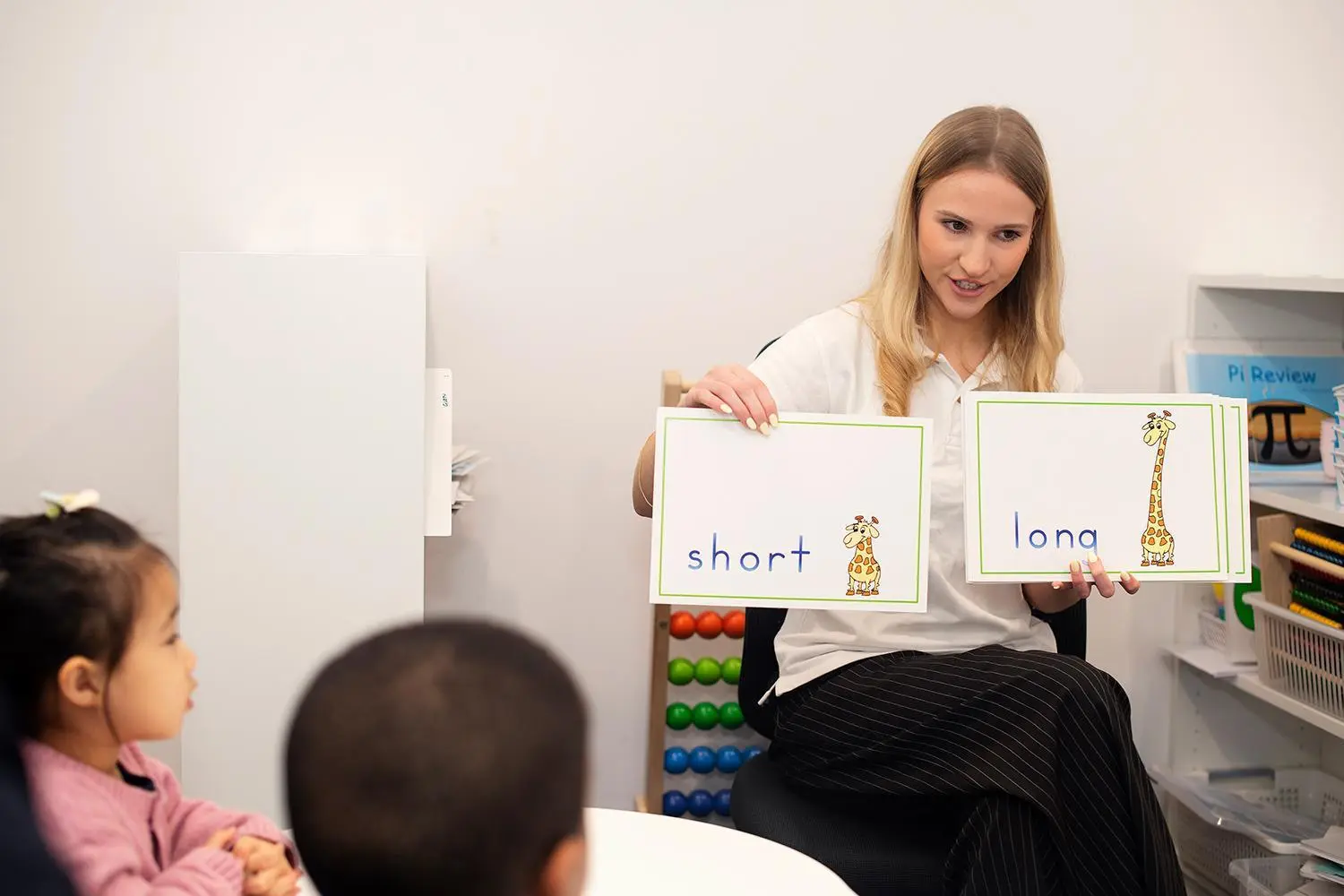
Image by Shichida Australia: Pairing pictures with songs helps children understand new concepts, remember words and stay engaged in learning.
Supporting Your Child’s Reading Development with Shichida
At Shichida Australia, we believe strong learning habits begin early. Through activities that support memory, concentration, listening, visualisation, language, and confidence, our early childhood and Primary programs help children build the foundations that support speed reading and future learning.
Speed reading for kids works best when it is part of a broader approach to learning. That means helping children develop focus, comprehension, imagination, recall, and confidence from the early years.
Book a trial class to experience our program and see how Shichida can support your child’s learning journey. Enrolments are currently open for ages 6 months to 5 years old.
FAQs About Speed Reading for Kids
Speed reading for kids is the ability to process text more efficiently while still understanding what has been read. For children, the focus should be on reading confidence, comprehension, memory, and focus, not simply reading as fast as possible.
Speed reading can be helpful for children when it is introduced in an age-appropriate way. It can support reading fluency, concentration, memory, comprehension, and confidence.
At Shichida, children build the foundations for speed reading before formal speed reading activities begin. This includes speed listening, memory training, visualisation, focus, and language activities. To experience the full pathway, children should ideally begin before the age of five.
Speed reading should not come at the expense of comprehension. At Shichida, the aim is to help children process information efficiently while still understanding and remembering what they read.
Speed listening is an activity where children listen to stories or information at a faster pace than normal. At Shichida, speed listening helps children build focus, listening skills, memory, and information processing before more advanced speed reading activities are introduced.
Shichida introduces speed reading through age-appropriate activities that support natural vision, visualisation, relaxation, memory, concentration, and comprehension. Children gradually build these skills through the late kinder and Primary programs.
Read with your child regularly, ask simple comprehension questions, build vocabulary, play memory games, practise listening activities, and keep reading enjoyable. The goal is to build confidence and understanding first, with speed developing gradually over time.