Key Takeaways
- In NSW, preschool programs are usually for children aged three to five and are offered through community preschools, long day care and several other approved service types.
- Preschool and Shichida serve different purposes. Preschool provides longer periods of play, peer interaction, routines and early childhood education; Shichida provides one structured parent-and-child class each week.
- Shichida is not childcare or a preschool replacement. Some families use it alongside preschool or childcare, while others include it among the learning experiences they provide before school.
- Shichida classes move through 20–25 brief activities involving areas such as memory, language, early literacy, numeracy, concentration, creativity and problem-solving.
- Parents attend with children under five, so they can see how their child responds and take practical activity ideas home.
- Children can begin Shichida from six months. New enrolments are accepted before age five, and children who start during this period can continue through the Primary School Program to age nine.
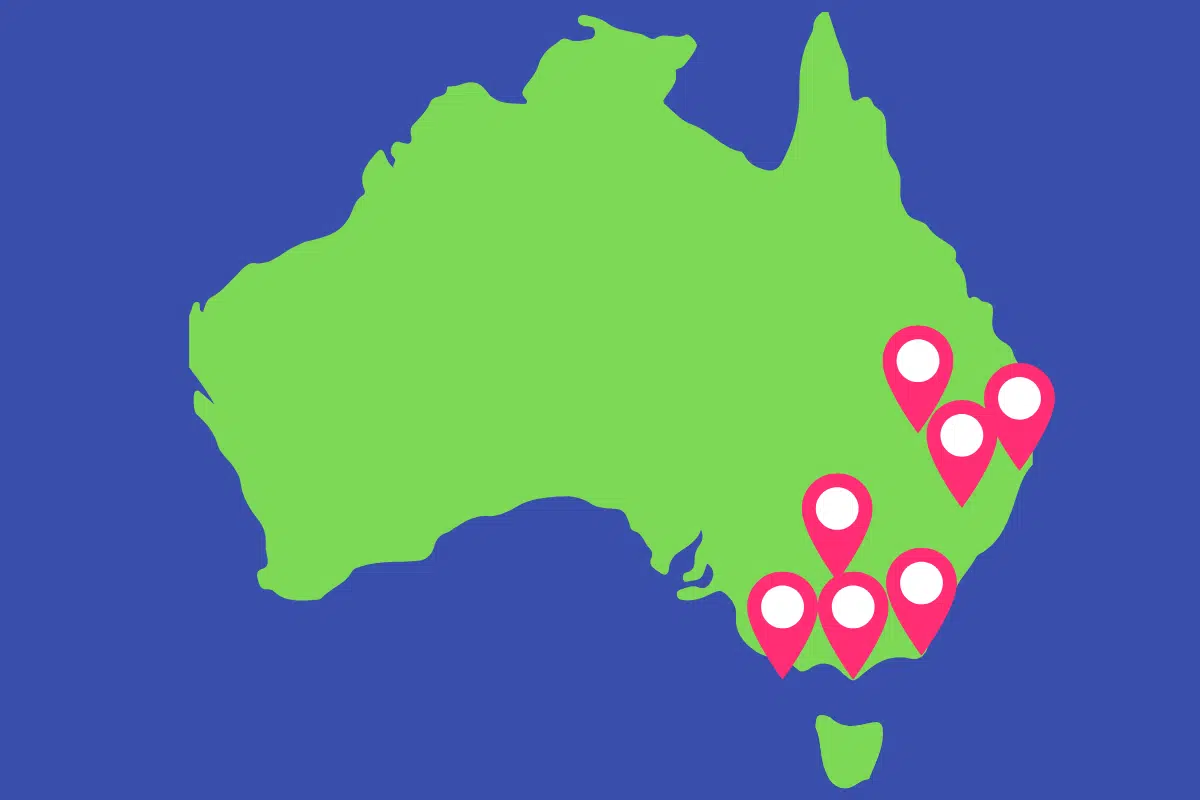
- Shichida has Sydney centres in Chatswood, Parramatta and Burwood. A trial class lets families see the pace, teaching style and activities before deciding whether the program suits their child.
If you are looking for early learning classes in Sydney, you may be comparing weekly programs with preschool or childcare. Although they all support young children, they do not provide the same experience.
Preschool gives children extended time in an early childhood setting, usually without a parent present. Shichida is a weekly, 50-minute parent-and-child class with its own age-based curriculum. It does not provide childcare and it is not a preschool.
Many families use both. Preschool may provide longer periods of play, routines and time with other children, while Shichida gives parents and children one structured class each week covering memory, language, literacy, numeracy, concentration and problem-solving.
This guide explains how the Shichida Method classes work, how they differ from preschool and what Sydney parents should consider before choosing an early learning program.
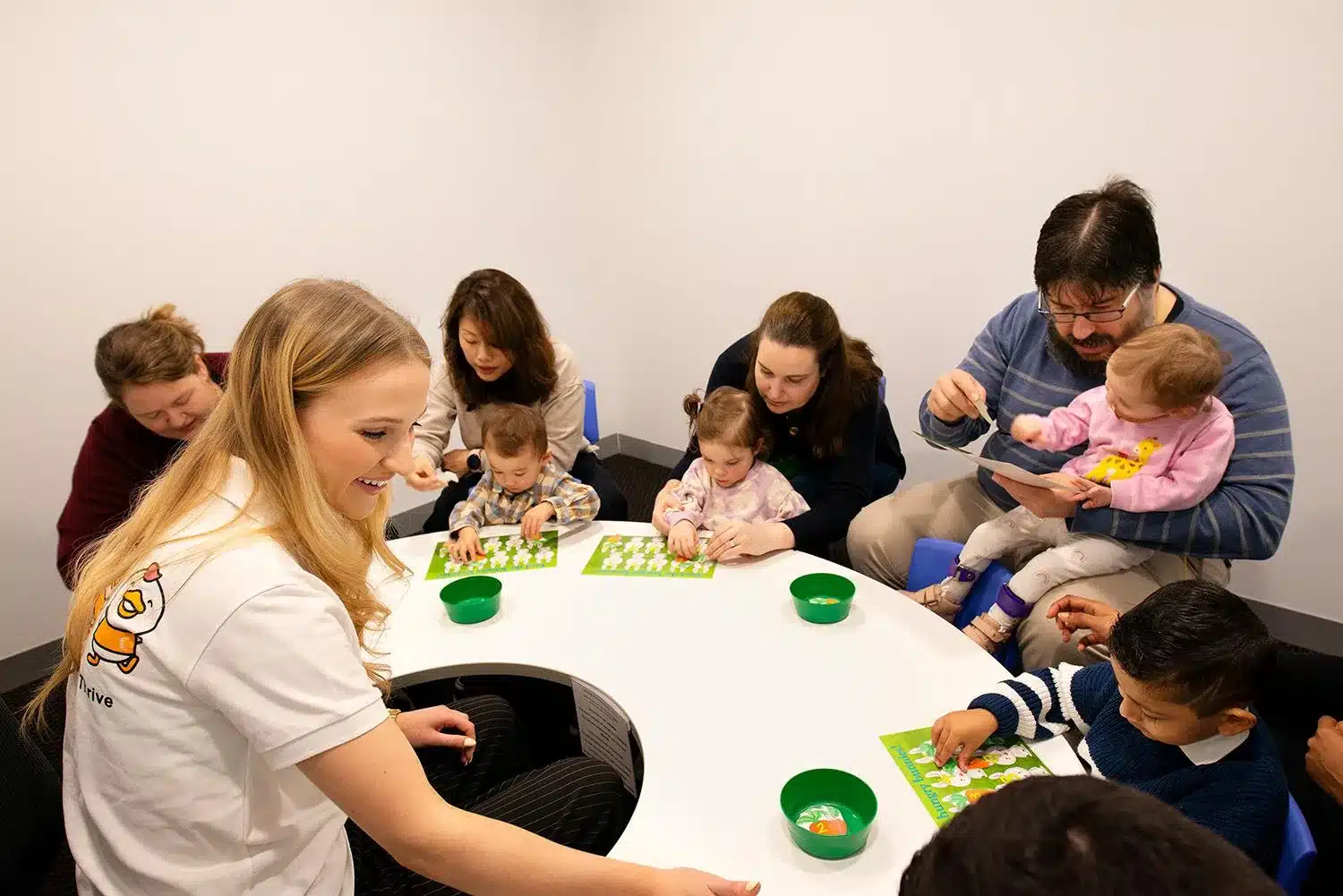
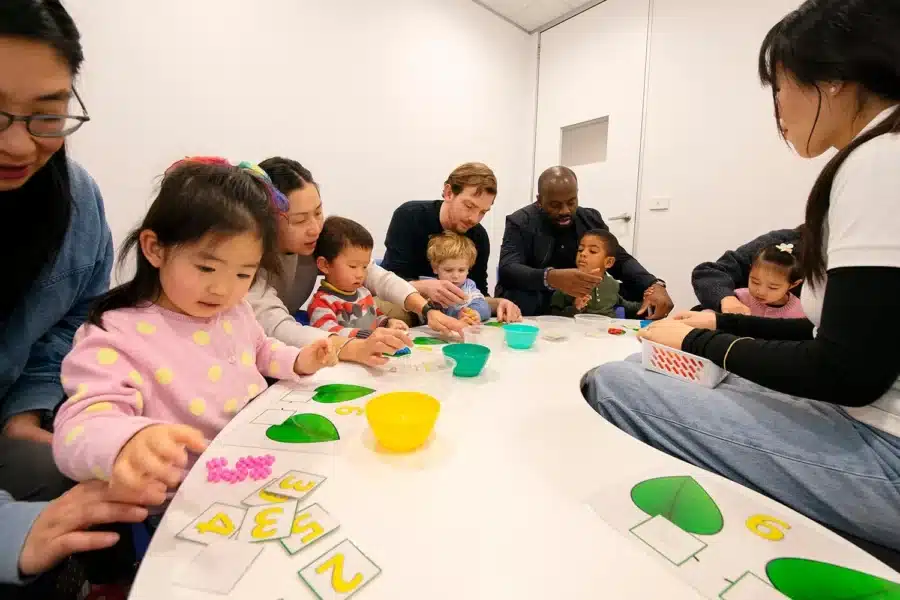
Photo by Shichida Australia: Toddlers match numbered carrots with numbered rabbits during a parent-and-child class, practising number recognition, visual discrimination, concentration and early numeracy through hands-on play.
Quick Answer: Is Shichida a Preschool?
Shichida offers weekly early learning classes in Sydney for children from six months old. It is not a preschool or childcare service. Preschool usually provides longer periods of play-based learning, routines and interaction with other children, while Shichida uses 20–25 brief activities in a 50-minute parent-and-child class. Families can attend Shichida before preschool or use both programs alongside each other.
What Does Preschool in Sydney Usually Provide?
The NSW Department of Education’s preschool guide describes preschool programs as being usually for children aged three to five, or during the two years before primary school.
Children spend longer periods learning through play, taking part in group routines and building relationships outside the family. Depending on the service and the child, this can include language and literacy, early numeracy, movement, music, creative work, independence, communication and preparation for school.
Where Are Preschool Programs Offered?
In Sydney, a preschool program may be delivered through:
- a community preschool
- a long day care service
- a NSW Department of Education preschool
- a mobile preschool
- some family day care services
Hours, enrolment patterns, fees and available care vary. Long day care may suit a family that needs extended hours, while a community or public preschool may run shorter sessions on particular days.
Approved services are assessed against the National Quality Standard. The NSW Department of Education recommends checking a service’s quality rating, hours, fees, educator arrangements, philosophy and approach to family involvement. Its choosing a quality service guide gives parents a useful list of questions to ask.
What Is the Early Years Learning Framework?
Approved early childhood services use Belonging, Being and Becoming: The Early Years Learning Framework for Australia. The framework guides educators as they plan, deliver and assess play-based learning that supports children’s identity, wellbeing, communication and development. The current approved frameworks are available through ACECQA.
For a parent-friendly explanation, see Shichida Australia’s guide to the Early Years Learning Framework.
Shichida is not an approved preschool or childcare service and is not governed by the EYLF. It follows a separate Shichida curriculum. The two should not be presented as competing versions of the same program.
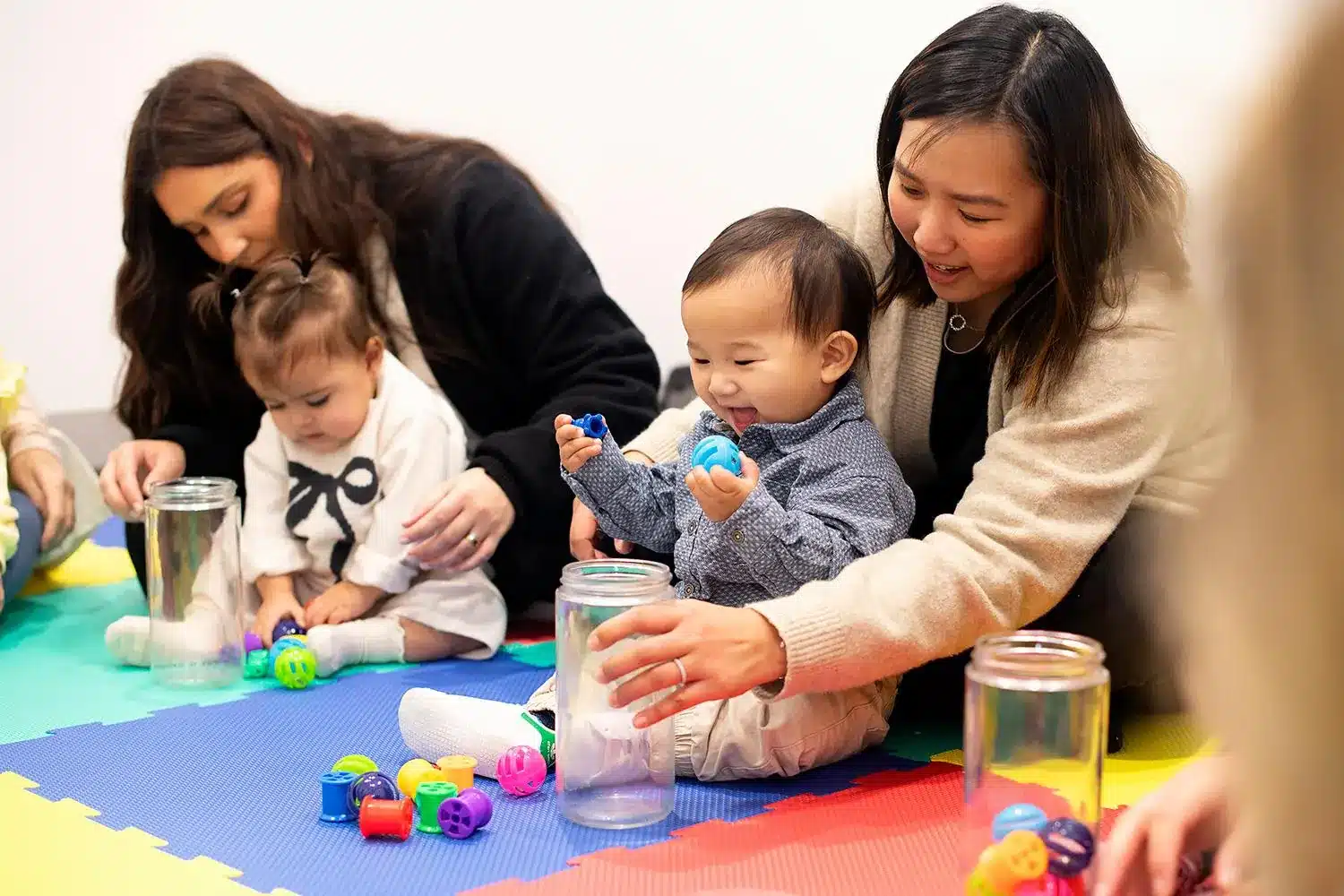
Photo by Shichida Australia: Babies place coloured balls into narrow jars during an early learning baby class, practising grasp and release, hand–eye coordination, concentration and spatial awareness.
Early Learning Classes Sydney – Where Do Weekly Classes Fit?
An early learning enrichment program gives children regular learning experiences through a particular curriculum or teaching method. These programs do not usually offer all-day care. They may concentrate on one area, such as music or movement, or work across several areas.
Shichida sits in the second group. It is a structured early learning program using short activities that involve language, memory, early literacy, numeracy, problem-solving, creativity and concentration.
Parents can also view the full Shichida program to see how these learning areas fit together.
The pace is different from preschool. A preschooler might spend a long stretch building, drawing or playing with friends. In a Shichida class, the teacher moves between many brief activities. Children listen, look, respond, sing and work with hands-on materials, with their parent beside them.
Why Do Families Add Shichida to the Week?
Parents come for different reasons. Some want a wider range of learning activities than they know how to provide at home. Some value a curriculum that revisits skills as their child grows. Others want one scheduled time each week when they can learn with their child and see how a teacher presents each activity.
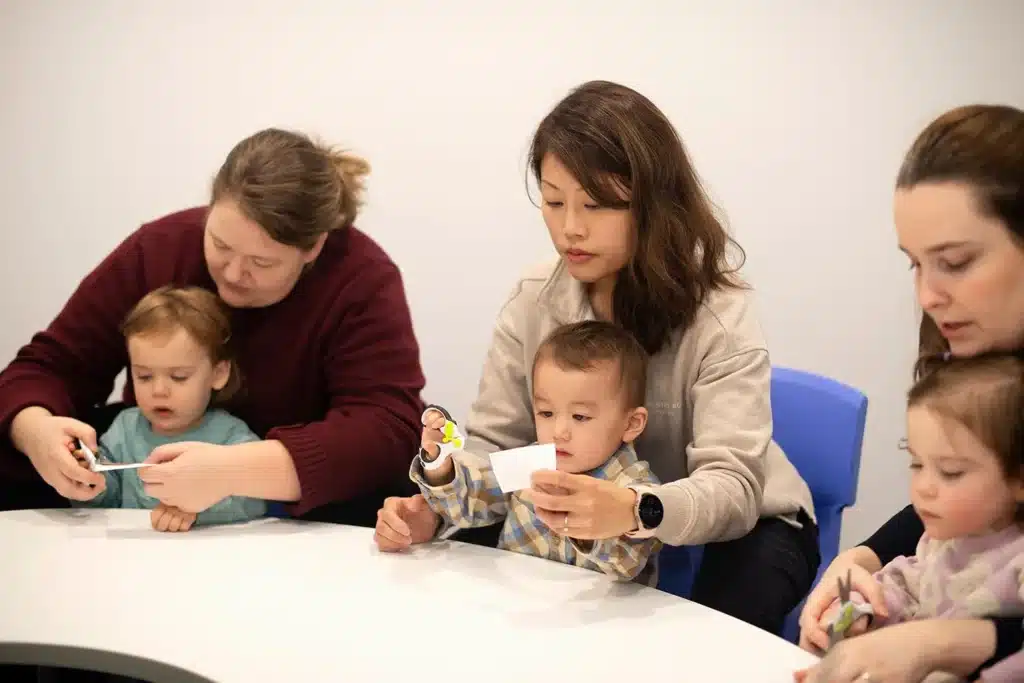
At Shichida, parents participate with children under five. They can watch how their child approaches a challenge, hear the language used by the teacher and take ideas into everyday play at home.
Shichida can be an important part of a child’s early learning, but it does not reproduce the longer peer interaction, care or daily routines of preschool. Many families use both for different reasons.
What Happens in a Shichida Class?
The Shichida Method was developed by Professor Makoto Shichida in Japan more than 65 years ago. In Australia, preschool-aged children attend one 50-minute class each week with a parent.
Each lesson moves through 20–25 brief activities. The mix may include memory, early literacy, numeracy, language, problem-solving, creativity, concentration, songs and fine-motor work.
For a detailed comparison checklist of Shichida vs Preschool please download here.
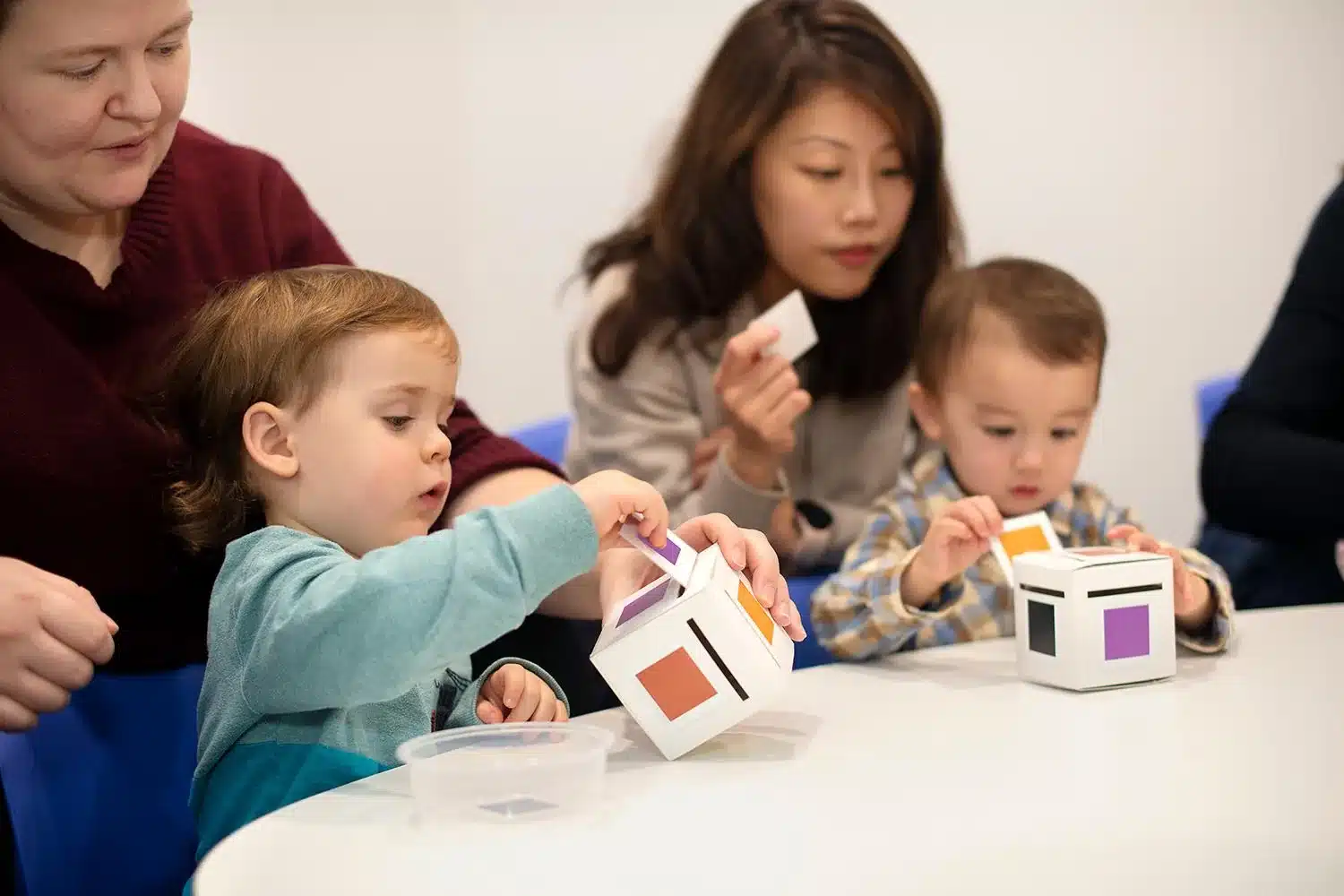
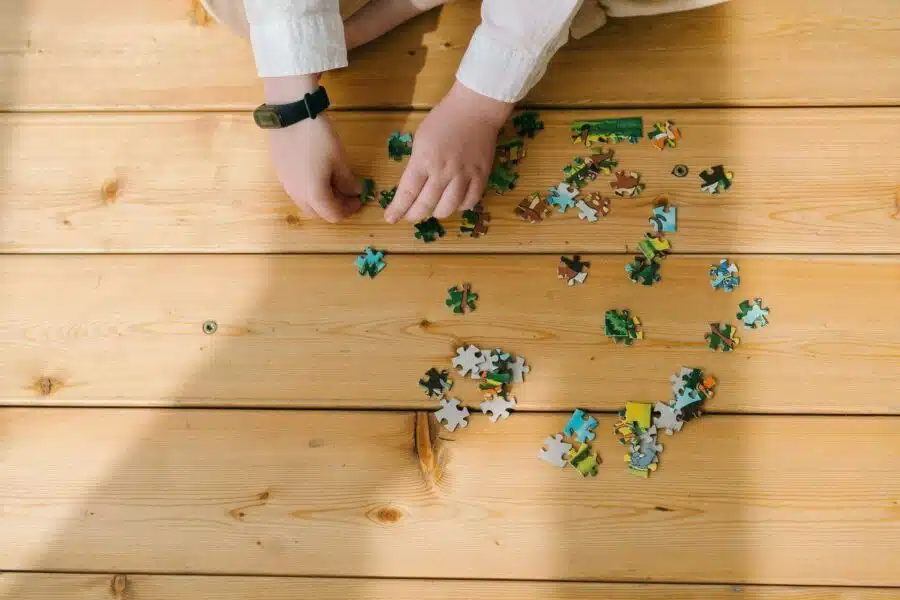
Photo by Shichida Australia: Toddlers match coloured cards to a cube, working on visual discrimination, hand–eye coordination, concentration and problem-solving.
What Does “Whole-Brain Learning” Mean at Shichida?
Whole-brain learning is Shichida’s term for bringing many types of learning into the same program. Professor Shichida’s original philosophy placed particular attention on imagination, visualisation, intuition and creativity, alongside language, memory and logical thinking.
It should not be read as a claim that children use only one side of the brain at a time. In the classroom, it means children move between different demands: they might listen to music, picture a scene, remember a sequence, solve a number problem and take part in sensory play within one lesson.
Learning Is Broader Than School Readiness
Shichida includes literacy, numeracy, memory and thinking skills, but the aim is not to push preschoolers into formal schoolwork early.
Children also practise listening, persistence, confidence, curiosity and communication. A child may not answer correctly the first time an idea appears. Teachers bring skills back across later lessons so understanding has time to grow. The program is designed to help children enjoy learning, not turn every activity into a test.
Parents Are Part of the Class
For children under five, the teacher guides both parent and child. Parents see what their child notices, where they hesitate and which activities draw them in. They also learn simple ways to repeat ideas at home without trying to recreate the whole lesson.
This shared participation is why parent-child learning and bonding are built into the Shichida Method.
Sensory play can help nurture resilience and development. Download a free sensory play guide here.
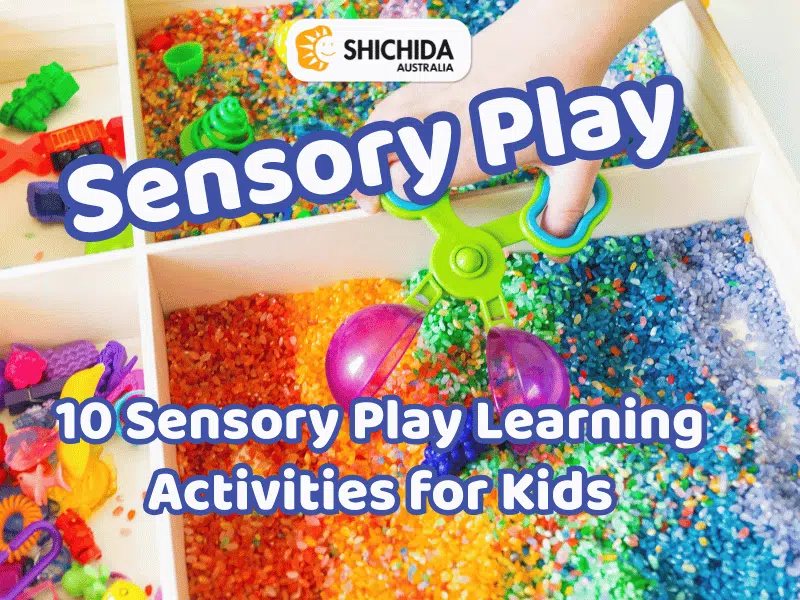
If your child enjoys these types of activities, a Shichida trial class is a great way to see how structured play can support coordination, focus, memory and early learning confidence.
Book a trial class or contact us to find your nearest centre.
A Learning Pathway From Six Months
Shichida’s curriculum begins from six months. New students can join before age five. Children who begin during this entry period can continue into the Pre-Primary and Primary stages through to age nine, with activities becoming more advanced as they grow.
Baby classes use songs, sensory experiences, movement, parent interaction and brief visual activities suited to that stage.
Shichida Centres in Sydney
Sydney families can attend Shichida in Chatswood, Parramatta or Burwood.
Every Shichida early learning centre follows the same age-based curriculum.
Age Groups and Program Stages
Shichida is one continuous program that changes as a child grows:
- Baby: 6–12 months
- Toddler: 1–3 years
- Kinder / Preschool: 3–5 years
- Pre-Primary: 5–7 years
- Primary: 7–9 years
New enrolments are accepted before age five. Children who join during the entry period can continue through the later program stages to age nine.
See Whether Shichida Suits Your Child
Reading can explain the difference between preschool and Shichida, but it cannot show you how your child will respond to the pace, the teacher or the activities.
A Shichida trial lets you sit in on a real class with your child. You can see the parent-child format, watch how the teacher moves between activities and decide whether the program is a good fit for your weekly routine.
Shichida welcomes new enrolments from six months to before age five, with Sydney centres in Chatswood, Parramatta and Burwood.
Book a Shichida trial class or contact the team to find your nearest centre.
FAQs About Preschool and Early Learning Classes Sydney
No. Shichida is not a preschool or childcare service. It is a structured early learning program with its own age-based curriculum. Children attend a weekly 50-minute class covering areas such as memory, literacy, numeracy, problem-solving, concentration, creativity and communication.
Yes. Shichida can form a core part of your child’s early learning journey. It begins from six months old, so families can introduce structured learning well before the traditional preschool years. Parents can separately choose whether preschool, kinder or childcare also suits their child and family.
Yes. Families can choose to use both. Shichida follows its own curriculum and is separate from preschool, so parents can decide which combination of early learning and care options best suits their family.
Children can start Shichida from six months old, with new enrolments accepted before age five. Children who join during these early years can continue through the program until nine years old.
Shichida Australia has Sydney centres in Chatswood, Parramatta and Burwood.
Preschool generally provides longer sessions centred around play, relationships, social development, independence and preparation for school. Shichida provides a 50-minute weekly structured learning class following its own progressive curriculum. Parents also participate alongside their children during the early years.
Montessori and Reggio Emilia are educational approaches that may shape a child’s broader early learning environment. Shichida follows its own structured curriculum and teaching method, using short, varied activities across multiple areas of learning within each weekly class.
Yes. Parent participation is a core part of Shichida during the early years. Teachers demonstrate activities to the parent and child, who then work through games and activities together. This also gives parents ideas and techniques they can use at home.
A Shichida class is 50 minutes long. Lessons move through many short, fast-paced activities designed to keep young children engaged while exposing them to a wide range of learning experiences.
No. Structured early learning can begin much earlier. Shichida accepts children from six months old, with activities changing according to the child’s age and stage.
The easiest way to understand the program is to experience it. A trial class lets you see the pace, activities, teacher guidance and parent-child learning firsthand before deciding whether Shichida is right for your family.
References
- NSW Department of Education. Getting ready for preschool.
- NSW Department of Education. Choosing a quality early childhood education and care service