Shichida Students Achieve Strong Year 3 NAPLAN Results
All 13 children whose Year 3 NAPLAN reports were shared with Shichida Australia achieved Strong or Exceeding across every assessment area. Every child also scored above the national average in Numeracy, Spelling and Grammar & Punctuation, with several achieving Exceeding – the highest proficiency level – across all five areas.
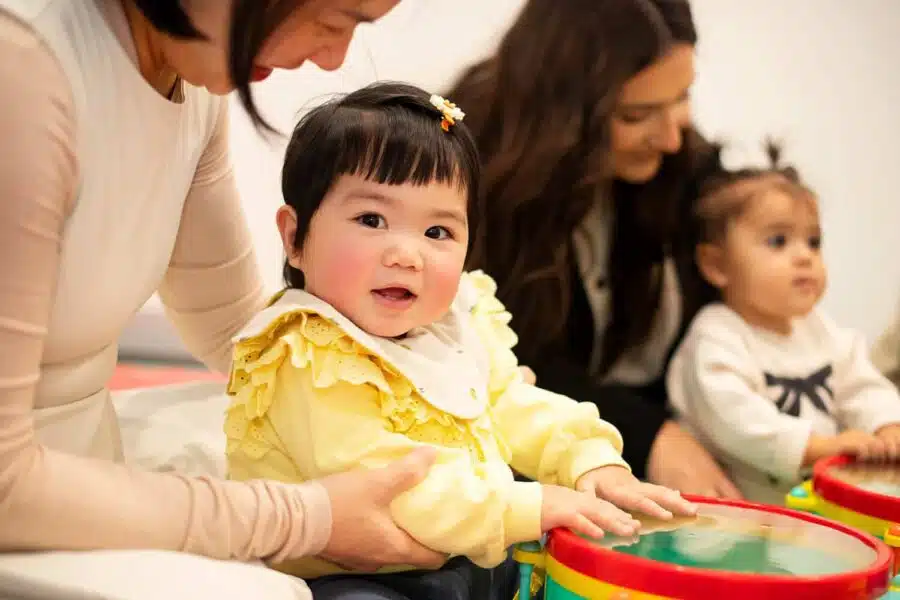
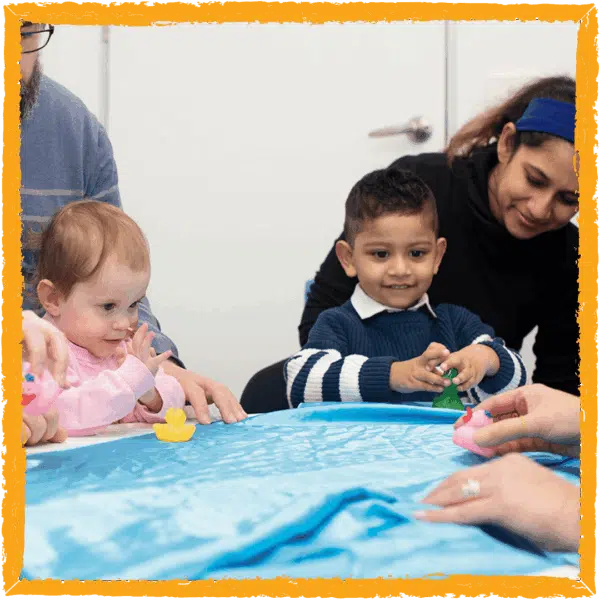
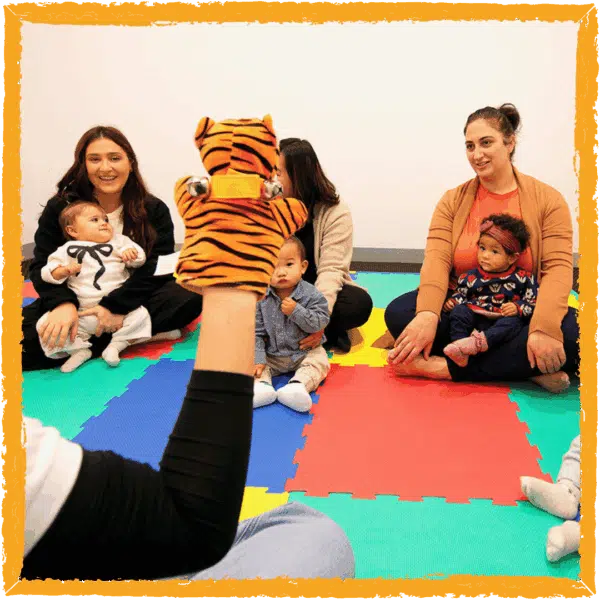
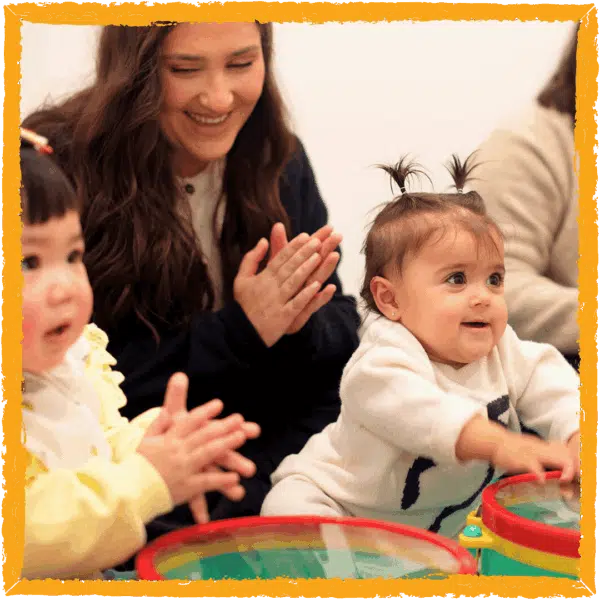
At Shichida, children often begin their learning journey years before they start school.
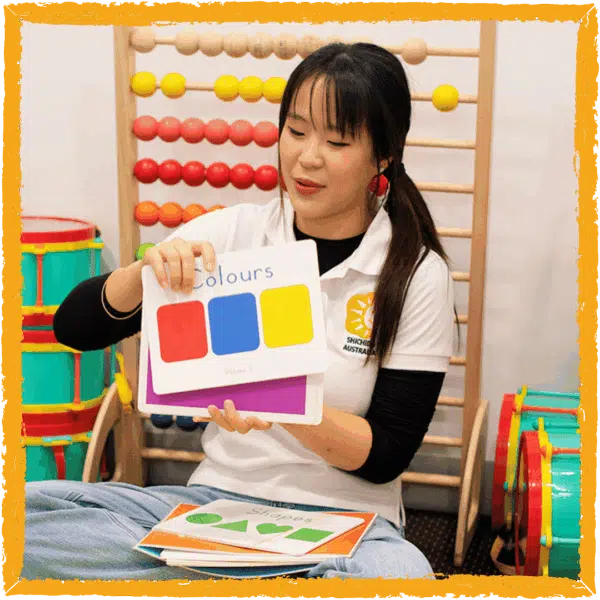
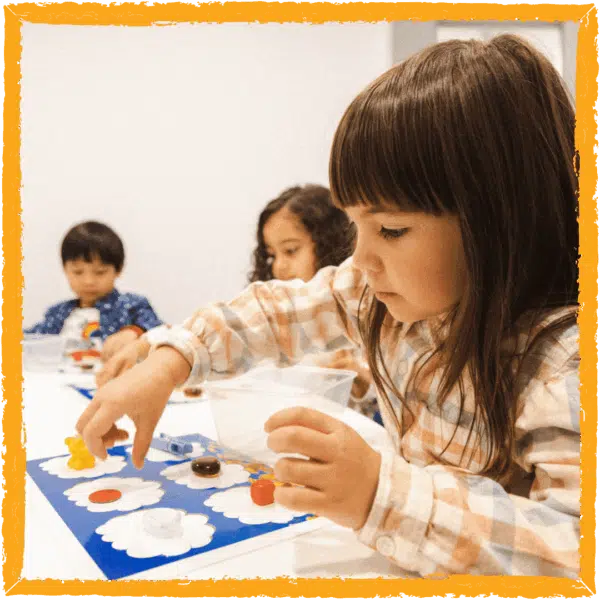
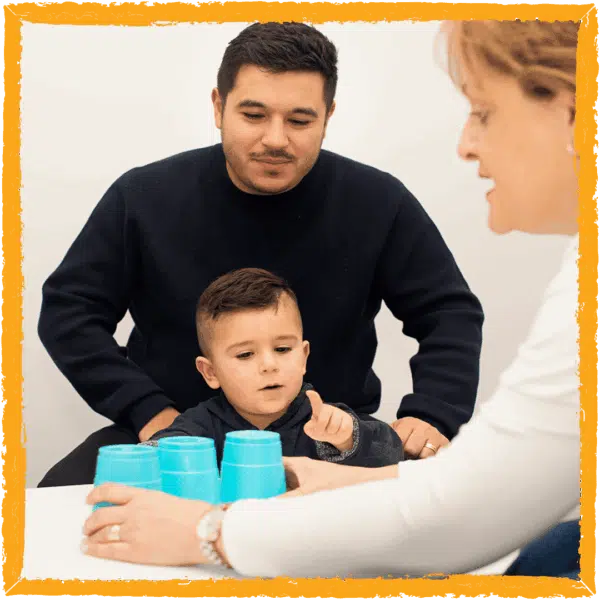
A baby, toddler or preschooler attending a Shichida class is not preparing for a school test. They are developing foundational abilities such as concentration, memory, language, numeracy, problem solving and confidence in learning.
A Snapshot of the Results
NAPLAN – the National Assessment Program – Literacy and Numeracy – is an annual Australian assessment for students in Years 3, 5, 7 and 9. It provides a snapshot of achievement across five assessment areas:
- Numeracy
- Reading
- Writing
- Spelling
- Grammar & Punctuation
Results are reported across four proficiency levels: Exceeding, Strong, Developing and Needs Additional Support.
NAPLAN defines the Strong level as meeting challenging but reasonable expectations at the time of testing, while Exceeding represents achievement above those expectations.
Every child in this group achieved Strong or Exceeding in all five assessment areas. None of the results fell within Developing or Needs Additional Support.
Domain-by-Domain Snapshot
The results were not concentrated in only one subject area. Strong achievement appeared across both literacy and numeracy.
Shichida Students’ Results at a Glance
| Year 3 NAPLAN area | Achieved Strong or Exceeding | Above the national average |
|---|---|---|
| Numeracy | 13 of 13 — 100% | 13 of 13 — 100% |
| Reading | 13 of 13 — 100% | 11 of 13 — 84.6% |
| Writing | 13 of 13 — 100% | 12 of 13 — 92.3% |
| Spelling | 13 of 13 — 100% | 13 of 13 — 100% |
| Grammar & Punctuation | 13 of 13 — 100% | 13 of 13 — 100% |
Strong and Exceeding describe achievement against NAPLAN’s proficiency expectations. The national average is a separate comparison with Year 3 students across Australia. Our comparisons count only results clearly above the national-average markers in the supplied reports.
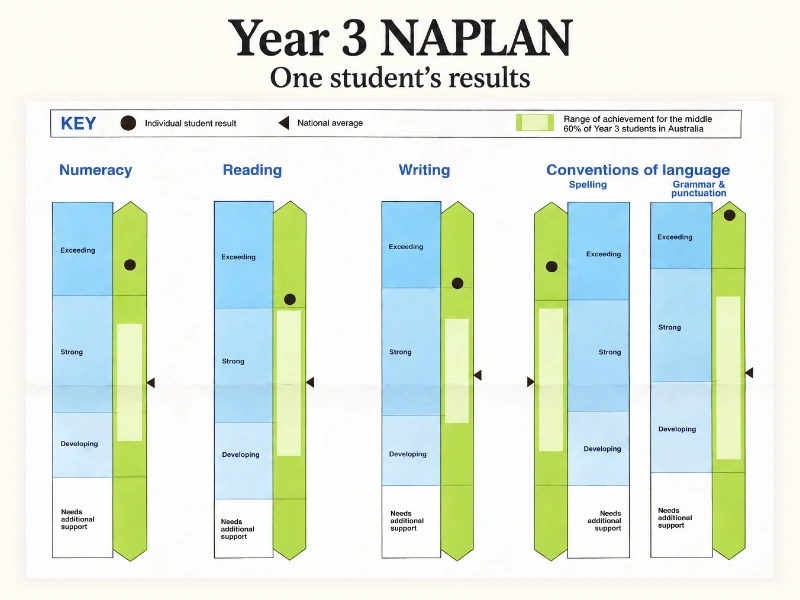
One Shichida student’s Year 3 NAPLAN report, showing Exceeding across all five assessment areas. Year 3 NAPLAN reports voluntarily shared with Shichida Australia. Individual results vary and NAPLAN represents one measure of a child’s learning and development.
Strong Achievement Across Different Areas of Learning
The breadth of achievement is particularly impressive. These children demonstrated strengths across mathematics, reading comprehension, written communication and the conventions of written English.
Several children achieved Exceeding across all five NAPLAN areas. Seven of the 13 children achieved Exceeding in Reading, while six achieved Exceeding in Writing and six in Spelling.
These standout results sit alongside an equally encouraging finding: every child in the group met or exceeded NAPLAN’s expectations in every assessment area.
What Do These NAPLAN Domains Measure?
NAPLAN assesses much more than whether a child can remember an answer.
- In Numeracy, Year 3 students are assessed across areas including number, algebra, measurement, space, statistics and probability.
- In Reading, students need to understand different texts, find information, connect ideas and draw conclusions.
- In Writing, children need to generate and organise ideas while demonstrating vocabulary, sentence structure, spelling and punctuation.
- Spelling, Grammar & Punctuation require students to identify and correctly apply conventions of written English.
At the Exceeding level, these skills become increasingly sophisticated.
For example, Year 3 students performing at this level may demonstrate more advanced mathematical problem solving, make connections and inferences from increasingly complex texts, develop structured written ideas and apply increasingly sophisticated vocabulary, spelling, grammar and punctuation.
Building the Ability to Learn From an Early Age
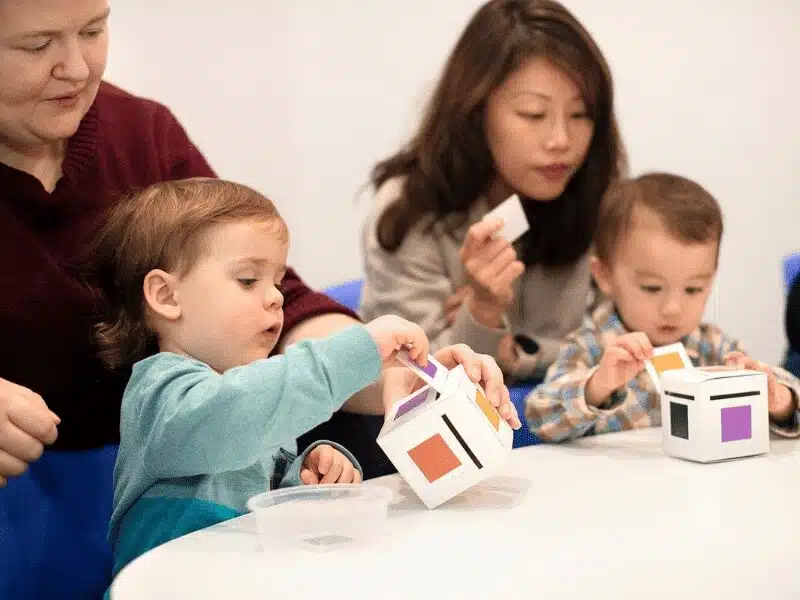
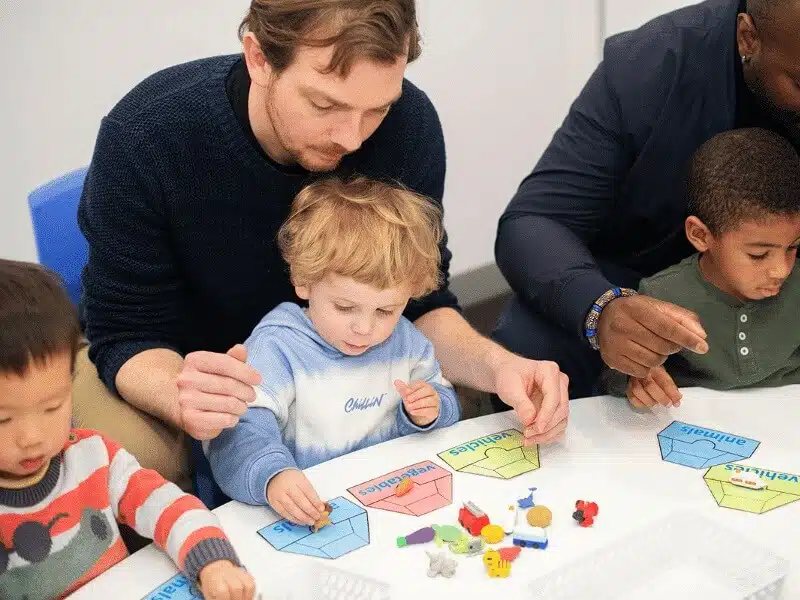
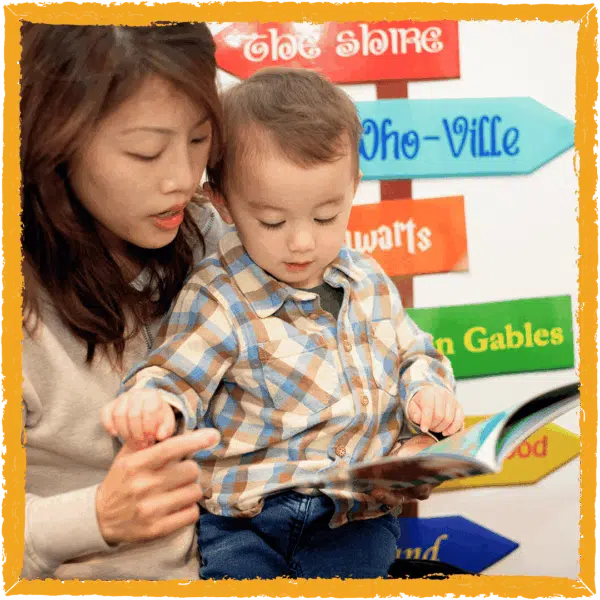
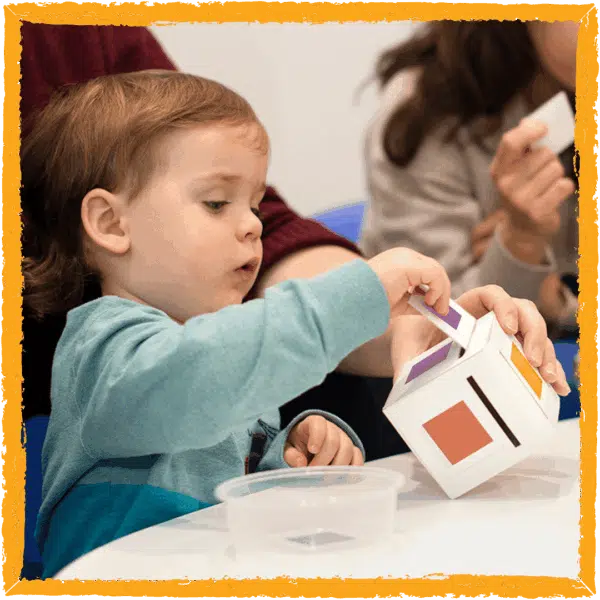
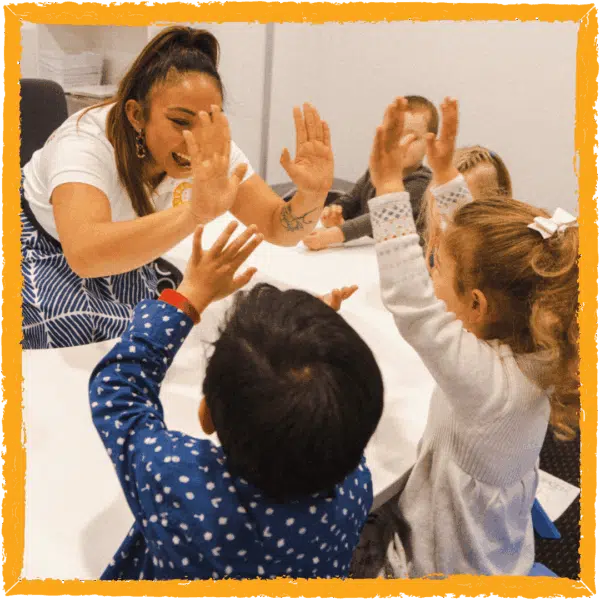
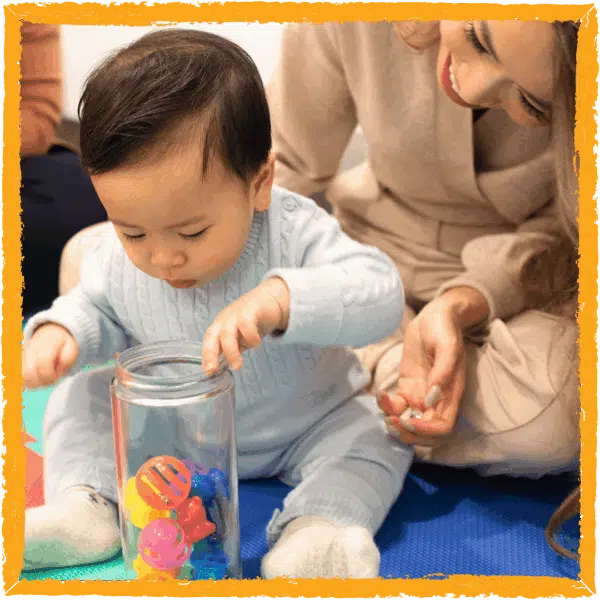
A Shichida class for a young child looks very different from a Year 3 classroom.
Children may be:
- remembering images or sequences
- recognising numbers and quantities
- listening to stories
- developing vocabulary
- solving puzzles
- identifying patterns
- practising memory
- completing spatial activities
- responding quickly to different tasks
- developing concentration through a fast-paced lesson
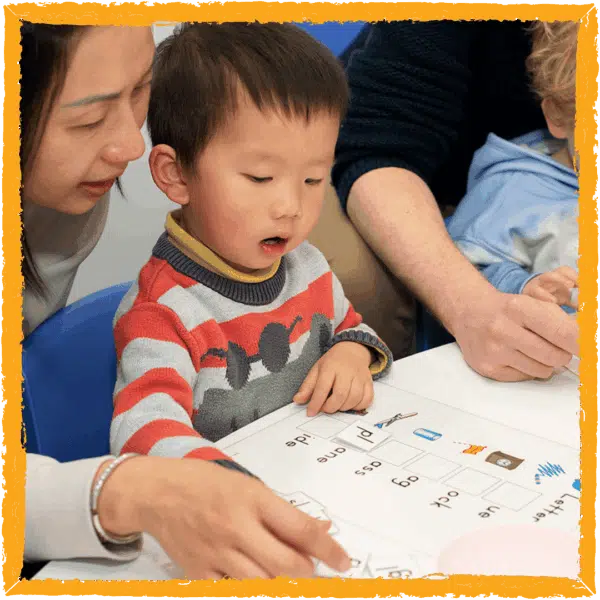
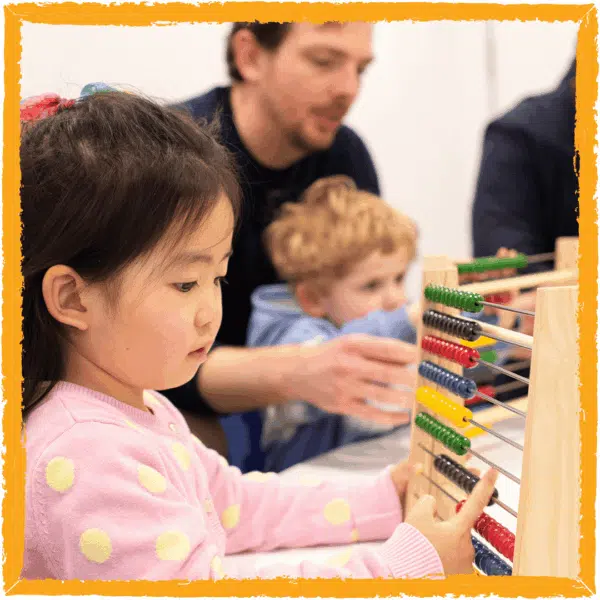
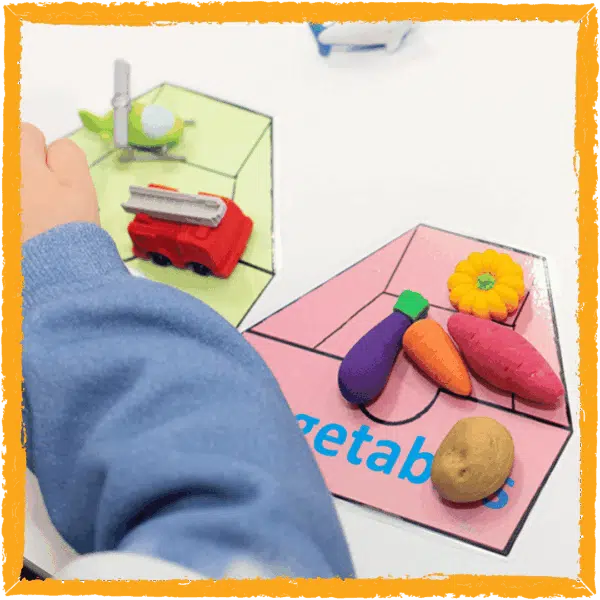
To a young child, many of these activities feel like learning through play. But underneath each activity is an opportunity to practise how to remember, concentrate, understand, reason and solve problems.
The objective is not to teach children the answers to future school tests. It is to help develop their capacity to learn.
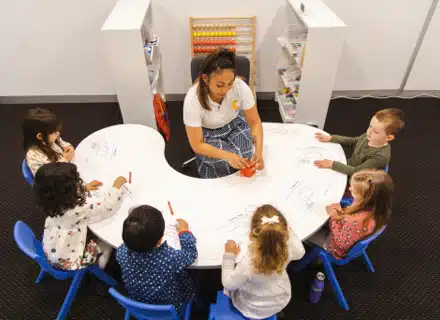
That learning continues through Shichida’s Primary School Program, which these Year 3 students attend. Children practise mental maths, times tables, problem solving, memory, critical thinking, creative writing and speed reading, and take part in science experiments. The programme gives them opportunities to apply their learning and tackle increasingly demanding challenges.
Why Starting Young Matters
Parents who bring a one, two or three-year-old to Shichida may not immediately see where those early learning experiences will lead.
Progress at that age can look small: remembering one more image, recognising a number, completing a more difficult puzzle or learning a new word.
Early learning is cumulative. As children grow, simple skills become the foundations for more complex ones.
- Working with quantities gives young children practice with number concepts they will encounter in school mathematics.
- Building vocabulary and comprehension supports children as they begin reading more complex texts.
- Practising memory and concentration gives children opportunities to remember information and follow instructions – skills they also use in the classroom.
That is why Shichida takes a long-term approach to early childhood learning.
More Than Academic Results
NAPLAN is only one measure of a child’s development. NAPLAN itself describes the assessment as a snapshot of achievement at a point in time and recommends considering results together with school-based assessments and reports.
We agree – a child’s success should never be defined by a single test. At Shichida, we also value qualities that cannot be shown on a NAPLAN report, including curiosity, confidence, persistence, independence, creativity and a positive attitude towards learning.
Nor would we suggest that Shichida alone is responsible for a child’s academic achievement. Every child’s development is influenced by their family, school, teachers, experiences, individual abilities and many other factors. But these results do provide something valuable.
They show us real examples of children who began developing their learning foundations through Shichida at a young age and who are now demonstrating strong academic abilities at school age.
From Early Learning to School-Age Achievement
When a parent sits beside their baby, toddler or preschooler in a Shichida classroom, Year 3 can feel a very long way away.
But the abilities children are developing today can become foundations they continue to build upon for years.
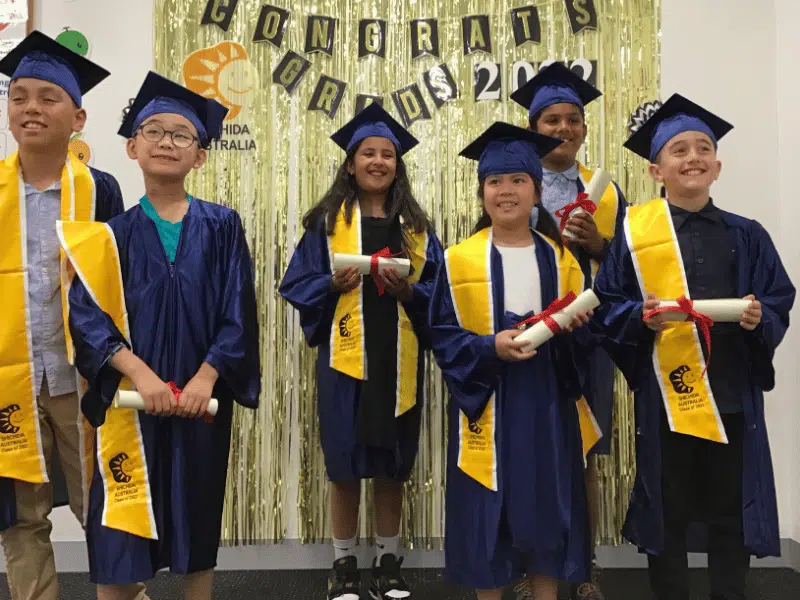
All 13 children achieving Strong or Exceeding across every NAPLAN area is an achievement worth celebrating. We’re proud of these students and delighted to share their results with our community.
Your child’s Shichida journey can begin long before primary school. Children must start before their fifth birthday to continue into our later programmes, including the Primary School Program after completing Pre-Primary.
Book a trial class to experience Shichida with your child.