Why Creativity and Imagination Matter for Kids
Creativity helps children generate ideas, express themselves and find different ways to approach challenges. Imagination allows them to picture possibilities, invent stories and make connections beyond what they can see.
Together, these skills help children:
- Imagine new possibilities and develop original ideas
- Express thoughts and feelings in creative ways
- Build storytelling and communication skills
- Think flexibly and consider different approaches
- Make connections between ideas and experiences
- Develop confidence in sharing their imagination
Creativity isn’t limited to drawing or art. Children use it when playing, telling stories, solving problems and thinking of new possibilities.
What Creativity and Imagination Skills Will Your Child Develop?
Imagination and Visualisation
Children practise forming mental images and imagining people, places and situations through guided visualisation and creative activities.
These experiences support imagination and the ability to picture ideas beyond what is immediately in front of them.
Creative Thinking and New Ideas
Through imaginative games and creative challenges, children practise making connections, considering different possibilities and developing their own ideas.
These activities support flexible thinking and give children opportunities to approach familiar situations in new ways.
Self-Expression and Storytelling
Children practise expressing ideas through storytelling, pictures, language and imaginative activities.
These experiences support communication, originality and confidence in sharing their thoughts and imagination.
How We Support Creativity and Imagination at Each Age
Creativity and imagination develop as children grow, play and gain new experiences. Shichida introduces age-appropriate activities that support imaginative thinking and self-expression.
Literacy is part of every Shichida class, from baby through to Primary. Find your child’s age to see how it works in the classroom.
Baby (6 to 12 months)
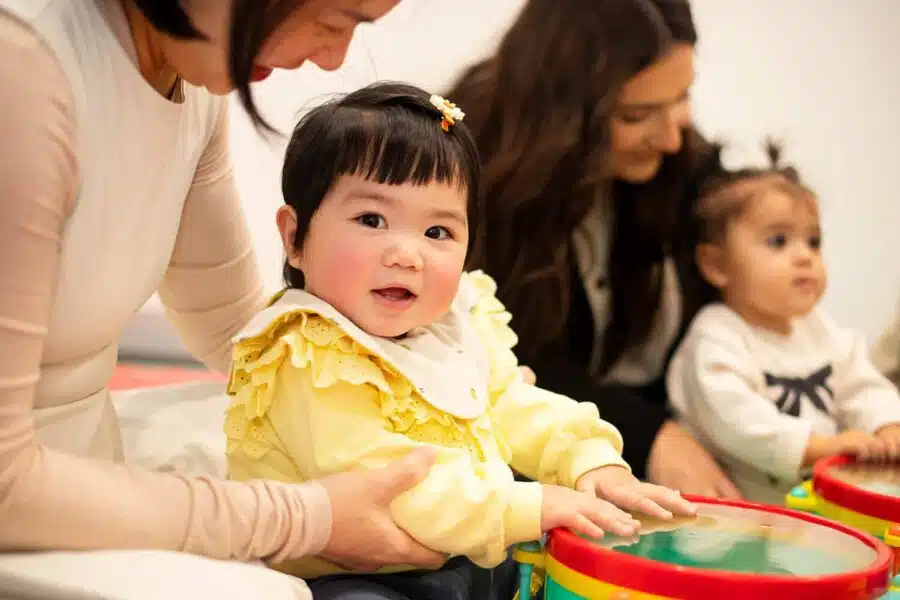
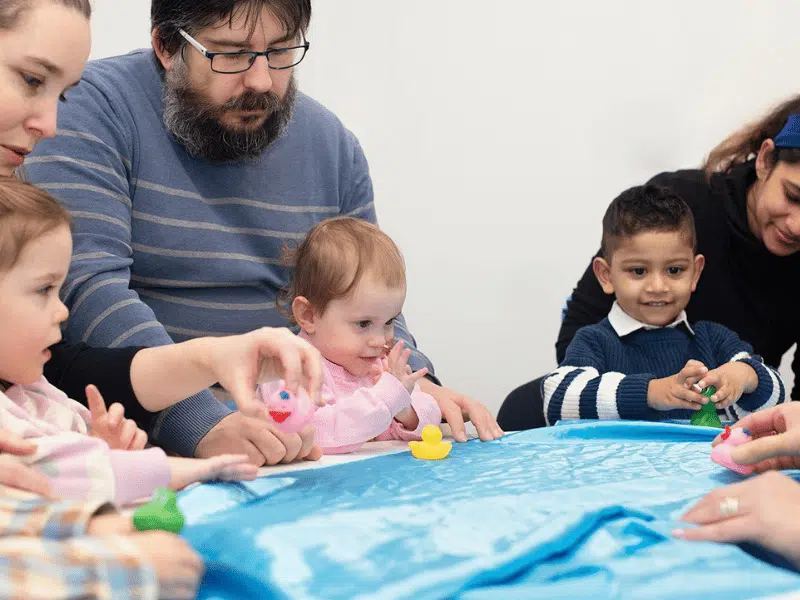
Songs, rhythm, sensory experiences and parent-child activities introduce babies to sounds, images and playful interactions that provide early foundations for imagination.
Toddler (1 to 3 years)
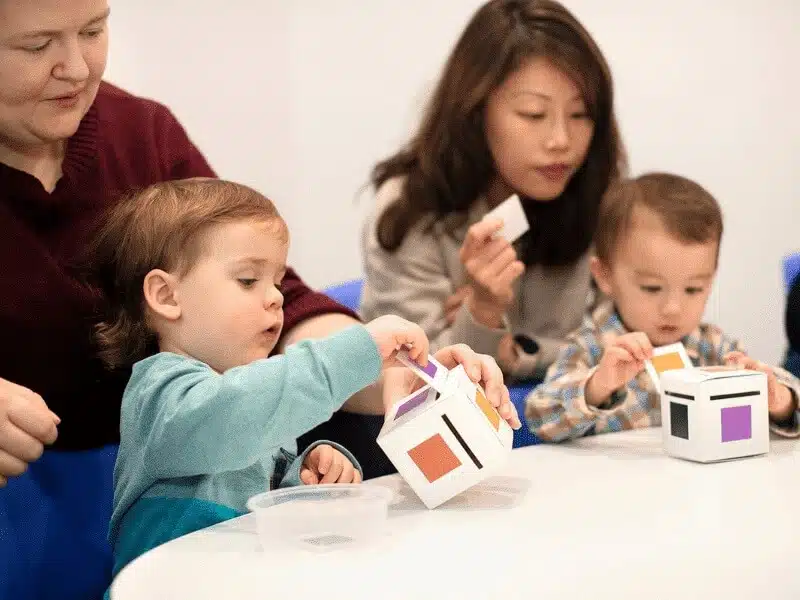
Songs, picture-based activities and simple imaginative games give toddlers opportunities to develop pretend play, recognise familiar situations and express developing ideas.
Kinder (3 to 5 years)
Guided visualisation, storytelling and creative activities give children opportunities to imagine scenarios, develop original ideas and express themselves in different ways.
Pre-Primary (5 to 7 years)
More detailed visualisation, imaginative storytelling and creative activities give continuing students opportunities to connect ideas and develop creative expression.
Primary (7 to 9 years)
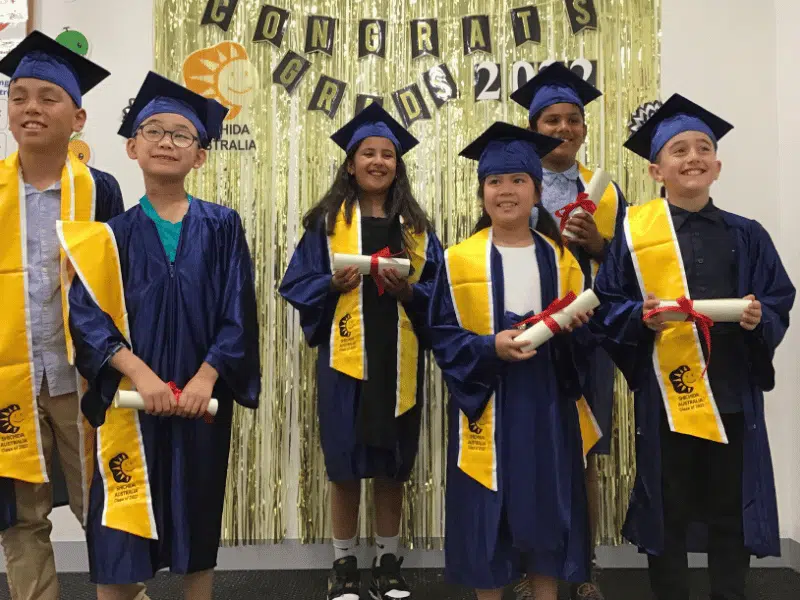
Advanced visualisation, creative writing and imaginative challenges provide opportunities to develop original ideas, flexible thinking and self-expression.
New students can join Shichida from six months until their fifth birthday. Pre-Primary and Primary classes are for children who joined before turning five.
Why many children progress faster
How the Shichida Method Develops Creativity and Imagination
The Shichida Method is an early learning approach that supports creativity and imagination through visual, auditory and hands-on experiences.
Activities such as guided visualisation, storytelling, songs and creative games give children opportunities to imagine, express ideas and think in different ways.
Our approach supports:
- Imagination and visualisation
- Creative thinking and original ideas
- Storytelling and self-expression
- Flexible thinking and making connections
- Communication and language development
- Confidence in expressing ideas
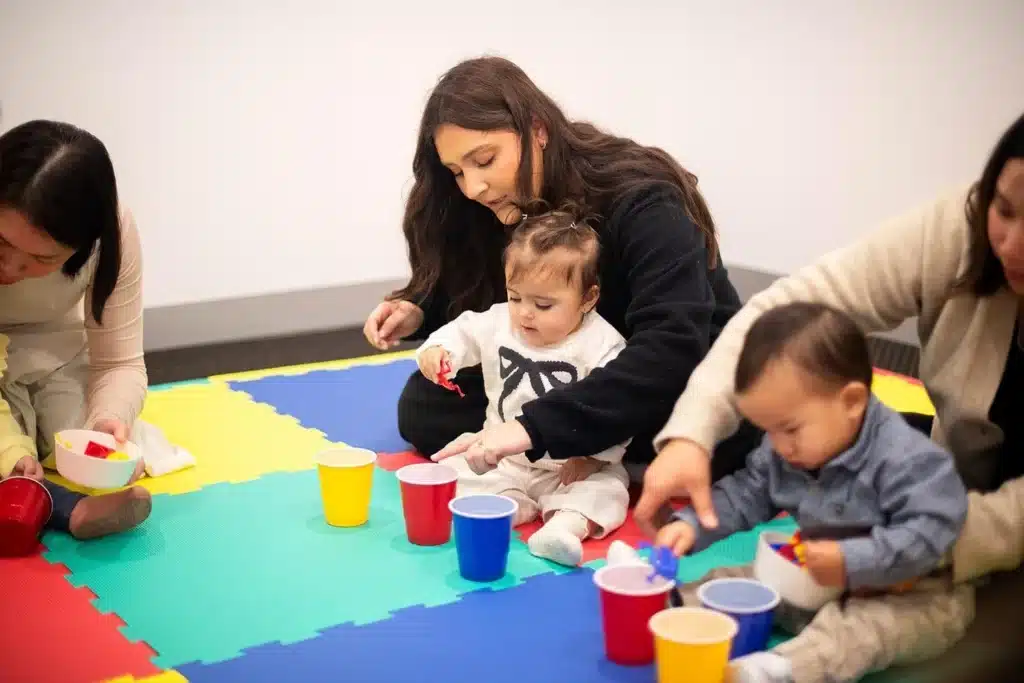
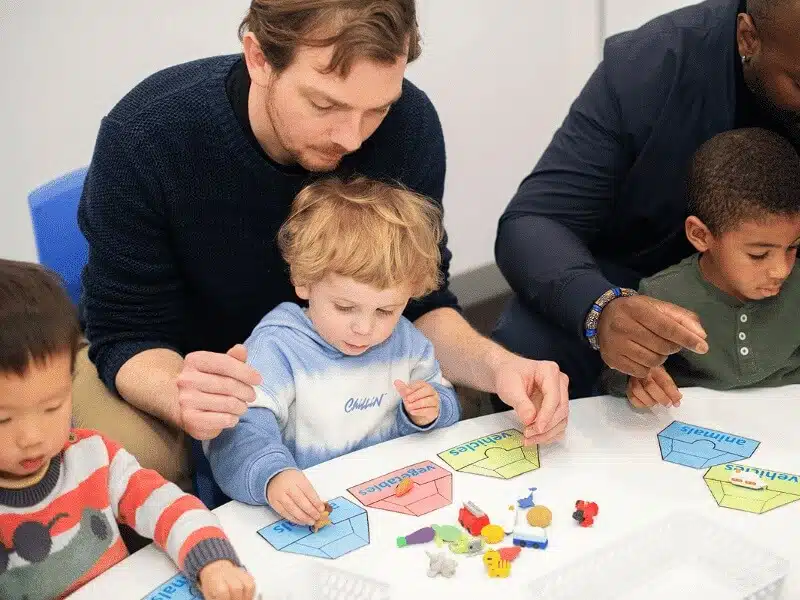
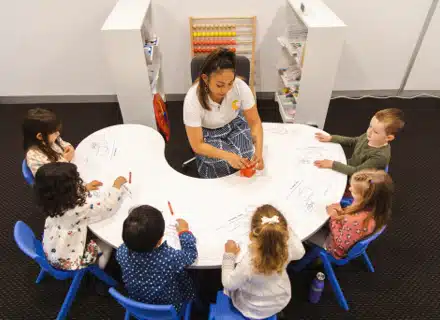
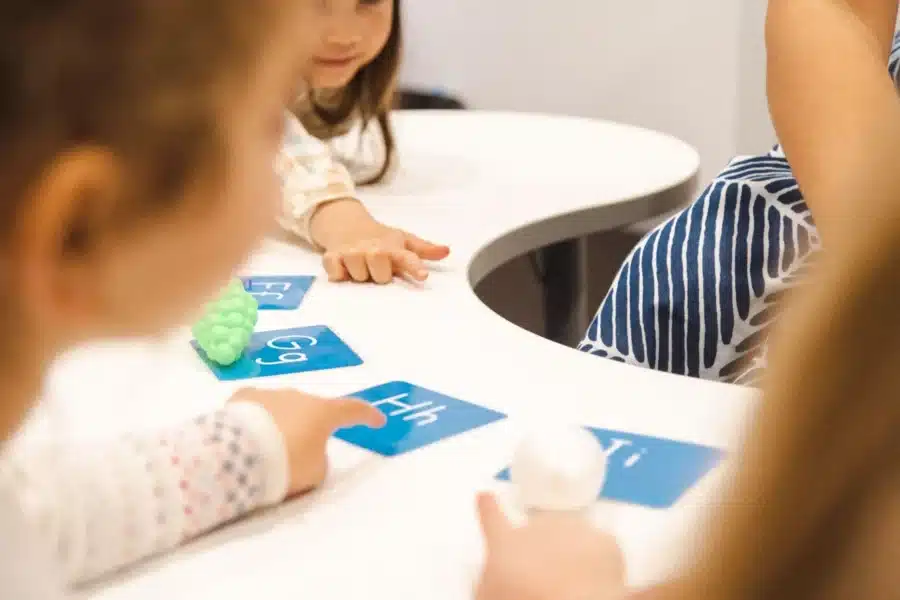
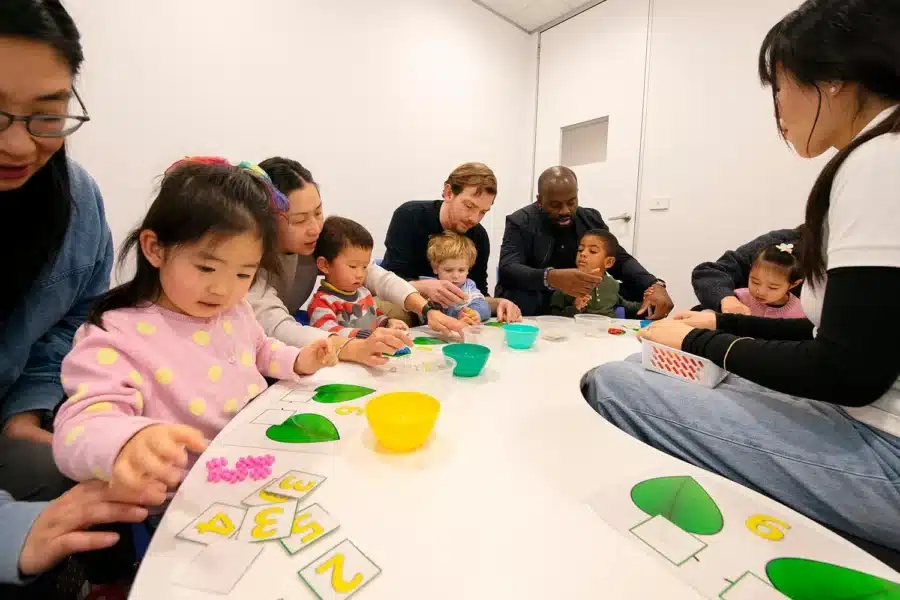
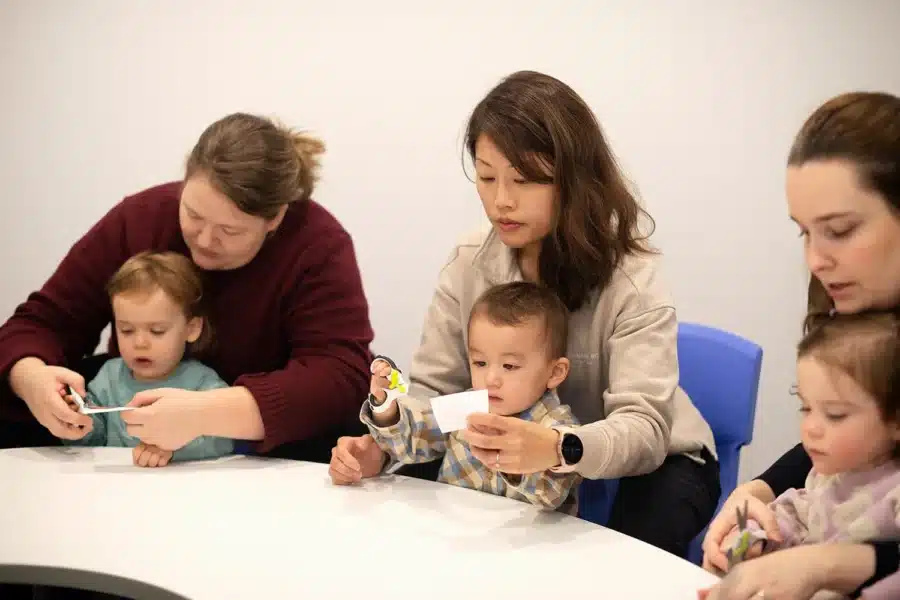
With a maximum of six children per class and a parent participating alongside each child, Shichida provides a supportive environment where children can use their imagination and express ideas through enjoyable, age-appropriate activities.
See What Parents Are Saying About Shichida

What Your Child Will Do and Learn in a Shichida Class
Each 50-minute class includes short, engaging activities that give children opportunities to practise imagination, creative thinking and self-expression.

Depending on your child’s age and class level, activities may include:
- Image training to practise visualisation and forming mental pictures
- Storytelling activities to imagine characters, situations and original stories
- Imaginative games to consider possibilities and create different scenarios
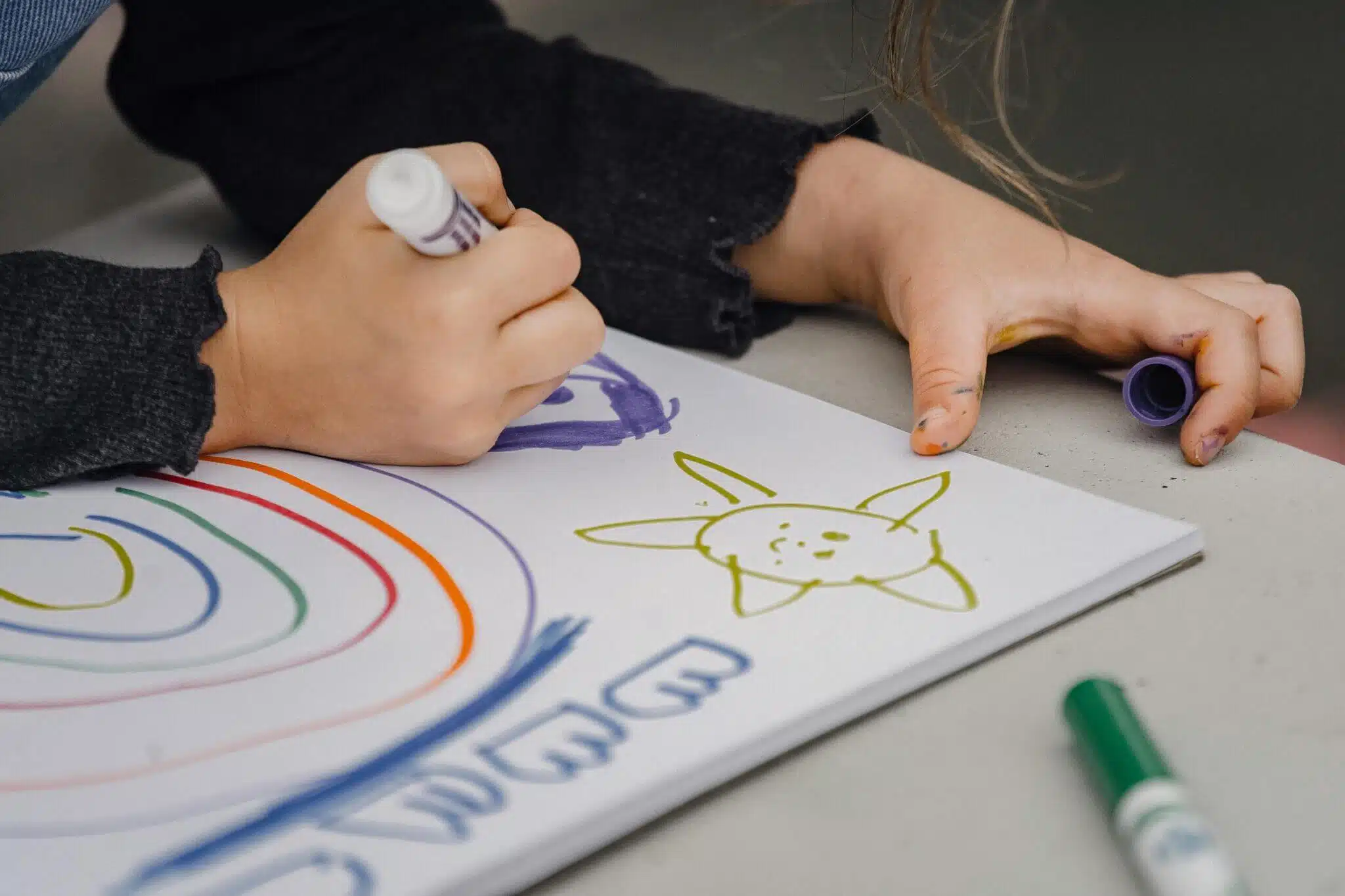
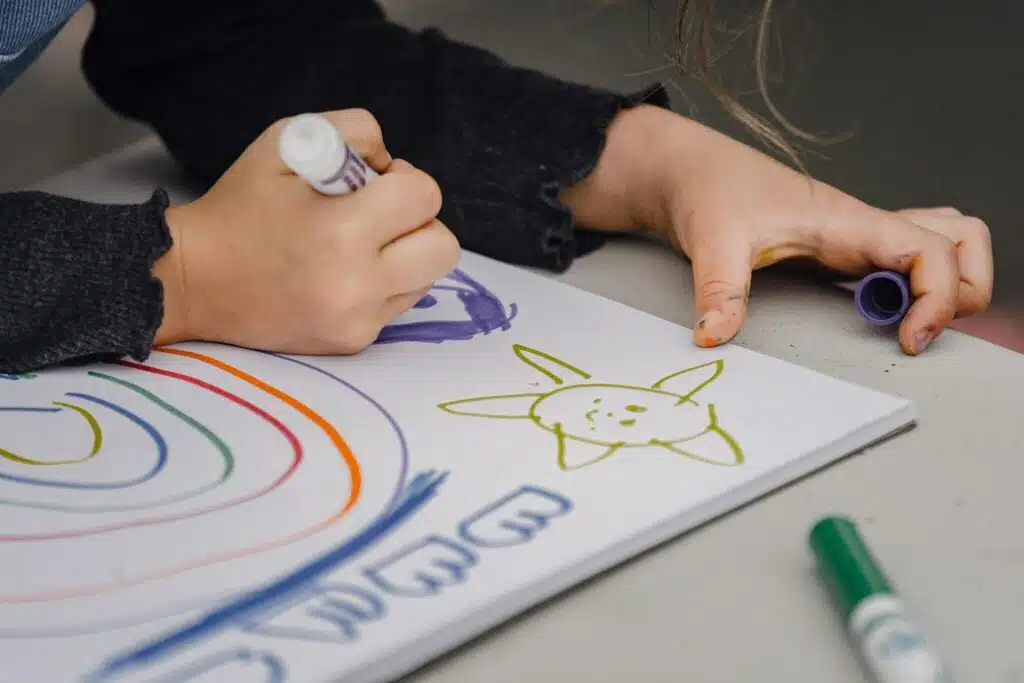
- Creative drawing to express ideas through pictures and images
- Songs and rhythm to engage imagination through music and movement
- Picture-based activities to describe scenes and make creative connections
- Creative thinking challenges to consider different ideas and approaches
Together, these activities provide opportunities for children to develop their imagination, express original ideas and enjoy creative learning.
See How Your Child Responds in Their First Class
See how your child responds in their very first class
Your trial class includes:
- A full 50-minute session
- A real classroom environment
- Guidance from a trained instructor
- Opportunity to observe your child’s response
✔ No experience needed
✔ Parent attends with child
✔ No pressure to enrol
What Are Creativity and Imagination in Children?
Creativity is the ability to generate ideas, make connections and approach situations in different ways. Imagination is the ability to form mental pictures, ideas and scenarios beyond what is immediately present.
These skills are closely connected but are not the same.
For example, a child might imagine an underwater world, then use creativity to invent characters, create a story or draw what they imagined.
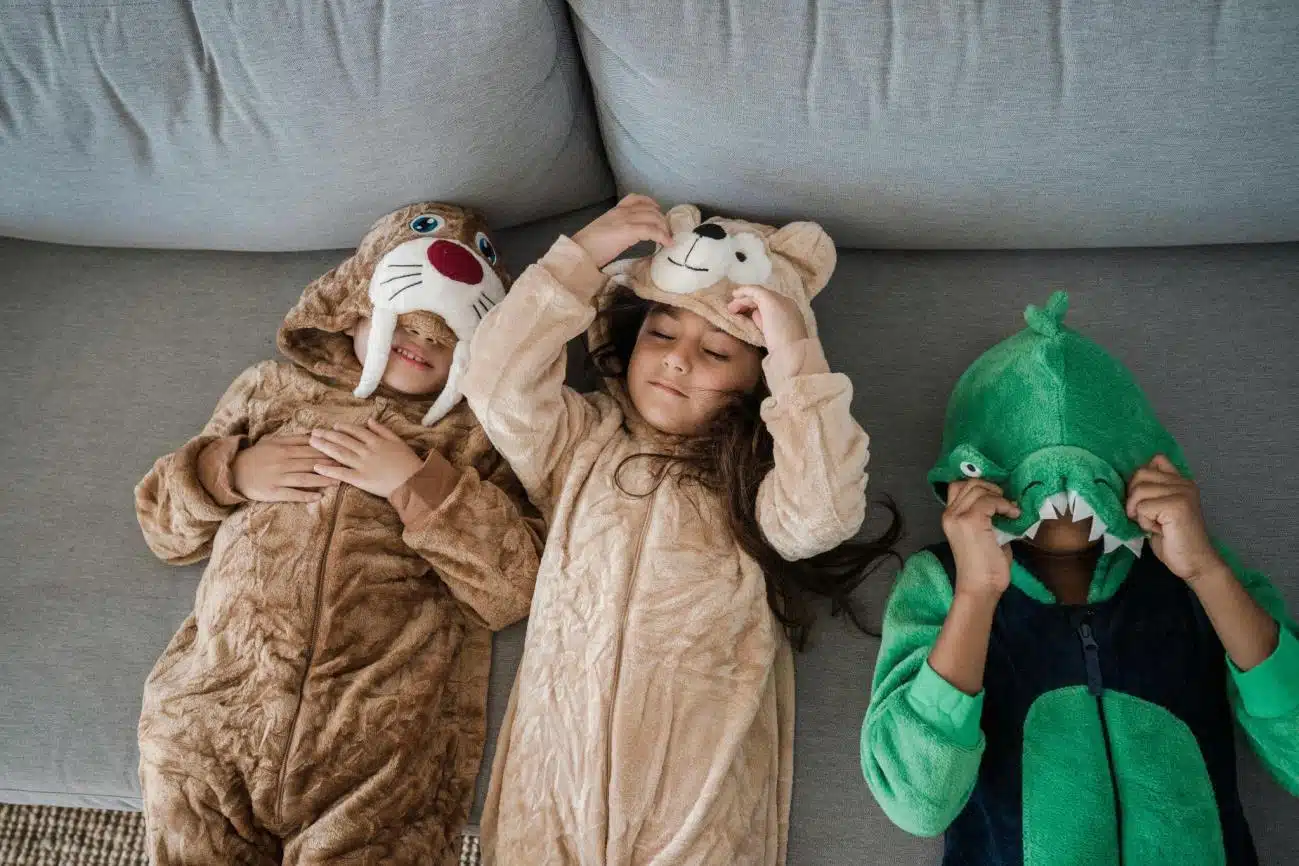
Children express creativity and imagination through pretend play, storytelling, drawing, music, movement and problem-solving.
Creativity is not limited to artistic ability. Every child can develop these skills through play, supportive interactions and varied learning experiences.
How to Develop Creativity and Imagination in Your Child
Everyday activities can help children develop creativity and imagination without expensive toys or complicated materials.
Make Time for Imaginative Play
Encourage pretend play with toys, household objects or imaginary characters. Let your child invent situations and decide how their stories unfold.
Create Stories Together
Use pictures, books or familiar objects to make up stories. Ask questions such as “What might happen next?” or “What else could happen?”
Try Drawing and Creative Activities
Provide opportunities to draw, build and create using simple materials. Focus on your child’s ideas and enjoyment rather than producing a perfect result.
Encourage Different Ideas
Ask open-ended questions and give your child time to think of different possibilities. Not every activity needs one correct answer.
When Do Children Start Developing Creativity and Imagination?
The foundations of creativity and imagination begin in infancy through sensory experiences, interaction and play.
Toddlers gradually begin using pretend play and familiar objects to represent different situations. As language develops, children express increasingly detailed ideas and stories.
Preschoolers often create more complex pretend scenarios, while school-aged children use imagination in writing, creative projects and problem-solving.
At Shichida, children can begin classes from six months old, with age-based activities that support imaginative learning as they grow.
Frequently Asked Questions About Creativity and Imagination in Kids
Creativity and imagination help children express ideas, make connections, invent stories and consider different possibilities. They support communication, learning and everyday problem-solving.
Provide opportunities for pretend play, storytelling, drawing and open-ended activities. Listen to your child’s ideas and allow them to experiment without always focusing on a correct result.
Imagination involves forming mental pictures, ideas and scenarios. Creativity involves using ideas to make something new or approach situations differently. Children often use both together during play.
Shichida uses age-appropriate activities such as guided visualisation, image training and creative learning experiences to give children opportunities to practise imagination, flexible thinking and self-expression.
Image training involves activities that practise creating and working with mental images. At Shichida, guided visualisation is one way children use imagination during structured learning activities.
No. Creativity also involves storytelling, imaginative play, language, flexible thinking and developing ideas. Children can be creative in many different situations, not only artistic ones.
The foundations begin with early sensory experiences and interaction. Pretend play commonly develops during toddlerhood, with more complex imaginative play and storytelling emerging as children grow.
Shichida is a comprehensive early learning program that supports creativity and imagination alongside literacy, numeracy, memory, concentration and critical thinking. It is not a standalone art or creative writing course.
No. Shichida complements kindergarten and preschool through weekly 50-minute classes that provide additional opportunities for purposeful learning.
Children can join from six months until their fifth birthday. Those who start before turning five can continue through the Pre-Primary and Primary programs up to age nine.
Book a Trial Class Today
Help your child develop creativity, imagination, self-expression and flexible thinking through Shichida’s age-based early learning program.
Our weekly parent-and-child classes provide a fun, supportive environment where children can use their imagination, express ideas and enjoy new learning experiences.
Come and see how your child responds to Shichida.