What Is Sensory Play and Why Is It Important?
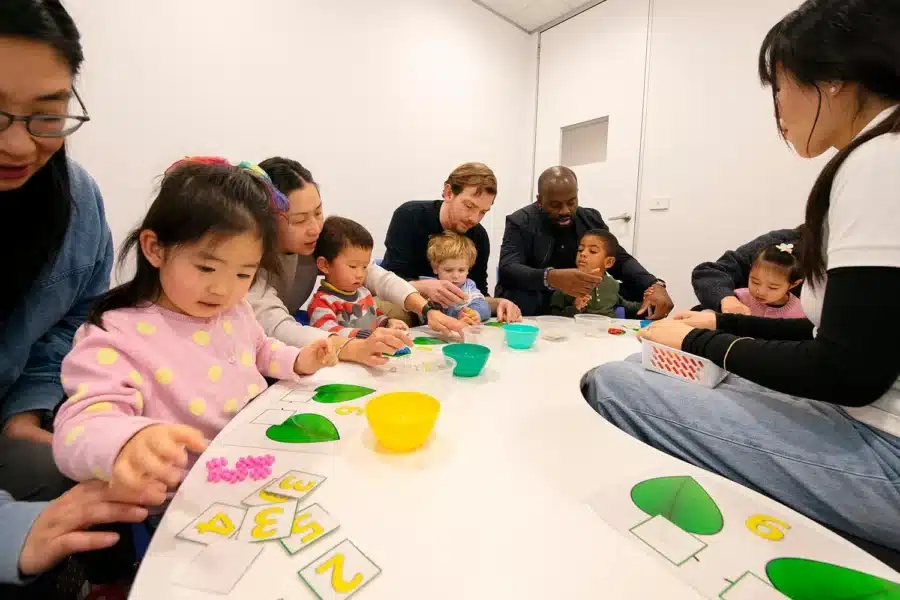
Sensory play involves activities that engage a child’s senses, including touch, sight, hearing and movement. It helps children understand their surroundings through hands-on experiences.
Sensory activities support several areas of early childhood development:
- Sensory awareness: Recognising different textures, sounds, colours and shapes.
- Fine motor skills: Practising hand control, grasping and coordination.
- Concentration: Paying attention and staying engaged with activities.
- Problem-solving: Comparing objects, recognising patterns and learning through trial and error.
- Language development: Learning words to describe objects, sounds and experiences.
- Confidence: Trying new tasks and becoming more independent.
Sensory play is not limited to messy play. Music, puzzles, sorting games and movement activities also engage children’s senses.
What Skills Will Your Child Develop Through Sensory Play?
Sensory Awareness and Observation
Children learn to recognise and compare sounds, shapes, colours, textures and movement. These experiences build observation skills and sensory understanding.
Fine Motor Skills and Coordination
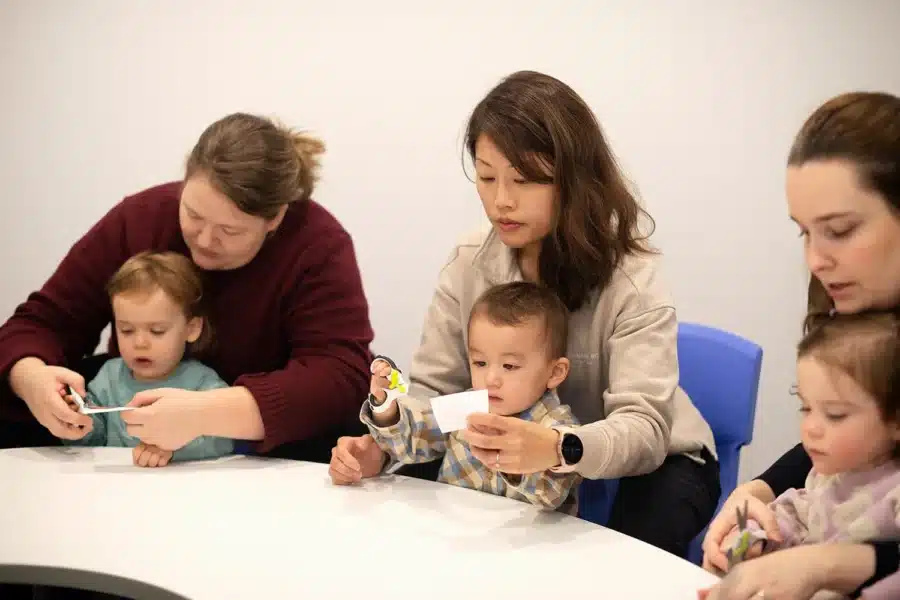
Picking up objects, stacking, sorting and placing items help children practise finger control, hand-eye coordination and precision.
Concentration and Problem-Solving
Hands-on games give children opportunities to follow instructions, focus on tasks and work out how things fit or function.
Language and Communication
Songs, sounds and guided activities introduce new words and concepts. Children practise listening, responding and describing their experiences.
How We Teach Sensory Play at Each Age
Sensory experiences are included throughout the Shichida curriculum, with activities becoming more challenging as children grow.
Baby (6 to 12 months)
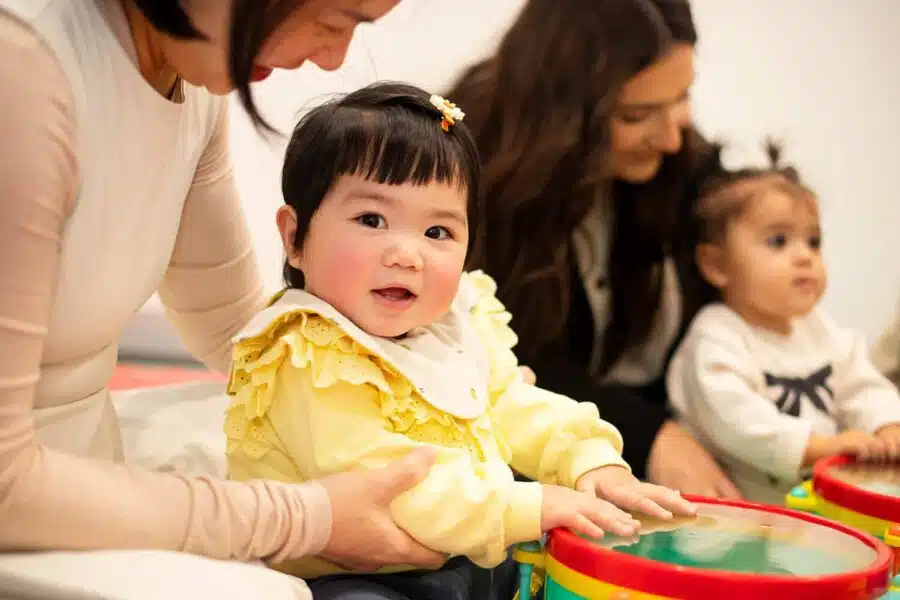
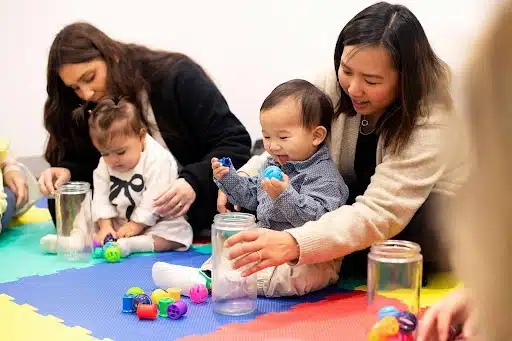
Visual tracking, music, gentle movement and grasping activities introduce babies to different sights, sounds and sensations while building early coordination.
Toddler (1 to 3 years)
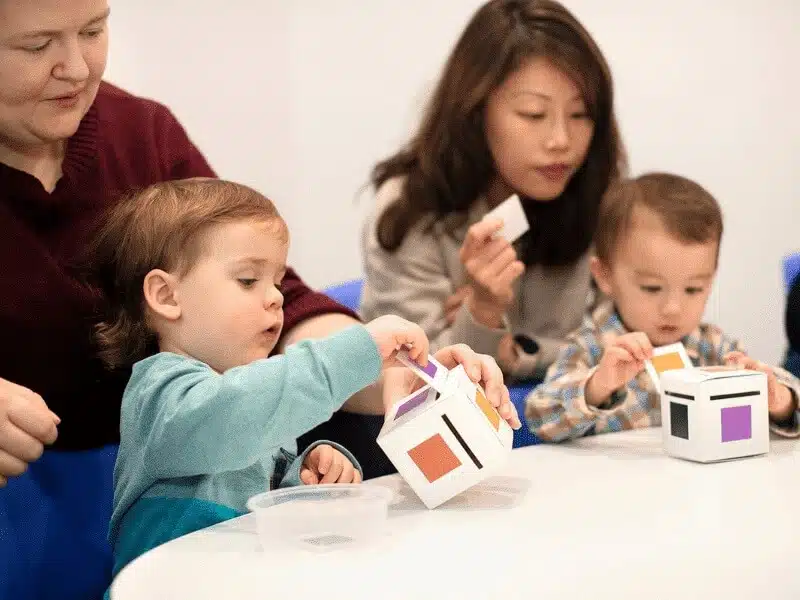
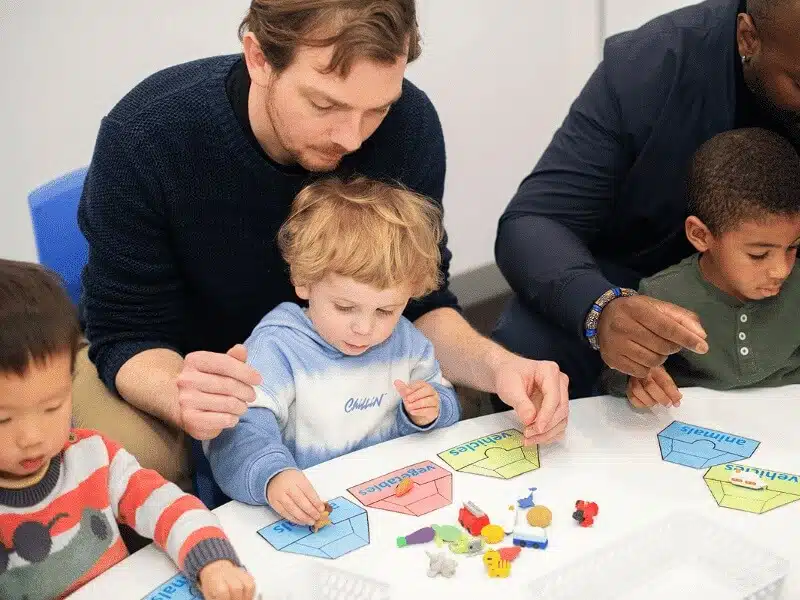
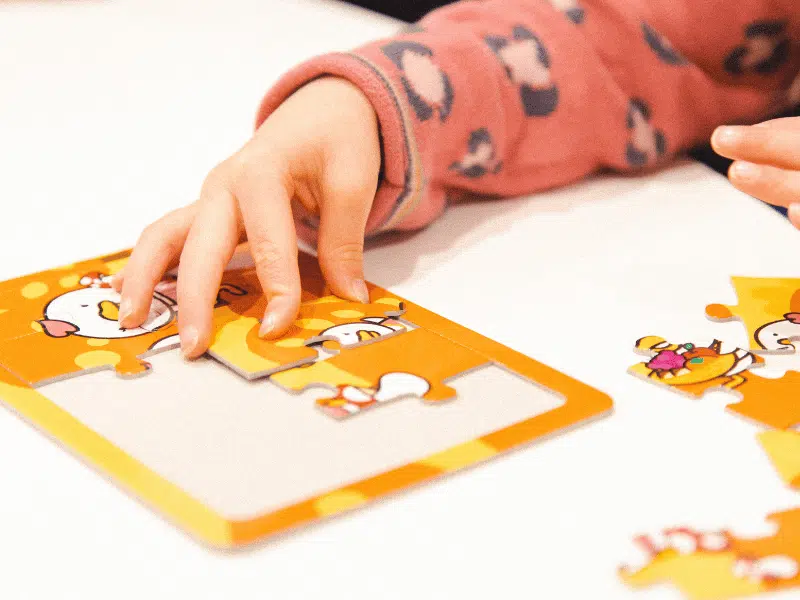
Sorting, stacking, matching games, puzzles and hands-on activities help toddlers develop sensory awareness, coordination and problem-solving.
Kinder (3 to 5 years)
Pattern recognition, shape matching, construction and fine motor activities build concentration, precision and visual discrimination.
Pre-Primary (5 to 7 years)
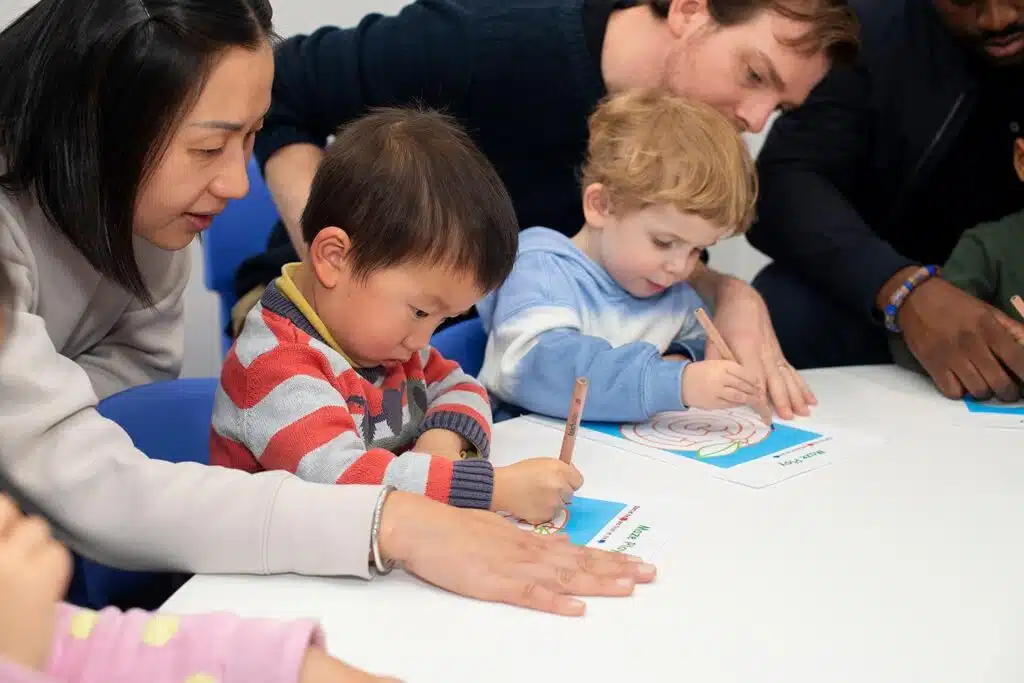
Mazes, drawing and other hands-on tasks develop visual-motor coordination, spatial awareness and attention to detail.
Primary (7 to 9 years)
More detailed construction, drawing and problem-solving tasks build precision, planning and coordination as children apply their skills to increasingly complex activities.
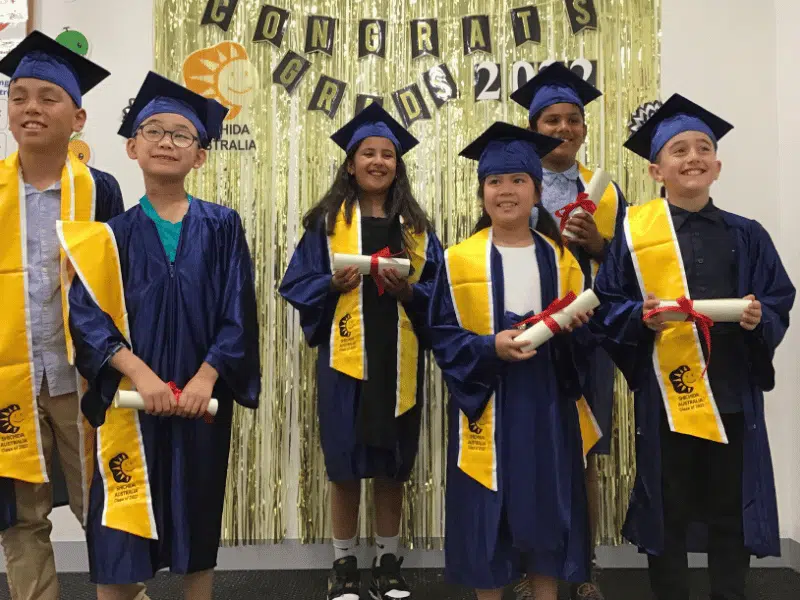
New students can join from 6 months until their fifth birthday. Pre-Primary and Primary classes continue the learning for children who joined before age five.
Why many children progress faster
How the Shichida Method Uses Sensory Play
The Shichida Method combines visual, auditory and hands-on learning within a structured early learning program.
Sensory activities are designed to do more than keep children occupied. Each activity has a learning purpose, whether practising coordination, recognising patterns, following instructions or solving problems.
Children experience a variety of activities in each class, with skills building progressively throughout the program.
Sensory play is one part of the Shichida Method, alongside flashcards, memory training, music, image training and other learning activities.
See What Parents Are Saying About Shichida
What Your Child Will Do and Learn in a Shichida Class

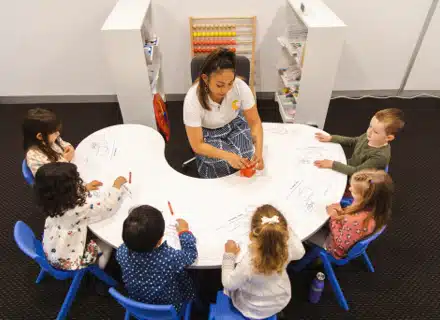
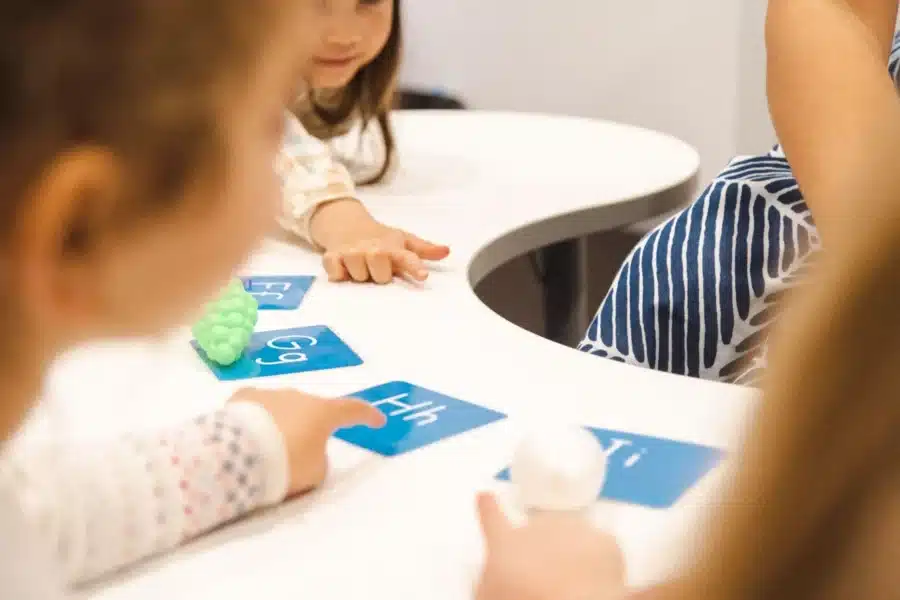
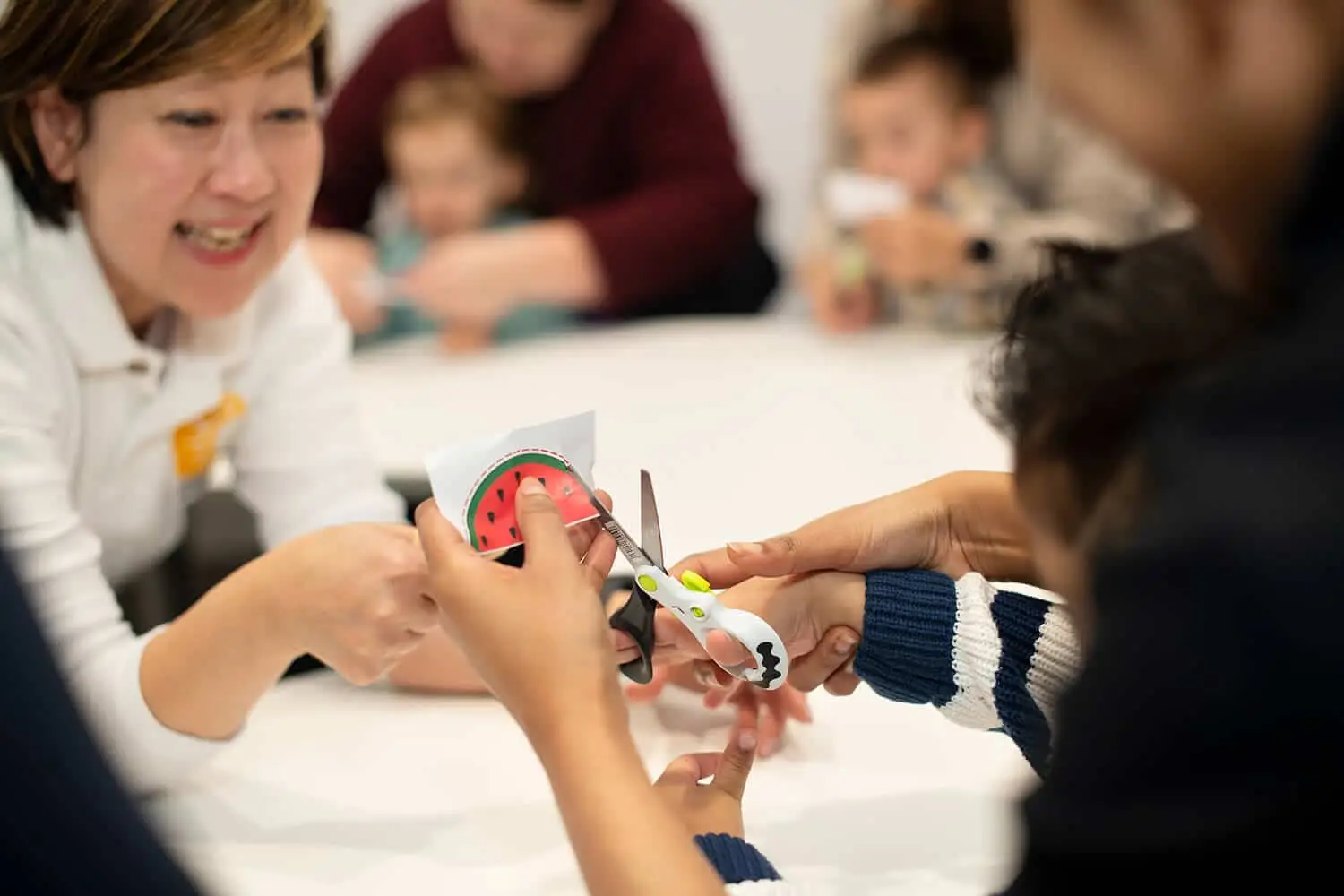
Each 50-minute class includes approximately 20–25 short, varied activities. Depending on age and class level, sensory-based learning may include:
- Visual tracking and picture recognition
- Matching colours, shapes and patterns
- Puzzles, stacking and sorting games
- Music, songs, rhythm and movement
- Hands-on activities using different learning materials
- Fine motor tasks involving grasping, placing and manipulating objects
- Listening and responding to sounds and instructions
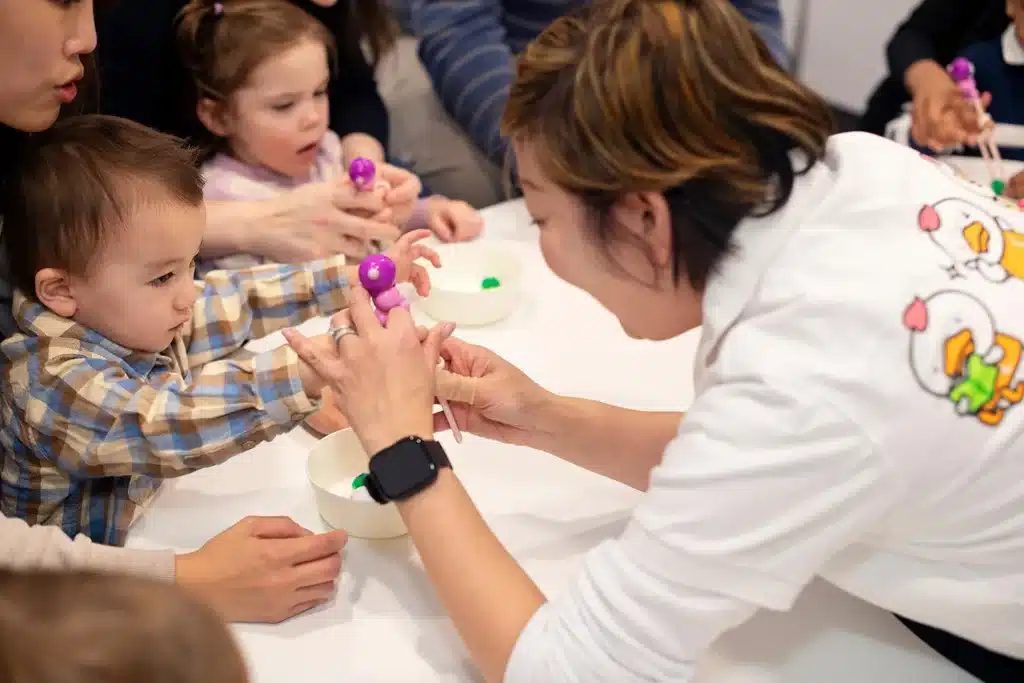
- Parent-child activities guided by an instructor
These activities engage different senses while helping children practise coordination, attention and early thinking skills.
See How Your Child Responds in Their First Class
See how your child responds in their very first class
Your trial class includes:
- A full 50-minute session
- A real classroom environment
- Guidance from a trained instructor
- Opportunity to observe your child’s response
✔ No experience needed
✔ Parent attends with child
✔ No pressure to enrol
Sensory Play Activities to Try at Home
Simple sensory activities can be included in everyday play. You don’t need specialised equipment to get started.
Texture Play
Let your child feel and compare safe materials such as soft fabrics, textured books and smooth wooden objects. Talk about how each one feels.
Sorting and Matching
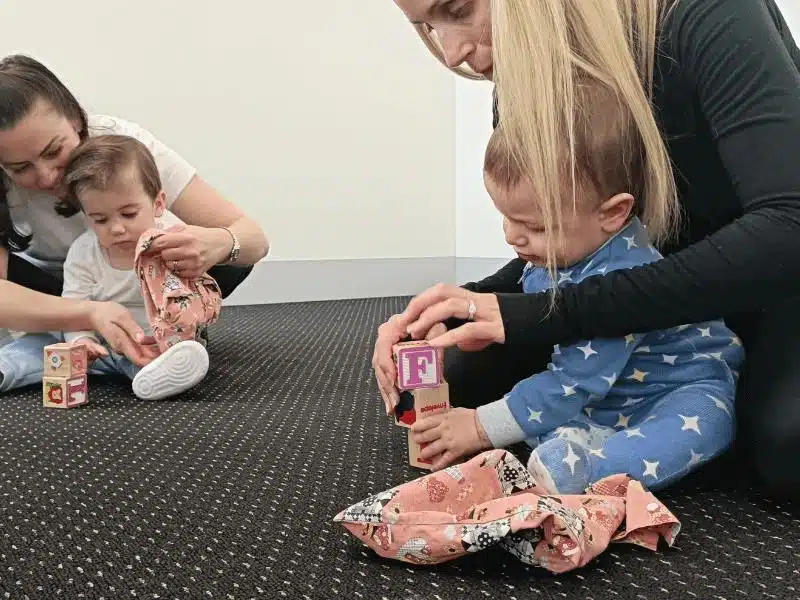
Use blocks or other age-appropriate toys to sort objects by colour, shape or size. Start with simple groups and add more choices as your child progresses.
Music and Rhythm
Clap simple rhythms, sing action songs and move to music. Invite your child to copy sounds and movements.
Puzzles and Building
Stacking blocks, shape sorters and puzzles give children opportunities to practise coordination, spatial awareness and problem-solving.
Everyday Sensory Learning
Point out sounds, colours, textures and movements during daily routines. Talk about what your child notices to build observation and language skills.
Always supervise sensory activities and choose materials suitable for your child’s age.
Book a Trial Class
See Purposeful Sensory Learning in Action
Watch your child take part in hands-on games, music, movement and learning activities that build coordination, concentration and early thinking skills.
Frequently Asked Questions About Sensory Play for Kids
Sensory play includes activities that engage touch, sight, hearing, movement and other senses. Examples include puzzles, music, texture exploration, sorting games and hands-on play.
Sensory play can support coordination, fine motor skills, concentration, language and problem-solving. It gives toddlers opportunities to learn through hands-on experiences.
Sensory experiences help children process information and learn about their surroundings. Activities involving matching, movement, sounds and object manipulation also provide opportunities to practise early thinking skills.
Messy play usually involves materials such as water, sand, paint or dough. Sensory play is broader and also includes music, movement, puzzles, visual activities and hands-on games.
Age-appropriate sensory activities for babies include visual tracking, grasping safe toys, listening to music, exploring textures and responding to gentle movement.
Yes. Activities such as picking up objects, stacking blocks, sorting and completing puzzles give children opportunities to practise finger control and hand-eye coordination.
Sensory activities can give children opportunities to practise attention and following instructions. Short, engaging tasks may help young children stay involved while developing focus over time.
Shichida includes visual, auditory and hands-on activities within its structured early learning curriculum. Children learn through flashcards, music, movement, puzzles and teacher-guided games alongside other learning methods.
Shichida is an early learning program rather than a dedicated sensory play class. Sensory activities are integrated with memory training, literacy, numeracy and other learning experiences.
Children can start from six months until their fifth birthday. Those who enrol before turning five can continue into Pre-Primary and Primary classes up to age nine.