Key Takeaways
- Meditation for kids offers opportunities to pause and notice. Simple practices invite children to pay attention to breathing, body sensations, sounds and feelings.
- Keep mindfulness brief, gentle and age-appropriate. A short listening game or guided story can introduce the idea without expecting children to sit perfectly still.
- Practise together without pressure to feel calm. Follow your child’s comfort, allow breaks and acknowledge that all feelings are acceptable.
- Shichida includes breathing and guided visualisation in its classes. These activities sit alongside parent-child interaction and broader learning experiences that support emotional awareness.
Helping children navigate their emotions and build self-awareness can set the foundation for lifelong emotional health. One of the most effective tools for this is meditation for kids. By incorporating mindfulness into their daily routines, children can improve focus, reduce stress, and enhance their emotional intelligence. Even simple practices like a 3-minute meditation for kids can make a meaningful difference.
The Benefits of Meditation for Kids
Mindful practices like meditation offer children tools to navigate their emotions, handle stress, and build resilience. Here’s how it can positively impact their growth:
Emotional Awareness and Thoughtful Responses
Taking a moment to pause and reflect helps kids recognise their emotions and understand their triggers. This self-awareness empowers them to respond to situations thoughtfully, rather than reacting impulsively, building emotional intelligence.
Restful Sleep and Rejuvenation
A calming bedtime routine that includes meditation encourages children to relax both their mind and body, making it easier to fall asleep. Over time, this practice promotes restorative sleep, leaving them refreshed and better equipped to tackle the day ahead. It’s especially effective in reducing nighttime worries or restlessness.
Tools for Handling Stress and Anxiety
Life’s challenges, from school tests to playground disagreements, can feel overwhelming for children. Mindful practices equip them with strategies to manage these situations calmly, building resilience and confidence in their ability to cope.
Sharpened Focus and Cognitive Skills
Focusing on their breath or a guided visualisation during meditation trains children to stay present. This skill carries over to tasks like homework or group activities, improving their concentration and problem-solving abilities.
Meditation Styles and Examples for Kids
Different meditation styles cater to a variety of needs and preferences, offering unique benefits to children. Here’s how you can introduce a mix of approaches, complete with practical examples:
Mindfulness Meditation for Kids
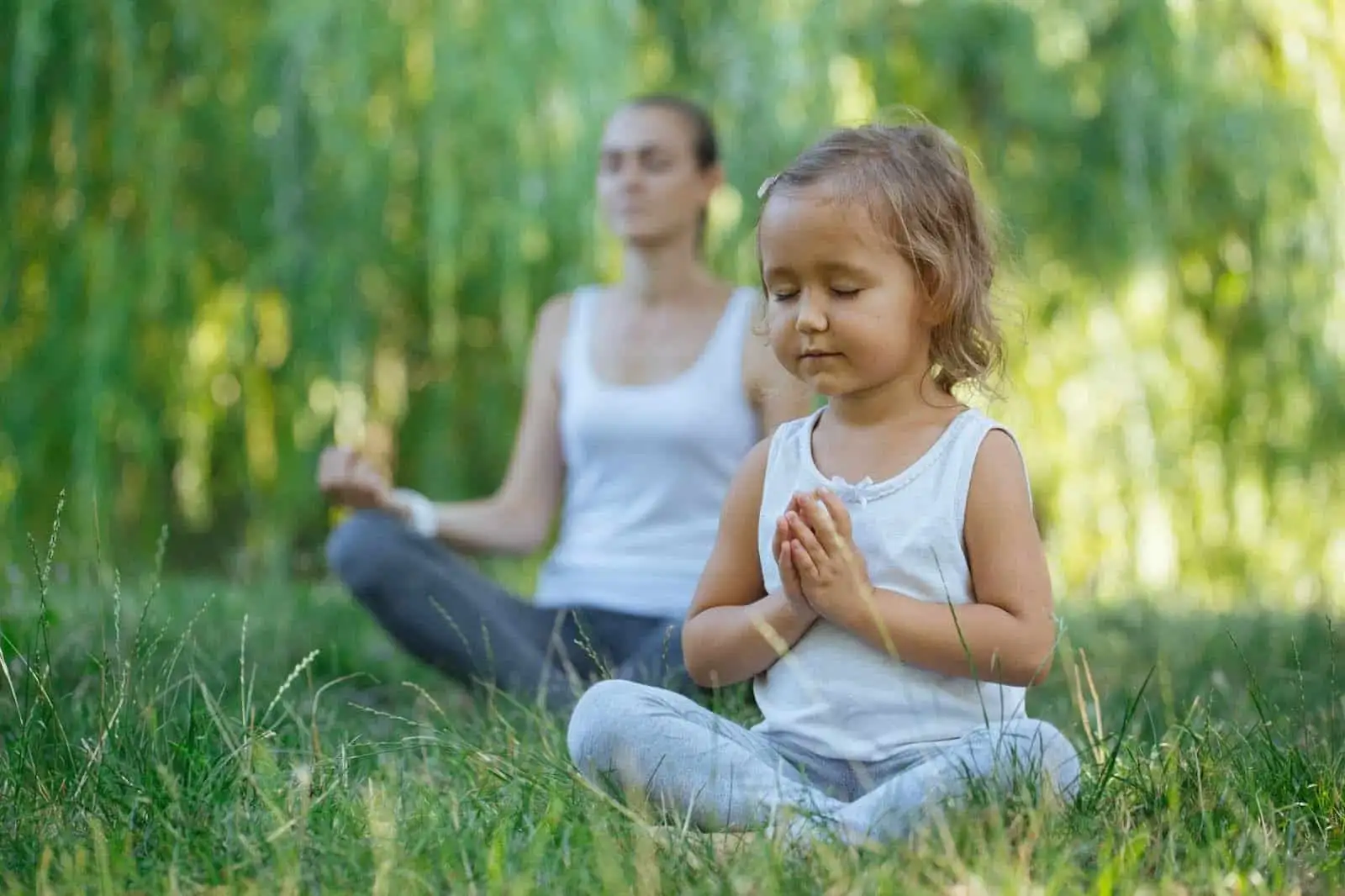
This practice encourages children to focus on the present moment by observing their breath or surroundings.
Example: Guide your child to sit quietly for three minutes, noticing the sound of birds or the feeling of air on their skin. This can help them reset during a busy day.
Body Scan Meditation for Kids
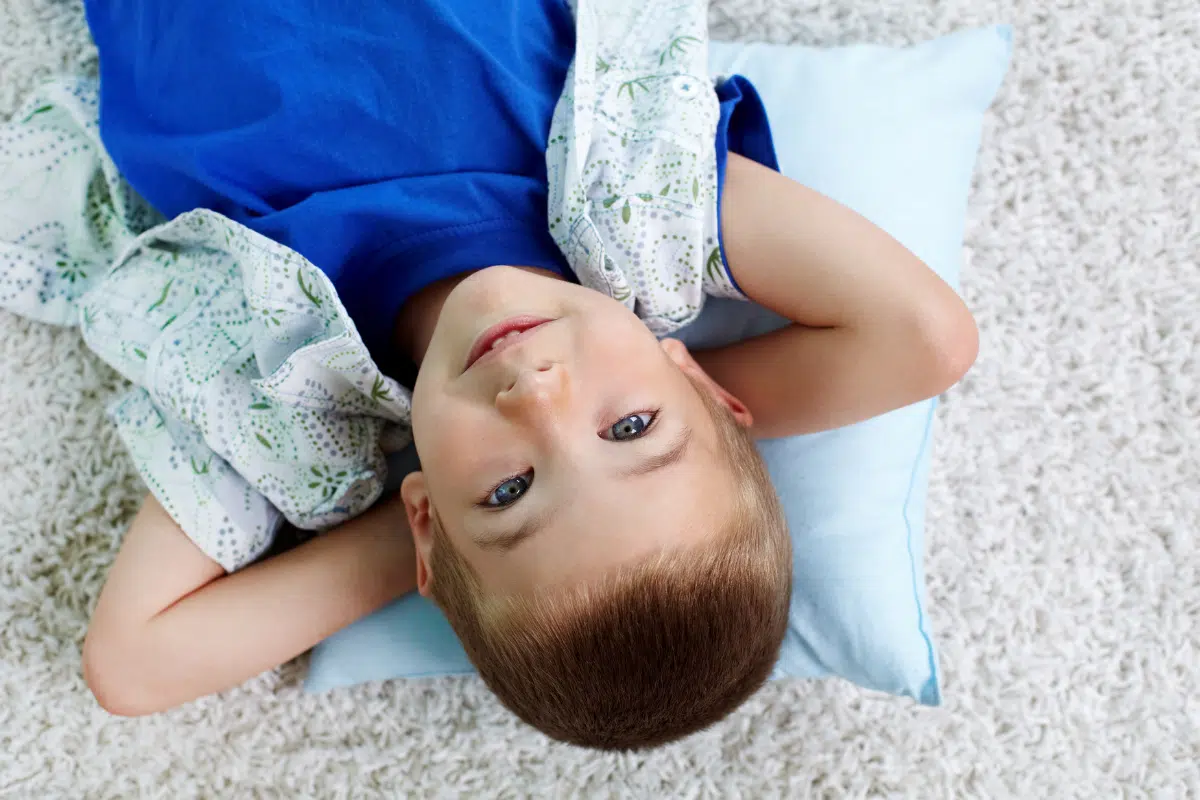
This technique promotes relaxation by drawing attention to different parts of the body.
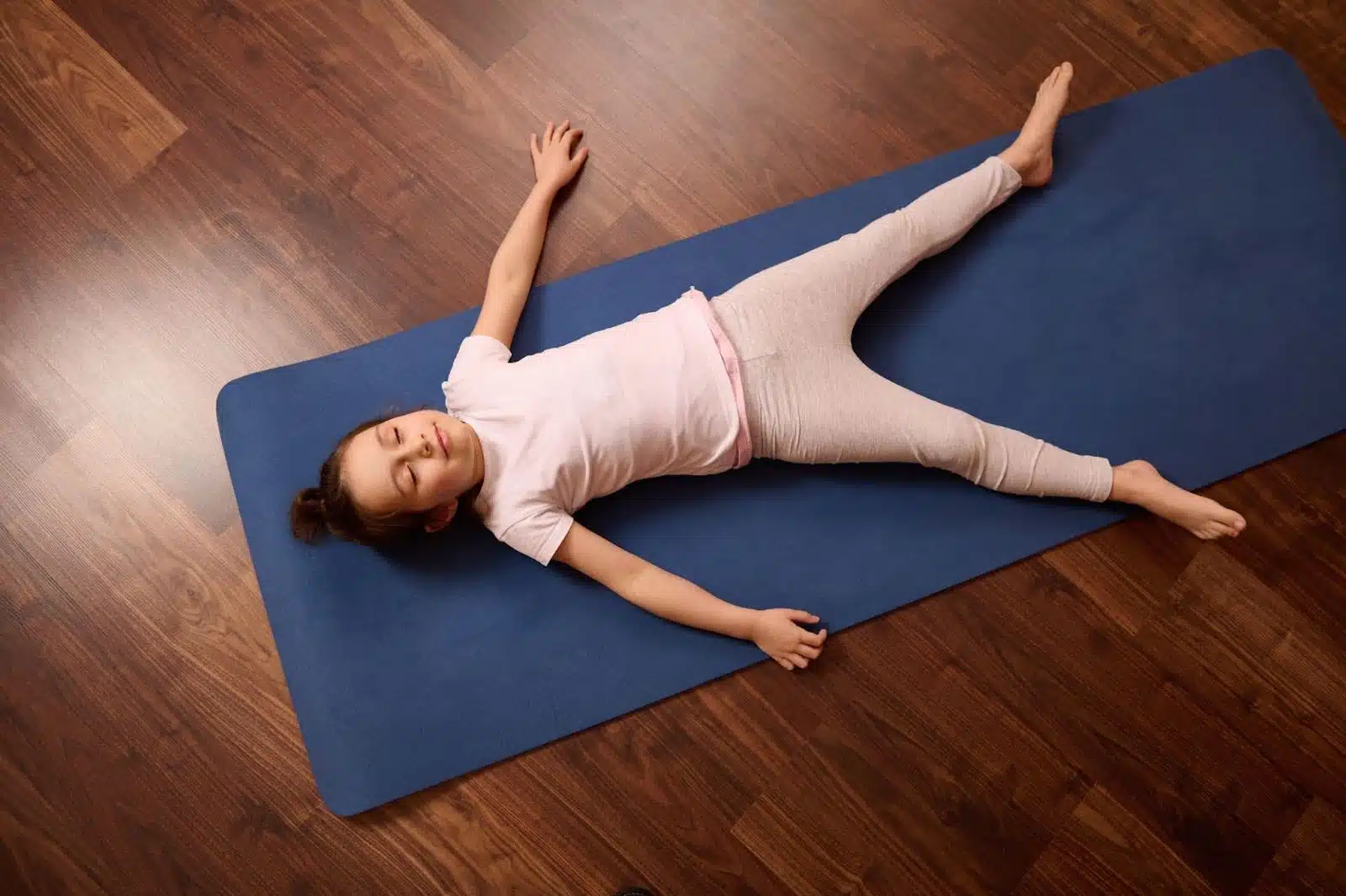
Example: Before bed, ask your child to lie down, close their eyes, and focus on relaxing each part of their body, starting from their toes and moving upward. A 5-minute meditation for kids like this can help them release tension and sleep better.
Guided Visualisation
This style taps into a child’s imagination, using visualisation to promote calm and positivity.
Example: Encourage your child to imagine their “happy place,” such as a sunny beach. Ask them to describe the sights, sounds, and feelings of this space to immerse themselves in positive emotions.
Belly Breathing
A quick and effective way to calm down by focusing on deep, rhythmic breathing.
Example: During a 3-minute meditation for kids, have your child place their hands on their belly, breathe deeply for four counts, and exhale slowly, noticing how their belly moves.
Whether it’s a short meditation for kids or a relaxing 5 minute meditation for kids, these small but powerful moments can create a lasting impact. Start incorporating meditation into your child’s routine today and watch as they flourish!
Incorporating Mindful Practices at Shichida Australia
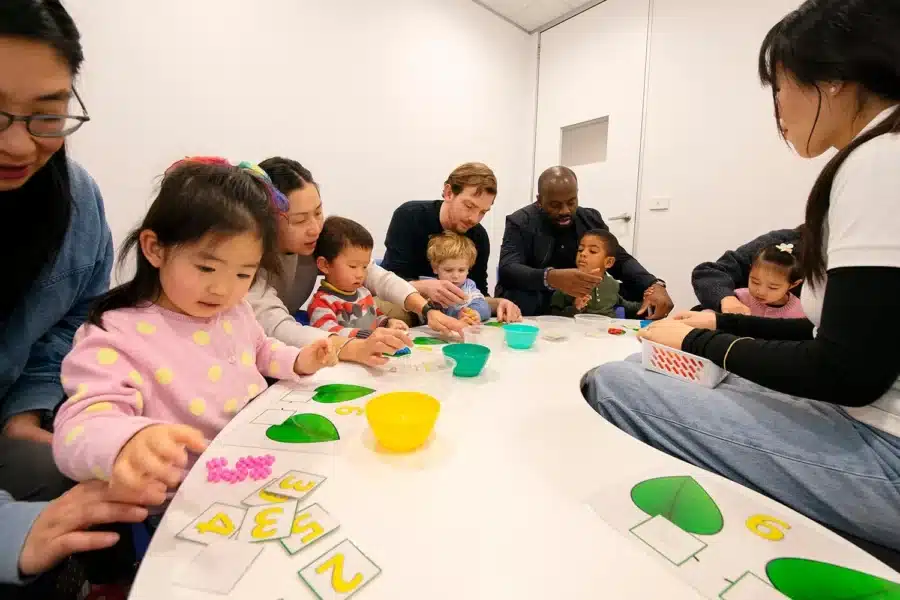
Mindfulness is woven into every Shichida class, creating a calm and focused learning environment:
Breathing Exercises: Each session begins with simple breathing exercises to help children settle their minds and prepare for learning. Belly breathing is introduced in age-appropriate ways—young children imagine blowing out a birthday candle, while older children focus on steady, deep breaths. This practice helps children connect with their breath and manage emotions.
Positive Affirmations: Such as “You can do anything you put your mind to”, build confidence and resilience, encouraging a growth mindset.
Guided Visualisation: These exercises help children picture success, solve problems, and develop a positive outlook.
Calming Environment: The classroom environment is structured yet calming, ensuring children feel secure and engaged.
Bonding Activities: Parent-child bonding activities strengthen emotional awareness through shared experiences.
Reflection and gratitude are encouraged, helping children recognise their progress and celebrate small achievements. By focusing on the learning journey rather than just results, children develop patience, curiosity, and a love of learning.
Give your child the best start in life – book a trial class at a Shichida early learning centre today!
FAQs About Meditation for Kids
Meditation for kids is a simple practice of directing attention to something such as breathing, sounds or a guided mental picture. Children can notice when their attention wanders and gently return to the activity. It does not require an empty mind, complete stillness or a particular emotional response.
Mindfulness means paying attention to the present moment with curiosity rather than judgement. Meditation is one way to practise this deliberately. Children can also practise mindfulness during everyday activities, such as noticing sounds on a walk or feeling their feet touch the ground.
Meditation can provide practice in noticing feelings and body sensations. Parents can build on this by helping children name emotions and discuss what might help. Emotional intelligence also develops through relationships, conversation and everyday experiences; meditation is one possible tool within that broader learning.
Start with a brief activity and follow your child’s interest. A few comfortable breaths or a short listening game may be enough initially. The American Academy of Pediatrics suggests a few minutes a day for preschoolers, but duration should remain flexible. Meditation guidance for families.
Invite your child to sit comfortably beside you. Spend the first minute noticing nearby sounds, the second noticing gentle, natural breathing, and the third picturing a familiar place they enjoy. Keep their eyes open if preferred and finish sooner if they lose interest or become uncomfortable.
Toddlers can join very simple shared activities, such as listening for birds or noticing how a soft toy feels. Keep these moments playful and brief. Adult reassurance and responsive interaction remain important; toddlers should not be expected to meditate independently or use a technique to manage overwhelming feelings alone.
Adapt the activity rather than insisting. Try a slow walk while noticing sounds, gentle stretching or looking at a familiar object together. Eyes can stay open. Movement-based practices can offer an alternative for children who find seated meditation difficult. American Academy of Pediatrics guidance.
A gentle breathing activity or familiar guided story may help some children wind down as part of a predictable bedtime routine. Responses vary, so use something your child enjoys and stop if it becomes frustrating. Meditation does not guarantee sleep or replace support for persistent sleep difficulties. Meditation and bedtime routines.
No. Meditation can be an optional wellbeing activity, but it is not a substitute for assessment or treatment. If worries persist, cause significant distress or interfere with daily life, speak with your child’s GP about appropriate support.
Shichida Australia incorporates simple breathing exercises, guided visualisation and parent-child activities into its classes. These provide opportunities to pause, participate and build emotional awareness within a supportive learning environment. Shichida is an early education program rather than a meditation therapy service.