
How to Improve Concentration in Kids: Strategies That Work
Key Takeaways
- Concentration Is a Learnable Skill:
Kids aren’t born with perfect focus, but with the right support and routines, they can strengthen their attention span over time. - Everyday Habits Make a Big Difference:
Sleep, nutrition, and a distraction-free environment are powerful tools in helping your child stay focused and engaged. - Fun Activities Build Focus Naturally:
Puzzles, memory games, arts, and reading together are simple ways to improve concentration while keeping things enjoyable at home.
It can be challenging when your child finds it hard to sit still, finish an activity, or stay focused during everyday routines. But concentration isn’t something children are simply born with – it’s a skill that develops gradually and can be strengthened with the right support.
This guide shares simple, practical tips on how to improve concentration in kids, helping them stay engaged, feel more confident, and enjoy learning through play and daily interactions.
Designed for families with children up to 5 years old.

Why Is Concentration Important for Kids?
Helping children build their ability to concentrate lays the foundation for many key areas of development. It’s not just about sitting still or paying attention – it’s about setting them up for success.
- Academic Success:
Whether it’s reading or solving math problems, kids need focus to learn, follow instructions, and complete tasks. A child with strong concentration skills is more likely to succeed at school and find learning easier. - Social Interactions:
Concentration helps children actively listen, respond appropriately in conversations, and stay engaged. These skills are essential for forming and maintaining friendships. - Emotional Regulation:
A focused mind supports better emotional control. Children who can concentrate tend to manage frustration more effectively, wait their turn more patiently, and follow through on tasks without giving up. Ultimately, improving concentration in kids helps them stay engaged with their world, boosts confidence, and builds resilience when facing challenges.
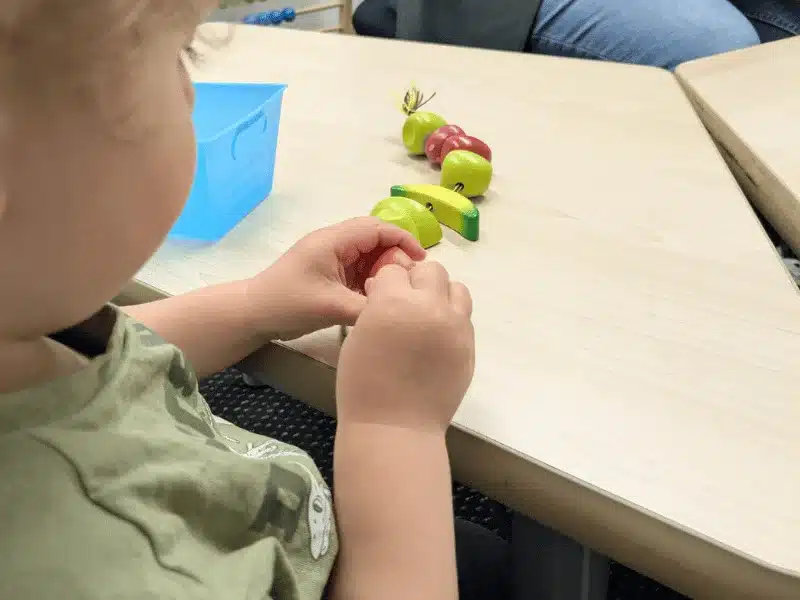
Image by Shichida: Stringing beads is a simple but fun way to help toddlers build concentration, patience and fine motor skills through hands-on play.
What Factors Affect a Child’s Concentration?
Understanding what interferes with focus can help you create the best environment to support your child. Here are some key factors that influence how to improve concentration in kids:
- Sleep and Rest:
Tired children struggle to concentrate. Lack of sleep or poor-quality rest can lead to irritability and shorter attention spans. - Nutrition:
A healthy brain needs the right fuel. Diets high in sugar and processed foods can cause energy spikes and crashes, making it harder for kids to stay focused. - Mental Health:
Stress, anxiety, or emotional upsets can occupy a child’s mind and make it difficult to concentrate. Even small worries can have a big impact on focus. - Distractions:
TVs, background noise, devices, and busy environments all compete for your child’s attention. Minimising distractions is key. - Learning Environment:
A cluttered or disorganised space can feel overwhelming. Kids tend to concentrate better in calm, tidy environments designed for focused or relaxing activities.

7 Strategies to Improve Concentration in Kids
If you’re wondering how to improve concentration in kids, here are simple, effective strategies you can apply at home. These everyday habits can make a meaningful difference over time:
- Establish a Routine
Children thrive on routine. Set regular times for meals, homework, play, and sleep. A predictable schedule helps them feel secure and ready to focus. - Break Tasks Into Smaller Steps
Big tasks can overwhelm young minds. Break activities into manageable chunks and celebrate each completed step to maintain motivation and concentration. - Use Timers for Focused Work
Try short bursts of focused activity – set a timer for 10-15 minutes and encourage your child to stay on task. Follow it with a short break before the next round. - Minimise Distractions
Turn off the TV, put mobile devices away, and reduce background noise during activities that require focus. A tidy, quiet space supports better concentration. - Encourage Active Play
Physical activity – like running, dancing, or yoga – helps kids release excess energy and prepares them to concentrate better afterwards. - Practice Mindfulness
Simple mindfulness activities such as deep breathing, stretching, or quiet moments can help kids feel calm and more centred when their attention drifts. - Reward Focused Behaviour
Acknowledge and praise your child when they stay on task, even briefly. Positive reinforcement builds motivation and highlights the value of effort and progress.
Want more ideas? Shichida has plenty! Book a trial class and see how the Shichida Method can help your child thrive!

Activities to Boost Concentration in Kids
The best part about building concentration? It doesn’t have to feel like work. There are plenty of fun, engaging activities that improve concentration while children play and explore.
- Puzzles and Brain Teasers
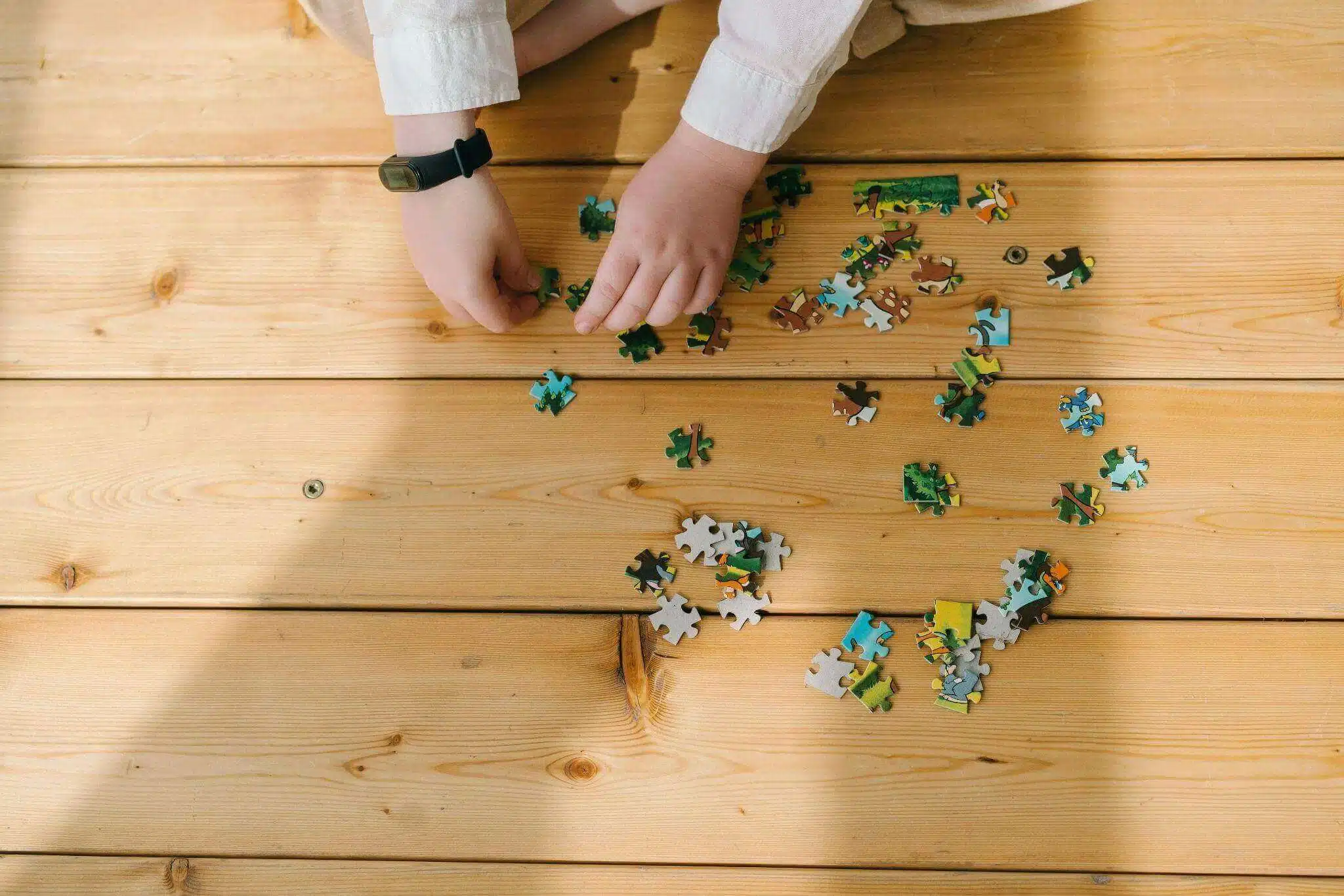
These activities encourage critical thinking and sustained attention as children work through problems to find a solution. - Building Games (e.g., LEGO)
Creative construction play enhances spatial awareness, patience, and the ability to focus for extended periods. - Memory Games
Matching cards, “what’s missing?” challenges, and recall activities train the brain to notice details and improve information retention. - Reading Together
Whether reading aloud or independently, stories build attention span and comprehension. Choose books that spark your child’s curiosity.
Arts and Crafts
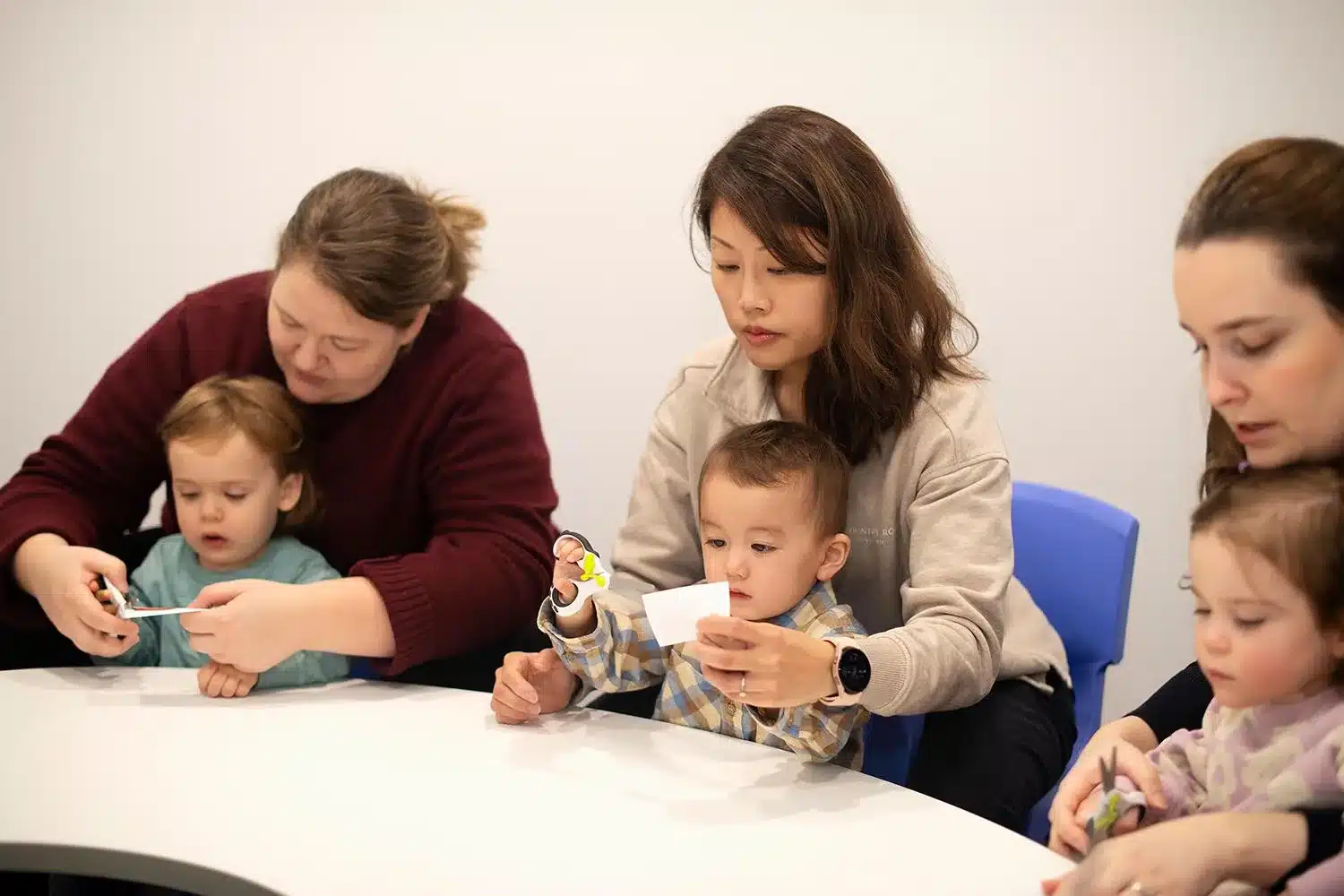
Drawing, colouring, cutting, and gluing involve fine motor skills and require careful attention – excellent for developing focus.

Image by Shichida: Tangram puzzles are one of the many learning tools we use to help preschoolers build concentration, spatial awareness and problem-solving skills through hands-on challenges.
How Sleep and Nutrition Impact Concentration in Kids
Don’t overlook the powerful role of sleep and nutrition:
Sleep: Children need consistent bedtimes and adequate rest to stay alert and focused throughout the day. School-aged kids typically require 9–11 hours of sleep each night. A calm, predictable bedtime routine can make a significant difference.
Nutrition: Foods rich in omega-3 fatty acids (such as fish, flaxseeds, and walnuts), along with fruits, vegetables, whole grains, and lean proteins, all support healthy brain function. Limiting sugar and processed snacks can help avoid energy crashes and mood swings that interfere with focus.
When to Seek Professional Help for Concentration Issues
Sometimes, even with consistent support at home, concentration remains a challenge. In such cases, it may be time to seek professional advice. Look out for:
- Ongoing struggles to complete tasks, even with encouragement and structure.
- Constant restlessness or an inability to sit still that seems excessive for your child’s age.
- Academic or social difficulties that appear connected to poor focus or attention.
If you notice these signs, speak with your GP, a paediatrician, or an educational psychologist. Early intervention can provide your child with the tools and strategies they need to succeed.

Photo by Shichida Australia: Tracing activities like this maze helps young learners build concentration, fine motor skills and patience.
Improve Your Child’s Concentration with Shichida
Concentration and focus are skills that can be learned and strengthened over time with practice. With consistency, patience, and encouragement, your child can develop better focus – not just for school, but for everyday life.
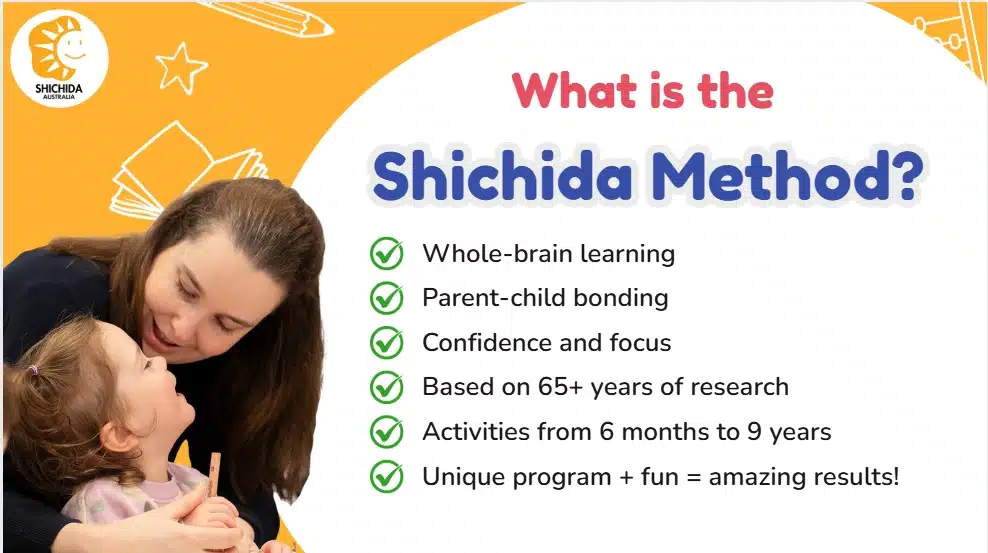
At Shichida, concentration is built through fun, hands-on learning activities that keep children curious, engaged and excited to participate. From puzzles and memory games to structured brain-boosting challenges, our classes help children practise focus in a way that feels natural and enjoyable.
To learn more about simple ways to support your child’s attention span, book a trial class and see how the Shichida Method can help your child thrive.
FAQs: How to Improve Concentration in Kids
It is normal for young children to have short attention spans, especially when they are tired, hungry, overstimulated or not interested in the activity. However, if your child consistently struggles to follow instructions, complete simple tasks, sit through age-appropriate activities or focus even with support and structure, it may be worth seeking advice from a GP, paediatrician or educational psychologist.
You can improve concentration at home by creating a simple routine, breaking tasks into smaller steps, reducing distractions and giving your child short, focused activities with regular breaks. Hands-on activities such as puzzles, memory games, reading, building blocks, tangrams, flashcards, bead-stringing and arts and crafts can also help children practise focus in a fun and natural way.
A child’s concentration span depends on their age, personality, interest level and environment. Younger children usually focus for short bursts, while preschoolers may stay engaged for longer when the activity is hands-on, fun and age-appropriate. Rather than expecting long periods of focus straight away, start with short activities and gradually build up your child’s attention span over time. The Shichida method advocates for an attention span of your child’s age plus one minute per activity.
Activities that encourage children to observe, remember, plan, problem-solve or complete a task can help improve concentration. Puzzles, tangrams, flashcards, memory games, matching games, building blocks, reading, drawing, colouring, threading beads and simple craft activities are all useful. The key is to choose activities that are enjoyable, achievable and just challenging enough to keep your child engaged.
You can support your child’s concentration without screens by offering hands-on activities such as puzzles, story time, memory games, craft, outdoor play, building games and simple household tasks. Creating a calm space, turning off background noise and giving your child one clear task at a time can also make it easier for them to focus.
Sleep plays an important role in concentration, mood and learning. While every child is different, school-aged children generally need around 9 to 11 hours of sleep each night. A calm bedtime routine, consistent sleep times and enough rest can help your child feel more alert, settled and ready to focus during the day.
Yes. A balanced diet can support your child’s energy levels, mood and ability to concentrate. Foods such as fruit, vegetables, whole grains, lean proteins and omega-3-rich foods help fuel the brain, while too much sugar or processed food may lead to energy spikes and crashes that make focus harder.
If your child continues to struggle with concentration despite routines, reduced distractions, good sleep habits and regular support, it may be helpful to speak with a professional. A GP, paediatrician or educational psychologist can help identify whether there are underlying factors affecting your child’s focus and suggest appropriate support.
Yes. Structured early learning programs can help children practise concentration through guided, age-appropriate activities. At Shichida, children build focus through fun, brain-boosting tasks such as memory games, puzzles, problem-solving activities, fine motor challenges and hands-on learning experiences that keep them engaged while developing important learning skills.