Key Takeaways
- Baby sensory development helps infants make sense of their surroundings. Everyday experiences with sights, sounds, touch, tastes and smells provide opportunities to notice, respond and learn.
- Simple interactions offer meaningful sensory experiences. Talking, singing, sharing safe textured toys and watching a slowly moving object can fit naturally into daily play.
- Follow your baby’s cues during sensory activities. Keep experiences gentle, allow pauses and offer comfort or rest when your baby turns away or becomes unsettled.
- Shichida baby classes combine sensory activities with parent participation. Songs, flashcards and hands-on experiences form part of a guided early learning program for babies from six months.
Baby sensory development is a fundamental part of early childhood growth, shaping how infants interpret and respond to the world around them. From birth, babies use their five senses – sight, hearing, touch, taste, and smell – to explore and understand their environment. Stimulating these senses through engaging experiences is crucial for cognitive, motor, and social development.
The Five Senses in Infant Development
Each of the five senses plays a unique role in a baby’s growth and learning process. Understanding how these senses develop helps parents create meaningful experiences that enhance their child’s sensory abilities.

Visual Development
Newborns have limited vision at birth, primarily seeing in black, white, and shades of grey. Over time, their eyesight improves, and they begin to distinguish colours, shapes, and patterns. High-contrast images, colorful toys, and visual tracking games help strengthen their visual processing skills.
Auditory Development
Infants can recognise sounds from the womb and continue refining their hearing after birth. Exposure to music, rhythmic sounds, and spoken language enhances auditory processing, contributing to language development. Talking, singing, and reading aloud support their ability to differentiate tones and rhythms.
Tactile Development
Touch plays a critical role in bonding and motor skill development. Skin-to-skin contact, soft textures, and gentle massages create a sense of security and enhance sensory processing. Babies also learn through grasping different objects, helping refine their fine motor skills.
Gustatory and Olfactory Development
Taste and smell are closely linked and influence feeding behaviours. Babies are born with a preference for sweet flavours, but exposure to various tastes during early feeding experiences can shape their preferences. Introducing a range of safe, mild scents and flavours supports sensory awareness.
Importance of Sensory Play
Sensory play is a crucial element of brain development. Engaging in sensory-rich activities enhances:
- Cognitive skills: Helps babies process and respond to different stimuli.
- Motor development: Encourages muscle strength and coordination.
- Problem-solving abilities: Teaches cause-and-effect relationships.
- Social interaction: Supports communication and emotional regulation.
The benefits of sensory play extend beyond infancy, helping children build essential life skills. Through sensory experiences for babies, parents can promote cognitive flexibility, adaptability, and early problem-solving abilities.
Sensory Activities for Infants
Parents can encourage sensory development at home through simple yet effective activities.
Tummy Time
Tummy time strengthens neck, back, and shoulder muscles, preparing babies for crawling. Placing toys within reach encourages visual tracking and hand-eye coordination.
Texture Exploration
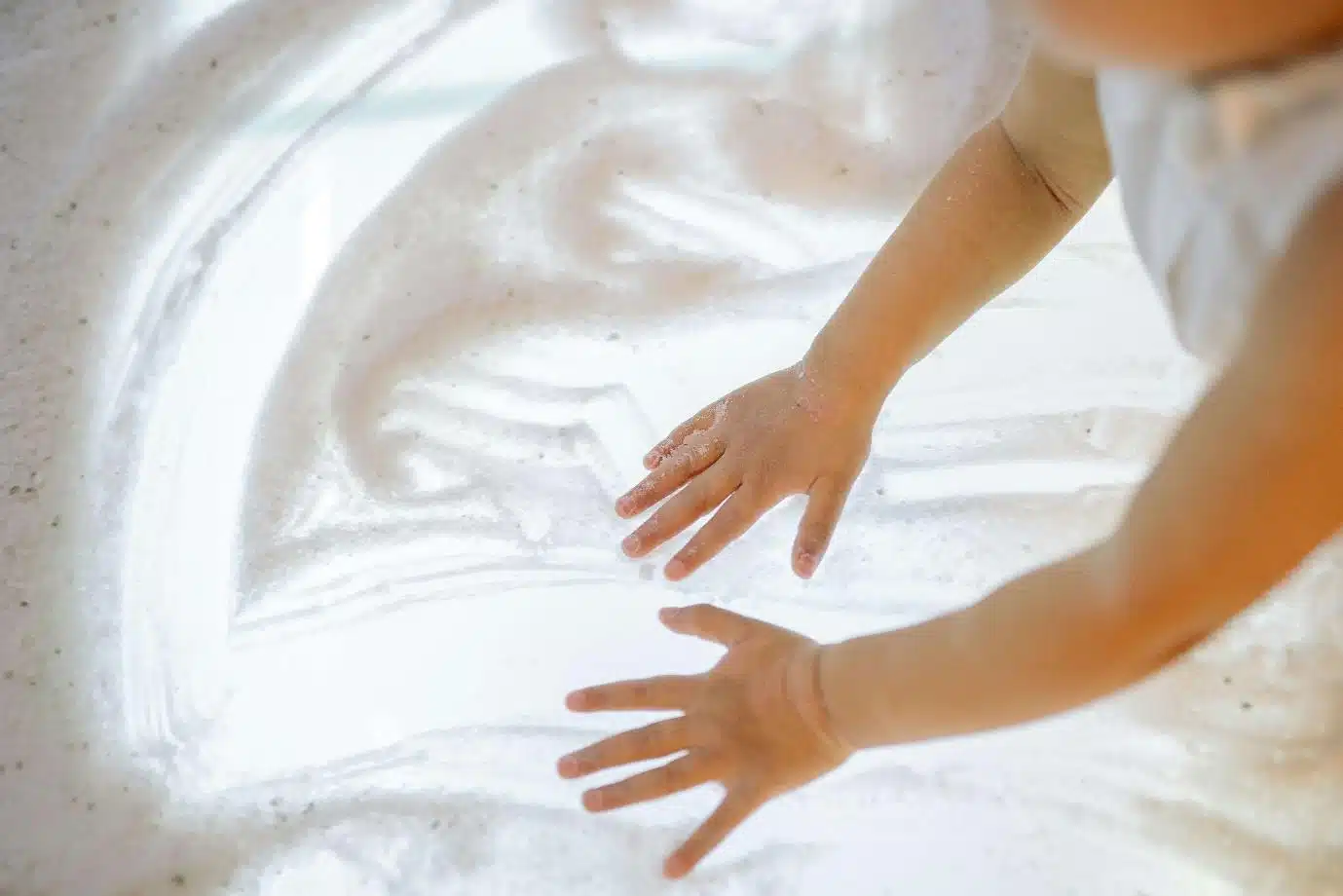
Providing various safe materials, such as soft fabrics, sponges, and textured toys, enhances tactile development. Letting babies feel different surfaces strengthens their sensory awareness.
Sound Recognition Games
Playing gentle music, using rattles, and introducing different household sounds helps babies recognise and differentiate tones. Talking to babies regularly also builds auditory skills.

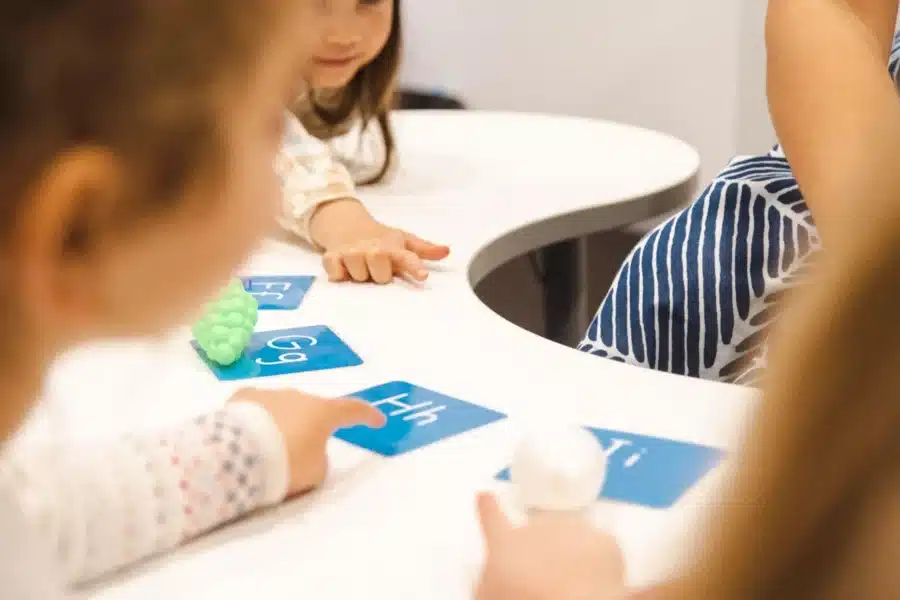
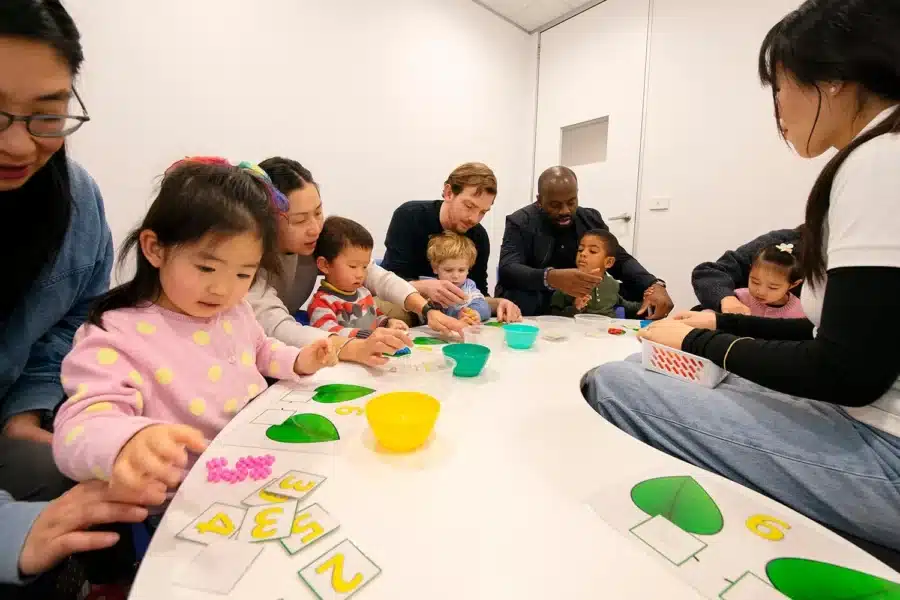
Shichida Australia offers engaging baby sensory classes, where little ones explore and learn through structured sensory play, stimulating their growing minds in a fun environment.
Visual Tracking Exercises
Encouraging babies to follow a moving object, such as a colourful toy or finger puppet, strengthens visual tracking and focus. Slow movements allow infants to adjust and practice their eye coordination.
Role of Parents in Sensory Development
Parental interaction plays a vital role in sensory growth. Responsive caregiving, like talking, holding, and playing with infants, provides essential stimulation. Creating a safe, sensory-rich environment at home encourages exploration and learning.
Recognising Sensory Processing Issues
While all babies develop at their own pace, some may experience sensory processing difficulties. Signs to watch for include:
- Overreacting or underreacting to sensory input (e.g., extreme sensitivity to noise or touch).
- Difficulty with feeding or texture aversion.
- Delayed motor skills or difficulty with coordination.
- Limited engagement with sensory play.
If concerns arise, consulting a paediatrician or occupational therapist can provide guidance and support.
Professional Programs and Resources
For parents seeking structured sensory development programs, various options are available.
Museum Workshops
Scienceworks and other museums offer baby sensory workshops featuring hands-on experiences with lights, sounds, and textures. These activities provide a fun and educational way to support sensory learning.
Baby Sensory Activities at Shichida Australia
Shichida Australia offers baby sensory activities designed to support infant sensory development through structured, research-backed methods. The program incorporates:
- Multi-sensory learning through play-based activities.
- Engaging educational songs and baby flashcards.
- Gentle exposure to early numeracy and literacy.
- Engaging baby-friendly exercises that enhance problem-solving skills.
- Parent involvement to reinforce learning at home

By joining Shichida Australia’s baby classes, parents can provide their children with a stimulating environment that nurtures early sensory and cognitive growth.
Conclusion
Baby sensory development is a vital part of early growth, shaping a child’s cognitive, motor, and social skills. Parents play a key role in providing sensory-rich experiences that support their baby’s learning journey.
From simple at-home activities to structured classes like those at Shichida Australia, there are countless ways to nurture sensory development and set the foundation for lifelong learning.
Give your baby the best start possible – try a Shichida class – you and your baby will love it!
FAQs About Baby Sensory Activities, Play and Development
Sensory development refers to how infants learn to interpret and respond to sensory stimuli from their environment using the five senses.
Sensory play supports cognitive growth, motor skills, problem-solving abilities, and social interaction.
Incorporate various textures, sounds, and visual stimuli through toys, household items, and interactive play.
Gentle massage, soft music, and exposure to contrasting colors are suitable for newborns.
Tummy time strengthens neck and shoulder muscles, promoting motor skills and preventing flat spots on the head.
If your baby shows signs of sensory processing issues, such as overreacting or underreacting to stimuli, consult a paediatrician.
Yes, programs like Shichida Australia offer structured classes designed to enhance sensory and fine motor skills development.
Engaging in calming sensory activities before bedtime can promote better sleep by soothing the nervous system.
Early sensory experiences lay the foundation for language development, reading skills, and overall cognitive abilities.