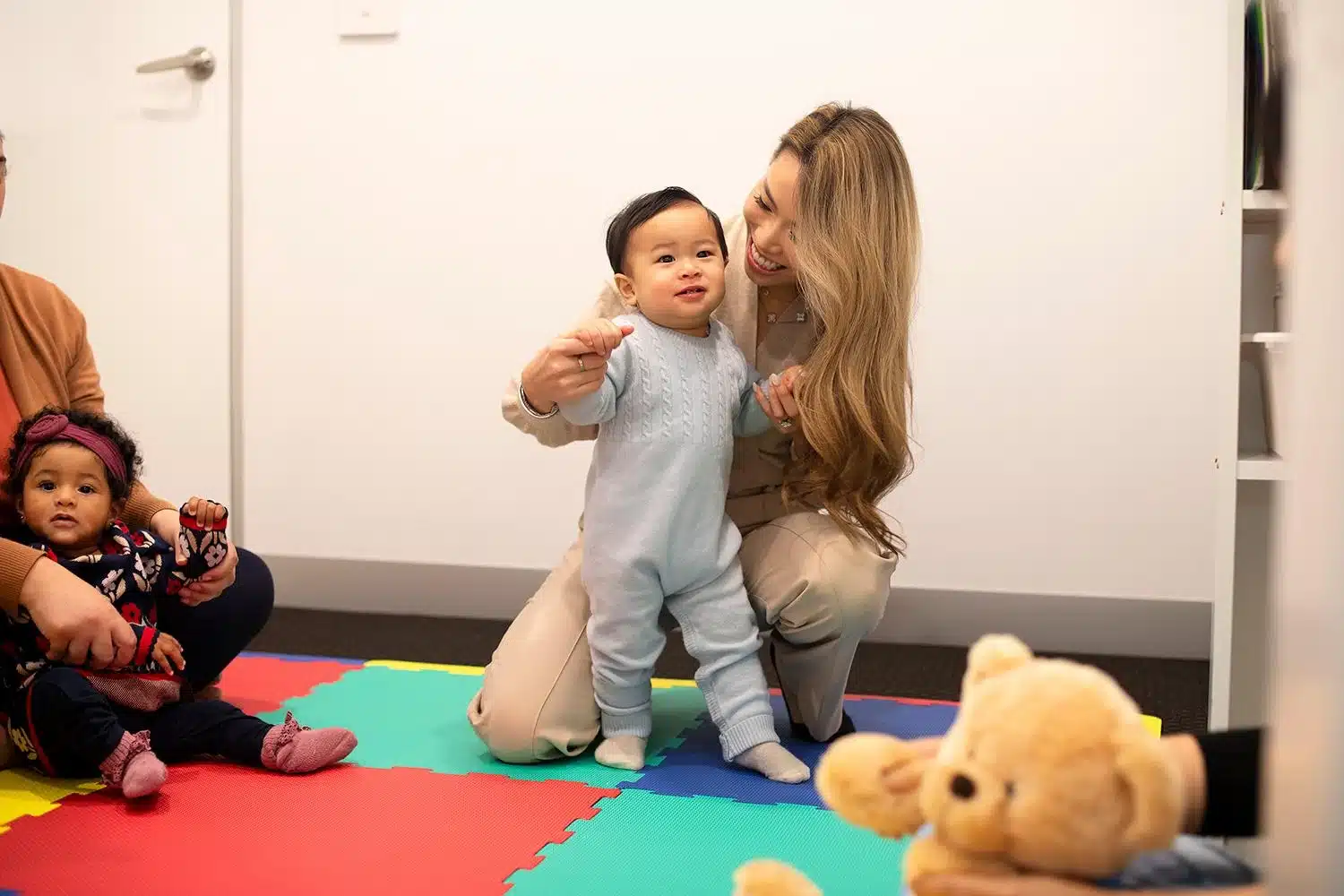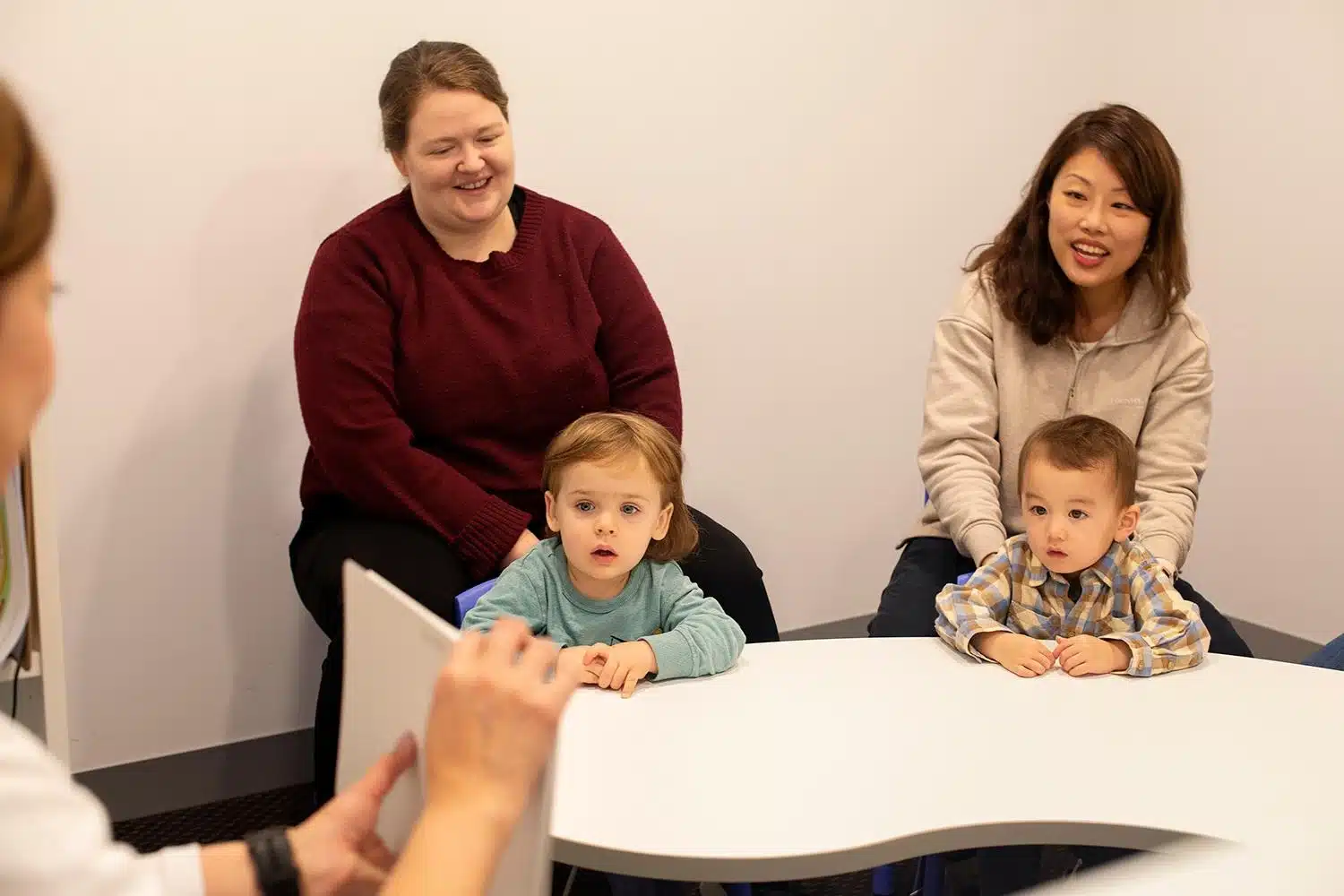
Why Fine Motor Skills Is Important For Kids
Fine motor skills development involves the small muscles in the hands, fingers and wrists that allow children to perform precise movements.
These skills are important for school readiness and everyday independence.
Strong fine motor skills development supports:
- Hand-eye coordination
- Pencil grip and writing skills
- Drawing and colouring
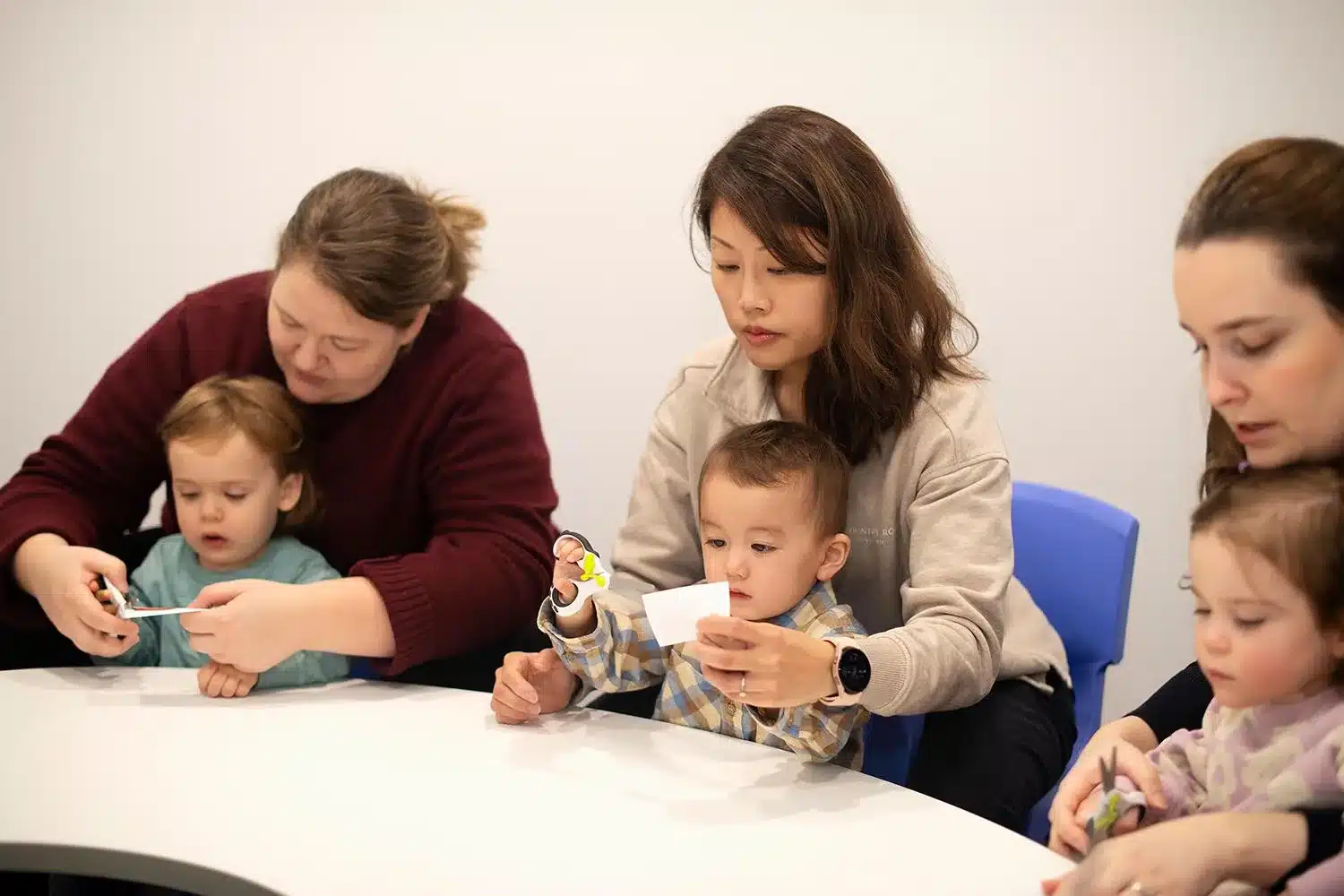
- Cutting with scissors
- Self-care skills such as dressing and feeding
Developing fine motor skills early helps children gain confidence and independence as they grow.
What Fine Motor Skills Will Your Child Develop With Shichida
Hand-Eye Coordination
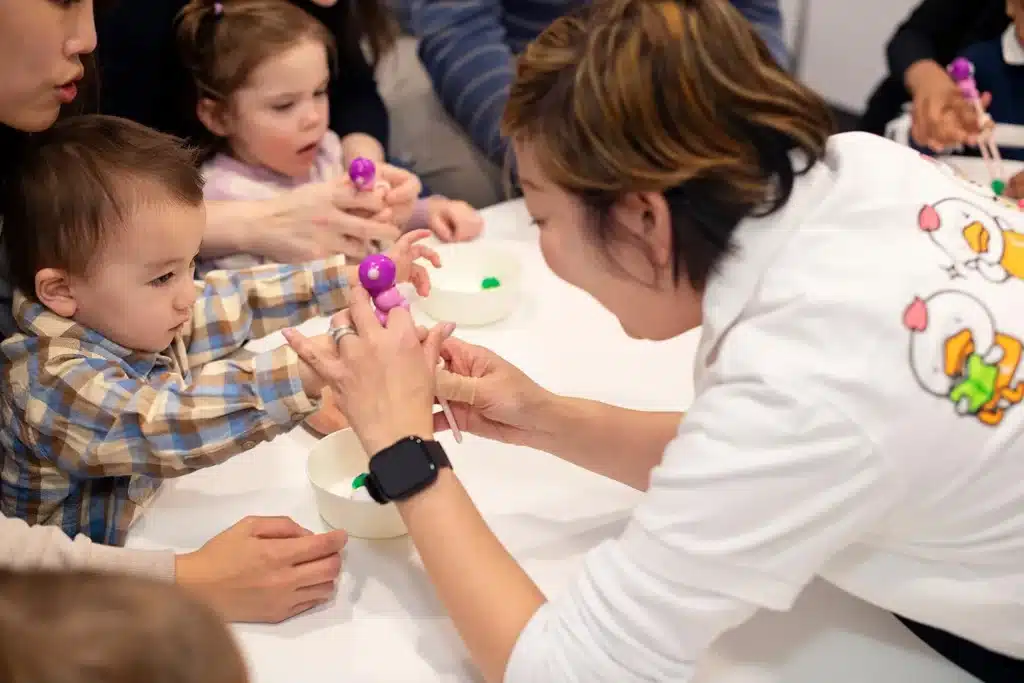
Your child develops hand-eye coordination through activities that require visual tracking, control and precision.
Strong hand-eye coordination supports writing, drawing, concentration, sports and everyday tasks.
Pencil Grip and Pre-Writing Skills
Children build the finger strength and control needed for pencil grip, drawing and early writing activities.
These pre-writing skills help prepare children for school and future academic success.
Finger Strength and Dexterity
Fine motor skills activities strengthen the small muscles in the hands and fingers, improving dexterity and control.
These skills support tasks such as cutting, buttoning, threading and manipulating small objects.
Why Many Children Develop Fine Motor Skills Faster with the Shichida Method
We focus on developing the foundation skills children need for learning and independence.
| Traditional Learning | Shichida Method |
|---|---|
| Works on writing only | Develops overall fine motor coordination |
| Focus on outcomes | Builds the underlying skills first |
| Limited sensory activities | Multi-sensory motor development |
| Practice after difficulties appear | Early development before school challenges arise |
The Shichida Method incorporates activities that support fine motor skills development, coordination skills and school readiness through age-appropriate learning experiences.
See What Parents Are Saying About Shichida


See How Your Child Responds in Their First Class

The best way to understand how fine motor skills develop is to experience the activities first-hand.
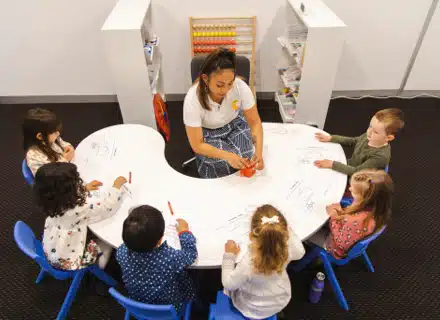
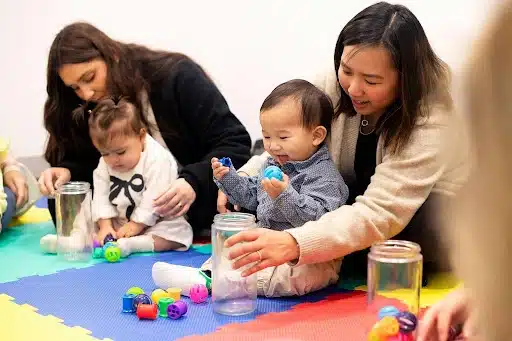
Each 50-minute early learning class includes activities designed to strengthen hand-eye coordination, finger strength, dexterity and pre-writing skills while keeping children engaged and motivated.
Your child may experience:
- Hand-eye coordination activities
- Fine motor development exercises
- Manipulative and dexterity activities
- Pre-writing and pencil control tasks
- Hands-on memory and number sense games
- Parent-child interaction and bonding
These fine motor skills development activities work together with flashcards, sensory play, music and other hands-on learning tasks to build confidence, coordination and school readiness.
See How Your Child Responds in Their First Class
See how your child responds in their very first class
Your trial class includes:
- A full 50-minute session
- A real classroom environment
- Guidance from a trained instructor
- Opportunity to observe your child’s response
✔ No experience needed
✔ Parent attends with child
✔ No pressure to enrol

What Are Fine Motor Skills For Kids?
Fine motor skills refer to the ability to use the small muscles of the hands and fingers to perform precise movements.
Examples of fine motor skills include:
- Holding a pencil
- Drawing and colouring
- Cutting with scissors
- Using utensils
- Buttoning and zipping clothing
- Picking up small objects
Fine motor skills development is important for both school readiness and daily life.
How to Improve Your Child’s Fine Motor Skills
Encourage Drawing and Colouring
Drawing and colouring help strengthen pencil grip, finger control and hand-eye coordination.
Use Hands-On Activities
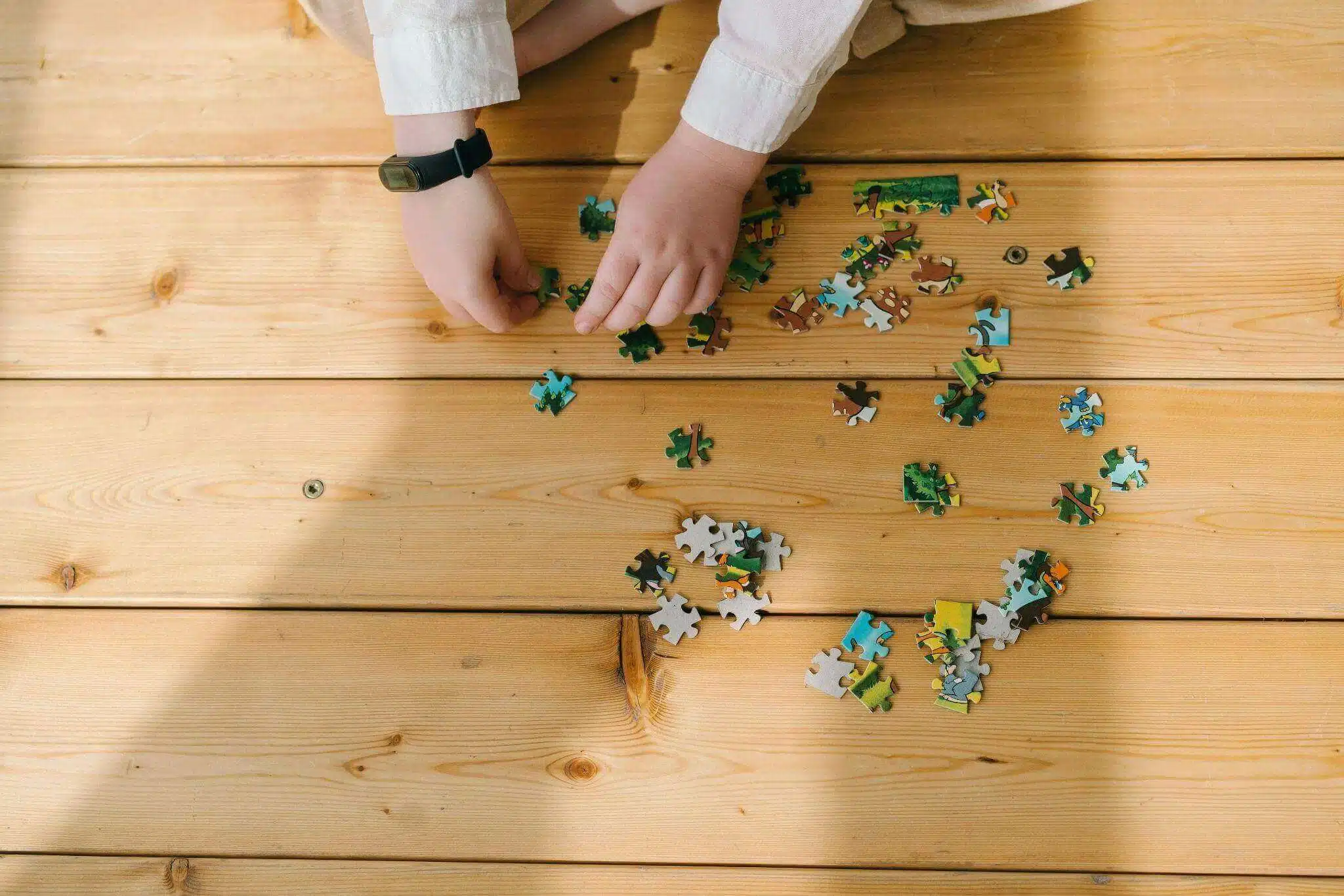
Activities such as threading, building blocks and puzzles help develop dexterity and coordination.
Practise Everyday Tasks
Buttoning clothes, using utensils and helping with household activities provide valuable fine motor practice.
When Should Fine Motor Development Begin?
Fine motor development begins in infancy and continues throughout childhood.
The early years provide the ideal opportunity to strengthen coordination, dexterity and control through structured activities and play.
FAQs About Fine Motor Skills Development for Kids
Fine motor skills refer to the ability to use the small muscles in the hands and fingers to perform tasks like drawing, writing, and manipulating objects. These skills are essential for academic tasks and daily activities, such as self-feeding, buttoning clothes, and using scissors.
Fine motor skills begin developing from infancy. The Shichida program starts working on these skills from babyhood, with appropriate activities for each developmental stage, so your child can build a solid foundation early on.
Children engage in various activities designed to enhance their fine motor skills, such as sensory play (feeling textures), using chopsticks or tweezers, stringing beads, and even origami. These activities are fun and educational, helping children build dexterity and coordination.
Fine motor skills play a significant role in academic success by helping children with tasks like writing, cutting, drawing, and problem-solving. As children refine their motor skills, they also develop confidence and independence in academic and social settings.
You can support your child’s fine motor development by providing opportunities for them to engage in hands-on activities at home. Simple activities like drawing, building with blocks, or practicing with tweezers can all contribute to their skill development.
Yes, developing fine motor skills can enhance other areas of development, including cognitive function, creative thinking, and emotional intelligence. These skills encourage independence and develop a child’s ability to engage in various activities, both academically and socially.
Most children show noticeable improvements in their fine motor skills within a few months of starting the Shichida program. Regular practice and engagement with fine motor activities will lead to continuous development.
Yes, the Shichida fine motor skills activities are designed to be adaptable, and it can be beneficial for children with various learning needs. Our approach is gentle and personalized, ensuring all children can progress at their own pace.
Book a Trial Class
Give Your Child a Strong Foundation for Learning and Life
Develop fine motor skills, emotional intelligence, confidence and thinking ability from an early age with Shichida’s baby, toddler and preschool early learning classes!