What is Numeracy and Why Does it Matter?
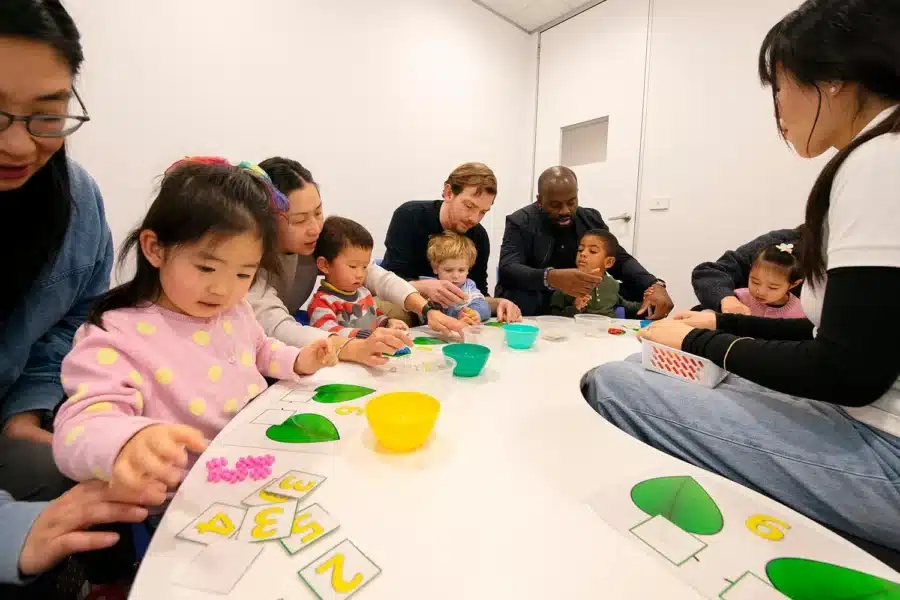
Numeracy is the ability to understand and use numbers in everyday life. For young children, early numeracy skills are the foundation of maths learning and problem solving. They include:
- Number recognition and counting
- Comparing quantities (more or less)
- Recognising patterns and shapes
- Sorting, grouping and classifying objects
- Understanding size and order
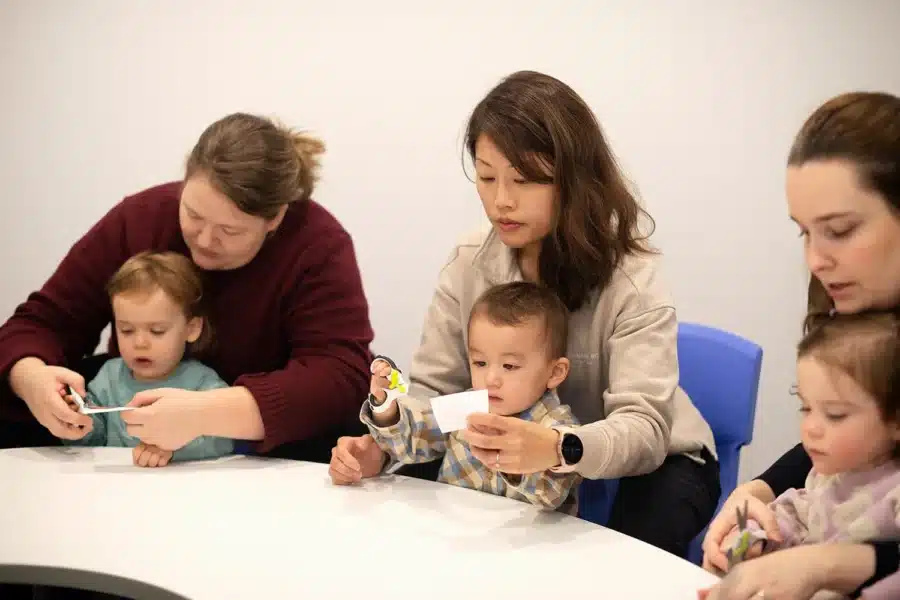
Early numeracy develops through play, repetition and everyday learning experiences. Simple, age-appropriate activities help children feel at home with numbers long before they start school.
What Numeracy Skills Will Your Child Develop?
At Shichida, children build early numeracy skills through hands-on, age-appropriate activities that make numbers meaningful and enjoyable.
Number Recognition and Counting Skills
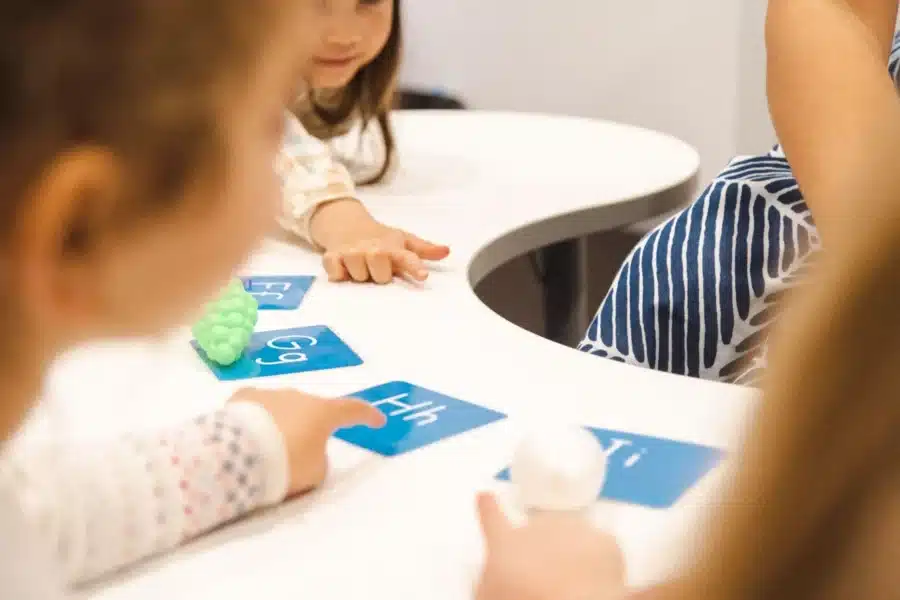
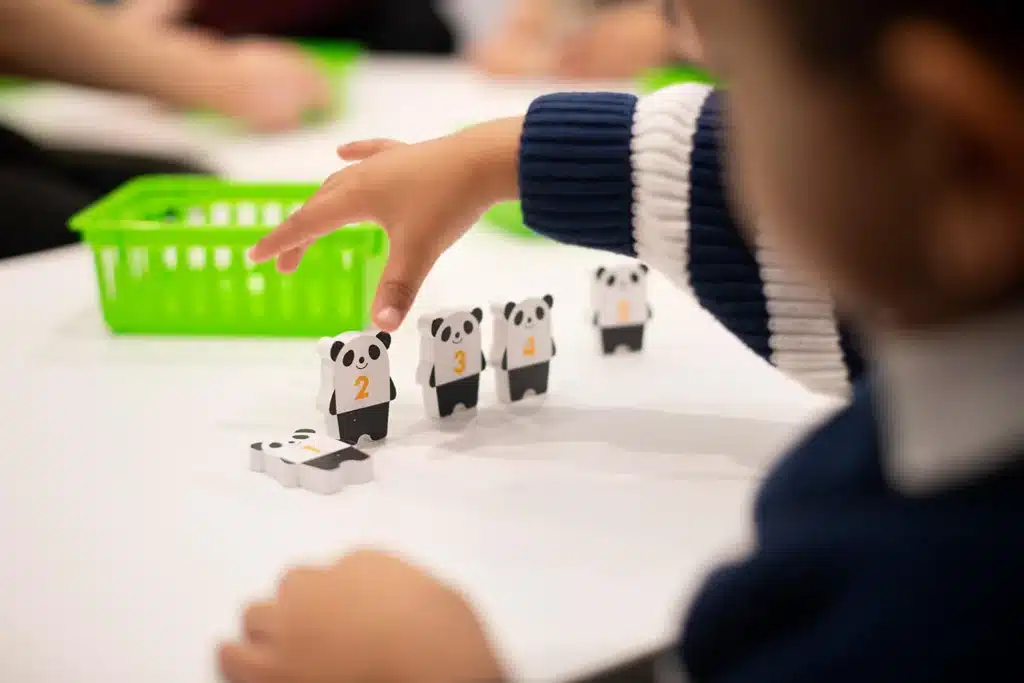
Flashcards, songs, visual prompts and hands-on activities introduce numbers and quantities. Children build number awareness, counting confidence and one-to-one correspondence.
Pattern Building and Early Thinking Skills
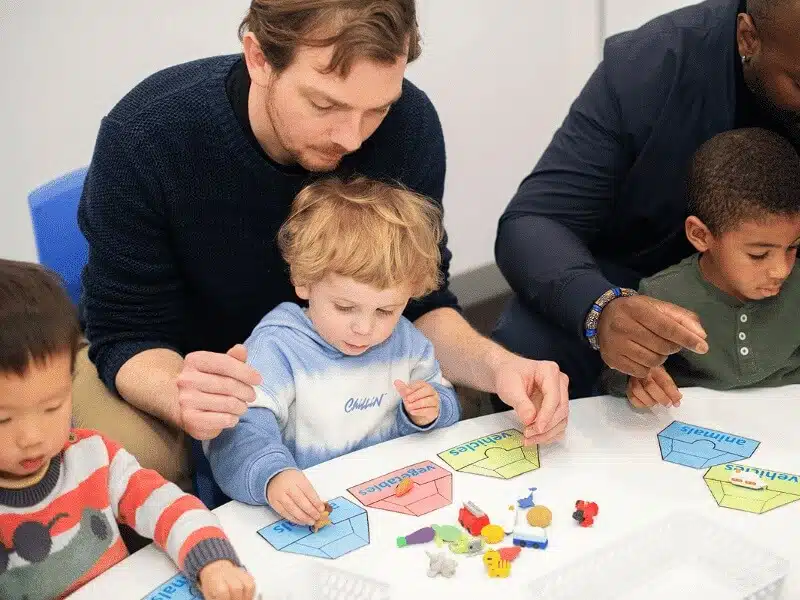
Matching, sorting, sequencing, shape recognition and pattern-building activities help children notice relationships, make predictions and think logically.
Understanding Shapes and Quantities
Children compare amounts, recognise shapes and connect number words with real quantities. Older children move on to early calculations such as addition, subtraction and multiplication.
How We Teach Numeracy Skills at Each Age
Every Shichida class builds numeracy, with activities matched to your child’s age. Choose an age below to see what happens in class.
Numeracy Activities for 6- to 12-month-olds (Babies)
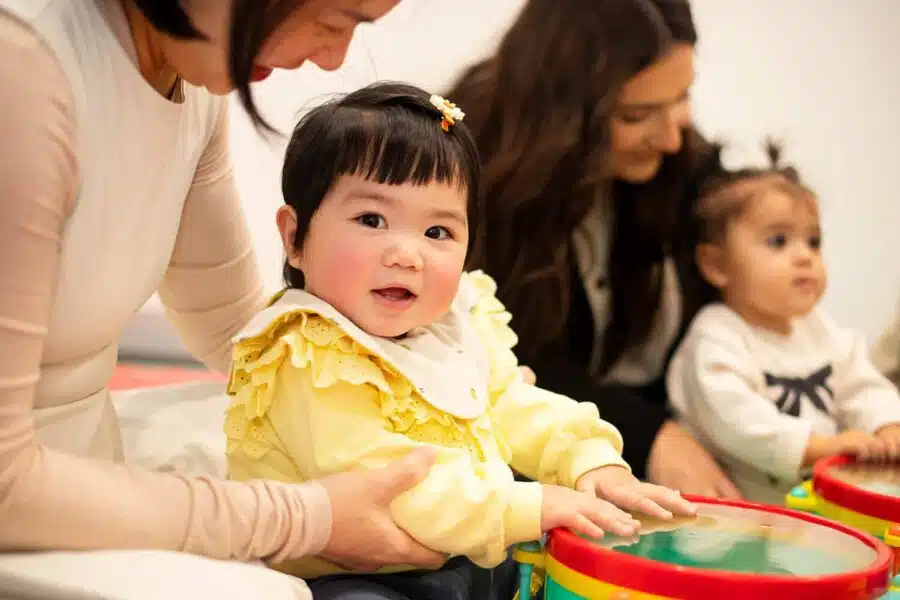
For babies aged 6 to 12 months, Shichida’s numeracy activities focus on developing early number awareness through engaging, sensory-led play that nurtures natural curiosity and foundational counting skills. At this stage, suitable numeracy activities are playful, hands-on experiences that introduce simple quantities, counting, and comparisons in a way that is fun and accessible for babies.
Numeracy activity examples include:
- Matching quantities: Pair small groups of objects (1–3) with simple number cards.
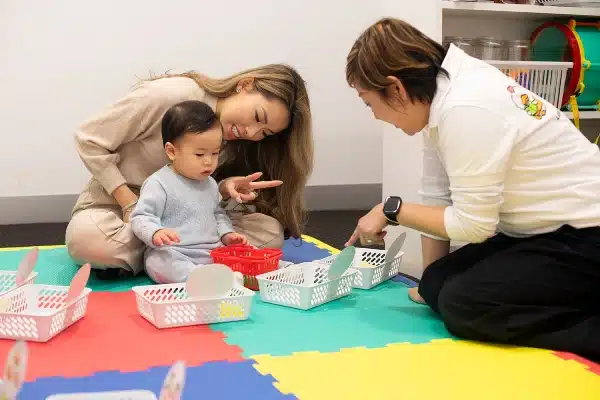
- Counting with support: Place objects into a basket after hearing the corresponding number and seeing it represented.
- Comparing amounts: Explore picture cards showing “a few” versus “many,” then compare containers with different numbers of objects.
- Counting through play: Sing counting songs with clapping, movement, or instruments to link sounds, actions, and numbers.
- Number-themed sensory play: Use objects like “two bells” or “three blocks” to connect number words with tangible items.
Numeracy Activities for 1- to 3-year-olds (Toddlers)
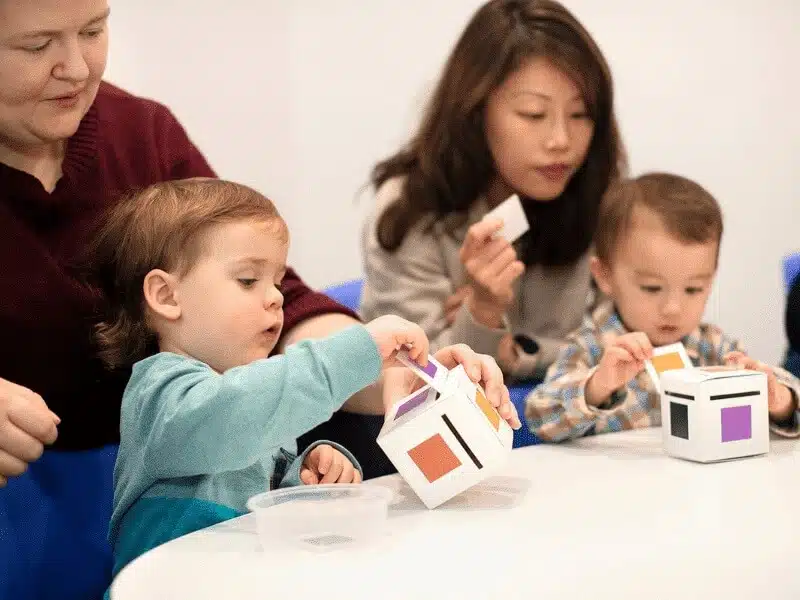
For toddlers aged 1 to 3 years, Shichida’s numeracy activities focus on developing early number awareness through playful, sensory-led experiences that encourage curiosity and hands-on learning. At this stage, suitable activities introduce counting, quantity recognition, and simple comparisons in ways that are fun and engaging.
Numeracy activity examples include:
-
Placing number dominoes: Arrange number dominoes in counting order to strengthen early number sequencing skills.
-
Early number writing practice: Use crayons to write one numeral at a time, with gentle guidance on basic stroke order to support correct number formation.
-
Number-picture matching: Pair number cards with picture cards showing corresponding sets of objects (e.g., matching “7” with a picture of seven butterflies) to develop counting accuracy and number recognition.
-
Quantity matching with toy food: Use numbered plates and place toy food pieces to match the quantity shown, reinforcing one-to-one correspondence and understanding of number quantities.
-
“Picnic packing” counting game: Collect specific items based on verbal instructions (e.g., 1 strawberry, 2 apples, 3 slices of watermelon) to build listening skills, counting confidence, and the ability to follow simple multi-step directions.
Numeracy Activities for 3- to 5-year-olds (Kinder/Preschoolers)
For preschool children aged 3 to 5, Shichida’s numeracy activities focus on deepening understanding of number relationships, patterns, and early concepts of time and money through hands-on, visual learning. Suitable activities at this stage strengthen problem-solving, reasoning, and practical application of numbers.
Numeracy activity examples include:
- Number bonds: Use counters and number cards to match pairs of quantities that combine to a given total.
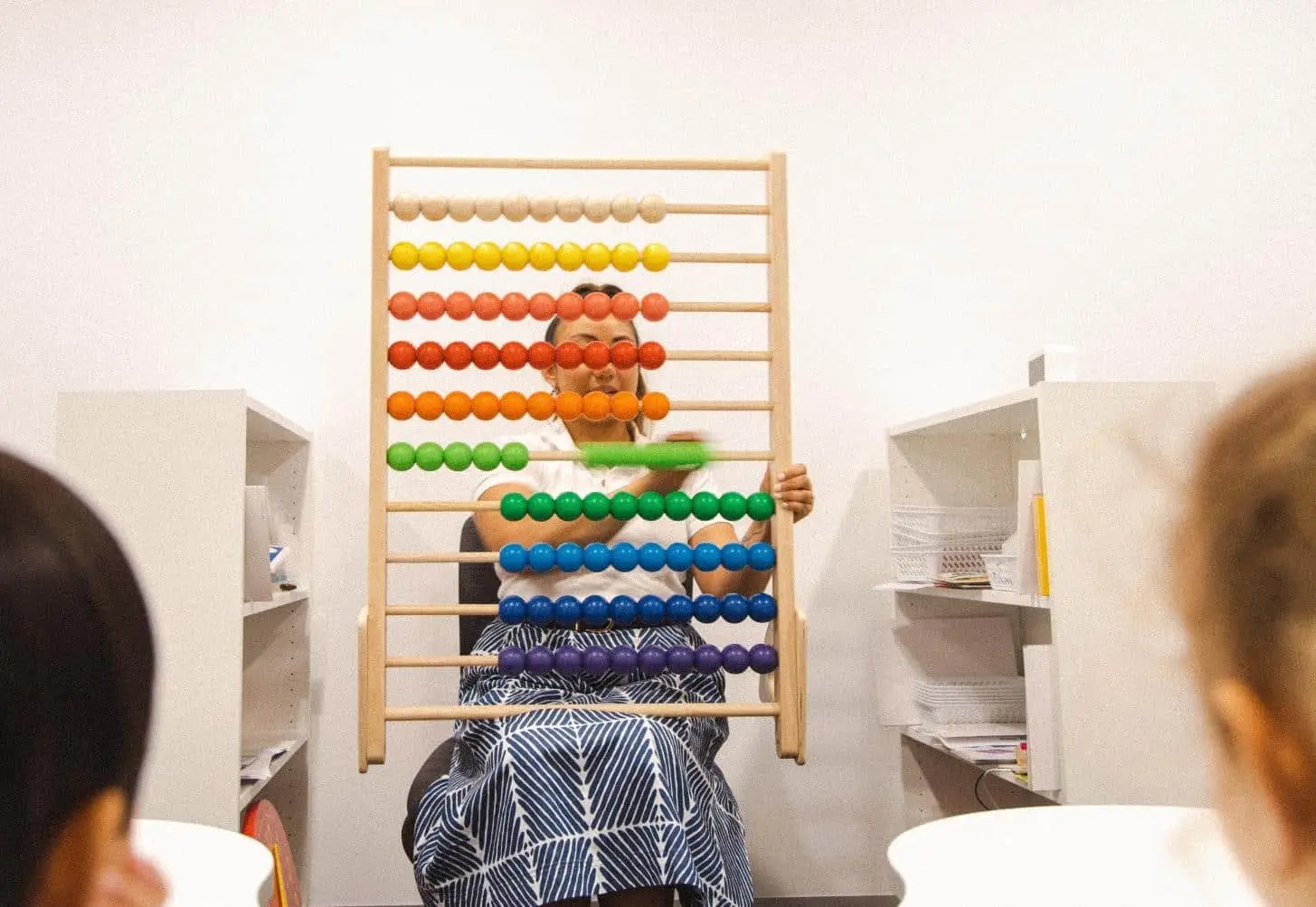
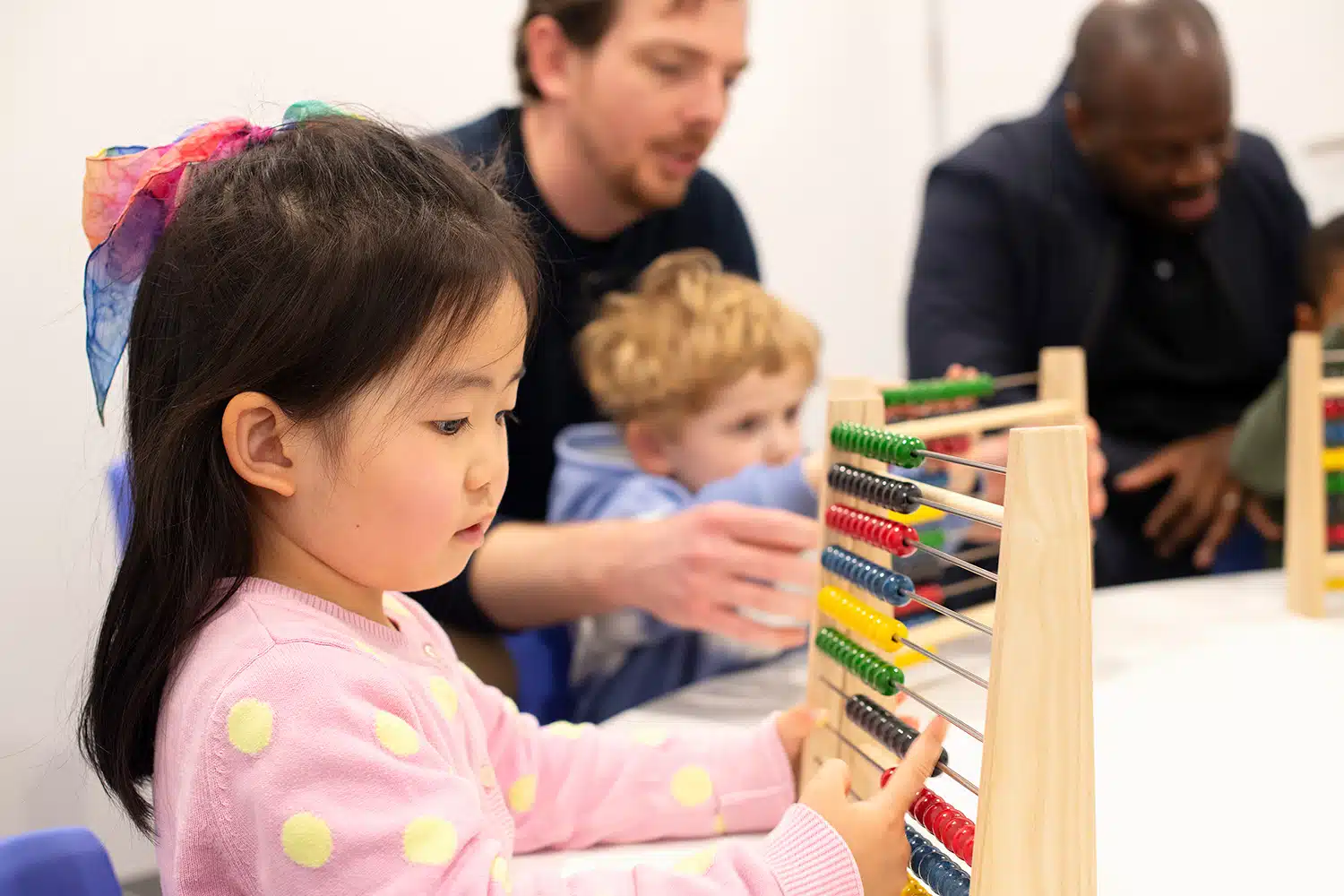
- Counting patterns and skip-counting: Practise consistent counting and early skip-counting with teacher modelling on a large abacus, reinforced with number songs, and then try on individual abacuses.
- Time concepts: Match clock hands to the correct o’clock and half-hour times.
- Building number bonds: Explore different combinations that make the same total (e.g., 7 = 4 + 3 or 7 = 2 + 5).
- Early money awareness: Match and identify Australian coins and notes, recognising their values.
Numeracy Activities for 5- to 7-year-olds (Pre-Primary Children)
For children aged 5 to 7 years, Shichida’s numeracy activities focus on building number fluency, accuracy, and problem-solving skills through guided, hands-on practice. Suitable activities at this stage use concrete materials, worksheets, and guided exercises to strengthen confidence and understanding.
Numeracy activity examples include:
- Addition practice: Complete worksheets to strengthen early addition skills.
- Story problems: Read short scenarios, visualise the problem, and write matching equations.
- Money activities: Use play worksheets to recognise coins, match values, and make small amounts with different combinations.
- Addition grids: Fill in grids to build mental addition skills, recognise patterns, and understand number relationships.
- Subtraction practice: Work with worksheets showing dots or blocks to understand take-away concepts and write subtraction equations.
How the Shichida Method Develops Numeracy Skills
The Shichida Method is an early learning approach that supports numeracy skills by focusing on how children learn as well as what they learn.
The Shichida Method supports numeracy development through guided exposure to numbers, patterns, shapes and problem-solving activities, helping children build early maths skills.
See What Parents Are Saying About Shichida
What Your Child Will Do and Learn in a Shichida Class

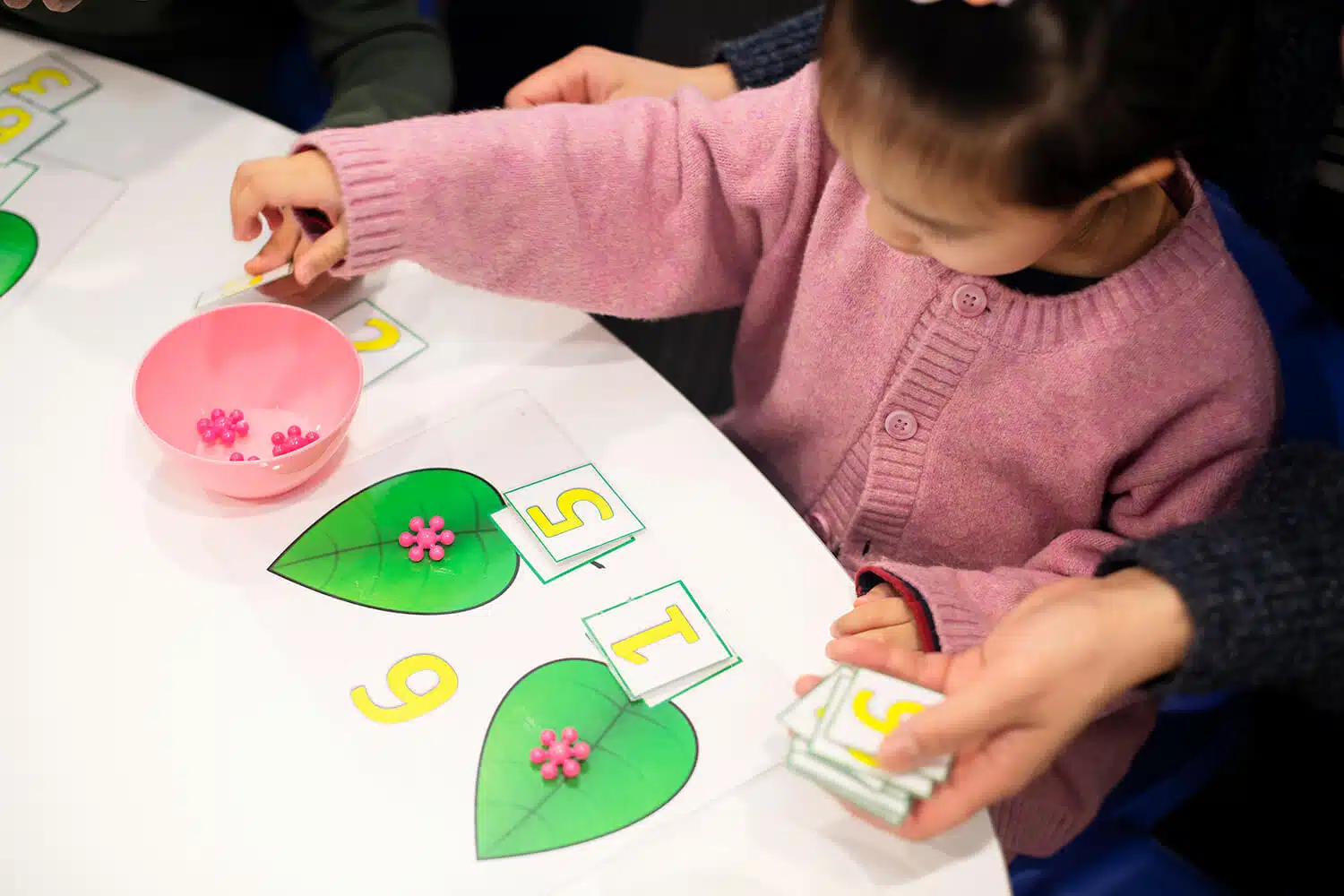
Classes teach numeracy and number sense through short, engaging, age-appropriate activities. Depending on your child’s age and class level, these may include:
- Flashcards and visual number activities to build quantity recognition
- Counting and number recognition
- Number songs and rhythm-based counting
- Shape recognition, sorting and pattern building
- Number sequencing and comparing amounts
- Early addition, subtraction and number bonds
- Abacus-style visual maths activities
- Skip-counting, multiplication tables and mental maths for older children
These activities help children develop early maths confidence, logical thinking, a love of learning and a strong foundation for school.
See how your child responds in their first class
Your trial class includes:
- A full 50-minute session
- A real classroom environment
- Guidance from a trained instructor
- The chance to observe your child’s response
How to Improve Your Child’s Numeracy Skills
Supporting your child’s number sense and numeracy development doesn’t have to be complicated. Consistency and regular exposure to numbers both help, and small daily habits at home make a difference too.
Everyday Counting and Number Exposure
Counting stairs, toys and snacks together builds number recognition naturally. Explore more activities to improve numeracy skills.
Games and Problem-Solving Activities
Puzzles, sorting games and matching activities help develop logical thinking and problem-solving skills.
Repetition and Consistency
Repeated exposure to numbers, patterns and shapes strengthens memory. Try our free flashcards and worksheets.
Numeracy For Kids Educational Products by Shichida Australia
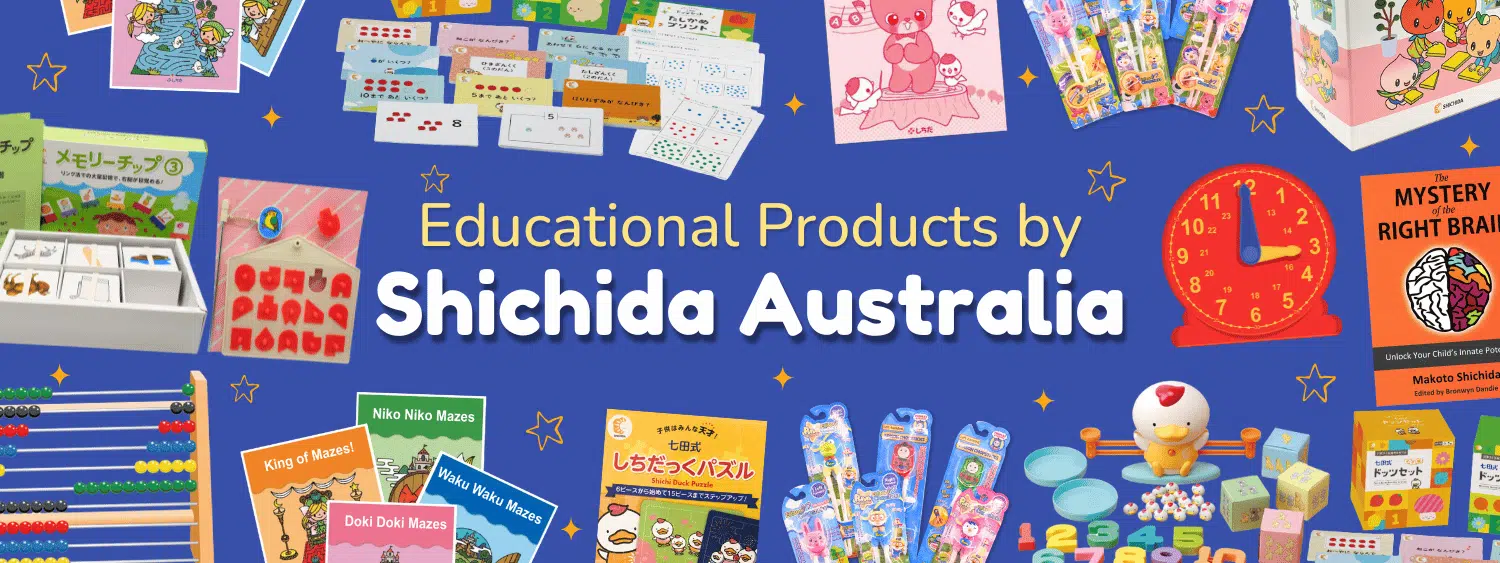
Looking for effective and engaging ways to build your child’s early numeracy skills? At Shichida Australia, we offer a thoughtfully curated range of educational products designed to make learning numbers, counting, and problem-solving both fun and meaningful. Rooted in the Shichida Method, our resources help children develop a strong mathematical foundation from an early age. We simply believe that early learning should be fun!
Book a Trial Class
Give Your Child a Strong Start in Maths and Learning
Build strong numeracy skills, counting skills, number sense, problem-solving ability and confidence from an early age with Shichida’s baby, toddler and preschool early learning classes.

Frequently Asked Questions About Numeracy Skills
Numeracy is the ability to understand and use numbers in everyday life. For young children, it starts with counting, recognising numbers, comparing quantities, sorting and spotting patterns.
Early numeracy helps children build number sense, counting skills, logical thinking and problem-solving ability. It gives them a familiar base for maths as they begin school.
Early numeracy goes well beyond counting. It also includes number recognition, comparing quantities, recognising patterns, sorting, shapes, sequencing, measurement and logical thinking.
Before school, children benefit from number recognition, counting, sorting, matching, comparing quantities, recognising patterns and identifying shapes. See our early numeracy skills checklist for more detail.
Between three and five, numeracy often looks like play: counting toys, matching numbers to groups of objects, building simple patterns and spotting shapes around the house. Many preschoolers also start to explore early number bonds.
Children can begin developing early numeracy skills from infancy through songs, rhythm, repetition and everyday interaction. Every child develops at their own pace, so short, playful activities are a good place to start.
Yes, numeracy and early maths are important parts of Shichida’s age-based classes for kids, from baby through to Primary. Each weekly class builds numeracy skills alongside other skills like literacy and memory.
Maths enrichment is part of every weekly Shichida class, so there’s no separate maths program to enrol in. In the early years, children can attend Shichida on its own or alongside kinder or preschool. Once they start school, Shichida continues as a weekly enrichment class alongside their schooling.
Classes use short, varied activities such as flashcards, number songs, abacus work and hands-on games to build counting, number recognition, patterns and problem solving. Which activities children do depends on their age and class level.
Children can join from 6 months to 5 years. Pre-Primary and Primary classes continue the learning for children who joined before their fifth birthday.
In Primary classes, older children build on their early number work with mental maths, using songs, imagery and rapid-flash activities to build speed and accuracy. Find out more on our Primary classes page.
Count everyday objects, sing number songs, sort toys and play simple board games together. Short, regular practice helps, and our free resources are a good place to start.
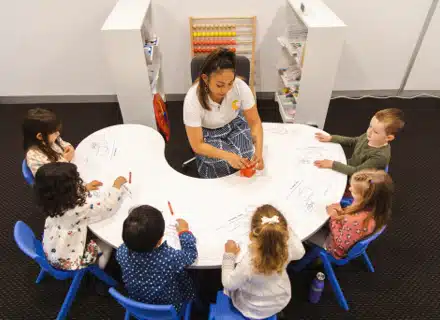
Shichida classes are weekly, play-based and 50 minutes long, in groups of up to six children with a parent alongside each child. Numeracy is experienced in class with other skills and isn’t a standalone maths course.
Shichida supports all families, but classes are early learning classes for children generally and are not a clinical or diagnostic service. If you have concerns about your child’s learning or development, speak with your GP, child health nurse or a relevant specialist.