Why Listening and Communication Skills Matter for Kids
Listening and communication help children understand the world, connect with others and participate in everyday learning.
Good listening involves more than hearing words. Children learn to pay attention, understand what others are saying and respond appropriately. Communication allows them to express their thoughts, feelings, questions and needs.
Together, these skills help children:
- Listen and respond to instructions
- Understand conversations and spoken information
- Build vocabulary and language comprehension
- Express thoughts, feelings and ideas
- Participate in conversations and take turns
- Communicate with growing confidence
Listening and communication develop gradually through everyday interactions, play and positive learning experiences.
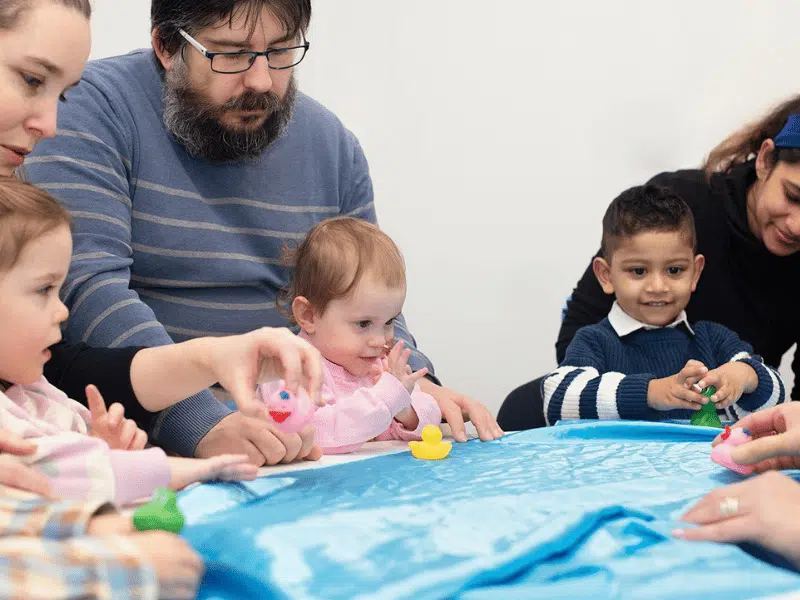
What Listening and Communication Skills Will Your Child Develop?
Listening and Attention Skills
Children practise paying attention to sounds, words and spoken instructions through songs, stories and interactive activities.
These experiences help children become more familiar with listening carefully and staying engaged when information is presented verbally.
Understanding and Following Instructions
Children practise understanding spoken language, remembering information and responding to age-appropriate directions.
Through listening games, memory activities and guided tasks, they develop comprehension and the ability to follow increasingly complex instructions.
Speaking, Expression and Conversation
Children gain opportunities to communicate their thoughts, answer questions and participate in conversations.
Songs, picture cards, storytelling and interactive activities support vocabulary, self-expression and confidence in communicating with others.
How We Support Listening and Communication Skills at Each Age
Listening and communication skills develop as children grow, interact and experience language. Shichida introduces age-appropriate activities that support understanding, responding and self-expression.
Literacy is part of every Shichida class, from baby through to Primary. Find your child’s age to see how it works in the classroom.
Baby (6 to 12 months)
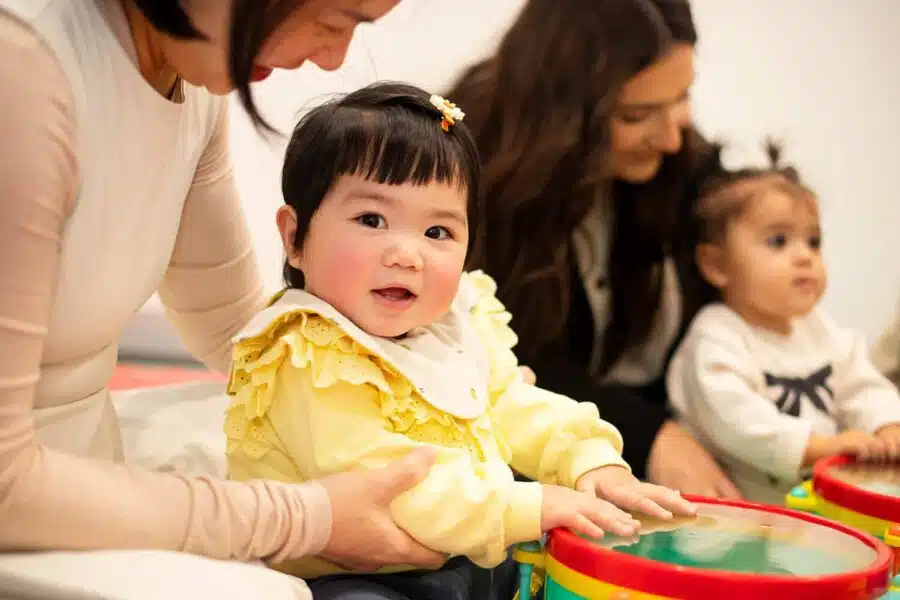
Songs, rhythm, familiar voices and parent-child interactions introduce babies to different sounds and language patterns, supporting early listening and communication through sounds, gestures and shared attention.
Toddler (1 to 3 years)
Songs, picture cards, simple instructions and interactive games give toddlers opportunities to build vocabulary, respond to familiar language and communicate their developing ideas.
Kinder (3 to 5 years)
Listening games, storytelling and guided activities provide opportunities to follow multi-step instructions, understand spoken information and express ideas with increasing clarity.
Pre-Primary (5 to 7 years)
More advanced listening, language and memory activities give continuing students opportunities to strengthen comprehension, organise their thoughts and communicate ideas in greater detail.
Primary (7 to 9 years)
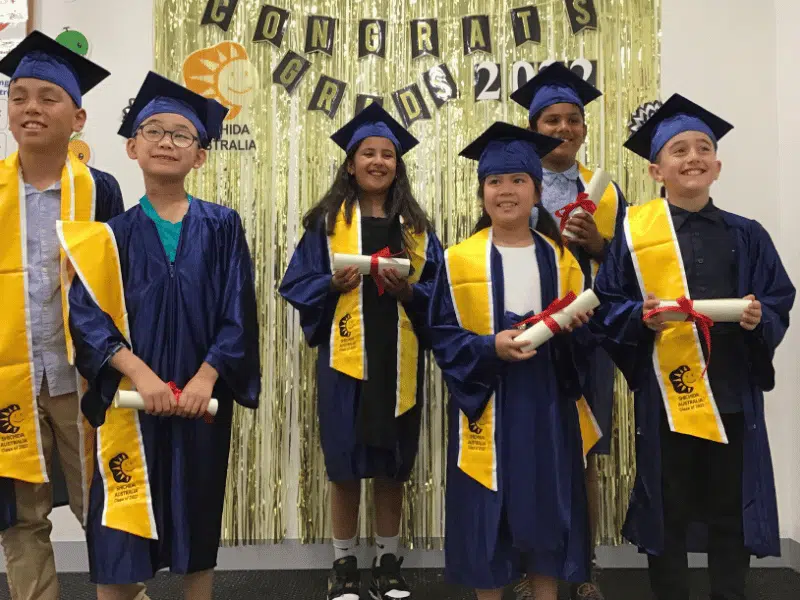
Older children practise more complex communication through discussions, presentations and activities that involve explaining ideas, listening to different viewpoints and expressing opinions.
New students can join Shichida from six months until their fifth birthday. Pre-Primary and Primary classes are for children who joined before turning five.
Why many children progress faster
How the Shichida Method Develops Listening and Communication Skills
The Shichida Method is an early learning approach that supports listening and communication through visual, auditory and interactive learning experiences.
Through songs, rhythm, flashcards, storytelling and guided activities, children practise listening, understanding language and responding to information in different ways.
Our approach supports:
- Listening and auditory attention
- Understanding spoken language
- Following instructions and remembering information
- Vocabulary and language development
- Verbal expression and conversation
- Confidence in communicating with others
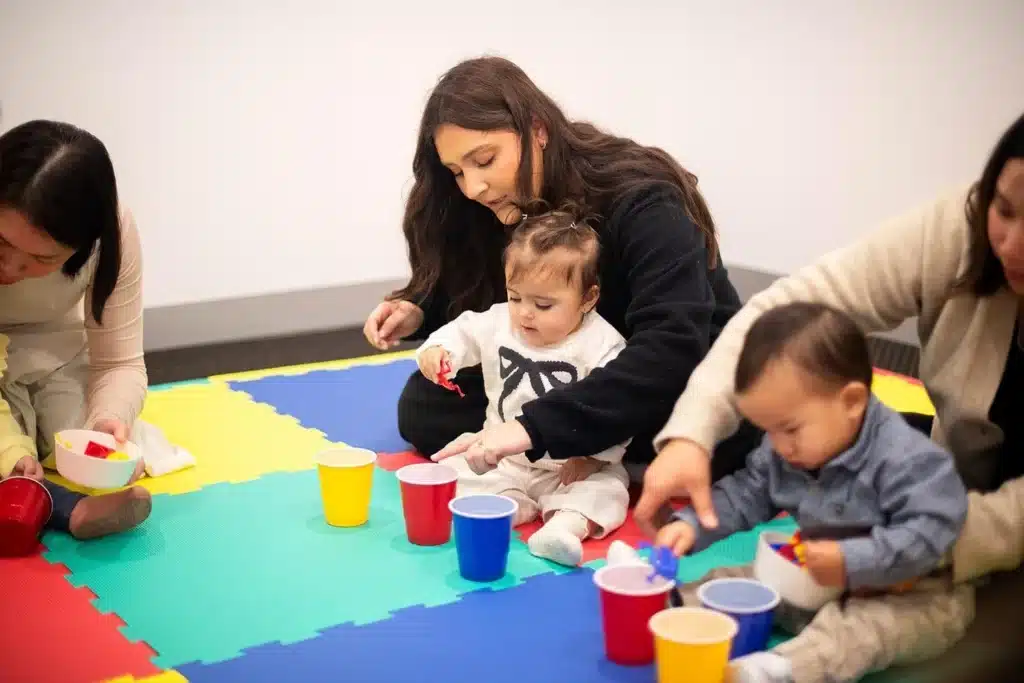
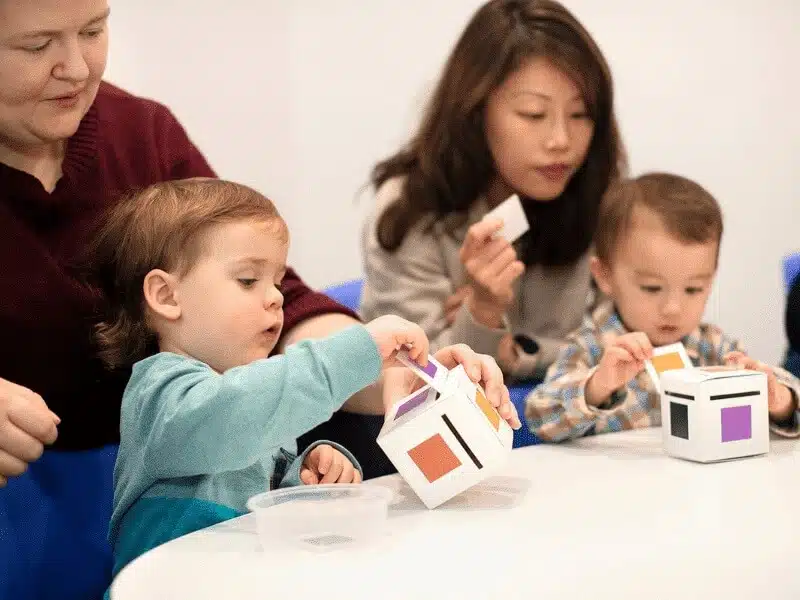
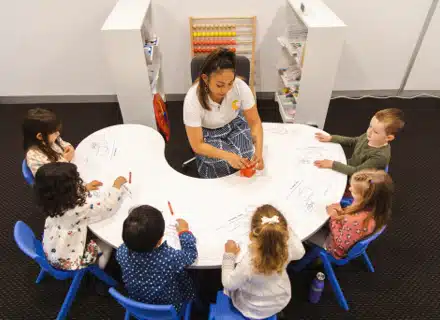
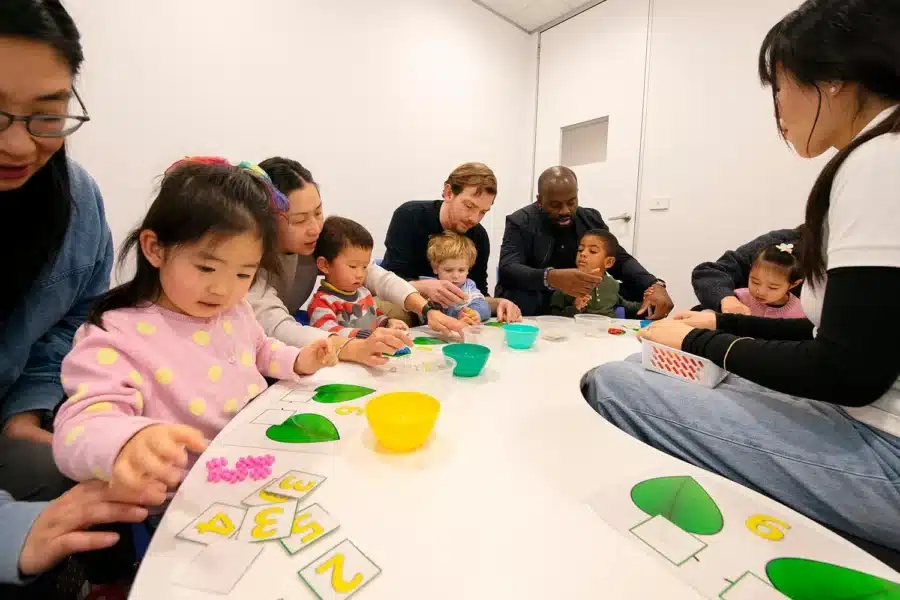
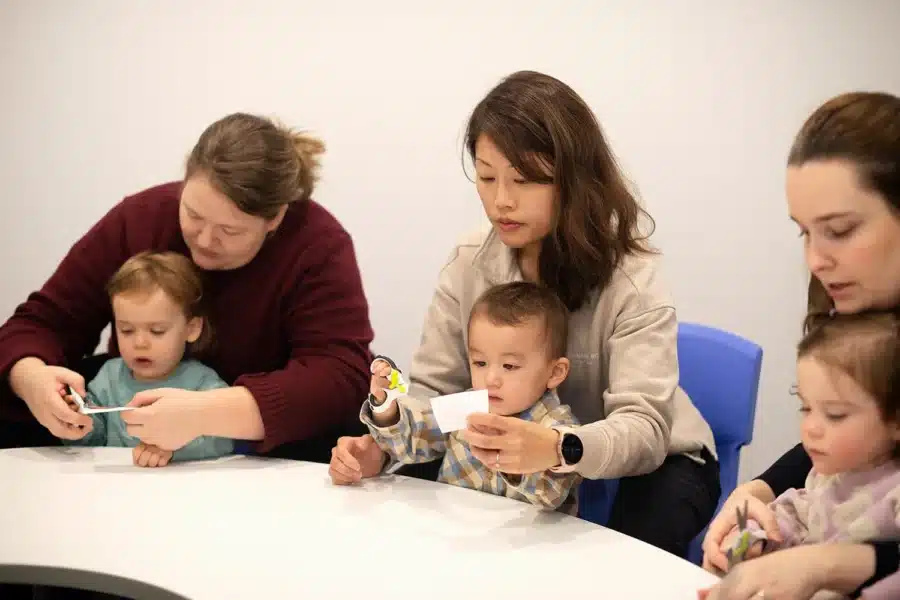
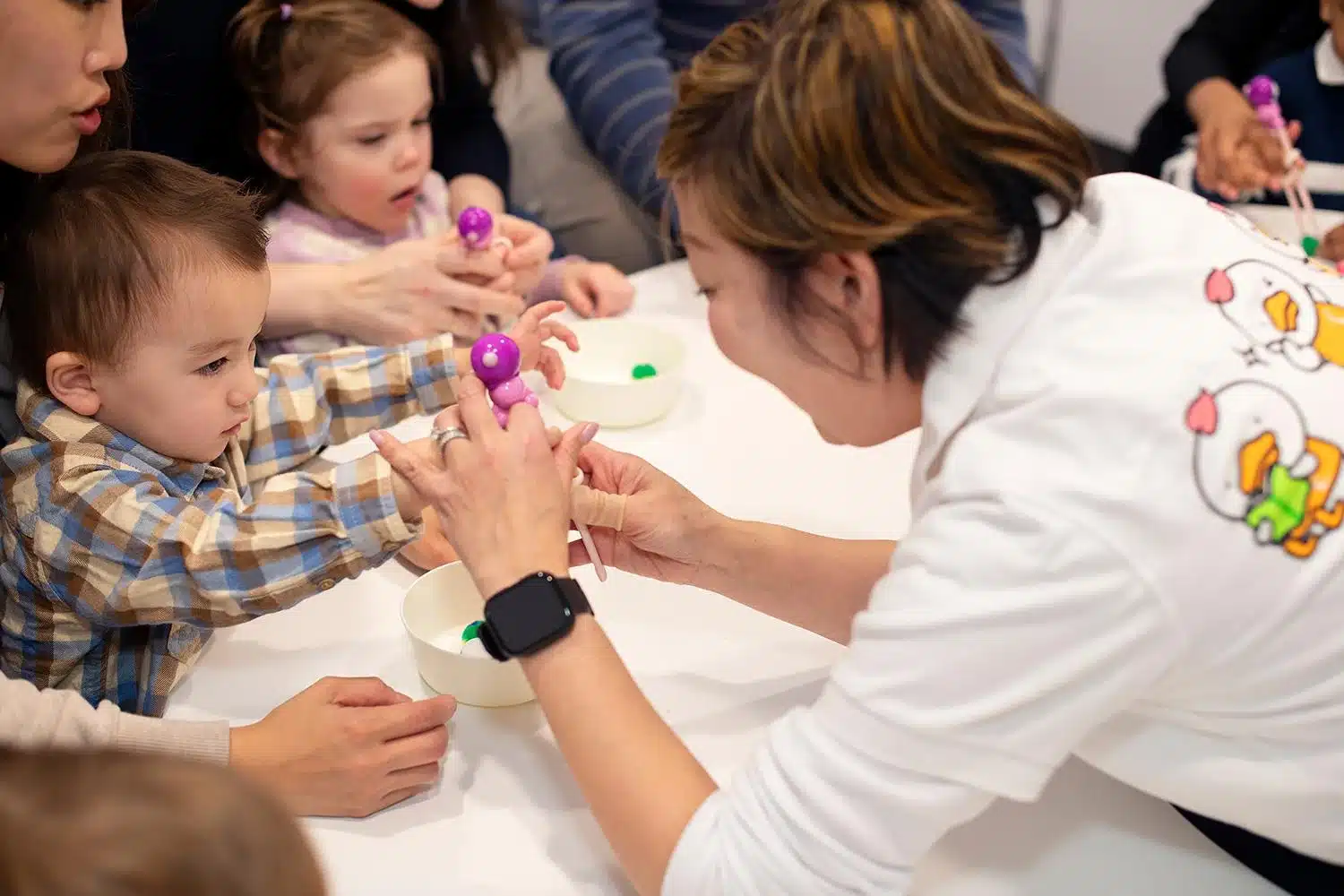
With small-group classes and a parent participating alongside each child, Shichida provides a supportive environment where children can practise listening, responding and communicating through engaging, age-appropriate activities.
See What Parents Are Saying About Shichida

What Your Child Will Do and Learn in a Shichida Class
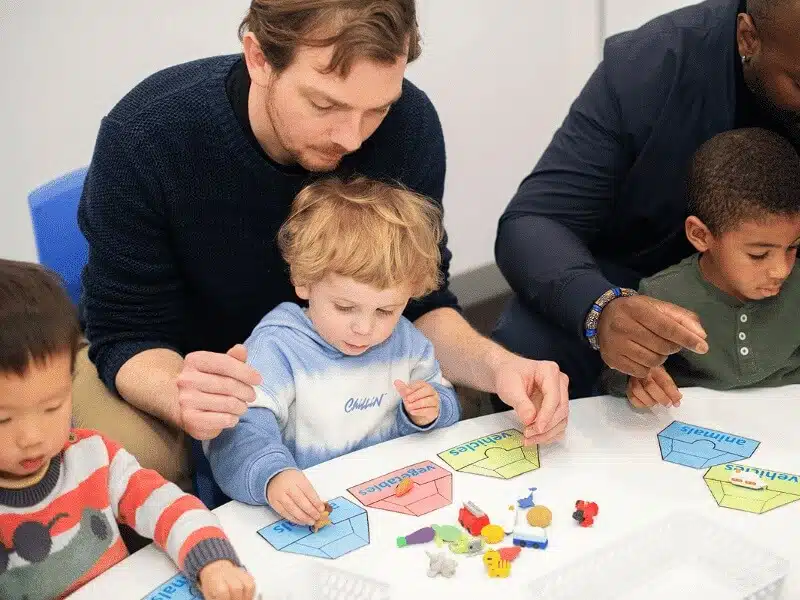
Each class includes short, engaging activities that give children opportunities to practise listening, language comprehension and communication through purposeful learning.

Depending on your child’s age and class level, activities may include:
- Songs and rhythm to practise listening to sounds, words and patterns
- Listening games to respond to spoken instructions and auditory information
- Storytelling and shared reading to develop language understanding and conversation
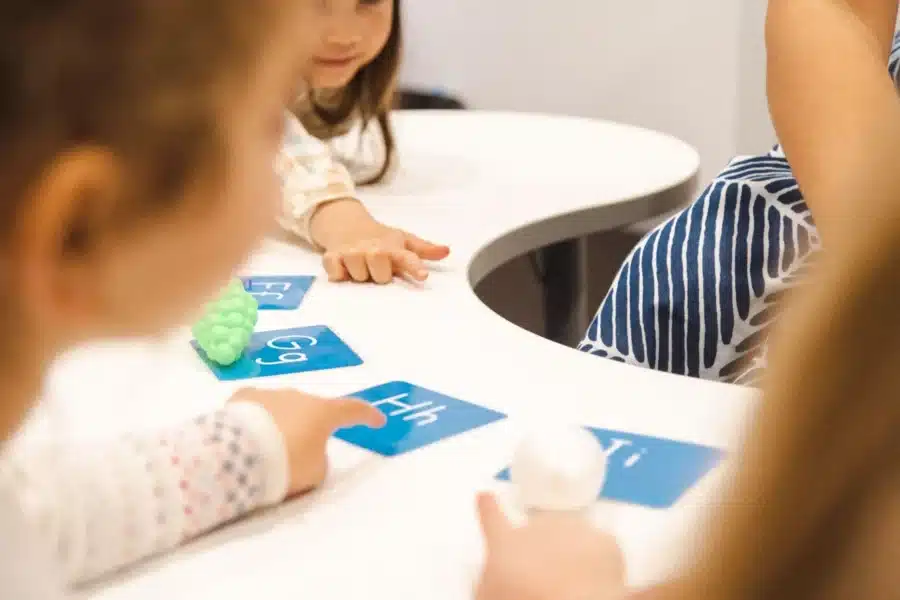
- Flashcards to introduce vocabulary and connect words with images
- Memory activities to practise remembering and recalling spoken information
- Picture-based discussions to describe objects, answer questions and express ideas
- Interactive learning activities to practise following instructions and taking turns
Together, these activities give children opportunities to become more attentive listeners, develop language understanding and gain confidence in communicating.
See How Your Child Responds in Their First Class
See how your child responds in their very first class
Your trial class includes:
- A full 50-minute session
- A real classroom environment
- Guidance from a trained instructor
- Opportunity to observe your child’s response
✔ No experience needed
✔ Parent attends with child
✔ No pressure to enrol
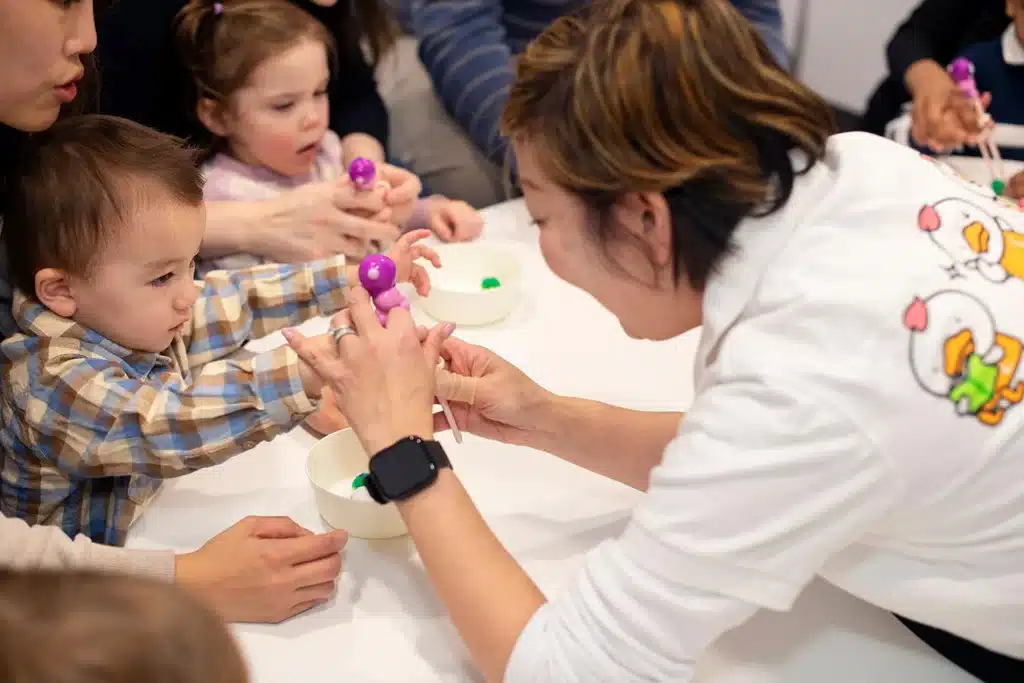
What Are Listening and Communication Skills in Children?
Listening skills involve paying attention to, understanding and responding to spoken language and sounds.
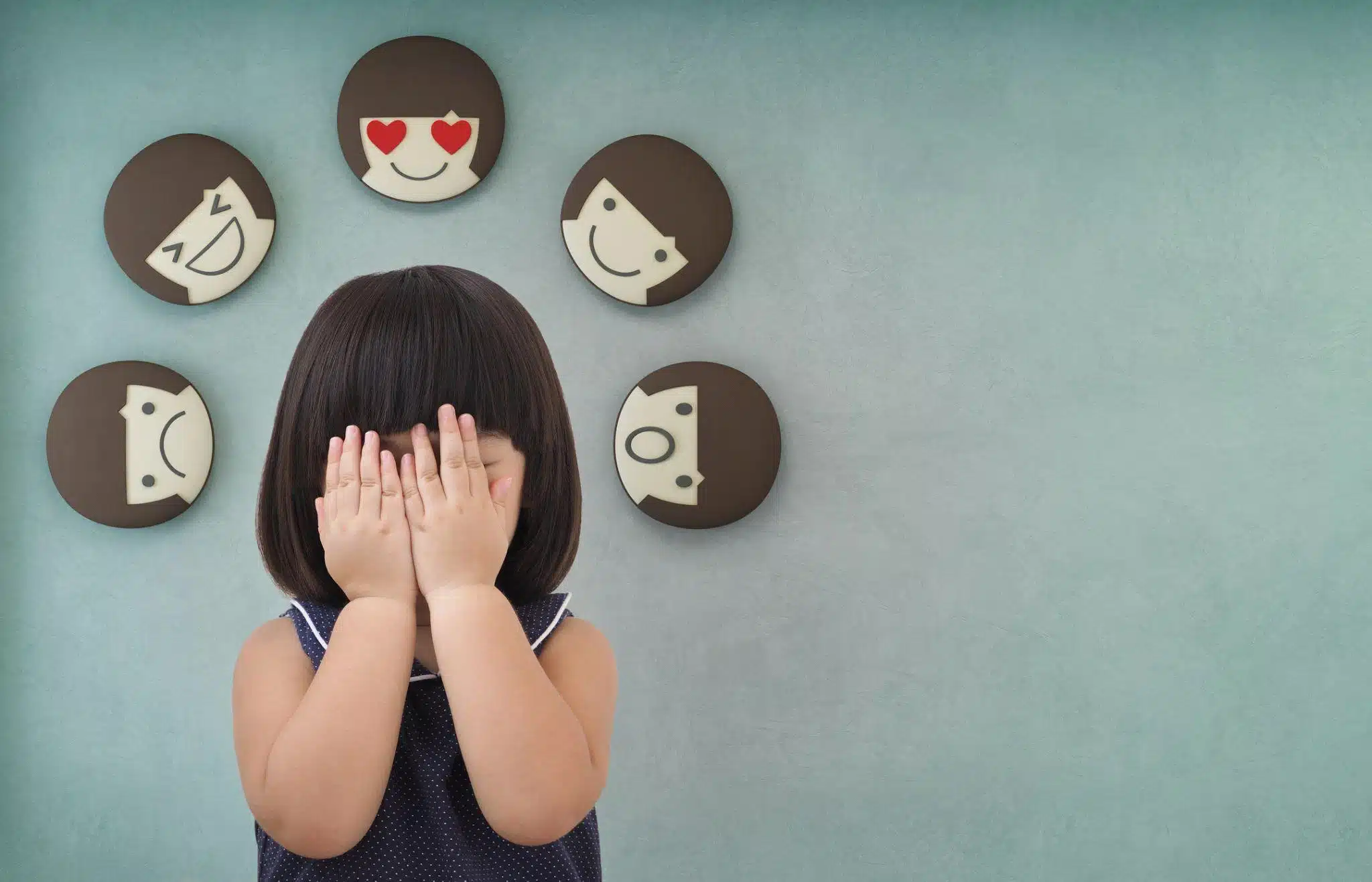
Communication skills involve sharing information, thoughts and feelings through speech, gestures, facial expressions and other forms of expression.
These skills work together but are not the same.
For example, a child uses listening skills to understand a question and communication skills to respond with an answer, gesture or idea.
Listening and communication are important foundations for learning, building relationships and participating in everyday activities.
Children develop these abilities at different rates, and communication is not limited to spoken words.
How to Improve Your Child’s Listening and Communication Skills
Everyday interactions provide opportunities to help children practise listening, understanding and expressing themselves.
Read and Talk Together
Share books, describe pictures and ask simple questions about stories. Give your child time to respond and share their ideas.
Play Listening Games
Try games that involve recognising sounds, following directions or remembering short sequences. Adjust the difficulty to suit your child’s age and abilities.
Sing Songs and Rhymes
Songs, repetition and rhythm help children become familiar with sounds, words and language patterns while making listening enjoyable.
Practise Two-Way Conversations
Listen to your child’s responses, ask open-ended questions and take turns speaking. Even simple everyday conversations provide valuable opportunities for communication.
When Do Children Start Developing Listening and Communication Skills?
Listening and communication begin developing during infancy through sounds, facial expressions, gestures and interactions with familiar people.
Babies respond to voices and gradually begin using sounds and gestures to communicate. Toddlers develop their understanding of language and begin using more words and simple sentences.
As children grow, they become increasingly capable of understanding instructions, expressing ideas and participating in conversations.
At Shichida, children can begin classes from six months of age, with activities that support different aspects of listening and communication as their abilities develop.
Frequently Asked Questions About Listening and Communication Skills in Kids
Listening and communication help children understand information, express their needs, interact with others and participate in learning. These skills also support language development and social relationships.
Play listening games, read stories together, sing songs and give clear, age-appropriate instructions. Allow time for your child to process information and respond.
Make time for conversations, listen to your child’s ideas and give them opportunities to express themselves through speech, gestures, storytelling and play. Avoid pressuring children to speak before they feel ready.
Listening involves paying attention to and understanding information. Communication involves expressing thoughts, feelings and ideas through words, gestures or other forms of expression. Both work together during everyday interactions.
Shichida uses age-appropriate activities such as songs, storytelling, flashcards, listening games and memory activities to give children opportunities to practise language understanding, following instructions and expressing ideas.
Shichida classes include guided activities that provide opportunities to listen, remember and respond to instructions. Children practise these skills through short, varied tasks appropriate to their age and class level.
These skills begin developing during infancy and continue throughout childhood. Babies respond through sounds and gestures, while toddlers and older children gradually develop more complex language understanding and communication.
No. Shichida is an early learning enrichment program, not a speech therapy or specialist language intervention service.
If you have concerns about your child’s speech, hearing or language development, consult a qualified speech pathologist or healthcare professional.
No. Shichida complements kindergarten and preschool through weekly age-appropriate learning activities that support a broad range of developmental skills.
Children can join from six months until their fifth birthday. Those who begin before turning five can continue through the Pre-Primary and Primary programs up to age nine.
Book a Trial Class Today
Help your child develop listening, language understanding and communication skills through Shichida’s age-based early learning program.
Our weekly parent-and-child classes provide a fun, supportive environment where children can practise listening, responding and expressing their ideas through engaging learning activities.
Come and see how your child responds to Shichida.