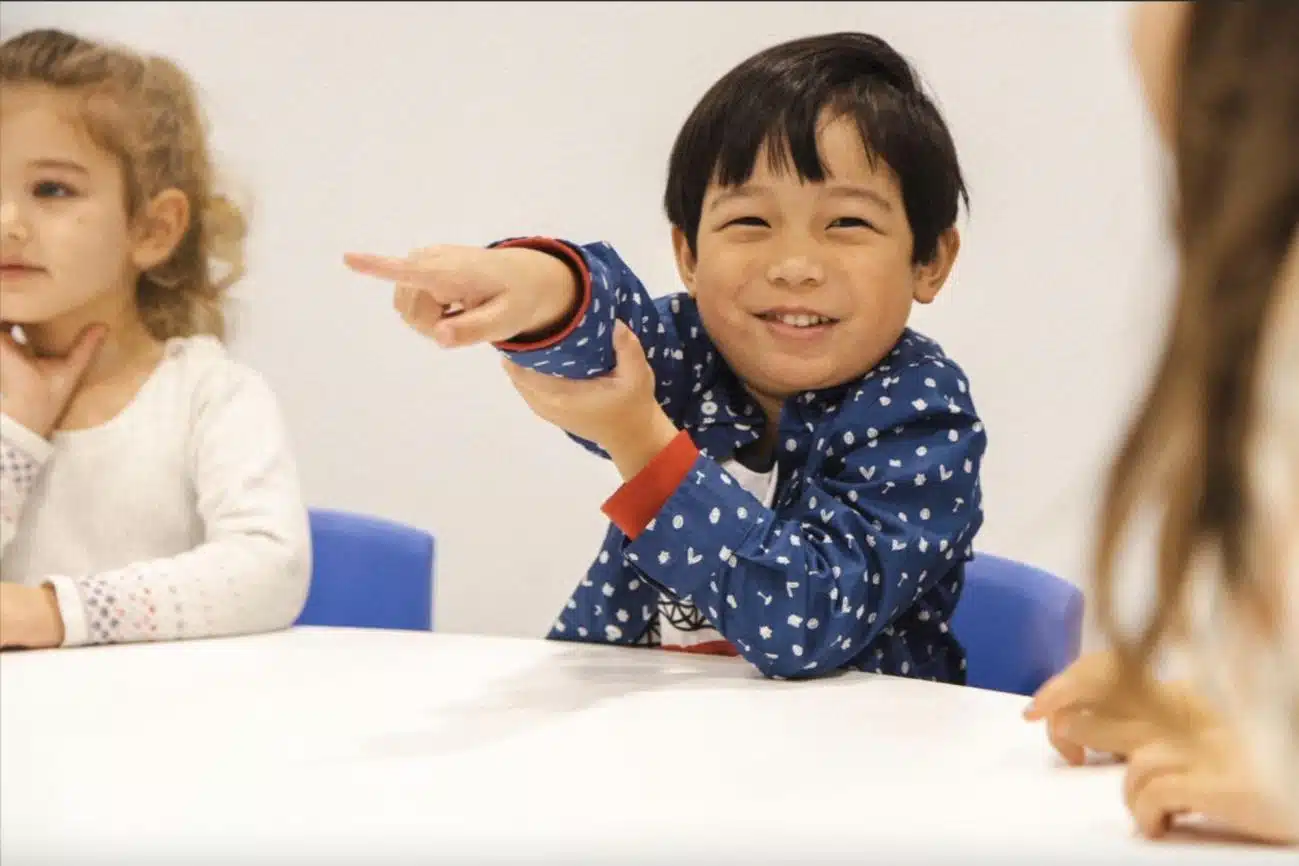
Why Confidence and Independence Matter for Kids
Confidence helps children approach new experiences, express their ideas and believe in their ability to learn. Independence allows them to make decisions, solve problems and take on new challenges with growing autonomy.
Together, these skills help children:
- Try unfamiliar activities with greater confidence
- Think independently and make decisions
- Express ideas and communicate their needs
- Keep trying when something feels difficult
- Learn from mistakes and manage setbacks
- Develop resilience and a positive attitude towards learning
Building confidence isn’t about always getting things right. It’s about helping children feel comfortable trying, making mistakes and learning along the way.

What Confidence and Independence Skills Will Your Child Develop?
Self-Confidence and Willingness to Try
Children gain opportunities to participate, share ideas and attempt unfamiliar tasks through enjoyable, age-appropriate activities.
With guidance and positive support, they practise trusting their abilities and approaching new learning experiences with greater confidence.
Independent Thinking and Decision-Making
Puzzles, memory games and reasoning activities give children opportunities to make choices, solve problems and consider different approaches.
These experiences support independent thinking and help children become more confident in their own ideas.
Resilience, Persistence and Learning From Mistakes
Learning involves trying, practising and sometimes making mistakes.
Through manageable challenges and supportive guidance, children practise patience, persistence and finding different ways to solve problems, building foundations for resilience.
How We Support Confidence and Independence at Each Age
Confidence and independence develop gradually as children grow. Shichida introduces age-appropriate activities that support participation, problem-solving and increasing independence.
Literacy is part of every Shichida class, from baby through to Primary. Find your child’s age to see how it works in the classroom.
Baby (6 to 12 months)
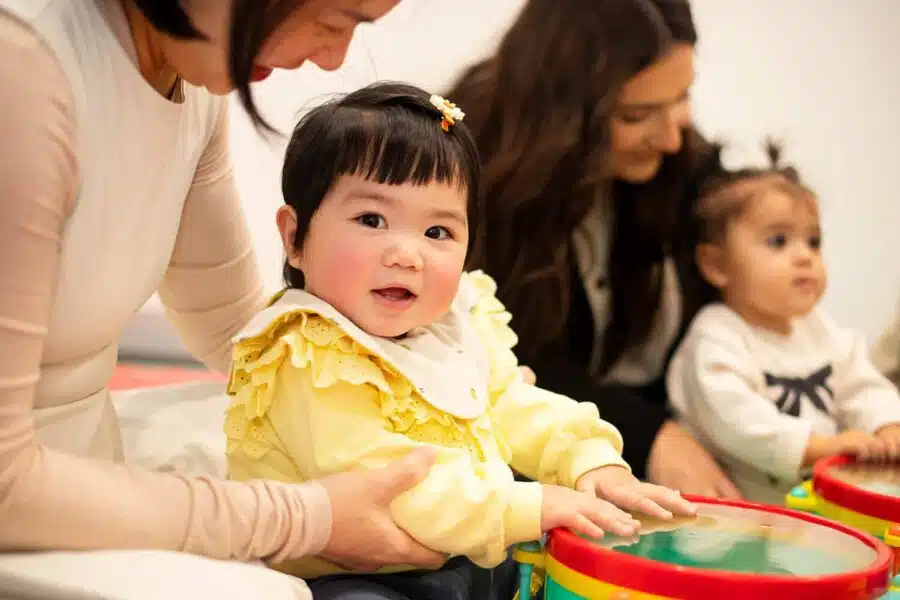
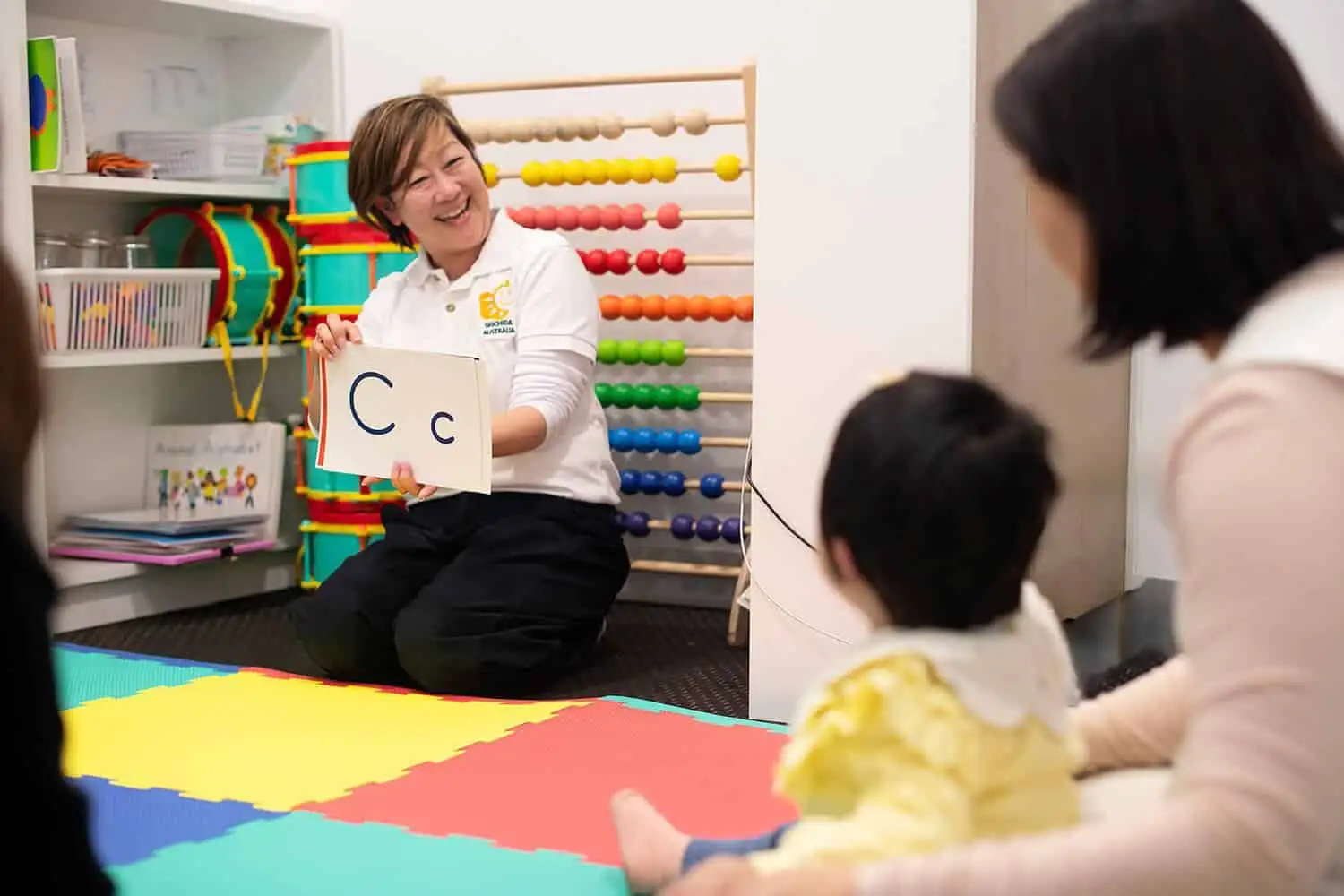
Songs, sensory experiences, flashcards and parent-child activities introduce babies to new sounds, sights and interactions in a supportive environment, building early foundations for confidence and exploration.
Toddler (1 to 3 years)
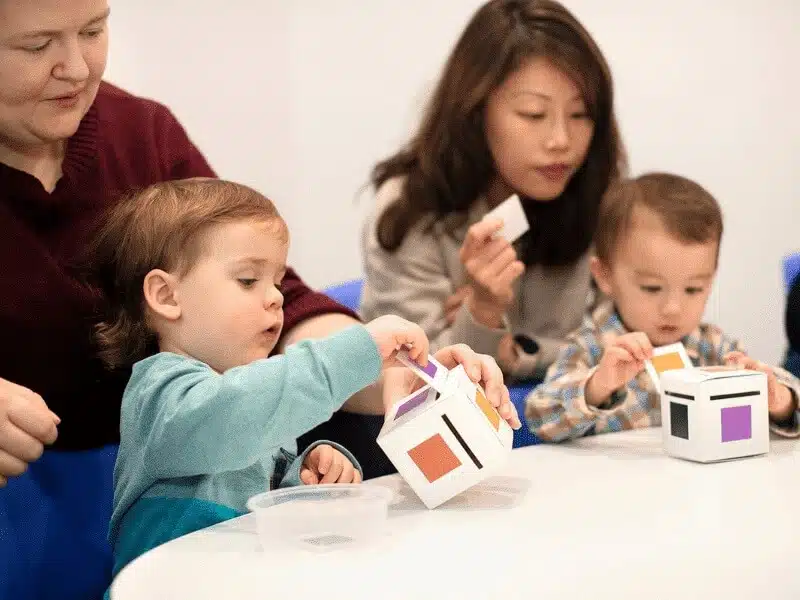
Matching games, puzzles and hands-on activities give toddlers opportunities to participate, make simple choices and experience the satisfaction of completing tasks.
Kinder (3 to 5 years)
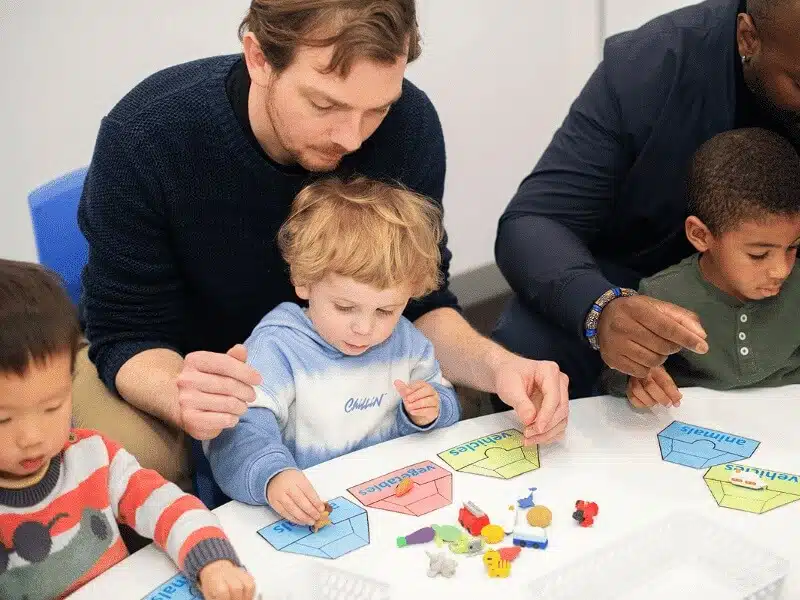
Memory games, creative activities and problem-solving challenges provide opportunities to practise independent thinking, decision-making and persistence when approaching unfamiliar tasks.
Pre-Primary (5 to 7 years)
More advanced reasoning, memory and learning challenges give continuing students opportunities to practise independent problem-solving, responsibility and persistence.
Primary (7 to 9 years)
Older children encounter increasingly complex challenges that support independent thinking, self-expression, responsibility and resilience.
New students can join Shichida from six months until their fifth birthday. Pre-Primary and Primary classes are for children who joined before turning five.
Why many children progress faster
How the Shichida Method Develops Confidence and Independence
The Shichida Method is an early learning approach that focuses on how children learn, not just what they learn.
Through visual, auditory and hands-on activities, children practise independent thinking, problem-solving and active participation in a supportive learning environment.
Our approach supports:
- Self-confidence and willingness to participate
- Independent thinking and decision-making
- Problem-solving and reasoning
- Persistence and resilience
- Communication and self-expression
- A positive attitude towards learning
See What Parents Are Saying About Shichida
What Your Child Will Do and Learn in a Shichida Class
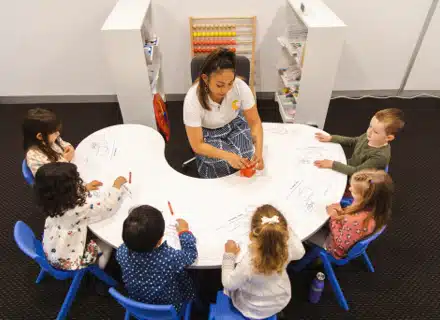
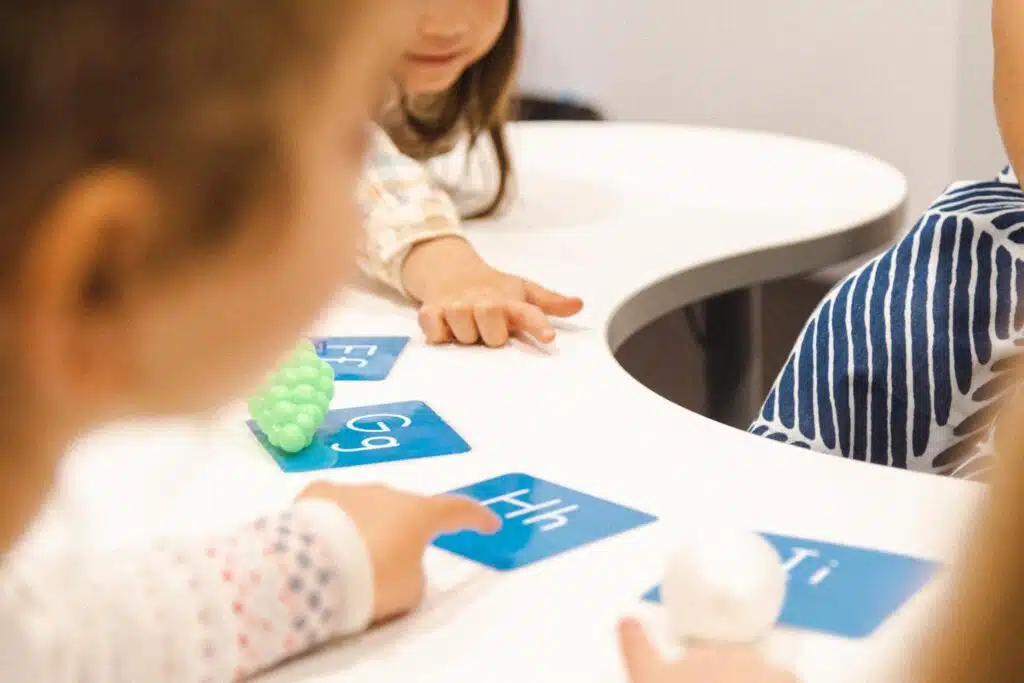
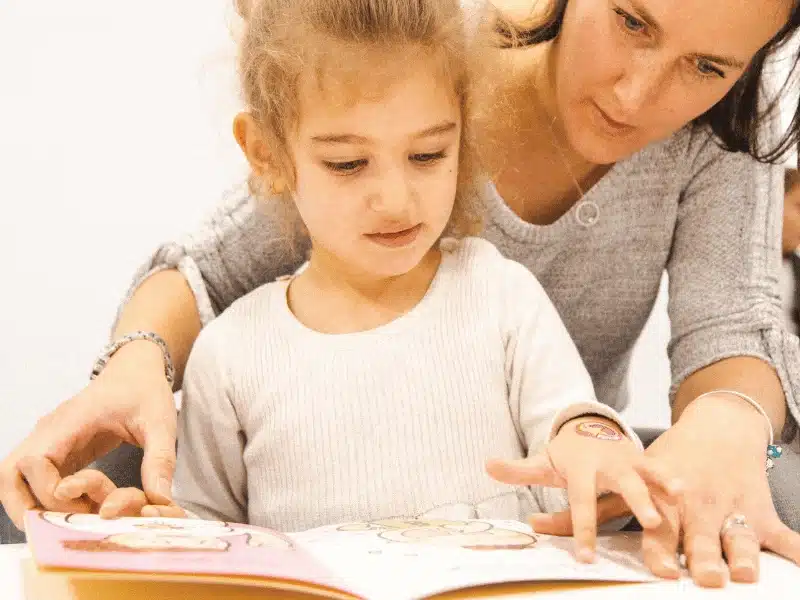
Each 50-minute Shichida class includes approximately 20 to 25 short, engaging activities that provide opportunities to build confidence, independence and resilience through purposeful learning.

Depending on your child’s age and class level, activities may include:
- Puzzles and problem-solving to practise independent thinking and finding solutions
- Memory games to develop recall, concentration and persistence
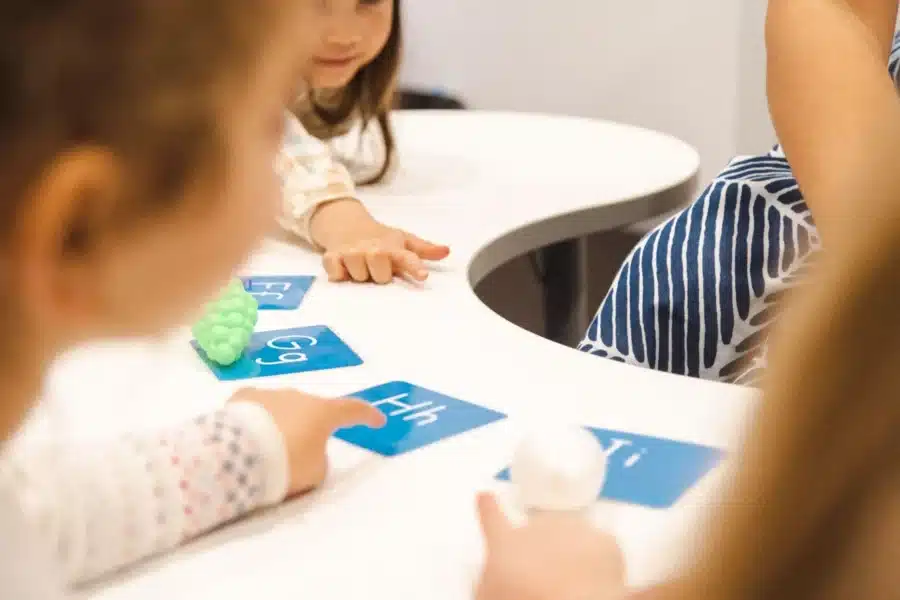
- Flashcards to introduce new concepts and encourage active participation
- Image training and creative activities to practise imagination and self-expression
- Matching and reasoning activities to practise making choices and connections
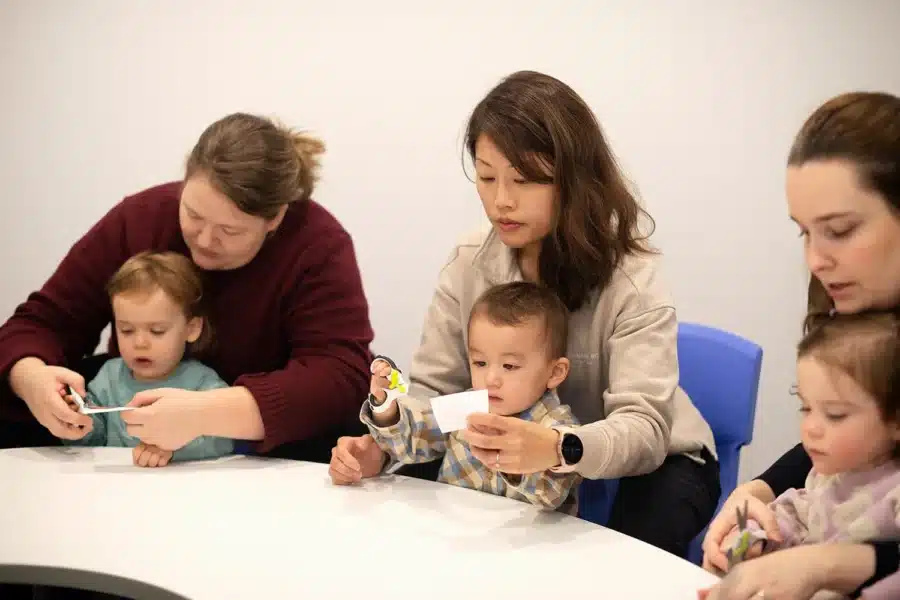
- Hands-on tasks to develop confidence in completing age-appropriate challenges
- Language activities to practise expressing ideas and responding to others
These activities give children opportunities to try new things, practise skills and experience progress, helping build confidence in their ability to learn.
See How Your Child Responds in Their First Class
See how your child responds in their very first class
Your trial class includes:
- A full 50-minute session
- A real classroom environment
- Guidance from a trained instructor
- Opportunity to observe your child’s response
✔ No experience needed
✔ Parent attends with child
✔ No pressure to enrol
What Are Confidence and Independence in Children?
Confidence is a child’s developing belief in their ability to try, learn and handle different situations. Independence is the growing ability to make choices, solve problems and complete age-appropriate tasks with less assistance.
These qualities are closely connected, but they are not the same.
A confident child may feel comfortable attempting something unfamiliar, while an independent child may try solving a problem before asking for help.
Resilience is another important part of this development. It involves learning to cope with setbacks, manage frustration and try again with appropriate support.
Confidence doesn’t necessarily mean being outgoing, and independence doesn’t mean doing everything alone. Every child develops at their own pace.
How to Build Confidence and Independence in Your Child
Helping children become confident and independent does not mean expecting them to manage everything on their own.
Small everyday experiences can give children opportunities to make decisions, develop new abilities and learn how to respond when things do not go as planned.
Give Your Child Opportunities to Make Choices
Offer simple decisions, such as choosing a book or selecting an activity. Making choices helps children practise expressing preferences and taking initiative.
Let Your Child Try Before Stepping In
Give your child time to attempt safe, age-appropriate tasks independently. Whether completing a puzzle or putting away toys, practising can build confidence and patience.
Praise Effort and Progress
Recognise persistence, problem-solving and effort rather than focusing only on success. Help children understand that mistakes and challenges are part of learning.
Support Your Child Through Setbacks
When something feels difficult, acknowledge your child’s feelings and help them consider another approach. Supportive experiences like these can help build resilience.
When Do Children Start Developing Confidence and Independence?
Confidence and independence begin developing in infancy through secure relationships, communication, exploration and play.
As toddlers grow, they begin making choices and attempting simple tasks. Preschoolers gradually develop greater independence in communication, problem-solving and everyday routines.
For school-aged children, these skills continue developing through more complex challenges, responsibilities and social experiences.
At Shichida, children can begin learning from six months old, with age-based activities that provide opportunities to practise different skills as they grow.
Frequently Asked Questions About Confidence and Independence in Kids
Provide opportunities for your child to try new activities, make choices, practise skills and experience progress.
Offer encouragement, recognise effort and provide reassurance when activities feel challenging.
Confidence develops gradually through supportive relationships and positive learning experiences.
Confidence helps children feel more comfortable trying unfamiliar activities, communicating ideas and participating in different situations.
It can also support a willingness to learn, practise new skills and approach challenges.
Children develop independence through everyday opportunities to make decisions, attempt tasks, solve problems and take increasing responsibility.
The level of independence appropriate for each child changes with age and development.
Confidence involves believing in one’s ability to try and learn, while independence involves making decisions and completing tasks with growing autonomy.
The two skills are closely connected, but children can develop them at different rates.
Resilience is the developing ability to cope with difficulties, recover from setbacks and adapt to challenges with appropriate support.
In young children, resilience can involve managing frustration, asking for help, trying again and learning that mistakes are part of the learning process.
Help your child recognise and express feelings, offer reassurance during difficult moments and provide manageable opportunities to solve problems.
Praise effort and persistence, and support children in considering different approaches when something does not work.
Shichida uses structured, age-appropriate activities that provide opportunities for children to participate, solve problems, make choices and attempt new challenges.
Memory games, puzzles, creative activities and small-group participation can give children experiences that support independent thinking and growing confidence.
Shichida provides a supportive small-group environment where children can participate at their own pace and become familiar with different learning activities.
Confidence does not necessarily mean becoming more outgoing. A child can develop confidence while remaining naturally quiet or reserved.
Shichida is a broad early learning enrichment program rather than a standalone resilience training course.
Its activities provide opportunities for children to practise persistence, problem-solving and responding to challenges, which are relevant to developing resilience.
Confidence and independence begin developing in infancy through secure relationships, communication, exploration and play.
As children grow, they gradually gain new opportunities to make choices, attempt tasks and solve problems.
Give your child manageable responsibilities, offer age-appropriate choices and allow time to attempt tasks before stepping in.
Everyday activities such as putting away belongings, completing puzzles and helping with simple routines provide opportunities to practise independence.
No. Shichida complements kindergarten and preschool rather than replacing them.
Our weekly 50-minute classes provide additional opportunities to practise a broad range of skills through structured, age-appropriate activities.
Children can join Shichida from six months until their fifth birthday.
Children who join before turning five can continue through our Pre-Primary and Primary programs up to age nine.
Book a Trial Class
Give your child opportunities to develop confidence, independence, problem-solving and a positive attitude towards new challenges through Shichida’s age-based early learning program.
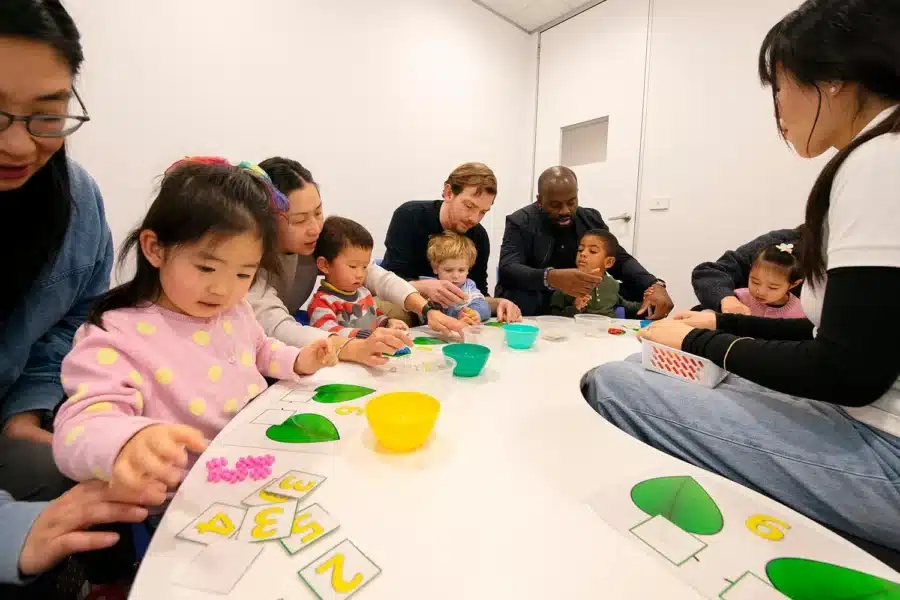
Our weekly parent-and-child classes combine purposeful learning with fun, engaging activities in a supportive small-group environment.
Come and see how your child responds to Shichida’s approach to early learning.