Key Takeaways
- Alternative education offers different approaches to children’s learning. Families may look for greater flexibility, active parent involvement or a stronger emphasis on independence, creativity and emotional development.
- Early learning includes everyday experiences with parents. Talking, reading, singing and playing together give children opportunities to build language, thinking and social skills.
- Enrichment programs can complement a child’s existing education. Families can add guided learning experiences alongside childcare, preschool or school.
- Shichida combines varied learning activities with parent participation. Games, songs, puzzles and hands-on tasks support memory, concentration, early literacy, numeracy and confidence.
Why do more Australian parents seek alternative early education for children?
More and more Australian doctors, nurses, and teachers are rethinking mainstream education, seeking alternatives that better align with their values and aspirations for their children. With firsthand experience in structured learning environments, these professionals understand the gaps in conventional schooling-gaps that alternative education models aim to fill. Whether it’s a stronger focus on critical thinking, emotional intelligence, or an adaptable approach to learning, parents in these fields are making a decisive shift. But what’s driving this trend, and what makes alternative education so appealing to those who shape the future of healthcare and education? Let’s explore.
Both teachers and medical professionals are recognising that Australian schools fail to teach children according to their brain development or learning style. As they become parents themselves, they look for alternative education for their children. They flock to holistic early learning schools such as Shichida Australia where they are quickly becoming the centre’s largest demographic.
The Shichida Method is a holistic teaching method coined by Makoto Shichida. He was a notable figure in the field of education in Japan. Professor Shichida recognised the importance of early childhood stimulation and parenting on shaping a person’s entire life. The Shichida Early Learning Method is one of the only teaching methods that cater to children’s subconscious learning style. This method also reflects the brain’s acquisition of abilities in its age-specific curriculum. Furthermore, Shichida includes parents in its classes. This gets parents actively involved in their child’s education. This in an important factor that is widely agreed upon by experts to directly affect children’s motivation to learn and their success at school.
Unfortunately, the early learning education system in Australia is unfortunately ignored, despite overwhelming evidence of its immense societal benefits. Lack of awareness or cultural rejection of education and intelligence leads to inadequate brain development in many Australian children before they start school. This deficiency hampers crucial foundations for learning, such as literacy, numeracy, language, social skills, emotional intelligence, concentration, and imagination. In comparison, other OECD countries invest more in early learning programs, contributing to Australian children falling behind globally.
Teachers
Educators are acutely aware of the disparity encountered in their profession. They witness firsthand the students who arrive without a solid grasp of fundamental knowledge and skills, often due to inadequate support at home. Consequently, these children face significant challenges in bridging the learning gap, regardless of the amount of subsequent time or tutoring invested. Additionally, teachers encounter parents who lack the necessary understanding or display complacency regarding their crucial role in their child’s education. Furthermore, there are parents who harbor lingering resentment stemming from their own negative experiences with the flawed educational system, inadvertently perpetuating unfavorable attitudes toward alternative education learning in their offspring.
Medical professionals
Healthcare experts with a comprehensive understanding of biology and human development recognize the profound significance of the sensitive period. This crucial phase witnesses the brain’s remarkable tripling in weight, with subsequent fluctuations being minimal. Moreover, these professionals acknowledge the direct impact of early experiences on an individual’s long-term physical well-being. Extensive research reveals that individuals who experienced under-stimulation during their early years, specifically at the age of 3, constitute a significant portion of the adult population (78%) reliant on prescription medication.
Alternative Education in Finland
However, let us consider the case of children in Finland. Despite commencing formal education at the age of 7, they consistently demonstrate exemplary performance on international assessments. This disparity can be attributed to the notably positive and proactive cultural outlook on learning and schooling. Another factor is the recognized significance of parental involvement in their child’s early education. In Finland, parents are regarded as the primary and most influential educators. Parents equip children with the essential groundwork for learning even before they commence formal schooling.
The Future of Australian Early Education?
As more Australian doctors, nurses, and teachers turn to alternative education, it’s clear that parents with deep insights into learning and development are seeking something beyond the conventional school system. They value an approach that nurtures not just academic success but also problem-solving, adaptability, and a lifelong love of learning. Whether it’s through personalised instruction, whole-brain development, or fostering confidence in young learners, alternative education is proving to be a powerful choice. As this trend continues to grow, one question remains—could this be the future of education for more Australian families?
Shichida Australia
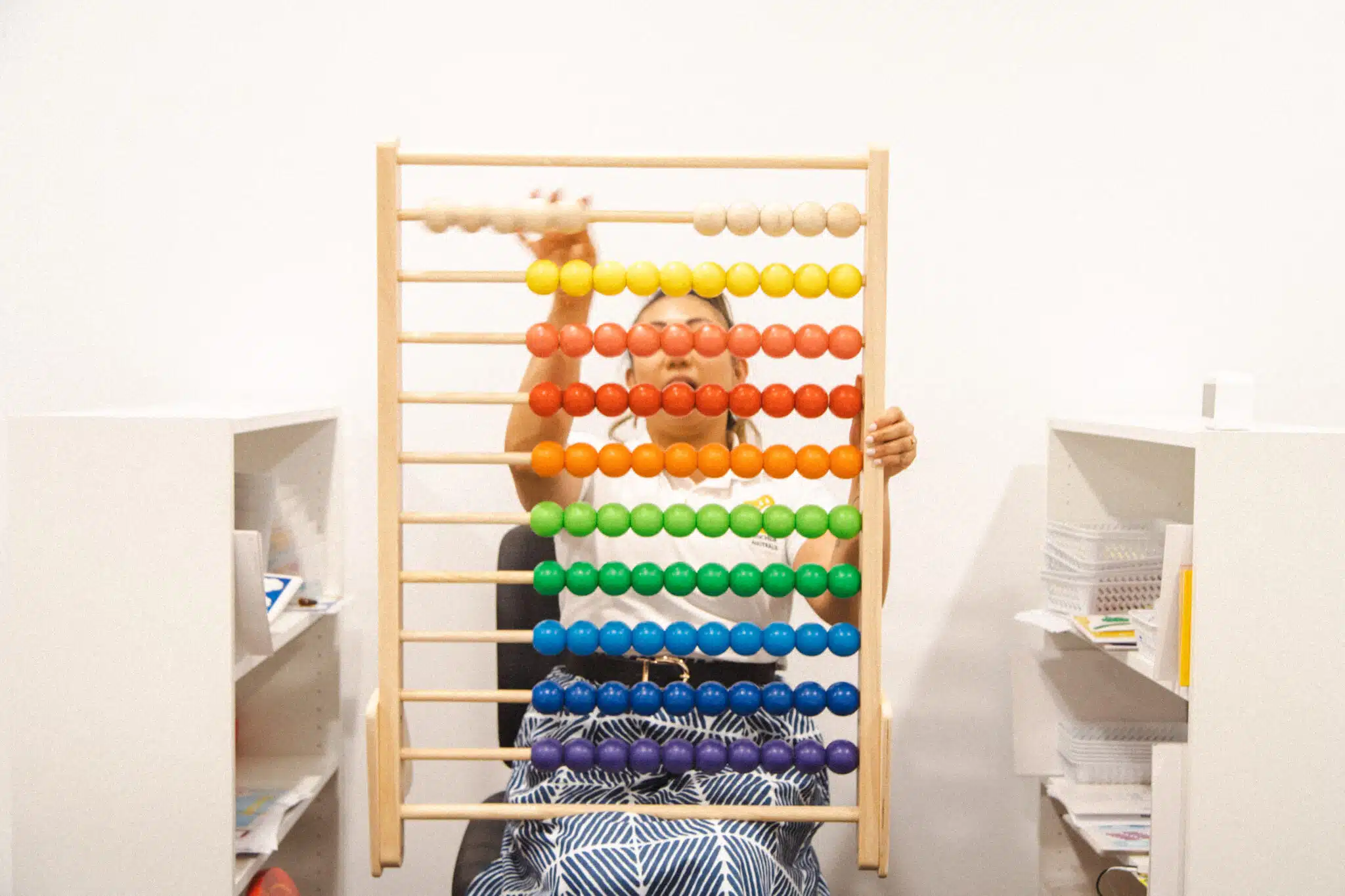
You and your child can experience unique enrichment classes with Shichida Australia. From 6 months to 9 years old, we cover all essential foundations through engaging toys, games, songs, and sensory play. Simply join us, and our expert guidance will empower parents to play and create a profoundly positive impact on their children’s future.
Book a trial class at one of our early childhood learning centre’s today!
FAQs About Alternative Early Learning Education in Australia
Alternative education describes approaches that differ from conventional schooling in their philosophy, teaching methods or learning environment. The term can include different school models and home education. Supplementary enrichment programs offer additional learning experiences but serve a different role from a child’s main education.
Parents may seek an approach that suits their child’s needs, interests and family values. Some value more independence or flexibility, while others want structured guidance, parent participation or opportunities to develop creativity and emotional skills. Reasons vary between families.
Alternative schooling provides a child’s main school education through a different educational approach. An enrichment program adds learning opportunities alongside a child’s existing arrangements. Shichida Australia provides early learning enrichment classes that families can attend alongside childcare, preschool or school.
A holistic approach considers children’s thinking, communication, physical skills, relationships and emotional development together. Activities might combine solving a puzzle, handling materials, listening to instructions and managing frustration. The aim is to support several connected areas of development through meaningful experiences.
Parents can read together, sing familiar songs, count everyday objects and make time for shared play. Following a child’s interests and talking through simple challenges creates opportunities to learn. These experiences can fit into everyday routines without requiring a packed schedule of formal activities.
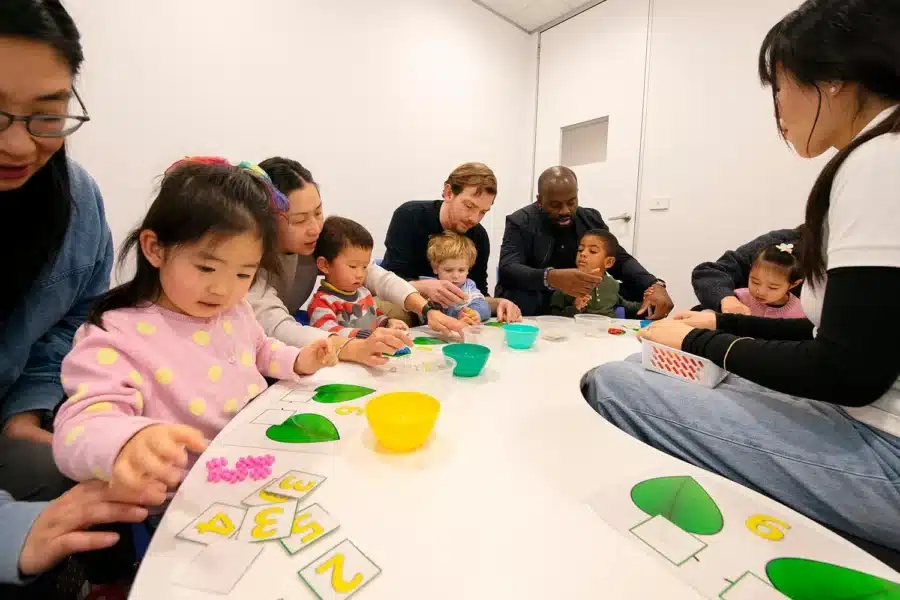
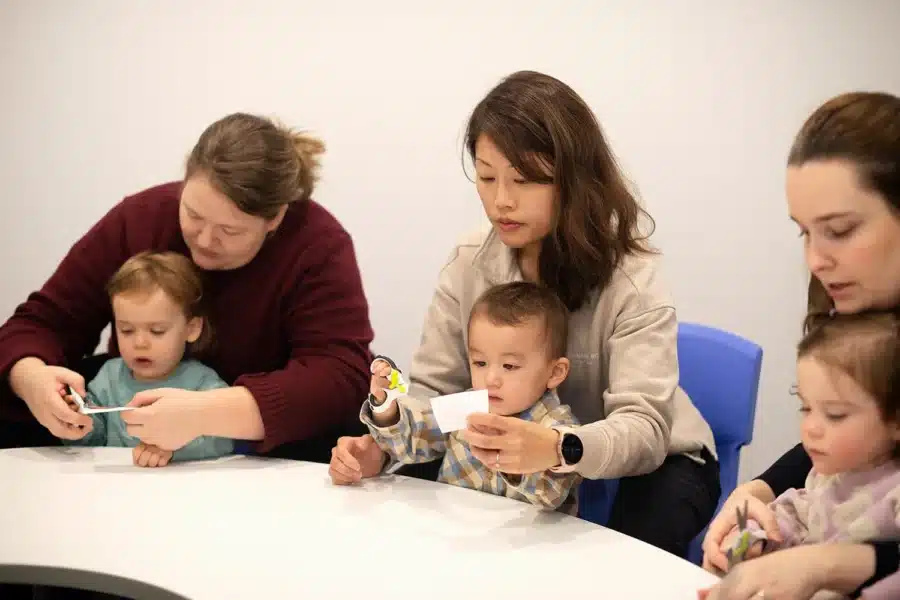
A parent or guardian participates alongside their child in Shichida’s early learning classes. Teachers guide families through activities involving memory, language, numeracy, fine motor skills and thinking. Parents can then use ideas from class during play and daily routines at home.
Children can start Shichida Australia from 6 months old, with new enrolments accepted before their fifth birthday. Children who begin before age five can continue through later program stages, including the Primary School Program up to age nine, subject to progression requirements.
Shichida Australia uses guided maths games, songs, counting materials and hands-on activities to introduce concepts such as quantity, shape, patterns and number relationships. Parents participate alongside their children, gaining ideas to use at home. Numeracy forms part of a broader program that also supports language, memory, concentration and problem-solving.