What Does Love of Learning Mean and Why Does it Matter?
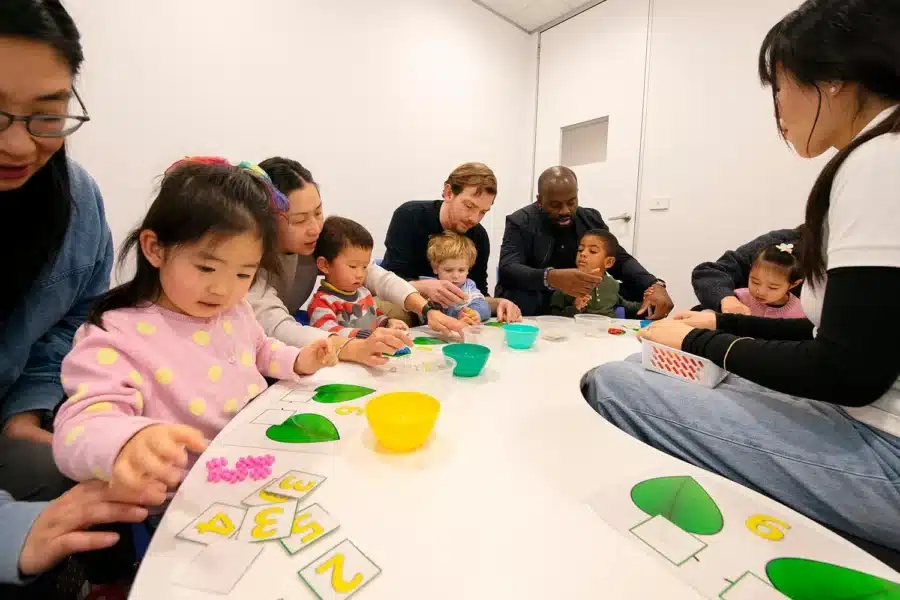
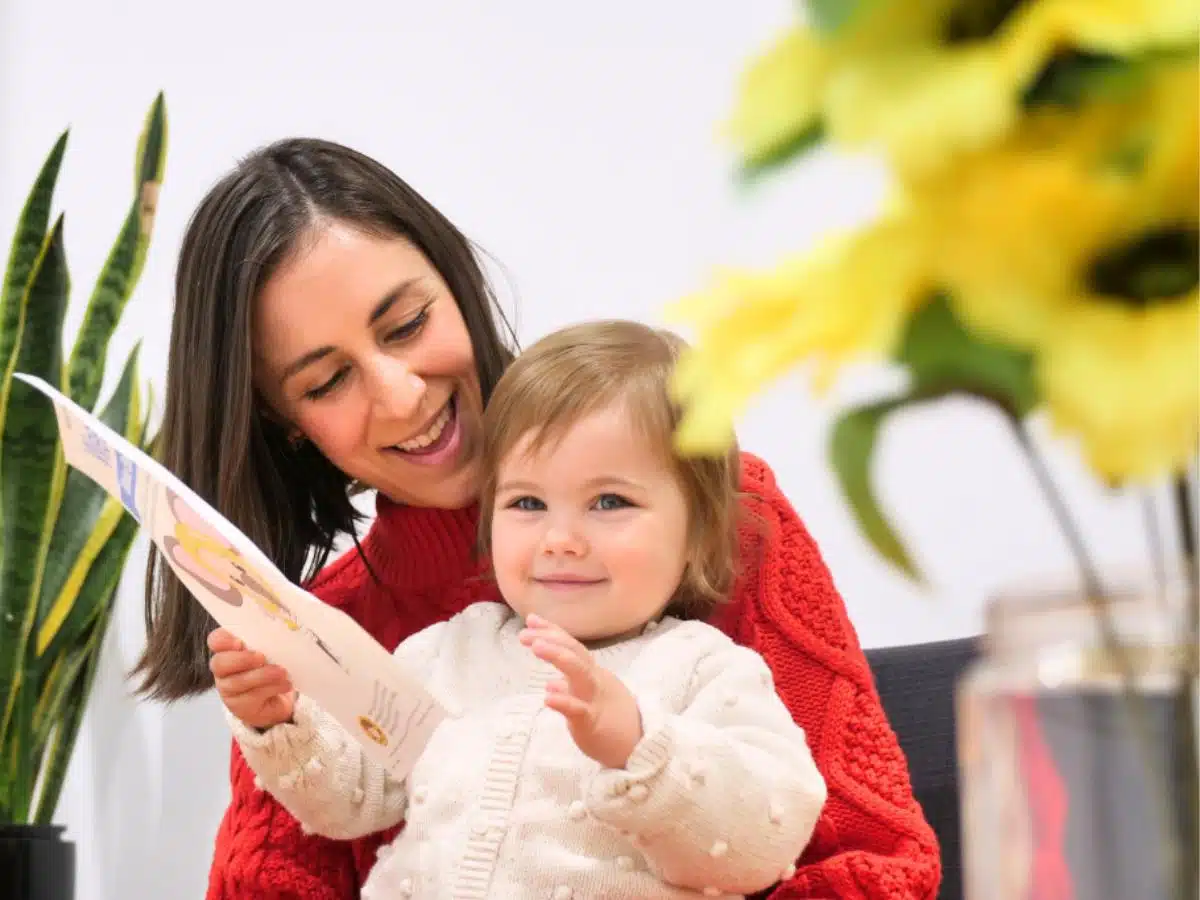
A love of learning is a child’s natural desire to explore, discover and understand the world around them. Children who enjoy learning are more likely to stay engaged, try new ideas and keep going when something feels hard.
Developing a love of learning can help young children:
- Build confidence in learning
- Develop curiosity and creativity
- Become independent learners
- Stay motivated to learn
- Establish positive learning habits
These qualities support lifelong learning, both inside and outside the classroom.
What Learning Skills Will Your Child Develop?
Curiosity and a Desire to Learn
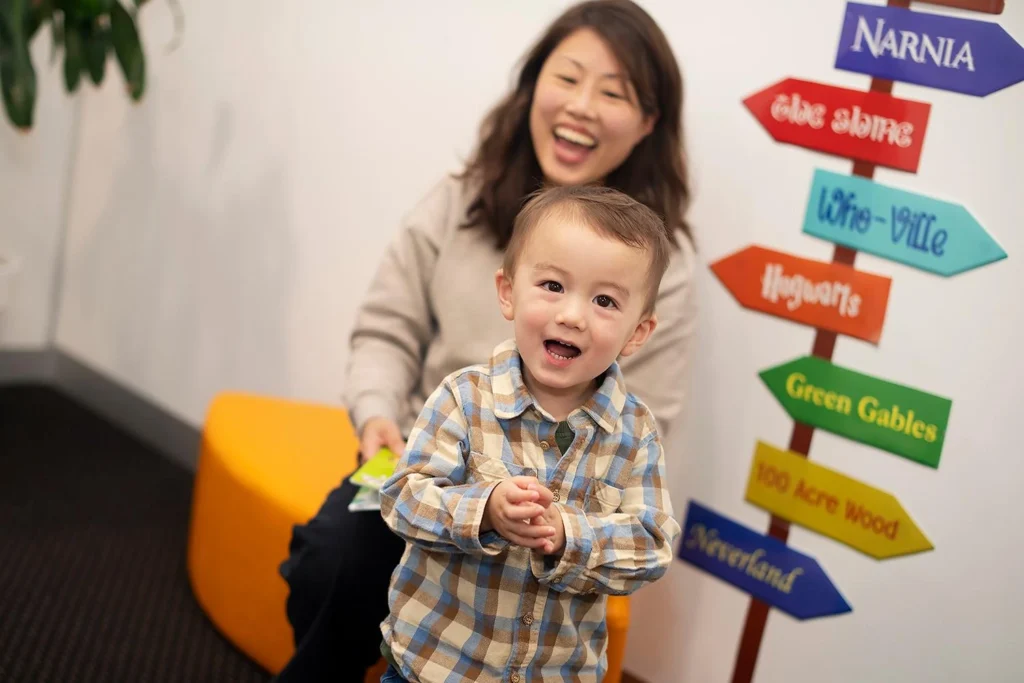
Curiosity in children shows up early, from a baby reaching for a new toy to a preschooler’s endless “why?” questions. Our class activities nurture it, giving children room to explore, test ideas and enjoy discovering something new.
Confidence in Learning
Positive learning experiences help children feel capable and more willing to have a go. That confidence supports critical thinking as they grow.
Independence and Motivation
During development, children learn to take ownership of their learning, building motivation, focus, persistence and a positive attitude to challenges.
How We Nurture a Love of Learning at Each Age
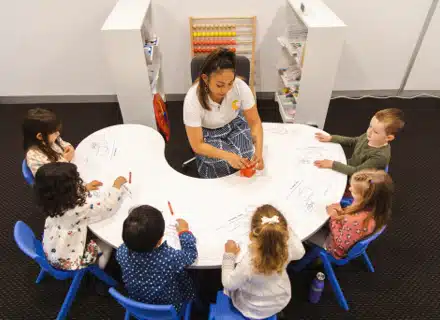
Every Shichida class is designed to make learning enjoyable, with activities matched to your child’s age. Choose an age below to see what happens in class.
Baby (6 to 12 months)
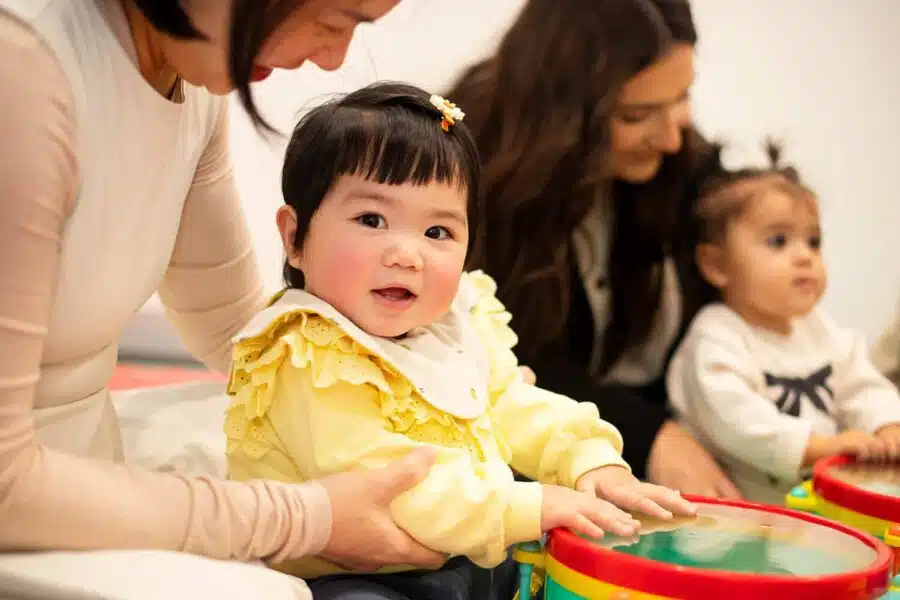
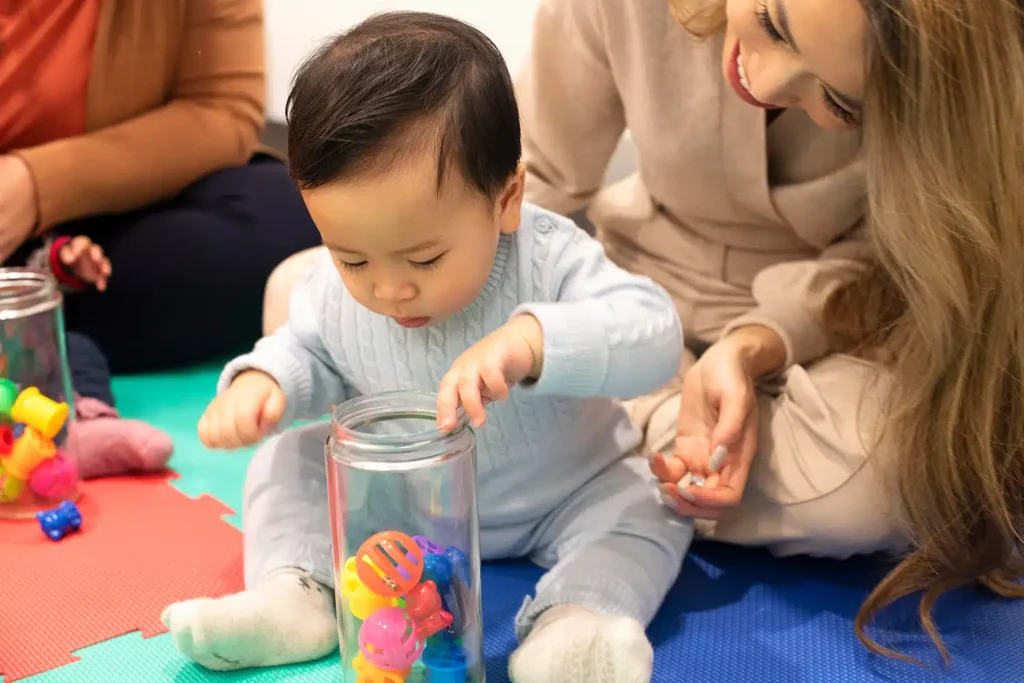
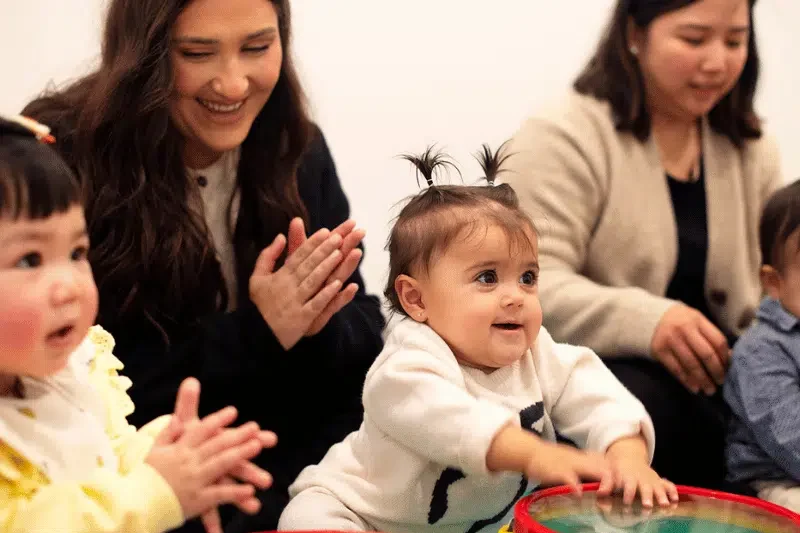
Songs, music, sensory play and plenty of encouragement make each new experience feel safe and exciting, with a parent alongside.
Toddler (1 to 3 years)
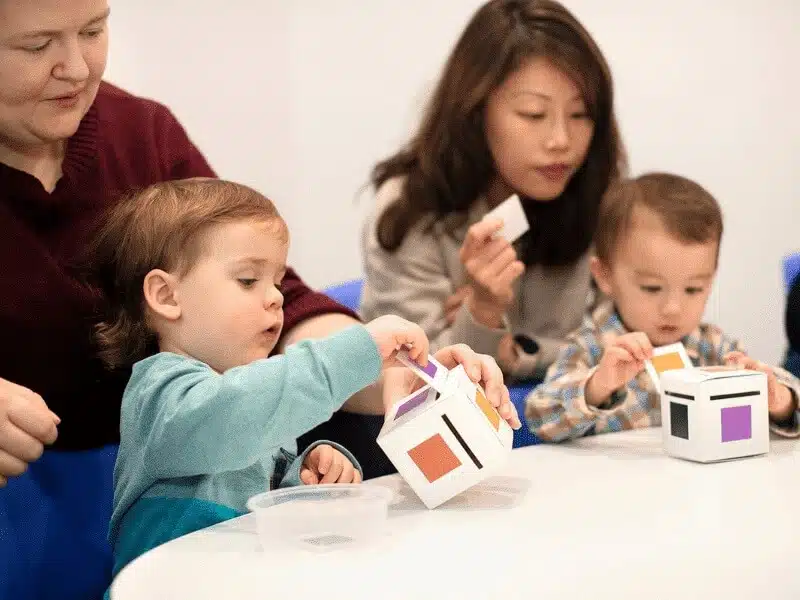
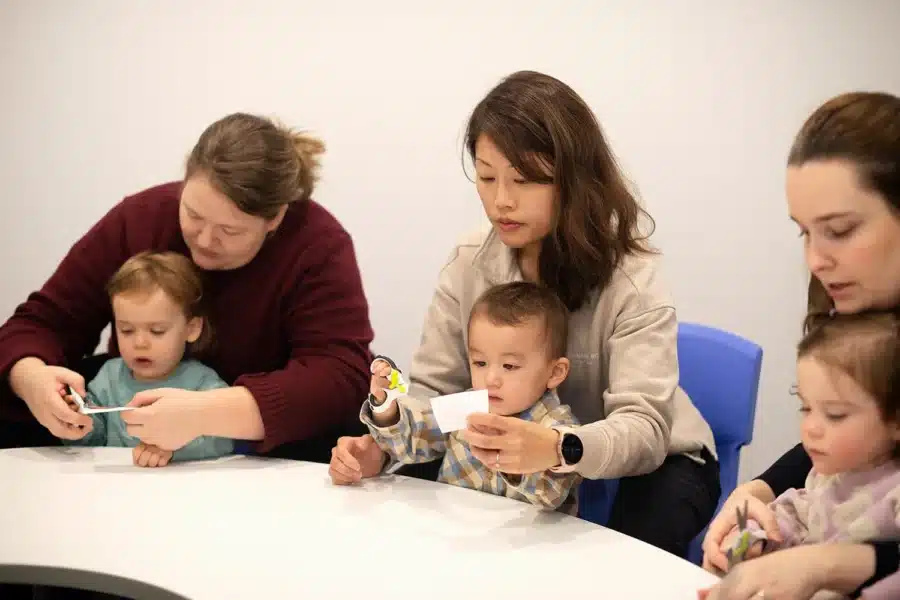
Fast-paced games, puzzles and guided play keep toddlers engaged, and small wins build their willingness to try again.
Kinder (3 to 5 years)
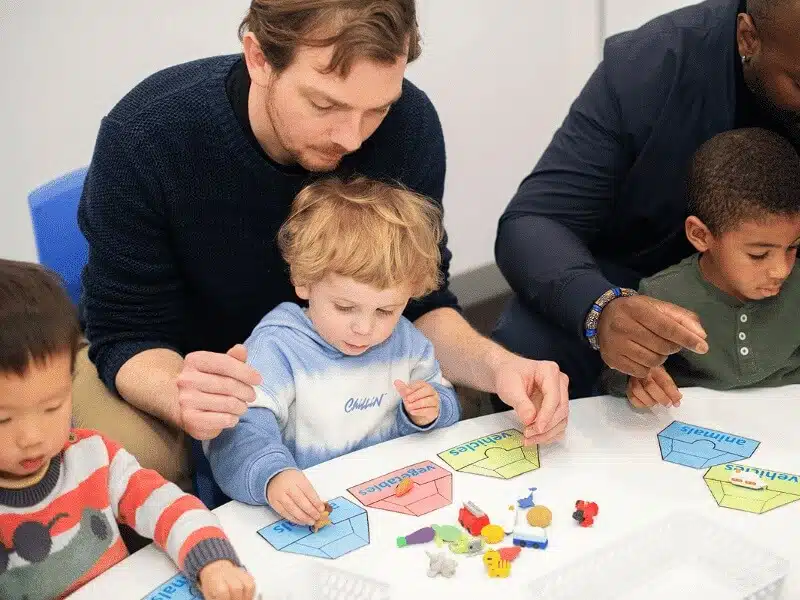
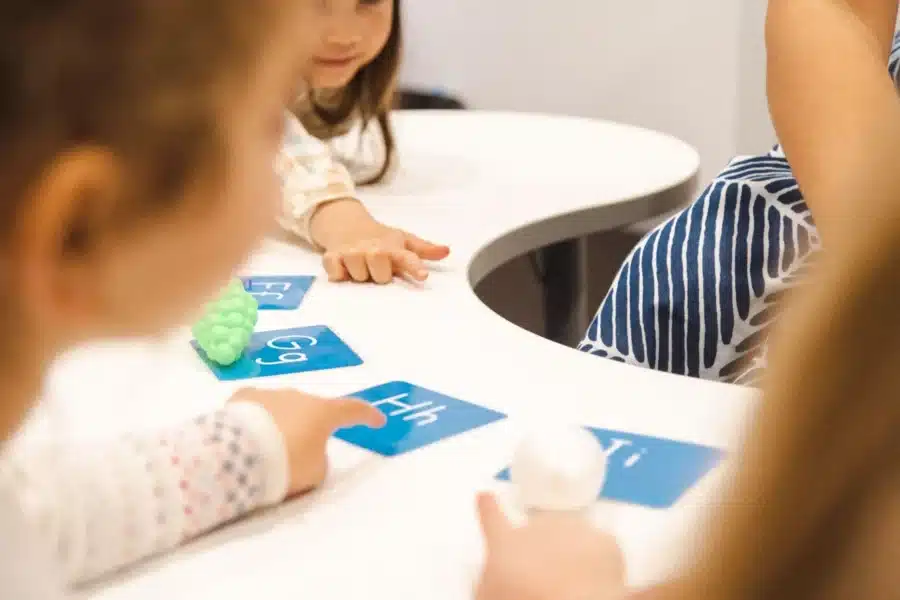
Hands-on activities, phonics games and number games give children achievable challenges that build confidence and help prepare them for school.
Pre-Primary (5 to 7 years)
More challenging activities and plenty of encouragement help children approach new tasks with confidence and take pride in their progress.
Primary (7 to 9 years)
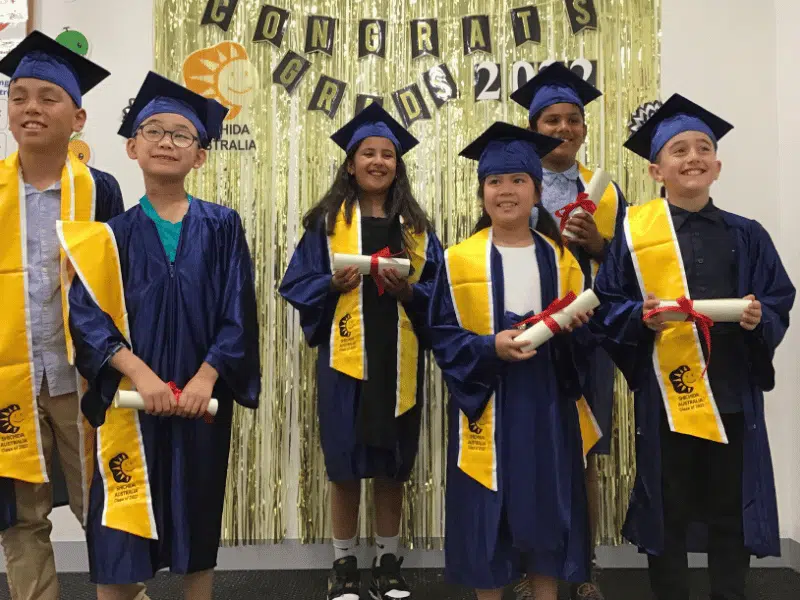
Science experiments, creative writing and problem-solving give children new ways to apply what they’ve learnt and enjoy the challenge of working things out for themselves.
New students can join from 6 months to 5 years. Pre-Primary and Primary classes are for children who have joined before their fifth birthday.
How the Shichida Method Nurtures a Love of Learning
The Shichida Method is an early learning approach that focuses on how children feel about learning as well as what they learn.
| Traditional Learning | Shichida Method |
|---|---|
| Often focuses on academic outcomes | Puts enjoyment of learning first |
| Learning can become repetitive | Fast-paced, varied and engaging activities |
| Often relies on external rewards | Encourages motivation from within |
| Often focuses on performance | Builds confidence, curiosity and enthusiasm |
The aim is for children to connect learning with enjoyment, curiosity and a sense of achievement.
See What Parents Are Saying About Shichida
What Your Child Will Do and Learn in a Shichida Class

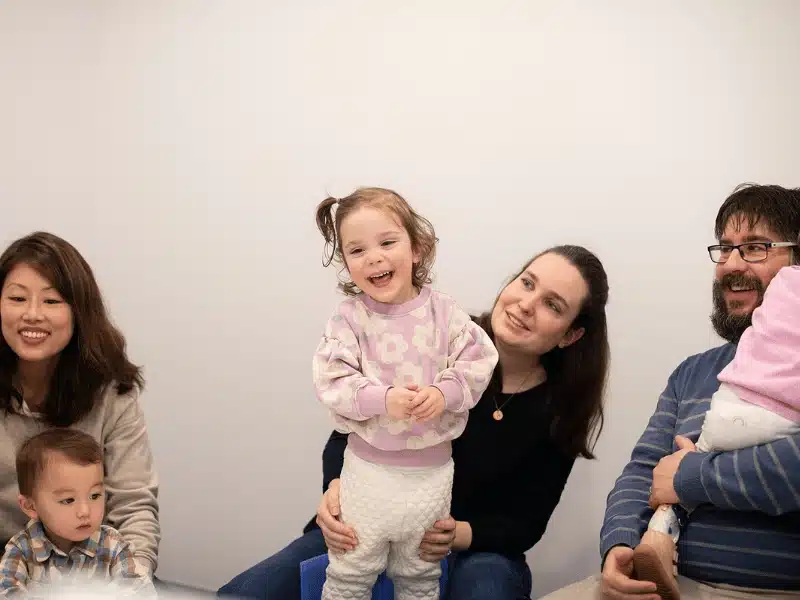
Activities are short and varied, so children stay engaged and enjoy each new challenge. Depending on your child’s age and class level, these may include:
- Memory and thinking games
- Creative problem-solving activities
- Music and high-speed flashcards
- Parent-child learning experiences
- Fun literacy and numeracy activities
- Positive encouragement and praise
Together, these activities makes our learning experiences something that children look forward to each week.
See how your child responds in their first class
Your trial class includes:
- A full 50-minute session
- A real classroom environment
- Guidance from a trained instructor
- The chance to observe your child’s response
How to Foster a Love of Learning at Home
Children get their cues from the people around them. When learning at home feels relaxed and fun, they’re more likely to want more of it.
Create Positive Learning Experiences
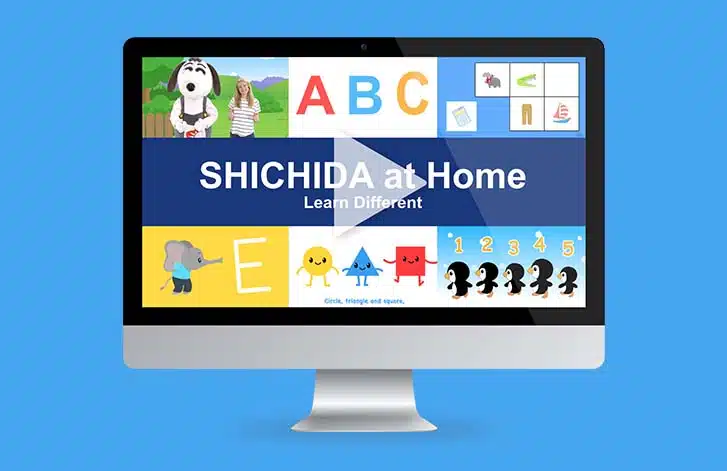
Children learn best when learning feels enjoyable and rewarding. Keep activities short, and try our free flashcards and worksheets for ideas.
Encourage Curiosity and Exploration
Let children ask questions, experiment and discover new ideas at their own pace.
Focus on Effort and Growth
Praising effort rather than results helps children build confidence and motivation. Find more tips for parents on our blog.
Book a Trial Class
Come and see how songs, games and hands-on activities help children enjoy learning. Watch your child explore, learn and discover in a welcoming classroom, and join in together. Book a baby, toddler or kinder trial class and see for yourself.
Frequently Asked Questions About Love of Learning
Love of learning is the enjoyment of discovering and understanding new things for their own sake. In young children, it shows up as curiosity, lots of questions and a willingness to keep trying.
Children who enjoy learning tend to stay curious and motivated as they grow. They’re more likely to see a challenge as something to work through rather than avoid.
A love of learning begins in early childhood, as babies and toddlers explore through play, songs and everyday interaction. The early years are a natural time to build positive learning habits.
Follow your child’s interests, ask “what do you think?” when they come to you with a question, and give them time to explore. Showing your own curiosity about the world helps too.
With the right environment, encouragement and activities suited to their stage, most children can grow to enjoy learning. Some take a little longer to warm up, and that’s completely normal.
Classes are filled with fast-paced, hands-on activities that make learning feel fun and achievable. This helps children connect new challenges with excitement, confidence and success.
Instructors use praise, affirmations, playful interaction and age-appropriate challenges to help children feel capable and excited about learning. This warm, supportive approach builds confidence over time.
Children can join from 6 months to 5 years. Pre-Primary and Primary classes continue the learning for children who joined before their fifth birthday.
Reading together, talking about discoveries, playing problem-solving games and celebrating small achievements all help. Short, enjoyable learning moments tend to work better than long, pressured sessions.
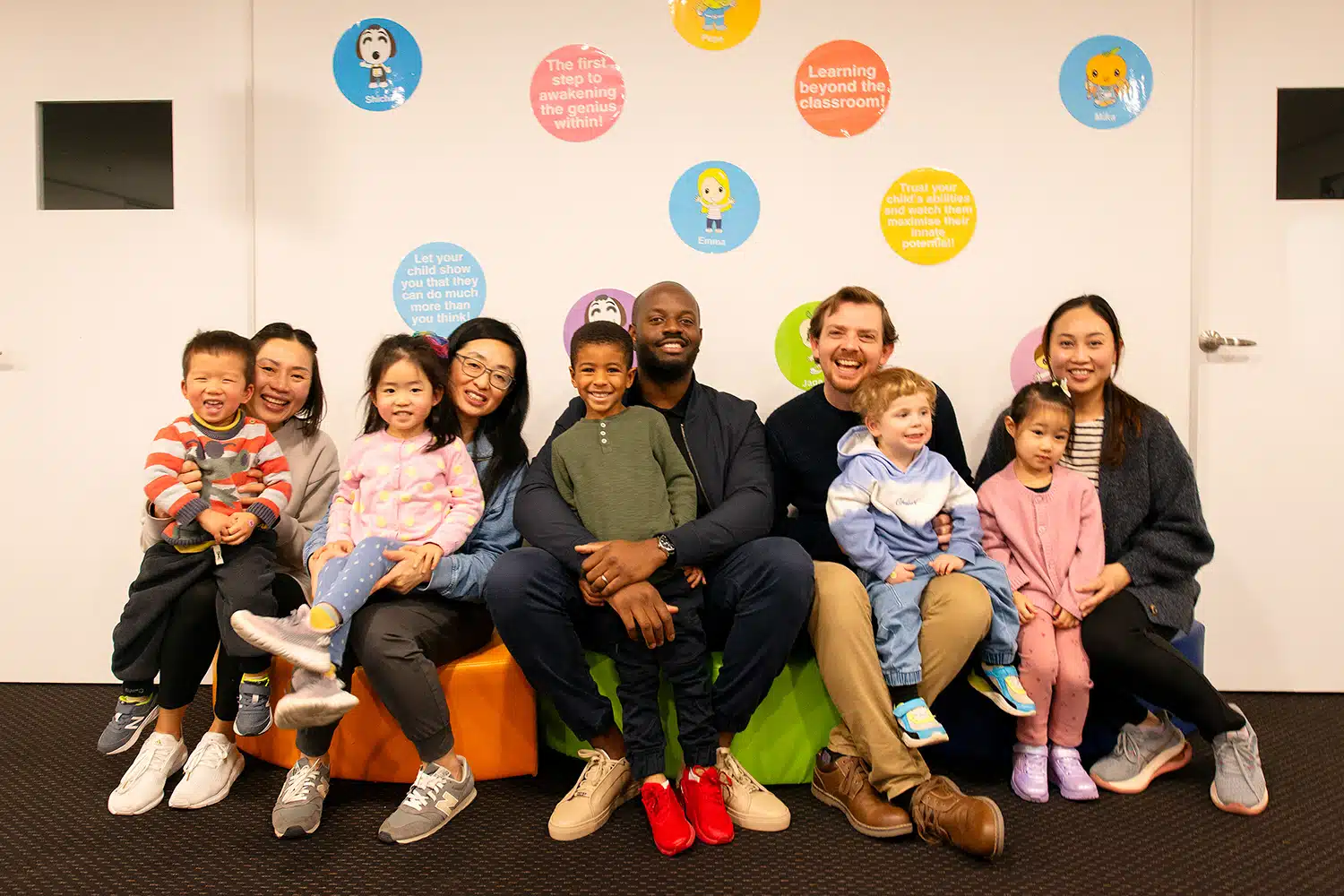
Shichida classes are weekly, play-based and 50 minutes long, in groups of up to six children with a parent alongside each child. A love of learning is built into every class rather than taught as a standalone subject.
Shichida supports all families, but classes are early learning classes for children generally and are not a clinical or diagnostic service. If you have concerns about your child’s learning or development, speak with your GP, child health nurse or a relevant specialist.