Key Takeaways
- Goal setting for kids starts with small, meaningful challenges. Completing a puzzle, putting on shoes or caring for a plant gives children something practical to work towards.
- Involve children in choosing their goals. Following their interests and breaking tasks into manageable steps makes participation more meaningful.
- Recognise effort, strategies and progress. Trying another approach, asking for help and noticing improvement are valuable parts of learning, even before a goal is achieved.
- Shichida supports skills children use to work towards goals. Guided activities and parent participation provide opportunities to practise concentration, persistence and problem-solving.
You might think goals are just for grown-ups with to-do lists and deadlines – but goal setting for kids is just as powerful. When introduced early, it can develop confidence, focus, and a lifelong love of learning.
It’s not about pressure or perfection – it’s about giving children a sense of direction, purpose, and pride in what they can achieve. Whether it’s learning to tie their shoes or finishing a book, setting goals helps children build resilience, celebrate progress, and stay motivated.
By guiding children to set and work toward their own goals, we’re helping them grow not just academically, but emotionally and socially too.
What Is Goal Setting for Kids?
Goal setting for kids isn’t about rigid routines or unrealistic expectations. It’s simply the practice of helping children focus on something they’d like to learn, try, or improve—something that matters to them.
Even the smallest goals can be powerful when they include four simple elements:
- Intentionality: The child is doing it on purpose—whether it’s learning to zip up their jacket or remembering to pack their lunchbox.
- A Sense of Progress: They may not be able to do it yet, but they can take small steps toward it over time.
- A Clear Outcome: There’s something to work toward, like tying both shoes or finishing a puzzle.
- Personal Ownership: Even if the idea starts with a parent, the child feels involved and invested.
A goal doesn’t have to be big—it just needs to feel meaningful to your child. When they can see themselves improving and feel proud of their efforts, that’s when the magic happens.
Why Goal Setting Matters in Early Childhood
While goal setting for kids may sound ambitious, research has shown that goal-directed behaviour in young children is linked to improved self-regulation and academic readiness. Kids who practice working toward small milestones learn patience, impulse control, and self-motivation.
1. Builds Ownership
When kids set simple goals—like learning to zip their jacket—they become active participants in their growth, developing pride in their progress.
2. Fuels Motivation
Goals give children something to aim for, making learning purposeful. Research shows that goal-directed behaviour supports focus, persistence, and self-regulation (Duckworth et al., 2014).
3. Supports Emotional Regulation
Working toward a goal often brings frustration. These moments teach children to pause, reset, and try again—key skills for resilience and emotional control.
4. Boosts Planning & Problem-Solving
Even simple goals, like completing a puzzle, involve sequencing, adjusting, and thinking ahead—building executive function skills early on.
5. Encourages Self-Reflection
As children achieve small milestones, they start to reflect: “I couldn’t do that before—now I can!” This builds self-awareness and a growth mindset.
Age-Appropriate Goal Examples for Young Children
Let’s take a look at some age-appropriate examples of goal setting for kids:
Toddlers (1–3 Years)
At this stage, toddlers thrive with goals that are rooted in routine, motor skills, and communication. Even the smallest steps can build a foundation for independence.
- Place toys back in a basket after playtime
- Use simple words or signs to express a need (e.g., “milk”, “help”, “up”)
- Follow a simple routine with two steps, like putting away shoes and washing hands
- Stack three blocks with focus and care
- Sit for a short story without distractions
Goal setting for kids encourages intentional behaviour and introduces the idea that actions can lead to satisfying outcomes.
Preschoolers (3–5 Years)
Preschoolers can start to set slightly more structured goals with clear outcomes. These often tie into self-care, social skills, and emerging academic interests.
- Put on socks and shoes independently each morning
- Say “please” and “thank you” consistently at mealtimes
- Try writing the first letter of their name each day for a week
- Take turns in a group activity without needing adult reminders
- Water a plant every day and watch it grow
Each goal gives children ownership of a small task and a feeling of responsibility and success when they follow through.
Early Primary (5–7 Years)
As their cognitive and emotional abilities grow, children at this stage can start to understand and track goals over time, particularly if supported by a visual tracker or simple checklist.
- Finish one book by the end of the week
- Set the table for dinner three nights in a row
- Practice tying shoelaces for five minutes a day
- Choose one emotional regulation tool to use after school (e.g., breathing, drawing)
- Save coins in a jar to buy a small toy
At this age, children can reflect on progress, celebrate effort, and start to build longer-term motivation—especially if goals are linked to personal interests or daily routines.

Image: Learning to tie shoelaces is a major goal for many young children
How to Support Goal Setting at Home
You don’t need formal charts or rigid plans to introduce goal setting for kids. Here are simple, natural ways to make goal setting part of your child’s everyday life:
1. Make It Visual
Use stickers, checklists, or drawings to track progress. Visuals help young children see how far they’ve come, which builds excitement and momentum.
2. Break Big Goals into Small Steps
If a child’s goal is to learn to ride a bike, break it into smaller steps—learning to pedal, balance, then ride without training wheels. Celebrate each milestone along the way.
3. Encourage Self-Set Goals
Ask, “What’s something new you want to try this week?” Let your child be part of the process. Ownership increases motivation.
4. Celebrate Effort
Praise the process, not just the result. “You kept trying even when it was hard” helps build a resilient mindset.
5. Reflect Together
At the end of the day or week, ask, “What’s something you’re proud of?” Reflection reinforces their growth and encourages self-awareness.

Image: Visual checklists track process and build excitement
A Word on Patience
It’s important to remember that young children are still learning how to persist, manage frustration, and stay focused. Some goals might take longer than others—and that’s okay. The process of trying, adjusting, and trying again is where the learning happens.
Support your child by keeping expectations flexible, offering plenty of encouragement, and creating a home environment where it’s safe to make mistakes.
How Self-Regulation Supports Goal Setting in Kids
Self-regulation—the ability to manage thoughts, emotions, and behaviours—is essential for children to follow through on goals. Whether it’s completing a puzzle or reading each night, kids need focus, emotional control, and the ability to resist distractions to succeed.
For instance, a child who sets a goal to read daily must remember the goal, stay motivated, and manage impulses—all key elements of self-regulation.
Research published in Early Childhood Research Quarterly shows that children with strong self-regulation skills are more likely to set and achieve academic goals, laying the foundation for long-term success.
In other words, goal setting for kids isn’t just about what they do—it’s about building the internal skills that help them get there.
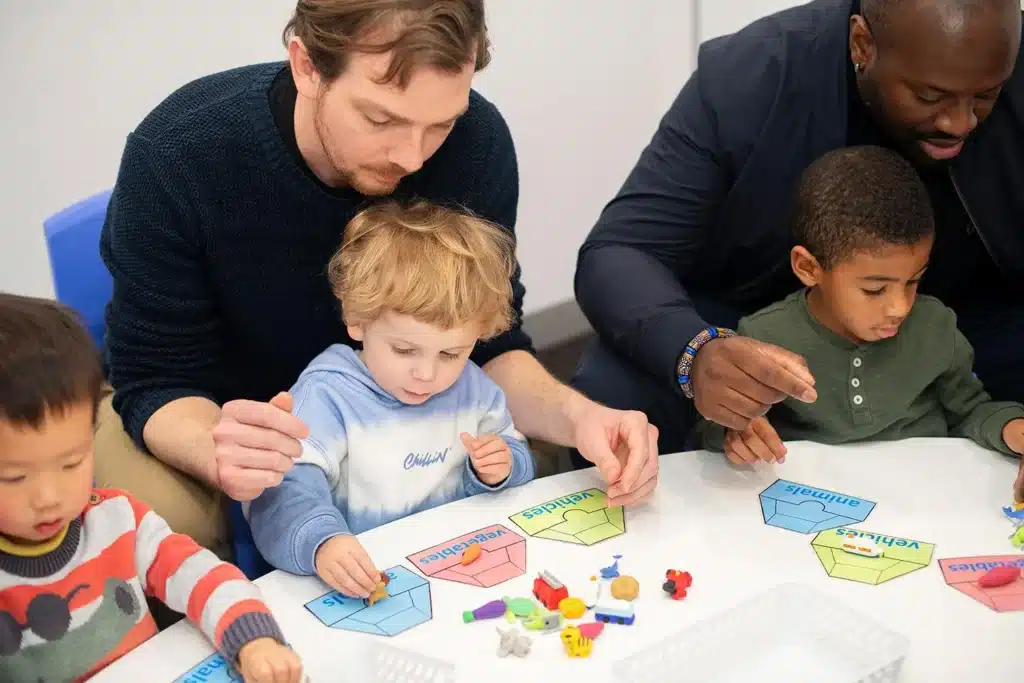
Photo by Shichida Australia: At Shichida Australia, we support goal setting for kids by creating age-appropriate opportunities for success in every lesson.
How Shichida Supports Goal Setting
While our focus is on whole-child development, we help children build the habits and skills that lead to goal achievement:
- Encouraging concentration through playful, structured learning activities
- Supporting perseverance through gentle challenge and guided practice
- Building emotional resilience by teaching children to manage frustration and try again
- Celebrating effort and recognising growth in each child
By involving parents in the learning journey, we help create consistency between class and home – amplifying your child’s ability to build confidence and set positive goals.
Ready to nurture your child’s growth mindset? Join us at Shichida and explore how our play-based, research-backed approach encourages goal setting, builds confidence, and supports every child’s unique path to success. Book a trial class today!
FAQs About Goal Setting for Kids
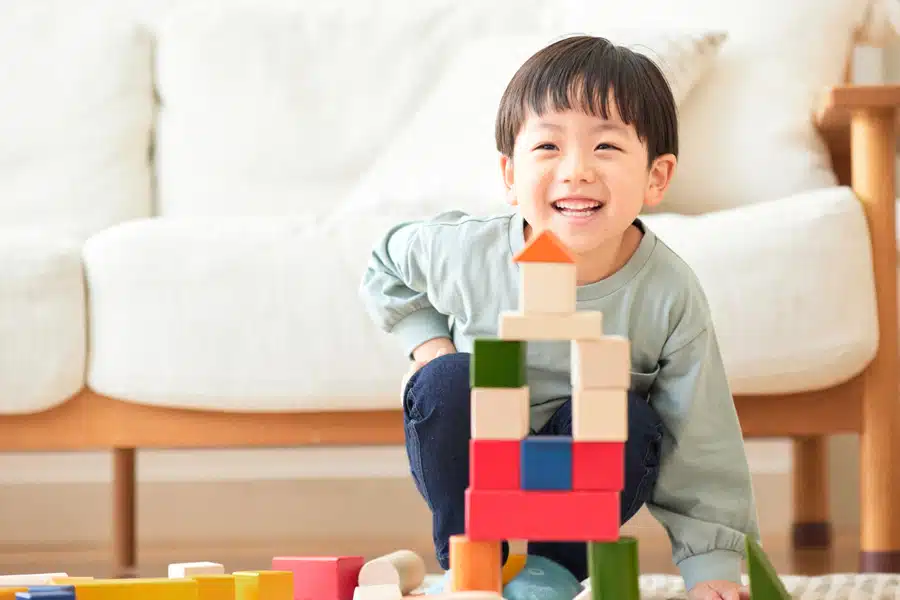
Goal setting for kids means helping children choose something they want to learn, try or improve, then identifying small steps towards it. For young children, a goal might be building a bridge with blocks or putting on their shoes. Keep the goal understandable, achievable with support and connected to their interests.
Working towards small goals gives children opportunities to practise planning, focus, problem-solving and persistence. Noticing their progress can also build confidence and independence. The value comes from learning how to try, adjust and seek help, as well as reaching the outcome.
Toddlers can participate in simple, immediate challenges with adult support, such as putting blocks into a basket. Preschoolers can become more involved in choosing what they want to practise and identifying a next step. Match expectations to your child’s understanding and abilities rather than treating ages as deadlines.
Useful goals relate to play, self-care and everyday participation. A toddler might help put away a few toys or practise stacking blocks. A preschooler might work towards putting on socks, completing a chosen puzzle or watering a plant with reminders. Choose something within reach and offer help where needed.
Start with something your child wants to do and notice what they can already manage. Choose one small next step. If they want to get dressed independently, begin with pulling up trousers rather than managing the entire outfit. Adjust the challenge if it becomes consistently frustrating.
Invite your child’s input, keep expectations flexible and avoid comparisons with other children. Comment on specific progress, such as “You tried turning the piece and found where it fits.” Allow breaks and changes of plan so the goal remains a learning opportunity rather than a demand to perform.
No. A simple drawing or checklist can help children see their progress, but charts and prizes are optional. Some children enjoy adding a sticker, while others prefer talking about what they managed. Focus on the skill they are developing and their own sense of achievement.
Talk gently about what was difficult and whether the goal still interests them. They might need a smaller step, more help or more time. Ask, “What could we try next?” Changing a goal can be a useful part of problem-solving, rather than a sign of failure.
Shichida provides guided activities where children can practise concentrating, trying different solutions and persisting with manageable challenges. Teachers and parents support participation and recognise progress. These experiences help develop the habits children use when working towards goals in class and at home.