What Are Early Literacy Skills and Why Do They Matter?
Literacy for kids starts long before reading. It begins with sounds, songs, words and stories, and the early years are when children start to listen, talk and make sense of language.
Early literacy skills are the building blocks of reading, writing and communication. They include:
- Vocabulary and spoken language
- Phonemic awareness, or hearing the sounds in words
- Letter and sound recognition
- Sight words
- Listening and understanding
- Pre-writing skills, such as pencil grip and hand control
Even if your child isn’t talking or reading yet, they’re already taking in language every day. Building these early literacy skills helps them feel confident when it’s time to read and write.
What Literacy Skills Will Your Child Develop?
Language and Communication Skills
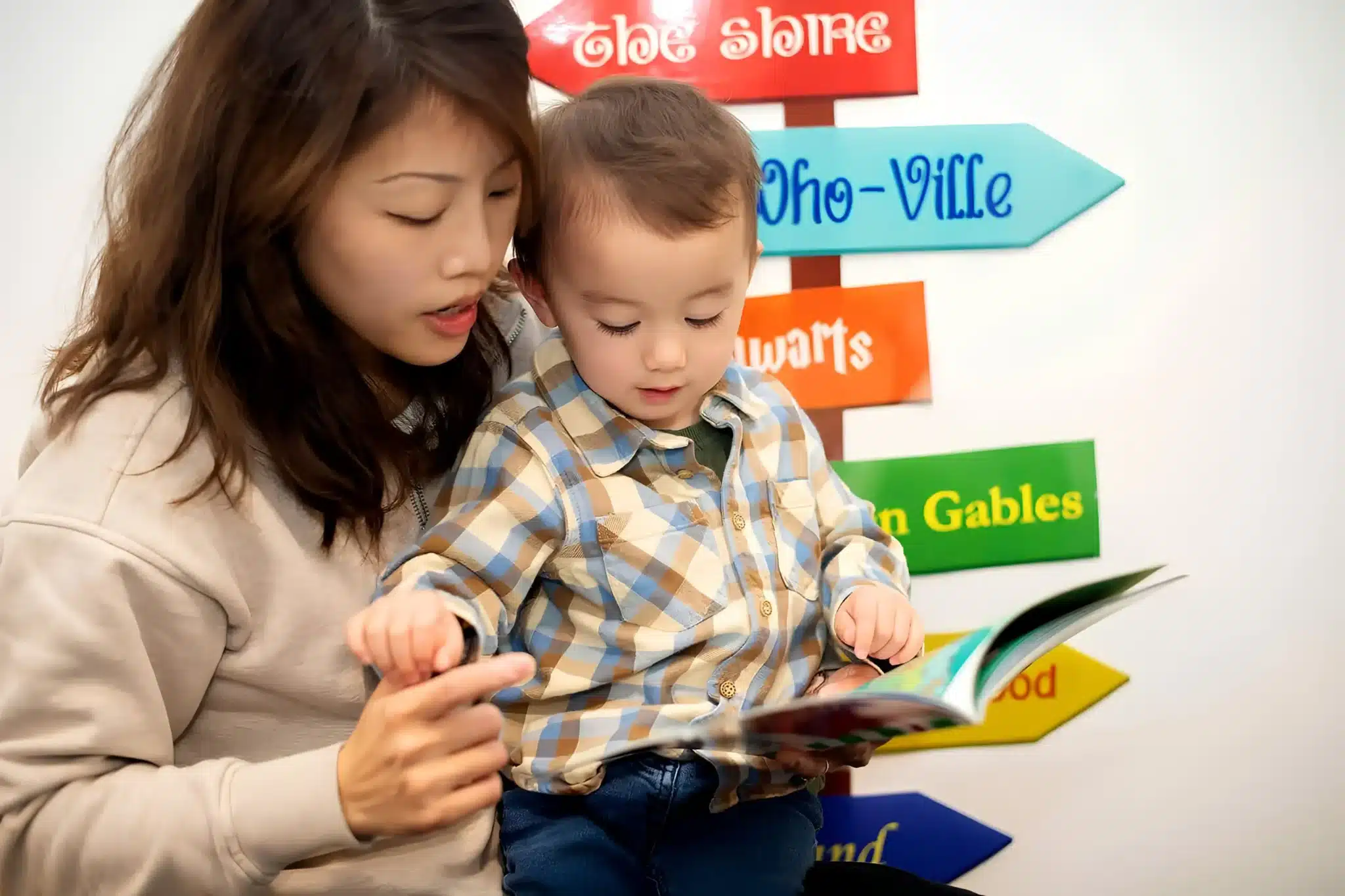
Songs, picture cards, stories and conversation build vocabulary, listening and oral language development.
Reading and Phonics Foundations
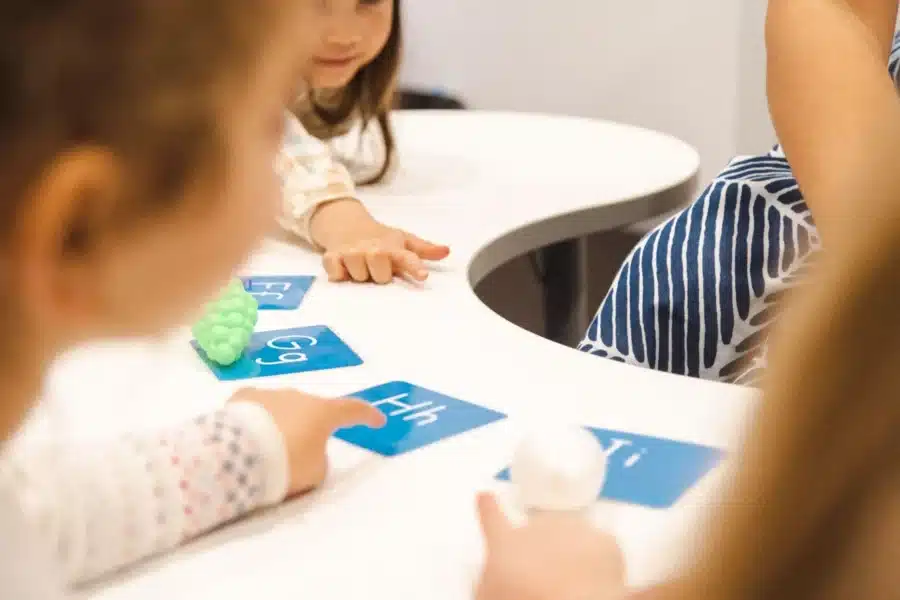
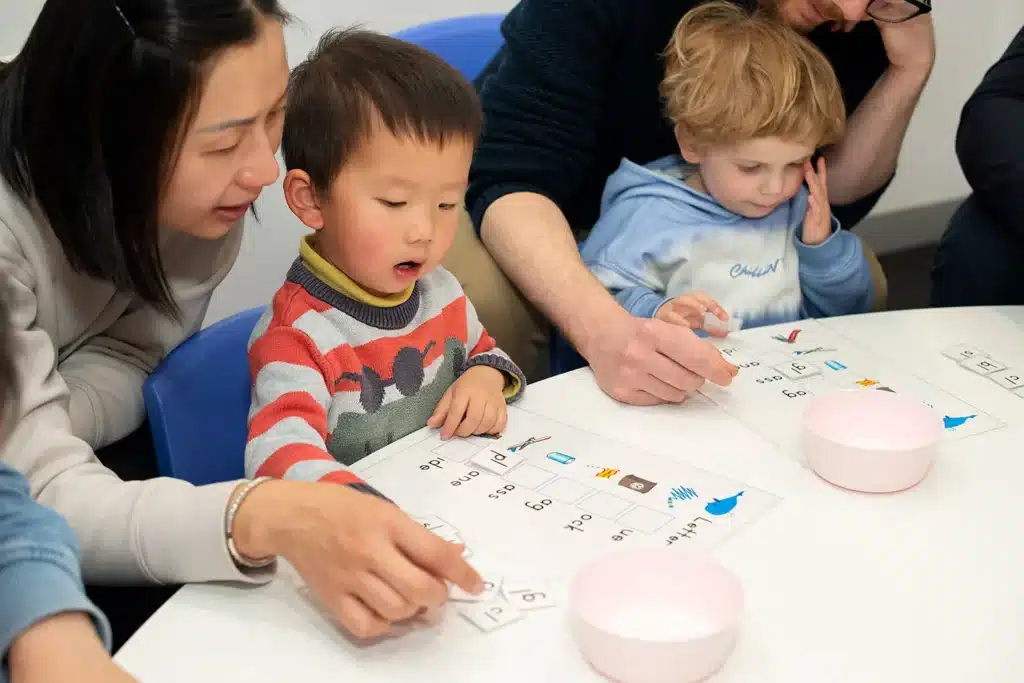
Children work on letter recognition, hear the sounds in words and meet common sight words. Phonics links letters, sounds and words to support early reading.
Memory and Early Writing
Memory activities help children recall words, sounds and ideas. Pre-writing builds pencil grip and hand control, and older children move on to composition writing.
How We Teach Literacy Skills at Each Age
Every Shichida class builds literacy, with activities matched to your child’s age. Choose an age below to see what happens in class.
Baby (6 to 12 months)
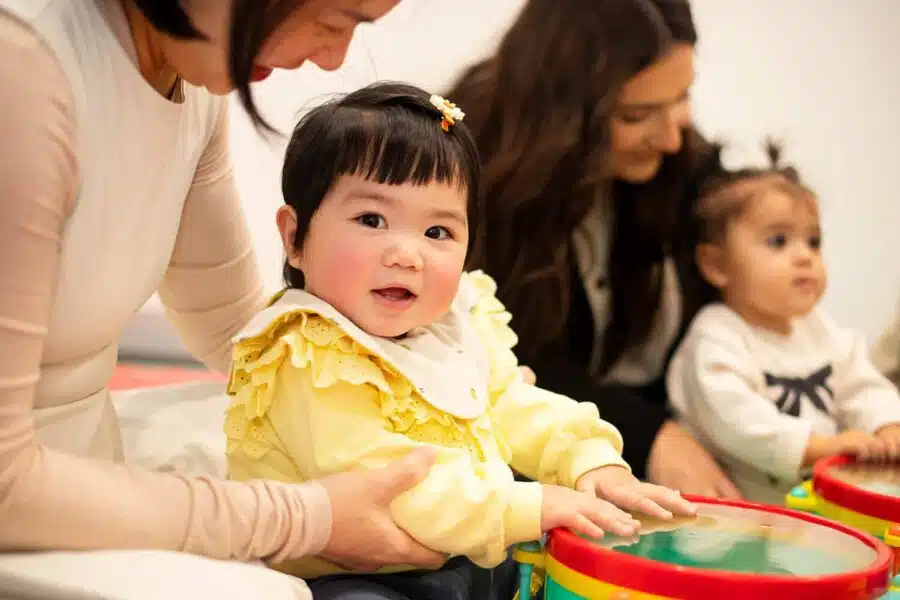
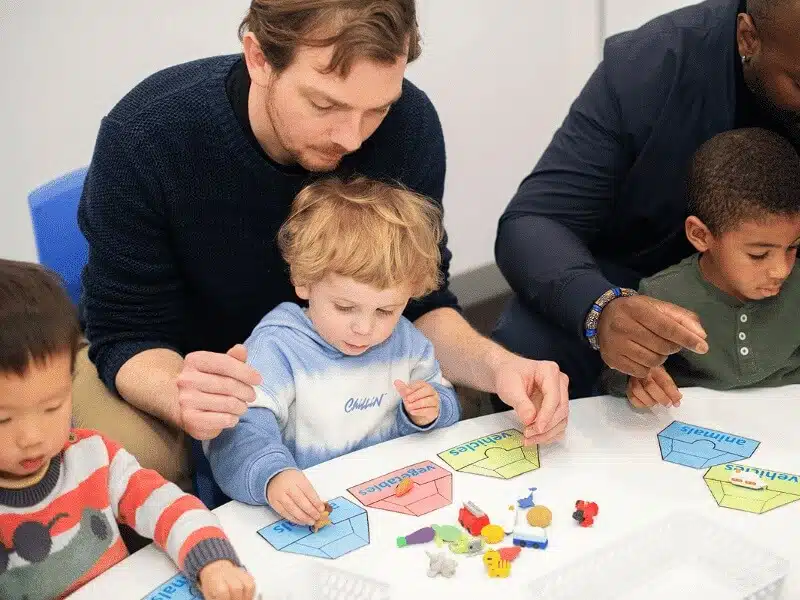
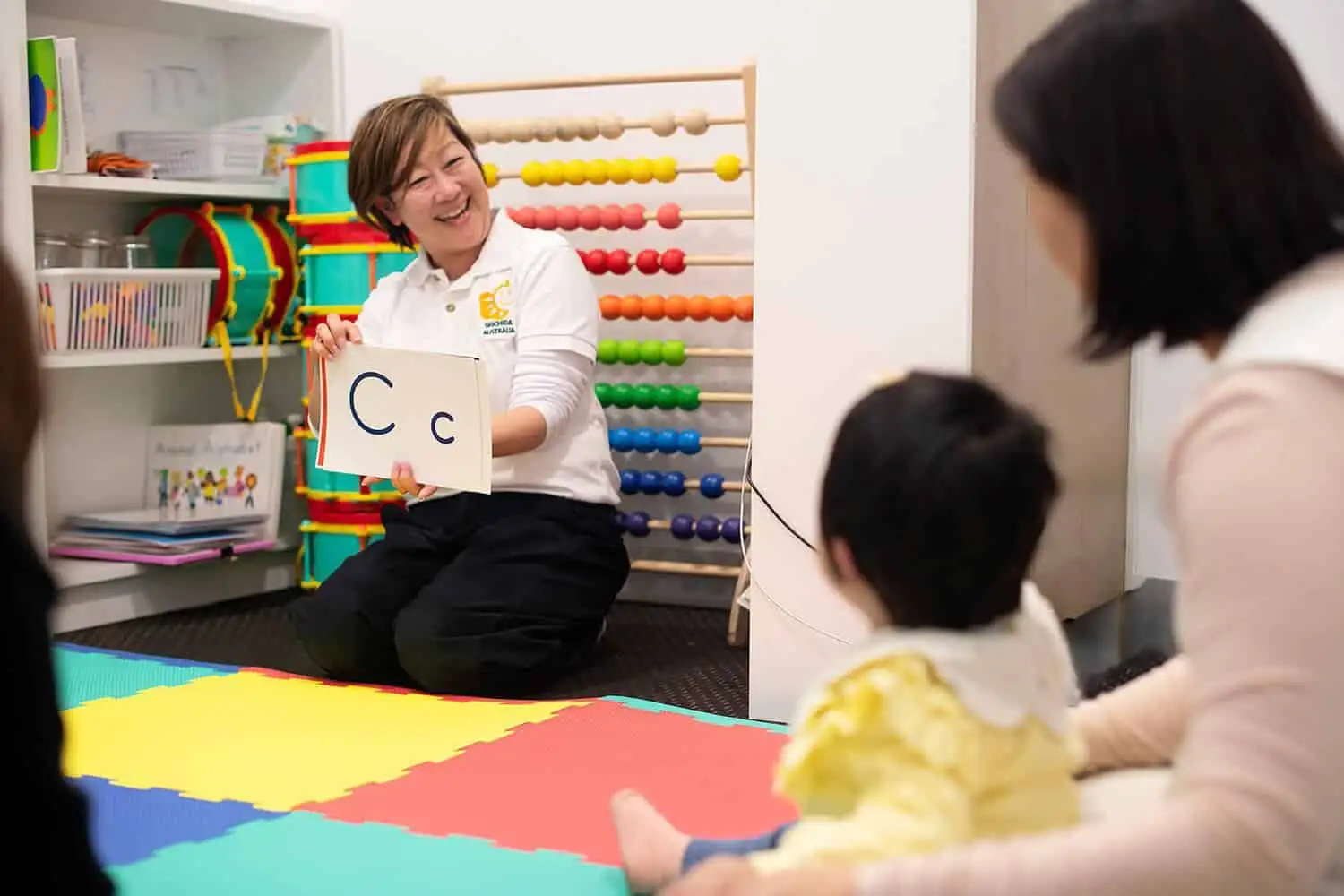
Hear it. See it. Say it! Through songs, rhythm, flashcards and playful phonics, babies explore sounds and letters, learn about body parts, animals and everyday objects, and imitate facial expressions.
Toddler (1 to 3 years)
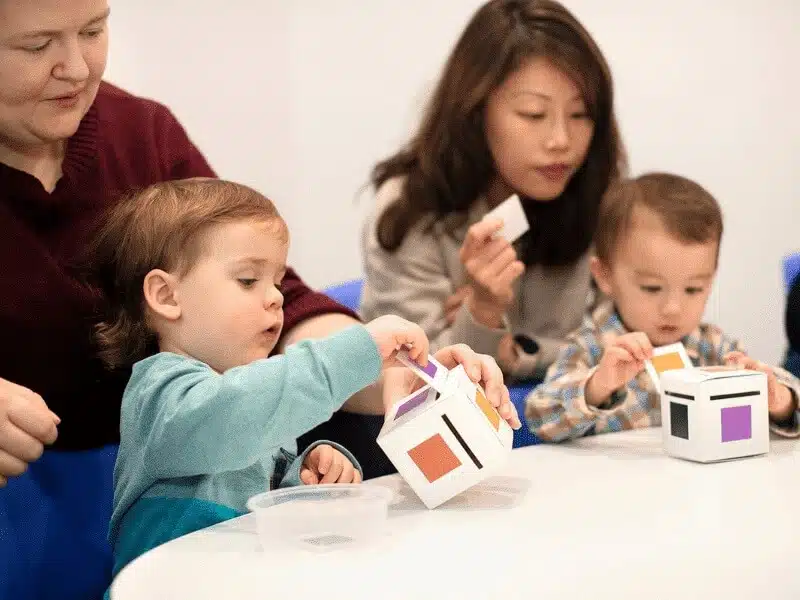
Words, sounds and little lightbulb moments! Songs, flashcards and hands-on games build listening, language and vocabulary as toddlers recognise their names, match upper- and lowercase letters, explore sight words and create simple sentences.
Kinder (3 to 5 years)
Words come alive! Preschoolers explore letter blends, discover words with similar or opposite meanings, create stories with picture cards, and learn to spot the subject and verb in simple sentences.
Pre-Primary (5 to 7 years)
Read, listen, create! High-speed flashcards, speed listening and speed-reading build fluency, vocabulary, comprehension and confidence. Children explore contractions, word families, compound words, adjectives and long vowels, then use the Da Vinci Map to turn ideas into compositions.
Primary (7 to 9 years)
Reading with meaning. Writing with imagination! Recitation strengthens memory and comprehension, while speed listening and speed reading develop listening and reading fluency. Composition nurtures imagination, logical reasoning, clear expression and confident communication.
New students can join from 6 months to 5 years. Pre-Primary and Primary classes are for children who joined before their fifth birthday.
How the Shichida Method Develops Literacy Skills
The Shichida Method is an early learning approach that supports literacy skills by focusing on how children learn as well as what they learn.
Children build early literacy skills through visual, auditory and interactive learning, including flashcards, songs and hands-on games. These experiences support vocabulary, phonics, comprehension, memory and early writing.
This playful, purposeful approach supports:
- Language development
- Reading skills
- Comprehension and retention
- Early writing skills
- School readiness
| Traditional Learning | Shichida Method |
|---|---|
| Often focuses on repetition and memorisation | Uses rapid input with guided memory development |
| Often relies on passive reading practice | Active, multi-sensory learning approach |
| May teach letters and words in isolation | Connects sounds, words, images, and meaning |
| Usually follows a fixed pace | Activities vary by age and class levelt |
| Can feel repetitive for young children | Fast-paced, engaging, and varied activities |
The Shichida Method combines visual, auditory and hands-on learning to support understanding, retention and engagement.
See What Parents Are Saying About Shichida
What Your Child Will Do and Learn in a Shichida Class

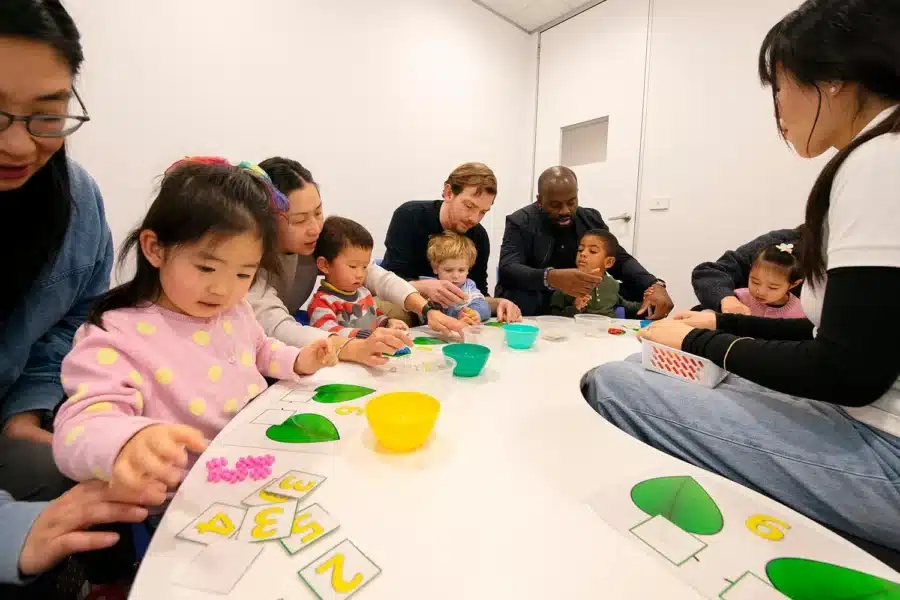
Each 50-minute class is made up of short, lively activities that build early reading, language and communication skills. Depending on your child’s age and class level, they may include:
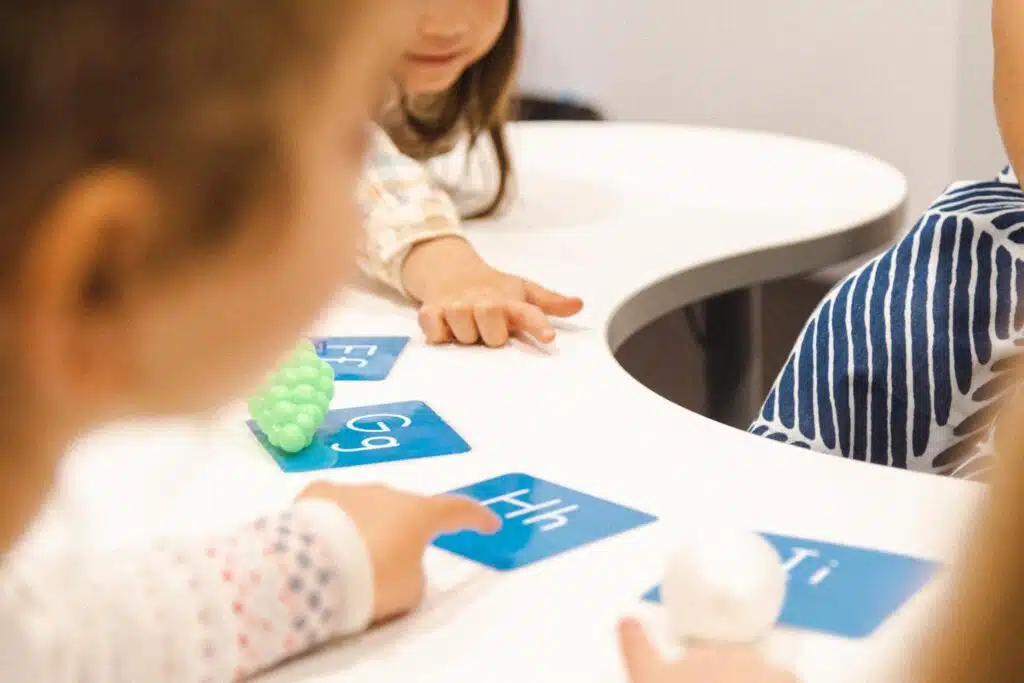
- Flashcards to build vocabulary and word recognition
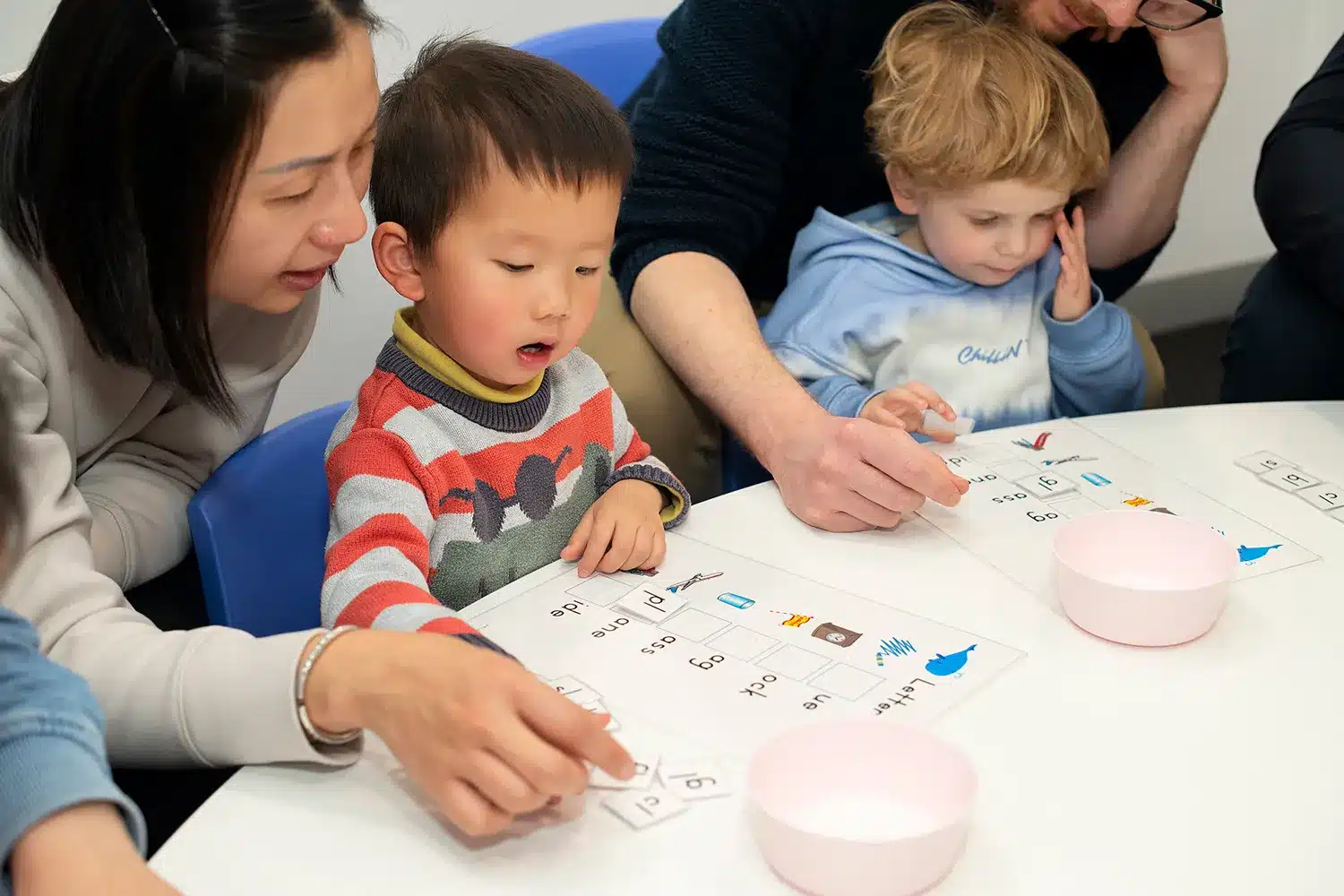
- Phonics activities that connect letters, sounds and words
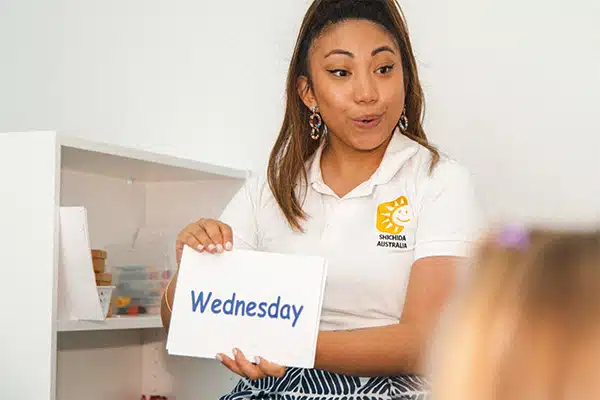
- Sight word practice to build early reading confidence
- Songs, rhythm and rhyming to tune children in to the sounds in words
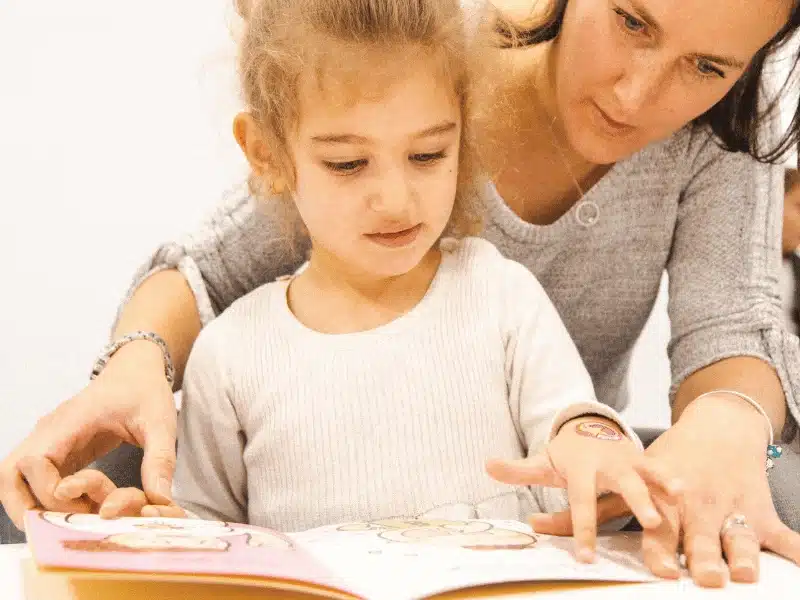
- Storytelling, shared reading and picture-card chats to spark language and imagination
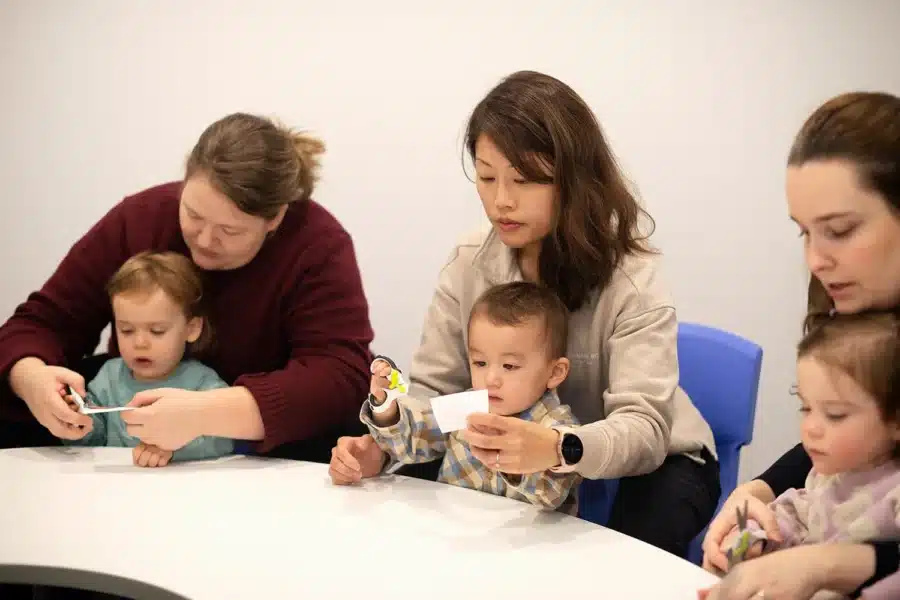
- Pre-writing activities to build pencil grip, hand control and fine motor skills
- Visual tracking at every age, plus speed reading for older children
Together, these activities help children build strong literacy foundations in a natural, age-appropriate way.
See how your child responds in their first class
Your trial class includes:
- A full 50-minute session
- A real classroom environment
- Guidance from a trained instructor
- The chance to observe your child’s response
How to Improve Your Child’s Literacy Skills
Supporting your child’s literacy development doesn’t have to be complicated. Consistency and regular exposure to language both help, and small daily habits at home make a difference too.
Reading at Home
Share a book most days, talk about the pictures and ask what might happen next. Explore more literacy activities for preschoolers.
Daily Language Exposure
Talking, singing and describing everyday things builds vocabulary and an ear for sounds. Rhymes fit easily into car trips and bath time.
Repetition and Consistency
Short, regular sessions with flashcards and songs help words and sounds stick. Try our free alphabet writing sheets and free flashcards and worksheets.
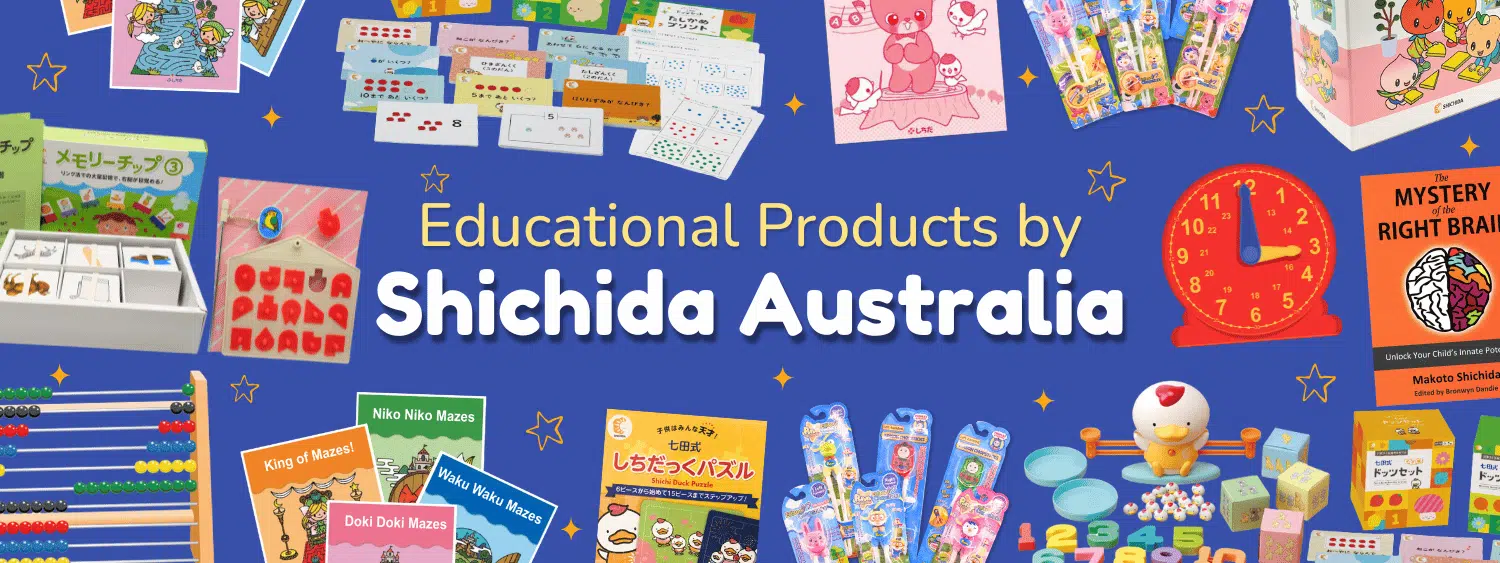
Literacy For Kids Educational Products by Shichida Australia
Looking for educational and meaningful tools to support your child’s literacy development? At Shichida Australia, we offer a carefully curated range of engaging, research-informed products designed to build early reading, writing, and language skills – perfect for use at home or alongside our Shichida Method program. Early learning has never been more fun!
Book a Trial Class
Come and see how songs, stories and flashcards build early literacy skills. Watch your child respond to new sounds and words in a welcoming classroom, and join in together. Book a baby, toddler or kinder trial class and see for yourself.
Frequently Asked Questions About Literacy for Kids
Literacy for kids is the development of literacy skills: listening, speaking, reading and writing. It begins with sounds, songs, words and stories, well before a child reads their first book.
Early literacy builds the foundation for reading, writing and communication. Meeting language, sounds and stories early gives children a familiar base as they begin school.
Children learn to read at different ages, and early reading foundations start well before they read words. Sounds, songs, letters and stories all build towards it, and readiness varies from child to child.
Pre-writing skills such as pencil grip, hand strength and control prepare children for early writing, like forming letters and words. They develop through play, drawing and hands-on activities well before children start to write.
Phonemic awareness is the ability to hear and play with the individual sounds in words. It is a key part of early literacy, and songs, rhythm and rhyming help children build it.
Yes, if you’re looking for reading classes for kids, literacy, phonics and reading are important parts of Shichida’s age-based classes, from Baby through to Primary. Each weekly class builds literacy skills alongside other skills like memory, numeracy and memory.
Classes use short, varied activities such as flashcards, phonics, songs and stories to build letter recognition, sound awareness and early reading. Which activities children do depends on their age and class level.
Children can join from 6 months to 5 years. Pre-Primary and Primary classes continue the learning for children who joined before their fifth birthday.
Classes include songs, stories, picture cards and conversation, which build vocabulary, listening and spoken language. Every child develops at their own pace.
Visual tracking starts in baby classes, where children follow moving targets with their eyes, and continues at every age. Speed reading is part of classes for older children and focuses on reading fluency. Find out more on our Speed Reading page.
Read together most days, sing and play with language, and try short sessions with flashcards and letter sheets. Our free resources are a good place to start.
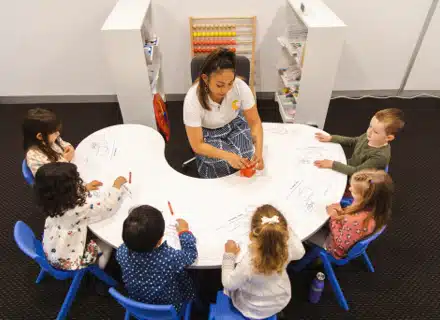
Shichida classes are weekly, 50 minutes long and play-based, in groups of up to six children with a parent alongside each child. Literacy is experienced in class with other skills and isn’t a standalone reading course.
Shichida supports all families, but classes are early learning classes for children generally and are not a clinical or diagnostic service. If you have concerns about your child’s speech, language or reading, speak with your GP, child health nurse or a speech pathologist.