

Key Takeaways
- A mindful pregnancy is about making intentional choices that support your physical health, emotional wellbeing, and connection with your baby.
- Prenatal nutrition plays an important role in supporting both your health and your baby’s growth.
- Key nutrients, including folate, iron, iodine, calcium, choline, and omega-3, help support healthy fetal development throughout pregnancy.
- Eating well looks different in each trimester as your body’s needs continue to change.
- Simple mindfulness practices can help you manage stress, improve emotional wellbeing, and prepare for birth.
- Your baby begins hearing your voice before birth, making pregnancy a wonderful time to start building your bond.
- Pregnancy education and antenatal classes can help you feel more confident about birth and early parenting.
- If you’re struggling with persistent anxiety, low mood, or physical concerns, speaking with your GP, midwife, or obstetrician is an important part of caring for yourself and your baby.
- Your baby’s early development begins during pregnancy and continues long after birth.
What Is a Mindful Pregnancy?
Pregnancy is filled with decisions. You might be wondering whether you’re eating the right foods, taking the right supplements, preparing enough for birth, or doing everything you can to support your baby’s development.
If you’re feeling that way, you’re certainly not alone.
Quick Answer
A mindful pregnancy is an intentional approach to pregnancy that combines balanced prenatal nutrition, emotional wellbeing, and meaningful connection with your baby. Rather than striving for perfection, it encourages small, consistent choices that help support your health, your baby’s development, and your confidence as you prepare for parenthood.
Looking for simple ways to connect with your baby during pregnancy?
About Mindful Pregnancy
A mindful pregnancy is about paying attention to what your body needs, caring for your mental wellbeing, and building a relationship with your baby long before they’re born.
Some days that might mean preparing a nutritious meal. Other days, it could simply mean taking time to rest, asking for help, or enjoying a quiet moment while feeling your baby move.
Every pregnancy looks different. Whether this is your first baby or you’re growing your family, practising mindfulness means responding to your own circumstances with kindness rather than pressure.
Australian pregnancy guidelines encourage looking after both physical and emotional health throughout pregnancy, recognising that they work together to support you and your growing baby.
The Four Pillars of a Mindful Pregnancy
A mindful pregnancy is built around four connected areas.
- Nutrition: The food you eat provides the nutrients your body needs while supporting your baby’s rapid growth and development.
- Mindfulness: Simple daily habits can help regulate your nervous system, manage everyday stress, and create moments of calm during pregnancy.
- Bonding: Your relationship with your baby begins before birth. Talking, singing, reading, and gentle touch all help nurture that connection.
- Education: Learning about pregnancy, birth, newborn care, and early childhood development can help you feel more prepared and confident for what’s ahead.
Why It Matters
Pregnancy is more than physical growth. Your nutritional choices, emotional wellbeing, sleep, movement, and support network all contribute to your overall pregnancy experience.
Looking after yourself isn’t selfish. It’s one of the most important ways you can care for your growing baby while also preparing yourself for birth and early parenthood.
Prenatal Nutrition: What Your Body and Baby Need
One of the most common questions during pregnancy is, “Am I eating the right foods?”
Instead of focusing on individual meals, aim to build healthy habits over time.
A balanced pregnancy diet includes a variety of vegetables, fruit, wholegrains, lean proteins, dairy or suitable alternatives, and healthy fats. Together, these foods provide the vitamins and minerals that support both your health and your baby’s development.
Rather than eating for two, think about nourishing two. As your pregnancy progresses, your nutritional needs gradually increase, but quality remains just as important as quantity.
If you have questions about supplements, food intolerances, or special dietary requirements, your GP, midwife, or obstetrician can provide personalised advice.
Key Nutrients for a Healthy Pregnancy
Your baby depends on you for every nutrient needed to grow. While many nutrients work together, several deserve particular attention throughout pregnancy.
- Folate: Folate supports early brain and spinal cord development. Good food sources include leafy green vegetables, legumes, and fortified cereals. Folic acid supplements are also recommended before conception and during early pregnancy as advised by your healthcare provider.
- Iron: Your body produces significantly more blood during pregnancy, increasing your iron requirements. Lean red meat, beans, lentils, spinach, and iron-fortified cereals are all valuable sources.
- Iodine: Iodine helps support healthy thyroid function and your baby’s brain development. Dairy foods, seafood, and iodised salt contribute to your intake, while iodine supplements are routinely recommended during pregnancy in Australia.
- Calcium: Calcium supports healthy bones and teeth while also helping maintain your own bone health. Dairy products, calcium-fortified plant milks, tofu, and canned salmon with bones are excellent choices.
- Vitamin D: Vitamin D works alongside calcium to support healthy bone development and immune function. Safe sun exposure, eggs, and oily fish can all contribute.
- Choline: Choline plays an important role in brain development throughout pregnancy. Eggs are one of the richest natural sources, alongside lean meats and dairy products.
Key Insight: A balanced diet can provide many of the nutrients needed during pregnancy, but folic acid and iodine supplements are commonly recommended in Australia. Individual needs may vary, so discuss supplements with your healthcare provider.
The Role of Omega-3 in Fetal Brain Development
When people talk about omega-3 during pregnancy, they’re usually referring to DHA, a type of omega-3 fatty acid that plays an important role in your baby’s brain and eye development.
During the third trimester, your baby’s brain grows at an incredible rate. DHA helps support this period of rapid development, making it an important nutrient for fetal brain and eye development.
The best dietary sources include:
- Salmon
- Sardines
- Mackerel
- DHA-enriched eggs
Plant foods such as walnuts, chia seeds, and flaxseeds also provide omega-3 fats, although your body converts only a small amount into DHA.
If you’re considering an omega-3 supplement, speak with your healthcare provider first. They can recommend whether supplementation is appropriate based on your individual needs.
When choosing seafood, continue following Australian food safety advice by selecting lower-mercury fish and limiting species known to contain higher mercury levels.
Foods That Support Fetal Development
Rather than chasing individual “superfoods”, focus on building balanced meals from a wide variety of nutritious foods.
Try including:
- Leafy green vegetables for folate and iron
- Berries and citrus fruits for vitamin C
- Eggs for choline and protein
- Salmon or sardines for omega-3
- Lentils, chickpeas, and beans for fibre and iron
- Dairy or fortified alternatives for calcium and iodine
- Wholegrain breads and cereals for sustained energy
- Nuts and seeds for healthy fats
- Lean red meat for iron, zinc, and vitamin B12
Small changes made consistently often have a greater impact than trying to overhaul your entire diet overnight.
Foods to Limit or Avoid
Food safety becomes especially important during pregnancy because your immune system naturally changes.
To help reduce the risk of foodborne illness, it’s generally recommended to avoid:
- Soft cheeses made from unpasteurised milk
- Deli meats unless thoroughly heated
- Pre-prepared salads
- Raw seafood
- Raw or undercooked eggs
- Undercooked meat
Pregnancy food-safety recommendations can be detailed and may change, so check current Australian guidance for advice on soft cheeses, deli meats, pre-prepared salads, raw seafood, eggs and other higher-risk foods.
You should also avoid alcohol throughout pregnancy, as there is no known safe amount.
If you enjoy coffee, aim to keep your caffeine intake below 200 mg each day, which is roughly one to two cups of brewed coffee depending on the strength.
Follow current Australian guidance on fish choices and serving frequency, particularly for higher-mercury species such as shark or flake, swordfish and marlin.
Pregnancy Diet Tips: Trimester by Trimester
Your nutritional needs don’t stay exactly the same throughout pregnancy. As your baby grows, your body adapts too.
Instead of worrying about eating perfectly every day, focus on what feels manageable during each stage.
First Trimester (Weeks 1 to 12)
During the first trimester, you may not need many extra calories, but your nutrient needs increase significantly.
If nausea or food aversions make eating difficult, remember that this stage is often about doing the best you can.
Helpful strategies include:
- Eating small, frequent meals
- Keeping dry crackers nearby
- Drinking water regularly
- Trying ginger if it helps settle your stomach
- Choosing foods you can tolerate rather than forcing meals
Folate, iron, and hydration should remain priorities throughout these early weeks.
Second Trimester (Weeks 13 to 27)
Many parents find that energy levels improve during the second trimester.
As your appetite returns, this is a great opportunity to establish balanced eating habits that will support the months ahead.
Focus on including:
- Lean protein with each meal
- Calcium-rich foods
- Iron-rich foods
- Healthy fats, including omega-3
This is also a good time to experiment with simple meal routines that will still feel manageable once the third trimester becomes more physically demanding.
Third Trimester (Weeks 28 to Birth)
As you move into the final trimester, your baby’s growth accelerates and your body continues working hard to prepare for birth. While you only need a small increase in energy, your nutrient needs remain high.
Continue focusing on:
- Omega-3 (DHA) to support your baby’s brain and eye development
- Iron to help meet increased blood volume demands
- Calcium for healthy bone development
- Fibre to help reduce constipation
You may also find that your growing baby leaves less room in your stomach, making heartburn or reflux more common. Instead of eating three large meals, try having smaller meals and snacks throughout the day. Staying well hydrated can also help you feel more comfortable as your due date approaches.
Hydration, Cravings, and Common Challenges
Alongside healthy eating during pregnancy, don’t forget about hydration. Australian guidelines recommend aiming for around 2.3 litres of fluids each day, although your needs may increase during warmer weather or if you’re physically active.
Drink water regularly throughout the day and increase your fluid intake during hot weather or physical activity. Your healthcare provider can advise you if you have particular hydration needs.
Cravings are another normal part of pregnancy. They aren’t always a sign that your body is lacking a particular nutrient. Hormones, emotions, habits, and even certain smells can all influence what you feel like eating. Instead of feeling guilty about occasional treats, focus on your overall eating pattern across the week.
If you’re dealing with constipation, increasing your fibre intake, drinking more water, and staying active can often help. For reflux, smaller meals and avoiding lying down straight after eating may make you more comfortable. If symptoms become severe or persistent, speak with your healthcare provider.
Mindfulness During Pregnancy
When you hear the word mindfulness, you might picture long meditation sessions or perfectly peaceful mornings.
In reality, mindfulness during pregnancy can be much simpler than that.
It’s about paying attention to what you’re experiencing without judging yourself. Some days you’ll feel excited and connected. Other days you might feel worried, exhausted, or overwhelmed. Both experiences can exist at the same time.
Looking after your emotional wellbeing is just as important as looking after your physical health. Pregnancy is a major life transition, and it’s completely normal to experience a wide range of emotions along the way.
Why Mindfulness Matters in Pregnancy
Your mental wellbeing plays an important role throughout pregnancy. While everyday stress is a normal part of life, ongoing stress, anxiety, or low mood can make pregnancy feel much more challenging.
Mindfulness doesn’t eliminate difficult emotions, but it can help you slow down, recognise what you’re feeling, and respond with greater self-compassion.
Taking even a few minutes each day to pause can help you feel more connected to both yourself and your growing baby.
Simple Daily Mindfulness Practices
Mindfulness doesn’t need to take hours out of your day. Small moments can be just as meaningful.
You might like to try:
- Three-breath check-ins. Pause a few times each day and take three slow, deep breaths before continuing with what you’re doing.
- Body scans. Spend five quiet minutes noticing how your body feels without trying to change anything.
- Mindful walks. Pay attention to the sounds, sights, and sensations around you while walking.
- Gratitude journalling. Write down three things you’re grateful for each day, no matter how small.
- Deep breathing. Place your hands on your belly, breathe slowly and deeply, and take a quiet moment to connect with your baby.
- Prenatal yoga or stretching. Gentle movement can help ease physical tension while supporting relaxation.
These practices aren’t about doing them perfectly. They’re simply opportunities to pause and care for yourself.
Managing Anxiety, Mood, and Sleep
If this is your first pregnancy, it’s natural to have questions and worries about what’s ahead. Even if you’ve been pregnant before, every pregnancy is different.
Try to be selective about where you get your information. Reading every online opinion can sometimes leave you feeling more anxious rather than more informed.
Good sleep habits can also make a difference. Creating a calming bedtime routine, using supportive pillows, and reducing screen time before bed may help improve sleep quality.
Most importantly, don’t feel like you have to manage everything on your own. Your partner, family, friends, GP, and midwife are all valuable sources of support.
When to Seek Support
Feeling emotional during pregnancy is common, but persistent anxiety or low mood deserves attention.
Speak with your GP, midwife, or obstetrician if you notice:
- Ongoing sadness that doesn’t lift
- Constant worry or panic
- Intrusive or distressing thoughts
- Withdrawing from people you care about
- Difficulty sleeping even when you’re exhausted
- Feeling unable to enjoy things you normally would
Seeking support isn’t a sign that you’re failing. It’s one of the most important ways you can care for yourself and your baby. Organisations such as Beyond Blue and PANDA also provide valuable support for Australian parents during pregnancy.
Key Insight: Mindfulness during pregnancy isn’t about feeling calm every moment of the day. It’s about noticing what you’re experiencing and responding with kindness instead of pressure.
Bonding With Your Baby Before Birth
One of the most beautiful parts of pregnancy is that your relationship with your baby has already begun.
Long before you hold them in your arms, your baby is learning about the world through the sounds, movements, and rhythms they experience in the womb.
Bonding doesn’t require expensive equipment or special techniques. It’s simply about creating moments of connection that feel natural to you.
Talking and Reading to Your Baby
Around the middle of pregnancy, your baby begins responding to sounds. By the third trimester, they’re becoming familiar with voices they hear regularly.
Talking to your baby while you’re driving, folding laundry, or preparing dinner may feel a little unusual at first, but it’s a lovely way to begin building your connection.
You could also read a favourite children’s book aloud or simply tell your baby about your day. There’s no right script. What matters most is hearing your familiar voice.
Partners can join in too. Hearing both parents’ voices before birth may help strengthen those early bonds after your baby arrives.
Music and Sound
Music can also become part of your daily routine.
Whether you enjoy classical music, acoustic songs, gentle lullabies, or your favourite playlist, your baby is exposed to rhythm and sound while in the womb.
There’s no evidence that one style of music makes babies smarter than another. The important thing is choosing music that helps you feel calm and relaxed.
Avoid prolonged exposure to very loud environments whenever possible.
Touch and Movement
As your baby grows, you may notice them responding when you gently place your hands on your belly.
Soft touch, gentle massage, or simply resting your hands where you feel movement can create quiet moments of connection.
Many partners also enjoy joining these moments, helping build a sense of family before birth.
Partner and Family Bonding
Pregnancy is something your whole family can experience together.
Encourage your partner to talk, sing, or read to your baby. If you already have children, inviting them to say hello to the baby or gently feel kicks can help them begin adjusting to their new role as an older sibling.
These simple moments create shared memories while helping everyone feel included.
The Shichida Perspective on Prenatal Bonding
At Shichida Australia, early learning begins with connection.
The Shichida Method recognises that the prenatal period is the beginning of your child’s lifelong learning journey. Talking, reading, singing, and responding to your baby during pregnancy all help nurture emotional security and strengthen your relationship before birth.
After your baby arrives, these same connection-focused experiences continue through Shichida Baby Classes, where sensory experiences, parent-child bonding, and whole-brain learning continue to develop in a supportive environment.
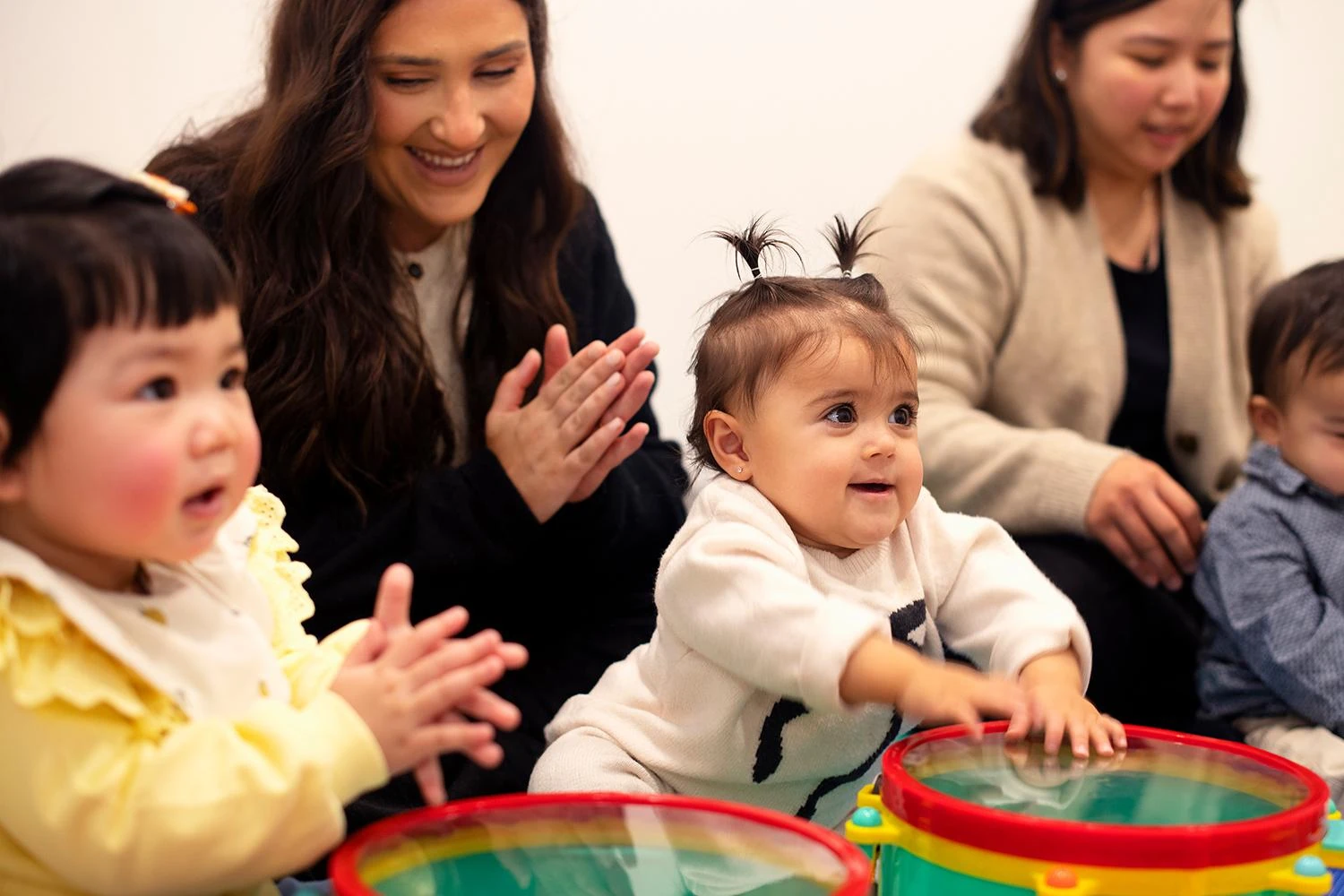
Image by Shichida Australia: Babies having fun in a Shichida baby class through music and sensory activities that support early learning, connection and whole-child development.
Pregnancy Education
The more informed you feel, the easier it can be to make decisions that suit your family.
Antenatal Classes
If you’re wondering what to do during pregnancy to prepare for birth, attending antenatal classes is a great place to start.
These classes often cover:
- Labour and birth
- Pain relief options
- Breastfeeding basics
- Newborn care
- Recovery after birth
- Looking after your own wellbeing
In Australia, you can access antenatal classes through public hospitals, private hospitals, independent childbirth educators, or online programs. Many parents attend during the second or early third trimester.
Birth Preparation
While it’s impossible to predict exactly how your birth will unfold, preparing can help you feel more confident.
During the final months of pregnancy, you might choose to:
- Discuss your birth preferences with your healthcare provider.
- Learn about different pain management options.
- Pack your hospital bag.
- Decide who you’d like as your support person.
- Familiarise yourself with your hospital or birth centre.
Think of your birth plan as a guide rather than a fixed script. Birth sometimes takes unexpected turns, and being flexible can help you feel more prepared for different possibilities.
Early Parenting Knowledge
Your learning journey doesn’t stop once your baby is born.
Understanding newborn sleep, feeding cues, settling techniques, and early development can help ease the transition into parenthood.
As your baby grows, you’ll also begin discovering how they learn through movement, sensory experiences, and everyday interactions. Many families continue building on these early experiences through programs such as Shichida Australia, which focuses on supporting children’s cognitive, emotional, and sensory development from infancy.
What to Do During Pregnancy: A Trimester Checklist
Every pregnancy is different, but having a simple checklist can help you feel organised without becoming overwhelmed.
First Trimester (Weeks 1 to 12)
- Book your first antenatal appointment with your GP or midwife.
- Begin folic acid and iodine supplements if recommended.
- Review any medications with your healthcare provider.
- Learn about pregnancy food safety.
- Rest whenever your body asks for it.
- Find gentle ways to manage nausea.
- Share your pregnancy news when you feel ready.
Second Trimester (Weeks 13 to 27)
- Attend your morphology ultrasound.
- Continue building balanced eating habits.
- Stay active with pregnancy-safe exercise if approved by your healthcare provider.
- Research and book antenatal classes.
- Spend time talking, reading, or singing to your baby.
- Begin planning parental leave and practical preparations.
Third Trimester (Weeks 28 to Birth)
- Attend your antenatal classes.
- Finalise your birth preferences.
- Pack your hospital bag around 36 weeks.
- Prepare your baby’s sleep space.
- Organise support for the weeks after birth.
- Prioritise rest, hydration, and nourishing meals.
- Continue focusing on iron, calcium, and omega-3 for fetal brain development.
Remember, this checklist is designed to support your pregnancy journey alongside the advice of your healthcare team, not replace it.
Common Concerns and When to Speak With Your Healthcare Provider
Pregnancy comes with plenty of questions, and no concern is too small to discuss with your healthcare provider.
It’s important to seek medical advice if you experience:
- Persistent nausea or vomiting that makes it difficult to eat or drink.
- A noticeable change in your baby’s movements during the third trimester.
- Ongoing anxiety, persistent low mood, or intrusive thoughts.
- Severe headaches, vision changes, or sudden swelling.
- Bleeding, leaking fluid, or regular painful contractions before term.
- Anything that simply doesn’t feel right.
You know your body better than anyone else. If something is worrying you, trust your instincts and contact your GP, midwife, or obstetrician.
Remember that this article provides general guidance only. Your pregnancy is unique, and your healthcare team can offer personalised advice based on your individual circumstances.
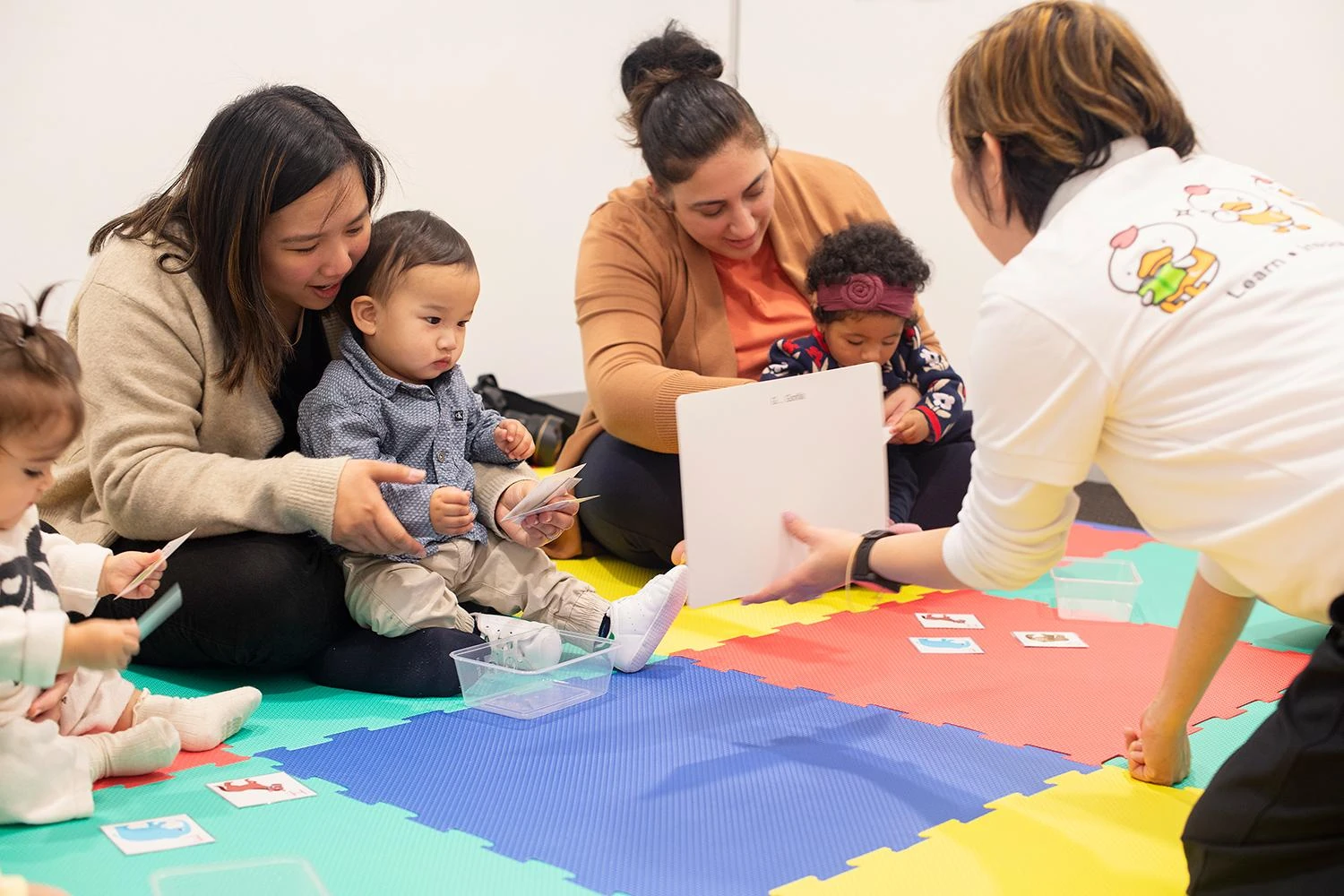
Image by Shichida Australia: A mindful pregnancy nurtures your baby’s earliest development through love and connection. At Shichida Australia, those same foundations continue to grow through engaging parent-child learning experiences.
Continuing the Journey: From Pregnancy to Early Childhood
Your pregnancy is much more than nine months of preparation. It’s the beginning of your relationship with your child.
After birth, those same moments of connection continue through cuddles, eye contact, songs, stories, play, and shared experiences.
At Shichida Australia, this philosophy continues through The Shichida Method, which encourages parents to nurture children’s cognitive, emotional, and sensory development from their earliest months. Rather than focusing solely on academic learning, the program supports the whole child through meaningful parent-child interaction and age-appropriate activities.
If you’re already embracing a mindful pregnancy, exploring early childhood programs can be a natural next step as your baby grows.
A mindful pregnancy lays the foundation. Discover how Shichida Australia’s early childhood classes can help support your baby’s sensory, cognitive, and emotional development from their very first months of life.
Find a Shichida centre
Enquire today to find your nearest Shichida early childhood education centre and learn more about the amazing Shichida program!
7 Centres in Australia
VIC: Chadstone, Doncaster, Highpoint & Glen Waverley
NSW: Chatswood, Parramatta & Burwood

FAQs About Mindful Pregnancy
A mindful pregnancy involves making intentional choices that support your physical health, emotional wellbeing and connection with your baby. It is not about having a perfect pregnancy, but about responding to your changing needs with care and seeking support when necessary.
Aim for a balanced diet that includes vegetables, fruit, whole grains, lean protein, dairy or fortified alternatives and healthy fats. Your individual nutritional needs may vary, so speak with your GP, midwife, obstetrician or an accredited practising dietitian for personalised advice.
Folate, iodine, iron, calcium, vitamin D, choline and omega-3 fats all play important roles during pregnancy. Folic acid and iodine supplements are commonly recommended in Australia, but you should discuss all supplements with your healthcare provider.
Fish such as salmon and sardines provide DHA and EPA, the forms of omega-3 most directly associated with fetal brain and eye development. Walnuts, chia seeds and flaxseeds provide ALA, which the body converts into DHA only in small amounts.
Not everyone needs an omega-3 supplement. Your healthcare provider can assess your diet, health and individual needs and advise whether a pregnancy-safe supplement is appropriate.
Australian food-safety guidance recommends avoiding alcohol and taking particular care with foods that may carry listeria, salmonella or mercury risks. Check current Australian guidance for advice about soft cheeses, deli meats, pre-prepared salads, raw seafood, eggs, undercooked meat and higher-mercury fish.
Simple mindfulness practices include slow breathing, gentle movement, mindful walking, journalling and pausing to notice how your body feels. These activities are not intended to eliminate difficult emotions, but they may help you slow down and respond to yourself with greater care.
Babies begin responding to sound during pregnancy and become increasingly familiar with frequently heard voices. Talking, singing or reading aloud can also give parents a simple way to feel connected to their baby before birth.
Some worry and emotional change can be common during pregnancy. Speak with your GP, midwife or obstetrician if anxiety, low mood or distress is persistent, affects your daily life or makes it difficult to function. Support is also available through specialist perinatal mental health services such as PANDA.
Many parents attend antenatal classes during the second or early third trimester. Booking earlier can give you more choice of dates and allows time to learn about labour, birth, feeding, newborn care and early parenting.
Partners can talk, sing or read to the baby, attend appointments, feel the baby move and take part in planning for birth and early parenthood. These shared moments can help both parents feel more involved during pregnancy.